
枇杷清肺飲 · Pí Pá Qīng Fèi Yǐn
Pi Pa Qing Fei Yin
A classical formula for Lung heat venting to the face as acne, pimples and red papules.
View formula profile →Why This Formula?
Traditionally selected for Lung heat venting to the face as acne, rather than boils, Lung-heat cough, or Stomach fire toothache.
Traditionally selected for Lung heat venting to the face as acne, rather than boils, Lung-heat cough, or Stomach fire toothache.
Overview
What Is Pi Pa Qing Fei Yin?
1. Ancient Classics Inheritance
Pi Pa Qing Fei Yin (枇杷清肺饮), or Loquat Leaf Drink to Clear the Lungs, is a classical Qing-dynasty formula commonly cited from the Yi Zong Jin Jian (Golden Mirror of Medicine). It belongs to the category of formulas that clear Lung Heat, drain Damp-Heat, and cool the Blood.
This formula addresses Lung Heat steaming the skin, a pattern classically linked to facial sores and acne as well as Heat-Phlegm cough. Typical signs include red, inflamed facial papules or pustules, oily skin, possible cough with yellow phlegm, thirst, a red tongue with yellow coating, and a rapid pulse.
Combining Pi Pa Ye as the chief herb to clear Lung Heat and descend rebellious Qi, Sang Bai Pi to drain Heat from the Lungs, Huang Lian and Huang Bai to drain Fire and Damp-Heat from the Upper and Lower Burners, and a small amount of Ren Shen with Gan Cao to protect Qi and generate fluids so the bitter-cold herbs do not damage the Middle, Pi Pa Qing Fei Yin clears Heat from the Lungs and is especially well known for Heat-type acne and other skin eruptions that follow the Lung’s outward-opening to the skin.

2. Acne Treatment
- Targeting Skin Heat: Pi Pa Qing Fei Yin (Loquat Lung-Clearing Decoction) is widely used to help manage acne. In TCM, breakouts are often linked to excess wind-heat or damp-heat trapped in the lung and stomach pathways. By cooling this internal heat, the formula addresses a key underlying cause of the breakouts.
- Ideal Candidates: It is traditionally used for early-stage acne, especially when breakouts appear as a flushed red face, inflamed pimples, or pustules.
- Supporting Symptoms: Practitioners often look for supporting signs like a dry mouth, a bitter taste, or dry stools. With consistent use, clearing this internal heat can help reduce inflammation, minimize breakouts, and support a smoother, clearer complexion over time.

3. Managing Respiratory Issues
- Soothing the Airways: Beyond skin health, this formula is also used to soothe mild respiratory issues, such as coughing and wheezing caused by the same wind-heat or damp-heat imbalances.
- When to Use It: It is often considered when a cough is accompanied by thick, yellow phlegm, a mild fever, thirst, and dry stools.
- How It Helps: By clearing the heat trapped in the lungs and stomach, Pi Pa Qing Fei Yin (Loquat Lung-Clearing Decoction) helps open the airways, calms the cough, and makes it easier to thin and clear phlegm, supporting a smooth and natural recovery process.
How It Works
Herb Composition (Sovereign / Minister / Assistant / Envoy)
1. King Herb: Pi Pa Ye (Loquat Leaf)
Pi Pa Ye acts as the "King" or chief herb in Pi Pa Qing Fei Yin. In Traditional Chinese Medicine (TCM), it has a bitter taste and a slightly cold nature, targeting the lung and stomach meridians.
- Core Function: It is highly valued for clearing lung heat, stopping coughs, and directing stomach energy downward to relieve nausea.
- Why it helps: In this formula, Pi Pa Ye takes the lead role in cooling the lungs. By directly clearing the trapped internal heat, it acts as the master key to resolving lung-related discomforts.
2. Minister Herb: Sang Bai Pi (Mulberry Bark)
As the "Minister," this sweet and cold herb primarily targets the lung meridian to support the King herb.
- Core Function: It drains lung heat, calms wheezing, and promotes water metabolism to reduce swelling.
- Why it helps: Sang Bai Pi strongly reinforces the heat-clearing power of the King herb. Additionally, by helping the body flush out excess fluids through urination, it reduces the overall burden on the lungs, making the formula much more effective.
3. Assistant Herbs: Huang Qin (Baical Skullcap Root) and Zhi Mu (Anemarrhena Rhizome)
These two herbs work as a team to balance the formula and tackle stubborn internal fire.
- Huang Qin: Bitter and cold, this herb is a powerful tool for clearing heat, drying dampness, and resolving toxicity. It acts as a heavy hitter to stop internal fire from spreading, heavily supporting the King and Minister herbs.
- Zhi Mu: Bitter, sweet, and cold. While it also clears heat, its unique job is to nourish Yin (the body's natural cooling moisture). It protects the body's essential fluids from being dried out by the other bitter, cold herbs, ensuring the formula clears heat without causing damage.

4. Courier Herb: Gan Cao (Licorice Root)
Gan Cao is the sweet, neutral harmonizer that ties the whole formula together.
- Core Function: It gently boosts energy, moistens the lungs, and clears heat.
- Why it helps: As a courier, it acts as a peacemaker, ensuring all the different herbs in Pi Pa Qing Fei Yin work together smoothly without clashing. It also helps soothe coughs directly and reduces any harsh side effects from the stronger herbs.
Symptoms Traditionally Associated
Clinical Presentation in TCM
1. Pathogenesis (Underlying Causes)
In TCM, the lungs manage breathing and are directly connected to the skin and hair. Pi Pa Qing Fei Yin targets a specific imbalance known as Wind-Heat in the Lung Meridian or Damp-Heat in the Lungs and Stomach.
- The Chain Reaction: When external wind-heat or internal damp-heat gets trapped in the lungs, the lungs lose their ability to circulate energy properly. This trapped energy turns into "fire" or excess heat.
- The Symptoms: Since the lungs control the skin, this heat often travels upward to the face, causing acne and breakouts. Internally, if the lung energy moves upward instead of downward, it leads to coughing and wheezing.
2. Traditional Benefits
Based on these TCM principles, the formula is designed to cool things down and clean the system out.
- Clearing Heat and Toxicity: It strongly cools the heat trapped in the lungs and stomach while clearing out accumulated toxins.
- Restoring Balance: By resolving the internal fire, it helps the lungs return to their normal, healthy function. It tackles both the root cause (trapped heat) and the visible symptoms, offering a comprehensive balancing effect.

3. Common Indications (What It is Used For)
Traditionally, Pi Pa Qing Fei Yin is a go-to remedy for heat-related skin and respiratory issues. Common signs that this formula might be a good fit include:
- Skin Issues: A flushed face, early-stage acne, pimples, or blemishes that are red and inflamed.
- Digestive/Internal Heat Signs: Dry mouth, a bitter taste in the mouth, dry stools, and dark, scanty urine.
- Respiratory Discomfort: Mild coughing or wheezing linked to the same lung heat imbalance.
- Overall: It is most traditionally used when a practitioner identifies that stubborn acne or mild respiratory issues are stemming from excess heat in the lung and stomach pathways.
Formula Analysis
The Mechanism in Classical Theory
1. Synergy of the Herbs
- Teamwork for the Lungs: Pi Pa Ye (Loquat Leaf) and Sang Bai Pi (Mulberry Bark) team up to strongly enhance the formula's ability to clear lung heat, soothe coughs, and calm wheezing. While Pi Pa Ye focuses on venting the heat outward, Sang Bai Pi drains the "fire" and helps the lung energy flow properly. Together, they tackle the trapped heat from all angles, opening up the airways.
- Balancing the Fire: Huang Qin (Baical Skullcap Root) and Zhi Mu (Anemarrhena Rhizome) step in as essential assistants. Huang Qin specifically targets excess heat in the upper body. Meanwhile, Zhi Mu clears heat while also nourishing Yin (the body's cooling moisture), ensuring that the strong cooling herbs do not dry out the body's natural fluids.
- The Harmonizer: Finally, Gan Cao (Licorice Root) brings everything together. It harmonizes the ingredients so they work smoothly as a cohesive unit, directly helps to soothe coughs, and protects the body's foundational energy.

2. Holistic Approach
- Treating the Root Cause: This formula takes a big-picture approach, targeting the root causes of the discomfort: Wind-Heat in the Lung Meridian or Damp-Heat in the Lungs and Stomach.
- Whole-Body Balance: By clearing this deep-seated heat, it addresses the underlying imbalances rather than just masking the symptoms. It does not just focus on the lungs; it also helps regulate related systems, like the stomach. This reflects the core philosophy of Traditional Chinese Medicine (TCM)—looking at the body as an interconnected whole and treating the specific pattern of disharmony.
How This Formula Compares
Clinical Comparison Table
| Compare | Pi Pa Qing Fei Yin | Wu Wei Xiao Du Yin | Xie Bai San | Qing Wei San |
|---|---|---|---|---|
| Primary Function | Clear Lung heat, resolve toxin, benefit skin | Clear heat, resolve toxin, disperse sores | Clear Lung heat, stop cough and wheezing | Clear Stomach heat, cool blood, relieve fire toxin |
| Formula Category | Heat-Clearing Formulas | Heat-Clearing Formulas | Heat-Clearing Formulas | Heat-Clearing Formulas |
| Typical TCM Pattern | Lung Heat | Damp-Heat | Lung Heat | Stomach Heat |
| Main Conditions | Fever, Sore Throat | Cough, Dry Cough, Fever | Headache | |
| Main Herbs | Ginseng Root · Coptis Rhizome · Phellodendron Bark · Licorice Root · Mulberry Root Bark · Loquat Leaf | Honeysuckle Flower · Wild Chrysanthemum · Viola · Semiaquilegia Root · Dandelion | Mulberry Root Bark · Wolfberry Root Bark · Licorice Root · Non-glutinous Rice | Coptis Rhizome · Raw Rehmannia Root · Moutan Bark / Tree Peony Bark · Chinese Angelica Root · Cimicifuga Rhizome |
| Classical Source | Classical TCM formulary | Yi Zong Jin Jian (Qing dynasty) | Li Dongyuan school / classical | Li Dongyuan school / classical |
How to tell them apart
Pi Pa Qing Fei Yin, Wu Wei Xiao Du Yin, Xie Bai San and Qing Wei San clear heat related to Lung or face. Wu Wei Xiao Du Yin clears heat toxin for boils; Xie Bai San clears constrained Lung heat cough; Qing Wei San clears Stomach fire toothache. Pi Pa Qing Fei Yin clears Lung heat venting to the face as acne and red papules.
Clinical Modifications
Clinical Modifications for Pi Pa Qing Fei Yin
1. For Severe Lung Heat
- Cooling the Fire: If the heat trapped in the lungs is especially intense, a practitioner might add Shi Gao (Gypsum) and extra Zhi Mu (Anemarrhena Rhizome) to the formula.
- Why it helps: Shi Gao is a very cold-natured mineral that is highly effective at clearing severe heat and easing intense thirst. When paired with Zhi Mu, it creates a powerful combination that quickly cools down "fire" in the respiratory system, providing faster relief.
2. For Heavy Damp-Heat in the Spleen and Stomach
- Aiding Digestion: When a patient has signs of sluggish digestion or heavy dampness along with the heat, herbs like Huang Lian (Coptis Rhizome) and Hou Po (Magnolia Bark) are often included.
- Why it helps: Huang Lian is excellent at clearing heat and drying up excess dampness in the gut. Meanwhile, Hou Po helps move trapped energy, ease bloating, and resolve phlegm. Together, they help "reboot" the digestive system and clear out the sticky damp-heat.

3. For Severe Skin Rashes and Itching
- Soothing the Skin: If the skin breakouts are accompanied by intense redness and itching, Bai Xian Pi (Dictamnus Root Bark) and Di Fu Zi (Kochia Fruit) can be added to the mix.
- Why it helps: In Traditional Chinese Medicine, both of these herbs are renowned for their ability to clear heat, dispel "wind" (which often causes itching), and soothe irritated skin. They work together to calm the itch and make the patient much more comfortable.
Modern Research
What the Science Suggests
1. Pharmacological Actions
- Active Compounds: Modern research suggests that the herbs in Pi Pa Qing Fei Yin (Loquat Lung-Clearing Decoction) contain various active ingredients that support the body's healing process. For example, Pi Pa Ye (Loquat Leaf) contains flavonoids and triterpenes, which studies show can help reduce inflammation, calm coughs, and clear phlegm.
- Supporting the Lungs and Immunity: Research indicates that Sang Bai Pi (Mulberry Bark) can help reduce inflammation in the respiratory tract. Furthermore, assistant herbs like Huang Qin (Baical Skullcap Root) and Zhi Mu (Anemarrhena Rhizome) have demonstrated antibacterial and antiviral properties in lab settings, helping to support the immune system and clear out internal irritants.

2. Clinical Efficacy Validation
- Evidence for Acne: Numerous clinical observations have backed up the traditional use of this formula for skin health. Studies show that Pi Pa Qing Fei Yin (Loquat Lung-Clearing Decoction) can noticeably improve acne symptoms, reducing both the severity of the blemishes and how often they appear.
- Evidence for Respiratory Health: For respiratory issues, clinical data supports its use as a generally safe and effective option for easing mild coughs and wheezing. These modern findings help validate centuries of traditional wisdom, giving practitioners a solid, evidence-based foundation for using this formula today.
Safety
Safety Considerations
1. Dietary and Special-Population Precautions
While taking Pipa Qingfei Decoction, avoid spicy, greasy, stimulating foods and alcohol. Maintain a light diet. Pregnant women, children, and people with spleen-stomach deficiency-cold should use it only under medical supervision, as its cooling properties may cause adverse effects or weaken digestion.
2. Monitoring and Medication Use
Monitor symptoms closely and seek medical attention if they do not improve or if new discomfort occurs. Take the decoction as prescribed and do not change the dosage or stop treatment without professional advice.
Available Products
Where to Get It
 HJMEDICAL
Hoi Tin Pi Pa Qing Fei Yin (Loquat Leaf Lung-Clearing) 5:1 Concentrated Granules
$34.67
HJMEDICAL
Hoi Tin Pi Pa Qing Fei Yin (Loquat Leaf Lung-Clearing) 5:1 Concentrated Granules
$34.67
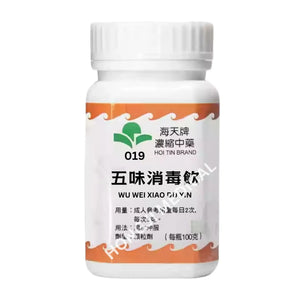 HJMEDICAL
Hoi Tin Wu Wei Xiao Du Yin (Five-Ingredient Toxin-Dispersing Drink) 5:1 Concentrated Granules
$23.54
HJMEDICAL
Hoi Tin Wu Wei Xiao Du Yin (Five-Ingredient Toxin-Dispersing Drink) 5:1 Concentrated Granules
$23.54
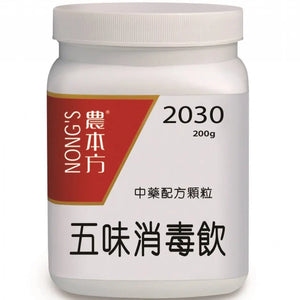 HJMEDICAL
Nong's Wu Wei Xiao Du Yin (Five-Ingredient Toxin-Dispersing) 5:1 Concentrated Granules
$50.18
HJMEDICAL
Nong's Wu Wei Xiao Du Yin (Five-Ingredient Toxin-Dispersing) 5:1 Concentrated Granules
$50.18
 HJMEDICAL
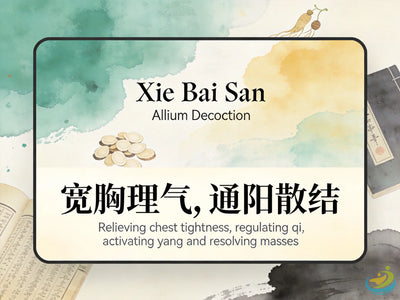
Hoi Tin Xie Bai San (Drain the White Powder) 5:1 Concentrated Granules
$26.32
HJMEDICAL
Hoi Tin Xie Bai San (Drain the White Powder) 5:1 Concentrated Granules
$26.32
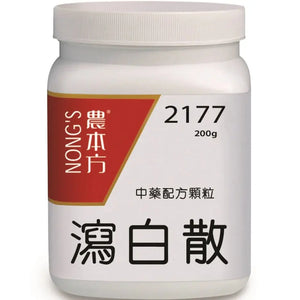 HJMEDICAL
Nong's Xie Bai San (Drain the White Powder) 5:1 Concentrated Granules
$44.83
HJMEDICAL
Nong's Xie Bai San (Drain the White Powder) 5:1 Concentrated Granules
$44.83
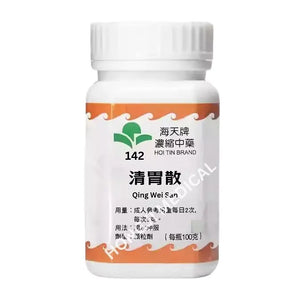 HJMEDICAL
Hoi Tin Qing Wei San (Clear the Stomach Powder) 5:1 Concentrated Granules
$24.93
HJMEDICAL
Hoi Tin Qing Wei San (Clear the Stomach Powder) 5:1 Concentrated Granules
$24.93
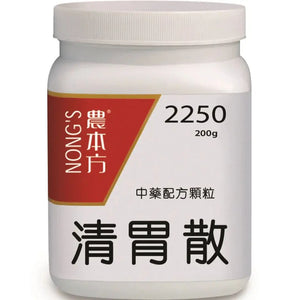 HJMEDICAL
Nong's Qing Wei San (Clear the Stomach Powder) 5:1 Concentrated Granules
$64.09
HJMEDICAL
Nong's Qing Wei San (Clear the Stomach Powder) 5:1 Concentrated Granules
$64.09


FAQ
Questions About Pi Pa Qing Fei Yin
Q1: What are the actions of Pi Pa Qing Fei Yin?
Q2: Which modern conditions is Pi Pa Qing Fei Yin suited to?
Q3: Is Pi Pa Qing Fei Yin suitable for improving red, inflamed facial acne from Lung Heat?
Q4: Who should not take Pi Pa Qing Fei Yin?
Q5: Why clear the Lung to treat the face?
Q6: How does Pi Pa Qing Fei Yin differ from Qing Fei Tang or Yin Qiao San?
Q7: What are the main ingredients of Pi Pa Qing Fei Yin?
Q8: Is Pi Pa Qing Fei Yin suitable for long-term use?
Q9: Can this formula help both facial acne and a dry Heat cough of the same pattern?
Q10: What lifestyle advice supports the use of Pi Pa Qing Fei Yin?
FAQ
General Questions
How do I choose the right formula?
What are concentrated herbal granules?
How should I take these products?
Are concentrated herbal granules equivalent to traditional decoctions?
Are your products authentic?
Are HJMEDICAL products manufactured under GMP standards?
Do you ship internationally?
Can I take more than one formula at the same time?
Are these products suitable during pregnancy or breastfeeding?
Do these products replace medical treatment?
Medical Disclaimer
For general TCM education only — not medical advice. Consult a qualified TCM practitioner or licensed healthcare provider before use, especially if pregnant, nursing, on medication, or managing a chronic condition.
Not sure which formula is right for you?
Take the AI Assessment最新文章
-

Yang He Tang: Classic TCM Formula for Yin-Type Sores, Cold Abscesses & Deficiency Cold
Yang He Tang: Classic TCM Formula for Yin-Type Sores, Cold Abscesses & Deficiency Cold

-
Yang He Tang: Classic TCM Formula for Yin-Type Sores, Cold Abscesses & Deficiency Cold
Yang He Tang: Classic TCM Formula for Yin-Type Sores, Cold Abscesses & Deficiency Cold -

Juan Bi Tang: Classic TCM Formula for Wind-Damp Bi Syndrome, Joint Pain & Numbness
Juan Bi Tang: Classic TCM Formula for Wind-Damp Bi Syndrome, Joint Pain & Numbness -

Shi Xiao San: Classic TCM Formula for Blood Stasis, Menstrual Pain & Fixed Abdominal Pain
Shi Xiao San: Classic TCM Formula for Blood Stasis, Menstrual Pain & Fixed Abdominal Pain -

Zhi Bai Di Huang Wan: Classic TCM Formula for Yin Deficiency with Fire, Night Sweats & Hot Flashes
Zhi Bai Di Huang Wan: Classic TCM Formula for Yin Deficiency with Fire, Night Sweats & Hot Flashes -

Fang Ji Huang Qi Tang: Classic TCM Formula for Edema, Sweating & Wind-Damp
Fang Ji Huang Qi Tang: Classic TCM Formula for Edema, Sweating & Wind-Damp


