Dampness-Draining Formulas

防己黄芪汤 · Fáng Jǐ Huáng Qí Tāng

Fang Ji Huang Qi Tang

A classical formula from the Jin Gui Yao Lue for wind-damp with Qi deficiency. It addresses oedema, heavy limbs and spontaneous sweating where the exterior is weak and dampness is retained.

View formula profile →
Last reviewed August 2026
Formula CategoryDampness-Draining Formulas
Primary PatternQi Deficiency
Primary FunctionTonify Qi, dispel wind, drain dampness
Primary Therapeutic PrincipleTonify Qi, strengthen the exterior, dispel wind and promote urination
Main HerbsStephania Root · Astragalus Root · White Atractylodes Rhizome · Honey-fried Licorice
Classical SourceJin Gui Yao Lue (Zhang Zhongjing, Eastern Han)

Why This Formula?

Traditionally selected for wind-damp oedema with spontaneous sweating and aversion to wind, where Qi deficiency allows damp retention — combining exterior tonification with mild diuresis rather than pure draining or pure Yang-warming approaches.

Traditionally selected for wind-damp oedema with spontaneous sweating and aversion to wind, where Qi deficiency allows damp retention — combining exterior tonification with mild diuresis rather than pure draining or pure Yang-warming approaches.

What Is Fang Ji Huang Qi Tang?

1. Classical Source

Fang Ji Huang Qi Tang, also known as Stephania and Astragalus Decoction, is a foundational classical formula from Zhang Zhongjing’s Jin Gui Yao Lue (Essential Prescriptions of the Golden Cabinet) of the Eastern Han dynasty. This time-tested prescription was designed to treat the pattern of exterior qi deficiency accompanied by wind-damp invasion and water retention.

It remains one of the most important remedies in Traditional Chinese Medicine for symptoms such as edema (especially in the lower limbs), heavy body sensation, spontaneous sweating, aversion to wind, and scanty urination, making it a key formula for qi-deficient wind-water patterns.

Fang Ji Huang Qi Tang

2. Internal Medicine

  • Edema: The body holds onto too much water, causing swelling — especially in the legs. This formula helps the body drain the excess fluid and reduces swelling.

  • Spontaneous Sweating: Some people sweat heavily even when resting, because the body can't regulate perspiration properly. This formula helps the body hold sweat in and stop the leakage.

3. Surgical/Wound Care

  • Sores and Ulcers: Wounds that won't heal and keep oozing fluid. This formula boosts the body's healing energy and helps drain the excess fluid from the wound.
Fang Ji Huang Qi Tang

4. Gynecology

  • Pregnancy‑Related Edema: Swelling during pregnancy when the body is too tired to process fluids well. This formula safely reduces swelling and supports the mother's energy without harming the baby.

Herb Composition (Sovereign / Minister / Assistant / Envoy)

1. Monarch (Jun): Fang Ji (Stephania)

Pungent, bitter, cold. Promotes urination, reduces edema, dispels wind, relieves pain. Key in draining dampness and eliminating excess fluid, crucial for alleviating limb swelling and joint pain.

2. Minister (Chen): Huang Qi (Astragalus)

Sweet, slightly warm. Tonifies qi, raises yang, stabilizes the exterior, promotes diuresis. Strengthens upright qi and resistance, augments damp-draining, and addresses spontaneous sweating.

3. Assistant (Zuo): Bai Zhu (Atractylodes)

Sweet, bitter, warm. Strengthens spleen, tonifies qi, dries dampness, promotes water metabolism. Reinforces spleen function to reduce internal damp generation and synergizes to eliminate retained water.

Fang Ji Huang Qi Tang

4. Envoy (Shi): Gan Cao (Licorice)

Sweet, neutral. Tonifies spleen and qi, harmonizes other herbs. Promotes synergistic action between Fang Ji, Huang Qi, and Bai Zhu, aiding absorption and mitigating potential adverse effects.

Clinical Presentation in TCM

1. Pathogenesis

Fang Ji Huang Qi Tang addresses complex patterns of wei qi deficiency combined with pathogenic wind and dampness, restoring balance through its multi-pronged actions.

The formula targets a deficiency of protective (wei) qi, allowing the invasion of wind and retention of water-damp at the muscle surface. This leads to heaviness, spontaneous sweating, and joint pain as wind and dampness lodge in the superficial channels.

2. Actions

The formula tonifies qi to consolidate the exterior, dispels wind, strengthens the spleen, and promotes urination to drain dampness. Key herbs like Huang Qi (Astragalus) secure the exterior, Fang Ji (Stephania) expels wind and promotes diuresis, and Bai Zhu (Atractylodes) strengthens the spleen.

3. Indications

Indicated for wind-water or wind-damp patterns, presenting with symptoms such as a floating pulse, bodily heaviness, spontaneous sweating, limb edema, and joint pain. It's particularly effective when these symptoms arise from wei qi weakness and internal damp accumulation.

Fang Ji Huang Qi Tang

4. How to Identify If Fang Ji Huang Qi Tang Fits Your Symptoms

Fang Ji Huang Qi Tang (防己黄芪汤, Stephania and Astragalus Decoction) is a classic formula that tonifies Qi, consolidates the exterior, strengthens the Spleen, and promotes urination to dispel wind-damp. It is mainly indicated for wind-water or wind-damp patterns with exterior deficiency (Wei Qi deficiency + water-damp accumulation). Use this self-check as a practical guide—not a substitute for professional TCM diagnosis.

Step 1: Check Your Tongue

Look in the mirror under good natural light:

  • Tongue body: Pale, possibly swollen or with teeth marks.
  • Tongue coating: White, moist, or slightly greasy/white coating. → A red tongue body or yellow/dry coating usually points away from this pattern.

Step 2: Evaluate Your Temperature & Sweating Preference

  • Spontaneous sweating or easy sweating (especially with mild activity), often with aversion to wind.
  • Feel sensitive to wind or drafts; may feel chilly when exposed.
  • Body or limbs feel heavy; discomfort often worsens in damp or rainy weather.
  • Prefer warmer environments but the main issue is exterior insecurity rather than deep internal cold.

Step 3: Match the Core Symptoms

Look for a cluster of these classic signs (the more that match, the stronger the fit):

  • Sensation of heaviness in the body or limbs.
  • Mild edema or puffiness, especially in the lower body, legs, or ankles (may pit slightly when pressed).
  • Joint or limb pain/aching that feels heavy or worsens with damp weather (common in knees or lower extremities).
  • Reduced or difficult urination.
  • Fatigue, soft or weak muscles, tendency toward a soft or sagging body type.
  • Easy sweating with aversion to wind.

Step 4: Notice Supporting Signs

  • History of easy sweating, frequent mild colds, or weak exterior defenses.
  • Floating (or floating-moderate) pulse.
  • Possible mild abdominal fullness or reduced appetite linked to Spleen deficiency.
  • In some cases: chronic joint discomfort or idiopathic edema patterns associated with Qi deficiency and damp.

Practical tip: Keep a simple 3–5 day symptom diary noting tongue appearance (photo if helpful), sweating patterns, body heaviness, swelling locations, joint sensations, and weather sensitivity. Bring it to a qualified TCM practitioner for confirmation, pulse diagnosis, and personalized advice (including dosage form and any needed modifications).

The Mechanism in Classical Theory

1. Coordinated Damp‑Draining & Exterior‑Consolidating Actions

Fang Ji acts like a drain — it removes excess fluid that has built up in the body. Huang Qi acts like a seal — it strengthens the body's outer defenses so the problem doesn't come back. One clears the issue; the other prevents it from returning.

2. Spleen‑Strengthening for Fluid Transformation

Bai Zhu helps the digestive system manage fluids properly, so excess fluid stops building up in the first place. Paired with Fang Ji, which drains existing fluid, the two herbs work as a team: one removes the backlog, the other stops new buildup.

Fang Ji Huang Qi Tang

3. Harmonization & Gastroprotective Role

Gan Cao (Licorice) is the peacekeeper of the formula. It softens the effect of the stronger herbs, protects the stomach from irritation, and helps all the ingredients work together without causing side effects.

Clinical Comparison Table

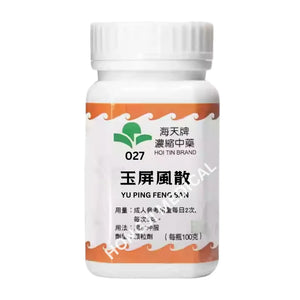
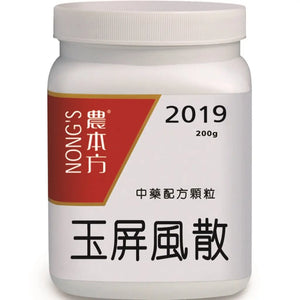
Compare Fang Ji Huang Qi TangYu Ping Feng SanWu Pi YinZhen Wu Tang
Primary Function Tonify Qi, dispel wind, drain dampnessTonify Qi, consolidate the exterior, stop sweatingDrain dampness, reduce oedema, move QiWarm Yang, promote urination, transform water
Formula Category Dampness-Draining FormulasQi-Tonifying FormulasDampness-Draining FormulasYang-Tonifying Formulas
Typical TCM Pattern Qi DeficiencyQi DeficiencyDampnessYang Deficiency
Main Conditions Edema, Spontaneous Sweating, Joint Discomfort, Fatigue & Low EnergySpontaneous Sweating, Susceptible to Colds, Fatigue & Low Energy, Allergic RhinitisEdema, Bloating, Frequent Urination, Poor AppetiteEdema, Abdominal Pain, Cold Limbs, Diarrhea, Palpitations
Main Herbs Stephania Root · Astragalus Root · White Atractylodes Rhizome · Honey-fried LicoriceAstragalus Root · White Atractylodes Rhizome · Saposhnikovia RootMulberry Root Bark · Fresh Ginger Peel · Poria Peel · Tangerine Peel · Areca Peel / Betel HuskPrepared Aconite Accessory Root · White Atractylodes Rhizome · Poria / Hoelen · White Peony Root · Fresh Ginger
Classical Source Jin Gui Yao Lue (Zhang Zhongjing, Eastern Han)Dan Xi Xin Fa (Zhu Danxi, Yuan dynasty) / Ji Sheng Fang traditionHua Shi Zhong Zang Jing / Zhong Zang Jing traditionShang Han Lun (Zhang Zhongjing, Eastern Han)

How to tell them apart

Fang Ji Huang Qi Tang tonifies Qi while draining damp for wind oedema with a deficient exterior. Yu Ping Feng San consolidates the exterior without strong diuresis. Wu Pi Yin drains damp more directly with less tonification. Zhen Wu Tang warms Yang to transform water for Kidney-Yang deficient oedema.

For educational reference only, based on traditional pattern differentiation — not a substitute for professional advice.

Clinical Modifications for Fang Ji Huang Qi Tang

1. Predominant Wind Factors

If wind pathogenic factors are more prominent, causing severe headaches, add Qiang Huo and Fang Feng to boost the formula's ability to expel wind and relieve pain.

2. Heavy Dampness

When dampness is heavy, leading to pronounced limb heaviness and worsened joint soreness, incorporate Yi Yi Ren and Cang Zhu to significantly enhance the damp-draining effects.

3. Marked Qi Deficiency

For cases with marked qi deficiency, characterized by severe breathlessness and fatigue, increase the dose of Huang Qi or add Dang Shen to strengthen the qi-tonifying action.

4. Cough and Wheeze

If the patient is also experiencing cough and wheeze, include Ma Huang and Xing Ren to help disperse lung qi, stop coughing, and relieve wheezing.

Fang Ji Huang Qi Tang

5. Severe Edema & Poor Urination

For severe edema accompanied by poor urination, add Fu Ling and Ze Xie to promote urination and drain dampness, thereby boosting the diuretic effect.

What the Science Suggests

1. Pharmacological Research

Fang Ji Huang Qi Tang is a classic TCM formula that features Astragalus root (Huang Qi) as a key herb to tonify qi, strengthen the exterior, and support the spleen. Combined with Fang Ji, it effectively treats wind-dampness accompanied by qi deficiency, helping to relieve spontaneous sweating, reduce edema, alleviate joint pain and heaviness, promote urination, and resolve swelling. This formula is particularly useful for the exterior deficiency pattern where weak qi fails to control fluids and resist external dampness, making Astragalus root essential for restoring balance and improving overall resilience.

Immune Modulation: Astragalus (Huang Qi) polysaccharides are shown to enhance immune cell activity and improve overall host resistance, supporting the formula's role in strengthening the exterior.

Anti-inflammatory Action: Alkaloids from Fang Ji exhibit significant anti-inflammatory and anti-allergic effects, directly addressing the inflammatory responses associated with wind-damp pathologies.

Digestive & Fluid Balance: Bai Zhu contributes to regulating gastrointestinal function and restoring the spleen's crucial capacity to process and transform fluids, preventing dampness accumulation.

Synergistic & Protective Effects: Gan Cao provides metabolic regulation, additional anti-inflammatory, and anti-allergic properties, harmonizing the formula and enhancing the therapeutic outcomes of other herbs.

Fang Ji Huang Qi Tang

2. Clinical Research

Beyond its classical indications, modern clinical trials are demonstrating broader efficacy for Fang Ji Huang Qi Tang.

Renal Support & Edema: Studies show benefits in edema linked to diabetic nephropathy and chronic glomerulonephritis, improving renal hemodynamics, reducing proteinuria, and suggesting protective effects on kidney function.

Metabolic Regulation: The formula shows promise in managing metabolic disorders like obesity and hyperlipidemia, potentially by modulating metabolic pathways and improving lipid profiles.

Safety Considerations

1. Ingredient Safety & Cautions

Fang Ji in Fang Ji Huang Qi Tang must be Stephania tetrandra (Han Fang Ji), not Aristolochia species (Mu Fang Ji)—Han Fang Ji has stronger diuretic effect and lower toxicity; Mu Fang Ji is toxic and must be avoided. Use the formula cautiously in yin‑deficient heat or fluid‑depleted patients, as its warming/drying nature can worsen dry mouth, throat, and constipation. Monitor for adverse reactions (nausea, vomiting, diarrhea); discontinue and consult a physician if they occur.

2. Diet & Monitoring

During treatment maintain a light diet and avoid raw/cold, greasy, spicy, or irritating foods that may impair efficacy. Seek medical advice for any concerning symptoms or treatment adjustments.

Questions About Fang Ji Huang Qi Tang

Q1: What are the actions of Fang Ji Huang Qi Tang?
Fang Ji Huang Qi Tang has the actions of tonifying Qi and consolidating the exterior, strengthening the Spleen and promoting urination, and expelling wind-damp. It is primarily used for symptoms caused by exterior deficiency with wind-water or wind-damp, including spontaneous sweating, aversion to wind, body heaviness, lower limb edema, and joint heaviness or pain.
Q2: Which modern diseases is Fang Ji Huang Qi Tang suited to?
Modern TCM clinical practice commonly applies it to individuals whose pattern differentiation falls within exterior deficiency with dampness or edema, including chronic glomerulonephritis or nephrotic syndrome with edema, cardiac edema, and rheumatoid arthritis with deficiency signs.
Q3: Is Fang Ji Huang Qi Tang suitable for improving edema and spontaneous sweating?
For presentations of lower limb or generalized edema, spontaneous sweating, aversion to wind, body heaviness, and scanty urination — in those whose pattern differentiation confirms exterior deficiency with wind-damp or wind-water — TCM commonly applies Fang Ji Huang Qi Tang as an adjunct. It cannot replace standard medical treatment.
Q4: Who should not take Fang Ji Huang Qi Tang?
Those with severe excess water retention without deficiency, yin deficiency with heat signs, pure excess patterns, or who are pregnant should generally not use it without professional guidance. Use should be assessed by a qualified TCM physician based on individual constitution and pattern differentiation.

General Questions

How do I choose the right formula?
TCM formulas are traditionally selected according to individual pattern differentiation rather than by symptom alone. If you're not sure which formula fits your presentation, take our AI Assessment below for a personalized starting point, then confirm with a qualified TCM practitioner.
What are concentrated herbal granules?
Concentrated herbal granules are made by decocting raw herbs, then extracting and concentrating the resulting liquid into a fine granule or powder form. This preserves the same active compounds as a traditional decoction while making the herbs far easier to store, measure, and prepare.
How should I take these products?
Dissolve the recommended amount of granules in hot water, stir until fully dissolved, and drink while warm — following the dosage and frequency advised by your TCM practitioner or as stated on the product packaging.
Are concentrated herbal granules equivalent to traditional decoctions?
Concentrated granules are produced from the same herbs and processed to retain their active compounds, so they are traditionally regarded as a convenient alternative to decoctions rather than a different remedy. Some practitioners note subtle differences in strength or absorption between the two forms, so your TCM practitioner may adjust dosage accordingly.
Are your products authentic?
Yes. HJMEDICAL sources its concentrated granules exclusively from established, reputable manufacturers such as Nong's and Hoi Tin, both long-standing names in the TCM granules industry, with GMP compliance stated directly on their packaging.
Are HJMEDICAL products manufactured under GMP standards?
HJMEDICAL sources its concentrated granules from established, reputable manufacturers such as Nong's and Hoi Tin, both long-standing names in the TCM granules industry. GMP compliance for these products is stated directly on their packaging.
Do you ship internationally?
Yes — we ship worldwide! Every order goes out via Hong Kong Post, and your exact shipping cost and estimated delivery time for your address are calculated and shown right at checkout, so there are never any surprises. We also offer free shipping once your order reaches our free-shipping threshold, so it's easy to stock up on your favorite formulas and save.
Can I take more than one formula at the same time?
Some formulas are traditionally combined, while others overlap or counteract each other. We recommend checking with a qualified TCM practitioner before combining formulas, especially if you are already taking other medication.
Are these products suitable during pregnancy or breastfeeding?
Some TCM formulas are not suitable during pregnancy or breastfeeding. Please consult a qualified TCM practitioner or your doctor before use if you are pregnant, trying to conceive, or nursing.
Do these products replace medical treatment?
No. These products are traditional herbal supplements intended to support wellbeing according to TCM principles — they are not a replacement for professional medical diagnosis or treatment. Please consult a qualified TCM practitioner or licensed healthcare provider before starting, stopping, or combining any treatment, especially if you have a chronic condition.
Medical Disclaimer

For general TCM education only — not medical advice. Consult a qualified TCM practitioner or licensed healthcare provider before use, especially if pregnant, nursing, on medication, or managing a chronic condition.

Not sure which formula is right for you?

Take the AI Assessment

最新文章

Login

Forgot your password?

Don't have an account yet?
Create account

Fang Ji Huang Qi Tang: Classic TCM Formula for Edema, Sweating & Wind-Damp