Fruits and seedsAstringentSemen Euryales

Qian Shi (Euryale Seed)

A practical guide to Qian Shi: what it is, how Traditional Chinese Medicine uses it, the classical formulas it appears in, and who should be careful with it.

View Herb Profile →

Last reviewed Oct 13, 2026

Quick Facts

Latin NameSemen Euryales
Chinese Name & Pinyin 芡實 · Qian Shi
Medicinal PartFruits and seeds
The herbQian Shi is the dried kernel of Euryale ferox, round and hard. Lian Zi is a different official drug. Common forms: raw and dry-fried.
Nature and channelsSweet, astringent, neutral. Enters the Spleen and Kidney. Sweetness tonifies the spleen. Astringency secures essence and stops diarrhea and leukorrhea.
Pharmacopoeia lineBenefits the Kidney and secures essence. Tonifies the spleen and stops diarrhea. Dries dampness and stops leukorrhea. Used for seminal emission and slip, enuresis and frequent urination, spleen-deficiency lingering diarrhea, cloudy discharge, and leukorrhea.
Pattern cuesEmissions and frequent urine. Lingering spleen-deficiency diarrhea. Cloudy urine or leukorrhea. Sore low back. White or greasy coating.
In this articleQian Shi versus Lian Zi, Jin Ying Zi, and Shan Yao. Raw versus fried. Why constipation and damp-heat should not be astringed early. Who should skip it.

What Is Qian Shi?

Qian Shi (芡实; Qiàn Shí; Latin: Euryales Semen; English: euryale seed / fox nut) is the dried ripe kernel of Euryale ferox Salisb. In Chinese medicine it is an astringent herb that is also used as food. It is sweet, astringent, and neutral, enters the Spleen and Kidney channels, and its core actions are to benefit the Kidney and secure essence, tonify the spleen and stop diarrhea, and dry dampness and stop leukorrhea. Another name is chicken-head seed. It is not Lian Zi. Lotus seed also nourishes the Heart and calms the spirit. Qian Shi more strongly dries dampness and secures the Kidney; calming the spirit is not its main work. It is also not an unlimited “superfood.” Sweet and astringent, it clogs further when the stool is already dry or damp-heat is still pouring.

It is used most often for three patterns:

  • Kidney failing to secure — seminal emission and slip, enuresis, frequent urination
  • Spleen-deficiency lingering diarrhea — loose stools, poor appetite
  • Damp turbidity leukorrhea — cloudy urine or thin or sticky discharge from spleen–kidney dampness

Raw Qian Shi leans toward benefiting the Kidney and drying dampness. Dry-fried Qian Shi is more astringent and is used more to stop diarrhea and leukorrhea. The usual dose in decoction or congee is 9–15 g. The start of an exterior pattern, damp-heat accumulation, and constipation are a poor match. Astringe too early while the pathogen is still pouring, and the pathogen is trapped.

When spleen and Kidney are both weak and damp turbidity flows down, lingering diarrhea, emissions, and leukorrhea are common. Qian Shi is sweet, neutral, and astringent. It tonifies, secures, and dries dampness, which is why it is paired with Lian Zi and Jin Ying Zi. It tonifies and astringes more than it moves. Bloating, dry stool, and a yellow greasy coating get worse if more astringency is added.

Qian Shi is not a catch-all for emissions or diarrhea. In damp-heat pouring down or dry bound stool, using it alone can trap dampness and obstruct the spleen. Raw or fried, in congee or in a formula, should follow constitution and a licensed Chinese medicine practitioner’s pattern diagnosis.

Qian Shi Euryale Seed

Qian Shi: Materia Medica Profile

Identification & Quality Standard

Semen Euryales

Botanical Origin

The dried mature kernel of Euryale ferox Salisb.(Nymphaeaceae)

Production Regions

Primarily produced in the Chinese provinces of Jiangsu, Hunan, Hubei, Shandong.

Quality Requirements

Superior medicinal material is full, even, powdery, without crushed powder, with endocarp.

Macroscopic Features

Sub-spherical, often broken into pieces. Externally has brownish-red endocarps, one end is yellowish-white and occupies about 1/3 of the whole kernel, with indented spotted hilum scar, after removing endocarp, appears white. Relatively hard texture, fractured surface is white, powdery. faint odor, tasteless.

Authentic Regions and Quality Identification

Traditionally, high-quality seeds come from Jiangsu, Anhui, and Hunan provinces.

  • Raw Seeds: Look for round, hard, and brittle seeds with a pale brown or dark red skin. When broken, the inside should be white and starchy.
  • Fried Seeds: These have a yellowish tint with slight roasted spots. The texture is looser, with a mild, roasted aroma and a slightly sweet, astringent taste.
  • Caution: Ensure it is not confused with seeds from other aquatic plants, which are often much harder and lack the characteristic starchy inside.

Traditional Properties & Historical Lineage

Nature, Flavour & Channel Tropism

Sweet, Astringent; NeutralSpleenKidney

1. Historical Records

  • Shen Nong Ben Cao Jing: Listed it as a top-grade herb, noting its ability to tonify the center, boost vital energy, and support joint health.
  • Ben Cao Gang Mu: Highlighted its specific role in tonifying the kidneys and addressing issues like frequent urination and fluid leakage.
  • These ancient texts reflect centuries of observational experience regarding its stabilizing and strengthening effects.

2. Evolution of Understanding

Over generations, TCM practitioners have refined their understanding of this herb:

  • Dual Function: It is valued both for its tonifying power (great for chronic Spleen/Kidney weakness) and its astringing power (helpful for retaining fluids, like in cases of frequent urination).
  • Important Nuance: While versatile, it is not a cure-all. For example, if a person has internal "Damp-Heat" (such as severe bloating or acute inflammation), using this astringent herb alone might trap the dampness. In such cases, it must be paired with clearing herbs under professional guidance.
Qian Shi Euryale Seed

Core Efficacies & Traditional Applications

Traditional Functions

Supplements kidney, secures essence, supplements spleen, relieves diarrhea, eliminates dampness, relieves vaginal discharge. Apply to spermatorrhea, enuresis, frequency of urination, chronic diarrhea due to spleen deficiency, gonorrhea, and vaginal discharge.

1. Primary Focus: Tonifying the Spleen and Stopping Diarrhea

In TCM, Qian Shi (Euryale Seed) is highly valued for its ability to strengthen the digestive system (Spleen and Stomach) and act as an astringent to stop chronic diarrhea.

  • Common Indications: It is ideal for chronic loose stools that worsen after eating, often accompanied by poor appetite, bloating, and fatigue.
  • Common Pairings: To boost its Spleen-strengthening effects, it is frequently combined with herbs like Bai Zhu (Atractylodes Rhizome), Fu Ling (Poria), and Shan Yao (Chinese Yam). A classic example is the herbal formula Shen Ling Bai Zhu San (Ginseng, Poria and Atractylodes Powder).
  • When to Avoid: Do not use this herb if your diarrhea is caused by "Damp-Heat" (indicated by sticky stools, a burning sensation, and a thick yellow tongue coating). Using it could trap the heat and moisture inside your body.

2. Secondary Focus: Tonifying the Kidneys and Securing Essence

Qian Shi (Euryale Seed) is also a primary herb for stabilizing Kidney Qi and preventing the "leakage" of bodily fluids.

  • Common Indications: It is used for symptoms of weak Kidney Qi, such as frequent urination, bedwetting, and spermatorrhea, usually accompanied by lower back soreness and a pale tongue.
  • Common Pairings: For these issues, it is often paired with Lian Zi (Lotus Seed), Jin Ying Zi (Cherokee Rose Fruit), and Tu Si Zi (Dodder Seed).
  • When to Avoid: Avoid using it if you have Lower Jiao "Damp-Heat" (indicated by dark, scanty urine, a bitter taste in the mouth, and a yellow tongue coating).

3. Common Herb Pairings: The Synergistic Duo

A very popular therapeutic pairing is Qian Shi (Euryale Seed) and Lian Zi (Lotus Seed).

  • While both herbs are neutral and balanced, Qian Shi focuses heavily on "astringing" (locking in fluids and energy), whereas Lian Zi focuses more on nourishing the Heart and calming the mind.
  • Together, they strengthen the Spleen, secure the Kidneys, and calm the spirit. This duo is perfect for people experiencing chronic diarrhea or frequent urination alongside insomnia and anxiety.
Qian Shi Euryale Seed

Modern Research

Modern research offers useful context, but Traditional Chinese Medicine prescribes on whole-pattern diagnosis rather than isolated compounds.

1. Chemical Components

Modern lab analysis shows that Qian Shi (Euryale Seed) is primarily composed of starch, protein, fat, and dietary fiber, along with trace amounts of alkaloids, flavonoids, and saponins.

  • Lab Observations: In vitro studies suggest some of its flavonoids possess antioxidant properties.
  • Animal Studies: In mice with simulated "Spleen deficiency," extracts of the seed showed a positive effect on digestive indicators.
  • Note: Clear, large-scale human clinical trials are still lacking, so these findings serve as references rather than definitive medical claims.

2. Research Focus

Current scientific interest is largely focused on the herb's potential to support digestion and its antioxidant activities. However, because most of this data comes from test tubes or animal models, more human studies are needed to bridge the gap between lab theory and real-world results.

3. Research Limitations

It is crucial to understand the difference between modern lab settings and traditional use:

  • Lab vs. Clinic: Results from animal models do not automatically translate to human bodies.
  • Extracts vs. Whole Herbs: A concentrated, isolated chemical extract behaves very differently from a traditionally brewed cup of herbal tea.
  • Holistic Synergy: The true value of Qian Shi (Euryale Seed) comes from the natural, combined synergy of all its components working together, which cannot be fully replicated or understood by isolating just one single active ingredient.
Qian Shi Euryale Seed

Comparing Similar Herbs

1. Shared Traits with Similar Herbs

Qian Shi (Euryale Seed) is most often compared to Lian Zi (Lotus Seed).

  • Both tonify the Spleen and Kidneys.
  • Both are used to treat chronic diarrhea and frequent urination.
  • Both are commonly found in the same herbal formulas and daily wellness recipes.

2. Core Differences

  • Flavor and Nature: While both are neutral, Qian Shi is more astringent, whereas Lian Zi is sweeter and more nourishing.
  • Focus of Action: Qian Shi is an expert at "locking things in." It is stronger for stopping heavy fluid loss (like severe diarrhea or frequent urination). Lian Zi, on the other hand, excels at nourishing the mind and calming the spirit, making it better for fatigue combined with insomnia or palpitations.
  • Clinical Selection: Use Qian Shi when the primary goal is to stop a physical leakage. Use Lian Zi when you need a gentler tonic that also addresses mental restlessness.

3. A One-Sentence Summary

Qian Shi (Euryale Seed) is your go-to for locking in fluids and stopping leaks, while Lian Zi (Lotus Seed) is better for gentle nourishment and calming the mind.

Qian Shi Euryale Seed

Classical Formulas Containing Qian Shi

Formulas vs. Single Herbs

  • Synergy is Key: A formula is a balanced team. The healing power comes from how the herbs interact, so a single herb cannot simply replicate a full formula's effects.
  • Holistic Balance: The exact dosage and combination in a formula affect the entire body. Never try to mix or alter these formulas at home based on internet articles.

Diet & Daily Home Use

1. Home Herbal Teas and Congees

  • Euryale and Yam Congee (Digestive Tonic):
    • Ingredients: 15g Qian Shi (Euryale Seed), 20g Shan Yao (Chinese Yam), 50g rice.
    • Method: Soak the seeds in water for 2 hours. Peel and chop the yam. Boil everything together with water on high heat, then simmer for 30 minutes until thick.
    • Best For: Poor appetite, chronic mild diarrhea, or mild urinary frequency due to weakness.
    • Not For: People with active fevers or "Damp-Heat" (thick yellow tongue coating).
    • Frequency: 2–3 times a week. Do not overeat to avoid indigestion.

2. Processing Differences and Brewing

  • Raw vs. Fried: Sheng Qian Shi (Raw Euryale Seed) is better for tonifying the Kidneys and securing essence. Chao Qian Shi (Bran-Fried Euryale Seed) is warmer and better for strengthening the Spleen to stop diarrhea.
  • Brewing: It does not require special boiling methods and can be cooked directly with other ingredients.

3. Dosage and Usage Cycle

  • Dosage: Traditional clinical doses range from 10g–15g. For home dietary use, keep it under 10g to prevent excessive astringency.
  • Cycle: Do not use continuously for long periods. A safe cycle is 1–2 weeks of use, followed by a 3–5 day break, to prevent moisture from becoming trapped in the body.
Qian Shi Euryale Seed

Contraindications & Safety Warnings

1. Who Should Avoid It

  • Damp-Heat Constitutions: Strongly avoid if you suffer from sticky stools, bad breath, or a thick yellow tongue coating.
  • Constipation: Because it is an astringent, it will make existing constipation worse.
  • Vulnerable Populations: Pregnant women, nursing mothers, young children, and the elderly should consult a practitioner before using it as a supplement.

2. Drug Interactions and Dietary Notes

  • Medication Risks: If you are taking prescription medications for blood pressure, blood sugar, or blood thinners, consult your doctor to ensure the herb does not interfere with absorption.
  • Dietary Habits: Avoid spicy, heavy, or greasy foods when consuming this herb, as they increase the burden on your digestion and block the herb's benefits.

3. Adverse Reactions and Overdose Risks

  • Side Effects: Overuse can cause severe bloating, indigestion, and constipation due to its strong "locking" nature.
  • When to Seek Help: If you experience allergic reactions (like rashes or difficulty breathing), severe abdominal pain, or rapid worsening of symptoms, stop use immediately and seek professional medical care.

Frequently Asked Questions About Qian Shi

What is Qian Shi? Are Ji Tou Mi, bran-fried Qian Shi and Lian Zi the same?
Official Qian Shi (芡实) is the dried ripe kernel of Euryale ferox. The pharmacopoeial name is Euryales Semen, also called foxnut or chicken-head seed. Bran-fried Qian Shi is fried until pale yellow: slightly warmer, stronger to fortify the Spleen, stop diarrhea and astringe. Lian Zi is lotus seed: fortifies the Spleen, stops diarrhea, benefits the Kidney and astringes essence, and also nourishes the Heart to calm the spirit—it is not Euryale. Grocery foxnut is the same plant as the decoction piece, but medicinal dose and pattern still need sorting. Write Qian Shi or Fu Chao Qian Shi.
What are the TCM properties and traditional uses of Qian Shi?
According to the Chinese Pharmacopoeia, Qian Shi is sweet, astringent and neutral, enters the Spleen and Kidney channels, and acts to benefit the Kidney and secure essence, fortify the Spleen and stop diarrhea, and dry damp and stop discharge. It is used for seminal emission and slippage, enuresis and urinary frequency, chronic Spleen-deficiency diarrhea, cloudy urine and vaginal discharge. Sweet-astringent, neutral, supplementing while binding—suited to insecure Spleen-Kidney and damp turbidity with discharge or diarrhea, not to difficult stool or urine or food accumulation with fullness.
How do you choose raw versus bran-fried Qian Shi? Should it be soaked first?
Benefit the Kidney, secure essence, dry damp and stop discharge mostly with raw Qian Shi; chronic Spleen-deficiency diarrhea and weak transformation with bran-fried Qian Shi, warmer and easier to digest. The kernel is hard: crush it or soak before decoction; soak before porridge as well. First- or late-decoction is not required.
What is the usual dosage? Can it be eaten daily as a Kidney-securing porridge?
The pharmacopoeial decoction dose is 9–15 g; food-therapy porridge may increase modestly, still avoiding a large single serving. It is not a four-season “essence tea.” Constipation, unsmooth urination and damp-heat yellow discharge only bind and stagnate further. Chronic Spleen-deficiency diarrhea and insecure Kidney need a practitioner to name raw or bran-fried; food therapy still needs the matching pattern.
What are the contraindications? Can it be used in pregnancy?
Avoid when stool or urine is difficult; use caution in undigested food stagnation. Astringent and hard, it is wrong in constipation, urinary retention and abdominal fullness from accumulation. Damp-heat thick yellow discharge should not take pure astringency alone. Small food amounts in pregnancy are generally acceptable; postpartum and weak pediatric digestion should not take much. Reduce or stop if bloating and constipation appear.
Can Qian Shi stop emission, diarrhea and vaginal discharge?
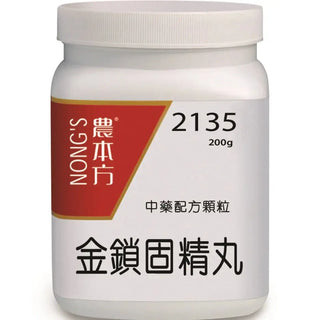
It can help insecure Spleen-Kidney. Seminal emission and slippage join Cherokee rose fruit in Shui Lu Er Xian Dan; it also enters Jin Suo Gu Jing Wan-type formulas. Chronic Spleen-deficiency diarrhea joins Chinese yam, white atractylodes and lotus seed, near Shen Ling Bai Zhu San. Damp-heat discharge joins Phellodendron, plantago seed and yam in Yi Huang Tang. It supplements while astringing and dries damp without being fierce—not a specific for every emission, every diarrhea or every leukorrhea. Acute dysentery and high fever are emergencies.
Can Qian Shi be eaten daily as “ginseng of the water,” beauty or fat-loss porridge?
Grocery foxnut may enter porridge and soup—that is not unlimited Kidney tonification. Spleen-deficiency damp diarrhea may be short-course; constipation and damp-heat only stagnate further. “Foxnut slims and beautifies” does not replace endocrinology and gynecology. Benefiting the Kidney and securing astringency should name raw or bran-fried and a 9–15 g dose.
How do you choose among Qian Shi, Lian Zi, Shan Yao and Jin Ying Zi?
Euryale is sweet-astringent-neutral: benefits the Kidney and secures essence, fortifies the Spleen and stops diarrhea, dries damp and stops discharge—supplements and astringes while dispelling damp. Lotus seed is sweet-astringent-neutral: fortifies the Spleen, stops diarrhea, benefits the Kidney and astringes essence, and nourishes the Heart to calm the spirit—leaning to Heart-Kidney non-interaction. Chinese yam is sweet-neutral: fortifies the Spleen, nourishes the Stomach, generates fluid, benefits the Lung, and supplements the Kidney to astringe essence—stronger to supplement, gentler to astringe. Cherokee rose fruit is sour-astringent-neutral: secures essence, reduces urination and astringes the intestine to stop diarrhea—pure astringency with little supplementing force. Emission favors Qian Shi and Jin Ying Zi; palpitations and insomnia with diarrhea favor Lian Zi; dual Qi-Yin insufficiency favors Shan Yao. They may be paired; all are wrong as pure astringency when stool or urine is difficult.
Which herbs is Qian Shi combined with? What are the representative formulas?
Kidney-deficiency emission joins Cherokee rose fruit in Shui Lu Er Xian Dan. Chronic Spleen-deficiency diarrhea joins lotus seed, Chinese yam, white atractylodes and Poria in Shen Ling Bai Zhu San. Damp-heat discharge joins Phellodendron, plantago seed and yam in Yi Huang Tang. Write Qian Shi or Fu Chao Qian Shi.
How do you choose and store Qian Shi?
Choose intact plump kernels with a white starchy fracture, a faint odor and a bland, slightly astringent taste. Broken, moth-eaten, oily and yellowed lots are inferior. Store airy and dry against moths. Buy pharmacopoeial Qian Shi or Fu Chao Qian Shi; do not chew unshelled seeds as a stand-in for a decoction-piece dose.

Medical Disclaimer — This article is provided for educational purposes only and describes traditional Chinese medicine concepts. It is not medical advice, and it is not intended to diagnose, treat, cure or prevent any disease. Always consult a qualified practitioner before using any herb, particularly if you are pregnant, nursing, taking medication or managing a diagnosed condition.

More Chinese Herbs

Login

Forgot your password?

Don't have an account yet?
Create account

Qian Shi (Euryale Seed): Secure Kidney Essence, Tonify the Spleen, and Stop Discharge