Ba Zheng San: Classic TCM Formula for Acute Urinary Tract Infections and Painful Urination

section-1

1. Source and History of Bazheng San

1. Origin Background

Ba Zheng San (Eight-Herb Powder for Rectification) is from the official formula book of ready-made medicines in the Song Dynasty, 'Taiping Huimin He Ji Ju Fang'. In ancient times, due to limited hygienic conditions and relatively simple living environments, urinary system diseases were relatively common. At that time, doctors constantly explored effective prescriptions for treating such diseases, and Ba Zheng San came into being under such circumstances. It gathered the experiences of many doctors in treating syndromes such as lin syndrome and was formed through sorting and optimization.

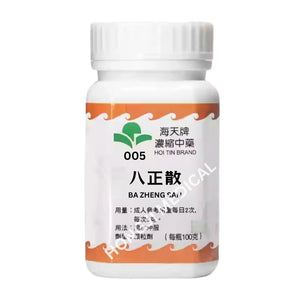
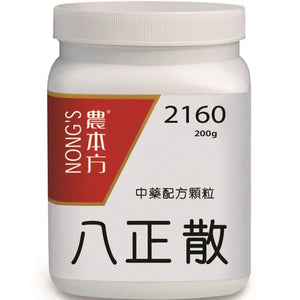
Ba Zheng San (八正散), known in English as Eight-Herb Powder for Rectification, is a classical TCM formula specifically designed to treat Heat Lin (热淋) — acute urinary tract infections, cystitis, and urethritis with Damp-Heat in the lower jiao. This powerful formula clears Heat, promotes urination, and relieves stranguria (painful, difficult urination). It is particularly indicated for burning pain during urination, frequent and urgent urination, dark yellow or cloudy urine, lower abdominal pain, and in some cases blood in the urine. In modern clinical practice, Ba Zheng San is widely used for acute urinary tract infections with obvious Heat signs such as thirst, bitter taste, and a yellow greasy tongue coating. By strongly draining Damp-Heat downward through the urine, it provides fast relief for the acute symptoms of painful and difficult urination.

2. Historical Evolution

Since its appearance in the Song Dynasty, Ba Zheng San has been continuously applied and improved in the clinical practice of later doctors. It is recorded and elaborated in medical books of various dynasties. For example, in some medical books of the Ming Dynasty, the drug composition and application scope of Ba Zheng San were further refined and expanded. Doctors flexibly added or subtracted drugs according to different conditions and constitutions, making it more accurate and effective in treating urinary system diseases and related syndromes. As time went by, Ba Zheng San became a classic prescription for treating lin syndrome caused by damp-heat pouring downward in traditional Chinese medicine and has been used until now, relieving the pain of countless patients.

section-2

2. Introduction of Ingredients

1. Monarch Herb - Talc

Talcum is sweet, bland, and cold in nature, and belongs to the bladder, lung, and stomach meridians. Its texture is smooth and slippery, and it is good at clearing heat and promoting diuresis, enabling damp-heat to be excreted through urine. It is an important drug for clearing heat and promoting diuresis. In Ba Zheng San, talcum plays a leading role. Aiming at the pathogenesis of damp-heat pouring downward into the bladder, by promoting the flow of water channels, it eliminates the damp-heat pathogen in the body, so it is the monarch drug. For example, when patients present symptoms such as frequent urination, urgent urination, painful urination, accompanied by short and red urine, talcum can effectively clear and remove damp-heat in the lower jiao and relieve these symptoms.

2. Minister Herbs - Akebia, Plantago

Akebia quinata is bitter and cold in nature and belongs to the heart, small intestine, and bladder meridians. It can clear the fire in the heart meridian upward, drain the heat in the small intestine downward, and can also promote the flow of water channels and conduct heat downward. Acting synergistically with talcum, it enhances the effect of clearing heat, promoting diuresis, and relieving stranguria. Plantago asiatica is sweet and cold in nature and belongs to the liver, kidney, lung, and small intestine meridians. It is good at clearing heat, promoting diuresis, and relieving stranguria, and can also promote dampness and stop diarrhea, improve eyesight, and resolve phlegm. Akebia quinata and Plantago asiatica assist talcum and strengthen the power of the prescription to clear heat, promote diuresis, and relieve stranguria, and jointly play a major therapeutic role for the main disease and main syndrome, so they are the ministerial drugs.

3. Assistant Herbs - Dianthus, Polygonum, Gardenia, Rhubarb

Dianthus superbus is bitter and cold in nature and belongs to the heart and small intestine meridians, and can clear heat, promote diuresis, and relieve stranguria. Polygonum aviculare is sweet, bitter, and slightly cold in nature and belongs to the bladder meridian, and can promote diuresis and relieve stranguria, kill insects and relieve itching. The two help the monarch drug and ministerial drugs to enhance the effect of clearing heat, promoting diuresis, and relieving stranguria, and can also treat some accompanying symptoms, such as painful and difficult urination. Gardenia jasminoides is bitter and cold in nature and belongs to the heart, lung, and triple energizer meridians. It can clear heat and purge fire, cool blood and detoxify, and can clear and remove damp-heat in the triple energizer, making the damp-heat pathogen have nowhere to hide. Rheum palmatum is bitter and cold in nature and belongs to the spleen, stomach, large intestine, liver, and pericardium meridians, and has the effects of purging downward to attack accumulation, clearing heat and purging fire, cooling blood and detoxifying, etc. Here, Rheum palmatum mainly plays the role of purging heat from the fu-organs, enabling part of the damp-heat pathogen to be excreted through the stool, and jointly clearing and removing damp-heat in the lower jiao with other drugs, so it is the assistant drug.

4. Courier Herb - Licorice

Licorice is sweet and neutral in nature and belongs to the heart, lung, spleen, and stomach meridians. It has the functions of invigorating the spleen and replenishing qi, moistening the lungs and relieving cough, clearing heat and detoxifying, and coordinating the actions of various drugs. In Ba Zheng San, licorice can not only relieve the drastic nature of each drug in the prescription but also coordinate the interaction between various drugs, making the compatibility of the whole prescription more harmonious and achieving the effect of clearing heat, promoting diuresis, and relieving stranguria together, so it is the guiding drug.

section-3

Pathogenesis, Effects & Indications of Bazheng San

1. Pathogenesis

The pathogenesis targeted by Ba Zheng San is mainly damp-heat pouring downward into the bladder. Due to exogenous damp-heat pathogen, or improper diet, overeating spicy, fatty, sweet, and rich foods, endogenous damp-heat is generated. The damp-heat pathogen follows the meridian and pours downward into the bladder, resulting in unfavorable qi transformation in the bladder. The bladder is responsible for storing and excreting urine. When damp-heat blocks the bladder, symptoms such as frequent urination, urgent urination, painful urination, and short and red urine will appear.

2. Effects

Ba Zheng San has the effects of clearing heat and purging fire, promoting diuresis, and relieving stranguria. Through the synergistic effect of heat-clearing and diuresis-promoting drugs such as talcum, Akebia quinata, and Plantago asiatica in the prescription, the damp-heat pathogen in the lower jiao can be cleared and excreted through urine, thus relieving various symptoms caused by damp-heat pouring downward. At the same time, the heat-clearing and fire-purging effects of drugs such as Gardenia jasminoides and Rheum palmatum can further clear the heat-toxin in the body and reduce the inflammatory reaction.

3. Indications

Ba Zheng San is mainly used to treat damp-heat strangury syndrome. Symptoms include frequent urination, urgency of urination, painful urination, incomplete urination, turbid red urine, and even retention of urine with difficulty in urination, abdominal distension, dry mouth and throat, etc. Whether it is symptoms such as frequent urination, urgency of urination, and painful urination caused by acute cystitis, urethritis, or the condition of difficult urination caused by the accumulation of damp-heat in the lower jiao, Ba Zheng San has a good therapeutic effect. In addition, for some cases of urinary system stones accompanied by damp-heat symptoms caused by damp-heat pouring downward, under the condition of accurate syndrome differentiation, Ba Zheng San can also be used with modifications for treatment.

section-4

Analysis of the Formula Meaning of Bazheng San

1. Synergy of Clearing Heat & Promoting Diuresis

Drugs such as talc, akebia quinata, and plantago asiatica are all drugs for clearing heat and promoting diuresis. They are combined with each other and act synergistically to enhance the effect of clearing heat, promoting diuresis, and relieving strangury. Talc has a smooth texture and can directly promote the flow of water channels, expelling the pathogenic factors of damp-heat from the body. Akebia quinata can clear the heart fire and promote urination, causing the heat in the heart meridian to descend to the small intestine. Through the small intestine's function of separating the clear and turbid, the damp-heat is excreted through urine. Plantago asiatica has a significant effect on clearing heat, promoting diuresis, and relieving strangury. Together with talc and akebia quinata, it clears and removes the damp-heat in the lower jiao, preventing the pathogenic factors of damp-heat from remaining.

2. Treating Triple Energizer Simultaneously

Gardenia jasminoides clears and removes damp-heat in the triple jiao. The triple jiao is the passage for the body's water metabolism. When the pathogenic factors of damp-heat pervade the triple jiao, gardenia jasminoides clears the fire in the triple jiao, enabling the pathogenic factors of damp-heat to be dispersed. Rheum officinale purges heat by promoting defecation, causing part of the pathogenic factors of damp-heat to be excreted through the feces. Combined with the drugs for clearing and removing damp-heat in the lower jiao, it achieves the purpose of eliminating the pathogenic factors of damp-heat from both the upper and lower parts. Such a combination method comprehensively targets the pathogenesis of damp-heat pouring downward into the bladder and possibly pervading the triple jiao, making the treatment more comprehensive and effective.

3. Regulating the Middle & Harmonizing Herbs

Licorice root, as the guiding drug, harmonizes all the other drugs in the formula. Most of the drugs in the formula are bitter and cold, which are likely to damage the spleen and stomach. The presence of licorice root can not only relieve the strong nature of each drug but also tonify the spleen and benefit qi, protecting the function of the spleen and stomach. This ensures that while the whole formula clears heat and promotes diuresis, it will not overly damage the healthy qi, guaranteeing the safety and effectiveness of the formula.

section-5

V. Comparison with Other Similar Formulas

1. Comparison with Xiaoji Yinzi

Xiao Ji Yin Zi also has the effects of clearing heat and cooling blood, promoting diuresis and relieving strangury, and is mainly used to treat blood strangury and hematuria caused by heat accumulation in the lower jiao. Compared with Ba Zheng San, Xiao Ji Yin Zi focuses more on cooling blood and stopping bleeding. Its composition contains drugs such as Cirsium setosum and lotus rhizome node for cooling blood and stopping bleeding, which is more suitable for blood strangury accompanied by hematuria symptoms. While Ba Zheng San mainly focuses on clearing heat, promoting diuresis, and relieving strangury, and is more suitable for treating simple damp-heat strangury syndrome, especially those with red and painful urination but no obvious hematuria symptoms.

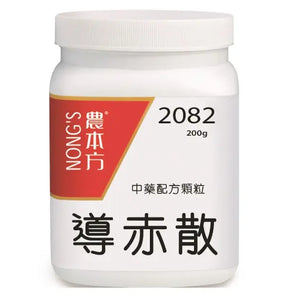
2. Comparison with Daochi San

Daochi Powder It mainly clears the heart, promotes diuresis and nourishes yin, and is used to treat the syndrome of excessive heart fire. Its composition mainly includes raw rehmannia root, caulis akebiae, radix glycyrrhizae recens, and bamboo leaves. It focuses on clearing heart fire, enabling the heat in the heart meridian to be excreted through urine by promoting diuresis, and at the same time nourishing yin fluid. Bazheng Powder It mainly targets damp-heat in the lower jiao. The drug composition mainly consists of drugs for clearing heat, promoting diuresis and relieving stranguria, with less consideration for nourishing yin. It is more specialized in treating urinary system symptoms caused by damp-heat in the lower jiao.

section-6

VI. Clinical Applications and Indications of Bazheng San

1. Urinary Tract Infections

For symptoms such as frequent urination, urgency, painful urination, and short and red urine caused by urinary system infections such as cystitis and urethritis, Bazheng Powder is one of the commonly used prescriptions. Modern medicine believes that these infections are mostly caused by pathogens such as bacteria invading the urinary system. The TCM syndrome differentiation is mostly damp-heat pouring downward. Bazheng Powder can effectively reduce inflammation and relieve symptoms by clearing heat and promoting diuresis. Generally, after taking 3 - 5 doses, symptoms such as frequent urination and urgency will be significantly reduced. Continuing to take it for a period of time can control the infection.

2. Prostatitis

When patients with prostatitis present symptoms of damp-heat pouring downward such as frequent urination, burning pain in the urethra, and incomplete dripping after urination, Bazheng Powder can be selected for modified treatment. The prostate is located in the lower jiao, and damp-heat pathogens are likely to accumulate here. Bazheng Powder can clear and remove damp-heat in the lower jiao, improve the local damp-heat environment of the prostate, and help relieve the symptoms of prostatitis. When applying it, drugs for promoting blood circulation to remove stasis and softening hardness to disperse stagnation can be appropriately added according to the specific situation of the patient to enhance the curative effect.

3. Urinary System Stones

For some small urinary system stones accompanied by damp-heat symptoms such as painful and difficult urination and yellowish-red urine, Bazheng Powder can be used as an auxiliary treatment prescription. The drugs for clearing heat and promoting diuresis in the formula help improve the damp-heat environment around the stones, promote the excretion of stones or prevent the stones from further enlarging. At the same time, other methods for expelling and resolving stones, such as increasing physical activity and combining with external application of traditional Chinese medicine, can be combined to improve the treatment effect.

section-7

VII. Modifications of Bazheng San

1. Gross Hematuria

If the patient has obvious hematuria, drugs for cooling blood and stopping bleeding such as herba cirsii, rhizoma nelumbinis nodi, and rhizoma imperatae can be added to Bazheng Powder. Herba cirsii can cool blood and stop bleeding, disperse stasis, detoxify and resolve carbuncles; rhizoma nelumbinis nodi can astringe to stop bleeding and also promote blood circulation to remove stasis; rhizoma imperatae can cool blood and stop bleeding, clear heat and promote diuresis. After adding these drugs, the effect of cooling blood and stopping bleeding of the prescription is enhanced, which is suitable for the situation of damp-heat stranguria syndrome accompanied by hematuria.

2. Turbid Urine

For those with turbid and unclear urine, Dioscoreae Hypoglauca Rhizoma and Acori Tatarinowii Rhizoma can be added. Dioscoreae Hypoglauca Rhizoma can promote diuresis and remove turbidity, separating the clear from the turbid; Acori Tatarinowii Rhizoma can resolve damp turbidity and awaken the spleen and stomach. The combination of the two helps to improve the symptom of turbid urine and make the urine clear again.

3. With Fever

If the patient has concurrent fever, Flos Lonicerae, Fructus Forsythiae, Radix Scutellariae and other heat-clearing and detoxifying drugs can be added. Flos Lonicerae and Fructus Forsythiae can clear heat and detoxify, disperse wind-heat; Radix Scutellariae clears damp-heat, purges fire and detoxifies. These drugs can enhance the heat-clearing power of the formula, relieve the fever symptom, and are applicable to the situation of damp-heat strangury syndrome accompanied by exogenous wind-heat or internal heat exuberance.

section-8

VIII. Dosage (Traditional and Modern Concentrated Granules)

1. Traditional Method

The traditional usage of Bazheng San is to decoct the medicinal slices with water. Generally, the common dosage is: Talcum (decocted in a cloth bag) 18g, Akebiae Caulis 6g, Plantaginis Semen (decocted in a cloth bag) 9g, Dianthi Herba 9g, Polygoni Avicularis Herba 9g, Gardeniae Fructus 9g, Rhei Radix et Rhizoma 6g, Glycyrrhizae Radix et Rhizoma 6g. Soak the above drugs for about 30 minutes, then bring to a boil over high heat, and then change to low heat and decoct for 20 - 30 minutes. Take the decoction in two warm doses, one dose per day.

2. Modern Concentrated Granules

With the development of modern pharmaceutical technology, Bazheng San also has a corresponding concentrated granule dosage form. Its taking method is more convenient, generally just take it according to the recommended dosage in the instruction manual. For example, a common specification is that each bag is equivalent to 10g of crude drug, take it 2 - 3 times a day, 1 bag each time, and take it with boiling water. The modern concentrated granules maintain the efficacy of the traditional formula, are convenient to take, and save the patient's time and energy for decocting medicine.

section-9

IX. Precautions and Taboos

1. Use Cautiously for Deficiency-Cold Constitution

Bazheng San has a bitter and cold property. Those with a deficiency-cold constitution, such as those with deficiency-cold of the spleen and stomach, deficiency of kidney yang, etc., may damage the yang qi of the spleen and stomach or aggravate the deficiency-cold symptoms after taking it. Those with deficiency-cold of the spleen and stomach may have symptoms such as cold pain in the stomach cavity and diarrhea; those with deficiency of kidney yang may have symptoms such as soreness and weakness of the waist and knees, and aggravation of fear of cold and cold limbs.

2. Forbidden for Pregnant Women

The formula contains Akebiae Caulis and other drugs. Akebiae Caulis has a certain property of promoting diuresis and descending, which may have an adverse effect on the fetus. After pregnant women take it, it may cause restlessness of the fetus and other situations, and even has the risk of causing miscarriage. Therefore, pregnant women are prohibited from taking Bazheng San.

3. Dietary Taboos

During the period of taking Bazheng San, spicy, greasy, and stimulating foods, such as chili peppers, fried foods, etc., should be avoided. These foods are likely to generate dampness and assist heat, aggravating the damp-heat pathogen in the body and being unfavorable for the recovery of the illness. At the same time, drink more water to increase urine volume and promote the excretion of damp-heat pathogen.

section-10

X. Modern Research Progress

1. Pharmacological Research

Bazheng San is a commonly used formula for treating damp-heat syndrome in the lower jiao, with the functions of clearing heat and removing dampness. It is mainly used to treat urinary tract stones, pyelonephritis, acute prostatitis, etc. Patients often have a slippery and rapid pulse and a red tongue with yellow coating. For the drugs such as Polygoni Avicularis Herba in the formula, decoct and take orally, which has a good effect on the symptoms caused by damp-heat pouring downward.

Modern research shows that the drugs in Bazheng San have various pharmacological effects. For example, talc has adsorption and astringent effects, which can protect the urinary tract mucosa and reduce inflammatory irritation; Akebia quinata, Plantago asiatica, etc. have diuretic effects, which can increase urine volume and promote urine excretion, thus reducing inflammation in the urinary system. Drugs such as Gardenia jasminoides and Rheum palmatum have anti-inflammatory and antibacterial effects, which can inhibit the growth and reproduction of pathogens causing urinary tract infections and reduce the inflammatory response.

2. Clinical Efficacy Observation

Clinical research has found that Bazheng San has good curative effects in the treatment of urinary system diseases. For diseases such as cystitis and urethritis, it can effectively relieve symptoms such as frequent urination, urgency of urination, and pain during urination, and improve the quality of life of patients. In the adjuvant treatment of some urinary system stones, Bazheng San can also play a role in improving the local damp-heat environment, promoting the excretion of stones or preventing the enlargement of stones. At the same time, Bazheng San can also achieve certain clinical effects in the treatment of prostatitis with damp-heat symptoms, such as reducing discomfort symptoms such as local pain and distension in the prostate.

3. Dosage Form Improvement Research

In order to improve the clinical application effect of Bazheng San and the compliance of patients, modern research has been carried out on the improvement of its dosage form. In addition to the concentrated granule dosage form mentioned above, some studies have also tried to make Bazheng San into dosage forms such as capsules and tablets. While maintaining the efficacy, these new dosage forms have the advantages of convenient administration and easy carrying, which are more suitable for the modern fast-paced lifestyle and provide more choices for the clinical application of Bazheng San.

Frequently Asked Questions


Q

What is Ba Zheng San used for in Traditional Chinese Medicine?

Ba Zheng San (Eight-Herb Powder for Rectification) is a classical TCM formula for treating Heat Lin (热淋) — acute urinary tract infections, cystitis, and urethritis with Heat and Dampness in the lower jiao. It is indicated for burning pain during urination, frequent and urgent urination, dark yellow or cloudy urine, lower abdominal pain, and in severe cases, blood in the urine. The formula is especially effective for acute conditions with obvious Heat signs such as thirst, bitter taste in the mouth, and a yellow greasy tongue coating. It is one of the most commonly used formulas in TCM for acute urinary tract infections and painful urination syndromes.

Q

How does Ba Zheng San clear Heat and relieve painful urination?

Ba Zheng San works through a strong Heat-clearing and Dampness-draining strategy. Che Qian Zi, Qu Mai, and Bian Xu promote urination and relieve stranguria while clearing Heat from the Bladder. Hua Shi (Talcum) clears Heat and promotes urination. Zhi Zi clears Heat from the San Jiao and relieves irritability. Deng Xin Cao clears Heart and Bladder Heat. Da Huang (in some versions) drains Heat through the stool. Gan Cao harmonizes the formula and relieves urethral spasm. The combination strongly drains Damp-Heat downward through the urine, quickly relieving the burning pain and urgency of acute urinary tract infections.

Q

What are the precise herbal ingredients in Ba Zheng San?

Ba Zheng San contains eight herbs: Che Qian Zi (Plantago Seed) clears Heat and promotes urination; Qu Mai (Dianthus) and Bian Xu (Polygonum) relieve stranguria and clear Bladder Heat; Hua Shi (Talcum) clears Heat and promotes urination; Zhi Zi (Gardenia) clears Heat and relieves irritability; Deng Xin Cao (Juncus) clears Heart and Bladder Heat; Gan Cao (Licorice) harmonizes the formula and relieves spasm; and in some versions Da Huang (Rhubarb) drains Heat through the intestines. The formula powerfully clears Damp-Heat from the lower jiao through the urine.

⚠️ This content is for reference only and does not provide medical advice. Consult a healthcare professional for any health concerns.

Login

Forgot your password?

Don't have an account yet?
Create account

Ba Zheng San: Classic TCM Formula for Acute Urinary Tract Infections and Painful Urination