Liu Jun Zi Tang: Tonifying Spleen Qi and Transforming Phlegm for Chronic Dyspepsia and Fatigue

1. Prescription Source & History
1. Origin Background
Liu Jun Zi Decoction originated from 'Prescriptions of the Taiping Huimin Dispensary' in the Song Dynasty and is one of the classic prescriptions in traditional Chinese medicine. In ancient times, people's understanding of spleen and stomach diseases gradually deepened, and it was found that the normal function of the spleen and stomach is crucial for human health. At that time, doctors continuously explored effective prescriptions for regulating the spleen and stomach, and Liu Jun Zi Decoction came into being under such circumstances. It was initially created to treat diseases such as weakness of the spleen and stomach and retention of phlegm-fluid in the body.
2. Historical Evolution
Over time, Liu Jun Zi Decoction has continuously developed and evolved in clinical applications. Later doctors adjusted and supplemented it based on their own clinical experiences. For example, there have been changes in aspects such as drug dosage, proportion of drug use, and scope of applicable diseases. Generally speaking, its core drug composition and treatment principles have been retained, becoming a commonly used prescription in traditional Chinese medicine for treating spleen and stomach-related diseases. During the Ming and Qing dynasties, the application of Liu Jun Zi Decoction was more extensive and in-depth, and doctors further summarized the specific application methods and rules of addition and subtraction in different diseases, enabling it to better exert its clinical efficacy.
This clinical exploration of Liu Jun Zi Tang (六君子湯) targets high-intent medical queries related to Spleen Qi deficiency and chronic dyspepsia management. By mapping traditional Hanyu Pinyin formulations to global medical entities—such as gastric motility pathways and metabolic phlegm-dampness resolution—this analysis provides a localized semantic bridge for patients seeking natural gastrointestinal recovery and fatigue relief. As a cornerstone of TCM internal medicine, Liu Jun Zi Tang represents a key therapeutic vector for balancing the middle jiao and restoring functional digestive harmony

2. Composition Introduction (Monarch, Minister, Assistant, Guide)
1. Monarch Herb - Ginseng
Ginseng tastes sweet and slightly bitter, and is slightly warm in nature. It has the effects of greatly tonifying primordial qi, restoring pulse and arresting collapse, tonifying the spleen and benefiting the lungs, promoting fluid production and nourishing blood, and calming the mind and improving intelligence. In Liu Jun Zi Decoction, ginseng, as the sovereign drug, mainly functions to greatly tonify the qi of the spleen and stomach and enhance the transportation and transformation functions of the spleen and stomach. The spleen and stomach are the foundation of acquired constitution and the source of qi and blood production. Ginseng can supplement the deficient healthy qi of the spleen and stomach, enabling the functions of the spleen and stomach to return to normal, thereby providing sufficient nutrients for the body and maintaining the normal physiological activities of the human body.
2. Minister Herb - Atractylodes Macrocephala
Atractylodes macrocephala tastes sweet and bitter, and is warm in nature. It can invigorate the spleen and benefit qi, dry dampness and promote diuresis, stop sweating, and prevent miscarriage. It assists ginseng in enhancing the effect of invigorating the spleen and benefiting qi, and at the same time dries dampness and promotes diuresis, removing the excessive dampness in the spleen and stomach. Weakness of the spleen and stomach easily leads to abnormal transportation and transformation of water and dampness. The addition of Atractylodes macrocephala helps to restore the transportation and transformation functions of the spleen and stomach, eliminate pathogenic dampness and water, enabling the spleen and stomach to be in a relatively healthy environment and better exert its digestive and absorptive functions.
3. Assistant Herbs - Poria, Tangerine Peel
Poria cocos tastes sweet and light, and is neutral in nature. It has the effects of promoting diuresis to eliminate dampness, invigorating the spleen, and calming the mind. Poria cocos can both promote diuresis to eliminate dampness and help Atractylodes macrocephala remove dampness from the body, and it can also invigorate the spleen, synergistically acting with ginseng and Atractylodes macrocephala to enhance the effect of invigorating the spleen. In addition, Poria cocos can calm the mind and soothe the nerves, and also has a certain regulatory effect on symptoms such as restlessness of the mind caused by weakness of the spleen and stomach, enabling the patient's mental state to be adjusted while the function of the spleen and stomach is improved.
4. Assistant Herb - Pinellia Ternata
Pinellia ternata tastes pungent and is warm in nature. It has the functions of drying dampness and resolving phlegm, suppressing vomiting and reversing adverse qi, and dissipating masses and resolving stagnation. In Liu Jun Zi Decoction, Pinellia ternata mainly targets the symptom of retention of phlegm-fluid in the body caused by weakness of the spleen and stomach. It can dry dampness and resolve phlegm, dispelling the phlegm and dampness generated in the spleen and stomach, and at the same time suppress vomiting and reverse adverse qi, having a good therapeutic effect on symptoms such as nausea and vomiting caused by weakness of the spleen and stomach. The presence of Pinellia ternata enables the prescription to take into account the problem of phlegm and dampness while regulating the spleen and stomach, comprehensively improving the patient's symptoms.
5. Messenger Herb - Prepared Licorice Root
Prepared Licorice tastes sweet and is neutral in nature. It has the effects of tonifying the spleen and harmonizing the stomach, and replenishing qi and restoring pulse. It harmonizes all the drugs in the prescription, enabling the effects of each drug in the prescription to cooperate with each other and better exert the overall therapeutic effect. At the same time, prepared Licorice can tonify the spleen and benefit qi, jointly strengthening the effect of invigorating the spleen with drugs such as ginseng and Atractylodes macrocephala, enabling the qi of the spleen and stomach to be comprehensively nourished.

III. Liu Junzi Decoction: Pathogenesis, Effects and Indications
1. Analysis of Pathogenesis
The pathogenesis targeted by Liu Jun Zi Decoction is mainly qi deficiency of the spleen and stomach combined with internal obstruction of phlegm-dampness. The spleen and stomach are the foundation of acquired constitution and are responsible for transporting and transforming the essence of food and water. If the spleen and stomach are weak and the transportation and transformation functions are abnormal, food and water cannot be normally digested and absorbed, resulting in insufficient production of qi and blood and deficiency of healthy qi. At the same time, weakness of the spleen and stomach will also affect the metabolism of water and dampness, and water and dampness will accumulate in the body, forming phlegm-dampness. The internal obstruction of phlegm-dampness will further affect the transportation and transformation functions of the spleen and stomach, forming a vicious cycle.
2. Summary of Effects of Liu Junzi Decoction
Based on the above pathogenesis, Liu Jun Zi Decoction has the effects of replenishing qi to strengthen the spleen and drying dampness to resolve phlegm. By greatly tonifying the qi of the spleen and stomach, it restores the transportation and transformation functions of the spleen and stomach, enabling the production of qi and blood to have a source and the vital qi to be sufficient. At the same time, it dries dampness and resolves phlegm, removing the pathogenic factor of phlegm-dampness in the body and improving various symptoms caused by the obstruction of phlegm-dampness in the interior, thus achieving the purpose of regulating the body and restoring health.
3. Indicated Diseases and Symptoms
Liu Jun Zi Decoction is mainly used to treat symptoms such as weakness of the spleen and stomach, poor appetite and loose stools, stuffiness and fullness in the chest and epigastrium, vomiting and nausea, etc. Weakness of the spleen and stomach leads to weakened digestive function, resulting in poor appetite and loss of appetite; when the transportation and transformation of the spleen and stomach are abnormal and the essence of food and water cannot be normally absorbed, it will lead to loose stools. Stuffiness and fullness in the chest and epigastrium are caused by the obstruction of phlegm-dampness in the interior and the不畅 of qi movement. Vomiting and nausea are caused by weakness of the spleen and stomach and the upward reversal of stomach qi. In addition, Liu Jun Zi Decoction also has a certain therapeutic effect on symptoms such as cough and excessive phlegm caused by weakness of the spleen and stomach and obstruction of phlegm-dampness in the interior.

IV. Analysis of Formula Principles
1. Tonifying Qi and Invigorating Spleen (Regulating Qi)
In the formula, the three herbs of ginseng, atractylodes macrocephala, and roasted licorice mainly replenish qi and strengthen the spleen. Ginseng greatly tonifies primordial qi, supplements vital qi for those with weakness of the spleen and stomach, and stimulates the transportation and transformation functions of the spleen and stomach. Atractylodes macrocephala strengthens the spleen and replenishes qi, dries dampness and promotes diuresis, synergistically with ginseng to enhance the power of strengthening the spleen, and at the same time removes dampness in the body. Roasted licorice harmonizes all the herbs, tonifies the spleen and replenishes qi, enabling the qi of the spleen and stomach to be comprehensively regulated. The combined action of these three herbs restores the normal transportation and transformation functions of the spleen and stomach, laying a foundation for the health of the body.
2. Assisting in Resolving Phlegm and Removing Dampness
Pinellia ternata and poria cocos mainly play the role of resolving phlegm and removing dampness. Pinellia ternata dries dampness and resolves phlegm, effectively resolving the phlegm-dampness generated in the spleen and stomach and improving various symptoms caused by phlegm-dampness. Poria cocos promotes diuresis and渗湿, assists atractylodes macrocephala in removing excess water in the body, and at the same time strengthens the spleen and calms the mind. The two cooperate to address the pathogenesis of weakness of the spleen and stomach combined with obstruction of phlegm-dampness in the interior, remove the pathogenic factor of phlegm-dampness, and enable the functions of the spleen and stomach to be better restored.
3. Overall Synergistic Effect
In Liu Jun Zi Decoction, each herb cooperates with each other and plays a synergistic role. Ginseng, atractylodes macrocephala, and roasted licorice replenish qi and strengthen the spleen, providing power for the body; pinellia ternata and poria cocos resolve phlegm and remove dampness, eliminating pathological products. Their combined action not only regulates the fundamental problem of weakness of the spleen and stomach but also solves the superficial syndrome of obstruction of phlegm-dampness in the interior, enabling the qi and blood circulation and the functions of the zang-fu organs in the human body to return to normal, thus achieving the purpose of treating diseases.

V. Comparison with Other Similar Prescriptions
1. Comparison with Si Jun Zi Tang
Sijunzi Decoction It is composed of ginseng, atractylodes macrocephala, poria cocos, and roasted licorice. Its main功效 is to replenish qi and strengthen the spleen, focusing on treating the syndrome of qi deficiency of the spleen and stomach. While Liu Jun Zi Decoction adds pinellia ternata and dried tangerine peel on the basis of Sijunzi Decoction, enhancing the effect of drying dampness and resolving phlegm, and is more suitable for the病症 of weakness of the spleen and stomach combined with obstruction of phlegm-dampness in the interior. In comparison, Liu Jun Zi Decoction Its treatment scope is wider and can simultaneously solve the problems of weak spleen and stomach and phlegm-dampness.
2. Comparison with Xiang Sha Liu Jun Zi Tang
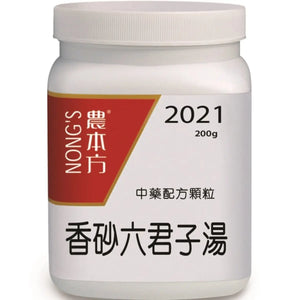
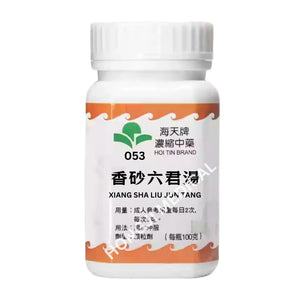
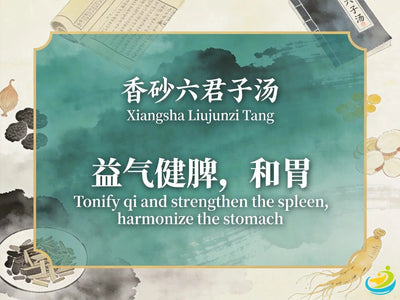
Xiangsha Liu Jun Zi Decoction 是在 Liu Jun Zi Decoction On the basis of Liu Jun Zi Decoction, Aucklandiae Radix and Amomi Fructus are added. Aucklandiae Radix can promote qi circulation to relieve pain, and Amomi Fructus can resolve dampness to promote appetite and warm the spleen to stop diarrhea. Besides having the effects of supplementing qi to strengthen the spleen and drying dampness to resolve phlegm of Liu Jun Zi Decoction, Xiangsha Liu Jun Zi Decoction also enhances the function of promoting qi circulation and regulating the stomach, and has a better therapeutic effect on symptoms such as distending pain in the epigastrium and belching caused by weak spleen and stomach and stagnant qi. Compared with Liu Jun Zi Decoction, Xiangsha Liu Jun Zi Decoction focuses more on regulating qi stagnation in the spleen and stomach.

VI. Main Symptoms Treated by Liu Jun Zi Tang
1. Digestive System Diseases (Benefiting Qi and Strengthening Spleen)
In digestive system diseases, Liu Jun Zi Decoction is widely used. For diseases such as chronic gastritis and gastric ulcer, if manifested as symptoms like weak spleen and stomach, dull pain in the epigastrium, poor appetite, nausea and vomiting, loose stools, etc., using Liu Jun Zi Decoction can effectively improve the function of the spleen and stomach and relieve symptoms. It can promote gastrointestinal peristalsis, enhance the ability of digestion and absorption, and repair damaged gastric mucosa, so as to achieve the purpose of treating diseases.
2. Respiratory System Diseases
In terms of respiratory system diseases, for diseases such as chronic bronchitis and emphysema, when symptoms such as cough, expectoration, shortness of breath, and fatigue appear, and the syndrome differentiation is weak spleen and stomach with internal obstruction of phlegm-dampness, Liu Jun Zi Decoction also has a certain therapeutic effect. By regulating the spleen and stomach, enhancing the transporting and transforming function of the spleen and stomach, reducing the generation of phlegm-dampness, thus alleviating symptoms such as cough and expectoration, and improving the respiratory function of patients.
3. Other Conditions
In addition, Liu Jun Zi Decoction can also be used to treat some other diseases caused by weak spleen and stomach. Such as infantile anorexia. If infants and children have loss of appetite, sallow complexion, emaciation, etc. due to weak spleen and stomach, taking Liu Jun Zi Decoction can invigorate the spleen and promote appetite. For some elderly people with indigestion and physical weakness caused by weak spleen and stomach, Liu Jun Zi Decoction can also play a good conditioning role, enhance the body's resistance, and improve the quality of life.

7. Additive and Subtractive Changes
1. Obvious spleen-stomach yang deficiency
If the patient has obvious spleen and stomach deficiency-cold, warming herbs for dispelling cold in the middle jiao such as Dry Ginger and Aconite Root can be added. Dry Ginger is pungent in flavor and hot in nature, can warm the middle jiao to dispel cold, restore yang and promote blood circulation, warm the lungs to resolve fluid-retention. Aconite Root is pungent, sweet, extremely hot, and poisonous, can restore yang to rescue from collapse, reinforce fire to assist yang, dispel cold and relieve pain. After adding them, it can enhance the effect of warming the middle jiao to dispel cold of the formula and improve symptoms such as abdominal pain and fear of cold caused by spleen and stomach deficiency-cold.
2. Relatively Severe Phlegm-Dampness
If the phlegm-dampness is relatively severe, drugs with stronger effects of drying dampness and resolving phlegm such as Atractylodes lancea and Magnolia officinalis can be added. Atractylodes lancea is pungent, bitter, and warm in nature, and can dry dampness and strengthen the spleen, dispel wind and cold. Magnolia officinalis is bitter, pungent, and warm in nature, and can dry dampness and eliminate phlegm, lower qi and relieve fullness. After adding these two drugs, it can more effectively remove phlegm-dampness in the body and relieve various discomfort symptoms caused by phlegm-dampness.
3. Qi Stagnation with Hawthorn etc.
If the patient has concurrent qi stagnation symptoms such as fullness and distension in the stomach and epigastrium, and distending pain in the hypochondrium, drugs for regulating qi such as Aucklandia lappa and Citrus medica var. sarcodactylis can be added. Aucklandia lappa promotes qi circulation to relieve pain and strengthens the spleen for digestion. Citrus medica var. sarcodactylis is pungent, bitter, sour, and warm in nature, and can soothe the liver and regulate qi, harmonize the stomach and relieve pain, dry dampness and resolve phlegm. The addition of these drugs for regulating qi can regulate qi movement, relieve qi stagnation symptoms, and make the treatment of the formula more comprehensive.

VIII. Dosage (Traditional & Modern)
1. Traditional Methods
When decocting Liu Jun Zi Decoction by the traditional method, generally weigh the six drugs of ginseng, Atractylodes macrocephala, Poria cocos, Pinellia ternata, Citrus reticulata, and honey-fried licorice according to a certain dosage. Usually, 9 grams of ginseng, 9 grams of Atractylodes macrocephala, 9 grams of Poria cocos, 9 grams of Pinellia ternata, 6 grams of Citrus reticulata, and 6 grams of honey-fried licorice. Put the drugs into a casserole, add an appropriate amount of water, and soak for about 30 minutes. Then decoct slowly over a low heat, generally decocting to 200 - 300 ml, and take it in two doses, once in the morning and once in the evening.
2. Modern Concentrated Granules
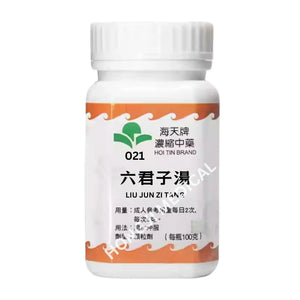
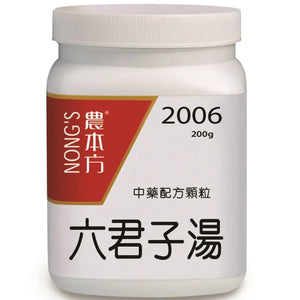
Modern concentrated granules are granule preparations made by processes such as extraction and concentration of traditional Chinese medicines. When using, just take it with boiling water according to the dosage on the instruction manual. Generally speaking, the dosage of the concentrated granules of Liu Jun Zi Decoction is equivalent to the raw drug amounts of ginseng, Atractylodes macrocephala, Poria cocos, Pinellia ternata, Citrus reticulata, and honey-fried licorice. For example, 9 grams of concentrated ginseng granules, 9 grams of concentrated Atractylodes macrocephala granules, 9 grams of concentrated Poria cocos granules, 9 grams of concentrated Pinellia ternata granules, 6 grams of concentrated Citrus reticulata granules, and 6 grams of concentrated honey-fried licorice granules. This method of taking is more convenient and fast, and is suitable for the modern fast-paced lifestyle.

Taboos of Liu Junzi Decoction
1. Dietary Taboos
During the period of taking Liu Jun Zi Decoction, attention should be paid to a light diet, and avoid eating stimulating foods such as raw and cold, greasy, and spicy foods. Raw and cold foods such as ice cream and cold drinks are likely to damage the yang qi of the spleen and stomach and affect the therapeutic effect of the formula. Greasy foods are not easy to digest and will increase the burden on the spleen and stomach. Spicy foods such as chili peppers and Chinese prickly ash may stimulate the gastrointestinal tract and cause the condition to worsen.
2. Special Populations
Pregnant women should use Liu Jun Zi Decoction with caution. Although most of the drugs in the formula are relatively mild, the physical condition of pregnant women is special, and medication needs to be cautious. Under the guidance of a doctor, decide whether to use it according to the specific situation. In addition, the dosage for children should be appropriately adjusted according to age and condition, generally lower than the adult dosage.
3. Disease Progression
If during the process of taking Liu Jun Zi Decoction, the condition changes, such as the symptoms worsen or new symptoms appear, etc., stop taking the medicine immediately and seek medical treatment in time in order to adjust the treatment plan. Do not blindly continue taking it by yourself to avoid delaying the condition.

Tenth, Modern Research Progress
1. Pharmacological Research
The efficacy and function of Liu Jun Zi Decoction are to benefit qi and strengthen the spleen, regulate qi, dry dampness and resolve phlegm, and harmonize the middle and resolve phlegm. The main symptoms it treats are such as coughing with profuse phlegm, coughing with profuse white phlegm, poor appetite and loose stools, diarrhea, stuffiness and fullness in the chest and epigastrium, nausea and vomiting, pregnancy vomiting, etc. It belongs to the qi-tonifying formula. The traditional Chinese medicines in its composition are ginseng, Atractylodes macrocephala, Poria cocos, honey-fried licorice, Citrus reticulata, Pinellia ternata, Amomum villosum, and Crataegus pinnatifida. The efficacy of Liu Jun Zi Decoction is applicable to qi deficiency of the spleen and stomach, qi deficiency combined with phlegm-dampness, phlegm-dampness syndrome, qi deficiency of the spleen and stomach combined with phlegm-dampness syndrome, pale tongue with white coating, and slow and moderate pulse. Modernly, it is used for gastritis, chronic enteritis, chronic bronchitis, asthma, emphysema, gastroptosis, gastric relaxation, etc. Pregnant women and children need to pay attention to the taboos of Liu Jun Zi Decoction, and it is based on Sijunzi Decoction.
Modern research shows that Liu Jun Zi Decoction has various pharmacological effects. It can regulate gastrointestinal function, promote gastrointestinal peristalsis, enhance the gastrointestinal digestion and absorption ability, improve the blood circulation of the gastrointestinal mucosa, and promote mucosal repair. At the same time, Liu Jun Zi Decoction also has the effect of regulating immune function, can enhance the body's immunity, and improve the body's ability to resist diseases. In addition, it also has a certain regulatory effect on the nervous system, and can improve symptoms such as listlessness and insomnia caused by weakness of the spleen and stomach.
2. Clinical Research Results
In terms of clinical research, Liu Jun Zi Decoction has achieved certain results in the treatment of various diseases. For example, in the treatment of functional dyspepsia, studies have found that Liu Jun Zi Decoction can effectively improve the dyspepsia symptoms of patients, increase the gastric emptying rate, and enhance gastrointestinal motility. When treating the stable stage of chronic obstructive pulmonary disease, Liu Jun Zi Decoction can improve the lung function of patients, improve the quality of life, and reduce the frequency of acute exacerbations. These clinical research results further prove the effectiveness and scientific nature of Liu Jun Zi Decoction, providing a strong basis for its wide application in clinical practice.
Frequently Asked Questions
What is Liu Jun Zi Tang used for in Traditional Chinese Medicine?
Liu Jun Zi Tang (Six Gentlemen Decoction) is a foundational classical TCM formula primarily prescribed to treat patterns of Spleen and Stomach Qi deficiency complicated by damp-phlegm stagnation. It clinically targets chronic functional digestive disorders and related conditions presenting with symptoms such as poor appetite, abdominal distension and fullness, loose stools or diarrhea, fatigue and lassitude, nausea, vomiting, cough with copious white sticky phlegm, a pale tongue with a white greasy coating, and a soggy or slippery pulse. As the core "Six Gentlemen" formula, it serves as the essential base for many modifications including Xiang Sha Liu Jun Zi Tang.
How does Liu Jun Zi Tang strengthen the Spleen and transform phlegm without causing further stagnation?
The formula achieves its balanced clinical efficacy through a sophisticated "tonify while transforming" strategy. In TCM theory, Spleen deficiency fails to transport and transform fluids, leading to damp-phlegm accumulation that further impairs digestion and appetite. Pure tonics may worsen stagnation, while overly drying or moving herbs can damage the already weak Qi. Liu Jun Zi Tang simultaneously rebuilds Spleen and Stomach Qi with sweet, warm tonics while incorporating phlegm-transforming and Qi-regulating herbs to gently resolve dampness, descend Stomach Qi, and restore healthy digestive function without exhausting the patient or creating new blockages.
What are the precise herbal ingredients in Liu Jun Zi Tang?
This elegantly balanced classical formulation, known as the "Six Gentlemen," consists of six key herbs: Ren Shen (Ginseng Root) or its common modern substitute Dang Shen (Codonopsis Root) serves as the chief herb to powerfully tonify Spleen Qi and generate fluids; Bai Zhu (White Atractylodes Rhizome) dries dampness and strengthens the Spleen; Fu Ling (Poria) leaches out dampness and calms the mind; Ban Xia (Pinellia Rhizome) transforms phlegm, descends rebellious Qi, and stops nausea; Chen Pi (Aged Tangerine Peel) regulates Qi, dries dampness, and resolves phlegm; and Zhi Gan Cao (Prepared Licorice Root) tonifies the middle jiao and harmonizes the entire herbal matrix. This precise six-herb combination forms the indispensable foundation upon which Xiang Sha Liu Jun Zi Tang and numerous other variations are built by adding aromatic Qi-moving herbs.
⚠️ This content is for reference only and does not provide medical advice. Consult a healthcare professional for any health concerns.