Yin-Tonifying Formulas

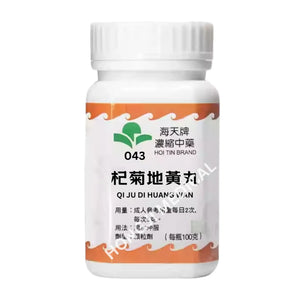
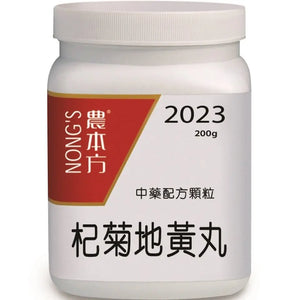
杞菊地黄丸 · Qǐ Jú Dì Huáng Wán

Qi Ju Di Huang Wan

A Yin-tonifying formula based on Liu Wei Di Huang Wan with the addition of Gou Qi Zi and Ju Hua. It nourishes Liver and Kidney Yin, particularly for dizziness, dry eyes, blurred vision and tinnitus due to Yin deficiency.

View formula profile →
Last reviewed August 2026
Formula CategoryYin-Tonifying Formulas
Primary PatternKidney Yin Deficiency
Primary FunctionNourish Liver-Kidney Yin, brighten the eyes
Primary Therapeutic PrincipleNourish Kidney and Liver Yin, benefit the eyes and clear deficiency Heat
Main HerbsPrepared Rehmannia Root · Cornus Fruit · Chinese Yam · Alisma Rhizome · Moutan Bark / Tree Peony Bark · Poria / Hoelen · Goji Berry / Lycium Fruit · Chrysanthemum Flower
Classical SourceDerived from Liu Wei Di Huang Wan (Yi Fang Ji Jie / later traditional sources)

Why This Formula?

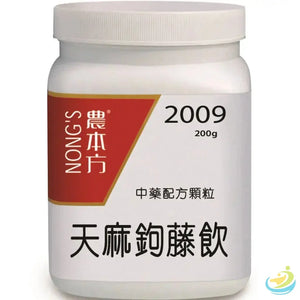
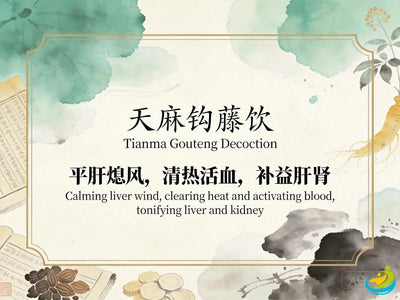
Traditionally selected when Liver-Kidney Yin deficiency affects the eyes, with dry or blurred vision and dizziness, calling for nourishment of the root — unlike Long Dan Xie Gan Tang, which drains excess Fire, or Tian Ma Gou Teng Yin, which settles actively rising Yang rather than replenishing deficiency.

Traditionally selected when Liver-Kidney Yin deficiency affects the eyes, with dry or blurred vision and dizziness, calling for nourishment of the root — unlike Long Dan Xie Gan Tang, which drains excess Fire, or Tian Ma Gou Teng Yin, which settles actively rising Yang rather than replenishing deficiency.

What Is Qi Ju Di Huang Wan?

1. Classical Transmission

Qi Ju Di Huang Wan (杞菊地黄丸), or Lycium, Chrysanthemum, and Rehmannia Pill, is a classical modification of Liu Wei Di Huang Wan, formed by adding Gou Qi Zi and Ju Hua to Qian Yi’s Six-Ingredient Rehmannia base. It belongs to the category of formulas that nourish Liver and Kidney Yin and brighten the eyes.

This formula addresses Liver and Kidney Yin deficiency in which insufficient Yin fails to nourish the eyes and may allow Liver Yang or deficient Heat to rise. Typical signs include dry, tired, or blurred vision, photophobia, tearing on exposure to wind, dizziness, tinnitus, dry mouth and throat, a red tongue with little coating, and a thin rapid pulse.

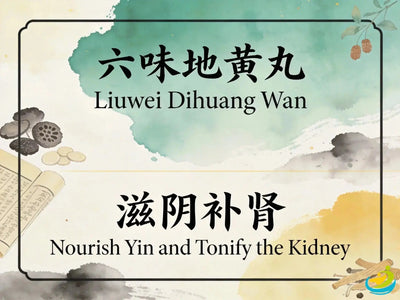
Combining the Liu Wei Di Huang Wan core—Shu Di Huang, Shan Zhu Yu, and Shan Yao to nourish Kidney, Liver, and Spleen Yin, with Ze Xie, Mu Dan Pi, and Fu Ling to drain turbidity and prevent stagnation—plus Gou Qi Zi to nourish Liver-Kidney Yin and Essence and benefit the eyes, and Ju Hua to clear Liver Heat, subdue rising Yang, and brighten vision, Qi Ju Di Huang Wan effectively replenishes true Yin, cools the Liver, and restores visual clarity.

Qi Ju Di Huang Wan

2. Ophthalmological Conditions (Eye Health)

  • Age-Related Cataracts: As we age, a lack of liver and kidney Yin can cause the eye's lens to become cloudy. This formula helps nourish these organs, which can slow down this clouding process and support better vision.
  • Glaucoma: When Yin deficiency causes "false fire" to rise to the head, it can increase eye pressure, causing pain and blurriness. By nourishing Yin and cooling this fire, the formula can help relieve these uncomfortable symptoms and support optic nerve health.
  • Macular Degeneration: Often linked to poor nourishment of the eyes, this condition can benefit from the formula's ability to boost blood flow, nourish the liver and kidneys, and ultimately brighten the eyes and improve macular function.

3. Internal Medicine Conditions

  • Hypertension (High Blood Pressure): When a lack of cooling Yin causes liver Yang (heat/energy) to rise out of control, it can spike blood pressure. This formula helps "anchor" that floating energy, supporting more stable blood pressure and relieving related headaches and dizziness.
  • Dizziness Disorders: If the body lacks the vital essence needed to nourish the brain (the "sea of marrow"), chronic dizziness can occur. By replenishing this essence, the formula helps reduce the frequency and severity of dizzy spells.
  • Neurasthenia (Nervous Exhaustion): Long-term Yin deficiency can leave the mind feeling restless, leading to insomnia, excessive dreaming, and poor memory. By nourishing the kidneys and calming the heart, this formula helps settle the nervous system and improve sleep.
Qi Ju Di Huang Wan

4. Gynaecological Conditions

  • Irregular Menstruation: If the liver and kidneys are depleted, there isn't enough blood to maintain a healthy menstrual cycle, leading to irregular timing or a light flow. The formula helps rebuild this foundation and regulate the reproductive channels.
  • Menopausal Syndrome: The drop in hormones during menopause closely mirrors "liver-kidney Yin deficiency" in TCM, causing hot flashes, night sweats, mood swings, and insomnia. By nourishing Yin and regulating internal balance, this formula offers gentle relief for these frustrating symptoms.

Herb Composition (Sovereign / Minister / Assistant / Envoy)

1. Chief Herb — Shu Di Huang

  • The Foundation: Shu Di Huang (Prepared Rehmannia Root) is sweet and slightly warm, targeting the Liver and Kidney channels. It is an essential herb for nourishing Yin and blood.
  • Deep Nourishment: Because of its rich, sticky texture, it excels at replenishing the body's essence and marrow. In the formula Qi Ju Di Huang Wan (Lycium, Chrysanthemum and Rehmannia Pill), it acts as the chief herb. It provides strong foundational support by deeply nourishing the liver and kidney, much like watering parched earth so that all things can grow.

2. Deputy Herbs — Shan Zhu Yu and Shan Yao

  • Shan Zhu Yu (Asiatic Cornelian Cherry Fruit): This sour, slightly warm herb assists the chief herb by tonifying the liver and kidney. Importantly, it has an astringent quality that helps lock in the body's essence, preventing the "leakage" of vital energy caused by Yin deficiency.
  • Shan Yao (Chinese Yam): Sweet and neutral, this herb acts as a crucial bridge. It strengthens the spleen and stomach (the body's digestive center) to ensure a steady production of Qi and blood. Simultaneously, it tonifies the kidneys. By supporting both digestion and kidney function, Shan Yao ensures the body has the resources it needs to heal.

3. Adjuvant Herbs — Ze Xie, Mu Dan Pi, and Fu Ling

  • Ze Xie (Water Plantain Rhizome): While herbs like Shu Di Huang are incredibly nourishing, they can be heavy and hard to digest. Ze Xie helps by promoting urination and draining "kidney turbidity" (waste). This prevents the formula from becoming too cloying and protects the digestive system.
  • Mu Dan Pi (Tree Peony Bark): This cooling herb clears away "deficiency heat" in the liver and kidney, preventing the body from generating internal heat due to a lack of cooling Yin. It also activates blood circulation, ensuring that the nourishing herbs don't cause stagnation.
  • Fu Ling (Poria): This neutral herb works alongside Ze Xie to drain dampness, but it also strengthens the spleen and calms the mind. It ensures a healthy digestive environment so the body can fully absorb the formula's benefits.
Qi Ju Di Huang Wan: Nourishing the Kidney, Nurturing the Liver and Brightening the Eyes — Precision Care for Dry Eye Disease, Eye Strain and Early-Stage Primary Hypertension | HJMEDICAL

4. Envoy Herbs — Gou Qi Zi and Ju Hua

  • Gou Qi Zi (Goji Berry): A famous sweet and neutral herb that specifically nourishes the liver and kidney while brightening the eyes. It directly targets vision issues caused by internal deficiencies.
  • Ju Hua (Chrysanthemum Flower): This cooling flower clears wind-heat and calms the liver. When paired with Gou Qi Zi, the two create a perfect balance—one nourishes while the other clears. Ju Hua acts as a "guide," directing the healing power of the formula straight to the eyes, making it highly effective for dizziness and blurred vision.

Clinical Presentation in TCM

1. Pathomechanism

Qi Ju Di Huang Wan (Lycium, Chrysanthemum and Rehmannia Pill) is specifically designed for liver-kidney Yin deficiency.

  • In Traditional Chinese Medicine, the kidneys store vital essence, and the liver stores blood; they share a deep, interconnected relationship.
  • When kidney Yin is lacking, it cannot properly support the liver. This leads to symptoms like a sore lower back, weak knees, dizziness, ringing in the ears (tinnitus), and night sweats.
  • When liver Yin is deficient, it directly affects the eyes, causing dryness, blurred vision, and sometimes a dull ache in the ribs. Furthermore, this lack of cooling Yin can create "false heat" rising in the body, leading to restlessness, insomnia, and a dry mouth.

2. Actions

The primary action of this formula is to nourish the kidneys, nurture the liver, and clear the liver to brighten the eyes.

  • The core herbs restore essential fluids and proper organ function.
  • The addition of the envoy herbs specifically directs this restorative power to the eyes.
  • Meanwhile, the supporting herbs actively clear out metabolic waste and internal heat, ensuring the body achieves a calm, balanced state without feeling weighed down by heavy tonics.
Qi Ju Di Huang Wan

3. Indications

This formula is widely used when a practitioner identifies a pattern of liver-kidney Yin deficiency.

  • Common Symptoms: Dizziness, dry or blurred eyes, sore lower back and knees, ringing in the ears, night sweats, a dry mouth and throat, a red tongue with little coating, and a thin, rapid pulse.
  • Modern Applications:
    • Ophthalmology: Often used as supportive care for age-related cataracts, glaucoma, and macular degeneration linked to Yin deficiency.
    • Internal Medicine: Frequently utilized for conditions like hypertension, chronic dizziness, and neurasthenia (nervous exhaustion).
    • Gynecology: Can be helpful for irregular menstruation and menopause symptoms tied to this specific deficiency pattern.

The Mechanism in Classical Theory

1. Nourishing Yin and Tonifying the Kidney, Replenishing Essence and Marrow

  • The Core Foundation: Shu Di Huang (Prepared Rehmannia Root) is the main herb here. It acts as a deep nourisher for the liver and kidney Yin, replenishing the body's essential essence and marrow.
  • The Perfect Support: It is strongly supported by Shan Zhu Yu (Asiatic Cornelian Cherry Fruit), which helps lock in that vital energy (astringes essence), and Shan Yao (Chinese Yam), which boosts the digestive system (spleen) to help create more energy. Together, this trio ensures the body has plenty of healthy fluids and a solid foundation to overcome Yin deficiency.

2. Clearing Deficiency Heat and Preventing Cloying

  • Keeping Things Moving: Heavy, nourishing herbs can sometimes be hard to digest and make you feel bloated (cloying). To prevent this, the formula includes a balancing team: Ze Xie (Water Plantain Rhizome), Mu Dan Pi (Tree Peony Bark), and Fu Ling (Poria).
  • Cooling and Draining: Ze Xie flushes out kidney waste, Mu Dan Pi cools down "deficiency heat" (the false heat caused by a lack of cooling Yin), and Fu Ling helps drain excess dampness while protecting the stomach. This combination ensures that the nourishing herbs do their job without generating internal heat or upsetting your stomach.

3. Clearing the Liver and Brightening the Eyes, Guiding the Herbs into the Channel

  • Targeting the Eyes: What makes this formula special are its envoy herbs: Gou Qi Zi (Goji Berry) and Ju Hua (Chrysanthemum Flower).
  • A Two-Pronged Approach: Gou Qi Zi directly nourishes the liver and kidneys, while Ju Hua clears out "wind-heat" from the liver channel. Working as a team, they not only enhance the formula's ability to clear the liver and brighten the eyes, but they also act like a GPS, guiding the healing effects directly to the eyes to treat vision issues.
Qi Ju Di Huang Wan

4. Overall Regulation, Treating the Organs Together

  • Holistic Balance: Qi Ju Di Huang Wan (Lycium, Chrysanthemum and Rehmannia Pill) doesn't just treat one symptom; it regulates the whole body. By making sure the kidneys have enough Yin, it naturally supports the liver. A healthy liver then helps the digestive system (spleen and stomach) run smoothly. By gently clearing heat and draining dampness at the same time, the formula restores harmony across all your major organs.

Clinical Comparison Table

Compare Qi Ju Di Huang WanLiu Wei Di Huang WanZhi Bai Di Huang WanTian Ma Gou Teng YinZhen Gan Xi Feng Tang
Primary Function Nourish Liver-Kidney Yin, brighten the eyesNourish Kidney YinNourish Yin, clear deficiency HeatCalm Liver Yang, extinguish internal wind, clear heatSedate Liver Yang, extinguish internal wind, nourish Yin
Formula Category Yin-Tonifying FormulasYin-Tonifying FormulasYin-Tonifying FormulasLiver-Wind Extinguishing FormulasLiver-Wind Extinguishing Formulas
Typical TCM Pattern Kidney Yin DeficiencyKidney Yin DeficiencyKidney Yin DeficiencyLiver FireLiver Fire
Main Conditions Dizziness & Vertigo, Eye Dryness, Tinnitus, Night Sweats, Fatigue & Low EnergyDizziness & Vertigo, Tinnitus, Night Sweats, Fatigue & Low Energy, Yin Deficiency ConstitutionYin Deficiency Constitution, Night SweatsHeadache, Dizziness & Vertigo, Tinnitus, Anxiety Restlessness, Poor Sleep QualityDizziness & Vertigo, Headache
Main Herbs Prepared Rehmannia Root · Cornus Fruit · Chinese Yam · Alisma Rhizome · Moutan Bark / Tree Peony Bark · Poria / Hoelen · Goji Berry / Lycium Fruit · Chrysanthemum FlowerPrepared Rehmannia Root · Cornus Fruit · Chinese Yam · Alisma Rhizome · Moutan Bark / Tree Peony Bark · Poria / HoelenPrepared Rehmannia Root · Cornus Fruit · Chinese Yam · Alisma Rhizome · Moutan Bark / Tree Peony Bark · Poria / Hoelen · Anemarrhena Rhizome · Phellodendron BarkGastrodia Rhizome · Uncaria Stem with Hooks · Abalone Shell · Gardenia Fruit · Scutellaria / Baikal Skullcap · Leonurus / Motherwort · Cyathula Root · Eucommia Bark · Taxillus / Mulberry Mistletoe · Fleeceflower Stem · Poria with Pine RootAchyranthes Root · Hematite · Dragon Bone / Fossilized Bone · Oyster Shell · Tortoise Plastron · White Peony Root · Scrophularia Root · Asparagus Tuber · Toosendan Fruit · Barley Sprout · Virgate Wormwood · Licorice Root
Classical Source Derived from Liu Wei Di Huang Wan (Yi Fang Ji Jie / later traditional sources)Xiao Er Yao Zheng Zhi Jue (Qian Yi, Song dynasty) / later popularisedYi Zong Jin Jian / Investigation of Medical Formulas (Ming dynasty)Zhong Yi Nei Ke Za Bing Zheng Zhi Xin Yi (Hu Guangci, 1958)Yi Xue Zhong Zhong Can Xi Lu (Records of Medicine with Reference to East and West, Zhang Xichun, 1918)

How to tell them apart

Qi Ju Di Huang Wan nourishes the Yin root and benefits the eyes. Tian Ma Gou Teng Yin and Zhen Gan Xi Feng Tang address rising Yang / Wind (excess or mixed). Long Dan Xie Gan Tang is for excess Fire/Damp-Heat and is cooling rather than nourishing.

For educational reference only, based on traditional pattern differentiation — not a substitute for professional advice.

Clinical Modifications for Qi Ju Di Huang Wan

1. For More Severe Liver-Kidney Yin Deficiency

When a patient needs a stronger boost for their liver and kidney Yin (cooling, nourishing fluids), practitioners might add Nu Zhen Zi (Glossy Privet Fruit) and Mo Han Lian (Eclipta).

  • Nu Zhen Zi is cool and slightly sweet and bitter. It specifically targets the Liver and Kidney channels to nourish them, brighten the eyes, and even help darken the hair.
  • Mo Han Lian is cold with a sweet and sour profile. It also works on the Liver and Kidneys, helping to cool the blood and stop bleeding.
  • Together with Qi Ju Di Huang Wan (Lycium, Chrysanthemum and Rehmannia Pill), these two herbs provide a powerful, deeper level of nourishment.

2. For Pronounced Liver Heat Disturbing Upward

If liver heat is rising to the head and causing discomfort, Xia Ku Cao (Selfheal Spike) and Jue Ming Zi (Cassia Seed) can be added to help clear that fire.

  • Xia Ku Cao is cold, acrid, and bitter. It's excellent for clearing the liver, draining excess fire, brightening the eyes, and reducing swellings.
  • Jue Ming Zi is slightly cold and brings a sweet, bitter, and salty flavor. It clears the liver and brightens the eyes, with an added bonus of moistening the intestines to aid digestion.
  • This combination is great for relieving dizziness and painful, swollen eyes caused by upward-moving liver heat.

3. For Concurrent Qi Deficiency

If someone is also dealing with low overall energy (Qi deficiency), practitioners might include Dang Shen (Codonopsis Root) and Huang Qi (Astragalus Root) to strengthen the spleen and boost energy.

  • Dang Shen is gentle, sweet, and neutral. It supports the spleen and lungs, helps nourish the blood, and generates healthy body fluids.
  • Huang Qi is slightly warm and sweet. It's famous for lifting energy (raising Yang), securing the body's exterior to stop excessive sweating, and reducing swelling.
  • By strengthening the digestive system, these herbs ensure the body can produce the energy and blood it needs, which actually helps Qi Ju Di Huang Wan do its Yin-nourishing job even better.
Qi Ju Di Huang Wan

4. For Concurrent Blood Deficiency

When a patient is also lacking healthy blood, Dang Gui (Dong Quai / Angelica Root) and Bai Shao (White Peony Root) are excellent additions.

  • Dang Gui is warm, sweet, and slightly acrid. It’s a powerhouse for building and moving blood, regulating menstrual cycles, relieving pain, and easing digestion.
  • Bai Shao is slightly cold with a bitter and sour taste. It focuses on nourishing the blood, regulating menstruation, and "softening" the liver to ease cramps and pain.
  • Improving blood health directly supports the recovery of liver and kidney Yin, making the main formula much more effective.

What the Science Suggests

1. Pharmacological Research

Modern studies show that Qi Ju Di Huang Wan has several interesting pharmacological effects:

  • Immune Support: It can help regulate immune function, offering a boost for people with weakened natural defenses.
  • Nervous System: It appears to help balance neurotransmitters, which can improve overall nerve function and relieve issues like nervous exhaustion and insomnia.
  • Cardiovascular Health: Research suggests it can help lower blood pressure and improve blood flow to the heart, making it a helpful supportive option for conditions like hypertension and coronary artery disease.
  • Anti-aging & Antioxidant: It helps clear out free radicals, which can slow down cellular aging and protect vital organs like the liver and kidneys.

2. Clinical Application Expansion Research

As modern medicine evolves, the uses for Qi Ju Di Huang Wan are expanding beyond traditional eye, internal, and women's health issues to support chronic condition management:

  • Diabetic Retinopathy: Studies suggest it can help regulate blood sugar metabolism and improve blood flow to the retina, potentially slowing down diabetes-related eye damage.
  • Kidney Health: For patients with chronic kidney issues, it may help improve kidney function markers and overall quality of life.
  • Age-Related Concerns: Ongoing research is exploring its potential benefits for age-related issues like cognitive decline and osteoporosis, opening up exciting new possibilities for its clinical use.

3. Formulation Improvement Research

To make Qi Ju Di Huang Wan easier to take, researchers have developed modernized forms:

  • New Delivery Methods: Besides traditional pills, you can now find it in concentrated granules, capsules, and tablets. These keep the herbs effective while making them much easier to carry and take daily, which helps patients stick to their routine.
  • Integrative Approaches: Researchers are also looking at how to combine it with Western medications. For instance, using it alongside standard blood pressure medications might help control hypertension more effectively while minimizing side effects.
Qi Ju Di Huang Wan

4. Quality Control Research

To ensure Qi Ju Di Huang Wan is safe and works consistently, modern quality control has become very strict:

  • Standardization: There are clear standards for everything from the raw herbal materials to the manufacturing process.
  • Advanced Testing: High-tech tools like high-performance liquid chromatography (HPLC) and gas chromatography are used to measure the exact active ingredients in each batch.
  • Stability: Extensive testing ensures the medicine remains stable on the shelf, so patients always get a safe, effective product of verified quality.

Safety Considerations

1. Dietary Restrictions and Special Populations

While taking Qi Ju Di Huang Wan, avoid spicy, greasy, stimulating, alcoholic, raw, and excessively cold foods, as they may worsen damp-heat or impair digestion and absorption. Pregnant women should use it only under medical supervision. People with spleen-stomach deficiency-cold, loose stools, indigestion, or bloating should use it cautiously or avoid it unless advised by a physician.

2. Drug Interactions and Treatment Duration

Consult a doctor or pharmacist before combining Qi Ju Di Huang Wan with other medicines, especially Veratrum-containing products or metal-ion supplements such as calcium carbonate and ferrous sulfate. Treatment duration should be individualized; do not use it long term without supervision. Once symptoms improve, consult a physician about whether to discontinue or adjust the formula.

Questions About Qi Ju Di Huang Wan

Q1: What are the actions of Qi Ju Di Huang Wan?
Qi Ju Di Huang Wan has the actions of nourishing Kidney and Liver Yin and brightening the eyes. It is Liu Wei Di Huang Wan with Gou Qi Zi and Ju Hua added to focus the Yin-tonifying strategy on vision and Liver-related upper symptoms.
Q2: Which modern diseases is Qi Ju Di Huang Wan suited to?
Modern TCM clinical practice commonly applies it to individuals whose pattern differentiation falls within Liver-Kidney Yin deficiency, including dry eyes and visual fatigue, blurred vision or photophobia of deficiency type, dizziness and tinnitus, certain age-related visual decline, and menopausal or hypertensive presentations with dry eyes, vertex or temporal headache, and a thin rapid pulse.
Q3: Is Qi Ju Di Huang Wan suitable for improving dry eyes, blurred vision, and dizziness from Yin deficiency?
For presentations of dry, tired, or photophobic eyes, blurred vision or tearing in the wind, dizziness or tinnitus, sore weak lower back and knees, dry mouth and throat, a red tongue with little coating, and a thin rapid pulse — in those whose pattern differentiation confirms Liver-Kidney Yin deficiency — TCM commonly applies Qi Ju Di Huang Wan as an adjunct. It cannot replace ophthalmological evaluation of serious eye disease.
Q4: Who should not take Qi Ju Di Huang Wan?
Those with Spleen-Stomach deficiency Cold and loose stools, Yang deficiency with Cold signs, exterior pathogens such as a cold or fever, or excess Fire with a thick yellow coating are generally not suitable. The formula is rich, sweet, and moistening and can further obstruct digestion. Use should be assessed by a qualified TCM physician.
Q5: Why are Gou Qi Zi and Ju Hua added to Liu Wei Di Huang Wan?
The Liver opens into the eyes, and Liver Yin depends on Kidney Yin. Gou Qi Zi nourishes Liver and Kidney Yin and Essence and is the principal herb for benefiting the eyes. Ju Hua clears Liver Heat, gently subdues Liver Yang, and brightens the eyes. Together they direct the classic six-ingredient Yin tonic toward visual symptoms and mild Yang rising from Yin deficiency.
Q6: How does Qi Ju Di Huang Wan differ from Zhi Bai Di Huang Wan or Tian Ma Gou Teng Yin?
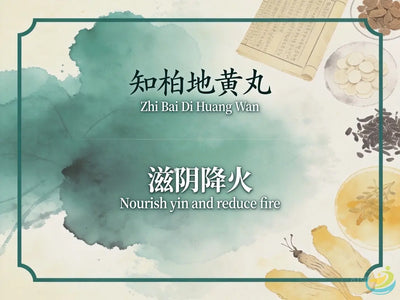
Zhi Bai Di Huang Wan adds Zhi Mu and Huang Bai for more pronounced empty Fire (night sweats, steaming bone). Tian Ma Gou Teng Yin is primarily for Liver Yang rising or Liver Wind with stronger Heat and Wind signs and less emphasis on deep Yin and Essence tonification. Qi Ju Di Huang Wan is chosen when Yin deficiency is primary and the eyes are the main complaint.
Q7: What are the main ingredients of Qi Ju Di Huang Wan?
The formula is Liu Wei Di Huang Wan plus Gou Qi Zi and Ju Hua: Shu Di Huang, Shan Zhu Yu, and Shan Yao to nourish Kidney, Liver, and Spleen Yin; Ze Xie, Mu Dan Pi, and Fu Ling to drain and prevent stagnation; Gou Qi Zi to nourish Liver-Kidney Yin and benefit the eyes; and Ju Hua to clear Liver Heat and brighten the eyes.
Q8: Is Qi Ju Di Huang Wan suitable for long-term use?
It may be used for a sustained course in chronic Liver-Kidney Yin deficiency under professional supervision. Because Shu Di Huang and related herbs are cloying, digestion and stool quality should be monitored. If bloating or loose stools appear, the formula may need modification. It should be paused during a cold or fever.
Q9: Can this formula help both eye symptoms and systemic Yin-deficiency signs such as sore low back and tinnitus?
Yes. The same Liver-Kidney Yin deficiency that fails to nourish the eyes also produces dizziness, tinnitus, dry throat, and lumbar-knee weakness. By tonifying the shared Yin root and adding eye-specific herbs, the formula addresses both the local visual complaints and the systemic deficiency picture when the pattern matches.
Q10: What lifestyle advice supports the use of Qi Ju Di Huang Wan?
Limiting prolonged screen time, taking visual breaks, getting adequate sleep, avoiding excessive spicy and drying foods, and reducing late nights that consume Yin help the formula nourish Liver and Kidney Yin and benefit the eyes. Sudden vision loss, eye pain, or persistent headache should be properly evaluated by an eye specialist.

General Questions

How do I choose the right formula?
TCM formulas are traditionally selected according to individual pattern differentiation rather than by symptom alone. If you're not sure which formula fits your presentation, take our AI Assessment below for a personalized starting point, then confirm with a qualified TCM practitioner.
What are concentrated herbal granules?
Concentrated herbal granules are made by decocting raw herbs, then extracting and concentrating the resulting liquid into a fine granule or powder form. This preserves the same active compounds as a traditional decoction while making the herbs far easier to store, measure, and prepare.
How should I take these products?
Dissolve the recommended amount of granules in hot water, stir until fully dissolved, and drink while warm — following the dosage and frequency advised by your TCM practitioner or as stated on the product packaging.
Are concentrated herbal granules equivalent to traditional decoctions?
Concentrated granules are produced from the same herbs and processed to retain their active compounds, so they are traditionally regarded as a convenient alternative to decoctions rather than a different remedy. Some practitioners note subtle differences in strength or absorption between the two forms, so your TCM practitioner may adjust dosage accordingly.
Are your products authentic?
Yes. HJMEDICAL sources its concentrated granules exclusively from established, reputable manufacturers such as Nong's and Hoi Tin, both long-standing names in the TCM granules industry, with GMP compliance stated directly on their packaging.
Are HJMEDICAL products manufactured under GMP standards?
HJMEDICAL sources its concentrated granules from established, reputable manufacturers such as Nong's and Hoi Tin, both long-standing names in the TCM granules industry. GMP compliance for these products is stated directly on their packaging.
Do you ship internationally?
Yes — we ship worldwide! Every order goes out via Hong Kong Post, and your exact shipping cost and estimated delivery time for your address are calculated and shown right at checkout, so there are never any surprises. We also offer free shipping once your order reaches our free-shipping threshold, so it's easy to stock up on your favorite formulas and save.
Can I take more than one formula at the same time?
Some formulas are traditionally combined, while others overlap or counteract each other. We recommend checking with a qualified TCM practitioner before combining formulas, especially if you are already taking other medication.
Are these products suitable during pregnancy or breastfeeding?
Some TCM formulas are not suitable during pregnancy or breastfeeding. Please consult a qualified TCM practitioner or your doctor before use if you are pregnant, trying to conceive, or nursing.
Do these products replace medical treatment?
No. These products are traditional herbal supplements intended to support wellbeing according to TCM principles — they are not a replacement for professional medical diagnosis or treatment. Please consult a qualified TCM practitioner or licensed healthcare provider before starting, stopping, or combining any treatment, especially if you have a chronic condition.
Medical Disclaimer

For general TCM education only — not medical advice. Consult a qualified TCM practitioner or licensed healthcare provider before use, especially if pregnant, nursing, on medication, or managing a chronic condition.

Not sure which formula is right for you?

Take the AI Assessment

最新文章

Login

Forgot your password?

Don't have an account yet?
Create account

Qi Ju Di Huang Wan: Classic TCM Formula for Kidney & Liver Yin Deficiency with Eye Problems