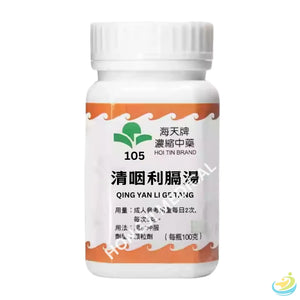
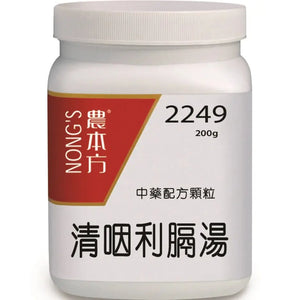
Q1: What are the actions of Qing Yan Li Ge Tang?
Qing Yan Li Ge Tang has the actions of dispersing Wind-Heat, resolving toxin, benefiting the throat, and unblocking the diaphragm. It treats a red, swollen, painful throat when Heat is also bound in the interior and the stool has not moved.
Q2: Which modern diseases is Qing Yan Li Ge Tang suited to?
Modern TCM clinical practice commonly applies it to robust individuals whose pattern differentiation falls within throat Heat-toxin with interior Heat, including acute tonsillitis or pharyngitis with constipation, some early peritonsillar swelling of yang excess type, and sore throat with restlessness and a desire for cold drinks.
Q3: Is Qing Yan Li Ge Tang suitable for a swollen sore throat with constipation?
For presentations of a red, swollen, painful throat, difficulty swallowing, fever or mild chills, chest-diaphragm oppression, restlessness, thirst for cold drinks, constipation, a yellow coating, and a rapid forceful pulse — in those whose pattern differentiation confirms Heat-toxin in the throat with bound interior Heat — TCM commonly applies this formula as an adjunct. Airway obstruction or inability to swallow saliva is an emergency.
Q4: Who should not take Qing Yan Li Ge Tang?
Those who are deficient, pregnant, have loose stools, or present with a Wind-Cold sore throat without interior Heat are generally not suitable. Versions that contain Da Huang and Mang Xiao both vent and purge. Use should be assessed by a qualified TCM physician.
Q5: Why treat the throat and also drain the diaphragm?
Heat-toxin that inflames the throat often also locks in the chest and Yangming, so the person is restless, thirsty for cold drinks, and constipated. Jing Jie, Fang Feng, Bo He, and Niu Bang Zi disperse Wind-Heat from the throat. Jin Yin Hua, Lian Qiao, Huang Qin, Huang Lian, and Zhi Zi clear toxin. Jie Geng and Xuan Shen benefit the throat. Da Huang and Mang Xiao unblock the diaphragm and drain Heat downward. Clearing the throat alone leaves the interior Fire; purging alone leaves the swollen throat untreated.
Q6: How does Qing Yan Li Ge Tang differ from Liang Ge San or Yin Qiao San?
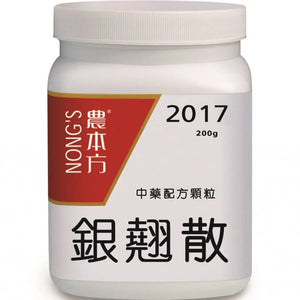
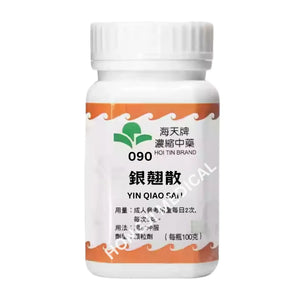
Yin Qiao San releases early Wind-Heat in the upper body without purging the stool. Liang Ge San more strongly drains diaphragm Fire and is less specialized as a throat formula. Qing Yan Li Ge Tang is chosen when the leading complaint is a swollen painful throat and the interior is already bound — the so-called “clear the throat and benefit the diaphragm” picture. Milder Zheng Zhi Zhun Sheng versions omit the strong purge.
Q7: What are the main ingredients of Qing Yan Li Ge Tang?
The widely used Hou Ke Zi Zhen Ji type composition includes Jing Jie, Fang Feng, Bo He, and Niu Bang Zi to disperse Wind-Heat; Jin Yin Hua, Lian Qiao, Huang Qin, Huang Lian, and Zhi Zi to clear Heat-toxin; Jie Geng and Xuan Shen to benefit the throat; Da Huang and Mang Xiao (Po Xiao) to unblock the diaphragm; and Gan Cao to harmonize. Some pediatric versions omit the purgatives.
Q8: Is Qing Yan Li Ge Tang suitable for long-term use?
No. It is a short-course attacking formula. Once the throat swelling recedes and the stool has moved, the purgative version must be stopped. Continuing to drain after the Heat is gone injures the Middle.
Q9: Can this formula help both the swollen throat and the bound, restless chest?
Yes. That pairing is why the formula is named “clear the throat and benefit the diaphragm.” The same Heat-toxin inflames the throat and locks the chest-diaphragm and stool. Venting the throat and draining downward together address both when the person is excess and the stool is bound.
Q10: What lifestyle advice supports the use of Qing Yan Li Ge Tang?
Resting the voice, taking cool (not ice-cold) fluids, avoiding spicy and fried foods, and seeking emergency care for drooling, muffled voice, or difficulty breathing all support correct use. This formula treats a TCM Heat-toxin throat pattern; it is not a substitute for managing peritonsillar abscess or airway emergency.