Dampness-Draining Formulas

四妙散 · Sì Miào Sàn

Si Miao San

A classical formula for damp-heat bi of the lower limbs — red swollen joints, beriberi-like heaviness.

View formula profile →
Last reviewed August 2026
Formula CategoryDampness-Draining Formulas
Primary PatternDamp-Heat
Primary FunctionClear heat, dry damp, ease bi pain in the lower body
Primary Therapeutic PrincipleClear damp-heat from the lower jiao and ease bi pain
Main HerbsPhellodendron Bark · Coix Seed / Job's Tears · Atractylodes Rhizome · Achyranthes Root
Classical SourceClassical TCM formulary

Why This Formula?

Traditionally selected for lower-limb damp-heat bi with redness and swelling, when a compact clearing-drying approach is preferred.

Traditionally selected for lower-limb damp-heat bi with redness and swelling, when a compact clearing-drying approach is preferred.

What Is Si Miao San?

1. Legend of Origin

Si Miao San (四妙散), or Four Marvel Powder, is a classical modification of Er Miao San and San Miao Wan, commonly recorded in Zhang Bingcheng’s Cheng Fang Bian Du (Convenient Reader of Established Formulas). It belongs to the category of formulas that clear Damp-Heat from the Lower Burner.

This formula addresses Damp-Heat pouring downward into the legs, sinews, and Lower Jiao. Typical signs include hot, painful, swollen knees or lower limbs, weakness or atrophy of the legs, yellow leukorrhea, dark scanty urine, a yellow greasy tongue coating, and a slippery rapid pulse.

Combining Huang Bai to drain Damp-Heat from the Lower Burner, Cang Zhu to dry Dampness and strengthen the Spleen, Yi Yi Ren to leach Dampness, clear Heat, and ease the sinews, and Niu Xi to guide the formula downward, invigorate Blood, and strengthen the lower back and knees, Si Miao San effectively clears Damp-Heat, unblocks the channels of the lower body, and is the most complete of the “Marvel” family of Lower-Burner Damp-Heat formulas.

Si Miao San: Clearing Heat, Draining Dampness, Strengthening the Sinews and Bones — Precise Conditioning for Acute Gouty Arthritis, Lower Limb Eczema, and Non-Specific Lower Limb Joint Synovitis | HJMEDICAL

2. Wilting Patterns

In TCM, "wilting patterns" refer to progressive muscle weakness in the limbs, often caused by damp-heat soaking into the muscles and blocking energy flow.

  • Symptoms: Patients may experience weak legs, red and painful joints, dark urine, and a rapid pulse.
  • Treatment: Si Miao San clears the blockage so energy and blood can flow smoothly again. For severe cases, practitioners might increase the dose of Huang Bo and Cang Zhu. If the patient also has dryness (yin deficiency), herbs like Sheng Di (Raw Rehmannia Root) and Mai Dong (Ophiopogon Root) are often added.

3. Beriberi

In the context of TCM, this refers to swollen, itchy, and painful feet caused by heavy damp-heat sinking to the lowest part of the body.

  • Treatment Options: For mild cases, a decoction of Si Miao San can be used externally as a soothing foot wash.
  • Modifications: For more severe symptoms, it is taken orally. If itching is intense, herbs like Ku Shen (Sophora Root) and Di Fu Zi (Kochia Fruit) can be added to quickly stop the itch and dry the dampness.

4. Sinew-Bone Pain

This applies to lower limb joint pain where the joints are red, swollen, hot, and stiff.

  • Treatment: The formula unblocks the channels and improves local circulation to reduce swelling and pain. Acupuncture or massage is often used alongside it.
  • Modifications: For intense pain, blood-invigorating herbs like Yan Hu Suo (Corydalis Rhizome), Ru Xiang (Frankincense), and Mo Yao (Myrrh) might be added. If there is heavy swelling, Fu Ling (Poria) and Ze Xie (Alisma Rhizome) help drain the excess fluid.

5. Damp Scrotum

This uncomfortable condition in men includes itching, odor, and dark urine, driven by damp-heat settling in the reproductive area.

  • Treatment: Si Miao San is highly effective at clearing this localized heat. It can be taken orally as pills or powders, or herbs like Huang Bo and Ku Shen can be brewed into a sitz bath for fast, direct relief.
Si Miao San

6. Thick, Yellow Vaginal Discharge in Women

When damp-heat affects women, it can cause profuse, yellow, thick vaginal discharge with a foul odor and itching.

  • Treatment: By clearing the heat and draining the dampness in the lower body, the formula helps reduce the discharge and eliminate the odor and itching.
  • Modifications: Practitioners may add specific astringent herbs like Chun Gen Pi (Ailanthus Bark) and Ji Guan Hua (Cockscomb Flower) to help stop the discharge more quickly.

Herb Composition (Sovereign / Minister / Assistant / Envoy)

1. Chief Herb — Huang Bo

Huang Bo (Phellodendron Bark) is the dried bark of the Phellodendron tree. In traditional Chinese medicine, it has a bitter flavor, a cold nature, and primarily targets the kidney and bladder channels.

  • Main Role: As the chief herb in Si Miao San, it directly tackles "damp-heat" in the lower body (the lower burner).
  • Key Benefits: It powerfully clears heat and dries dampness. This helps relieve symptoms like red, swollen, hot, and painful lower limb joints, as well as dark, scanty urine and a yellow, greasy tongue coating.
  • Toxin Resolution: By draining fire and resolving toxicity, Huang Bo stops accumulated damp-heat from worsening. It is also excellent for addressing lower-body issues like thick, yellow vaginal discharge in women or a damp scrotum in men.

2. Deputy Herb — Cang Zhu

Cang Zhu (Atractylodes Rhizome) is known for its acrid, bitter taste and warm nature. It enters the spleen, stomach, and liver channels.

  • Main Role: Serving as the deputy herb, it teams up with Huang Bo to boost the formula's overall ability to dry dampness.
  • Digestive Support: It strengthens the spleen and stomach, fixing the root cause of dampness by getting your digestive system (transportation and transformation) back on track.
  • Pain Relief: Its warming, wind-dispelling nature helps ease cold-dampness in the muscles, providing great relief for joint pain and stiffness in the legs. Plus, its warmth perfectly balances the intense coldness of Huang Bo, protecting your stomach from discomfort.

3. Assistant Herb — Niu Xi

Niu Xi (Achyranthes Root), specifically the Huai variety, has a sweet, bitter, and sour flavor with a neutral nature. It targets the liver and kidney channels.

  • Main Role: As the assistant herb, it nourishes the liver and kidneys while strengthening the tendons and bones. This is crucial because damp-heat often drains these vital organs, leading to weakness.
  • Downward Flow: A unique feature of Niu Xi is its ability to direct blood and energy downward. This helps flush out damp-heat pathogens through urination.
  • Circulation: It eases swelling and pain in the lower limbs by clearing blockages and improving local blood circulation, helping your legs feel strong and mobile again.
Si Miao San

4. Envoy Herb — Yi Yi Ren

Yi Yi Ren (Job's Tears) has a sweet, bland flavor and a cooling nature, entering the spleen, stomach, and lung channels.

  • Main Role: Acting as the envoy herb, it gently promotes urination to help drain damp-heat right out of the body.
  • Synergy: It speeds up the heat-clearing process and strengthens the spleen to stop new dampness from forming internally.
  • Joint Health: It helps relieve blockages (bi obstruction), easing leg pain and improving joint flexibility. Furthermore, it harmonizes all the herbs in the formula, making Si Miao San balanced and suitable for longer-term use.

Clinical Presentation in TCM

1. Pathomechanism Analysis

The main target of Si Miao San is a TCM concept called damp-heat pouring downward.

  • The Cause: This usually happens due to environmental damp-heat or poor dietary habits—like eating too much greasy food, spicy meals, or drinking alcohol. These habits weaken your digestion, creating internal "damp-turbidity" that eventually turns into heat and settles in the lower body (which includes the kidneys, bladder, intestines, and legs).
  • The Impact: When damp-heat settles in the legs, it slows down energy and blood flow, causing joint pain, swelling, and numbness. If it hits the bladder, it causes frequent, dark urine. If it affects the intestines, it can lead to diarrhea. It also heavily impacts the reproductive system, causing uncomfortable conditions like a damp scrotum or thick, yellow vaginal discharge.

2. Characteristics of Actions

Si Miao San is highly regarded for its comprehensive, three-pronged approach:

  • Clears Heat and Drains Dampness: This is its primary job. Herbs like Huang Bo, Cang Zhu, and Yi Yi Ren work together to eliminate damp-heat and relieve active symptoms.
  • Nourishes the Liver and Kidneys: Because long-standing damp-heat can deplete your body, Niu Xi steps in to nourish these core organs and prevent further weakness.
  • Strengthens Tendons and Bones: Once the damp-heat is cleared, the formula helps rebuild strength in your lower limbs, combatting muscle weakness and joint issues. This balanced action makes it uniquely effective for lower-body conditions.
Si Miao San: Clearing Heat, Draining Dampness, Strengthening the Sinews and Bones — Precise Conditioning for Acute Gouty Arthritis, Lower Limb Eczema, and Non-Specific Lower Limb Joint Synovitis | HJMEDICAL

3. Indications

Si Miao San is commonly used for a variety of lower-body issues caused by damp-heat:

  • Wilting Patterns: This refers to weakness or muscle loss in the limbs, making it hard to move normally. It is usually caused by damp-heat blocking the flow of nutrients to the muscles and blood vessels.
  • Beriberi (TCM context): Swollen, itchy, and painful feet that make walking difficult, caused by damp-heat settling heavily in the extremities.
  • Joint and Bone Pain: Specifically targets lower limb joints that are red, swollen, hot, and painful, with stiffness and limited mobility (often called damp-heat bi obstruction).
  • Other Uses: Through balancing the body's internal environment, it is also highly effective for treating reproductive and urinary complaints caused by damp-heat pouring downward.

The Mechanism in Classical Theory

1. Combination of Clearing Heat and Drying Dampness

The magic of Si Miao San lies in how its herbs balance each other.

  • Cold and Warm Synergy: Huang Bo (Phellodendron Bark) is bitter and cold, making it excellent at clearing heat and drying dampness. Meanwhile, Cang Zhu (Atractylodes Rhizome) is acrid, warm, and highly effective at drying dampness and strengthening the digestive system.
  • Treating Root and Branch: When combined, they keep each other in check. The coldness of Huang Bo clears out the existing "damp-heat" in the lower body, while the warmth of Cang Zhu fixes the root of the problem by improving digestion so your body stops producing excess dampness. This dual approach ensures the pathogens are thoroughly eliminated.

2. Combining Tonification with Purgation

Traditional Chinese Medicine (TCM) often emphasizes removing the bad while protecting the good.

  • Clearing the Bad (Purgation): Herbs like Huang Bo, Cang Zhu, and Yi Yi Ren (Job's Tears) focus on flushing out the harmful damp-heat pathogens.
  • Protecting the Good (Tonification): Because chronic damp-heat can weaken the lower body, Niu Xi (Achyranthes Root) is added to nourish the liver and kidneys and strengthen the tendons and bones. This ensures that while the body fights off the illness, its core strength (righteous qi) is supported, speeding up recovery.
Si Miao San

3. Guiding to the Channels

Herbs in TCM can act like GPS systems, directing the formula's healing power exactly where it needs to go.

  • Downward Action: Niu Xi naturally directs blood and energy downward. It guides the heat-clearing power of the other herbs straight to the lower body, allowing damp-heat to be easily flushed out through urination.
  • Overall Balance: Yi Yi Ren enters the spleen, stomach, and lung channels. It gently promotes urination and strengthens the spleen, which helps the other herbs work better while keeping the entire formula balanced and easy on the body.

Clinical Comparison Table

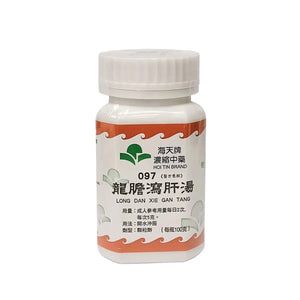
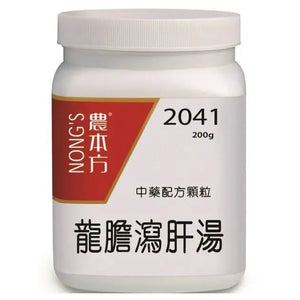
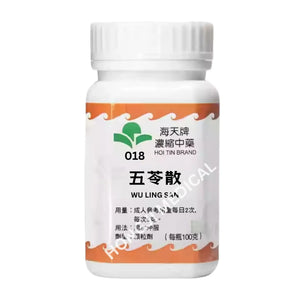
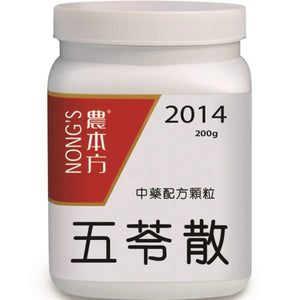
Compare Si Miao SanDang Gui Nian Tong TangLong Dan Xie Gan TangWu Ling San
Primary Function Clear heat, dry damp, ease bi pain in the lower bodyClear heat, drain damp, dispel wind, stop painClear Liver Fire, drain Damp-HeatPromote urination, drain Dampness, warm Yang
Formula Category Dampness-Draining FormulasDampness-Draining FormulasHeat-Clearing FormulasDampness-Draining Formulas
Typical TCM Pattern Damp-HeatDamp-HeatLiver FireDampness
Main Conditions Joint Discomfort, Low Back Pain, Numbness in LimbsJoint Discomfort, Low Back PainBitter Taste in Mouth, Liver Qi Stagnation, Damp-Heat ConstitutionEdema, Frequent Urination, Damp Constitution
Main Herbs Phellodendron Bark · Coix Seed / Job's Tears · Atractylodes Rhizome · Achyranthes RootNotopterygium Root · Ginseng Root · Sophora Root · Atractylodes Rhizome · Saposhnikovia Root · Anemarrhena Rhizome · Chinese Angelica Root · White Atractylodes Rhizome · Virgate Wormwood · Scutellaria / Baikal Skullcap · Licorice RootGentian Root · Scutellaria / Baikal Skullcap · Gardenia Fruit · Alisma Rhizome · Akebia Stem · Plantago Seed · Chinese Angelica Root · Raw Rehmannia Root · Bupleurum Root · Licorice RootAlisma Rhizome · Poria / Hoelen · Polyporus · White Atractylodes Rhizome · Cinnamon Twig
Classical Source Classical TCM formularyLi Dongyuan school / classicalYi Fang Ji Jie (Analytic Collection of Medical Formulas, Wang Ang, Qing dynasty)Shang Han Lun (Zhang Zhongjing, Eastern Han)

How to tell them apart

Si Miao San, Dang Gui Nian Tong Tang, Long Dan Xie Gan Tang and Wu Ling San address lower-body damp-heat or water. Dang Gui Nian Tong Tang clears damp-heat bi with more wind-dispelling; Long Dan Xie Gan clears Liver damp-heat; Wu Ling San drains water. Si Miao San is a focused four-herb formula for lower-body damp-heat bi — red swollen joints and heaviness.

For educational reference only, based on traditional pattern differentiation — not a substitute for professional advice.

Clinical Modifications for Si Miao San

1. Severe Damp-Heat

If the symptoms of damp-heat are particularly intense, practitioners often adjust the formula to enhance its cooling and drying power.

  • Dosage Adjustments: The amounts of Huang Bo (Phellodendron Bark) and Cang Zhu (Atractylodes Rhizome) are usually increased.
  • Herb Additions: Herbs like Long Dan Cao (Gentian Root) and Ku Shen (Sophora Root) might be added. Long Dan Cao is intensely cold and bitter, making it excellent for draining fire from the liver and gallbladder. Ku Shen strongly clears heat, dries dampness, and is highly effective at stopping intense itching.

2. Blood-Stasis Obstruction

When damp-heat causes blockages in the blood flow, patients may experience sharp, fixed joint pain or have a dark purple tongue.

  • Invigorating Blood: To break up these blockages, blood-activating herbs are added, such as Tao Ren (Peach Seed), Hong Hua (Safflower), and Chuan Xiong (Szechuan Lovage Root).
  • Pain Relief: These herbs work synergistically with Si Miao Wan to promote blood circulation, clear the meridians, and effectively relieve joint pain.

3. Liver-Kidney Yin Deficiency

Chronic conditions can deplete the body's cooling fluids (Yin), leading to a sore lower back, weak knees, dizziness, and a feeling of heat in the palms and soles.

  • Nourishing Herbs: To replenish this lost essence, practitioners add Yin-nourishing herbs like Sheng Di (Raw Rehmannia Root), Shu Di (Prepared Rehmannia Root), Shan Zhu Yu (Asiatic Cornelian Cherry Fruit), and Gou Qi Zi (Goji Berry).
  • Restoring Balance: These additions help deeply nourish the liver and kidneys, rebuilding the body's foundational strength (righteous qi) to aid in long-term recovery.
Si Miao San

4. Spleen Deficiency with Dampness Excess

If the patient's digestive system is weak—showing signs like poor appetite, bloating, and loose stools—the body will keep producing more dampness.

  • Strengthening Digestion: Herbs such as Bai Zhu (Atractylodes Rhizome), Fu Ling (Poria), and Shan Yao (Chinese Yam) are added.
  • Addressing the Root: These ingredients boost the spleen and stomach, improving the body's natural ability to process fluids and preventing new dampness from forming inside the body.

What the Science Suggests

1. Pharmacological Research

Modern science has identified the active compounds in Si Miao Wan that explain its traditional effectiveness:

  • Huang Bo (Phellodendron Bark): Contains berberine, which has strong antibacterial and anti-inflammatory properties, helping to reduce local joint swelling and fight infections.
  • Cang Zhu (Atractylodes Rhizome): Its volatile oils, like atractylodin, help regulate the immune system, reduce inflammation, and improve the body's metabolic state.
  • Niu Xi (Achyranthes Root): Contains compounds like oleanolic acid that provide pain relief, lower lipids, and improve local blood circulation to restore joint function.
  • Yi Yi Ren (Job's Tears): Active ingredients like coixenolide act as a natural diuretic, accelerating the removal of damp-heat pathogens through urination while offering immune support.
Si Miao San

2. Clinical Research

Clinical trials have consistently backed up the traditional uses of this formula, especially for inflammatory and metabolic conditions:

  • Gouty Arthritis: Studies show it is highly effective during acute gout flare-ups. It helps lower serum uric acid levels, quickly reduces joint redness and swelling, and decreases the chance of future attacks.
  • Knee Osteoarthritis: It safely improves joint mobility scores and significantly reduces knee pain.
  • Gynecological Health: For conditions like vaginitis and excessive discharge, the formula effectively reduces inflammatory secretions and restores a healthy local microenvironment.
  • Modern Accessibility: Today, the formula is available not just as a traditional tea, but in convenient forms like concentrated granules, tablets, and soft capsules. Ongoing research highlights its promising potential for managing modern lifestyle diseases like metabolic syndrome and rheumatoid arthritis.

Safety Considerations

1. Dietary Precautions

While taking Si Miao San, avoid spicy, greasy, irritating foods, and alcohol, including chili peppers and fried foods. Maintain a light diet with vegetables and foods such as winter melon, bitter melon, and coix seed.

2. Use with Caution for Spleen–Stomach Deficiency-Cold

Si Miao San is bitter and cold and may weaken spleen–stomach yang qi. Use it cautiously if you have deficiency-cold symptoms, such as a cold, painful epigastrium relieved by warmth or pressure.

Questions About Si Miao San

Q1: What are the actions of Si Miao San?
Si Miao San has the actions of clearing Heat, drying Dampness, and unblocking the Lower Jiao. It is Er Miao San plus Niu Xi and Yi Yi Ren, used when Damp-Heat has settled in the legs, sinews, or lower orifices.
Q2: Which modern diseases is Si Miao San suited to?
Modern TCM clinical practice commonly applies it to individuals whose pattern differentiation falls within Lower Jiao Damp-Heat, including hot swollen painful knees or feet of Damp-Heat Bi type, some gout or hyperuricemia presentations of this pattern, yellow foul leukorrhea, and Damp-Heat lin or heavy aching lower limbs after medical causes have been assessed.
Q3: Is Si Miao San suitable for improving hot, heavy, aching lower limbs?
For presentations of heavy, aching, or swollen lower legs and knees that feel Hot, yellow greasy coating, dark or foul urine or discharge, and a slippery rapid pulse — in those whose pattern differentiation confirms Damp-Heat in the Lower Jiao — TCM commonly applies Si Miao San as an adjunct. It cannot replace evaluation of infection, gout crisis, or vascular disease.
Q4: Who should not take Si Miao San?
Those with Cold-Damp Bi, Liver-Kidney deficiency Cold low-back and knee pain, or Spleen-Yang deficiency with watery swelling are generally not suitable. Huang Bai and Cang Zhu are bitter, cold, and drying. Use should be assessed by a qualified TCM physician.
Q5: How do the four “wonders” work together?
Huang Bai clears Lower Jiao Damp-Heat. Cang Zhu dries Dampness and strengthens the Spleen so Dampness is less easily regenerated. Niu Xi guides the formula downward, invigorates Blood, and strengthens the sinews of the knees and low back. Yi Yi Ren leaches Dampness, eases Bi, and also supports the Spleen. Together they clear, dry, leach, and conduct Damp-Heat out of the lower limbs.
Q6: How does Si Miao San differ from Er Miao San, San Miao San, or Ba Zheng San?
Er Miao San (Huang Bai and Cang Zhu) is the core pair for Damp-Heat. San Miao San adds Niu Xi to guide the formula to the knees and lower limbs. Si Miao San adds Yi Yi Ren for more leaching of Dampness and Bi. Ba Zheng San more strongly promotes urination for acute Heat lin with burning, dark, painful urine and is less focused on heavy aching legs.
Q7: What are the main ingredients of Si Miao San?
The four-ingredient formula consists of Huang Bai to clear Lower Jiao Damp-Heat; Cang Zhu to dry Dampness and strengthen the Spleen; Niu Xi to conduct the formula downward and strengthen sinews; and Yi Yi Ren to leach Dampness and ease Bi.
Q8: Is Si Miao San suitable for long-term use?
No. It is a short-course formula for active Damp-Heat. Prolonged bitter-cold drying injures the Spleen and Yin. Once the heat, heaviness, and yellow signs recede, treatment should shift toward protecting the Spleen or addressing any remaining deficiency Bi.
Q9: Can this formula help both hot swollen knees and yellow leukorrhea or dark urine of the same pattern?
Yes. Damp-Heat that pours downward can occupy the sinews (hot heavy knees and feet) and the lower orifices (yellow discharge or dark urine). Clearing and leaching that Damp-Heat can improve both when they share one Lower Jiao pattern. Isolated Cold weak knees are the wrong picture.
Q10: What lifestyle advice supports the use of Si Miao San?
Reducing alcohol, sweet-greasy food, and prolonged sitting in heat and damp, keeping the feet clean and dry, and seeking medical care for a red-hot single joint, high fever, or inability to walk all support correct use. Acute gout or septic arthritis is not managed with this powder alone.

General Questions

How do I choose the right formula?
TCM formulas are traditionally selected according to individual pattern differentiation rather than by symptom alone. If you're not sure which formula fits your presentation, take our AI Assessment below for a personalized starting point, then confirm with a qualified TCM practitioner.
What are concentrated herbal granules?
Concentrated herbal granules are made by decocting raw herbs, then extracting and concentrating the resulting liquid into a fine granule or powder form. This preserves the same active compounds as a traditional decoction while making the herbs far easier to store, measure, and prepare.
How should I take these products?
Dissolve the recommended amount of granules in hot water, stir until fully dissolved, and drink while warm — following the dosage and frequency advised by your TCM practitioner or as stated on the product packaging.
Are concentrated herbal granules equivalent to traditional decoctions?
Concentrated granules are produced from the same herbs and processed to retain their active compounds, so they are traditionally regarded as a convenient alternative to decoctions rather than a different remedy. Some practitioners note subtle differences in strength or absorption between the two forms, so your TCM practitioner may adjust dosage accordingly.
Are your products authentic?
Yes. HJMEDICAL sources its concentrated granules exclusively from established, reputable manufacturers such as Nong's and Hoi Tin, both long-standing names in the TCM granules industry, with GMP compliance stated directly on their packaging.
Are HJMEDICAL products manufactured under GMP standards?
HJMEDICAL sources its concentrated granules from established, reputable manufacturers such as Nong's and Hoi Tin, both long-standing names in the TCM granules industry. GMP compliance for these products is stated directly on their packaging.
Do you ship internationally?
Yes — we ship worldwide! Every order goes out via Hong Kong Post, and your exact shipping cost and estimated delivery time for your address are calculated and shown right at checkout, so there are never any surprises. We also offer free shipping once your order reaches our free-shipping threshold, so it's easy to stock up on your favorite formulas and save.
Can I take more than one formula at the same time?
Some formulas are traditionally combined, while others overlap or counteract each other. We recommend checking with a qualified TCM practitioner before combining formulas, especially if you are already taking other medication.
Are these products suitable during pregnancy or breastfeeding?
Some TCM formulas are not suitable during pregnancy or breastfeeding. Please consult a qualified TCM practitioner or your doctor before use if you are pregnant, trying to conceive, or nursing.
Do these products replace medical treatment?
No. These products are traditional herbal supplements intended to support wellbeing according to TCM principles — they are not a replacement for professional medical diagnosis or treatment. Please consult a qualified TCM practitioner or licensed healthcare provider before starting, stopping, or combining any treatment, especially if you have a chronic condition.
Medical Disclaimer

For general TCM education only — not medical advice. Consult a qualified TCM practitioner or licensed healthcare provider before use, especially if pregnant, nursing, on medication, or managing a chronic condition.

Not sure which formula is right for you?

Take the AI Assessment

最新文章

Login

Forgot your password?

Don't have an account yet?
Create account

Si Miao San: Classic TCM Formula for Damp-Heat in the Lower Burner, Leg Pain & Beriberi