Wu Ling San: Classic Shang Han Lun Formula for Water Retention and Dampness
Wu Ling San (五苓散), known in English as Five-Ingredient Powder with Poria, is a classical formula from the Shang Han Lun for treating Taiyang water retention and Spleen deficiency failing to transform fluids. This important formula is indicated for edema, difficult or scanty urination, diarrhea, dizziness, palpitations, thirst with desire to drink but immediate vomiting after drinking, and fluid retention due to impaired fluid metabolism. In modern clinical practice, Wu Ling San is widely used for various types of edema, ascites, and conditions involving Dampness and water retention, especially when there is Spleen deficiency at the root. By warming Yang to enable fluid transformation, strengthening the Spleen, and promoting urination to drain excess fluids, it effectively restores normal fluid metabolism.

I. Origins and History
1. Classical Record
Wuling San comes from Zhang Zhongjing's Eastern Han text Shang Han Lun ("Treatise on Cold Damage"), one of the classical formulas of TCM. In Shang Han Lun, Wuling San is used to treat a range of conditions, laying a solid foundation for later physicians' use of this formula. The original passage reads: "In Taiyang disease, after sweating, if there is profuse sweating with dryness in the Stomach, restlessness and inability to sleep, and a desire to drink water, give small amounts of water to drink, so that Stomach qi harmonises and the condition resolves. If the pulse is floating, urination is inhibited, there is slight fever, and there is wasting-thirst, Wuling San governs." This passage describes in detail the use of Wuling San when specific symptoms appear after sweating in Taiyang disease.
2. Historical Development and Transmission
Since the publication of Shang Han Lun, Wuling San has been valued and applied by physicians across the generations. As TCM theory and practice continued to develop, its scope of application gradually expanded. Building on Zhang Zhongjing's academic thought, later physicians conducted in-depth research and expansion of Wuling San, giving it an important role across various clinical specialties. Many medical texts record Wuling San, such as Sun Simiao's Tang dynasty text Qian Jin Fang ("Prescriptions Worth a Thousand Gold") and Chen Wuze's Song dynasty text San Yin Ji Yi Bing Zheng Fang Lun ("Treatise on the Three Categories of Pathogenic Factors"), both of which discussed the application and theory of Wuling San to varying degrees, advancing its transmission and development.

II. Herb Composition (Sovereign, Minister, Assistant, Envoy)
1. Chief Herb — Zexie (Alisma Rhizome)
Zexie is sweet and bland in flavor, cold in nature, entering the Kidney and Bladder channels. Its main action is promoting urination, draining dampness, and discharging heat. In Wuling San, Zexie is used in a large dose and serves as the chief herb. It reaches directly to the Kidney and Bladder, allowing water-dampness pathogens to be expelled through urination, playing the key role in unblocking the water passages. As Ben Cao Gang Mu ("Compendium of Materia Medica") states: "Zexie is neutral in qi, sweet and bland in flavor; blandness allows it to seep and drain, and since both its qi and flavor are thin, it promotes urination and drains downward." Through its urination-promoting, dampness-draining properties, Zexie plays the central therapeutic role addressing the pathomechanism of internal water-dampness retention that Wuling San treats.
2. Deputy Herbs — Fuling (Poria) and Zhuling (Polyporus)
Fuling is sweet and bland in flavor, neutral in nature, entering the Heart, Lung, Spleen, and Kidney channels. It promotes urination, drains dampness, strengthens the Spleen, and calms the mind. Fuling both promotes urination and drains dampness, and strengthens the Spleen to transport water-dampness, addressing both root and branch. In Wuling San, Fuling assists Zexie in strengthening the urination-promoting, dampness-draining action, while also strengthening the Spleen to cut off the source of internal dampness generation — one of the deputy herbs. Zhuling is sweet and bland in flavor, neutral in nature, entering the Kidney and Bladder channels. Its urination-promoting action is fairly strong, specializing in draining water-dampness. Paired with Fuling, it further strengthens the formula's urination-promoting, dampness-draining effect, working together to support the chief herb Zexie — hence it also serves as a deputy herb.
3. Assistant Herb — Baizhu (Atractylodes Rhizome)
Baizhu is bitter and sweet in flavor, warm in nature, entering the Spleen and Stomach channels. Baizhu strengthens the Spleen, boosts qi, dries dampness, and promotes urination. In Wuling San, Baizhu mainly strengthens the Spleen and dries dampness. On one hand, it strengthens Spleen function to transport water-dampness, preventing dampness from re-accumulating; on the other hand, paired with the urination-promoting herbs Zexie, Fuling, and Zhuling, it ensures urination is promoted without damaging upright qi, serving both an assisting and moderating role. As Yi Xue Qi Yuan ("Origins of Medical Study") states: "It removes dampness and benefits dryness, harmonises the middle and boosts qi, warms the middle, removes dampness from the Spleen-Stomach, clears Stomach heat, strengthens the Spleen-Stomach, promotes appetite, relieves thirst, and calms the fetus." Baizhu plays an important supporting role in Wuling San for regulating Spleen-Stomach function and promoting the transportation of water-dampness.
4. Envoy Herb — Guizhi (Cinnamon Twig)
Guizhi is acrid and sweet in flavor, warm in nature, entering the Heart, Lung, and Bladder channels. Guizhi induces sweating to release the muscle layer, warms and unblocks the channels, and assists yang to transform qi. In Wuling San, Guizhi mainly warms yang to transform qi and releases the exterior to expel pathogens. It warms and unblocks yang qi, promoting Bladder qi transformation and strengthening the urination-promoting effect. At the same time, for cases where the Taiyang exterior pattern remains unresolved, Guizhi releases the exterior and expels the pathogen, allowing exterior pathogens to resolve through sweating. This action of Guizhi guides the other herbs directly to the site of disease, allowing the whole formula to better achieve its urination-promoting, dampness-draining, yang-warming, qi-transforming effect — hence it serves as the envoy herb.

III. Pathomechanism, Actions, and Indications
1. Pathomechanism Analysis
Wuling San mainly addresses the pathomechanism of internal water-dampness retention with impaired Bladder qi transformation. The metabolism of body fluids is closely tied to the functions of the Lung, Spleen, Kidney, and Bladder. When the Lung fails to regulate water passages, the Spleen fails to transport, the Kidney fails to open and close properly, or Bladder qi transformation is impaired, internal water-dampness retention can result. For example, an exogenous pathogen may affect Bladder qi transformation, disrupting fluid metabolism and causing water-dampness to accumulate in the body, producing symptoms such as inhibited urination. In addition, Spleen-Stomach weakness with reduced water-dampness transportation can also generate internal dampness, which in turn affects Bladder qi transformation and gives rise to a range of water-dampness disorders.
2. Actions
Wuling San promotes urination, drains dampness, warms yang, and transforms qi. Through the action of urination-promoting, dampness-draining herbs such as Zexie, Fuling, and Zhuling, water-dampness pathogens in the body are expelled. At the same time, Guizhi warms and unblocks yang qi, assisting Bladder qi transformation and promoting fluid metabolism. Baizhu strengthens the Spleen and dries dampness, enhancing Spleen-Stomach transportation and cutting off the source of dampness. Together, these herbs promote urination, drain dampness, warm yang, and transform qi, allowing water-dampness to be expelled, yang qi to be restored, and Bladder qi transformation to return to normal.
3. Indications
Wuling San treats a range of conditions related to internal water-dampness retention. Common ones include inhibited urination, edema, diarrhea, and thirst. For example, when an exterior pattern remains unresolved with impaired Bladder qi transformation, presenting inhibited urination with slight fever and wasting-thirst, Wuling San may be used for treatment. It also produces good results for edema caused by internal water-dampness retention, presenting swollen limbs and scant urination, and for diarrhea caused by Spleen-Stomach cold-dampness with failure to separate clear from turbid, presenting loose stools and inhibited urination. In clinical practice, Wuling San may be considered for treatment whenever the pattern is differentiated as internal water-dampness retention with impaired Bladder qi transformation.

IV. Formula Analysis
1. Combining Urination-Promoting, Dampness-Draining Herbs with Yang-Warming, Qi-Transforming Herbs
In Wuling San, Zexie, Fuling, and Zhuling promote urination and drain dampness, directly addressing the pathomechanism of internal water-dampness retention and expelling it through urination. Guizhi warms yang and transforms qi, on one hand promoting Bladder qi transformation and strengthening the urination-promoting effect, and on the other hand replenishing yang qi and improving the yang deficiency caused by internal water-dampness retention. The urination-promoting, dampness-draining herbs and the yang-warming, qi-transforming herbs work together, treating both root and branch. Promoting urination and draining dampness expels the pathogen, while warming yang and transforming qi supports upright qi and assists urination, allowing water-dampness pathogens to be thoroughly expelled, yang qi to return to normal, and Bladder qi transformation to be restored.
2. Synergy Between Strengthening the Spleen and Promoting Urination
Baizhu strengthens the Spleen and dries dampness, enhancing Spleen-Stomach transportation. The Spleen and Stomach are the root of postnatal constitution and govern the transportation of water-dampness. By strengthening the Spleen, the source of internal dampness generation is cut off, while also aiding the transportation and expulsion of water-dampness. Baizhu works synergistically with the urination-promoting herbs Zexie, Fuling, and Zhuling, ensuring urination is promoted without damaging upright qi, and the Spleen is strengthened without hindering urination. This combination reflects the TCM principle of treating the root cause while combining support of upright qi with expulsion of the pathogen, protecting the body's upright qi while treating water-dampness disorders and enhancing disease resistance.
3. Combining Exterior Release with Promoting Urination
When Wuling San is used to treat an unresolved exogenous exterior pattern with concurrent internal water-dampness retention, Guizhi has an exterior-releasing, pathogen-expelling action. Paired with the urination-promoting, dampness-draining herbs, it allows exterior pathogens to resolve through sweating while water-dampness pathogens are expelled through urination. Combining exterior release with promoting urination addresses both the exterior pattern and eliminates internal water-dampness retention, reflecting TCM's holistic perspective and principle of pattern-based treatment — taking a comprehensive approach to the complex interplay between exogenous and internal disorders, treating both root and branch.

V. Comparison with Related Formulas
1. Compared with Zhuling Tang
Zhuling Tang and Wuling San both promote urination and drain dampness, and both can treat inhibited urination and other water-dampness disorders. However, the two differ in composition and the pathomechanism they target. Zhuling Tang is composed of Zhuling, Fuling, Zexie, Huashi (Talc), and Ejiao (Donkey-Hide Gelatin), with its action leaning toward clearing heat, nourishing yin, and promoting urination, treating patterns of water and heat binding together, presenting inhibited urination, fever, thirst with a desire to drink, and restlessness with insomnia. Wuling San, by contrast, focuses mainly on promoting urination, draining dampness, warming yang, and transforming qi, treating internal water-dampness retention with impaired Bladder qi transformation without pronounced heat signs. Although both address water-dampness disorders, they differ in herb selection and pathomechanism emphasis, and clinical use requires accurate pattern differentiation based on the specific condition.
2. Compared with Zhenwu Tang
Zhenwu Tang warms yang and promotes urination, sharing similarities with Wuling San. Zhenwu Tang is composed of Fuling, Shaoyao (Peony Root), Baizhu, Shengjiang (Fresh Ginger), and Fuzi (Aconite), treating yang deficiency with water overflowing, presenting mainly as aversion to cold with cold limbs, inhibited urination, swollen limbs, and abdominal pain with diarrhea. Wuling San mainly addresses internal water-dampness retention with impaired Bladder qi transformation, focusing on promoting urination and draining dampness, with relatively weaker yang-warming power. Zhenwu Tang focuses on warming and strengthening Kidney yang to promote urination, while Wuling San focuses on unblocking the water passages and promoting Bladder qi transformation to promote urination. In clinical use, the choice between the two should be based on the severity of yang deficiency versus water-dampness in the specific patient.

VI. Clinical Applications
1. Urinary System Disorders
In urinary system disorders, Wuling San is commonly used to treat inhibited urination, frequent urination, and urgency caused by cystitis, urethritis, prostatitis, and similar conditions. For these conditions caused by damp-heat pouring downward or impaired Bladder qi transformation, Wuling San effectively improves symptoms through its urination-promoting, dampness-draining, heat-clearing, painful-urination-relieving action. For example, for a patient with frequent, urgent urination and scant, dark urine, accompanied by damp-heat symptoms such as bitter taste in the mouth and dry throat, and differentiated by tongue and pulse as internal water-dampness retention with impaired Bladder qi transformation, Wuling San may be modified and used for treatment.
2. Digestive System Disorders
Wuling San can treat diarrhea caused by Spleen-Stomach cold-dampness with failure to separate clear from turbid, presenting loose stools, inhibited urination, epigastric distension, and poor appetite. By strengthening the Spleen, drying dampness, promoting urination, and draining dampness, it regulates Spleen-Stomach function and restores the proper rise and fall of clear and turbid, relieving diarrhea symptoms. In addition, for internal water-dampness retention caused by indigestion or gastrointestinal dysfunction, such as nausea, vomiting, abdominal bloating, and diarrhea, Wuling San also produces some benefit.
3. Edema
For edema of various causes, such as cardiac edema or renal edema, whenever the pattern is differentiated as internal water-dampness retention with un-transformed yang qi, Wuling San may serve as an adjunct treatment. It promotes fluid metabolism in the body and eases edema symptoms. For example, for a patient with lower-limb edema from heart failure, accompanied by inhibited urination, shortness of breath, and fatigue, differentiated in TCM as internal water-dampness retention with weak Heart yang, Wuling San may be used alongside Western medical treatment to strengthen the urination-promoting, swelling-reducing effect and improve symptoms.
4. Other Conditions
Wuling San may also be used for other water-dampness-related conditions. For wasting-thirst disorder, if internal water-dampness retention obstructs fluid distribution, causing thirst that is not relieved by drinking, Wuling San promotes urination and drains dampness, restoring normal fluid metabolism and distribution, easing thirst symptoms. In addition, for low-grade fever and inhibited urination caused by residual heat after an exogenous illness combined with internal water-dampness retention, Wuling San also offers some regulating benefit.

VII. Clinical Modifications
1. For Pronounced Damp-Heat
If the patient has internal water-dampness retention with pronounced damp-heat, add heat-clearing, dampness-draining herbs such as Huashi (Talc) and Zhizi (Gardenia Fruit) to the base formula. Huashi clears heat, relieves summerheat, promotes urination, and unblocks painful urination; Zhizi clears heat, drains fire, cools blood, resolves toxicity, drains dampness, and relieves jaundice. Combined with Wuling San, they strengthen the heat-clearing, dampness-draining action, better suited to patterns with both pronounced dampness and heat, such as scant, dark, burning, painful urination accompanied by bitter or dry mouth and a red tongue with yellow greasy coating.
2. For More Severe Yang Deficiency
When yang deficiency is more severe, add Fuzi (Aconite) to strengthen the yang-warming action. Fuzi is strongly acrid and hot, restoring devastated yang, tonifying fire and assisting yang, and dispersing cold to relieve pain. Adding Fuzi to Wuling San better warms and tonifies Kidney yang and promotes Bladder qi transformation, producing good results for yang deficiency with internal water-dampness retention, presenting aversion to cold with cold limbs, clear, copious urination, and pronounced edema.
3. For Pronounced Spleen Deficiency
If Spleen deficiency symptoms are pronounced, add Spleen-strengthening, qi-boosting herbs such as Dangshen (Codonopsis Root) and Huangqi (Astragalus Root). Dangshen strengthens the Spleen and boosts the Lungs, nourishes blood, and generates fluids; Huangqi tonifies qi, raises yang, secures the exterior to stop sweating, and promotes urination to reduce swelling. Working synergistically with Baizhu in Wuling San, they strengthen the Spleen-boosting, qi-tonifying effect, better improving symptoms of Spleen-Stomach weakness and weak water-dampness transportation, such as poor appetite, abdominal bloating with loose stools, and a sallow complexion.
4. For Qi Stagnation with Dampness Obstruction
For patterns of qi stagnation with dampness obstruction, add qi-regulating, dampness-drying herbs such as Muxiang (Costus Root) and Houpo (Magnolia Bark). Muxiang moves qi, relieves pain, strengthens the Spleen, and aids digestion; Houpo dries dampness, resolves phlegm, and directs qi downward to relieve fullness. Adding these herbs, on top of promoting urination and draining dampness, strengthens the qi-regulating, dampness-drying action, easing epigastric fullness, belching, and nausea caused by qi stagnation with dampness obstruction.

VIII. Dosage and Preparation
1. Traditional Method
The traditional method weighs out Zexie, Fuling, Zhuling, Baizhu, and Guizhi in set proportions and decocts them in water. Generally, each dose is soaked in an appropriate amount of water for about 30 minutes, brought to a boil over high heat, then reduced to low heat and simmered for 20–30 minutes; the liquid is strained and taken orally, one dose per day, in 2–3 divided doses. Specific dosage is adjusted based on the patient's condition and constitution; typical quantities are Zexie 15g, Fuling 9g, Zhuling 9g, Baizhu 9g, Guizhi 6g. However, in clinical use, the exact dosage should be determined by a physician after pattern differentiation, based on the actual situation.
2. Modern Concentrated Granules
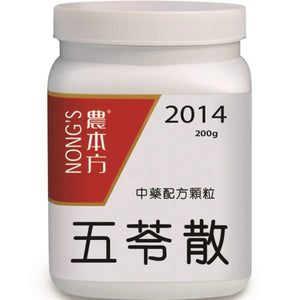
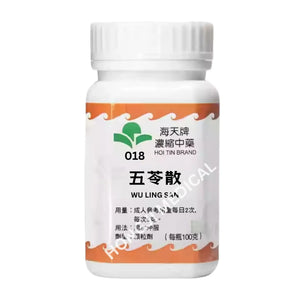
Modern concentrated granules of Wuling San are available, making it more convenient to take. Dosage is generally based on the concentration ratio of the herbs and the product label. Typically, one dose is equivalent to the amount of raw herbs, such as the concentrated granule equivalent of the traditional dosage described above. To use, dissolve in hot water, 1–2 times per day. Modern concentrated granules preserve the efficacy of the traditional formula and are convenient to carry and take, well suited to a modern fast-paced lifestyle; however, use should still follow medical guidance, with dosage adjusted appropriately to the condition.

IX. Precautions and Contraindications
1. Dietary Restrictions
While taking Wuling San, avoid raw, cold, greasy, and spicy irritating foods. Raw, cold foods easily damage Spleen-Stomach yang qi and impair its transportive function, hindering water-dampness metabolism; greasy foods are hard to digest and may burden the Spleen and Stomach, affecting herb absorption; and spicy foods tend to generate heat, potentially worsening internal damp-heat, which conflicts with the formula's therapeutic goal.
2. Special Populations
Wuling San should be used with caution in pregnant women, as its herbal constituents may have some effect on the fetus, so use requires careful consideration. If needed, use should be decided under medical guidance after weighing the benefits and risks. In addition, it should be used with caution in those with a weak constitution or yin deficiency with fluid depletion. Such individuals already have a weaker constitution, and Wuling San's fairly strong urination-promoting, dampness-draining action may further damage upright qi or yin fluids, worsening the condition.
3. Drug Interactions
When using Wuling San, avoid concurrent use with other medications that may interact with it. For example, combined use with certain potassium-wasting diuretics may increase the risk of hypokalemia. If other medications are needed concurrently, consult a physician or pharmacist to ensure safe use.
4. Monitoring the Condition
After taking Wuling San, closely monitor changes in the condition. If symptoms show little improvement or new discomfort appears, seek medical care promptly to adjust the treatment plan. For example, if inhibited urination does not improve after treatment, or abdominal pain or diarrhea worsens, this may indicate a more complex condition or improper medication use, requiring further diagnosis and management.

X. Modern Research
1. Pharmacological Research
Wuling San comes from Shang Han Lun and is the classical formula for promoting urination, draining dampness, benefiting urination, and warming yang to transform qi, treating Bladder water accumulation, water-reversal patterns, inhibited urination, edema, thirst, wasting-thirst, vomiting immediately upon drinking water, and diarrhea, with patients typically presenting a white tongue coating, a floating pulse, and fullness below the heart. Composed of Fuling, Zhuling, Zexie, and Guizhi, its clinical applications include nephritis, urinary retention, cirrhosis, hydrocephalus, acute enteritis, and cough. It may be prepared as a decoction or pounded into a powder taken with plain water, three times daily, with plenty of warm water afterward until sweating resolves the condition; Siling San is a modified variant without Guizhi, suited to patterns of impaired qi transformation with internal water-dampness retention.
Modern research shows that Wuling San has multiple pharmacological effects. Its urination-promoting action is achieved mainly through mechanisms regulating renal fluid metabolism. Studies have found that Wuling San affects renal tubular reabsorption of water and electrolytes, promoting urine formation and increasing urine output, thereby achieving its urination-promoting, swelling-reducing effect. Wuling San also regulates gastrointestinal function, promoting peristalsis and improving digestion and absorption, offering a therapeutic mechanism for indigestion caused by Spleen-Stomach cold-dampness. In addition, research has reported some effect of Wuling San on regulating immune function and improving microcirculation, providing a deeper theoretical basis for its clinical use.
2. Clinical Efficacy Verification
Extensive clinical research has verified the clinical efficacy of Wuling San. In urinary system disorders, multiple studies show that modified Wuling San effectively relieves frequent urination, urgency, and painful urination in treating cystitis, urethritis, and similar conditions, improving the clinical cure rate. In digestive system disorders such as diarrhea and indigestion, Wuling San also shows good therapeutic results, improving patient symptoms and quality of life. In treating edema and related conditions, combining Wuling San with other treatments strengthens the urination-promoting, swelling-reducing effect and reduces edema recurrence. These clinical studies further confirm the effectiveness and safety of Wuling San across a range of conditions.
3. Research on Dosage Form Improvement
With advances in modern pharmaceutical technology, research into improving the dosage forms of Wuling San continues. Beyond the traditional decoction and modern concentrated granule forms, capsule and tablet forms of Wuling San have also been developed. These new forms preserve efficacy while offering advantages such as convenience and ease of storage, better meeting the needs of modern patients. For example, Wuling San capsules, produced through advanced manufacturing techniques, ensure drug stability and effectiveness, improving patient adherence and providing more options for the clinical application of Wuling San.
💡 Wuling San — Frequently Asked Questions
Q1: What is the core action and mechanism of Wuling San?
Wuling San is a precisely balanced combination of five classical herbs — Zhuling (Polyporus), Zexie (Alisma Rhizome), Baizhu (Atractylodes Rhizome), Fuling (Poria), and Rougui (Cinnamon Bark). Its core action is promoting urination, draining dampness, warming yang, and transforming qi. TCM holds that "the metabolism of body fluids depends entirely on the transformation of yang qi." When an exogenous pathogen invades the Taiyang channel and affects the Bladder in the lower burner, impairing its qi-transforming function, fluids in the body cannot be properly expelled and accumulate to form the pattern of "internal fluid retention." The essence of this formula's design fully embodies the supreme TCM wisdom of "warming yang to promote urination, strengthening the Spleen to resolve dampness": a large dose of Zexie serves as the chief herb, reaching directly to the Kidney and Bladder in the lower burner, powerfully promoting urination, draining dampness, discharging heat, and unblocking painful urination; Fuling and Zhuling serve as deputies, blandly seeping and clearing, working with the chief herb to guide water-dampness accumulated throughout the body out through urination; Baizhu serves as an assistant, strengthening the Spleen and drying dampness, building a firm foundation for the Spleen-Stomach's postnatal transportation of water-dampness. The formula's most ingenious touch lies in the small addition of strongly acrid, hot Rougui, which warms and tonifies the fire of the Life Gate in the lower burner. Though used in a small amount, Rougui uses the principle of "warming yang to transform qi" to quickly activate Bladder qi transformation, promoting the idea that "when qi moves, water follows." HJMEDICAL notes that this formula attacks cold and dispels dampness, promoting urination without damaging upright qi, making it the foremost time-honored formula for regulating systemic fluid accumulation caused by impaired Bladder qi transformation.
Q2: In modern medicine, what conditions is Wuling San mainly used for?
Modern clinical and renal-excretion/gastrointestinal-fluid-dynamics pharmacological research shows this formula is widely used to treat non-specific lower-limb edema, acute gastroenteritis (with alternating vomiting and diarrhea), and idiopathic edema, as well as edema from chronic glomerulonephritis, pediatric autumn diarrhea, gastrointestinal-type colds, early-stage cirrhotic ascites, menstrual edema, ear-origin vertigo (the edematous phase of Ménière's disease), and fluid retention from chronic heart failure. When a patient presents swelling of both lower limbs or the whole body with skin that appears taut and pits on pressure, loose or even watery diarrhea, markedly reduced and difficult urination, along with dry mouth and throat with an intense urge to drink — yet the Stomach becomes distended or the patient vomits immediately after drinking (a pattern clinically termed "water reversal") — sometimes accompanied by mild headache, fever, a pale, puffy tongue with tooth-marked edges, and a white, slippery or thick, greasy coating — the classic "internal fluid retention with impaired qi transformation" pattern — sustained, appropriate use of this formula can significantly help multiply urine flow to flush the urinary tract, promote intestinal reabsorption of excess fluid, correct fluid-electrolyte imbalance, and effectively protect the glomerular filtration barrier. Consult HJMEDICAL or a qualified TCM practitioner for a proper pattern-based diagnosis.
Q3: What are the strict contraindications for taking Wuling San?
This formula contains a substantial combination of strongly bland, urination-promoting herbs and warming, drying, fire-stirring herbs, with strong downward-draining, moving power that readily generates dryness and damages yin, so its safety profile requires close attention. It is strictly contraindicated for thirst with scant fluids caused by yin deficiency with effulgent fire or Liver-Kidney yin deficiency (marked by a dry cough with absolutely no phlegm, vexing heat in the five centers, flushed cheekbones, and a red tongue with scant coating and no sign whatsoever of edema or dampness), and for acute bacterial dysentery caused by intense heat toxin (marked by abdominal pain with fever, tenesmus, and foul-smelling bloody, purulent stools). Misuse can completely deplete already scarce yin fluids, severely worsening dehydration shock or damaging the gastrointestinal mucosa. In addition, the highest level of safety warning applies: because the formula's principal herb Rougui is strongly acrid, hot, and moving, and Zexie has strong urination-promoting, downward-draining power, the formula can easily and forcefully stimulate the uterus — it must be strictly avoided by pregnant and breastfeeding women, to prevent intense uterine stimulation leading to miscarriage, premature birth, or causing dryness and discomfort in the infant. This formula is a typical "discontinue once the condition resolves" remedy — once edema subsides, diarrhea stops, and urination returns to normal, it must be stopped immediately, and it must never be used indefinitely as a daily health or weight-loss tea. Those uncertain about their constitution should seek professional assessment at an HJMEDICAL-affiliated clinic.
⚠️ This content is for reference only and does not provide medical advice. Consult a healthcare professional for any health concerns.