Wei Ling Tang: Harmonizing the Stomach and Draining Dampness to Relieve Acute Watery Diarrhea

<span class=

1. Prescription Source & History

1. Origin Background

Weiling Decoction It is one of the classic prescriptions in traditional Chinese medicine with a long history. It originated from the summary and inheritance of the treatment experience of spleen and stomach diseases by ancient physicians. The spleen and stomach play a crucial role in the human body and are regarded as the foundation of acquired constitution and the source of qi and blood production. When the functions of the spleen and stomach are disordered, various discomfort symptoms will occur. Ancient physicians continuously explored how to regulate the spleen and stomach. After long-term practice, an effective prescription like Weiling Decoction gradually took shape.

2. Development Process

Weiling Decoction can be traced back to the Jin and Yuan dynasties. In that era of contending medical schools, many physicians expressed their opinions, and the understanding and treatment methods of spleen and stomach diseases were continuously enriched. Weiling Decoction gradually took shape on this basis, and its formulation idea integrated the wisdom of many physicians at that time. Over time, through the Ming and Qing dynasties and other dynasties, Weiling Decoction has been continuously verified and improved in clinical applications, becoming one of the commonly used prescriptions in traditional Chinese medicine for treating spleen and stomach-related diseases and has been passed down to this day.

3. Classic Records

There are records of Weiling Decoction in many ancient medical classics. For example, although the name of Weiling Decoction was not explicitly mentioned in Danxi's Methods of Treatment, some of its medication ideas and formula combinations laid the foundation for the formation of Weiling Decoction. Jingyue's Complete Works of Medicine has a relatively detailed elaboration on Weiling Decoction, clarifying its drug composition, efficacy and main treatment, etc., making the status of Weiling Decoction in traditional Chinese medicine formula science more stable and providing an important reference basis for later physicians to use this formula.

<span class=

2. Composition Introduction (King, Minister, Assistant, Guide)

1. King Drug - Atractylodes Lancea

Atractylodes lancea is pungent, bitter, and warm in nature, and belongs to the spleen and stomach meridians. It has the effect of drying dampness and strengthening the spleen, and is a key drug in Weiling Decoction. When the spleen and stomach are trapped by damp pathogens and the transportation and transformation functions are abnormal, Atractylodes lancea can effectively dry dampness and restore the normal transportation and transformation functions of the spleen and stomach. Its pungent and fragrant qi can also awaken the spleen and enhance the transportation and transformation ability of the spleen and stomach, laying the foundation for the whole prescription to play a therapeutic role.

2. Minister Drug - Magnolia Officinalis

Magnolia officinalis is bitter, pungent, and warm in nature, and belongs to the spleen, stomach, lung, and large intestine meridians. Magnolia officinalis can promote qi circulation, dry dampness, reduce accumulation and relieve fullness. In Weiling Decoction, it assists Atractylodes lancea to enhance the power of drying dampness, and at the same time promotes qi circulation and soothes the middle, enabling the qi mechanism of the spleen and stomach to function smoothly. Qi stagnation in the spleen and stomach will cause symptoms such as distension and discomfort. The qi-promoting effect of Magnolia officinalis can effectively relieve these symptoms. Combined with Atractylodes lancea, it jointly regulates the functions of the spleen and stomach.

3. Assistant Drugs - Tangerine Peel, Alisma Orientalis

Tangerine peel is pungent, bitter, and warm in nature, and belongs to the spleen and lung meridians. Tangerine peel has the effects of regulating qi and strengthening the spleen, drying dampness and resolving phlegm. In Weiling Decoction, it can assist Atractylodes lancea and Magnolia officinalis to regulate qi and soothe the middle, enhance the effect of drying dampness and resolving phlegm, and at the same time make the compatibility of the drugs in the prescription more coordinated. Alisma orientale is sweet, light, and cold in nature, and belongs to the kidney and bladder meridians. Alisma orientale can promote diuresis and percolate dampness, enabling the excess water and dampness in the body to be excreted through urine. It is combined with dry dampness drugs such as Atractylodes lancea, one for drying and the other for promoting diuresis, jointly achieving the purpose of removing dampness and preventing the endogenous generation of damp pathogens.

4. Adjuvant Herbs - Licorice, Poria, Atractylodes Macrocephala

Licorice is sweet, neutral in nature, and belongs to the heart, lung, spleen, and stomach meridians. Licorice has the effects of tonifying the spleen and replenishing qi, moistening the lungs and relieving cough, and harmonizing all drugs. In Weiling Decoction, licorice can both tonify the spleen and replenish qi and enhance the functions of the spleen and stomach, and can also harmonize the properties of other drugs in the prescription, making the medicinal power of the whole prescription more gentle. Poria cocos is sweet, light, and neutral in nature, and belongs to the heart, lung, spleen, and kidney meridians. Poria cocos can promote diuresis and percolate dampness, strengthen the spleen and calm the mind. Atractylodes macrocephala is bitter, sweet, and warm in nature, and belongs to the spleen and stomach meridians. Atractylodes macrocephala can strengthen the spleen and replenish qi, dry dampness and promote diuresis. Poria cocos and Atractylodes macrocephala cooperate with Alisma orientale to strengthen the power of promoting diuresis and percolating dampness, and at the same time jointly strengthen the spleen with drugs such as Atractylodes lancea, enabling the functions of the spleen and stomach to be fully restored. Licorice plays the role of harmonizing all drugs as an envoy drug.

<span class=

III. Pathogenesis, Effects and Treatment Principles of Weiling Decoction

1. Pathogenesis Analysis

Weiling Decoction The pathogenesis targeted by Weiling Decoction is mainly excessive dampness in the spleen and stomach. The spleen and stomach are the foundation of acquired constitution and are responsible for the transportation and transformation of water and dampness. If affected by exogenous pathogenic cold-dampness, or internal injury by raw and cold foods, or the normal transportation and transformation function of the spleen and stomach itself is disordered, it can lead to the retention of water and dampness inside the body, which traps the spleen and stomach. The stagnation of water and dampness will affect the ascending and descending functions of the spleen and stomach, resulting in unsmooth qi movement, presenting symptoms such as abdominal distension, nausea, vomiting, and diarrhea. Weiling Decoction precisely targets this pathogenesis and restores the normal function of the spleen and stomach by removing dampness and strengthening the spleen, promoting qi movement and regulating the middle jiao.

2. Effects of Chushi Weiling Decoction

Weiling Decoction has the effects of removing dampness and regulating the stomach, promoting qi movement and promoting diuresis. Removing dampness is one of its main effects. Through the synergistic effect of drugs such as Atractylodes lancea, Magnolia officinalis, Poria cocos, Atractylodes macrocephala, and Alisma orientale, it effectively removes pathogenic water and dampness in the body. Regulating the stomach relieves symptoms such as epigastric fullness, nausea, and vomiting by regulating the qi movement of the spleen and stomach. Promoting qi movement and promoting diuresis helps to promote the metabolism of body fluids, discharge excess water out of the body, and improve symptoms such as edema.

3. Indications (Spleen and Stomach Dampness, Eczema)

Weiling Decoction is mainly used to treat various diseases related to excessive dampness in the spleen and stomach. Commonly, it can treat diarrhea, manifested as loose stools and increased frequency, accompanied by abdominal distension and loss of appetite. It can also be used to treat edema, especially limb edema and difficult urination caused by excessive dampness in the spleen and stomach. In addition, it also has good curative effects on symptoms such as epigastric pain, nausea, vomiting, and white greasy tongue coating caused by internal obstruction of cold-dampness.

<span class=

IV. Analysis of Formula Meaning

1. Dry Dampness and Strengthen Spleen

Atractylodes lancea and Atractylodes macrocephala are the core drugs for drying dampness and strengthening the spleen. Atractylodes lancea has a strong effect on drying dampness, can remove dampness pathogens in the spleen and stomach, and restore the transportation and transformation function of the spleen and stomach. Atractylodes macrocephala focuses on strengthening the spleen and replenishing qi, enhancing the transportation and transformation ability of the spleen and stomach. When combined with Atractylodes lancea, one dries dampness and the other replenishes, treating both the symptoms and the root cause, enabling the comprehensive restoration of the spleen and stomach function and fundamentally eliminating the root cause of dampness pathogen generation.

2. Promote Qi and Relieve the Middle

Magnolia officinalis promotes qi movement, dries dampness, eliminates accumulation and relieves fullness. Qi stagnation in the spleen and stomach will cause distending discomfort. The qi-promoting effect of Magnolia officinalis can make qi movement smooth and relieve the distending symptoms. Citrus reticulata regulates qi and strengthens the spleen, assisting Magnolia officinalis to enhance the qi-promoting effect, enabling the qi of the spleen and stomach to run smoothly and improving various discomforts brought about by qi stagnation in the spleen and stomach.

3. Promote Diuresis and Drain Dampness

Poria cocos, Atractylodes macrocephala, and Alisma orientale all have the effect of promoting diuresis and percolating dampness. Poria cocos and Atractylodes macrocephala can both strengthen the spleen and promote diuresis, promoting the metabolism of body fluids by enhancing the function of the spleen and stomach. Alisma orientale focuses on promoting diuresis, enabling excess water in the body to be excreted through urine. The three cooperate with each other, effectively removing pathogenic water and dampness, and improving symptoms such as edema and diarrhea.

4. Harmonize Various Herbs

Licorice root plays a role in harmonizing all the drugs in Weiling Decoction. It can relieve the properties of other drugs in the prescription, making the medicinal power of the whole prescription more gentle, avoiding conflicts between drugs. At the same time, licorice root itself also has the effect of tonifying the spleen and replenishing qi, helping to enhance the function of the spleen and stomach.

<span class=

V. Comparison with Other Similar Formulas

1. Comparison with Pingwei Powder

Pingwei Powder It is mainly composed of Atractylodes lancea, Magnolia officinalis, Citrus reticulata Blanco, and Glycyrrhiza glabra. Its efficacy is mainly to dry dampness and promote the transportation of the spleen, regulate qi and harmonize the stomach. Compared with Weiling Decoction, Pingwei Powder focuses on drying dampness and regulating qi, mainly targeting the situation of dampness stagnation in the spleen and stomach and poor qi movement. On the basis of Pingwei Powder, Weiling Decoction adds diuretic drugs such as Poria cocos, Atractylodes macrocephala, and Alisma orientale, and it focuses more on removing dampness and harmonizing the stomach, promoting qi movement and diuresis, and has a better therapeutic effect on spleen and stomach diseases accompanied by symptoms of internal retention of water-dampness.

2. Comparison with Wuling Powder

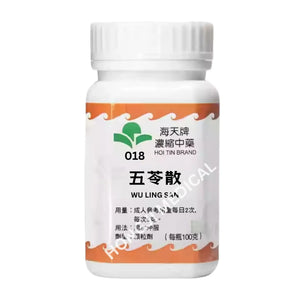
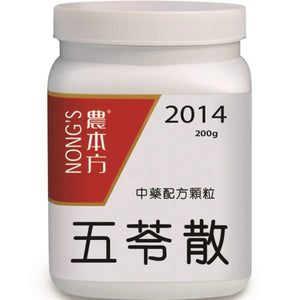
Wuling Powder It is composed of Polyporus umbellatus, Alisma orientale, Atractylodes macrocephala, Poria cocos, and Cinnamomum cassia. Its efficacy is to promote diuresis and percolate dampness, warm yang and transform qi. Wuling Powder mainly targets the internal retention of water-dampness caused by the unfavorable qi transformation of the bladder and focuses on promoting diuresis. Although Weiling Decoction also has diuretic drugs, it emphasizes more on removing dampness and strengthening the spleen, regulating qi and harmonizing the middle, and is applicable to various diseases caused by excessive dampness in the spleen and stomach. There are differences in the pathogenesis and key points of medication between the two.

3. Comparison with Huoxiang Zhengqi Powder

Huoxiang Zhengqi Powder has the efficacy of relieving exterior syndrome and resolving dampness, regulating qi and harmonizing the middle, and is mainly used for the syndrome of exogenous wind-cold and internal injury by dampness stagnation. It focuses on relieving the exterior syndrome and concurrently resolving dampness and harmonizing the middle. Weiling Decoction focuses more on the internal conditioning of excessive dampness in the spleen and stomach and has a strong effect on removing dampness and harmonizing the stomach, and is more applicable to the situation of simple excessive dampness in the spleen and stomach without exogenous exterior syndrome.

<span class=

VI. Clinical Applications and Indications

1. Digestive System Diseases

In digestive system diseases, Weiling Decoction is widely used. For patients with chronic gastritis accompanied by symptoms of excessive dampness in the spleen and stomach such as abdominal distension, nausea, loss of appetite, and thick and greasy tongue coating, Weiling Decoction can effectively improve the symptoms. When patients with chronic enteritis present with diarrhea, abdominal pain, loose stools, etc., and are differentiated as having excessive dampness in the spleen and stomach, using Weiling Decoction can also achieve good therapeutic effects.

2. Urinary System Diseases

In urinary system diseases, Weiling Decoction can be used to treat edema caused by excessive dampness in the spleen and stomach. Patients show symptoms such as limb edema, dysuria, and abdominal distension. Weiling Decoction helps relieve the edema symptoms by removing dampness and promoting diuresis and regulating the function of the spleen and stomach.

3. Dermatological Diseases

Some dermatological diseases can also use Weiling Decoction. For example, in eczema, if patients are accompanied by weakness of the spleen and stomach and endogenous dampness pathogen, presenting symptoms such as skin itching, exudation, and white and greasy tongue coating, Weiling Decoction can improve the eczema symptoms by regulating the spleen and stomach, removing dampness and relieving itching.

<span class=

VII. Additions and subtractions

1. Severe Diarrhea

If the symptoms of diarrhea are severe, drugs such as Chinese yam and gorgon fruit can be added to enhance the effect of strengthening the spleen and stopping diarrhea. Chinese yam can invigorate the spleen and nourish the stomach, promote the production of body fluid and moisten the lungs, tonify the kidney and astringe essence. Gorgon fruit can tonify the kidney and astringe essence, invigorate the spleen and stop diarrhea, eliminate dampness and arrest vaginal discharge. When combined with Weiling Decoction, they can better treat diarrhea.

2. Obvious Edema

When edema is obvious, diuretic drugs such as plantain seed and talc can be added. Plantain seed can clear heat, promote diuresis, relieve stranguria, percolate dampness and stop diarrhea, improve eyesight, and resolve phlegm. Talc can promote diuresis and relieve stranguria, clear heat and relieve summer heat, remove dampness and astringe sores, enhancing the effect of promoting diuresis and reducing edema.

3. More Severe Qi Stagnation

If qi stagnation is more severe, with obvious symptoms such as distending pain in the stomach cavity, frequent belching, etc., drugs such as costus root and amomum fruit can be added. Costus root can promote qi circulation to relieve pain, invigorate the spleen and promote digestion. Amomum fruit can promote digestion by eliminating dampness, warm the spleen and stop diarrhea, regulate qi and prevent miscarriage, enhancing the effect of promoting qi circulation and harmonizing the stomach.

<span class=

VIII. Dosage and Administration (Traditional and Modern Concentrated Granules)

1. Traditional Method

In traditional methods, Weiling Decoction is generally decocted in water for oral administration. The common dosage is Atractylodes lancea 15g, Magnolia officinalis 9g, Tangerine peel 9g, Licorice root 6g, Poria cocos 9g, Atractylodes macrocephala 9g, Alisma orientale 9g. Add appropriate amount of water to these drugs, soak for a period of time, then boil with strong fire, and then change to slow fire and decoct for 20 - 30 minutes. Take the decoction, one dose per day, divided into two doses.

2. Modern Concentrated Granules

Modern concentrated granules are more convenient to take. The concentrated granule preparation of Weiling Decoction is generally prepared in a certain proportion. Patients only need to take it with appropriate amount of boiling water according to the instructions. The dosage usually varies according to the product specifications of different manufacturers, but it is generally marked clearly for patients to take accurately.

<span class=

IX. Precautions and Taboos

1. Dietary Taboos

During the period of taking Weiling Decoction, raw, cold and greasy foods should be avoided. Raw and cold foods can damage the yang qi of the spleen and stomach, aggravating the endogenous dampness pathogen. Greasy foods are not easy to digest, increasing the burden on the spleen and stomach and affecting the curative effect of the drugs.

2. Special Populations

Pregnant women should use Weiling Decoction with caution. Since the drugs in the formula have a certain effect of promoting qi circulation and activating blood circulation, they may have an impact on the fetus. Those with deficiency-cold in the spleen and stomach should appropriately adjust the drug dosage or compatibility when using it to avoid excessive drying and dampness and damaging yang.

3. Disease Changes

During the process of taking Weiling Decoction, if the condition changes, such as the aggravation of diarrhea, the appearance of new symptoms such as fever, etc., medical treatment should be sought in time, and the treatment plan should be adjusted. Do not blindly take drugs by yourself.

<span class=

X. Modern Research Progress

1. Pharmacological Research

Modern pharmacological studies have shown that the drugs in Weiling Decoction have various pharmacological effects. Drugs such as Atractylodes lancea and Magnolia officinalis have the effect of regulating gastrointestinal motility, promoting gastrointestinal peristalsis, and enhancing digestive function. Diuretic drugs such as Poria cocos and Alisma orientale can increase urine output and promote water metabolism. At the same time, Weiling Decoction also has anti-inflammatory and antibacterial effects, which helps to improve related symptoms caused by inflammation.

2. Clinical Research

Clinical studies have further verified the efficacy of Weiling Decoction. Multiple studies have shown that Weiling Decoction has significant effects in treating diseases related to dampness accumulation in the spleen and stomach. For example, clinical trials conducted in the treatment of patients with chronic diarrhea found that Weiling Decoction can effectively improve the diarrhea symptoms of patients, increase the rate of formed stools, reduce the frequency of diarrhea, and has high safety. In the treatment of edema, Weiling Decoction can also reduce the degree of edema by regulating water metabolism.

3. Dosage Form Improvement

With the development of modern technology, the dosage forms of Weiling Decoction are constantly improving. In addition to the traditional decoction and modern concentrated granules, new dosage forms such as capsules and tablets have also emerged. While maintaining the efficacy of the drugs, these new dosage forms are more convenient for patients to take and carry, providing more options for the clinical application of Weiling Decoction.

总结

Chushi Weiling Decoction (Weiling Decoction) is composed of modified Pingwei Powder and Wuling Powder, and has the functions of strengthening the spleen and removing dampness, clearing heat and drying dampness, promoting qi movement and promoting diuresis. It is applicable to syndromes of spleen deficiency with dampness accumulation, internal retention of damp turbidity, and damp-heat in the spleen and lung meridians, resulting in abdominal distension, improper diet leading to spleen dysfunction, external evaporation of damp turbidity on the skin, dry skin lesions with more pain, yellowish-white color. Skin erythema, blisters, exudation, obvious pain, pale tongue, white greasy tongue coating, deep and slow or slippery pulse and other syndromes. It is clinically used for eczema, herpes zoster, etc. In the formula, Poria cocos (red Poria cocos), Polyporus umbellatus, Alisma orientale, Atractylodes lancea, Magnolia officinalis, Citrus reticulata, Glycyrrhiza glabra, Cinnamomum cassia, Talc, Akebia quinata, Gardenia jasminoides, Coix lacryma-jobi, Saposhnikovia divaricata, etc. can be added or subtracted for those with dampness accumulation type or obvious heat signs and transformed into heat due to stagnation.

Frequently Asked Questions
Q

What is Wei Ling Tang used for in Traditional Chinese Medicine?

Wei Ling Tang (Stomach-Comforting and Poria Decoction) is a premier classical TCM formula primarily prescribed to treat a combined pattern of Spleen deficiency, internal dampness accumulation, and food stagnation. It clinically targets sudden digestive disruptions—frequently triggered by summer dampness or poor dietary choices—manifesting as acute watery diarrhea, abdominal bloating or cramping, Borborygmus (stomach rumbling), nausea, vomiting, loss of appetite, a heavy feeling in the body, and a thick, greasy white tongue coating.

Q

How does Wei Ling Tang stop acute diarrhea and clear internal fluid retention?

The formula achieves its rapid clinical efficacy by executing a specialized "stomach-drying and channel-draining" strategy. It represents a masterful combination of two foundational formulas: Ping Wei San (to dry dampness and move digestive Qi) and Wu Ling San (to leach out excess water through the urinary tract). When the Spleen fails to process fluids, water floods the intestines, causing explosive diarrhea. By restoring gastric descending rhythm and actively diverting excess fluids out through urination, it quickly solidifies stools and eliminates abdominal swelling.

Q

What are the primary herbal ingredients in Wei Ling Tang?

This precisely structured formulation relies on a highly comprehensive 12-ingredient botanical matrix: Cang Zhu (Atractylodes Rhizome) and Hou Po (Magnolia Bark) act as the co-chief herbs to aggressively dry intestinal dampness and eliminate abdominal distension. They are dynamically supported by a fluid-leaching urological network consisting of Ze Xie (Water Plantain Root), Fu Ling (Poria), Zhu Ling (Polyporus), and Bai Zhu (White Atractylodes). To warm the core, harmonize stomach Qi, and move stagnation, it integrates Chen Pi (Aged Tangerine Peel), Gui Zhi (Cinnamon Twig), Sheng Jiang (Fresh Ginger), Da Zao (Jujube Date), and Zhi Gan Cao (Prepared Licorice Root).

⚠️ This content is for reference only and does not provide medical advice. Consult a healthcare professional for any health concerns.

Login

Forgot your password?

Don't have an account yet?
Create account

Wei Ling Tang: Harmonizing the Stomach and Draining Dampness to Relieve Acute Watery Diarrhea