芎归胶艾汤:养血止血调经安胎,改善异常子宫出血与先兆流产风险 HJMEDICAL

Xiong Gui Jiao Ai Tang

, by HJMEDICAL, 28 min reading time

芎归胶艾汤源于《金匮要略》,主治冲任虚损、胞宫失养。常用于异常子宫出血、先兆流产及产后出血恢复期。血热妄行证慎用。

I. Origins and History

1. Classical Literature

Xiong Gui Jiao Ai Tang originates from the Jin Gui Yao Lue (Essential Prescriptions of the Golden Cabinet), authored by the renowned Eastern Han dynasty physician Zhang Zhongjing. This foundational medical text holds a central place in the history of Chinese medicine and has long been regarded as the "progenitor of formula texts." The Jin Gui Yao Lue systematically compiled the accumulated clinical experience in treating various miscellaneous diseases prior to the Eastern Han dynasty and has exerted a profound influence on the subsequent development of Chinese medicine. As one of the classical formulas within this text, Xiong Gui Jiao Ai Tang has been revered and applied by physicians throughout the ages.

2. Historical Evolution

Since its first recording in the Jin Gui Yao Lue, Xiong Gui Jiao Ai Tang has undergone a long history of transmission and evolution. Across different historical periods, physicians continued to refine and develop the formula based on their clinical practice. For instance, in terms of dosage form, the original decoction gradually gave rise to pills, powders, and other forms to accommodate different clinical needs and patient convenience. Similarly, the dosages of individual herbs and the methods of herbal processing have been continuously adjusted and optimised through practice, resulting in a more precise and reliable therapeutic effect.

Xiong Gui Jiao Ai Tang: Nourishing Blood, Stopping Bleeding, Regulating Menstruation and Calming the Fetus | HJMEDICAL

II. Herb Composition (Sovereign, Minister, Assistant, Envoy)

1. Chief Herbs

Chuanxiong (Chuanxiong Rhizome)

Chuanxiong is acrid in flavour and warm in nature, entering the Liver, Gallbladder, and Pericardium channels. It has the actions of activating blood, moving qi, dispelling wind, and relieving pain. In Xiong Gui Jiao Ai Tang, Chuanxiong ascends to the head and eyes and descends to the blood sea, serving as a qi-moving herb within the blood. It excels at unobstructing qi and blood simultaneously — both moving qi within the blood and dispersing wind pathogen. For conditions such as postpartum blood deficiency with qi stagnation and internal blood stasis causing abdominal pain, Chuanxiong plays a pivotal role in activating blood, resolving stasis, moving qi, and relieving pain.

Danggui (Angelica Root)

Danggui is sweet and acrid in flavour and warm in nature, entering the Liver, Heart, and Spleen channels. It has the actions of nourishing blood, activating blood, regulating menstruation, relieving pain, and moistening the intestines. Danggui is the foremost herb for nourishing blood, with a mild yet sustained tonifying effect that simultaneously activates blood and resolves stagnation. In this formula, Danggui supplements and nourishes the ying-blood, enriching the chong and ren vessels. Combined with Chuanxiong, it enhances the actions of activating blood, resolving stasis, and regulating menstruation through blood nourishment, together addressing the pathomechanism of blood deficiency and blood stasis in women.

2. Deputy Herbs

Ejiao (Donkey-hide Gelatin)

Ejiao is sweet in flavour and neutral in nature, entering the Lung, Liver, and Kidney channels. It has the actions of nourishing blood, stopping bleeding, enriching yin, and moistening dryness. Ejiao has a rich, viscous quality and is categorised as a blood-and-flesh substance, capable of enriching yin, supplementing blood, stopping bleeding, and calming the fetus. In Xiong Gui Jiao Ai Tang, Ejiao replenishes the yin-blood and nourishes the chong and ren vessels, producing particularly effective results for restless fetus due to blood deficiency. It also assists the other herbs in arresting bleeding, thereby enhancing the formula's overall haemostatic efficacy.

Aiye (Mugwort Leaf)

Aiye is acrid and bitter in flavour and warm in nature, entering the Liver, Spleen, and Kidney channels. It has the actions of warming the channels to stop bleeding, dispersing cold to regulate menstruation, and calming the fetus. Aiye's warm nature enables it to warm and nourish the chong and ren vessels and disperse cold to relieve pain. In this formula, Aiye warms the uterus and consolidates the chong and ren vessels. Acting in concert with Ejiao, it reinforces the fetus-calming and haemostatic effects, producing particularly notable results for deficiency-cold patterns of threatened miscarriage with bleeding.

3. Assistant Herbs

Shaoyao (Peony Root)

Shaoyao is bitter and sour in flavour and slightly cold in nature, entering the Liver and Spleen channels. It has the actions of nourishing blood, regulating menstruation, astringing yin, stopping perspiration, emolliating the liver, relieving pain, and calming liver yang. In Xiong Gui Jiao Ai Tang, Shaoyao nourishes blood and emolliates the liver, while relieving spasm and pain. Combined with Danggui and Chuanxiong, it strengthens the actions of nourishing and harmonising blood, while also alleviating abdominal pain arising from blood stasis obstruction or blood deficiency depriving the sinews of nourishment — thereby assisting the chief and deputy herbs in achieving a better therapeutic effect.

Gancao (Licorice Root)

Gancao is sweet in flavour and neutral in nature, entering the Heart, Lung, Spleen, and Stomach channels. It has the actions of tonifying the spleen and boosting qi, moistening the lungs to relieve cough, clearing heat and resolving toxicity, and harmonising all herbs in the formula. In this formula, Gancao primarily harmonises the medicinals, enabling the herbs to act synergistically and exert their optimal effects. Gancao also tonifies the spleen and boosts qi, helping to strengthen the body's righteous qi, promote the generation and recovery of qi and blood, and provide supplementary treatment for conditions of blood deficiency.

4. Envoy Herb

In the classical theory of formula composition, the envoy herb serves primarily to guide the formula to the target channel or to harmonise all the herbs. Although Xiong Gui Jiao Ai Tang does not designate a specific envoy herb, viewed as a whole, the herbs in the formula work in concert to act upon the chong and ren vessels. Through their combined actions of nourishing blood, activating blood, stopping bleeding, and calming the fetus, they regulate the pattern of chong-ren vessel depletion with blood deficiency and blood stasis in women. In this sense, the formula as a whole may be said to fulfill the guiding function of an envoy — directing medicinal power directly to the affected site and harmonising yin-yang and qi-blood.

Xiong Gui Jiao Ai Tang: Nourishing Blood, Stopping Bleeding, Regulating Menstruation and Calming the Fetus | HJMEDICAL

III. Pathomechanism, Actions, and Indications

1. Pathomechanism

The pathomechanism targeted by Xiong Gui Jiao Ai Tang is primarily depletion and damage of the chong and ren vessels in women, accompanied by blood deficiency with cold and blood stasis obstruction. During the special physiological phases of menstruation, pregnancy, and the postpartum period, women are prone to qi and blood depletion. If recovery is inadequate, cold pathogen may arise internally, causing cold to congeal and blood to stagnate, thereby injuring the chong and ren vessels. Since the chong and ren vessels govern the blood sea and support the fetus, their depletion leads to an insufficiency of the blood sea and deprivation of nourishment to the fetus, giving rise to various gynaecological disorders such as restless fetus and incessant spotting.

2. Actions

Nourishing Blood and Stopping Bleeding

The blood-nourishing herbs in this formula — Danggui, Ejiao, and Shaoyao — work in combination to replenish blood deficiency in women and restore fullness to the blood sea. Meanwhile, Ejiao and Aiye also have haemostatic actions, addressing the bleeding symptoms arising from blood deficiency with cold and blood stasis obstruction, thereby achieving the dual effect of nourishing blood and stopping bleeding.

Regulating Menstruation and Calming the Fetus

The blood-activating and qi-moving herbs — Chuanxiong and Danggui — work synergistically with the blood-nourishing and haemostatic herbs to regulate the qi and blood of the chong and ren vessels, thereby normalising menstruation. For restless fetus resulting from chong-ren vessel depletion and blood deficiency with cold, the formula warms and nourishes the chong and ren vessels and supplements blood to calm the fetus, safeguarding the normal growth and development of the fetus.

3. Indications

Chong-ren vessel depletion in women with blood deficiency and cold:

Manifestations include flooding and spotting, heavy menstrual flow, continuous unremitting discharge, pale blood of thin consistency, or pregnancy with vaginal bleeding and abdominal pain. These symptoms often arise from insufficient qi and blood in women combined with exposure to cold pathogen, which injures the chong and ren vessels, causing failure of the vessels to consolidate, blood escaping from the channels, and giving rise to various bleeding and abdominal pain presentations.

Restless fetus (threatened miscarriage):

During pregnancy, if a woman presents with downward bleeding with fetal movement, soreness of the lumbar region, and abdominal pain, belonging to chong-ren vessel depletion with blood deficiency and cold, Xiong Gui Jiao Ai Tang can nourish blood to calm the fetus, warm the uterus, and relieve pain, helping to stabilise the fetus and alleviate discomfort.

Xiong Gui Jiao Ai Tang: Nourishing Blood, Stopping Bleeding, Regulating Menstruation and Calming the Fetus | HJMEDICAL

IV. Formula Analysis

1. Blood-Nourishing and Blood-Activating Combination

The combination of Chuanxiong and Danggui creates a complementary pairing: Chuanxiong activates blood and moves qi, while Danggui tonifies and activates blood. One disperses, the other supplements — together they move qi within the blood whilst also nourishing and supplementing blood, allowing qi and blood to circulate freely without harming the righteous. This method of combining blood nourishment with blood activation addresses both the root cause and manifestation of blood deficiency with blood stasis in women. On one hand, Chuanxiong's qi-moving action promotes the circulation of Danggui's blood-tonifying effect, ensuring that supplementation does not cause stagnation. On the other hand, Danggui's blood-nourishing quality prevents Chuanxiong's qi-moving action from being overly dispersing and consuming blood, thereby jointly regulating the qi and blood of the chong and ren vessels and improving various disorders arising from qi-blood disharmony.

2. Synergistic Haemostasis and Fetus Calming

Ejiao and Aiye act synergistically to stop bleeding and calm the fetus. Ejiao enriches yin, supplements blood, and arrests bleeding; Aiye warms the channels, stops bleeding, and calms the fetus. One is yin, the other yang — their complementary relationship produces excellent therapeutic results for bleeding and restless fetus caused by chong-ren vessel depletion and blood deficiency with cold. Ejiao enriches yin and nourishes blood, providing nourishment for the fetus; Aiye warms the uterus and consolidates the chong and ren vessels, preventing bleeding and fetal agitation. Acting together, they maintain a healthy environment for fetal growth within the mother's body.

3. Shaoyao and Gancao Harmonisation

Shaoyao and Gancao are paired together: Shaoyao nourishes blood, emolliates the liver, relieves spasm, and alleviates pain; Gancao tonifies the spleen, boosts qi, and harmonises all the herbs. Together they enhance the formula's blood-nourishing action and relieve abdominal pain caused by blood deficiency or blood stasis, fulfilling the functions of moderating the properties of the medicinals, relieving spasm, and alleviating pain — enabling the entire formula to act more gently and effectively in treating chong-ren vessel depletion disorders in women.

4. Regulating the Whole Through the Chong and Ren Vessels

The herbs of the entire formula act upon the chong and ren vessels, regulating their qi and blood. The chong and ren vessels are the physiological channels unique to women and are intimately associated with menstruation and pregnancy. When the chong and ren vessels are depleted and qi and blood are disharmonised, numerous gynaecological disorders arise. Xiong Gui Jiao Ai Tang, through its actions of nourishing blood, activating blood, stopping bleeding, and calming the fetus, fundamentally regulates the qi and blood of the chong and ren vessels, restoring their normal function — thereby achieving the treatment of multiple gynaecological conditions in women and embodying the holistic concept and pattern-based treatment principles of Chinese medicine.

Xiong Gui Jiao Ai Tang: Nourishing Blood, Stopping Bleeding, Regulating Menstruation and Calming the Fetus | HJMEDICAL

V. Comparison with Related Formulas

1. Comparison with Jiao Ai Tang

Jiao Ai Tang is the foundational formula upon which Xiong Gui Jiao Ai Tang is based; the two share essentially the same herb composition. Jiao Ai Tang, also from the Jin Gui Yao Lue, has the primary actions of nourishing blood, stopping bleeding, regulating menstruation, and calming the fetus. Xiong Gui Jiao Ai Tang builds upon Jiao Ai Tang by placing greater emphasis on Chuanxiong's blood-activating and qi-moving functions. The addition of Chuanxiong renders the formula more comprehensive in nourishing and activating blood, producing more notable therapeutic effects for gynaecological disorders caused by blood deficiency combined with qi stagnation and blood stasis — such as abdominal pain and menstrual irregularities.

2. Comparison with Siwu Tang

Siwu Tang is composed of Danggui, Chuanxiong, Baishao (White Peony Root), and Shudi (Prepared Rehmannia Root), with the actions of supplementing blood and regulating blood. Compared with Siwu Tang, Xiong Gui Jiao Ai Tang additionally contains Ejiao, Aiye, and Gancao. The inclusion of Ejiao and Aiye strengthens the haemostatic and fetus-calming actions, while Gancao harmonises all the herbs. Xiong Gui Jiao Ai Tang is therefore more specifically indicated for chong-ren vessel depletion in women with blood deficiency and cold accompanied by bleeding or restless fetus, whereas Siwu Tang focuses primarily on blood deficiency and menstrual irregularities without prominent bleeding.

3. Comparison with Wenjing Tang

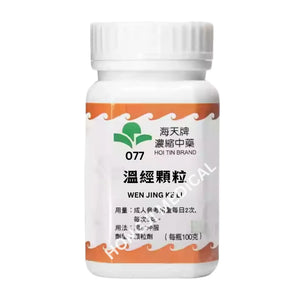
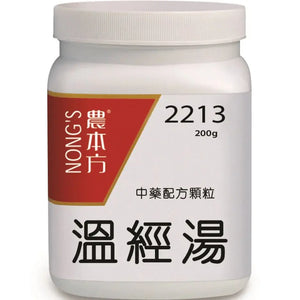
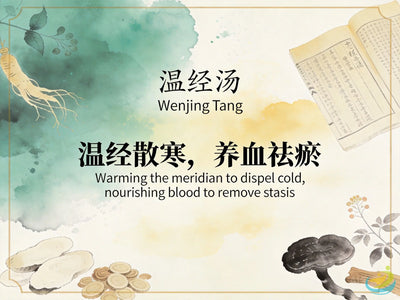
Wenjing Tang has the actions of warming the channels, dispersing cold, nourishing blood, and dispelling stasis. Both Xiong Gui Jiao Ai Tang and Wenjing Tang share the actions of nourishing blood, activating blood, and warming the chong and ren vessels. However, Wenjing Tang has a more complex composition and a stronger channel-warming and cold-dispersing potency, making it more suitable for patterns of chong-ren vessel deficiency-cold with prominent blood stasis obstruction — such as menstrual irregularities, dysmenorrhoea, and infertility — typically presenting with delayed menstrual cycles, scanty flow, dark colour with clots, and cold pain in the lower abdomen. Xiong Gui Jiao Ai Tang, by comparison, focuses more on treating restless fetus and bleeding symptoms caused by blood deficiency with cold, particularly those arising during pregnancy.

Xiong Gui Jiao Ai Tang: Nourishing Blood, Stopping Bleeding, Regulating Menstruation and Calming the Fetus | HJMEDICAL

VI. Clinical Applications

1. Restless Fetus (Threatened Miscarriage)

Symptoms

During pregnancy, a small amount of vaginal bleeding appears, pale red in colour and of thin consistency, possibly accompanied by soreness of the lumbar region, abdominal pain, and a sensation of downward bearing pressure. The patient often presents with pallor or a sallow complexion, dizziness, palpitations, and insomnia reflecting blood deficiency, and may also exhibit signs of cold such as aversion to cold and cold limbs.

Clinical Application Notes

Herb dosages may be adjusted according to the patient's specific presentation. The base formula of Xiong Gui Jiao Ai Tang is generally used as the foundation. For more pronounced fetal agitation, Sangjisheng (Taxillus Stem) and Duzhong (Eucommia Bark) may be added to reinforce the fetus-calming action. For heavier bleeding, the dosages of Ejiao and Aiye may be increased to enhance the haemostatic effect. Patients should also be advised to rest in bed, avoid overexertion, and maintain a calm and positive mental state.

2. Flooding and Spotting (Metrorrhagia and Metrostaxis)

Symptoms

Heavy uterine bleeding outside of the menstrual period, or persistent continuous spotting. Patients with heavy bleeding may present with pallor, dizziness, palpitations, and shortness of breath reflecting collapse of qi and blood; those with prolonged bleeding may have accompanying soreness and weakness of the lumbar region and knees, aversion to cold, and cold limbs, reflecting chong-ren vessel depletion and blood deficiency with cold.

Clinical Application Notes

For patients with flooding and spotting, treatment should be guided by pattern differentiation according to the bleeding presentation and systemic symptoms. Xiong Gui Jiao Ai Tang may be used for flooding and spotting of the blood deficiency with cold type. During application, haemostatic herb dosages may be increased in accordance with the volume of bleeding — for instance, increasing the dosage of Ejiao, or adding Xianhecao (Hairyvein Agrimonia) and Paojiangtan (Blast-fried Ginger Charcoal) to reinforce the haemostatic effect. Simultaneously, blood-supplementing and qi-tonifying herbs such as Dangshen (Codonopsis Root) and Huangqi (Astragalus Root) may be combined to correct qi and blood collapse. Once the bleeding symptoms have abated, the formula may be adjusted according to the patient's condition for subsequent recovery treatment.

3. Menstrual Irregularities

Symptoms

The menstrual cycle is either advanced or delayed; the menstrual flow is scanty, pale in colour, and of thin consistency, possibly accompanied by cold pain in the lower abdomen that is relieved by warmth and pressure. The patient typically presents with a dull or sallow complexion, dizziness, blurred vision, palpitations, and insomnia reflecting blood deficiency, with a pale tongue and white coating, and a thin, weak pulse.

Clinical Application Notes

Xiong Gui Jiao Ai Tang is appropriate for menstrual irregularities of the blood deficiency with cold type. Herb dosages may be adjusted according to the specific menstrual cycle and flow. For significantly delayed cycles with markedly scanty flow, the dosages of Danggui and Chuanxiong may be appropriately increased to nourish blood, activate blood, and regulate menstruation. For more severe cold pain in the lower abdomen, the dosage of Aiye may be increased to reinforce the channel-warming and pain-relieving action. Concurrently, Chinese patent medicines for regulating the menstrual cycle — such as Wuji Baifeng Wan (Black Chicken and White Phoenix Pills) — may be combined to enhance the therapeutic effect.

Xiong Gui Jiao Ai Tang: Nourishing Blood, Stopping Bleeding, Regulating Menstruation and Calming the Fetus | HJMEDICAL

VII. Clinical Modifications

1. Heavy Bleeding

For patients with heavy bleeding, Xianhecao (Hairyvein Agrimonia) and Paojiangtan (Blast-fried Ginger Charcoal) may be added to reinforce the haemostatic action. Xianhecao has astringing and haemostatic properties and can rapidly reduce the volume of bleeding; Paojiangtan is warm in nature with the action of warming the middle and arresting bleeding. Working synergistically with Aiye in the formula, it enhances the channel-warming and haemostatic potency to effectively control bleeding symptoms.

2. Severe Abdominal Pain

For patients with pronounced abdominal pain, qi-regulating and pain-relieving herbs such as Yanhusuo (Corydalis Rhizome) and Xiangfu (Cyperus Rhizome) may be added. Yanhusuo activates blood, moves qi, and relieves pain; Xiangfu excels at soothing the liver and regulating qi to relieve pain. Combined with Chuanxiong already in the formula, they enhance the qi-moving and pain-relieving action, alleviating abdominal pain caused by blood stasis obstruction or blood deficiency with qi stagnation.

3. Marked Lumbar Soreness

For patients with marked lumbar soreness, kidney-tonifying and fetus-calming herbs such as Sangjisheng (Taxillus Stem), Duzhong (Eucommia Bark), and Xuduan (Dipsacus Root) may be added. These herbs tonify the liver and kidneys, strengthen the sinews and bones, and calm the fetus. They reinforce the strength of the lumbar region, alleviate lumbar soreness, and simultaneously assist in calming the fetus to prevent further progression of fetal agitation.

4. Pronounced Blood Deficiency

When blood deficiency symptoms are severe — such as marked pallor, dizziness, palpitations, and insomnia — Shudi (Prepared Rehmannia Root), Dangshen (Codonopsis Root), and Huangqi (Astragalus Root) may be added to reinforce the blood-supplementing and qi-tonifying actions. Shudi has a pronounced enriching and blood-supplementing effect; Dangshen and Huangqi greatly tonify the source qi, enhancing the body's capacity to generate qi and blood, improving blood deficiency symptoms, and boosting the body's resistance.

Xiong Gui Jiao Ai Tang: Nourishing Blood, Stopping Bleeding, Regulating Menstruation and Calming the Fetus | HJMEDICAL

VIII. Dosage and Preparation

1. Traditional Method

Traditional Classical Decoction Method for Xiong Gui Jiao Ai Tang

An introduction to the classical herb ratios of the renowned blood-nourishing, haemostatic, and fetus-calming formula "Xiong Gui Jiao Ai Tang," with a detailed breakdown of the special traditional decoction and administration method — first decocting all herbs together, then adding Ejiao afterward for post-straining dissolution.

【Classical Prescription and Herb Preparation】
  • Gan Dihuang (Dried Rehmannia Root): 6 liang (approx. 18–24 g)
  • Aiye (Mugwort Leaf): 3 liang (approx. 9 g)
  • Chuanxiong (Chuanxiong Rhizome): 2 liang (approx. 6 g)
  • Danggui (Angelica Root): 2 liang (approx. 6 g)
  • Shaoyao (Peony Root): 2 liang (approx. 6 g)
  • Gancao (Licorice Root): 2 liang (approx. 6 g)
  • Ejiao (Donkey-hide Gelatin, wrapped separately for post-straining dissolution): 2 liang (approx. 6 g)
  • Water: 5 sheng in classical measure (approx. 1,000 ml; for modern preparation, please add sufficient water to cover all herbs)

💡 Note: The above herbs should be of good quality and processed according to standard guidelines. For modern clinical use, specific gram quantities may be adjusted at the physician's discretion.

Step 1: Herb Preparation and Pre-Soaking Set aside the Ejiao separately in its own packet. Chop the remaining six herbs (Chuanxiong, Danggui, Shaoyao, Aiye, Gan Dihuang, and Gancao) or select quality prepared decoction pieces, place them in the decoction vessel, add sufficient water (5 sheng in classical measure, approximately 1,000 ml), and soak for approximately 30 minutes to allow the herb tissues to fully absorb the water.
Step 2: Initial Decoction and Straining (Removing the Dregs) Bring to the boil over a high flame, then reduce to a low flame and simmer for an extended period, allowing the active constituents of Gan Dihuang, Danggui, and the other herbs to fully dissolve into the liquid. Continue decocting until the liquid has been concentrated and reduced to approximately 60% of the original volume (reduce to 3 sheng in classical measure, approximately 600 ml). Once decocted, strain thoroughly, remove and discard all the herb dregs (quzha), retaining only the pure decoction liquid.
Step 3: Post-Straining Dissolution of Ejiao (Core Process) Return the filtered warm decoction liquid to the pot (or operate while the liquid is still hot), then add the reserved Ejiao (approximately 6 g). Stir gently over a low flame, using the residual heat of the decoction, until the Ejiao has completely dissolved and fully melted. Adding Ejiao after straining ensures that its blood-nourishing and haemostatic therapeutic actions are fully realised, and prevents its viscous properties from causing scorching on the pot or obstructing the release of active constituents from the other herbs.
Step 4: Oral Administration — Three Doses Daily, Taken Warm Divide the final prepared liquid evenly into three portions. Administer three times daily, one portion per dose (approximately 200 ml per dose, taken warm — three times daily in classical protocol). Each dose should be taken while warm, allowing the medicinal action to work continuously and steadily within the body for optimal therapeutic effect.

2. Modern Concentrated Granules

Granule Selection

A range of brands of TCM concentrated granules is available on the market. When using Xiong Gui Jiao Ai Tang concentrated granules, products of reliable quality that comply with national standards should be selected.

Method of Administration

Follow the recommended dosage indicated in the product instructions. Typically, the concentrated granules are dissolved in an appropriate amount of hot water and taken orally three times daily. Compared with the traditional decoction, modern concentrated granules are convenient to take and require no complex decoction process. They also preserve the active constituents of the herbs well and are easy to carry and use, making them particularly suitable for patients with modern fast-paced lifestyles.

Xiong Gui Jiao Ai Tang: Nourishing Blood, Stopping Bleeding, Regulating Menstruation and Calming the Fetus | HJMEDICAL

IX. Precautions and Contraindications

1. Dietary Restrictions

During the course of taking Xiong Gui Jiao Ai Tang, raw and cold foods, greasy or fatty foods, and spicy or pungent foods should be avoided. Raw and cold foods can easily damage the yang qi of the spleen and stomach, impairing the absorption and efficacy of the herbs. Greasy foods are difficult to digest and may further burden the spleen and stomach. Spicy and pungent foods tend to generate fire and heat, which conflicts with the warm-natured herbs in the formula and may disrupt the body's yin-yang balance, compromising the therapeutic effect.

2. Special Populations

Pregnant women should use this formula under medical supervision. Although Xiong Gui Jiao Ai Tang itself has fetus-calming properties, individual variation among pregnant women is considerable and clinical presentations are complex. Treatment must therefore be guided by pattern differentiation with appropriate adjustment of dosages and treatment duration to ensure safe and effective use. Additionally, women with excessive menstrual flow accompanied by signs of blood-heat should not use this formula, as the warm-nourishing nature of the herbs may aggravate bleeding due to blood-heat.

3. Monitoring During Treatment

Throughout the course of treatment, patients should closely monitor changes in their symptoms — including whether bleeding is subsiding, whether abdominal pain is diminishing, and whether fetal movement is stabilising. If symptoms worsen or new discomfort arises, medical attention should be sought promptly and the treatment plan adjusted accordingly. Attention should also be given to any adverse drug reactions, such as nausea, vomiting, diarrhoea, or other gastrointestinal symptoms; any abnormalities should be reported to the attending physician without delay.

Xiong Gui Jiao Ai Tang: Nourishing Blood, Stopping Bleeding, Regulating Menstruation and Calming the Fetus | HJMEDICAL

X. Modern Research

1. Pharmacological Research

Xiong Gui Jiao Ai Tang is indicated for pregnancy with vaginal bleeding and abdominal pain during pregnancy, with the actions of nourishing blood, stopping bleeding, warming the channels, and calming the fetus. All herbs in the formula are decocted together to yield 3 sheng, with an additional 3 sheng of clear rice wine added and decocted together. The formula is used clinically for pregnancy-related bleeding, abdominal pain, and other presentations belonging to the pattern of blood deficiency with cold congealment.

Modern research has demonstrated that the various herbs in Xiong Gui Jiao Ai Tang possess a broad range of pharmacological actions. The active constituents of Chuanxiong — such as ligustrazine — have vasodilatory, microcirculation-improving, and platelet aggregation-inhibiting effects, which help to improve local blood circulation and reduce the formation of blood stasis. Danggui can promote haematopoietic function, enhance immune function, and regulate uterine smooth muscle activity, playing an important role in maintaining normal uterine physiological function. Ejiao contains multiple amino acids and trace elements, with the actions of supplementing blood, arresting bleeding, and enhancing immune function. Aiye has antibacterial, antiviral, and anti-inflammatory properties, and its volatile oil constituents may exert certain regulatory effects on uterine smooth muscle. These pharmacological actions provide a modern scientific basis for the use of Xiong Gui Jiao Ai Tang in treating chong-ren vessel depletion, blood deficiency with cold, and related disorders in women.

2. Expanded Applications in Gynaecological Disease Treatment

As modern medicine has deepened its understanding of gynaecological diseases, the clinical scope of Xiong Gui Jiao Ai Tang in treating gynaecological conditions has continued to expand. Beyond the traditional indications of restless fetus, flooding and spotting, and menstrual irregularities, research has revealed that Xiong Gui Jiao Ai Tang also has certain therapeutic effects on gynaecological inflammatory conditions — such as abdominal pain and menstrual abnormalities associated with sequelae of pelvic inflammatory disease. By modulating the body's immune function, improving local pelvic blood circulation, and reducing inflammatory responses, the formula can alleviate symptoms and improve patients' quality of life. Furthermore, in the field of assisted reproductive technology, there are research reports on Xiong Gui Jiao Ai Tang's role in improving uterine endometrial receptivity and enhancing pregnancy rates, opening up new avenues for its application in modern gynaecological practice.

3. Dosage Form Improvement Research

In order to improve the clinical efficacy of Xiong Gui Jiao Ai Tang and patient compliance, modern research has also made progress in dosage form development. In addition to the concentrated granule form mentioned earlier, research has been conducted on producing the formula in capsule and dropping pill forms. These new dosage forms maintain the therapeutic efficacy of the herbs while offering advantages such as ease of administration, precise dosing, and good stability — better meeting the needs of modern clinical treatment. For example, capsules are convenient to carry and store, while dropping pills allow rapid dissolution of the medicinal constituents, improving bioavailability. These innovations provide strong support for the further promotion and application of Xiong Gui Jiao Ai Tang.

Xiong Gui Jiao Ai Tang — Frequently Asked Questions

Q1: What are the therapeutic actions of Xiong Gui Jiao Ai Tang?

Xiong Gui Jiao Ai Tang has the actions of nourishing blood and stopping bleeding, regulating menstruation and calming the fetus, and warming the channels and tonifying deficiency. It is commonly used for bleeding, abdominal pain, menstrual disorders, and restless fetus caused by chong-ren vessel depletion in women.

Q2: What modern conditions is Xiong Gui Jiao Ai Tang used for?

In modern TCM clinical practice, it is commonly used for abnormal uterine bleeding, threatened miscarriage, adjunctive regulation of recurrent miscarriage, and recovery from postpartum haemorrhage, among individuals whose presentation corresponds to the pattern of chong-ren vessel depletion with blood deficiency and failure to retain blood.

Q3: Is Xiong Gui Jiao Ai Tang suitable for managing pregnancy-related bleeding?

For cases during pregnancy involving light vaginal bleeding, restless fetus, lumbar soreness with a bearing-down sensation in the abdomen, and signs of qi and blood insufficiency that correspond to the chong-ren vessel depletion pattern, TCM practitioners commonly apply Xiong Gui Jiao Ai Tang through pattern differentiation to assist in calming the fetus. However, it cannot replace formal obstetric medical diagnosis and management or prenatal monitoring.

Q4: Who should not take Xiong Gui Jiao Ai Tang?

Patients with reckless movement of blood due to blood-heat, damp-heat pouring downward, bleeding from stasis-heat, or in the acute infection phase are generally not suitable for this formula. Assessment should be made by a qualified TCM practitioner through pattern differentiation, taking into account the cause of bleeding and the specific pattern characteristics.


最新文章

Login

Forgot your password?

Don't have an account yet?
Create account