Yang-Tonifying Formulas

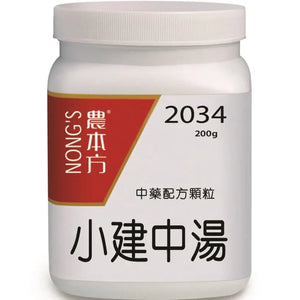
小建中汤 · Xiǎo Jiàn Zhōng Tāng

Xiao Jian Zhong Tang

Classical formula for Middle Jiao deficiency Cold with intermittent abdominal cramping pain that prefers warmth and pressure, often with mild Qi and Blood deficiency signs.

View formula profile →
Last reviewed August 2026
Formula CategoryYang-Tonifying Formulas
Primary PatternYang Deficiency
Primary FunctionWarm Middle, tonify Qi and Blood, relieve spasmodic pain
Primary Therapeutic PrincipleWarm the Middle Jiao, tonify deficiency, moderate urgency and stop pain
Main HerbsMaltose / Barley Malt Sugar · Cinnamon Twig · White Peony Root · Fresh Ginger · Jujube / Chinese Date · Honey-fried Licorice
Classical SourceShang Han Lun / Jin Gui Yao Lue (Zhang Zhongjing, Eastern Han)

Why This Formula?

Traditionally selected for milder Middle-Burner deficiency-Cold with spasmodic abdominal pain and Qi-Blood insufficiency, using sweet Yi Tang to moderate urgency — a gentler, more harmonising approach than Li Zhong Tang's direct warming of Spleen Yang, and far milder than Da Jian Zhong Tang's intense dispersing of severe interior Cold.

Traditionally selected for milder Middle-Burner deficiency-Cold with spasmodic abdominal pain and Qi-Blood insufficiency, using sweet Yi Tang to moderate urgency — a gentler, more harmonising approach than Li Zhong Tang's direct warming of Spleen Yang, and far milder than Da Jian Zhong Tang's intense dispersing of severe interior Cold.

What Is Xiao Jian Zhong Tang?

1. Classical Literature

Xiao Jian Zhong Tang (小建中汤 Minor Centre-Fortifying Decoction) is a classical formula in Traditional Chinese Medicine traditionally used to relieve abdominal pain, support digestive function, and address patterns of Spleen deficiency and interior cold. Xiao Jian Zhong Tang originates from the Shang Han Lun (Treatise on Cold Damage) by the Eastern Han physician Zhang Zhongjing — a brilliant gem among classical TCM formulas. As the founding text of TCM clinical medicine, the Shang Han Lun systematically elaborated the principles of pattern differentiation and treatment for externally contracted diseases and a range of miscellaneous conditions, exerting a profound influence on the development of medicine in subsequent generations.

Xiao Jian Zhong Tang

2. Digestive System Diseases

Xiao Jian Zhong Tang's balanced action of warming the middle, tonifying deficiency, and harmonising yin-yang extends its therapeutic benefits across a spectrum of clinical conditions in Traditional Chinese Medicine.

Effective for gastric/duodenal ulcers, chronic gastritis, functional dyspepsia, and gastrointestinal neurosis, particularly when presenting with epigastric pain, preference for warmth, and poor appetite stemming from middle-burner deficiency-cold. It promotes healing and regulates spleen-stomach function.

3. Neurological Diseases

Beneficial for neurasthenia, improving symptoms like palpitations, insomnia, and dizziness by nourishing the heart and calming the mind. It also serves as an adjunct treatment for headaches and dizziness associated with qi-blood insufficiency.

4. Haematological Diseases

Used to alleviate symptoms of iron-deficiency anaemia and as an adjunct therapy for certain types of aplastic anaemia, especially when accompanied by middle-burner deficiency-cold and dual qi-blood deficiency. It tonifies qi, nourishes blood, and supports haematopoietic function.

Xiao Jian Zhong Tang: TCM Formula for Abdominal Pain and Spleen Deficiency

5. Other Diseases

Applicable in gynaecology for irregular menstruation and dysmenorrhoea linked to deficiency-cold. It also aids postpartum recovery and can strengthen the spleen and stomach in children with poor appetite and abdominal pain, promoting healthy growth.

Herb Composition (Sovereign / Minister / Assistant / Envoy)

1. Chief: Yitang (Maltose)

  • Nature: Sweet, warm — tonifies middle burner, relieves urgency and spasm
  • Role: Fortifies spleen-stomach qi, restores qi-blood generation, relieves abdominal pain from middle-burner deficiency-cold
  • Classic: Ming Yi Bie Lu — "primarily tonifies deficiency and depletion… tonifies the middle to replenish qi"

2. Deputy: Guizhi (Cinnamon Twig) and Shaoyao (Peony Root)

  • Guizhi (Cinnamon Twig): Acrid, sweet, warm — warms yang, scatters cold, unblocks vessels; acrid + sweet = generates yang
  • Shaoyao (Peony Root): Bitter, sour, slightly cold — nourishes blood, softens liver, relieves spasm; sour + sweet = generates yin
  • Together: One warm + one cool, one dispersing + one astringing — balances yin-yang, harmonises qi-blood

3. Adjuvant: Shengjiang (Fresh Ginger) and Dazao (Jujube)

  • Shengjiang (Fresh Ginger): Assists Guizhi in warming the middle, redirects rebellious qi downward, relieves nausea
  • Dazao (Jujube): Synergises with Yitang to tonify middle-burner qi; paired with Shaoyao to nourish nutritive blood
  • Together: Harmonises ying-wei qi and provides the material source for qi-blood generation
xiao jian zhong tang HJMEDICAL

4. Envoy: Zhigancao (Honey-Fried Licorice)

  • Nature: Sweet, neutral — tonifies spleen qi, harmonises all herbs
  • Role: Ensures the formula is tonifying without stagnation, warming without dryness, and cold without congealing

Clinical Presentation in TCM

1. Pathomechanism: Deficiency-Cold

This formula specifically targets the complex interplay of middle-burner deficiency-cold with insufficiency of qi and blood, a common root cause of various internal disharmonies in Traditional Chinese Medicine.

When the spleen and stomach are weak, their vital functions of transportation and transformation become disordered, leading to an internal cold pathogen. This results in qi stagnation and abdominal pain. A lack of qi and blood generation can cause symptoms like palpitations, limb aching, and vexing heat in the palms and soles.

2. Therapeutic Actions

Xiao Jian Zhong Tang works by warming the middle and tonifying deficiency, while harmonising the interior and relieving urgency. It restores spleen-stomach function, expels cold, nourishes blood, and alleviates spasms. This holistic action addresses both the root deficiency and the symptomatic manifestations.

Xiao Jian Zhong Tang

3. Primary Indications

The formula primarily treats patterns of middle-burner deficiency-cold with liver-spleen disharmony. Key manifestations include cramping abdominal pain with preference for warmth and pressure, fatigue, palpitations, and vexing heat. It's often applied clinically to conditions like gastric ulcers, chronic gastritis, and neurasthenia when these underlying patterns are present.

The Mechanism in Classical Theory

1. Warming Middle & Building Centre

Yitang, Guizhi, and Shengjiang powerfully warm the middle burner, invigorate spleen-stomach yang, and expel cold. Dazao and Zhigancao further tonify the spleen and replenish qi, thereby effectively warming the middle and tonifying deficiency.

2. Harmonising & Relieving Urgency

Shaoyao nourishes blood, astringes yin, and softens the liver. It prevents liver qi from overacting on the spleen, thereby harmonising the interior and relieving spasms. Paired with Yitang, it further nourishes yin-blood.

3. Balancing Yin and Yang

The combination of warm Guizhi and slightly cold Shaoyao creates a balanced dynamic, mutually restraining and beneficial. Shengjiang, Dazao, and Zhigancao assist in regulating the body's yin-yang, harmonising qi-blood, and restoring normal visceral function.

Xiao Jian Zhong Tang

4. Tonifying Qi and Blood

All herbs collaboratively tonify middle burner spleen and stomach qi (Yitang, Dazao, Zhigancao) and nourish nutritive blood (Shaoyao). Guizhi and Shengjiang further assist qi-blood generation, ensuring sufficiency for normal bodily function and resolution of deficiency symptoms.

Clinical Comparison Table

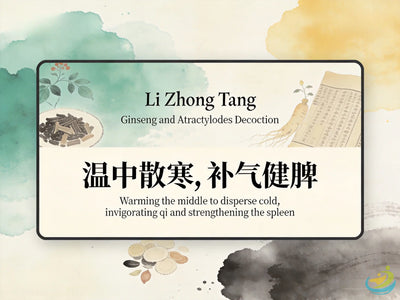
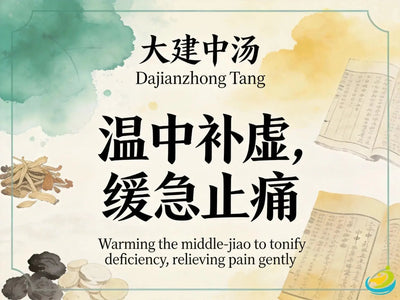
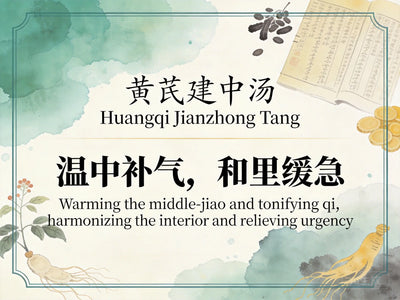
Compare Xiao Jian Zhong TangHuang Qi Jian Zhong TangDa Jian Zhong TangLi Zhong Tang
Primary Function Warm Middle, tonify Qi and Blood, relieve spasmodic painWarm Middle, strongly tonify Qi, relieve painStrongly warm Middle Yang, stop severe Cold painWarm Middle, tonify Spleen Yang
Formula Category Yang-Tonifying FormulasYang-Tonifying FormulasYang-Tonifying FormulasYang-Tonifying Formulas
Typical TCM Pattern Yang DeficiencyYang DeficiencyYang DeficiencyYang Deficiency
Main Conditions Abdominal Pain, Poor Appetite, Fatigue & Low Energy, Spontaneous SweatingAbdominal Pain, Fatigue & Low Energy, Spontaneous Sweating, Poor AppetiteAbdominal Pain, Stomach Discomfort, Cold LimbsAbdominal Pain, Diarrhea, Stomach Discomfort, Poor Appetite, Cold Limbs
Main Herbs Maltose / Barley Malt Sugar · Cinnamon Twig · White Peony Root · Fresh Ginger · Jujube / Chinese Date · Honey-fried LicoriceAstragalus Root · Maltose / Barley Malt Sugar · Cinnamon Twig · White Peony Root · Fresh Ginger · Jujube / Chinese Date · Honey-fried LicoriceSichuan Pepper · Dried Ginger · Ginseng Root · Maltose / Barley Malt SugarGinseng Root · Dried Ginger · White Atractylodes Rhizome · Honey-fried Licorice
Classical Source Shang Han Lun / Jin Gui Yao Lue (Zhang Zhongjing, Eastern Han)Jin Gui Yao Lue (Zhang Zhongjing, Eastern Han)Jin Gui Yao Lue (Zhang Zhongjing, Eastern Han)Shang Han Lun (Zhang Zhongjing, Eastern Han)

How to tell them apart

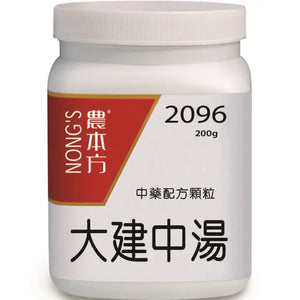
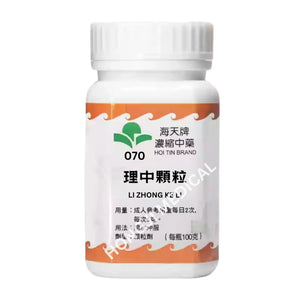
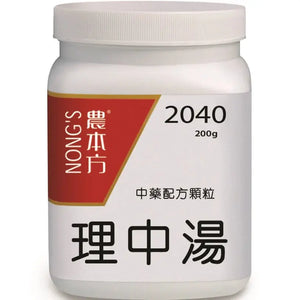
Xiao Jian Zhong Tang is the base for milder Middle deficiency Cold with spasmodic pain. Huang Qi Jian Zhong Tang adds Huang Qi for more pronounced Qi deficiency and spontaneous sweating. Da Jian Zhong Tang is stronger for severe interior Cold with intense pain. Li Zhong Tang focuses more on warming and tonifying Spleen Yang without the sweet moderating action of Yi Tang.

For educational reference only, based on traditional pattern differentiation — not a substitute for professional advice.

Clinical Modifications for Xiao Jian Zhong Tang

1. Severe Abdominal Pain

While Xiao Jian Zhong Tang effectively addresses core patterns, its therapeutic scope can be enhanced by targeted herb additions based on specific presenting symptoms.

Add Muxiang, Xiangfu, and Yanhusuo to relieve severe abdominal pain. These herbs move qi, activate blood, and strengthen the formula's ability to soothe spasms and alleviate discomfort.

2. Pronounced Yang Deficiency

Incorporate Fuzi to address marked yang deficiency. Its potent warming action rapidly supplements yang qi, counteracting aversion to cold, cold limbs, and a weak pulse.

3. Pronounced Blood Deficiency

When blood deficiency is prominent, Danggui and Shudi are added. These potent blood-nourishing herbs enhance the formula's ability to tonify blood, regulate menstruation, and replenish essence.

Xiao Jian Zhong Tang

4. Pronounced Qi Deficiency

For pronounced qi deficiency, Dangshen and Huangqi are included. They powerfully tonify spleen and lung qi, generate fluids, and consolidate the exterior, alleviating symptoms like shortness of breath and fatigue.

What the Science Suggests

1. Effects on the Digestive System

In Traditional Chinese Medicine, Xiao Jian Zhong Tang (Minor Construct the Middle) is a classical herbal formula that warms the middle jiao and tonifies spleen and stomach qi. It is indicated for middle jiao deficiency and deficiency cold middle jiao with yang deficiency, where patients suffer from cold abdominal pain and spasmodic abdominal pain relieved by warmth and pressure.

The sweet Yi Tang combined with Zhi Gan Cao helps moderate spasmodic abdominal pain and supports the formula’s traditional use for roundworms in the context of deficiency cold in the middle jiao.

Clinically, Xiao Jian Zhong Tang is indicated by a pale tongue and loose stools, which reflect middle jiao yang deficiency. The formula combines Gui Zhi to warm the channels, Bai Shao and Sheng Jiang to harmonize the stomach and moderates spasmodic abdominal pain, while Da Zao supports the middle jiao. Because of its warming and sweet nature, it is generally contraindicated in yin deficiency.

Modern research shows Xiao Jian Zhong Tang regulates gastrointestinal motility, promotes peristalsis, enhances digestion, and improves gastric mucosal blood flow to aid repair—helpful for gastric/duodenal ulcers and normalizing gastric acid secretion. It also has measurable immune‑regulating actions, strengthening immunity by increasing white blood cell activity and promoting lymphocyte proliferation, which may help recurrent infections and chronic inflammatory conditions.

Xiao Jian Zhong Tang

2. Nervous System Regulation and Other Actions

Xiao Jian Zhong Tang modulates neurotransmitter secretion and neural function, relieving anxiety, depression, and sleep disturbances, and improving memory and concentration by stabilizing neural excitability. It also exhibits antioxidant and anti‑inflammatory effects—scavenging free radicals, reducing oxidative stress, and inhibiting inflammatory factor release—offering potential adjunctive benefits for oxidative and inflammatory disorders.

Safety Considerations

1. Accurate Pattern Differentiation & Dietary Restrictions

Use Xiao Jian Zhong Tang only after accurate pattern differentiation matching middle‑burner deficiency‑cold, qi‑blood insufficiency, and liver‑spleen disharmony—misuse can delay or worsen disease. During treatment avoid raw/cold, greasy, and acrid/spicy foods (which damage spleen‑stomach yang, hinder digestion, or generate heat), as these reduce the formula’s effectiveness.

2. Special Populations & Drug Interactions

Pregnant or breastfeeding women and children should use Xiao Jian Zhong Tang under physician guidance (pregnancy and infant exposure risks; pediatric dosing by age/weight). Consult a physician or pharmacist if taking other medications, since interactions may occur and require adjustment to avoid adverse reactions.

Questions About Xiao Jian Zhong Tang

Q1: What are the actions of Xiao Jian Zhong Tang?
Xiao Jian Zhong Tang has the actions of warming the middle and tonifying deficiency, relieving spasm and pain, and harmonising the spleen and stomach. It is primarily used for symptoms caused by spleen-stomach deficiency-cold, including dull epigastric pain, abdominal pain, fatigue, poor appetite, and weakened digestive function.
Q2: Which modern diseases is Xiao Jian Zhong Tang suited to?
Modern TCM clinical practice commonly applies it to individuals whose pattern differentiation falls within middle-burner deficiency-cold, including Functional Dyspepsia, Irritable Bowel Syndrome (IBS), the recovery phase of chronic gastritis, and recurrent abdominal pain in children.
Q3: Is Xiao Jian Zhong Tang suitable for managing chronic stomach and abdominal pain?
For presentations of persistent dull epigastric pain worsening on an empty stomach, preference for warmth and pressure, relief after eating, and recurrent abdominal discomfort — in those whose pattern differentiation confirms spleen-stomach deficiency-cold — TCM commonly applies Xiao Jian Zhong Tang as an adjunct management approach.
Q4: Who should not take Xiao Jian Zhong Tang?
Those with exuberant internal damp-heat, blazing stomach fire, acute gastrointestinal infection, pronounced bitter taste and bad breath, and excess-heat patterns are generally not suitable. Use should be assessed by a qualified TCM physician based on individual constitution and pattern differentiation.

General Questions

How do I choose the right formula?
TCM formulas are traditionally selected according to individual pattern differentiation rather than by symptom alone. If you're not sure which formula fits your presentation, take our AI Assessment below for a personalized starting point, then confirm with a qualified TCM practitioner.
What are concentrated herbal granules?
Concentrated herbal granules are made by decocting raw herbs, then extracting and concentrating the resulting liquid into a fine granule or powder form. This preserves the same active compounds as a traditional decoction while making the herbs far easier to store, measure, and prepare.
How should I take these products?
Dissolve the recommended amount of granules in hot water, stir until fully dissolved, and drink while warm — following the dosage and frequency advised by your TCM practitioner or as stated on the product packaging.
Are concentrated herbal granules equivalent to traditional decoctions?
Concentrated granules are produced from the same herbs and processed to retain their active compounds, so they are traditionally regarded as a convenient alternative to decoctions rather than a different remedy. Some practitioners note subtle differences in strength or absorption between the two forms, so your TCM practitioner may adjust dosage accordingly.
Are your products authentic?
Yes. HJMEDICAL sources its concentrated granules exclusively from established, reputable manufacturers such as Nong's and Hoi Tin, both long-standing names in the TCM granules industry, with GMP compliance stated directly on their packaging.
Are HJMEDICAL products manufactured under GMP standards?
HJMEDICAL sources its concentrated granules from established, reputable manufacturers such as Nong's and Hoi Tin, both long-standing names in the TCM granules industry. GMP compliance for these products is stated directly on their packaging.
Do you ship internationally?
Yes — we ship worldwide! Every order goes out via Hong Kong Post, and your exact shipping cost and estimated delivery time for your address are calculated and shown right at checkout, so there are never any surprises. We also offer free shipping once your order reaches our free-shipping threshold, so it's easy to stock up on your favorite formulas and save.
Can I take more than one formula at the same time?
Some formulas are traditionally combined, while others overlap or counteract each other. We recommend checking with a qualified TCM practitioner before combining formulas, especially if you are already taking other medication.
Are these products suitable during pregnancy or breastfeeding?
Some TCM formulas are not suitable during pregnancy or breastfeeding. Please consult a qualified TCM practitioner or your doctor before use if you are pregnant, trying to conceive, or nursing.
Do these products replace medical treatment?
No. These products are traditional herbal supplements intended to support wellbeing according to TCM principles — they are not a replacement for professional medical diagnosis or treatment. Please consult a qualified TCM practitioner or licensed healthcare provider before starting, stopping, or combining any treatment, especially if you have a chronic condition.
Medical Disclaimer

For general TCM education only — not medical advice. Consult a qualified TCM practitioner or licensed healthcare provider before use, especially if pregnant, nursing, on medication, or managing a chronic condition.

Not sure which formula is right for you?

Take the AI Assessment

最新文章

Login

Forgot your password?

Don't have an account yet?
Create account

Xiao Jian Zhong Tang: TCM Formula for Abdominal Pain and Spleen Deficiency