
Qi Deficiency Constitution
氣虛體質 / 气虚体质
Constitutional pattern marked by low energy and easy fatigue.
This entry is a TCM patternQuick Facts
| Health Topic | Constitution Care |
|---|---|
| Also Known As | Qi Xu constitution, Qi-deficient type, Tendency to Qi deficiency, Low Qi constitution |
| Common Symptoms | A constitutional tendency toward insufficient Qi. Common observations include easy fatigue, shortness of breath on mild effort, soft voice, spontaneous sweating and a pale complexion. Recovery after exertion is slow, and the person may catch external pathogens more easily. |
| Related Classical Formulas | |
| Related Articles | Qi Deficiency Constitution: Syndrome Differentiation and Daily Care |
Qi Deficiency Constitution in Traditional Chinese Medicine
Qi deficiency constitution describes a long-term tendency in Traditional Chinese Medicine characterised by insufficient Qi to support activity and defence. Typical features include fatigue, weak voice and easy sweating. It is distinguished from Yang deficiency (which adds cold signs) and from Blood deficiency. Traditional strategies focus on tonifying Qi; specific formulas are selected only after clinical pattern differentiation. Accompanying signs such as tongue appearance, pulse quality and the presence of heat or cold help distinguish one presentation from another.
Classical Formulas Traditionally Associated With This Pattern
Associated with 2 classical formulas
Listed for study. Which formula fits, if any, depends on the pattern rather than the symptom.
Learn More About Qi Deficiency Constitution
Related Health Topic
Constitution Care — Formulas tailored to individual constitutional patterns such as qi, yin, yang deficiency or stagnation.
Health Topic
See all Constitution Care conditions
Frequently Asked Questions
What is Qi Deficiency Constitution in Traditional Chinese Medicine?
Qi Deficiency Constitution (气虚质) is one of the nine body constitutions in TCM. It is characterized by insufficient vital energy (Qi), leading to reduced physiological function. Common features include easy fatigue, shortness of breath, low voice, spontaneous sweating, pale complexion, susceptibility to colds, and a weak pulse. It is often related to congenital factors, chronic illness, overwork or improper lifestyle.
What are the typical signs and symptoms of Qi Deficiency Constitution?
Typical manifestations include persistent tiredness, lack of energy, shortness of breath on mild exertion, soft or low voice, spontaneous sweating, easy catching of colds, poor appetite, loose stools, and a pale or swollen tongue with teeth marks. People with this constitution may also feel cold easily and recover slowly from illness.
How does TCM regulate Qi Deficiency Constitution?
The main principle is to tonify Qi and strengthen the Spleen and Lung. Common approaches include herbal formulas such as Si Jun Zi Tang or Bu Zhong Yi Qi Tang (modified according to the individual), acupuncture, dietary adjustment and lifestyle regulation. All treatment should be guided by a qualified TCM practitioner after proper assessment.
Related Products
 Hoi Tin Ba Zhen Tang (Eight Treasures Decoction) 5:1 Concentrated Granules
$22.15
 Nong's Ba Zhen Tang (Eight Treasures Decoction) 5:1 Concentrated Granules
$51.25
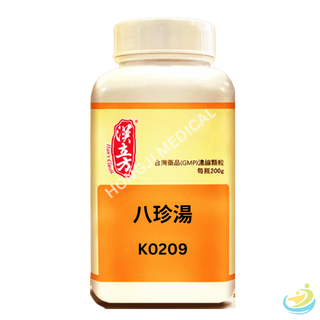 Han's Ba Zhen Tang (Eight Precious Decoction) 5:1 Concentrated Granules
$53.82
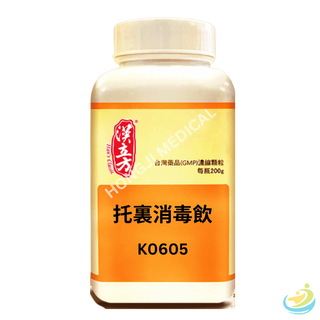 Han's Tuo Li Xiao Du Yin (Supporting the Interior, Nourishing the Qi and Blood Formula) 5:1 Concentrated Granules
$65.98
This library is educational. It describes how Traditional Chinese Medicine has traditionally understood these presentations. It is not a diagnosis, and it is not a treatment recommendation.
Back to the Condition Hub