Roots and rhizomesPhlegm-resolvingRadix Asteris

Zi Wan (Aster Root)

A practical guide to Zi Wan: what it is, how Traditional Chinese Medicine uses it, the classical formulas it appears in, and who should be careful with it.

View Herb Profile →

Last reviewed Oct 13, 2026

Quick Facts

Latin NameRadix Asteris
Chinese Name & Pinyin 紫菀 · Zi Wan
Medicinal PartRoots and rhizomes
The herbZi Wan is the dried root and rhizome of Aster tataricus. Kuan Dong Hua is a flower bud. Common forms: raw and honey-fried.
Nature and channelsAcrid, bitter, warm. Enters the Lung. Acridity moves. Bitterness drains downward. Warmth transforms phlegm. Honey-frying moistens.
Pharmacopoeia lineMoistens the Lung and directs qi downward. Dispels phlegm and stops cough. Used for wheezing cough with much sputum, new or enduring cough, and consumptive cough with blood.
Pattern cuesPhlegm wheeze. New or enduring cough. Consumptive cough. Sputum that does not clear.
In this articleZi Wan versus Kuan Dong Hua, Bai Bu, and Jie Geng. Raw versus honey-fried. Why yin-deficiency fire should not meet the raw root alone. Who should skip it.

What Is Zi Wan?

Zi Wan (紫菀; Zǐ Wǎn; Latin: Asteris Radix et Rhizoma; English: tatarian aster root) is the dried root and rhizome of Aster tataricus L. f. In Chinese medicine it is a phlegm-transforming, cough-stopping herb. It is acrid, bitter, and warm, enters the Lung channel, and its core actions are to moisten the Lung and direct qi downward, and to dispel phlegm and stop cough. New cough, enduring cough, and phlegm wheeze can all appear in a formula with it. Honey-fried Zi Wan moistens the Lung more clearly and is used more often. It is not Kuan Dong Hua. Coltsfoot flower is acrid and slightly warm. It moistens the Lung, directs qi down, stops cough, and transforms phlegm. The two are often paired, but Zi Wan more specifically dispels phlegm. Garden aster is not the official piece. Yin-deficiency fire and dry cough with no sputum are a poor match for raw warming use alone. Coughing of blood needs a clinic.

It is used most often for three patterns:

  • Wheezing cough with much sputum — sputum that does not come out cleanly
  • New or enduring cough — exterior or interior
  • Consumptive cough with blood — honey-fried; this belongs with a practitioner

The usual decoction dose is 5–10 g. Acrid, bitter, warm, and moistening, it is not a daily “cough aster tea.” Dry cough and sore throat with no sputum get drier if more warmth is added.

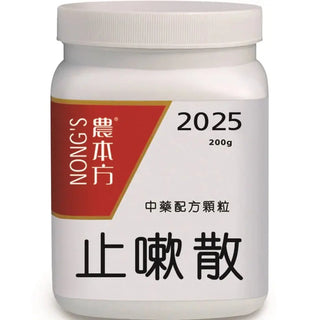
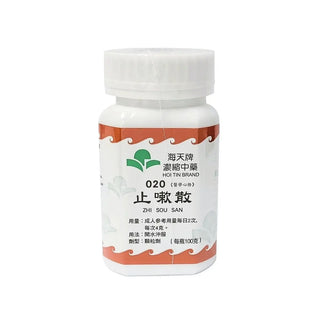
When Lung qi rebels and phlegm blocks the airway, cough with much sputum is common. Zi Wan is acrid, bitter, and warm. It moistens, directs down, and dispels phlegm, which is why it appears in Zhi Sou San. It warms and disperses more than it clears. A red tongue with little fluid, scant sputum, and sore throat get drier if more is added.

Zi Wan is not a catch-all cough root. In yin-deficiency fire or dry cough with no sputum, raw use or too much can warm, dry, and injure fluids. Raw or honey-fried should be decided by a licensed Chinese medicine practitioner after pattern diagnosis.

Zi Wan Aster Root

Zi Wan: Materia Medica Profile

Identification & Quality Standard

Radix Asteris

Botanical Origin

The dried root and rhizome of Aster tataricus L. f.(Asteraceae)

Production Regions

Primarily produced in northeastern and northwestern China, as well as the province of Anhui.

Quality Requirements

Superior medicinal material has long root, purplish-red color, without foreign matter, with soft and pliable texture.

Macroscopic Features

Irregular lumps, uneven size, apex has remnants of stem and leaf, base occasionally has remnants of main root, slightly hard texture. numerous thin roots grow from the rhizomes, 3~15cm long, 0.1~0.3cm diameter, often braided into braid; externally purplish-red or grayish-red, with longitudinal wrinkles; relatively soft and pliable texture. Slightly aromatic odor, sweet and slightly bitter taste.

3 Sourcing and Quality Identification

While historically sourced from regions like Hebei and Anhui, the quality depends heavily on harvest timing and processing.

  • Appearance: High-quality roots feature an irregular main block with many clustered, thin roots. The surface is purplish-red or grayish-red, flexible, and shows a grayish-white inside when broken.
  • Taste and Smell: It has a mild, spicy aroma and a slightly bitter, spicy taste.
  • Preparation Differences: The raw form is distinctly spicy, whereas the honey-fried version (Mi Zi Wan) has a darker yellow color and a sweet honey scent.
  • Substitutes to Avoid: It is sometimes confused with similar plants, but those usually have lighter-colored roots and a much weaker smell.

Traditional Properties & Historical Lineage

Nature, Flavour & Channel Tropism

Acrid, Bitter; WarmLung

1. 2 Historical Records

This herb has been deeply respected in classical TCM texts for treating respiratory issues:

  • Shen Nong Ben Cao Jing noted its use for rebellious coughs (gasping) and trapped cold or heat in the chest.
  • Ming Yi Bie Lu recorded its ability to clear toxins and calm the internal organs.
  • Ben Cao Gang Mu highlighted its effectiveness for chronic lung deficiency coughs, coughing up blood, and severe lung infections.

2. 3 Evolution of TCM Understanding

Throughout history, TCM doctors have had slightly different views on its best use.

  • Some praised it for clearing lung heat and dryness, while others focused on its warm, moistening effects for chronic, weak coughs.
  • The consensus is that Zi Wan (Tartarian Aster Root) is excellent for smoothing out blocked Lung Qi. However, it is not a "magic cure-all" for every type of cough and must be matched to the patient's specific symptoms.

Zi Wan Aster Root

Core Efficacies & Traditional Applications

Traditional Functions

Moistens lung, downbears qi, transforms phlegm, relieves cough. Apply to cough and panting with excessive phlegm, acute and chronic cough, strained cough and hemoptysis.

1. 1 First Primary Action: Moistening the Lungs and Descending Qi

The traditional core function of Zi Wan (Tartarian Aster Root) is to moisten the lungs and descend rebellious Qi. It is primarily used for coughing and mild asthma caused by the lungs failing to disperse and descend Qi properly.

  • Common Symptoms: Unsmooth breathing during a cough, mild panting, scant or sticky phlegm, and a dry throat. It is used when there are no severe external symptoms like high fever or chills.
  • Common Pairings: It is often paired with Bai Bu (Stemona Root) to enhance the lung-moistening and cough-stopping effects, or with Jie Geng (Platycodon Root) to help open the lungs and soothe the throat.
  • Caution: Do not use this herb if your cough is accompanied by abundant thick phlegm, high fever, or severe sore throat caused by external wind-heat.

2. 2 Second Primary Action: Resolving Phlegm and Stopping Coughs

It also excels at resolving phlegm and stopping coughs by helping clear sticky mucus from the respiratory tract.

  • Common Symptoms: Frequent coughing triggered by phlegm irritation, thick and hard-to-expectorate phlegm, or a feeling of fullness and tightness in the chest.
  • Common Pairings: It is frequently combined with phlegm-resolving herbs like Chen Pi (Tangerine Peel) and Ban Xia (Pinellia Rhizome). If mild lung dryness is present, it can be paired with Mai Dong (Ophiopogon Tuber).
  • Caution: It is not suitable for individuals with clear, watery, and abundant phlegm (indicating cold or damp phlegm), as it may hinder the normal expulsion of mucus.

3. 3 Common Single Herb Pairing: The Herb Pair

A classic pairing is Zi Wan (Tartarian Aster Root) with Kuan Dong Hua (Coltsfoot Flower).

  • Synergy: Both enter the Lung meridian. Zi Wan leans toward moistening, descending Qi, and resolving phlegm, while Kuan Dong Hua focuses heavily on stopping coughs and descending Qi. Together, they create a highly synergistic effect for chronic lung-deficiency coughs with scant phlegm and dry throat.
  • Note: The dosage of this pairing must be adjusted by a professional based on specific symptoms; it should not be mixed casually at home.

Zi Wan Aster Root

Modern Research

Modern research offers useful context, but Traditional Chinese Medicine prescribes on whole-pattern diagnosis rather than isolated compounds.

1. 1 Key Chemical Components

Modern science has identified that the roots contain natural plant compounds, including terpenes, flavonoids, coumarins, and polysaccharides.

  • Laboratory Observations: In test-tube and animal studies, some of these compounds (like terpenes) have shown potential anti-inflammatory properties and may help suppress cough reflexes or regulate airway mucus. However, these are strictly laboratory findings and have not been fully confirmed in human trials.

2. 2 Modern Pharmacological Focus

Current scientific research primarily focuses on how Zi Wan (Tartarian Aster Root) affects respiratory inflammation and mucus production. Early data suggests it might help improve inflammation markers, but comprehensive human clinical trials are still needed to verify exact benefits and proper dosages.

3. 3 Limitations of Modern Research

It is important to view these modern findings with a realistic perspective:

  • Lab vs. Real Life: Animal and test-tube results do not automatically guarantee the same effects in human bodies.
  • Extracts vs. Whole Herbs: Lab studies often use highly concentrated, isolated chemicals. This is completely different from drinking a traditional water-boiled herbal tea, so the doses cannot be directly compared.
  • Inconsistent Methods: Different studies use different sources, preparation methods, and dosages, making it hard to draw a single, universal conclusion.
  • Holistic Synergy: In TCM, an herb works because of the complex synergy of all its compounds working together, not just one isolated active ingredient.

Zi Wan Aster Root

Comparing Similar Herbs

1. 2 Similarities with Comparable Herbs

Zi Wan (Tartarian Aster Root) and Kuan Dong Hua (Coltsfoot Flower) share three main similarities:

  • Both moisten the lungs and stop coughs, targeting lung dryness or lung deficiency.
  • Both treat traditional lung-system syndromes, such as chronic lingering coughs with scant or sticky phlegm.
  • Both appear in similar formulas or dietary therapies for seasonal mild coughs.

2. 3 Core Differences

  • Nature and Flavor: Both are warm. However, Zi Wan is more bitter, making its action slightly more neutral, while Kuan Dong Hua is more spicy and prominently warm.
  • Focus Area: Zi Wan is better at resolving phlegm (especially stubborn, sticky phlegm) and smoothing lung Qi. Kuan Dong Hua is better at directly stopping the cough reflex, ideal for frequent dry coughing without much phlegm.
  • Qi Regulation: Zi Wan descends and disperses Qi, clearing blockages. Kuan Dong Hua primarily focuses on moistening and descending Qi, with weaker dispersing effects.
  • Target Symptoms: Use Zi Wan for sticky phlegm, a tight chest, and a dry throat. Use Kuan Dong Hua for frequent, dry, ticklish coughs with little to no phlegm.
  • Contraindications: Avoid Zi Wan for watery, cold phlegm. Avoid Kuan Dong Hua for wind-heat coughs with high fever or thick phlegm.

3. 4 One-Sentence Summary

Zi Wan (Tartarian Aster Root) focuses on resolving phlegm and descending Qi, while Kuan Dong Hua (Coltsfoot Flower) focuses on directly stopping coughs and moistening the lungs.

Zi Wan Aster Root

Classical Formulas Containing Zi Wan

Formulas vs. Single Herbs

  • Synergy is Key: A formula is a balanced team. The healing power comes from how the herbs interact, so a single herb cannot simply replicate a full formula's effects.
  • Holistic Balance: The exact dosage and combination in a formula affect the entire body. Never try to mix or alter these formulas at home based on internet articles.

Diet & Daily Home Use

1. 1 Home Tea or Dietary Application

  • Seasonal Dry Cough Tea:
    • Ingredients: 3g Zi Wan (Tartarian Aster Root), 3g Bai Bu (Stemona Root), 2g Mai Dong (Ophiopogon Tuber) (all medicinal grade).
    • Method: Steep in 500ml of boiling water in a teapot for 10 minutes. Can be re-steeped until tasteless.
    • Best For: Mild seasonal dry coughs, dry throat, and scant phlegm.
    • Not Suitable For: People with clear, watery phlegm (cold phlegm) or those allergic to Asteraceae (daisy family) plants.
    • Limits: Drink 2 to 3 times a week, 1 cup per serving. Do not use it continuously long-term. Note: This is a medicinal herb, not a standard daily tea.

2. 2 Preparation Differences

  • Raw vs. Honey-Fried: Sheng Zi Wan (Raw) has a stronger dispersing effect, best for early-stage coughs with blocked phlegm. Mi Zi Wan (Honey-Fried) has enhanced lung-moistening properties, ideal for chronic, dry lung coughs.
  • Brewing: At home, simply boil it with other herbs; it does not require special pre-boiling or separate packing. Dietary dosages cannot be swapped with clinical prescription dosages.

3. 3 Dosage and Usage Cycle

  • Dosage: Traditional clinical doses range from 5 to 10 grams. Dietary home doses are much lower, strictly between 3 to 5 grams, and cannot replace medical treatment.
  • Usage Cycle: Do not use continuously for long periods. A standard wellness cycle is 3 to 5 days. If symptoms do not improve, stop and consult a doctor. Vulnerable groups must consult a professional before use.
Zi Wan Aster Root

Contraindications & Safety Warnings

1. 1 Not Suitable For

  • Cold/Damp Phlegm Constitutions: People coughing up clear, watery, abundant phlegm, or experiencing chills and a white, greasy tongue coating.
  • Pregnant and Nursing Women: Due to specific body changes, use is discouraged without a doctor's approval.
  • Children and the Elderly: Their weaker constitutions mean they have a lower tolerance for medicinal herbs; professional supervision is required.
  • Liver/Kidney Impairment: May increase the metabolic burden on these organs.
  • Asteraceae Allergies: Anyone allergic to plants in the daisy family should avoid it.

2. 2 Drug Interactions and Dietary Notes

  • Medications: Zi Wan (Tartarian Aster Root) may interact with blood thinners, blood pressure meds, blood sugar meds, or sedatives. Always consult a pharmacist if you are on prescription drugs.
  • Dietary Note: While TCM doesn't subscribe to universal "food-herb clashing," specific herbs can alter how prescription drugs are absorbed or metabolized. Do not blindly mix them.

3. 3 Adverse Reactions and Risks

  • At normal doses, side effects are rare, though some may experience mild nausea or bloating.
  • Overdose: Excessive use can worsen coughing, cause chest tightness, and disrupt the body's natural Qi flow.
  • When to Stop: Seek immediate medical help if you experience allergic reactions, persistent vomiting, breathing difficulties, confusion, or rapidly worsening symptoms.

Frequently Asked Questions About Zi Wan

What is Zi Wan? Are Kuan Dong Hua, Bai Bu and Jie Geng the same?
Official Zi Wan (紫菀) is the dried root and rhizome of Aster tataricus. The pharmacopoeial name is Asteris Radix et Rhizoma. The noded mother rhizome is removed at harvest. Kuan Dong Hua is acrid, slightly bitter and warm: moistens the Lung, downbears qi, stops cough and transforms phlegm; the flower bud is used. Bai Bu is sweet-bitter and slightly warm: moistens the Lung, downbears qi, stops cough and kills parasites. Jie Geng is bitter-acrid and neutral: diffuses the Lung, benefits the throat, dispels phlegm and expels pus. Write Zi Wan. Use caution in excess heat.
What are the TCM properties and traditional uses of Zi Wan?
According to the Chinese Pharmacopoeia, Zi Wan is acrid, bitter and warm, enters the Lung channel, and acts to moisten the Lung, downbear qi, eliminate phlegm and stop cough. It is used for wheezing cough with copious phlegm, recent or chronic cough, and taxation cough with blood. Acrid-warm, moistening and downbearing, it suits wheezing cough with copious phlegm—not dry cough from excess heat used alone.
How do you choose raw versus honey-fried Zi Wan? Can Kuan Dong Hua replace it?
Raw material leans to downbearing qi and transforming phlegm—exterior or excess cough. Honey-frying until it no longer sticks to the hand is better at moistening the Lung and stopping cough—Lung-vacuity chronic cough. Coltsfoot stops cough and transforms phlegm; it cannot replace moistening the Lung and downbearing qi by equal weight. Commercial aster tea is not equal-weight pieces.
What is the usual dosage? Can it be drunk daily as a cough tea?
The pharmacopoeial decoction dose is 5–10 g. It is not a four-season “aster cough tea.” Dry cough from excess heat only dries further as it warms. Wheezing cough with copious phlegm needs a practitioner to name a short course; it does not replace chest imaging and infection assessment.
What are the contraindications? Can it be used in pregnancy?
Use caution in excess heat. Dry cough from yin-vacuity Lung heat should not use it alone. Pregnancy needs a practitioner’s assessment. Stop if dry mouth and sore throat worsen. Large amounts of blood in the sputum and difficulty breathing are emergencies.
Can Zi Wan moisten the Lung, downbear qi, eliminate phlegm and stop cough?
It can help wheezing cough with copious phlegm and recent or chronic cough. Cold-phlegm wheezing cough joins blackberry lily, Ephedra, Asarum, coltsfoot and Pinellia in She Gan Ma Huang Tang. Lung-vacuity chronic cough favors honey-fried material, which may join stemona and ophiopogon after pattern differentiation. It moistens the Lung, downbears qi, eliminates phlegm and stops cough—not a specific for every cough of blood or every asthma.
Can Zi Wan be drunk daily as a cough, phlegm or Lung-moistening tea?
Wheezing cough with copious phlegm may enter a short formula; excess heat only dries further as it warms. “Aster must stop cough” does not replace airway assessment. Moistening the Lung, downbearing qi, eliminating phlegm and stopping cough should name 5–10 g, raw or honey-fried.
How do you choose among Zi Wan, Kuan Dong Hua, Bai Bu, Jie Geng and Chuan Bei Mu?
Tatarian aster is acrid-bitter and warm: moistens the Lung, downbears qi, eliminates phlegm and stops cough—wheezing cough with copious phlegm and taxation cough. Coltsfoot is acrid, slightly bitter and warm: moistens the Lung, downbears qi, stops cough and transforms phlegm—often paired with aster. Stemona is sweet-bitter and slightly warm: moistens the Lung, stops cough and kills parasites—chronic cough and whooping cough. Platycodon is bitter-acrid and neutral: diffuses the Lung, dispels phlegm, benefits the throat and expels pus. Sichuan fritillaria is bitter-sweet and slightly cold: clears heat, moistens the Lung, transforms phlegm and stops cough—yin-vacuity dry cough. Exterior cough with copious phlegm favors raw Zi Wan; Lung-vacuity chronic cough favors honey-fried Zi Wan with Kuan Dong Hua; parasite cough favors Bai Bu; sore throat with pus favors Jie Geng; dry cough favors Chuan Bei Mu. They may be paired; excess heat forbids large Zi Wan and Kuan Dong Hua used alone.
Which herbs is Zi Wan combined with? What are the representative formulas?
Cold-phlegm wheezing cough joins blackberry lily, Ephedra, coltsfoot and Pinellia in She Gan Ma Huang Tang. Exterior cough may enter a Zhi Sou San type formula. Write Zi Wan 5–10 g, raw or honey-fried.
How do you choose and store Zi Wan?
Choose braided roots or thick slices, pliable, a gray-white cut face with a purple edge, a faint aroma and a sweet, slightly bitter taste. Moldy, moth-eaten, mother-rhizome or blackened lots are discarded. Store cool and dry against moisture. Buy pharmacopoeial Zi Wan; do not replace moistening the Lung, downbearing qi, eliminating phlegm and stopping cough with coltsfoot by equal weight.

Medical Disclaimer — This article is provided for educational purposes only and describes traditional Chinese medicine concepts. It is not medical advice, and it is not intended to diagnose, treat, cure or prevent any disease. Always consult a qualified practitioner before using any herb, particularly if you are pregnant, nursing, taking medication or managing a diagnosed condition.

More Chinese Herbs

Login

Forgot your password?

Don't have an account yet?
Create account

Zi Wan (Aster Root): Moisten the Lungs, Descend Qi, and Stop Cough