Zoological substancesTonifyingGalli Gigerii Endothelium Corneum / Egg Yolk

Ji Zi Huang (Egg Yolk)

A practical guide to Ji Zi Huang: what it is, how Traditional Chinese Medicine uses it, the classical formulas it appears in, and who should be careful with it.

View Herb Profile →

Last reviewed Oct 13, 2026

Quick Facts

Latin NameGalli Gigerii Endothelium Corneum / Egg Yolk
Chinese Name & Pinyin 雞子黃 · Ji Zi Huang
Medicinal PartZoological substances
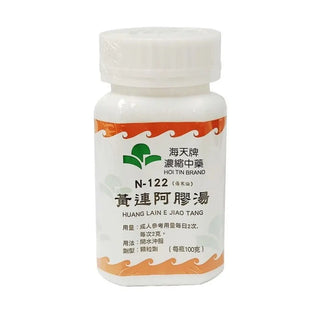
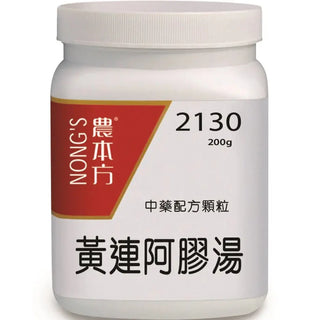
The itemJi Zi Huang is chicken egg yolk. Cook it and add it at the end. E Jiao is a different official drug.
Nature and channels (traditional)Sweet, neutral. Enters the Heart and Kidney. Sweet neutrality nourishes yin, moistens dryness, nourishes blood, and extinguishes wind.
Actions (traditional)Nourishes yin and moistens dryness. Nourishes blood and extinguishes wind. Used for heat disease damaging yin, and deficiency vexation with insomnia; external tradition includes scalds.
Pattern cuesDeficiency vexation and insomnia. Heat disease damaging yin. Red tongue with little fluid.
In this articleJi Zi Huang versus E Jiao and egg white. Its place in Huang Lian E Jiao Tang. Why it is cooked and added at the end. Why dampness should skip large amounts. Who should skip it.

What Is Ji Zi Huang?

Ji Zi Huang (鸡子黄; Jī Zǐ Huáng; English: egg yolk) is the yolk of a domestic chicken egg. The current pharmacopoeia usually does not give it a separate monograph. It is a traditional food-medicine. It is sweet and neutral. Tradition enters it in the Heart and Kidney, and its core actions are to nourish yin and moisten dryness, and to nourish blood and extinguish wind. In Huang Lian E Jiao Tang it is stirred in after the decoction is ready. Do not boil it long. Cook it fully. Do not eat it raw. It is not E Jiao. Donkey-hide glue nourishes blood, enriches yin, moistens dryness, and stops bleeding, and is melted separately. It is not the white. Egg white clears heat. Nourishing yin is weak. Exuberant dampness in the spleen and stomach, and much phlegm with loose stools, are a poor match for large amounts. Deficiency vexation with insomnia needs pattern diagnosis. It is not a sleep snack.

Traditionally it is used most often for three patterns:

  • Heat disease damaging yin — deficiency vexation and insomnia
  • Blood deficiency — this needs pattern diagnosis
  • External use — traditionally for scalds; the injury itself may need a clinic

The traditional amount is often 1–3 yolks, added at the end. Sweet, neutral, and moist, it is not a daily “yin egg yolk” to keep increasing. Enriching when there is no yin damage generates dampness.

When yin is damaged in the late stage of a heat disease, and Heart and Kidney do not communicate, deficiency vexation and insomnia are common. Ji Zi Huang is sweet and neutral. It nourishes and extinguishes wind, which is why it appears in Huang Lian E Jiao Tang. It enriches more than it moves. A greasy coating and bloating get more stagnant if more is added.

Ji Zi Huang is not a catch-all yin or sleep food. In exuberant dampness and much phlegm, or when there is no yin damage, using it alone can cloy the diaphragm. Whether it belongs in Huang Lian E Jiao Tang should be decided by a licensed Chinese medicine practitioner after pattern diagnosis.

Ji Zi Huang Chicken Egg Yolk

Ji Zi Huang: Materia Medica Profile

Identification & Quality Standard

Galli Gigerii Endothelium Corneum / Egg Yolk

Botanical Origin

The yolk of Gallus gallus domesticus Brisson (Phasianidae).

Production Regions

Used fresh from domestic fowl throughout China.

Quality Requirements

Superior material is from fresh eggs, deep yellow, and free of spoilage.

Macroscopic Features

Fresh yolk is spherical, orange-yellow to deep yellow, viscous and oily; cooked yolk is powdery and crumbly.

3 Sourcing and Quality Identification

Unlike many herbs that require a specific geographical region to be considered high quality, Ji Zi Huang (Egg Yolk) can be sourced anywhere. Its quality depends more on the farming method.

  • Appearance: A high-quality fresh yolk should be an even pale or orange-yellow, with a smooth texture and no off-putting smells or mold spots.
  • Dried Yolk: The dried version appears as irregular, darker yellow, hard, and easily broken chunks.
  • Lookalike Warning: Be careful not to confuse it with duck egg yolks, which are generally redder, thicker, and have a noticeably different scent. Free-range chicken yolks are usually preferred for their even fat distribution and milder aroma.

Traditional Properties & Historical Lineage

Nature, Flavour & Channel Tropism

Sweet; NeutralHeartKidneySpleen

1. 2 Historical Records

  • Shen Nong Ben Cao Jing: Listed it as a "top-grade" remedy, mentioning its use for clearing heat, treating burns, and calming spasms.
  • Ming Yi Bie Lu: Noted its applications for stopping diarrhea and certain types of bleeding.
  • Ben Cao Gang Mu: Summarized that it "nourishes Yin and blood, resolves heat toxicity, and treats fright-spasms."
  • De Pei Ben Cao: Stated it can "nourish Heart blood, calm the spirit, and moisten Kidney dryness." (Note: These are historical TCM descriptions and should not replace modern medical advice.)

2. 3 Evolution of TCM Understanding

Different TCM doctors have highlighted different strengths of Ji Zi Huang (Egg Yolk). Some focus on its ability to build up the body (nourishing Yin and Blood), while others praise its ability to clear "empty heat" and relieve restlessness and dry mouth.

  • Safety Precaution: Because it is a mild, rich tonic, practitioners warn that it is not suitable for people with "excess heat" or heavy "phlegm-dampness" in their bodies, as it could trap the sluggish energy and make digestion feel worse.

Ji Zi Huang Chicken Egg Yolk

Core Efficacies & Traditional Applications

Traditional Functions

Nourishes yin and blood, moistens dryness, and calms the spirit. Apply to yin-blood deficiency with vexation and insomnia, as in Huang Lian E Jiao Tang.

1. 1 Primary Focus: Nourishing Yin and Moistening Dryness

In Traditional Chinese Medicine (TCM), Ji Zi Huang (Egg Yolk) is highly valued for its ability to replenish the body's Yin fluids.

  • Common Symptoms: It helps relieve discomforts caused by Yin deficiency, such as dry mouth and throat, hot palms and soles, dry stools, and dry skin.
  • Herbal Pairings: It is often combined with herbs like Mai Dong (Ophiopogon Root) and Yu Zhu (Solomon's Seal) to enhance its moisturizing effects.
  • Caution: If you have "excess heat" (e.g., high fever, severe constipation, or a thick yellow tongue coating), you should avoid using it, as it might trap the heat inside the body.

2. 2 Secondary Focus: Nourishing Blood and Calming the Spirit

Ji Zi Huang (Egg Yolk) is also traditionally used to nourish the blood and settle an agitated mind.

  • Common Symptoms: It is great for Yin and blood deficiency showing up as insomnia, vivid dreams, palpitations, a pale complexion, or light menstrual flow.
  • Herbal Pairings: Practitioners often pair it with Suan Zao Ren (Sour Jujube Seed) or Dang Gui (Angelica Root) for better sleep and blood support.
  • Caution: Avoid using it if you have "phlegm-dampness" (characterized by chest tightness, bloating, or a thick white tongue coating), as rich tonics can make sluggish digestion worse.

3. 3 Common Herbal Pairings

A classic TCM pairing is Ji Zi Huang (Egg Yolk) and E Jiao (Donkey-Hide Gelatin).

  • How They Work Together: E Jiao strongly nourishes blood and stops bleeding, while Ji Zi Huang provides gentle Yin nourishment and calms the mind. Together, they are excellent for severe Yin/blood deficiency causing insomnia and internal heat.
  • Safety Note: This is a heavy, rich combination that requires a professional TCM diagnosis. Do not use it on your own if you have a weak stomach, excess heat, or heavy dampness.

Ji Zi Huang Chicken Egg Yolk

Modern Research

Modern research offers useful context, but Traditional Chinese Medicine prescribes on whole-pattern diagnosis rather than isolated compounds.

1. 1 Key Chemical Components

Modern nutritional analysis shows that Ji Zi Huang (Egg Yolk) is rich in fats, proteins, lecithin, iron, calcium, and Vitamins A, D, and E.

  • In vitro (test tube) studies show that its lecithin content helps emulsify fats.
  • In animal models, yolk extracts have shown some potential in supporting anemia recovery, though we cannot directly promise the same clinical blood-building effects in humans without more research.

2. 2 Pharmacological Directions

Current scientific interest is mostly focused on two areas:

  • Metabolism: How its nutrients (like lecithin) might influence lipid (fat) metabolism.
  • Mood and Sleep: The yolk contains tryptophan, a precursor to serotonin. Serotonin helps regulate mood and sleep, but how this translates to treating anxiety or insomnia in humans still requires further clinical trials.

3. 3 Limitations of Modern Research

  • Labs vs. Humans: Success in animal models or petri dishes does not automatically mean it works the same way in the human body.
  • Extracts vs. Whole Foods: Lab studies often use highly concentrated, isolated extracts (like pure lecithin). This is fundamentally different from eating a whole traditional Ji Zi Huang (Egg Yolk).
  • Inconsistent Dosing: Variations in lab dosages make it hard to establish standardized medical guidelines based on Western metrics.
  • The TCM Synergy: In TCM, the yolk is viewed as a complete, synergistic entity. You cannot judge its overall traditional healing effects simply by looking at one isolated vitamin or protein.

Ji Zi Huang Chicken Egg Yolk

Comparing Similar Herbs

1. 2 Common Ground

Both Ji Zi Huang (Egg Yolk) and E Jiao (Donkey-Hide Gelatin) are used to nourish Yin and Blood. They both target symptoms like insomnia, hot palms, and dry stools.

2. 3 Core Differences

  • Properties: Ji Zi Huang is mild, neutral, and easy to digest. E Jiao is also neutral but much thicker, heavier, and stronger in its tonic effects.
  • Key Strengths: Ji Zi Huang is excellent for gentle, daily calming and minor Yin deficiency. E Jiao excels at treating blood loss (like heavy periods) and stopping bleeding.
  • Energetic Direction: Ji Zi Huang naturally "sinks," anchoring floating Yang energy to stop restlessness. E Jiao focuses purely on deep nourishment.

3. 4 Summary of Differences

In short, Ji Zi Huang (Egg Yolk) is for gentle, everyday mood and Yin support, while E Jiao (Donkey-Hide Gelatin) is a heavy-duty tonic for blood loss. They are not interchangeable.

Ji Zi Huang Chicken Egg Yolk

Classical Formulas Containing Ji Zi Huang

Formulas vs. Single Herbs

  • Synergy is Key: A formula is a balanced team. The healing power comes from how the herbs interact, so a single herb cannot simply replicate a full formula's effects.
  • Holistic Balance: The exact dosage and combination in a formula affect the entire body. Never try to mix or alter these formulas at home based on internet articles.

Diet & Daily Home Use

1. 1 Home Recipes and Teas

Here is a safe, easy home remedy: Ji Zi Huang (Egg Yolk) Calming Porridge.

  • Ingredients: 1 fresh egg yolk, 50g millet, 10g Suan Zao Ren (Sour Jujube Seed).
  • Method: Boil the jujube seeds in a cheesecloth bag in water for 15 minutes, then remove the bag. Add the millet and cook until soft. Turn off the heat, immediately stir in the egg yolk, and let it sit for 2 minutes before eating.
  • Best For: Mild, long-term insomnia and dry mouth. Enjoy it 2 to 3 times a week (do not eat it every single day).
  • Note: Use high-quality, fresh eggs. Avoid this recipe if you suffer from severe bloating or poor digestion.

2. 2 Preparation Differences (Raw vs. Dried)

  • Fresh Yolk: Usually stirred into a hot soup or porridge right after the heat is turned off to preserve its delicate medicinal properties.
  • Dried Yolk: Harder in texture, it must be crushed and boiled together with other herbs. You cannot directly swap 1 fresh yolk for 10g of dried yolk, as their concentrations differ.

3. 3 Dosage and Usage Cycle

  • Standard Dose: Clinical doses use 1-2 fresh yolks (or 5-10g of dried yolk). For dietary use, 1 yolk is plenty.
  • Duration: Do not use it continuously for more than 2 weeks. For long-term health plans, always consult a practitioner.
Ji Zi Huang Chicken Egg Yolk

Contraindications & Safety Warnings

1. 1 Who Should Avoid It?

  • Excess Heat: People with high fevers or severe constipation.
  • Phlegm-Dampness: People with chest tightness, bloating, or a thick, greasy tongue coating.
  • Weak Digestion: Those who easily get stomach aches, loose stools, or loss of appetite.
  • Allergies: Do not use if you are allergic to eggs.
  • Special Populations: Pregnant or nursing women, children, the elderly, and those with liver/kidney issues should always ask a doctor first.

2. 2 Drug Interactions and Dietary Notes

While Ji Zi Huang (Egg Yolk) is generally safe, always consult your doctor or pharmacist if you are taking blood thinners, blood pressure meds, or sedatives. When using this for wellness, avoid eating heavy, spicy, or greasy foods, as they will block its benefits and worsen internal "dampness."

3. 3 Adverse Reactions and Overdose Risks

Because it is a natural food, side effects are rare when used correctly. However, eating too many yolks can cause bloating, indigestion, or a dry mouth. Stop immediately and seek medical help if you experience any allergic reactions, rapid swelling, continuous vomiting, or breathing difficulties.

Frequently Asked Questions About Ji Zi Huang

What is Ji Zi Huang? Are E Jiao and egg white the same?
Ji Zi Huang (鸡子黄) is the egg yolk of Gallus gallus domesticus, also called chicken egg yolk. E Jiao is sweet-neutral: supplements Blood, nourishes yin, moistens dryness and stops bleeding—it is donkey-hide glue. Egg white is sweet-cool: clears heat and resolves toxin. Write Ji Zi Huang. Use caution in phlegm-damp and Spleen vacuity with overeating.
What are the TCM properties and traditional uses of Ji Zi Huang?
Classical materia medica records Ji Zi Huang as sweet and neutral, entering the Heart, Kidney and Spleen channels, and acting to nourish yin, moisten dryness, nourish Blood and extinguish wind. It is used for irritability and insomnia, convulsions in heat disease, consumptive vomiting of blood, vomiting and diarrhea. Sweet and neutral, it suits yin-vacuity dryness-heat and Blood vacuity—not phlegm-damp, or Spleen vacuity with overeating.
How do you choose raw versus cooked yolk? Can E Jiao replace it?
Raw or mixed with a medicinal decoction leans to nourishing yin and extinguishing wind. Cooking leans to nourishing Blood. Donkey-hide glue is stronger for supplementing Blood; it cannot replace extinguishing wind by equal weight. Commercial yolk powder is not equal-weight pieces. Raw use requires fresh, hygienic eggs.
What is the usual dosage? Can it be drunk daily as a yin tea?
The usual internal dose is 1–2 yolks, mixed with a medicinal decoction or cooked. It is not a four-season “egg-yolk yin tea.” Phlegm-damp only stagnates further with more eating. Insomnia needs a practitioner to name a short course; it does not replace sleep assessment.
What are the contraindications? Can it be used in pregnancy?
Unsuitable in phlegm-damp and in Spleen vacuity with overeating. Overeating stagnates. Pregnancy needs a practitioner’s assessment. Stop if abdominal distension or diarrhea appears. Persistent insomnia and convulsions need medical care.
Can Ji Zi Huang nourish yin, moisten dryness, nourish Blood and extinguish wind?
It can help irritability with insomnia and convulsions in heat disease. It joins coptis, scutellaria, donkey-hide glue and white peony in Huang Lian E Jiao Tang. It nourishes yin, moistens dryness, nourishes Blood and extinguishes wind—not a specific for every insomnia or every convulsion.
Can Ji Zi Huang be drunk daily as a yin, sleep or Blood tea?
Yin-vacuity dryness-heat may enter a short formula; phlegm-damp only stagnates further with more eating. “Egg yolk must help sleep” does not replace sleep assessment. Nourishing yin, moistening dryness, nourishing Blood and extinguishing wind should name 1–2 yolks mixed into the decoction.
How do you choose among Ji Zi Huang, E Jiao, Bai Shao, Huang Lian and Gui Ban?
Egg yolk is sweet-neutral: nourishes yin, moistens dryness, nourishes Blood and extinguishes wind—irritability with insomnia and convulsions. Donkey-hide glue is sweet-neutral: supplements Blood, nourishes yin, moistens dryness and stops bleeding—Blood-vacuity bleeding. White peony is bitter-sour and slightly cold: nourishes Blood, regulates menstruation, constrains yin, stops sweating, softens the Liver and stops pain—Blood-vacuity abdominal pain. Coptis is bitter-cold: clears heat, dries dampness, drains fire and resolves toxin—Heart-fire irritability. Tortoise plastron is salty-sweet and slightly cold: nourishes yin, subdues yang, boosts the Kidney and strengthens bone—yin vacuity with yang hyperactivity. Insomnia favors Ji Zi Huang (Huang Lian E Jiao Tang); bleeding favors E Jiao; abdominal pain favors Bai Shao; Heart fire favors Huang Lian; yang hyperactivity favors Gui Ban. They may be paired after pattern differentiation; phlegm-damp forbids large Ji Zi Huang and E Jiao.
Which herbs is Ji Zi Huang combined with? What are the representative formulas?
Irritability with insomnia joins coptis, scutellaria, donkey-hide glue and white peony in Huang Lian E Jiao Tang. Convulsions may join donkey-hide glue and tortoise plastron after pattern differentiation. Write Ji Zi Huang 1–2 yolks mixed in; do not replace extinguishing wind with donkey-hide glue by equal weight.
How do you choose and store Ji Zi Huang?
Choose fresh eggs, an intact yellow yolk, no off-odor and no cracks. Moldy, off-odor or cracked eggs are discarded. Refrigerate. Buy fresh chicken egg yolk; do not replace nourishing yin, moistening dryness, nourishing Blood and extinguishing wind with donkey-hide glue or egg white by equal weight.

Medical Disclaimer — This article is provided for educational purposes only and describes traditional Chinese medicine concepts. It is not medical advice, and it is not intended to diagnose, treat, cure or prevent any disease. Always consult a qualified practitioner before using any herb, particularly if you are pregnant, nursing, taking medication or managing a diagnosed condition.

More Chinese Herbs

Login

Forgot your password?

Don't have an account yet?
Create account

Ji Zi Huang (Chicken Egg Yolk): Enrich Yin, Moisten Dryness, and Extinguish Wind