Quick Facts
| Latin Name | Galli Gigerii Endothelium Corneum / Egg Yolk |
|---|
| Chinese Name & Pinyin | 雞子黃 · Ji Zi Huang |
|---|
| Medicinal Part | Zoological substances |
|---|
| Efficacy Category | Tonifying |
|---|
| Botanical Origin | The yolk of Gallus gallus domesticus Brisson (Phasianidae). |
|---|
| Nature & Flavour | Sweet; Neutral |
|---|
| Channels Entered | Heart, Kidney, Spleen |
|---|
What Is Ji Zi Huang?
Ji Zi Huang (Egg Yolk) is a medicinal herb of Traditional Chinese Medicine.
Used fresh from domestic fowl throughout China.
Nature & Flavour: Sweet; Neutral
Channels Entered: Heart, Kidney, Spleen
Ji Zi Huang: Materia Medica Profile
Identification & Quality Standard
Galli Gigerii Endothelium Corneum / Egg Yolk
Botanical Origin
The yolk of Gallus gallus domesticus Brisson (Phasianidae).
Production Regions
Used fresh from domestic fowl throughout China.
Quality Requirements
Superior material is from fresh eggs, deep yellow, and free of spoilage.
Macroscopic Features
Fresh yolk is spherical, orange-yellow to deep yellow, viscous and oily; cooked yolk is powdery and crumbly.
Traditional TCM Properties
Sweet; NeutralHeartKidneySpleen
Traditional Functions
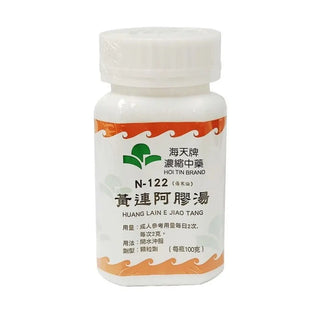
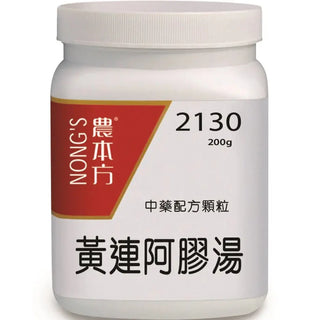
Nourishes yin and blood, moistens dryness, and calms the spirit. Apply to yin-blood deficiency with vexation and insomnia, as in Huang Lian E Jiao Tang.
How Ji Zi Huang Is Used in TCM
In the Chinese materia medica, Ji Zi Huang is classified among the Tonifying herbs. It appears in 1 classical formulas in our library.
Formulas containing Ji Zi Huang are traditionally used for:
InsomniaAnxiety Restlessness
Classical Formulas Containing Ji Zi Huang
Frequently Asked Questions
What is Ji Zi Huang? Are E Jiao and egg white the same?
Ji Zi Huang (鸡子黄) is the egg yolk of Gallus gallus domesticus, also called chicken egg yolk. E Jiao is sweet-neutral: supplements Blood, nourishes yin, moistens dryness and stops bleeding—it is donkey-hide glue. Egg white is sweet-cool: clears heat and resolves toxin. Write Ji Zi Huang. Use caution in phlegm-damp and Spleen vacuity with overeating.
What are the TCM properties and traditional uses of Ji Zi Huang?
Classical materia medica records Ji Zi Huang as sweet and neutral, entering the Heart, Kidney and Spleen channels, and acting to nourish yin, moisten dryness, nourish Blood and extinguish wind. It is used for irritability and insomnia, convulsions in heat disease, consumptive vomiting of blood, vomiting and diarrhea. Sweet and neutral, it suits yin-vacuity dryness-heat and Blood vacuity—not phlegm-damp, or Spleen vacuity with overeating.
How do you choose raw versus cooked yolk? Can E Jiao replace it?
Raw or mixed with a medicinal decoction leans to nourishing yin and extinguishing wind. Cooking leans to nourishing Blood. Donkey-hide glue is stronger for supplementing Blood; it cannot replace extinguishing wind by equal weight. Commercial yolk powder is not equal-weight pieces. Raw use requires fresh, hygienic eggs.
Learn More About Ji Zi Huang
Explore our in-depth article covering the traditional uses, properties, functions, and TCM context of Ji Zi Huang.
Read the Ji Zi Huang Guide →
Medical Disclaimer — This article is provided for educational purposes only and describes traditional Chinese medicine concepts. It is not medical advice, and it is not intended to diagnose, treat, cure or prevent any disease. Always consult a qualified practitioner before using any herb, particularly if you are pregnant, nursing, taking medication or managing a diagnosed condition.