Jiu Cai Zi (韭菜子; Jiǔ Cài Zǐ; Latin: Allii Tuberosi Semen; English: Chinese chive seed) is the dried ripe seed of the familiar chive plant, harvested in autumn when the flower stalks dry and the seeds turn black. In some regions it is stir-fried with salt water to make salt-processed Jiu Cai Zi, which stores well and is said to strengthen the warming effect. It is sweet and pungent, warm, enters the Liver and Kidney channels, and its core actions are to warmly nourish the liver and kidneys, and to secure essence and reduce urination. It is usually crushed before decocting, with no special "decoct first" or "add later" step. The usual amount is 3–9 g. Food-style use is about 3–5 g per time, far below the medicinal dose.
It is not Tu Si Zi. Tu Si Zi is neutral and sweet, gentle, warm without being drying, and also brightens the eyes and stops diarrhea, balancing both yin and yang. Jiu Cai Zi is warmer and more drying, with a stronger holding-in action. It is not a direct swap for Bu Gu Zhi. Bu Gu Zhi warms the kidneys and also warms the spleen to stop diarrhea, while Jiu Cai Zi leans toward the liver-kidneys and securing essence. Use caution in pregnancy. People with yin-deficiency heat — dry mouth, mouth sores, dry bound stools — should not self-use, or the warmth feeds internal heat. Damp-heat pouring downward, with scanty dark urine and a thick greasy tongue coating, is a poor match, because consolidation may trap the pathogen. Do not keep increasing the dose over a long course.
It is used most often for three patterns:
-
Liver-kidney deficiency — weak, achy lower back and knees, frequent urination, involuntary seminal emission
-
Kidney qi not securing — slippery emission, nighttime urination, thin clear vaginal discharge
-
Cold lower back with nocturia — autumn-winter care only; persistent symptoms need a clinic first
Sweet, pungent, and warm, it is not a daily "yang-tonic seed" to keep adding. When there is no cold-deficiency pattern, warming freely dries the fluids and worsens internal heat.
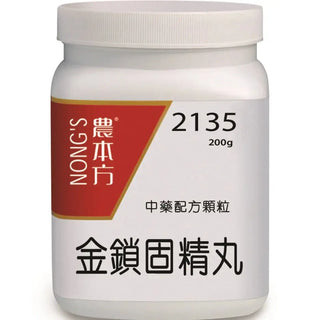
When liver-kidney yang is insufficient and kidney qi fails to hold, the lower back feels cold and weak, urine is frequent, and essence leaks away. Jiu Cai Zi is sweet, pungent, and warm. It warms the liver-kidneys and secures essence and urine, which is why it appears in Jin Suo Gu Jing Wan–type formulas and Jiu Zi Wan–type formulas. It holds more than it soothes. A yin-deficient, heat-dried constitution, with no cold pattern, gets worse if more is added.
Jiu Cai Zi is not a catch-all yang or essence seed. In yin-deficiency heat, damp-heat, or pregnancy, using it alone is a poor match. Whether it belongs in a formula, and at what dose, should be decided by a licensed Chinese medicine practitioner after pattern diagnosis.