Qi-Regulating Formulas

半夏厚朴湯 · Bàn Xià Hòu Pò Tāng

Ban Xia Hou Po Tang

A classical formula for plum-pit Qi from phlegm and Qi constraint in the throat and chest.

View formula profile →
Last reviewed August 2026
Formula CategoryQi-Regulating Formulas
Primary PatternQi Stagnation
Primary FunctionMove Qi, resolve phlegm, dissipate clumps
Primary Therapeutic PrincipleMove constrained Qi and transform phlegm in the throat and chest
Main HerbsPinellia Rhizome · Magnolia Bark · Poria / Hoelen · Fresh Ginger · Perilla Leaf
Classical SourceShang Han Lun (Zhang Zhongjing, Eastern Han)

Why This Formula?

Traditionally selected for plum-pit Qi from phlegm and Qi constraint in the throat, rather than broad Qi stagnation, Liver constraint hypochondriac pain, or Stomach Qi counterflow with hard glomus.

Traditionally selected for plum-pit Qi from phlegm and Qi constraint in the throat, rather than broad Qi stagnation, Liver constraint hypochondriac pain, or Stomach Qi counterflow with hard glomus.

What Is Ban Xia Hou Po Tang?

1. Classical Literature Records

Ban Xia Hou Po Tang (半夏厚朴汤), or Pinellia and Magnolia Bark Decoction, is a classical formula from Zhang Zhongjing’s Jin Gui Yao Lue (Essentials from the Golden Cabinet). It belongs to the category of formulas that promote the movement of Qi and transform Phlegm.

This formula addresses the classic pattern of Plum-Pit Qi (Mei He Qi), in which stagnant Qi combines with Phlegm to create a sensation of something stuck in the throat that can neither be swallowed nor spat out. The condition is often triggered or worsened by emotional constraint. Typical signs include a persistent foreign-body sensation in the throat, chest fullness or oppression, possible mild nausea or cough, a white moist or greasy tongue coating, and a wiry pulse.

Combining Ban Xia as the chief herb to transform Phlegm, dissipate clumps, and descend rebellious Qi, Hou Po to move Qi, dry Dampness, and relieve the sense of obstruction, Fu Ling to strengthen the Spleen and leach out Dampness (addressing the root of Phlegm production), Sheng Jiang to harmonize the Stomach and assist in transforming Phlegm, and Zi Su Ye to regulate Qi and soothe the Liver while dispersing constraint, Ban Xia Hou Po Tang effectively moves stagnant Qi, transforms Phlegm, and resolves the characteristic throat obstruction of Plum-Pit Qi.

Ban Xia Hou Pu Tang: Moving Qi, Dissipating Stagnation, Descending Rebellious Qi and Resolving Phlegm — Precision Care for Plum-Pit Qi, Gastroesophageal Reflux and Globus Sensation | HJMEDICAL

2. Plum-Pit Qi (Globus Sensation)

This is the absolute classic use case for Ban Xia Hou Po Tang.

  • Symptoms: Patients feel as though a physical object is stuck in their throat—they can't swallow it down, and they can't cough it out. It is often accompanied by emotional tension, anxiety, and a tight chest.
  • Action: The formula gets stagnant energy moving and dissolves the invisible phlegm, effectively clearing the throat and relieving the discomfort.

3. Chronic Pharyngitis

Many people with chronic pharyngitis experience a dry, itchy throat along with that persistent "lump" feeling.

  • TCM Perspective: These symptoms perfectly match the TCM pattern of constrained Qi and congealed phlegm.
  • Action: By regulating energy flow and clearing out the phlegm, the formula helps soothe the throat and provides significant relief for chronic throat irritation.
Ban Xia Hou Pu Tang: Moving Qi, Dissipating Stagnation, Descending Rebellious Qi and Resolving Phlegm — Precision Care for Plum-Pit Qi, Gastroesophageal Reflux and Globus Sensation | HJMEDICAL

4. Gastrointestinal Neurosis (Stress-Related Digestion)

When stress and anxiety hit the digestive system, it can cause stomach fullness, pain, nausea, and vomiting.

  • TCM Perspective: Emotional distress causes Qi to stagnate, which in turn creates phlegm that blocks the stomach and intestines.
  • Action: Ban Xia Hou Po Tang moves the stuck energy, resolves the phlegm, and harmonizes the gut. This not only relieves the physical stomach issues but also helps calm the patient's mental and emotional state.

Herb Composition (Sovereign / Minister / Assistant / Envoy)

1. Chief Herb - Ban Xia

  • Profile: Spicy (acrid) and warm, it targets the Spleen, Stomach, and Lung channels.
  • Core Role: As the primary "Chief" ingredient in the Ban Xia Hou Po Tang formula, it directly attacks the root of the problem by drying up excess dampness and dissolving stubborn phlegm.
  • How it Works: In TCM, when your digestive system is sluggish, it creates fluid buildup (phlegm) that can get stuck in your throat. Ban Xia clears this blockage and helps your energy (Qi) flow downwards, which is essential for getting rid of that uncomfortable "foreign body" or "lump in the throat" sensation.

2. Deputy Herb - Hou Po

  • Profile: Bitter, spicy, and warm, working on the Spleen, Stomach, Lungs, and Large Intestine.
  • Core Role: It acts as the perfect sidekick to the Chief herb. It boosts the formula's overall ability to dry out dampness and push stagnant energy downwards.
  • How it Works: By getting the body's energy moving, Hou Po naturally helps dissolve stuck phlegm. It is especially effective at relieving feelings of tightness, bloating, or fullness in the chest and stomach that often accompany throat discomfort.

3. Adjuvant Herb - Fu Ling

  • Profile: Sweet, mild, and neutral in nature. It works on the Heart, Lungs, Spleen, and Kidneys.
  • Core Role: Think of Fu Ling as the cleanup crew. It gently drains excess dampness through urination while actively strengthening your digestive system.
  • How it Works: Because TCM believes that poor digestion is the "source" of phlegm, Fu Ling stops new phlegm from forming. As a bonus, it has a gentle, natural calming effect on the nervous system, helping to soothe the anxiety, restlessness, or emotional unease that often comes with feeling physically blocked up.

4. Adjuvant Herb - Sheng Jiang

  • Profile: Spicy and slightly warm, targeting the Lungs, Spleen, and Stomach.
  • Core Role: Better known as fresh ginger, this herb warms the digestive system, settles the stomach, and helps disperse physical stagnation.
  • How it Works: Its natural spiciness helps break through energy blockages, teaming up beautifully with Ban Xia and Hou Po. It also effectively eases any nausea or urge to vomit caused by stuck phlegm, while making the entire herbal blend gentler and easier for your stomach to digest.
Ban Xia Hou Pu Tang: Moving Qi, Dissipating Stagnation, Descending Rebellious Qi and Resolving Phlegm — Precision Care for Plum-Pit Qi, Gastroesophageal Reflux and Globus Sensation | HJMEDICAL

5. Envoy Herb - Su Ye

  • Profile: Spicy and slightly warm, targeting the Lungs and Spleen.
  • Core Role: As the "Envoy" or messenger herb, it guides the healing properties of all the other herbs straight upward to the throat.
  • How it Works: Su Ye helps push out mild external stressors (like wind or cold) and smooths out your energy flow in the upper body. By keeping the energy moving freely, it ensures the phlegm stays dissolved and helps your throat feel normal, relaxed, and clear again.

Clinical Presentation in TCM

1. Understanding the Root Cause (Pathomechanism)

In Traditional Chinese Medicine (TCM), the core issue that Ban Xia Hou Po Tang addresses is a sort of internal "traffic jam" where stagnant energy (Qi) and excess fluids (phlegm) block each other.

  • The Emotional Connection: This blockage usually begins with emotional stress or chronic frustration. In TCM, stress causes your Liver energy to become tight and constrained.
  • The Physical Result: When your energy stops flowing smoothly, your body's fluids pool together and thicken into what TCM calls "phlegm."
  • The "Plum-Pit" Sensation: This invisible phlegm and stuck energy knot together in the throat. It creates a highly specific feeling—often described in ancient texts as "a piece of roasted meat stuck in the throat." You feel a lump there, but you can neither swallow it down nor cough it up. This stagnation can also disrupt your digestion, leading to a tight chest, bloating, or nausea.

2. How the Formula Works (Actions)

The primary goal of this herbal blend is to dissolve the blockage and get your energy moving normally again. It does this through a team effort:

  • Moving Energy and Clearing Phlegm: The combination of Ban Xia and Hou Po does the heavy lifting by drying up the dampness, breaking down the stubborn phlegm, and pushing the rebellious, upward-surging energy back down where it belongs.
  • Stopping the Source: Fu Ling steps in to strengthen the digestive system, ensuring that your body stops producing new phlegm.
  • Soothing the Stomach: Sheng Jiang (ginger) uses its natural warmth to settle the stomach, relieving any nausea or urge to vomit.
  • Opening the Chest: Su Ye helps gently disperse the tightness in the upper body. Together, these actions allow your Qi to flow freely, melting away the phlegm and releasing the physical tension in your throat and chest.
Ban Xia Hou Pu Tang: Moving Qi, Dissipating Stagnation, Descending Rebellious Qi and Resolving Phlegm — Precision Care for Plum-Pit Qi, Gastroesophageal Reflux and Globus Sensation | HJMEDICAL

3. What It Treats (Indications)

Ban Xia Hou Po Tang is the absolute classic formula for treating "Plum-Pit Qi" (known in modern medical terms as globus sensation or globus hystericus).

  • Classic Symptoms: The defining symptom is a persistent feeling of a lump or obstruction in the throat. This is often accompanied by a feeling of fullness or tightness in the chest and diaphragm, mild coughing, occasional nausea, and a tongue coating that looks white and moist.
  • Modern Applications: Beyond the classic "lump in the throat," modern practitioners often use this formula for other issues that share the exact same root cause (stuck energy and congealed phlegm). When the underlying pattern matches, it can be helpful for conditions like chronic pharyngitis, stress-related digestive upset (gastrointestinal neurosis), or physical tightness triggered by anxiety.

The Mechanism in Classical Theory

1. Resolving Phlegm and Regulating Qi: Treating Root and Branch

This formula is designed to address both the immediate symptoms (the "branch") and the underlying cause (the "root") of the condition:

  • Treating the Branch: Ban Xia works to dry up dampness and melt away phlegm, while Hou Po pushes rebellious Qi (energy) downward to relieve feelings of fullness. Together, they break the cycle of phlegm and stagnant energy blocking each other.
  • Treating the Root: Fu Ling steps in to strengthen the Spleen (digestive system) and drain excess dampness. By improving digestion, it cuts off the production of new phlegm at its source.

2. Herbal Synergy for Enhanced Efficacy

The herbs in this formula work as a coordinated team:

  • Ban Xia and Hou Po pair up to multiply their power in drying dampness, descending Qi, and breaking up energetic traffic jams.
  • Sheng Jiang (fresh ginger) and Su Ye work together to disperse tight energy and settle the stomach to stop nausea, making the breakdown of phlegm much smoother.
  • Fu Ling supports the entire team by regulating how the body processes fluids, blood, and energy, boosting the overall effectiveness of the treatment.
Ban Xia Hou Pu Tang: Moving Qi, Dissipating Stagnation, Descending Rebellious Qi and Resolving Phlegm — Precision Care for Plum-Pit Qi, Gastroesophageal Reflux and Globus Sensation | HJMEDICAL

3. Guiding the Treatment to the Throat

In TCM formulas, an "envoy" herb acts as a tour guide. Here, Su Ye serves that role:

  • It carries the therapeutic actions of the other herbs directly upward to the throat, concentrating the formula's healing power right where the "plum-pit" sensation is felt.
  • Simultaneously, it helps relax the digestive area, making it highly effective at clearing that stubborn foreign-body sensation.

Clinical Comparison Table

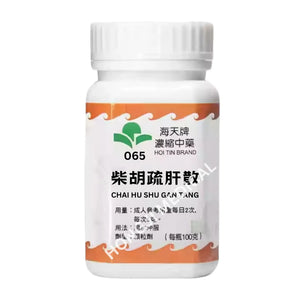
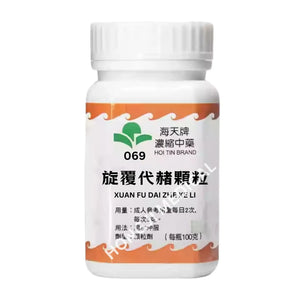
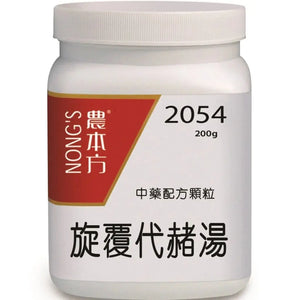
Compare Ban Xia Hou Po TangYue Ju WanChai Hu Shu Gan SanXuan Fu Dai Zhe Tang
Primary Function Move Qi, resolve phlegm, dissipate clumpsRegulate Qi, resolve stagnation of the Six ConstraintsCourse Liver Qi, regulate Qi, stop painDescend rebellious Qi, transform phlegm, benefit the Stomach
Formula Category Qi-Regulating FormulasQi-Regulating FormulasQi-Regulating FormulasPhlegm-Resolving Formulas
Typical TCM Pattern Qi StagnationQi StagnationQi StagnationQi Stagnation
Main Conditions Chest Tightness, Emotional Depression, Sore ThroatChest Tightness, Bloating, Emotional Depression, Poor Appetite, IndigestionHypochondriac Distension, Bloating, Emotional Depression, Chest TightnessNausea, Bloating, Stomach Discomfort, Acid Reflux
Main Herbs Pinellia Rhizome · Magnolia Bark · Poria / Hoelen · Fresh Ginger · Perilla LeafCyperus Rhizome · Atractylodes Rhizome · Chuanxiong Rhizome · Medicated Leaven · Gardenia FruitBupleurum Root · Cyperus Rhizome · Chuanxiong Rhizome · Bitter Orange · White Peony Root · Tangerine Peel · Honey-fried LicoriceInula Flower · Hematite · Ginseng Root · Pinellia Rhizome · Honey-fried Licorice · Fresh Ginger · Jujube / Chinese Date
Classical Source Shang Han Lun (Zhang Zhongjing, Eastern Han)Dan Xi Xin Fa (Teachings of Zhu Danxi, Yuan dynasty)Jing Yue Quan Shu (Complete Works of Jingyue, Ming dynasty)Shang Han Lun (Zhang Zhongjing, Eastern Han)

How to tell them apart

Ban Xia Hou Po Tang, Yue Ju Wan, Chai Hu Shu Gan San and Xuan Fu Dai Zhe Tang all move constrained Qi. Yue Ju Wan is a broad Qi-stagnation base; Chai Hu Shu Gan San spreads Liver Qi for hypochondriac pain; Xuan Fu Dai Zhe Tang descends rebellious Qi with epigastric glomus. Ban Xia Hou Po Tang specifically moves Qi and transforms phlegm for plum-pit Qi in the throat and chest.

For educational reference only, based on traditional pattern differentiation — not a substitute for professional advice.

Clinical Modifications for Ban Xia Hou Po Tang

1. For Marked Qi Stagnation

When energy (Qi) is severely stuck, practitioners often add Xiang Fu and Yu Jin to enhance the formula's unblocking power.

  • Xiang Fu: Works to soothe the Liver, relieve internal tightness, and regulate menstruation to ease pain.
  • Yu Jin: Helps activate blood flow, clear emotional blockages, and cool the blood. Together, they powerfully get your body's energy moving freely again.

2. For Marked Phlegm Constraint

If stubborn, congealed phlegm is the main issue, Gua Lou and Bei Mu can be added to soften and dissolve it.

  • Gua Lou: Clears heat, flushes out phlegm, and opens up tightness in the chest.
  • Bei Mu: Moistens the lungs, clears heat, and reduces swelling. These herbs work perfectly together to break down thick, stubborn phlegm knots.
Ban Xia Hou Pu Tang: Moving Qi, Dissipating Stagnation, Descending Rebellious Qi and Resolving Phlegm — Precision Care for Plum-Pit Qi, Gastroesophageal Reflux and Globus Sensation | HJMEDICAL

3. For Concurrent Spleen Deficiency

If the patient also has weak digestion (Spleen deficiency), Bai Zhu and Dang Shen are included to strengthen the system.

  • Bai Zhu: Strengthens digestion and dries up excess dampness.
  • Dang Shen: Boosts overall energy and nourishes the blood. By strengthening the digestive system, these herbs stop new phlegm from forming right at the source.

What the Science Suggests

1. Pharmacological Research

Ban Xia Hou Po Tang remains the gold standard formula for treating "plum-pit qi" (the sensation of something stuck in the throat) and related conditions like chronic pharyngitis, chronic bronchitis, and stress-induced digestive issues. Modern pharmacology has broken down how these traditional herbs work from a scientific perspective:

  • Ban Xia: Acts as an expectorant (clears phlegm), stops coughing, and prevents vomiting.
  • Hou Po: Offers antibacterial, anti-inflammatory, and muscle-relaxing (antispasmodic) effects.
  • Fu Ling: Helps boost the immune system and promotes healthy fluid elimination.
  • Sheng Jiang: Stimulates healthy digestive juices and relieves nausea.
  • Su Ye: Provides natural antibacterial and anti-allergic benefits.

2. Clinical Research

Numerous modern clinical studies back up the traditional uses of Ban Xia Hou Po Tang. Researchers tracking patient symptoms have noted significant improvements in clearing the "lump in the throat" sensation and relieving chest or stomach tightness. It has proven highly effective in improving the daily quality of life for patients dealing with both physical throat irritation and stress-related gut issues (gastrointestinal neurosis).

Ban Xia Hou Pu Tang: Moving Qi, Dissipating Stagnation, Descending Rebellious Qi and Resolving Phlegm — Precision Care for Plum-Pit Qi, Gastroesophageal Reflux and Globus Sensation | HJMEDICAL

3. Formulation Improvement Research

Thanks to modern pharmaceutical technology, you don't always have to boil raw herbs to get the benefits of this formula. While it started as a traditional water decoction, modern research has successfully adapted it into concentrated granules, capsules, and tablets. These modern formats maintain the formula's original healing power while making the medicine much more convenient to take and more stable for long-term storage.

Safety Considerations

1. Dietary and Emotional Guidance

While taking Ban Xia Hou Po Tang, avoid cold, raw, greasy, spicy, and other irritating foods, as they may impair digestion, promote phlegm-dampness, or aggravate symptoms. Maintain a calm, positive mood and avoid excessive anxiety, depression, or anger, since emotional stress can disrupt qi flow and reduce treatment effectiveness.

2. Special Populations

Pregnant women should use Ban Xia Hou Po Tang only under professional medical supervision. People with weak constitutions should also consult a physician, who can adjust the dosage and treatment duration to avoid harming the body’s vital qi.

Questions About Ban Xia Hou Po Tang

Q1: What are the actions of Ban Xia Hou Po Tang?
Ban Xia Hou Po Tang has the actions of moving Qi, dispersing stagnation and clumps, descending rebellious Qi, and transforming Phlegm. It is the classic formula for the sensation of something stuck in the throat caused by the binding of stagnant Qi and Phlegm.
Q2: Which modern diseases is Ban Xia Hou Po Tang suited to?
Modern TCM clinical practice commonly applies it to individuals whose pattern differentiation falls within Qi stagnation with Phlegm, including globus sensation (plum-pit Qi), chronic pharyngitis of Qi-Phlegm type, esophageal spasm, certain functional gastrointestinal or anxiety-related throat and chest symptoms, and chronic cough or bronchitis with Phlegm-Qi stagnation linked to emotional constraint.
Q3: Is Ban Xia Hou Po Tang suitable for improving the sensation of something stuck in the throat?
For presentations of a persistent feeling that something is lodged in the throat (neither swallowable nor coughable), often accompanied by chest or diaphragm fullness and oppression, possible mild cough or nausea, a white moist or greasy tongue coating, and a wiry or slippery pulse — especially when symptoms worsen with emotional stress — TCM commonly applies Ban Xia Hou Po Tang as an adjunct. It cannot replace medical evaluation to rule out structural throat or esophageal problems.
Q4: Who should not take Ban Xia Hou Po Tang?
Those with Yin deficiency and Heat or dryness, Qi stagnation that has transformed into Fire (red tongue with scant coating, bitter taste, irritability), or pure Heat patterns are generally not suitable. The formula is warm, acrid, and drying; it can further damage Yin fluids. Caution is advised in pregnancy. Use should be assessed by a qualified TCM physician.
Q5: Why does this formula combine Ban Xia and Hou Po with Fu Ling, Sheng Jiang, and Zi Su Ye?
Ban Xia transforms Phlegm, dissipates clumps, and descends rebellious Qi. Hou Po moves Qi, dries Dampness, and relieves fullness and oppression. Fu Ling strengthens the Spleen and leaches Dampness to reduce the source of Phlegm. Sheng Jiang assists Ban Xia in descending Qi and harmonizing the Stomach. Zi Su Ye gently disperses and moves Qi in the Upper Burner and helps the overall regulation of constrained Qi. Together they untangle the knot of stagnant Qi and Phlegm in the throat and chest.
Q6: Can Ban Xia Hou Po Tang help both the throat sensation and associated emotional or chest symptoms?
Yes. Classically described for women with the sensation of a piece of roasted meat stuck in the throat, the formula addresses the underlying Qi constraint and Phlegm binding that often arise from emotional stress. When the same pattern produces chest fullness, mild cough, nausea, or anxiety-related somatic symptoms, the formula can address both the local throat sensation and the broader Qi-Phlegm stagnation.
Q7: What are the main ingredients of Ban Xia Hou Po Tang?
The classical formula consists of Ban Xia to transform Phlegm, dissipate clumps, and descend Qi; Hou Po to move Qi, dry Dampness, and relieve fullness; Fu Ling to strengthen the Spleen and leach Dampness; Sheng Jiang to warm and descend rebellious Qi; and Zi Su Ye to disperse and regulate Qi, especially in the Upper Burner.
Q8: Is Ban Xia Hou Po Tang suitable for long-term use?
It is generally used for a defined course while Qi-Phlegm stagnation is being resolved. Because the formula is warm and drying, prolonged continuous use without monitoring can damage Yin or fluids. Once the throat sensation and chest oppression improve, the formula should be modified or discontinued under professional guidance.
Q9: How does Ban Xia Hou Po Tang differ from formulas that clear Heat from the throat or nourish Yin for dry throat?
Heat-clearing throat formulas address red, painful, swollen throats with Heat signs. Yin-nourishing formulas treat dry throat and irritation from fluid deficiency. Ban Xia Hou Po Tang specifically targets the subjective “stuck” sensation caused by the binding of stagnant Qi and Phlegm without significant Heat or dryness; its warm, drying, and Qi-moving nature is inappropriate when Yin deficiency or Heat predominates.
Q10: What lifestyle advice supports the use of Ban Xia Hou Po Tang?
Managing emotional stress, avoiding greasy and Phlegm-producing foods, eating regular moderate meals, gentle physical activity to move Qi, and reducing excessive worrying or suppressed emotions help the formula regulate Qi and transform Phlegm. Persistent throat sensations should be properly evaluated to exclude structural or serious medical causes.

General Questions

How do I choose the right formula?
TCM formulas are traditionally selected according to individual pattern differentiation rather than by symptom alone. If you're not sure which formula fits your presentation, take our AI Assessment below for a personalized starting point, then confirm with a qualified TCM practitioner.
What are concentrated herbal granules?
Concentrated herbal granules are made by decocting raw herbs, then extracting and concentrating the resulting liquid into a fine granule or powder form. This preserves the same active compounds as a traditional decoction while making the herbs far easier to store, measure, and prepare.
How should I take these products?
Dissolve the recommended amount of granules in hot water, stir until fully dissolved, and drink while warm — following the dosage and frequency advised by your TCM practitioner or as stated on the product packaging.
Are concentrated herbal granules equivalent to traditional decoctions?
Concentrated granules are produced from the same herbs and processed to retain their active compounds, so they are traditionally regarded as a convenient alternative to decoctions rather than a different remedy. Some practitioners note subtle differences in strength or absorption between the two forms, so your TCM practitioner may adjust dosage accordingly.
Are your products authentic?
Yes. HJMEDICAL sources its concentrated granules exclusively from established, reputable manufacturers such as Nong's and Hoi Tin, both long-standing names in the TCM granules industry, with GMP compliance stated directly on their packaging.
Are HJMEDICAL products manufactured under GMP standards?
HJMEDICAL sources its concentrated granules from established, reputable manufacturers such as Nong's and Hoi Tin, both long-standing names in the TCM granules industry. GMP compliance for these products is stated directly on their packaging.
Do you ship internationally?
Yes — we ship worldwide! Every order goes out via Hong Kong Post, and your exact shipping cost and estimated delivery time for your address are calculated and shown right at checkout, so there are never any surprises. We also offer free shipping once your order reaches our free-shipping threshold, so it's easy to stock up on your favorite formulas and save.
Can I take more than one formula at the same time?
Some formulas are traditionally combined, while others overlap or counteract each other. We recommend checking with a qualified TCM practitioner before combining formulas, especially if you are already taking other medication.
Are these products suitable during pregnancy or breastfeeding?
Some TCM formulas are not suitable during pregnancy or breastfeeding. Please consult a qualified TCM practitioner or your doctor before use if you are pregnant, trying to conceive, or nursing.
Do these products replace medical treatment?
No. These products are traditional herbal supplements intended to support wellbeing according to TCM principles — they are not a replacement for professional medical diagnosis or treatment. Please consult a qualified TCM practitioner or licensed healthcare provider before starting, stopping, or combining any treatment, especially if you have a chronic condition.
Medical Disclaimer

For general TCM education only — not medical advice. Consult a qualified TCM practitioner or licensed healthcare provider before use, especially if pregnant, nursing, on medication, or managing a chronic condition.

Not sure which formula is right for you?

Take the AI Assessment

最新文章

Login

Forgot your password?

Don't have an account yet?
Create account

Ban Xia Hou Po Tang: Classic TCM Formula for Plum-Pit Qi, Throat Discomfort & Qi Stagnation with Phlegm