
木香順氣丸 · Mù Xiāng Shùn Qì Wán
Mu Xiang Shun Qi Wan
A classical formula for middle-jiao Qi stagnation with damp — epigastric fullness, bloating and poor appetite.
View formula profile →Why This Formula?
Traditionally selected for middle-jiao Qi stagnation with damp and poor appetite, rather than water-damp, broad six-constraint stagnation, or pure food accumulation.
Traditionally selected for middle-jiao Qi stagnation with damp and poor appetite, rather than water-damp, broad six-constraint stagnation, or pure food accumulation.
Overview
What Is Mu Xiang Shun Qi Wan?
1. Ancient Classics Inheritance
Mu Xiang Shun Qi Wan (木香顺气丸), or Aucklandia Pill to Smooth the Flow of Qi, is a classical Ming-Qing Qi-regulating formula preserved in later formularies and still widely used as a prepared pill. It belongs to the category of formulas that move Qi, dry Dampness, and harmonize the Spleen and Stomach.
This formula addresses Qi stagnation with Damp turbidity in the Middle Burner, a pattern of fullness that is worse with emotional constraint or greasy food. Typical signs include epigastric and abdominal distention, belching, nausea, poor appetite, a greasy white tongue coating, and a wiry or slippery pulse.
Combining Mu Xiang and Xiang Fu to course Liver Qi and move stagnant Qi in the Middle, Qing Pi, Chen Pi, Zhi Ke, and Bing Lang to break Qi accumulation and relieve distention, Cang Zhu, Hou Po, and Sha Ren to dry Dampness, aromatically awaken the Spleen, and descend Qi, and Gan Cao to harmonize, Mu Xiang Shun Qi Wan restores the downward and outward flow of Qi without the stronger purgative emphasis of Mu Xiang Bing Lang Wan.

Disclaimer: Traditional herbal formulas are used as supportive care and should be taken under the guidance of a qualified healthcare professional.
2. Digestive System Conditions
In traditional practice, this formula is highly valued for common stomach and intestinal complaints:
- Chronic Gastritis: Patients often experience a heavy, bloated feeling, mild pain, or nausea. These are classic signs of trapped Qi and dampness. By unblocking energy and strengthening the stomach, Mu Xiang Shun Qi Wan (Aucklandia Qi-Promoting Pill) can help soothe gastrointestinal discomfort and support the stomach's natural recovery process.
- General Indigestion: Whether caused by overeating or emotional stress, indigestion often leads to fullness, loss of appetite, and nausea. This formula helps restart the digestive engine, encouraging the stomach to process food properly and relieving stress-induced stomach aches.

3. Gastrointestinal Dysfunction
The mind-gut connection is a huge focus in traditional wellness, making this formula particularly useful for functional gut issues:
- Gastrointestinal Neurosis (Stress-Related Gut Issues): When anxiety or tension causes stomach spasms, bloating, or irregular bowel habits, this formula can be very supportive. Because it helps "soothe the liver" (which regulates stress in TCM), it gently eases both the physical stomach cramps and the emotional tension driving them.
- Functional Dyspepsia: This common condition involves early fullness, post-meal bloating, and upper abdominal discomfort without an obvious physical cause. By promoting natural gut motility and helping energy flow downward, the formula can significantly improve daily digestive comfort and appetite.
How It Works
Herb Composition (Sovereign / Minister / Assistant / Envoy)
1. Emperor Herb: Mu Xiang
Mu Xiang (Aucklandia Root) serves as the primary "emperor" herb in Mu Xiang Shun Qi Wan (Aucklandia Qi-Promoting Pill). It is warm in nature with an acrid and bitter taste, primarily targeting the spleen, stomach, large intestine, Sanjiao, and gallbladder meridians. It is highly regarded for promoting Qi circulation, relieving pain, and supporting digestion. Because it excels at clearing blockages in the gastrointestinal tract, it is highly effective at relieving core symptoms like stomach bloating, belching, and pain, making it the leading herb in this formula.
2. Minister Herbs: Hou Po, Qing Pi, and Xiang Fu
- Hou Po (Magnolia Bark): Warm, bitter, and acrid, this herb targets the spleen, stomach, lungs, and large intestine. It is traditionally used to dry dampness, resolve phlegm, and reduce bloating. It works perfectly alongside Mu Xiang to enhance the formula's ability to move stagnant Qi and relieve fullness in the gut.
- Qing Pi (Green Tangerine Peel): Warm and bitter, targeting the liver and gallbladder. It is known for soothing the liver, breaking up stagnant energy, and resolving blockages. It assists the emperor herb by specifically addressing digestive discomfort and side pain caused by emotional stress and liver Qi stagnation.
- Xiang Fu (Cyperus Rhizome): Neutral in nature, it targets the liver, spleen, and Sanjiao. It is famous for relieving liver depression, regulating Qi, and easing pain. It teams up with Mu Xiang and Qing Pi to calm the nervous system and manage digestive issues linked to a bad mood or stress.
3. Assistant Herbs: Bing Lang, Zhi Ke, and Sha Ren
- Bing Lang (Areca Seed): Warm and bitter, targeting the stomach and large intestine. It helps eliminate accumulation, promote downward Qi flow, and support digestion. It encourages healthy gut motility, assisting the main herbs in relieving severe bloating.
- Zhi Ke (Aurantium): Slightly cold and sour, it focuses on regulating Qi and reducing distention. It breaks down blockages and works synergistically with Mu Xiang and Hou Po to ease stomach tightness and fullness.
- Sha Ren (Amomum Fruit): Warm and acrid, targeting the spleen, stomach, and kidneys. It helps transform dampness, awaken the spleen, and harmonize the stomach. It ensures that the strong Qi-moving herbs in the formula do not exhaust the body by actively protecting and gently warming the digestive system.

4. Courier Herb: Zhi Gan Cao
Zhi Gan Cao (Honey-Fried Licorice Root) acts as the courier or guiding herb. It works to replenish spleen Qi and harmonize all the other herbs in the formula. This ensures that the diverse ingredients work together smoothly and gently to achieve the best, most balanced therapeutic effect.
Symptoms Traditionally Associated
Clinical Presentation in TCM
1. Pathogenesis
This formula primarily targets spleen and stomach Qi stagnation. In traditional practice, the spleen and stomach are the foundation of digestion and energy production. When their function is disrupted, the body's energy (Qi) gets blocked. This can be caused by:
- Poor diet: Overeating or consuming too much greasy, cold, or raw food.
- Emotional stress: Negative emotions can cause liver Qi to stagnate, which then "attacks" the stomach and disrupts digestion.
- External elements: Environmental cold and dampness can invade the digestive tract.
Over time, this trapped energy leads to uncomfortable symptoms like abdominal pain, nausea, bloating, and loss of appetite. If left unmanaged, it can further disrupt fluid balance and overall health.
2. Efficacy
Mu Xiang Shun Qi Wan is designed to promote Qi circulation, resolve dampness, and strengthen the spleen and stomach. The combination of herbs like Mu Xiang, Hou Po, and Qing Pi provides a strong mechanism to unblock trapped energy. Meanwhile, herbs like Sha Ren and Zhi Gan Cao gently support and awaken the digestive system. Together, they clear out stagnation and help restore normal, comfortable digestion.

3. Indications
This formula is traditionally used to help manage symptoms associated with digestive disharmony and trapped dampness, including:
- Chest and diaphragm tightness: A feeling of pressure caused by blocked energy in the upper digestive tract.
- Abdominal bloating and pain: The most classic sign of stagnant stomach Qi, often worsening after eating.
- Nausea and vomiting: This occurs when stomach Qi rebels upward instead of moving food downward naturally.
- Frequent belching and poor appetite: A direct result of the stomach and spleen failing to process food and energy properly.
Formula Analysis
The Mechanism in Classical Theory
1. Promoting Qi Circulation and Reducing Bloating
In Mu Xiang Shun Qi Wan (Aucklandia Qi-Promoting Pill), several key herbs team up to create a powerful engine for moving trapped energy and easing discomfort:
- A synergistic blend: Herbs like Mu Xiang (Aucklandia Root), Hou Po (Magnolia Bark), Qing Pi (Green Tangerine Peel), Xiang Fu (Cyperus Rhizome), Bing Lang (Areca Seed), and Zhi Ke (Aurantium) work perfectly together.
- Targeting the root and symptoms: Mu Xiang is the star for stopping pain, while Hou Po dries up dampness. Qing Pi and Xiang Fu specifically soothe the liver and relieve stress-related blockages. Meanwhile, Bing Lang and Zhi Ke help physically push things along, promoting healthy gut motility.
- The overall effect: Together, they quickly dissipate stagnant Qi, effectively relieving abdominal tightness, fullness, and bloating.
2. Resolving Dampness and Awakening the Spleen
When the digestive system is stuck, it often accumulates "dampness" (sluggish fluid metabolism). Sha Ren (Amomum Fruit) plays a crucial role here.
- Clearing the path: It excels at transforming dampness and "awakening" the spleen, improving the gut's internal environment so it can process food efficiently again.
- Balancing the formula: While the other herbs are busy pushing energy downward, Sha Ren gently protects the stomach. It ensures the formula isn't too harsh or depleting, providing a much-needed harmonizing touch.

3. Strengthening the Spleen and Harmonizing the Stomach
The ultimate goal of this formula isn't just to clear blockages, but to rebuild digestive strength.
- Gentle nourishment: Zhi Gan Cao (Honey-Fried Licorice Root) steps in to replenish the spleen's energy and improve its natural resilience.
- Tying it all together: It acts as a peacemaker, smoothing out the strong properties of the other herbs so they don't irritate the stomach. Through this supportive action, the formula achieves a holistic balance—clearing out the bad (stagnation) while building up the good (digestive health).
How This Formula Compares
Clinical Comparison Table
| Compare | Mu Xiang Shun Qi Wan | Wei Ling Tang | Yue Ju Wan | Bao He Wan |
|---|---|---|---|---|
| Primary Function | Move Qi, resolve stagnation, dry damp, harmonize middle | Dry Middle Damp, promote urination, strengthen Spleen | Regulate Qi, resolve stagnation of the Six Constraints | Promote digestion, resolve food stagnation |
| Formula Category | Qi-Regulating Formulas | Dampness-Draining Formulas | Qi-Regulating Formulas | Digestive Formulas |
| Typical TCM Pattern | Qi Stagnation | Dampness | Qi Stagnation | Food Stagnation |
| Main Conditions | Bloating, Poor Appetite, Abdominal Pain, Nausea | Diarrhea, Bloating, Stomach Discomfort, Poor Appetite, Edema | Chest Tightness, Bloating, Emotional Depression, Poor Appetite, Indigestion | Indigestion, Bloating, Poor Appetite, Stomach Discomfort, Acid Reflux, Diarrhea |
| Main Herbs | Aucklandia / Costus Root · Tangerine Peel · Green Tangerine Peel · Bitter Orange · Magnolia Bark · Atractylodes Rhizome · Amomum Fruit · Cyperus Rhizome · Lindera Root · Licorice Root | Atractylodes Rhizome · Magnolia Bark · Tangerine Peel · White Atractylodes Rhizome · Poria / Hoelen · Polyporus · Alisma Rhizome · Cinnamon Twig · Licorice Root | Cyperus Rhizome · Atractylodes Rhizome · Chuanxiong Rhizome · Medicated Leaven · Gardenia Fruit | Hawthorn Fruit · Medicated Leaven · Radish Seed · Pinellia Rhizome · Tangerine Peel · Poria / Hoelen · Forsythia Fruit |
| Classical Source | Classical TCM formulary | Combination of Ping Wei San + Wu Ling San (traditional) | Dan Xi Xin Fa (Teachings of Zhu Danxi, Yuan dynasty) | Dan Xi Xin Fa (Zhu Danxi, Yuan dynasty) |
How to tell them apart
Mu Xiang Shun Qi Wan, Wei Ling Tang, Yue Ju Wan and Bao He Wan move Qi or resolve damp and food stagnation. Wei Ling Tang dries damp and drains water; Yue Ju Wan is the broad Qi-stagnation base; Bao He Wan resolves food accumulation. Mu Xiang Shun Qi Wan moves middle-jiao Qi and dries damp for epigastric fullness, bloating and poor appetite.
Clinical Modifications
Clinical Modifications for Mu Xiang Shun Qi Wan
Depending on the individual's specific symptoms, traditional practitioners will often adjust the base formula of Mu Xiang Shun Qi Wan (Aucklandia Qi-Promoting Pill) to better suit their unique needs.
1. Severe Qi Stagnation
If a person experiences intense stomach bloating and sharp pain, extra pain-relieving herbs are added to the mix.
- Key Additions: Practitioners often include Yan Hu Suo (Corydalis Rhizome) and Chuan Lian Zi (Toosendan Fruit).
- The Goal: Yan Hu Suo is excellent at promoting blood and Qi circulation to relieve localized pain, while Chuan Lian Zi helps clear out liver heat and ease stress-related cramps. Together, they provide much stronger relief for stubborn stagnation.
2. Heavy Dampness
When internal "dampness" is the primary issue—which might show up as a heavy feeling in the head and limbs, extreme sluggishness, or a thick tongue coating—the formula needs more drying power.
- Key Additions: Herbs like Cang Zhu (Atractylodes Rhizome) and Fu Ling (Poria) are commonly added.
- The Goal: Cang Zhu strongly dries out internal dampness, and Fu Ling gently drains excess fluids out of the body. This combination helps clear the digestive system so the Qi-moving herbs can do their job effectively.

3. Noticeable Spleen and Stomach Weakness
If the patient is very fatigued, has a pale complexion, or lacks the energy to even speak, their core digestive energy needs a gentle boost rather than a strong push.
- Key Additions: Mild, nourishing herbs like Dang Shen (Codonopsis Root) and Bai Zhu (Atractylodes Rhizome) are introduced.
- The Goal: These herbs deeply nourish the spleen and replenish the body's core energy. This ensures that the stronger, moving herbs in the formula don't accidentally exhaust an already weakened system, balancing action with nourishment.
Modern Research
What the Science Suggests
Modern science has been exploring how Mu Xiang Shun Qi Wan (Aucklandia Qi-Promoting Pill) works on a biological level, providing interesting insights into its traditional uses.
1. Pharmacological Research
Recent lab studies have focused on how this formula physically interacts with the digestive system:
- Boosting gut motility: Research shows that ingredients like Mu Xiang (Aucklandia Root), Hou Po (Magnolia Bark), and Zhi Ke (Aurantium) can directly stimulate the smooth muscles of the stomach and intestines. This helps speed up gastric emptying and gets sluggish digestion moving again, which naturally relieves bloating.
- Regulating digestive fluids: The formula has been observed to encourage the healthy secretion of gastric juices and bile. This helps the body break down and absorb nutrients more efficiently, correcting digestion at the root level.
2. Clinical Efficacy Observations
In real-world clinical settings, researchers have noted positive outcomes for various digestive complaints:
- Effective symptom relief: For conditions like chronic gastritis and functional dyspepsia, studies indicate that the formula can significantly reduce bloating, pain, and frequent belching, improving the patient's daily comfort.
- Stomach lining support: It has shown potential in supporting the natural repair of the gastric mucosa (the stomach lining), especially when compared to certain standard treatments.
- Safety profile: Clinical reviews often highlight its overall safety. When used correctly under professional guidance, it generally presents a low rate of adverse side effects.

3. Quality Control Research
To ensure every batch is safe and effective, modern manufacturing has stepped up its game:
- Advanced testing: Techniques like High-Performance Liquid Chromatography (HPLC) and Gas Chromatography (GC) are now routinely used. These tools measure the exact active compounds in the herbs, ensuring that every pill is consistent and reliable.
- Process optimization: Ongoing research into how the herbs are prepared and extracted means the final product is more stable and better suited for clinical use, providing a trustworthy option for patients.
Safety
Safety Considerations
1. Dietary Restrictions and Emotional Regulation
While taking Muxiang Shunqi Pills, avoid raw or cold, greasy, spicy, and other irritating foods, as they may burden the digestive system and worsen gastrointestinal qi stagnation. Maintain a calm mood and avoid anxiety, depression, or anger. Moderate exercise, music, and social interaction may help relieve stress and support recovery.
2. Special-Population Precautions
Pregnant women should not use Muxiang Shunqi Pills because their qi-regulating ingredients may adversely affect the fetus. People allergic to any ingredient should also avoid the medicine. Seek medical attention immediately if signs of an allergic reaction, such as rash, itching, or difficulty breathing, occur.
Available Products
Where to Get It
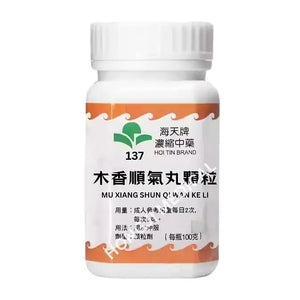 HJMEDICAL
Hoi Tin Mu Xiang Shun Qi Wan (Aucklandia Rectify Qi Pill) 5:1 Concentrated Granules
$30.50
HJMEDICAL
Hoi Tin Mu Xiang Shun Qi Wan (Aucklandia Rectify Qi Pill) 5:1 Concentrated Granules
$30.50
 HJMEDICAL
Hoi Tin Wei Ling Tang (Stomach-Poria Combined Decoction) 5:1 Concentrated Granules
$30.50
HJMEDICAL
Hoi Tin Wei Ling Tang (Stomach-Poria Combined Decoction) 5:1 Concentrated Granules
$30.50
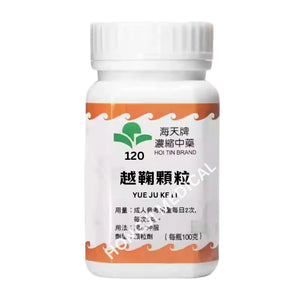 HJMEDICAL
Hoi Tin Yue Ju Wan (Escape Restraint Pill) 5:1 Concentrated Granules
$24.93
HJMEDICAL
Hoi Tin Yue Ju Wan (Escape Restraint Pill) 5:1 Concentrated Granules
$24.93
 HJMEDICAL
Nong's Yue Ju Wan (Escape Restraint Pill) 5:1 Concentrated Granules
$34.13
HJMEDICAL
Nong's Yue Ju Wan (Escape Restraint Pill) 5:1 Concentrated Granules
$34.13
 HJMEDICAL
Hoi Tin Bao He Wan (Preserve Harmony Pill) 5:1 Concentrated Granules
$24.93
HJMEDICAL
Hoi Tin Bao He Wan (Preserve Harmony Pill) 5:1 Concentrated Granules
$24.93


FAQ
Questions About Mu Xiang Shun Qi Wan
Q1: What are the actions of Mu Xiang Shun Qi Wan?
Q2: Which modern conditions is Mu Xiang Shun Qi Wan suited to?
Q3: Is Mu Xiang Shun Qi Wan suitable for improving bloating, belching, and a stuck appetite?
Q4: Who should not take Mu Xiang Shun Qi Wan?
Q5: Why use so many Qi-moving herbs together?
Q6: How does Mu Xiang Shun Qi Wan differ from Yue Ju Wan or Xiang Sha Yang Wei Tang?
Q7: What are the main ingredients of Mu Xiang Shun Qi Wan?
Q8: Is Mu Xiang Shun Qi Wan suitable for long-term use?
Q9: Can this pill help both the chest-diaphragm oppression and the epigastric bloating after meals?
Q10: What lifestyle advice supports the use of Mu Xiang Shun Qi Wan?
FAQ
General Questions
How do I choose the right formula?
What are concentrated herbal granules?
How should I take these products?
Are concentrated herbal granules equivalent to traditional decoctions?
Are your products authentic?
Are HJMEDICAL products manufactured under GMP standards?
Do you ship internationally?
Can I take more than one formula at the same time?
Are these products suitable during pregnancy or breastfeeding?
Do these products replace medical treatment?
Medical Disclaimer
For general TCM education only — not medical advice. Consult a qualified TCM practitioner or licensed healthcare provider before use, especially if pregnant, nursing, on medication, or managing a chronic condition.
Not sure which formula is right for you?
Take the AI Assessment最新文章
-

Yang He Tang: Classic TCM Formula for Yin-Type Sores, Cold Abscesses & Deficiency Cold
Yang He Tang: Classic TCM Formula for Yin-Type Sores, Cold Abscesses & Deficiency Cold

-
Yang He Tang: Classic TCM Formula for Yin-Type Sores, Cold Abscesses & Deficiency Cold
Yang He Tang: Classic TCM Formula for Yin-Type Sores, Cold Abscesses & Deficiency Cold -

Juan Bi Tang: Classic TCM Formula for Wind-Damp Bi Syndrome, Joint Pain & Numbness
Juan Bi Tang: Classic TCM Formula for Wind-Damp Bi Syndrome, Joint Pain & Numbness -

Shi Xiao San: Classic TCM Formula for Blood Stasis, Menstrual Pain & Fixed Abdominal Pain
Shi Xiao San: Classic TCM Formula for Blood Stasis, Menstrual Pain & Fixed Abdominal Pain -

Zhi Bai Di Huang Wan: Classic TCM Formula for Yin Deficiency with Fire, Night Sweats & Hot Flashes
Zhi Bai Di Huang Wan: Classic TCM Formula for Yin Deficiency with Fire, Night Sweats & Hot Flashes -

Fang Ji Huang Qi Tang: Classic TCM Formula for Edema, Sweating & Wind-Damp
Fang Ji Huang Qi Tang: Classic TCM Formula for Edema, Sweating & Wind-Damp


