Heat-Clearing Formulas

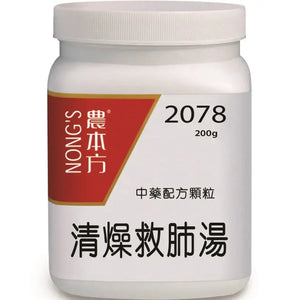
清燥救肺汤 · Qīng Zào Jiù Fèi Tāng

Qing Zao Jiu Fei Tang

Formula for warm-dryness attacking the Lungs with damage to Qi and Yin. Used for dry cough with little sputum, wheezing, dry throat/nose, thirst and mild fever, especially in autumn dryness.

View formula profile →
Last reviewed July 2026
Formula CategoryHeat-Clearing Formulas
Primary PatternLung Heat
Primary FunctionClear Dryness, moisten Lungs, rescue Lung Yin and Qi
Primary Therapeutic PrincipleClear Dryness-Heat, moisten the Lungs and rescue Lung Qi and Yin
Main HerbsMulberry Leaf · Gypsum · Ophiopogon Tuber · Donkey-hide Gelatin · Black Sesame Seed · Bitter Apricot Kernel · Loquat Leaf · Ginseng Root · Licorice Root
Classical SourceYi Men Fa Lu (Qing dynasty, Yu Chang)

Why This Formula?

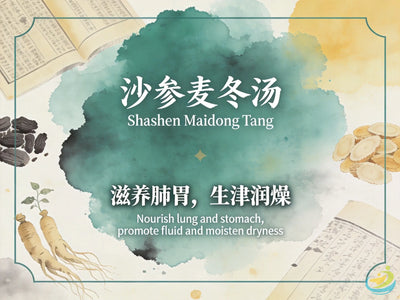
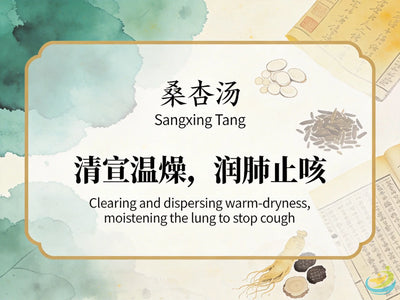
Traditionally selected when warm-dryness has progressed to damage both Lung Qi and Yin, with dry cough, shortness of breath and thirst — a stronger, more restorative choice than Sang Xing Tang, which is reserved for milder early warm-dryness, and directed outward unlike Sha Shen Mai Dong Tang.

Traditionally selected when warm-dryness has progressed to damage both Lung Qi and Yin, with dry cough, shortness of breath and thirst — a stronger, more restorative choice than Sang Xing Tang, which is reserved for milder early warm-dryness, and directed outward unlike Sha Shen Mai Dong Tang.

What Is Qing Zao Jiu Fei Tang?

1. Background and Origins

Qing Zao Jiu Fei Tang (清燥救肺汤) is a classical Traditional Chinese Medicine formula traditionally used to nourish the lungs, relieve dry cough, and address patterns of dryness-heat injuring Lung Yin. Qing Zao Jiu Fei Tang originates from the Yimen Falü (Standards for the Medical Profession), authored by the Qing dynasty physician Yu Chang. At that time, illnesses caused by external dryness were common and usual treatments often failed. After years of practice and study, Yu Chang combined prior knowledge with his own insights to create Qing Zao Jiu Fei Tang, a more effective remedy for lung damage from dryness.

Qing Zao Jiu Fei Tang

2. Respiratory Conditions: Acute & Chronic Lung Dryness

Qing Zao Jiu Fei Tang proves highly effective across a spectrum of conditions characterized by dryness-heat, particularly those affecting the respiratory system and overall yin balance.

  • Autumn Dry Cough: Highly effective for symptoms like dry cough without phlegm, dry throat, mouth, and nose.
  • Chronic Conditions: Valuable during remission of chronic bronchitis or bronchiectasis to enhance lung function and prevent recurrence.
Qing Zao Jiu Fei Tang: Clearing Dryness, Nourishing the Lungs and Tonifying Qi | HJMEDICAL

3. Other Conditions: Skin & Sub-Health States

  • Dry, Itchy Skin: Regulates lung function, improving the skin's physiological state and relieving dryness and itching.
  • Qi-Yin Deficiency: Beneficial for sub-health with dry cough from prolonged dry environments or chronic fatigue, restoring vital energy.

Herb Composition (Sovereign / Minister / Assistant / Envoy)

1. Sovereign: Sangye (Mulberry Leaf)

Sweet and bitter, cold, entering Lung and Liver channels. Sangye gently disperses wind-heat from the Lung channel, moistening lung dryness and restoring the smooth movement of lung qi. It acts as the vanguard, initiating the clearance of dryness-heat.

2. Minister: Shigao & Maidong

Shigao (Gypsum) is acrid, sweet, and cold, entering Lung and Stomach channels. It powerfully clears heat and drains fire, reinforcing Sangye's action. Maidong (Ophiopogon Root) is sweet, slightly bitter and cold, entering Heart, Lung, and Stomach channels. It nourishes yin, moistens the lungs, and engenders fluids, replenishing what dryness-heat has depleted.

3. Assistant Herbs: Renshen, Ejiao, Humaren

Renshen (Ginseng) supports upright qi and bolsters the body's resistance. Ejiao (Donkey-hide Gelatin) enriches yin and moistens dryness, synergizing with Maidong for comprehensive lung nourishment. Humaren (Sesame Seed) further nourishes yin-liquid and moistens the intestines to relieve lung dryness symptoms, acting as a devoted assistant.

Qing zao Jiu fei Tang: Clearing Dryness, Nourishing the Lungs and Tonifying Qi | HJMEDICAL

4. Envoy: Gancao & Xingren

Gancao (Licorice Root) coordinates all herbs, moistens lungs, and stops cough. Xingren (Apricot Kernel) acts as the envoy, guiding herbs to the Lung channel, descending lung qi, stopping cough, and assisting bowel movement. It acts like a pathfinder, ensuring precise therapeutic effect.

Clinical Presentation in TCM

1. Pathomechanism Analysis

The core issue is dryness-heat damaging the lungs, causing dual depletion of qi and yin. An external dryness-evil invades, disrupting lung diffusion and descent, leading to cough and wheezing. This evil depletes fluids, resulting in lung yin deficiency (dry throat, mouth, nose) and simultaneously damages upright qi, causing a combined qi and yin deficiency. This complex imbalance necessitates a multifaceted treatment approach.

2. Therapeutic Actions

This formula works to clear dryness, moisten the lungs, nourish yin, and tonify qi. Herbs like Sangye and Shigao effectively clear dryness-heat from the lungs. Maidong, Ejiao, and Humaren nourish lung yin and replenish vital fluids. Renshen and Gancao tonify qi and bolster the body's upright energy. Together, these herbs restore lung function and replenish both qi and yin, achieving a comprehensive therapeutic effect.

Qing Zao Jiu Fei Tang

3. Clinical Indications

The primary indication is warm-dryness damaging the lungs with dual depletion of qi and yin. Key symptoms include headache, body heat, dry cough without phlegm, wheezing, dry throat, dry nose, chest fullness with hypochondriac pain, and vexing thirst. This pattern is increasingly prevalent in modern environments, such as dry climates or prolonged exposure to air-conditioned spaces, making this formula highly relevant for contemporary practice.

The Mechanism in Classical Theory

1. Heat-Clearing & Lung-Moistening Synergy

Sangye and Shigao work together to powerfully clear dryness-heat from the lungs. Concurrently, Maidong, Ejiao, and Humaren nourish yin and moisten the lungs. This intelligent pairing ensures that heat is cleared without further damaging yin, and yin is nourished without impeding pathogen expulsion.

Qing Zao Jiu Fei Tang: Clearing Dryness, Nourishing the Lungs and Tonifying Qi | HJMEDICAL

2. Upright Qi & Pathogen Expulsion Balance

Renshen and Gancao fortify the body's upright qi, safeguarding against depletion during pathogen elimination. This support enhances the body's resilience against dryness-evil, ensuring that the process of expelling pathogens is always balanced with strengthening the body, leading to more robust recovery.

Clinical Comparison Table

Compare Qing Zao Jiu Fei TangSang Xing TangXing Su SanSha Shen Mai Dong Tang
Primary Function Clear Dryness, moisten Lungs, rescue Lung Yin and QiDisperse warm-dryness, moisten Lungs, stop coughDisperse cool-dryness, regulate Lung Qi, transform phlegmNourish Lung-Stomach Yin, generate fluids
Formula Category Heat-Clearing FormulasExterior-Releasing FormulasExterior-Releasing FormulasYin-Tonifying Formulas
Typical TCM Pattern Lung HeatWind-HeatWind-ColdYin Deficiency
Main Conditions Dry Cough, Sore Throat, Dry Mouth & ThroatDry Cough, Dry Mouth & Throat, Sore ThroatCough, Excessive Mucus, Nasal CongestionDry Cough, Yin Deficiency Constitution, Dry Mouth & Throat
Main Herbs Mulberry Leaf · Gypsum · Ophiopogon Tuber · Donkey-hide Gelatin · Black Sesame Seed · Bitter Apricot Kernel · Loquat Leaf · Ginseng Root · Licorice RootMulberry Leaf · Bitter Apricot Kernel · Glehnia / Adenophora Root · Thunberg Fritillaria Bulb · Prepared Soybean · Gardenia Peel · Pear PeelBitter Apricot Kernel · Perilla Leaf · Peucedanum Root · Platycodon Root · Bitter Orange · Tangerine Peel · Poria / Hoelen · Pinellia Rhizome · Fresh Ginger · Jujube / Chinese Date · Licorice RootGlehnia Root · Ophiopogon Tuber · Fragrant Solomonseal Rhizome · Mulberry Leaf · Trichosanthes Root · White Hyacinth Bean · Licorice Root
Classical Source Yi Men Fa Lu (Qing dynasty, Yu Chang)Wen Bing Tiao Bian (Wu Jutong, Qing dynasty)Wen Bing Tiao Bian (Wu Jutong, Qing dynasty)Wen Bing Tiao Bian (Wu Jutong, Qing dynasty)

How to tell them apart

Qing Zao Jiu Fei Tang is for more severe warm-dryness with Qi and Yin damage. Sang Xing Tang is milder for early warm-dryness. Xing Su San is for cool-dryness. Sha Shen Mai Dong Tang nourishes Lung-Stomach Yin without strong exterior-clearing action.

For educational reference only, based on traditional pattern differentiation — not a substitute for professional advice.

Clinical Modifications for Qing Zao Jiu Fei Tang

1. Pronounced Lung Heat

Increase the dosage of Shigao to strengthen heat-clearing and fire-draining. Consider adding Zhimu for even stronger action, effectively clearing stagnant heat from the lungs.

2. Marked Dual Qi-Yin Deficiency

Increase Renshen dosage, or substitute with Xiyangshen for more prominent qi-tonifying and yin-nourishing effects. Adding Huangqi further reinforces qi tonification and elevates upright qi.

Qing Zao Jiu Fei Tang

3. Severe Cough

Add Chuanbeimu (Fritillaria Bulb) to moisten the lungs and stop cough. Incorporate Pipaye (Loquat Leaf) to descend lung qi and further relieve coughing symptoms, providing comprehensive relief.

What the Science Suggests

1. Pharmacological Research

Qing Zao Jiu Fei Tang (Eliminate Dryness and Rescue the Lung Decoction) is a classic formula in Traditional Chinese Medicine specifically designed to treat warm dryness injuring the lung, which damages both qi and yin.

It effectively clears lung heat, generates fluids, eliminates dryness, and rescues the lung, making it ideal for patterns of warm-dryness injuring the lung with symptoms such as dry cough, labored breathing, dry nose and throat, dry tongue, and overall damage to both qi and yin. The formula channels entered primarily the Lung, and is widely used to improve quality of life and protect the airways and target organs in conditions like bronchial asthma and other respiratory disorders caused by dryness and heat. By moistening the lung, clearing heat, and replenishing qi and fluids, Qing Zao Jiu Fei Tang helps restore respiratory comfort and balance.

Modern studies show herbs in Qing Zao Jiu Fei Tang (e.g., Sangye, Shigao, Maidong, Ejiao) have anti‑inflammatory, antioxidant, heat‑clearing, antipyretic, and immune‑modulating actions that reduce pulmonary inflammation, protect lung tissue, relieve dryness‑heat, and promote repair and regeneration.

Qing Zao Jiu Fei Tang

2. Clinical Research

Clinical studies report benefits in cough‑variant asthma, COPD, and related conditions—improving symptoms, lung function, and reducing exacerbations; combined use with Western bronchodilators may yield superior integrated treatment outcomes, supporting broader clinical application as research progresses.

Safety Considerations

1. Precautions

During treatment follow a light diet; avoid spicy, greasy, or irritating foods that worsen lung dryness. Rest adequately, avoid overexertion, and ensure sufficient sleep. Maintain indoor humidity (use a humidifier) to reduce respiratory irritation from dryness.

2. Contraindications

Do not use in wind‑cold cough—Qing Zao Jiu Fei Tang targets warm‑dryness damaging the lungs and may worsen wind‑cold. Use cautiously in spleen‑stomach deficiency‑cold with loose stools, as the formula’s mainly cold/cool moistening herbs can impair spleen‑stomach yang.

Questions About Qing Zao Jiu Fei Tang

Q1: What are the actions of Qing Zao Jiu Fei Tang?
Qing Zao Jiu Fei Tang clears dryness and moistens the lungs, tonifies qi and nourishes yin, and stops cough and transforms phlegm. It is primarily indicated for dry cough with scant phlegm, dry throat, shortness of breath and fatigue, and dry mouth and nose caused by warm-dryness damaging the lungs.
Q2: Which modern conditions is Qing Zao Jiu Fei Tang indicated for?
In modern TCM clinical practice, it is commonly used for individuals whose pattern differentiation falls within the categories of lung dryness damaging yin and dual qi-yin deficiency — including chronic dry cough, Sjögren's syndrome, chronic pharyngitis, and radiation-induced xerostomia.
Q3: Is Qing Zao Jiu Fei Tang suitable for patients with chronic dry cough?
For patients presenting with signs of lung dryness and yin damage — including chronic dry cough with scant phlegm, dry and sore throat, hoarse voice, dry mouth and tongue, and symptoms that worsen in autumn and winter — TCM practitioners commonly apply Qing Zao Jiu Fei Tang through pattern differentiation as an adjunct regulating formula to improve respiratory dryness and cough symptoms.
Q4: Who should not take Qing Zao Jiu Fei Tang?
Qing Zao Jiu Fei Tang is generally not suitable for patients with phlegm-dampness exuberance, cold-phlegm cough, spleen-stomach deficiency-cold, or those in the early stage of an externally contracted wind-cold condition. Use should be preceded by a pattern differentiation assessment by a qualified TCM practitioner according to the patient's constitution and pattern presentation.

General Questions

How do I choose the right formula?
TCM formulas are traditionally selected according to individual pattern differentiation rather than by symptom alone. If you're not sure which formula fits your presentation, take our AI Assessment below for a personalized starting point, then confirm with a qualified TCM practitioner.
What are concentrated herbal granules?
Concentrated herbal granules are made by decocting raw herbs, then extracting and concentrating the resulting liquid into a fine granule or powder form. This preserves the same active compounds as a traditional decoction while making the herbs far easier to store, measure, and prepare.
How should I take these products?
Dissolve the recommended amount of granules in hot water, stir until fully dissolved, and drink while warm — following the dosage and frequency advised by your TCM practitioner or as stated on the product packaging.
Are concentrated herbal granules equivalent to traditional decoctions?
Concentrated granules are produced from the same herbs and processed to retain their active compounds, so they are traditionally regarded as a convenient alternative to decoctions rather than a different remedy. Some practitioners note subtle differences in strength or absorption between the two forms, so your TCM practitioner may adjust dosage accordingly.
Are your products authentic?
Yes. HJMEDICAL sources its concentrated granules exclusively from established, reputable manufacturers such as Nong's and Hoi Tin, both long-standing names in the TCM granules industry, with GMP compliance stated directly on their packaging.
Are HJMEDICAL products manufactured under GMP standards?
HJMEDICAL sources its concentrated granules from established, reputable manufacturers such as Nong's and Hoi Tin, both long-standing names in the TCM granules industry. GMP compliance for these products is stated directly on their packaging.
Do you ship internationally?
Yes — we ship worldwide! Every order goes out via Hong Kong Post, and your exact shipping cost and estimated delivery time for your address are calculated and shown right at checkout, so there are never any surprises. We also offer free shipping once your order reaches our free-shipping threshold, so it's easy to stock up on your favorite formulas and save.
Can I take more than one formula at the same time?
Some formulas are traditionally combined, while others overlap or counteract each other. We recommend checking with a qualified TCM practitioner before combining formulas, especially if you are already taking other medication.
Are these products suitable during pregnancy or breastfeeding?
Some TCM formulas are not suitable during pregnancy or breastfeeding. Please consult a qualified TCM practitioner or your doctor before use if you are pregnant, trying to conceive, or nursing.
Do these products replace medical treatment?
No. These products are traditional herbal supplements intended to support wellbeing according to TCM principles — they are not a replacement for professional medical diagnosis or treatment. Please consult a qualified TCM practitioner or licensed healthcare provider before starting, stopping, or combining any treatment, especially if you have a chronic condition.
Medical Disclaimer

For general TCM education only — not medical advice. Consult a qualified TCM practitioner or licensed healthcare provider before use, especially if pregnant, nursing, on medication, or managing a chronic condition.

Not sure which formula is right for you?

Take the AI Assessment

最新文章

Login

Forgot your password?

Don't have an account yet?
Create account

Qing Zao Jiu Fei Tang: Traditional Chinese Formula for Dry Cough and Lung Dryness