Qi-Tonifying Formulas

完帶湯 · Wán Dài Tāng

Wan Dai Tang

A classical formula for white, thin leukorrhea from Spleen deficiency with damp and Liver constraint.

View formula profile →
Last reviewed August 2026
Formula CategoryQi-Tonifying Formulas
Primary PatternSpleen Qi Deficiency
Primary FunctionTonify Spleen, dry damp, stop leukorrhea
Primary Therapeutic PrincipleStrengthen Spleen, dry damp and secure leukorrhea
Main HerbsWhite Atractylodes Rhizome · Chinese Yam · Ginseng Root · White Peony Root · Plantago Seed · Atractylodes Rhizome · Licorice Root · Tangerine Peel · Schizonepeta / Japanese Catnip · Bupleurum Root
Classical SourceMing-Qing classical formulary

Why This Formula?

Traditionally selected for white thin leukorrhea from Spleen deficiency with damp, rather than damp-heat yellow discharge or Liver damp-heat excess.

Traditionally selected for white thin leukorrhea from Spleen deficiency with damp, rather than damp-heat yellow discharge or Liver damp-heat excess.

What Is Wan Dai Tang?

1. Source of Wan Dai Tang

Wan Dai Tang (完带汤), or End Discharge Decoction, is a classical Qing-dynasty formula from Fu Qingzhu’s Fu Qing Zhu Nu Ke (Fu Qing-zhu’s Gynecology). It belongs to the category of formulas that fortify the Spleen, soothe the Liver, dry Dampness, and stop vaginal discharge.

This formula addresses chronic white leukorrhea caused by Spleen Qi deficiency with Damp accumulation and mild Liver Qi constraint, in which the Spleen fails to transform fluids and the Dai Mai cannot contain them. Typical signs include profuse, thin, white or pale-yellow discharge that is odorless or only mildly odorous and tends to be continuous, fatigue, a pale complexion, loose stools, a pale tongue with white coating, and a soft, weak, or slightly wiry pulse.

Combining large doses of Bai Zhu and Shan Yao as the chief herbs to strongly tonify the Spleen, dry Dampness, and astringe discharge, supported by Ren Shen to further boost Qi, Cang Zhu and Che Qian Zi to dry and drain Dampness, Bai Shao and a small amount of Chai Hu to soften the Liver and spread constrained Qi, Chen Pi to regulate Qi, charred Jing Jie to assist in stopping discharge, and Gan Cao to harmonize, Wan Dai Tang effectively strengthens the Spleen, soothes the Liver, resolves Dampness, and brings the discharge to an end.

Wan Dai Tang

2. Gynecological Uses

In women's health, Wan Dai Tang is a classic choice for various discharge issues, especially those linked to a weak spleen and a stressed liver.

  • Typical signs: It is traditionally used for conditions presenting with increased white or pale-yellow discharge that is thin and odorless. This is often paired with general fatigue, a poor appetite, and a feeling of tightness in the chest or ribs.
  • How it helps: Instead of just treating the symptom, it regulates your digestion and relaxes liver energy. This improves your body's internal environment, naturally reducing the abnormal discharge often associated with mild vaginitis or cervicitis.
Wan Dai Tang

3. Digestive and Other Related Conditions

The benefits of Wan Dai Tang aren't just limited to gynecology. Because it is fundamentally designed to clear dampness and boost the spleen, it can also be adapted by practitioners to help with specific digestive problems.

  • Key uses: It can be modified to support issues like chronic diarrhea, bloating, and general indigestion that stem from a weak spleen and too much internal moisture.
  • How it helps: By getting the digestive system back on track, it helps your body process food and fluids properly, providing relief from chronic stomach and bowel discomfort.

Herb Composition (Sovereign / Minister / Assistant / Envoy)

1. Chief Herbs: Bai Zhu and Shan Yao

  • Bai Zhu: This herb is fantastic for strengthening the spleen, boosting your core energy (Qi), and drying out excess moisture (dampness) in the body. By improving digestion, it cuts off the source of this extra dampness. In Wan Dai Tang, Bai Zhu is the main star, laying the foundation for the entire formula.
  • Shan Yao: Also known as Chinese yam, it is gentle and sweet. It nourishes the spleen and stomach, while also supporting the kidneys. It perfectly balances the drying nature of other herbs. When paired with Bai Zhu, it creates a powerful combo to fix the root cause of dampness caused by a weak spleen.

2. Deputy Herbs: Ren Shen, Bai Shao, and Che Qian Zi

  • Ren Shen: A famous herb for boosting vitality. It restores your primary energy and supports the spleen and lungs. In Wan Dai Tang, Ren Shen helps elevate the body's overall strength, making the chief herbs work even better.
  • Bai Shao: This herb nourishes the blood and softens the liver. In Traditional Chinese Medicine (TCM), emotional stress can cause the liver to "attack" a weak digestive system (spleen). Bai Shao keeps the liver calm and relaxed, protecting the spleen.
  • Che Qian Zi: This acts as a gentle diuretic. It clears heat and helps flush excess dampness out of the body through urination. This speeds up the drying process and directly assists the chief herbs.

3. Assistant Herbs: Cang Zhu, Chen Pi, and Hei Jie Sui

  • Cang Zhu: This herb is highly effective at drying dampness and strengthening the spleen. Paired directly with Bai Zhu, it doubles down on pulling unwanted moisture out of your system.
  • Chen Pi: Aged tangerine peel is famous for regulating energy flow. It keeps your digestive system moving smoothly, ensuring that the dampness-resolving herbs do their job without causing bloating or stagnation.
  • Hei Jie Sui: This charred herb enters the bloodstream to dispel "wind" and dampness. It acts as a targeted guide, sending the healing properties of the formula right to where they are needed, while also helping with discharge accompanied by itchiness.
Wan Dai Tang

4. Envoy Herb: Gan Cao

  • Gan Cao: Licorice root acts as the great harmonizer. In Wan Dai Tang, it blends all the different herbs together so they work as a smooth, synergistic team. It also softens any harsh or overly drying effects of the other ingredients.

Clinical Presentation in TCM

1. How It Works (Pathomechanism)

Wan Dai Tang is designed to fix a specific TCM pattern: spleen deficiency combined with liver constraint, which leads to turbid, damp vaginal discharge.

  • The spleen is responsible for processing fluids. When it is weak, fluids pool up and create internal "dampness."
  • The liver manages the smooth flow of energy. If you are stressed, the liver gets "stuck" and puts extra pressure on the already weak spleen.
  • This excess dampness then flows downward, causing symptoms like heavy, white or pale-yellow, thick discharge that usually does not have a strong odor.

2. Main Actions

  • Strengthens the Spleen: It improves your digestive engine to stop the body from creating more dampness.
  • Soothes the Liver: It relaxes liver energy so it stops interfering with your digestion.
  • Resolves Dampness: It gently flushes the excess moisture out of your body, which directly stops the abnormal discharge.
Wan Dai Tang: Tonifying the Spleen, Soothing the Liver and Resolving Dampness to Stop Vaginal Discharge — Precision Care for Vaginitis, Cervicitis and Non-Specific Pelvic Inflammatory Disease | HJMEDICAL

3. What It Is Used For (Indications)

Wan Dai Tang is traditionally used for women experiencing vaginal discharge issues linked to this specific spleen and liver imbalance.

  • Key symptoms include: Clear or white mucus-like discharge, a pale and slightly puffy face, general tiredness, loose digestion, and a pale tongue with a white coating.
  • In modern terms, it is often used as supportive care for conditions like increased leukorrhea, mild vaginitis, and cervicitis, provided the symptoms match this specific TCM profile.

The Mechanism in Classical Theory

1. Strengthening the Spleen and Resolving Dampness as the Core Strategy

Bai Zhu and Shan Yao, the chief herbs, are the true powerhouses of this formula.

  • Bai Zhu focuses heavily on drying out internal dampness and strengthening the spleen.
  • Shan Yao gently nourishes the spleen and supports its overall health.

Together, they make a perfect team. By improving your digestion (what TCM calls the spleen's ability to transport and transform nutrients), they stop the body from overproducing excess moisture at the root.

2. Soothing the Liver to Keep Energy Flowing

  • Ren Shen steps in to support the spleen and boost your vital energy.
  • Bai Shao nourishes the blood and softens the liver.

In TCM, a stressed or frustrated liver can "attack" the digestive system. Bai Shao is crucial because it keeps the liver relaxed and the energy (Qi) flowing smoothly. Once the liver stops interfering, your digestion can work properly, fixing the core imbalance of "spleen deficiency with liver constraint."

3. Flushing Out Dampness to Stop Discharge

  • Che Qian Zi acts as a gentle diuretic, helping the body naturally flush out excess dampness through urination.
  • Cang Zhu and Chen Pi crank up the damp-drying power and keep digestion moving smoothly.
  • Hei Jie Sui specifically targets "wind" and acts like a guide, directing the herbal benefits exactly where they need to go.

By working synergistically, this group effectively clears out the stubborn dampness, which is what ultimately stops the abnormal discharge.

Wan Dai Tang: Tonifying the Spleen, Soothing the Liver and Resolving Dampness to Stop Vaginal Discharge — Precision Care for Vaginitis, Cervicitis and Non-Specific Pelvic Inflammatory Disease | HJMEDICAL

4. Gan Cao as the Great Harmonizer

Gan Cao (licorice root) is the ultimate team player. It blends all the different herbs together so they work in perfect harmony. It also takes the edge off some of the stronger, more drying herbs, making the whole formula gentle enough and safe for longer-term use.

Clinical Comparison Table

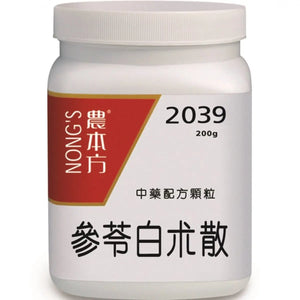
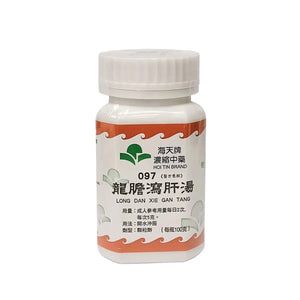
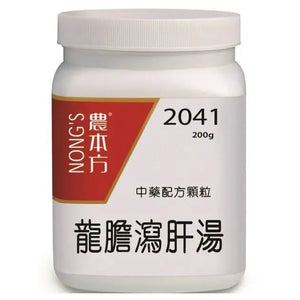
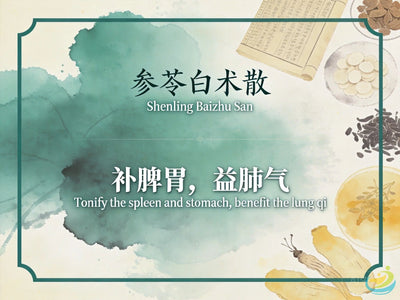
Compare Wan Dai TangYi Huang TangShen Ling Bai Zhu SanLong Dan Xie Gan Tang
Primary Function Tonify Spleen, dry damp, stop leukorrheaTonify Spleen, dry damp, clear heat, stop leukorrheaTonify Spleen Qi, resolve dampness, stop diarrhoeaClear Liver Fire, drain Damp-Heat
Formula Category Qi-Tonifying FormulasDampness-Draining FormulasQi-Tonifying FormulasHeat-Clearing Formulas
Typical TCM Pattern Spleen Qi DeficiencyDamp-HeatSpleen Qi DeficiencyLiver Fire
Main Conditions Poor AppetiteDiarrhea, Poor Appetite, Bloating, Spleen Qi DeficiencyBitter Taste in Mouth, Liver Qi Stagnation, Damp-Heat Constitution
Main Herbs White Atractylodes Rhizome · Chinese Yam · Ginseng Root · White Peony Root · Plantago Seed · Atractylodes Rhizome · Licorice Root · Tangerine Peel · Schizonepeta / Japanese Catnip · Bupleurum RootChinese Yam · Euryale Seed · Phellodendron Bark · Plantago Seed · Ginkgo SeedGinseng Root · White Atractylodes Rhizome · Poria / Hoelen · Honey-fried Licorice · Chinese Yam · White Hyacinth Bean · Lotus Seed · Coix Seed / Job's Tears · Amomum Fruit · Platycodon RootGentian Root · Scutellaria / Baikal Skullcap · Gardenia Fruit · Alisma Rhizome · Akebia Stem · Plantago Seed · Chinese Angelica Root · Raw Rehmannia Root · Bupleurum Root · Licorice Root
Classical Source Ming-Qing classical formularyMing-Qing classical formularyTai Ping Hui Min He Ji Ju Fang (Song dynasty)Yi Fang Ji Jie (Analytic Collection of Medical Formulas, Wang Ang, Qing dynasty)

How to tell them apart

Wan Dai Tang, Yi Huang Tang, Shen Ling Bai Zhu San and Long Dan Xie Gan Tang all address leukorrhea or Spleen damp. Yi Huang Tang clears damp-heat for yellow sticky discharge; Shen Ling Bai Zhu strengthens Spleen for damp diarrhea; Long Dan Xie Gan clears Liver damp-heat excess. Wan Dai Tang tonifies Spleen and dries damp for white, thin leukorrhea with mild Liver constraint.

For educational reference only, based on traditional pattern differentiation — not a substitute for professional advice.

Clinical Modifications for Wan Dai Tang

In clinical practice, a TCM practitioner will often customize Wan Dai Tang to match a patient's specific symptoms.

1. Yellow Discharge — Add Huang Bai and Long Dan Cao

  • What it means: A yellow tint to the discharge usually signals "damp-heat" in the body.
  • The modification: Adding Huang Bai helps clear out the heat and dry up the dampness, while Long Dan Cao specifically drains damp-heat from the liver and gallbladder pathways.
  • The result: This combination boosts the formula's cooling and drying power, making it much more effective for discharge issues accompanied by heat.

2. Pronounced Lower Back Soreness — Add Du Zhong and Xu Duan

  • What it means: In TCM, a persistently sore lower back is a classic sign of "kidney deficiency."
  • The modification: Du Zhong works to nourish both the liver and kidneys while strengthening tendons and bones. Xu Duan supports this by nourishing the same organs, promoting healthy blood flow, and mending tissues.
  • The result: Together, these herbs supercharge the formula's ability to support kidney function, helping to relieve that heavy, sore feeling in the lower back.
Wan Dai Tang: Tonifying the Spleen, Soothing the Liver and Resolving Dampness to Stop Vaginal Discharge — Precision Care for Vaginitis, Cervicitis and Non-Specific Pelvic Inflammatory Disease | HJMEDICAL

3. Abdominal Bloating — Add Hou Po and Zhi Qiao

  • What it means: Bloating usually happens when Qi (energy) in the spleen and stomach gets stuck or stagnant.
  • The modification: Hou Po gets energy moving and dries dampness to relieve a feeling of fullness. Zhi Qiao regulates Qi to ease stagnation and actively reduce the physical bloating.
  • The result: This addition gets the digestive energy flowing smoothly again, effectively easing abdominal discomfort and tightness.

What the Science Suggests

1. Pharmacological Research

Traditionally, Wan Dai Tang works by boosting digestive energy and clearing out "turbid dampness," using a small amount of Jing Jie Sui to lift the body's natural energy and stop abnormal discharge. Modern science offers some interesting insights into how these traditional herbs function:

  • Digestive Support: Studies indicate that herbs like Bai Zhu and Shan Yao help regulate gut function. They can promote gastrointestinal motility and improve digestion and absorption, which directly addresses the root "spleen deficiency."
  • Anti-inflammatory Benefits: Several ingredients offer natural antibacterial and anti-inflammatory effects. For instance, active compounds in Che Qian Zi act as gentle diuretics and reduce local inflammatory responses, which helps to decrease the actual volume of the discharge.

2. Clinical Efficacy Observations

Numerous clinical observations have looked into how well Wan Dai Tang works for vaginal discharge disorders.

  • Symptom Relief: Observations of large patient groups show that it can significantly improve the volume, texture, and color of discharge—particularly for those diagnosed with the "spleen deficiency with liver constraint" pattern.
  • Overall Well-being: Beyond just treating the local symptoms, it has been shown to improve patients' overall quality of life. In some controlled trials, it has demonstrated distinct advantages in overall effectiveness compared to other standard treatments.
Wan Dai Tang: Tonifying the Spleen, Soothing the Liver and Resolving Dampness to Stop Vaginal Discharge — Precision Care for Vaginitis, Cervicitis and Non-Specific Pelvic Inflammatory Disease | HJMEDICAL

3. Formulation Improvement Research

Thanks to modern pharmaceutical technology, Wan Dai Tang is evolving to become much more user-friendly.

  • Modern Formats: Beyond the traditional teas and modern concentrated granules, researchers are exploring capsules and tablets.
  • The Goal: These updated formats aim to improve the stability of the active herbal compounds and make them much easier to take daily, providing patients with higher-quality and more convenient treatment options.

Safety Considerations

1. Dietary and Emotional Guidance

While taking Wan Dai Tang, avoid cold, raw, greasy, spicy, and other irritating foods, which may burden the spleen and stomach or worsen damp-heat symptoms. Maintain a calm mood and avoid excessive emotional stress, as liver-qi constraint may aggravate spleen deficiency with dampness. Gentle activities such as walking, listening to music, or socializing may help.

2. Special Populations

Pregnant women should use Wan Dai Tang only after consulting a physician. People with weak constitutions or spleen-stomach deficiency-cold without damp-heat should seek professional guidance, as dosage or herb selection may need adjustment to avoid injuring the body’s vital qi.

Questions About Wan Dai Tang

Q1: What are the actions of Wan Dai Tang?
Wan Dai Tang has the actions of strengthening the Spleen, soothing the Liver, transforming Dampness, and stopping vaginal discharge. It is the representative formula for thin white leukorrhea caused by Spleen deficiency with Dampness and mild Liver constraint.
Q2: Which modern diseases is Wan Dai Tang suited to?
Modern TCM clinical practice commonly applies it to individuals whose pattern differentiation falls within Spleen deficiency with Damp turbidity and Liver constraint, including chronic or recurrent leukorrhea with thin white discharge, certain cases of vaginitis or cervicitis of deficiency-Damp type, and pelvic inflammatory presentations without Damp-Heat infection signs.
Q3: Is Wan Dai Tang suitable for improving profuse thin white vaginal discharge with fatigue?
For presentations of copious thin white or pale discharge resembling nasal mucus, little or no foul odor, pale complexion, fatigue, loose stools, a pale tongue with white coating, and a moderate or soggy-weak pulse — in those whose pattern differentiation confirms Spleen deficiency with Dampness and mild Liver constraint — TCM commonly applies Wan Dai Tang as an adjunct. It cannot replace gynecological evaluation of infection, STI, or other medical causes of abnormal discharge.
Q4: Who should not take Wan Dai Tang?
Those with Damp-Heat leukorrhea (thick yellow or green, foul-smelling discharge with itching or burning), Liver Fire, or Yin-deficiency Heat patterns are generally not suitable. The formula is warming and tonifying; it will worsen Heat-Damp conditions. Active infection requires medical treatment first. Use should be assessed by a qualified TCM physician.
Q5: Why does this formula both tonify the Spleen and soothe the Liver?
Fu Qingzhu described white Dai as arising when Spleen Qi is weak, Liver Qi is constrained, and Dampness pours downward so that the Dai Mai cannot restrain fluids. Large doses of Bai Zhu and Shan Yao strengthen the Spleen and dry Dampness; a small amount of Chai Hu and Bai Shao soothe the Liver so that wood does not further restrain earth. Drying, leaching, and gently lifting herbs then help stop the discharge at its source.
Q6: How does Wan Dai Tang differ from Yi Huang Tang?
Wan Dai Tang treats thin white, odorless or nearly odorless discharge from Spleen deficiency and Damp turbidity. Yi Huang Tang treats yellow, sticky, slightly foul discharge from Damp-Heat in the Lower Jiao with Kidney deficiency. Color, texture, odor, and accompanying Heat or deficiency signs determine which formula is appropriate; they are not interchangeable.
Q7: What are the main ingredients of Wan Dai Tang?
The classical formula features large doses of Bai Zhu and Shan Yao to strengthen the Spleen, dry Dampness, and stabilize the Dai Mai; Ren Shen to tonify Qi; Cang Zhu and Chen Pi to dry Dampness and move Qi; Che Qian Zi to leach Dampness downward; Bai Shao and a small amount of Chai Hu to soothe the Liver; charred Jing Jie Sui to lift and help stop discharge; and Gan Cao to harmonize.
Q8: Is Wan Dai Tang suitable for long-term use?
It may be used for a course of treatment in chronic Spleen-deficiency leukorrhea under professional supervision. Because it contains drying and lifting herbs, prolonged use without monitoring can injure Yin or create dryness. Once discharge decreases and Spleen function improves, the formula should be adjusted or discontinued.
Q9: Can Wan Dai Tang help both the discharge and associated fatigue or loose stools?
Yes. The same Spleen deficiency that allows Dampness to pour downward also produces pale complexion, tiredness, and loose stools. By strengthening the Spleen, transforming Dampness, and mildly soothing the Liver, the formula addresses both the leukorrhea and the systemic deficiency-Damp picture when the pattern matches.
Q10: What lifestyle advice supports the use of Wan Dai Tang?
Reducing raw, cold, sweet, and greasy foods that generate Dampness, keeping the lower abdomen warm, managing emotional constraint, and maintaining good local hygiene help the formula strengthen the Spleen and stop discharge. Persistent, colored, foul, or painful discharge should be properly evaluated by a gynecologist.

General Questions

How do I choose the right formula?
TCM formulas are traditionally selected according to individual pattern differentiation rather than by symptom alone. If you're not sure which formula fits your presentation, take our AI Assessment below for a personalized starting point, then confirm with a qualified TCM practitioner.
What are concentrated herbal granules?
Concentrated herbal granules are made by decocting raw herbs, then extracting and concentrating the resulting liquid into a fine granule or powder form. This preserves the same active compounds as a traditional decoction while making the herbs far easier to store, measure, and prepare.
How should I take these products?
Dissolve the recommended amount of granules in hot water, stir until fully dissolved, and drink while warm — following the dosage and frequency advised by your TCM practitioner or as stated on the product packaging.
Are concentrated herbal granules equivalent to traditional decoctions?
Concentrated granules are produced from the same herbs and processed to retain their active compounds, so they are traditionally regarded as a convenient alternative to decoctions rather than a different remedy. Some practitioners note subtle differences in strength or absorption between the two forms, so your TCM practitioner may adjust dosage accordingly.
Are your products authentic?
Yes. HJMEDICAL sources its concentrated granules exclusively from established, reputable manufacturers such as Nong's and Hoi Tin, both long-standing names in the TCM granules industry, with GMP compliance stated directly on their packaging.
Are HJMEDICAL products manufactured under GMP standards?
HJMEDICAL sources its concentrated granules from established, reputable manufacturers such as Nong's and Hoi Tin, both long-standing names in the TCM granules industry. GMP compliance for these products is stated directly on their packaging.
Do you ship internationally?
Yes — we ship worldwide! Every order goes out via Hong Kong Post, and your exact shipping cost and estimated delivery time for your address are calculated and shown right at checkout, so there are never any surprises. We also offer free shipping once your order reaches our free-shipping threshold, so it's easy to stock up on your favorite formulas and save.
Can I take more than one formula at the same time?
Some formulas are traditionally combined, while others overlap or counteract each other. We recommend checking with a qualified TCM practitioner before combining formulas, especially if you are already taking other medication.
Are these products suitable during pregnancy or breastfeeding?
Some TCM formulas are not suitable during pregnancy or breastfeeding. Please consult a qualified TCM practitioner or your doctor before use if you are pregnant, trying to conceive, or nursing.
Do these products replace medical treatment?
No. These products are traditional herbal supplements intended to support wellbeing according to TCM principles — they are not a replacement for professional medical diagnosis or treatment. Please consult a qualified TCM practitioner or licensed healthcare provider before starting, stopping, or combining any treatment, especially if you have a chronic condition.
Medical Disclaimer

For general TCM education only — not medical advice. Consult a qualified TCM practitioner or licensed healthcare provider before use, especially if pregnant, nursing, on medication, or managing a chronic condition.

Not sure which formula is right for you?

Take the AI Assessment

最新文章

Login

Forgot your password?

Don't have an account yet?
Create account

Wan Dai Tang: Classic TCM Formula for White Leukorrhea, Spleen Deficiency & Dampness