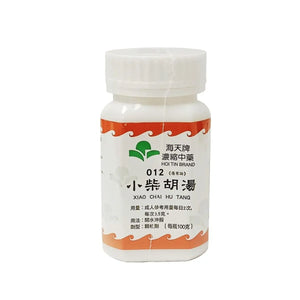
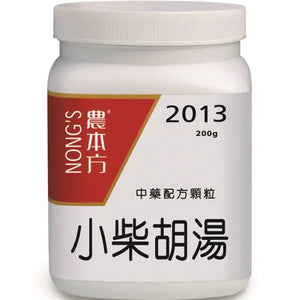
Q1: What are the actions of Xiao Chai Hu Tang?
Xiao Chai Hu Tang has the actions of harmonizing Shao Yang, venting the pathogen from the half-exterior half-interior level, regulating the Liver and Stomach, and supporting upright Qi. It is the primary formula for resolving disorders lodged in the Shao Yang pivot.
Q2: Which modern diseases is Xiao Chai Hu Tang suited to?
Modern TCM clinical practice commonly applies it to individuals whose pattern differentiation falls within Shao Yang disharmony, including certain lingering or recurrent viral infections with alternating chills and fever, chronic hepatitis or cholecystitis of this pattern, digestive disorders with Liver-Stomach disharmony, and some presentations of premenstrual or emotional constraint that match the Shao Yang signs.
Q3: Is Xiao Chai Hu Tang suitable for improving alternating chills and fever, bitter taste, and chest/hypochondriac fullness?
For presentations of alternating chills and fever, fullness or discomfort in the chest and hypochondrium, bitter taste in the mouth, dry throat, dizziness, irritability, reduced appetite or nausea, a thin white tongue coating, and a wiry pulse — in those whose pattern differentiation confirms Shao Yang stage disorder — TCM commonly applies Xiao Chai Hu Tang as an adjunct. It cannot replace standard medical evaluation of fever or underlying conditions.
Q4: Who should not take Xiao Chai Hu Tang?
Those with pure exterior patterns, pure interior excess (Yang Ming), Yin or Blood deficiency (especially with rising Liver Yang or Fire), or who are receiving interferon therapy are generally not suitable. The ascending and dispersing nature of Chai Hu can aggravate Yin deficiency or rising Yang patterns. Caution is advised in pregnancy. Use should be assessed by a qualified TCM physician.
Q5: Why is this formula called a “harmonizing” formula rather than a pure exterior-releasing or interior-clearing formula?
The pathogen in Shao Yang is neither purely exterior nor purely interior. Pure exterior release may not reach it, and pure interior clearing or purging may drive it deeper or damage upright Qi. Xiao Chai Hu Tang simultaneously vents the pathogen outward (Chai Hu), clears the Heat it has generated (Huang Qin), descends rebellious Qi (Ban Xia), and supports Middle Qi (Ren Shen, Gan Cao, Da Zao, Sheng Jiang), achieving harmonious resolution of the half-exterior half-interior disorder.
Q6: Can Xiao Chai Hu Tang be used beyond classic cold-damage Shao Yang presentations?
Yes. When the core signs of Shao Yang disharmony (alternating sensations, hypochondriac fullness, bitter taste, wiry pulse, etc.) are present, the formula is applied to a wide range of conditions involving Liver-Gallbladder and Stomach disharmony, lingering pathogens, or constrained Heat, always guided by pattern differentiation rather than disease name alone.
Q7: What are the main ingredients of Xiao Chai Hu Tang?
The classical formula consists of Chai Hu to vent Shao Yang and regulate the pivot; Huang Qin to clear Heat from Shao Yang; Ban Xia to descend rebellious Qi and stop nausea; Ren Shen to support upright Qi; Zhi Gan Cao to harmonize; and Sheng Jiang and Da Zao to regulate the Middle and assist the overall harmonizing action.
Q8: Is Xiao Chai Hu Tang suitable for long-term use?
It is generally used for a defined course while the Shao Yang pathogen is being resolved. Prolonged or inappropriate use, especially in patients with Yin deficiency or rising Yang tendencies, has been associated with side effects such as headache, dizziness, or gum bleeding. Duration should be guided by a practitioner and the evolving pattern.
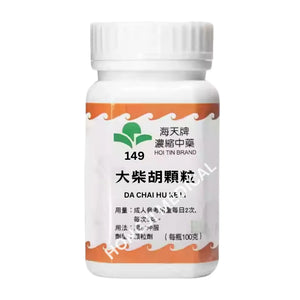
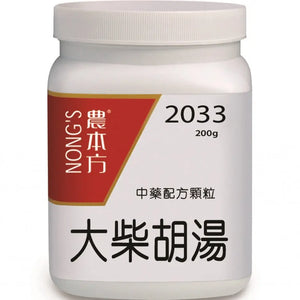
Q9: How does Xiao Chai Hu Tang differ from Da Chai Hu Tang?
Xiao Chai Hu Tang is for pure or predominant Shao Yang disorder. Da Chai Hu Tang addresses Shao Yang combined with Yang Ming excess (constipation, more intense Heat and fullness), adding draining herbs such as Da Huang and Zhi Shi. The “minor” formula is gentler and focuses on harmonizing; the “major” formula is stronger and includes purgation.
Q10: What lifestyle advice supports the use of Xiao Chai Hu Tang?
Rest during alternating feverish periods, eating light and easily digestible meals, avoiding emotional extremes and overexertion, and maintaining regular daily rhythms help the formula restore the Shao Yang pivot. Persistent fever, significant digestive, or hepatic symptoms require proper medical evaluation.