Qi-Regulating Formulas

抑肝散 · Yì Gān Sàn

Yi Gan San

A classical formula for Liver constraint with Spleen deficiency, irritability, and childhood night crying or spasms.

View formula profile →
Last reviewed September 2026
Formula CategoryQi-Regulating Formulas
Primary PatternQi Stagnation
Primary FunctionSpread Liver Qi, calm Liver wind, strengthen Spleen
Primary Therapeutic PrincipleSoften the Liver, strengthen Spleen and calm wind
Main HerbsBupleurum Root · Chinese Angelica Root · Chuanxiong Rhizome · White Atractylodes Rhizome · Poria / Hoelen · Licorice Root · Uncaria Stem with Hooks
Classical SourceClassical TCM formulary

Why This Formula?

Traditionally selected for Liver constraint with Spleen deficiency and agitation — including childhood night crying — rather than pure Liver constraint, Liver Yang rising, or visceral agitation alone.

Traditionally selected for Liver constraint with Spleen deficiency and agitation — including childhood night crying — rather than pure Liver constraint, Liver Yang rising, or visceral agitation alone.

What Is Yi Gan San?

1. Ancient Classics Inheritance

Yi Gan San (抑肝散), or Restrain the Liver Powder, is a classical Ming-dynasty pediatric formula from Xue Kai’s Bao Ying Cuo Yao (Essentials for Protecting Infants). It belongs to the category of formulas that soothe the Liver, extinguish Wind, and calm the spirit.

This formula addresses Liver constraint generating Heat and stirring internal Wind, originally described in restless, frightened children and now widely used for irritability and agitation in both children and adults. Typical signs include irritability, fright palpitations, restlessness, grinding of the teeth or spasm in children, poor sleep, a wiry pulse, and a tongue that may be pale or slightly red.

Combining Chai Hu to course constrained Liver Qi, Dang Gui and Chuan Xiong to nourish and move Liver Blood, Bai Zhu and Fu Ling to strengthen the Spleen so Wood cannot overact on Earth, Gou Teng to extinguish Liver Wind and settle spasm, and Gan Cao to harmonize, Yi Gan San restrains an overactive Liver without heavy sedation and is especially valued when constraint, Blood deficiency, and stirring Wind appear together.

Yi Gan San

2. Common Symptom Applications

In practical use, Yi Gan San is highly effective for a range of everyday symptoms tied to stress and stuck energy:

  • Physical Tension: Herbs like Chai Hu and Chuan Xiong excel at relieving tightness and aching in the chest or ribs.
  • Mood Support: By physically unblocking the liver's energy, it helps stabilize emotions, easing feelings of depression, frustration, and quick-tempered irritability.
  • Stress-Related Digestion: When stress kills your appetite or causes bloating, the inclusion of Fu Ling helps get your digestive system back on track.

3. Suitable Populations

This formula is a great fit for many people navigating the pressures of modern life:

  • The Highly Stressed: It is especially well-suited for people facing chronic mental pressure, such as busy office workers and students carrying heavy workloads.
  • Hormonal Transitions: Women going through menopause often experience mood swings and energy shifts that perfectly match the profile of "Liver Qi stagnation," making this formula a helpful supportive option.
Yi Gan San

4. Special Considerations

While highly useful, the formula should be adapted to fit the individual's exact needs:

  • Customizing for Heat or Dryness: If a person has severe dryness (Yin deficiency), hydrating herbs should be added. If their stress has turned into intense "fire" (severe agitation), heat-clearing herbs are necessary.
  • Safety First: Special populations, particularly pregnant women, must be highly cautious. This formula should only be used under the direct supervision and guidance of a qualified healthcare professional.

Herb Composition (Sovereign / Minister / Assistant / Envoy)

In traditional Chinese medicine, Yi Gan San is carefully structured to balance the body. Here is how the different herbs work together:

1. Emperor Herb

The primary herb (Emperor) in Yi Gan San is Chai Hu (Thorowax Root).

  • Key Role: It plays a crucial role in soothing the liver and relieving feelings of stagnation.
  • How it Works: The liver acts like an "energy regulator" in the body. When we face heavy stress or emotional upset, this energy can get stuck. Chai Hu acts like a key, unlocking this trapped energy and helping the liver function smoothly again.
  • Benefits: It is traditionally used to help alleviate physical tension, such as chest and rib discomfort, as well as emotional heaviness or depressed moods.

2. Minister Herb

Chuan Xiong (Szechuan Lovage Rhizome) serves as a Minister herb, directly supporting the Emperor.

  • Key Role: Known for its warming nature, it helps promote blood circulation and ease discomfort.
  • How it Works: It works hand-in-hand with Chai Hu to clear blockages. When liver energy is stuck, blood flow often slows down as well. Chuan Xiong gets things moving again.
  • Benefits: By clearing these blockages, it helps to relieve issues like headaches and tension in the ribs often caused by stagnant energy.

3. Assistant Herb

Fu Ling (Poria) acts as a helpful Assistant in this formula.

  • Key Role: It focuses on strengthening the spleen and calming the mind.
  • How it Works: In traditional theory, the liver and spleen are closely connected. A stressed liver can easily upset the stomach and digestion. Fu Ling steps in to protect and strengthen the digestive system, preventing further imbalance.
  • Benefits: It helps improve appetite and reduce bloating. Additionally, it has a gentle calming effect, which may help ease irritability and support better sleep.
Yi Gan San

4. Courier Herb

Gan Cao (Licorice Root) plays the role of the Courier or messenger herb.

  • Key Role: It tonifies the spleen and harmonizes all the other ingredients in the formula.
  • How it Works: Gan Cao is like a gentle mediator. It softens the stronger effects of the other herbs, ensuring the formula is well-balanced and safe for the body.
  • Benefits: It provides foundational support by boosting digestive energy and ensuring all the herbs work together synergistically.

Clinical Presentation in TCM

1. Pathogenesis

This formula specifically targets a traditional concept known as Liver Qi Stagnation.

  • The Cause: In today's fast-paced world, chronic stress and emotional strain are common triggers that cause the liver's energy to become blocked.
  • The Domino Effect: Once this energy gets stuck, it disrupts the body's natural harmony. This can generate internal "fire" (leading to irritability and insomnia) and weaken the digestive system (causing poor appetite and bloating).

2. Efficacy

Based on this understanding, Yi Gan San is designed to provide comprehensive support.

  • Harmonizing Energy: Herbs like Chai Hu and Chuan Xiong work to gently disperse trapped energy and restore normal liver function.
  • Nourishing the Body: Meanwhile, herbs like Fu Ling strengthen digestion and help rebuild the body's natural reserves, ensuring that the organs have the blood and energy they need to function properly.
Yi Gan San

3. Indications

Yi Gan San is traditionally used to help individuals—especially those under long-term mental stress—find relief from a variety of related symptoms.

  • Common Uses: It is commonly considered for symptoms such as tension and fullness in the chest or ribs, mood swings, frustration, and irritability.
  • Secondary Benefits: It may also help alleviate stress-induced digestive issues (like bloating and loss of appetite), as well as tension headaches, dizziness, and difficulty sleeping, ultimately aiming to improve overall quality of life.

The Mechanism in Classical Theory

1. Soothing the Liver and Regulating Qi

Chai Hu (Thorowax Root) and Chuan Xiong (Szechuan Lovage Rhizome) form the core of this formula for getting energy moving again.

  • The Upward Lift: Chai Hu is excellent at directing energy upward and outward, naturally dispersing any tight, blocked energy in the liver.
  • The Perfect Pairing: Chuan Xiong supports this by actively promoting blood flow. Together, they work as a team—one lifts and scatters, the other smooths and clears—quickly relieving the physical and mental tension of a stressed liver.

2. Strengthening the Spleen and Nourishing Blood

A healthy digestive system is the foundation of good health, and this formula actively protects it.

  • Digestive Support: Fu Ling (Poria) is used to strengthen the spleen and stomach, ensuring that a stressed liver doesn't ruin your digestion.
  • Building the Blood: A strong digestive system is necessary to create Qi and blood. While the base formula focuses on clearing blockages, practitioners often add blood-nourishing herbs like Dang Gui (Angelica Root) in modifications. Combined with Fu Ling, this ensures the body has the deep nutritional support it needs to keep all organs functioning well.
Yi Gan San

3. Harmonizing the Herbs

Gan Cao (Licorice Root) is the ultimate peacemaker in this herbal blend.

  • Balancing the Formula: It gently softens the strong, moving properties of herbs like Chai Hu and Chuan Xiong, preventing them from being too harsh on the body.
  • Teamwork: By smoothing out the edges of the other ingredients, Gan Cao ensures that the entire formula works together smoothly and safely to relieve stress and stagnation.

Clinical Comparison Table

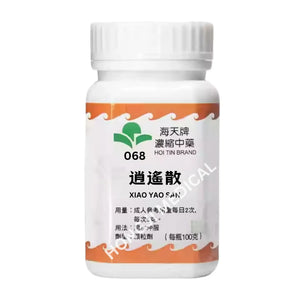
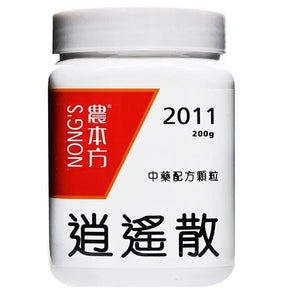
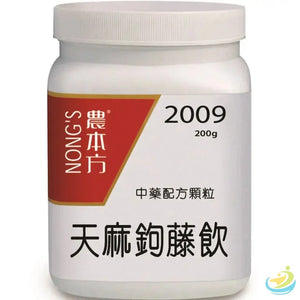
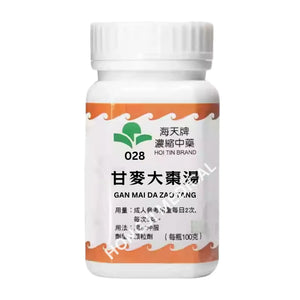
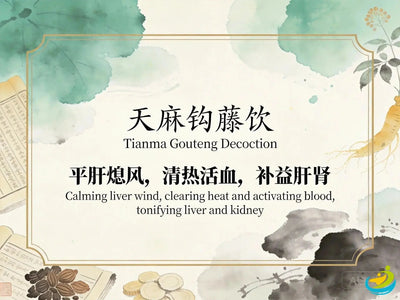
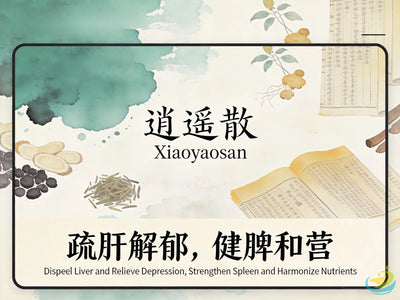
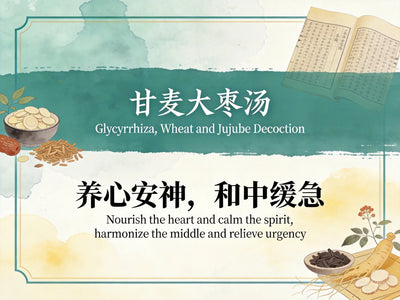
Compare Yi Gan SanXiao Yao SanTian Ma Gou Teng YinGan Mai Da Zao Tang
Primary Function Spread Liver Qi, calm Liver wind, strengthen SpleenCourse Liver Qi, tonify Spleen, nourish BloodCalm Liver Yang, extinguish internal wind, clear heatNourish the Heart, calm the spirit, soften urgency
Formula Category Qi-Regulating FormulasHarmonising FormulasLiver-Wind Extinguishing FormulasCalm the Shen Formulas
Typical TCM Pattern Qi StagnationQi StagnationLiver FireQi Deficiency
Main Conditions Anxiety RestlessnessHypochondriac Distension, Emotional Depression, Poor Appetite, Irregular Menstruation, Fatigue & Low EnergyHeadache, Dizziness & Vertigo, Tinnitus, Anxiety Restlessness, Poor Sleep QualityAnxiety Restlessness, Insomnia, Emotional Depression
Main Herbs Bupleurum Root · Chinese Angelica Root · Chuanxiong Rhizome · White Atractylodes Rhizome · Poria / Hoelen · Licorice Root · Uncaria Stem with HooksBupleurum Root · Chinese Angelica Root · White Peony Root · White Atractylodes Rhizome · Poria / Hoelen · Mentha / Peppermint · Fresh Ginger · Honey-fried LicoriceGastrodia Rhizome · Uncaria Stem with Hooks · Abalone Shell · Gardenia Fruit · Scutellaria / Baikal Skullcap · Leonurus / Motherwort · Cyathula Root · Eucommia Bark · Taxillus / Mulberry Mistletoe · Fleeceflower Stem · Poria with Pine RootLicorice Root · Light Wheat · Jujube / Chinese Date
Classical Source Classical TCM formularyTai Ping Hui Min He Ji Ju Fang (Song dynasty)Zhong Yi Nei Ke Za Bing Zheng Zhi Xin Yi (Hu Guangci, 1958)Jin Gui Yao Lue (Zhang Zhongjing, Eastern Han)

How to tell them apart

Yi Gan San, Xiao Yao San, Tian Ma Gou Teng Yin and Gan Mai Da Zao Tang address Liver constraint or agitation. Xiao Yao San spreads Liver Qi with Spleen tonification; Tian Ma Gou Teng Yin calms Liver Yang rising; Gan Mai Da Zao Tang softens the Liver for visceral agitation. Yi Gan San spreads Liver Qi, strengthens Spleen and calms wind for irritability and childhood night crying or spasms.

For educational reference only, based on traditional pattern differentiation — not a substitute for professional advice.

Clinical Modifications for Yi Gan San

Depending on a person's specific symptoms, practitioners often adjust the original Yi Gan San formula to better target their unique needs.

1. Adjustments for Liver Fire

When stagnant liver energy builds up and turns into "fire" (excess heat), cooling herbs are added to the mix.

  • Adjustments: Herbs like Zhi Zi (Cape Jasmine Fruit) and Dan Pi (Moutan Root Bark) are commonly included.
  • The goal: Zhi Zi is excellent at clearing heat and cooling the blood, while Dan Pi promotes circulation and cools internal heat. Together, they effectively clear out the trapped liver fire, helping to relieve symptoms like a dry throat, bitter taste in the mouth, red eyes, and severe irritability or sleep issues.

2. Adjustments for Qi and Blood Deficiency

If a person is feeling depleted and showing signs of weak Qi (energy) and blood, more nourishing herbs are required.

  • Adjustments: Practitioners may add Dang Gui (Angelica Root) and Shu Di (Prepared Rehmannia Root).
  • The goal: Dang Gui naturally nourishes and moves the blood, while Shu Di deeply replenishes the body's vital fluids and essence. These additions significantly boost the formula's ability to build up the body, improving issues like a pale complexion, dizziness, palpitations, and poor sleep caused by weakness.
Yi Gan San

3. Adjustments for Severe Spleen and Stomach Weakness

For individuals whose stress has heavily impacted their digestion, extra digestive support is necessary.

  • Adjustments: The dosage of spleen-strengthening herbs can be increased, or herbs like Bai Zhu (Atractylodes Rhizome) and Shan Yao (Chinese Yam) can be added.
  • The goal: Bai Zhu strengthens the spleen and helps clear out excess fluid (dampness), while Shan Yao gently nourishes the stomach. These herbs provide powerful support for the digestive system, helping to resolve poor appetite, persistent bloating, and loose stools.

What the Science Suggests

1. Pharmacological Research

Modern scientific studies have looked into how the individual ingredients in this formula work on a biological level:

  • Inflammation and immunity: Research shows that Chai Hu (Thorowax Root) has natural anti-inflammatory and immune-regulating properties, which may help reduce inflammatory responses in the liver.
  • Better circulation: Chuan Xiong (Szechuan Lovage Rhizome) is known to help expand blood vessels and improve microcirculation, supporting a healthy blood supply to the liver and surrounding tissues.
  • Nervous system support: Fu Ling (Poria) contains active compounds that help regulate the nervous system and boost overall immunity, offering natural relief for nerve-related issues and tension caused by chronic stress.

2. Clinical Research

Clinical reports have observed the real-world benefits of using this formula for stress and stagnation-related conditions:

  • Symptom relief: Studies note that it can effectively ease emotional depression and physical tension in the chest, significantly improving patients' overall quality of life.
  • Sleep and digestion: It has also shown positive results for patients struggling with sleep disturbances and digestive issues linked to heavy stress and liver stagnation.
  • Moving forward: While these observations validate the formula's general safety and effectiveness, researchers continue to emphasize the need for larger, high-quality clinical trials to fully map out its mechanisms and long-term benefits.
Yi Gan San

3. Future Prospects

As modern medicine advances, research into this classic formula continues to grow and evolve:

  • Deeper understanding: Future studies aim to use advanced technology to pinpoint exactly how these herbs work at a molecular and cellular level, potentially leading to more targeted and precise treatments.
  • Modern applications: By understanding how the formula interacts with modern lifestyle stressors, scientists hope to discover new ways it might help prevent and manage stress-related chronic diseases, keeping traditional herbal wisdom highly relevant for today's healthcare challenges.

Safety Considerations

1. Dietary Restrictions and Emotional Regulation

While taking Yigan Powder, avoid spicy, greasy, and stimulating foods, such as chili and fried foods, as they may burden the liver and reduce treatment effectiveness. Limit alcohol because it can directly harm the liver. Maintain emotional balance, avoid excessive mood swings, and relieve stress through moderate exercise, music, or social interaction.

2. Special-Population Precautions

Pregnant women should use Yigan Powder cautiously because some ingredients may affect the fetus. Anyone allergic to any ingredient should avoid it. Children, older adults, and people with weak constitutions should take it only under medical supervision, with dosage adjusted according to individual circumstances.

Questions About Yi Gan San

Q1: What are the actions of Yi Gan San?
Yi Gan San (Yokukansan) has the actions of restraining the Liver, extinguishing Wind, nourishing Blood, and strengthening the Spleen. From Bao Ying Cu Yao, it was written for a child whose Liver is excessive and Spleen is insufficient, producing fright, night crying, and spasm.
Q2: Which modern conditions is Yi Gan San suited to?
Modern TCM and Kampo practice commonly apply it to individuals whose pattern differentiation falls within Liver constraint with Blood deficiency and Spleen weakness, including irritability and poor sleep, pediatric night crying or tics of this pattern, and some agitation in frail adults as an adjunct after medical and psychiatric evaluation.
Q3: Is Yi Gan San suitable for improving irritability, restless sleep, and being easily startled?
For presentations of easy anger or fright, restless or nightmare-filled sleep, possible twitching, a pale or slightly red tongue, and a wiry thin pulse — in those whose pattern differentiation confirms Liver Wind from Blood deficiency with a weak Spleen — TCM commonly applies Yi Gan San as an adjunct. Sudden severe headache, seizure, or unsafe agitation needs urgent medical care.
Q4: Who should not take Yi Gan San?
Those with vigorous Liver-Yang or Liver-Fire (red face, bitter taste, bound stool), Phlegm-Heat agitation, or marked Spleen-Yang collapse are generally not suitable as a standalone formula. Use should be assessed by a qualified TCM physician.
Q5: Why restrain the Liver and also support the Spleen?
A child (and many thin, overwrought adults) has a Liver that stirs easily and a Spleen that cannot generate Blood. Gou Teng calms Liver Wind. Chai Hu courses constrained Liver Qi. Dang Gui and Chuan Xiong nourish and move Liver Blood so Wind has less dry earth to stir in. Bai Zhu and Fu Ling support the Spleen. Gan Cao harmonizes. Settling Wind without feeding Blood leaves the root empty; tonifying the Spleen without calming the Liver leaves the Wind free to rise.
Q6: How does Yi Gan San differ from Xiao Yao San or Tian Ma Gou Teng Yin?
Xiao Yao San more purely courses Liver and strengthens Spleen for constraint with digestive and menstrual signs, without Gou Teng’s Wind-extinguishing action. Tian Ma Gou Teng Yin more strongly anchors Liver Yang and clears Heat for red-faced, high-pressure, excess Yang rising. Yi Gan San is the milder “restrain the Liver” formula for irritability, fright, tics, and restless sleep in a relatively deficient, wiry-thin constitution.
Q7: What are the main ingredients of Yi Gan San?
The Bao Ying Cu Yao / Kampo seven-herb formula consists of Gou Teng to calm Liver Wind; Chai Hu to course Liver Qi; Dang Gui and Chuan Xiong to nourish and move Blood; Bai Zhu and Fu Ling to strengthen the Spleen; and Gan Cao to harmonize. A common variant adds Chen Pi and Ban Xia when Phlegm is more obvious.
Q8: Is Yi Gan San suitable for long-term use?
It may be used for a supervised course in chronic Liver-Spleen disharmony with restless Spirit. Because it contains Gan Cao, fluid retention or rising blood pressure means the formula should be reviewed. Neuropsychiatric or dementia-related agitation still requires appropriate medical care; this powder is an adjunct, not a replacement.
Q9: Can this formula help both pediatric night crying and adult irritability of the same pattern?
Yes. The original text is pediatric, but the same Liver-excess / Spleen-insufficient mechanism appears in thin, overwrought adults as irritability, poor sleep, and startle. Restraining Liver Wind while nourishing Blood and supporting the Spleen can be used in both age groups when the pattern matches. Doses and expectations differ and need professional adjustment.
Q10: What lifestyle advice supports the use of Yi Gan San?
Keeping a regular sleep time, reducing overstimulation before bed, eating regular cooked meals to support the Spleen, and seeking prompt care for seizure, unsafe aggression, or sudden neurological change all support correct use. This formula treats a TCM Liver-Spleen-Spirit pattern; it is not a substitute for emergency or specialist care.

General Questions

How do I choose the right formula?
TCM formulas are traditionally selected according to individual pattern differentiation rather than by symptom alone. If you're not sure which formula fits your presentation, take our AI Assessment below for a personalized starting point, then confirm with a qualified TCM practitioner.
What are concentrated herbal granules?
Concentrated herbal granules are made by decocting raw herbs, then extracting and concentrating the resulting liquid into a fine granule or powder form. This preserves the same active compounds as a traditional decoction while making the herbs far easier to store, measure, and prepare.
How should I take these products?
Dissolve the recommended amount of granules in hot water, stir until fully dissolved, and drink while warm — following the dosage and frequency advised by your TCM practitioner or as stated on the product packaging.
Are concentrated herbal granules equivalent to traditional decoctions?
Concentrated granules are produced from the same herbs and processed to retain their active compounds, so they are traditionally regarded as a convenient alternative to decoctions rather than a different remedy. Some practitioners note subtle differences in strength or absorption between the two forms, so your TCM practitioner may adjust dosage accordingly.
Are your products authentic?
Yes. HJMEDICAL sources its concentrated granules exclusively from established, reputable manufacturers such as Nong's and Hoi Tin, both long-standing names in the TCM granules industry, with GMP compliance stated directly on their packaging.
Are HJMEDICAL products manufactured under GMP standards?
HJMEDICAL sources its concentrated granules from established, reputable manufacturers such as Nong's and Hoi Tin, both long-standing names in the TCM granules industry. GMP compliance for these products is stated directly on their packaging.
Do you ship internationally?
Yes — we ship worldwide! Every order goes out via Hong Kong Post, and your exact shipping cost and estimated delivery time for your address are calculated and shown right at checkout, so there are never any surprises. We also offer free shipping once your order reaches our free-shipping threshold, so it's easy to stock up on your favorite formulas and save.
Can I take more than one formula at the same time?
Some formulas are traditionally combined, while others overlap or counteract each other. We recommend checking with a qualified TCM practitioner before combining formulas, especially if you are already taking other medication.
Are these products suitable during pregnancy or breastfeeding?
Some TCM formulas are not suitable during pregnancy or breastfeeding. Please consult a qualified TCM practitioner or your doctor before use if you are pregnant, trying to conceive, or nursing.
Do these products replace medical treatment?
No. These products are traditional herbal supplements intended to support wellbeing according to TCM principles — they are not a replacement for professional medical diagnosis or treatment. Please consult a qualified TCM practitioner or licensed healthcare provider before starting, stopping, or combining any treatment, especially if you have a chronic condition.
Medical Disclaimer

For general TCM education only — not medical advice. Consult a qualified TCM practitioner or licensed healthcare provider before use, especially if pregnant, nursing, on medication, or managing a chronic condition.

Not sure which formula is right for you?

Take the AI Assessment

最新文章

Login

Forgot your password?

Don't have an account yet?
Create account

Yi Gan San: Classic TCM Formula for Liver Constraint, Irritability, Spasms & Restlessness