Roots and rhizomesPhlegm-resolvingCynanchi Stauntonii Rhizoma

Bai Qian (Cynanchum Root)

白前 · Bai Qian

Phlegm-resolving herb in Traditional Chinese Medicine. Traditional functions: Downbears qi, disperses phlegm, relieves cough.

Read our in-depth guide

In-Depth GuideWant to learn more about Bai Qian?

Quick Facts

Latin NameCynanchi Stauntonii Rhizoma
Chinese Name & Pinyin白前 · Bai Qian
Medicinal PartRoots and rhizomes
Efficacy CategoryPhlegm-resolving
Botanical OriginThe dried root and rhizome of Cynanchum stauntonii (Decne.) Schltr. ex Levl.(Asclepiadaceae)
Nature & FlavourAcrid, Bitter; Slightly warm
Channels EnteredLung

What Is Bai Qian?

Bai Qian (Cynanchum Root) is a medicinal herb of Traditional Chinese Medicine.

Primarily produced in the Chinese provinces of Henan, Liaoning, Hebei, Shanxi, Shandong, Shaanxi, Xinjiang and north areas.

Nature & Flavour: Acrid, Bitter; Slightly warm
Channels Entered: Lung

Bai Qian: Materia Medica Profile

Identification & Quality Standard

Cynanchi Stauntonii Rhizoma

Botanical Origin

The dried root and rhizome of Cynanchum stauntonii (Decne.) Schltr. ex Levl.(Asclepiadaceae)

Production Regions

Primarily produced in the Chinese provinces of Henan, Liaoning, Hebei, Shanxi, Shandong, Shaanxi, Xinjiang and north areas.

Quality Requirements

Superior medicinal material is thick and has long rootlets, a white fractured surface, and a powdery consistency.

Macroscopic Features

Root is thin and curved to clumps, 1~10cm long; numerous presents hairy; externally brown or purple brown, with thin curly wrinkles and numerous small rootlets. Rhizome is tubular, thin, long, with joints, slightly curved, 4~15cm long, 1.5~5mm diameter, externally pale yellow to yellowish-brown, with thin longitudinal wrinkles; enlarged joints, often with branches and concentrated rootlets; remnants grayish-green or purple brown over ground stem; hard and brittle texture, easily broken; fractured surface is nearly round, with a hollow center and membranous pith. Hard and brittle texture; fractured surface is off-white; faint odor; tastes sweet.

Traditional TCM Properties

Acrid, Bitter; Slightly warmLung

Traditional Functions

Downbears qi, disperses phlegm, relieves cough. Apply to cough, excessive phlegm, pulmonary deficiency. According to warm but not strongly dry, applied to disperse phlegm and downbears qi to relieve cough, whatever cold, heat, external, internal, acute or chronic condition.

How Bai Qian Is Used in TCM

In the Chinese materia medica, Bai Qian is classified among the Phlegm-resolving herbs. It appears in 2 classical formulas in our library.

Formulas containing Bai Qian are traditionally used for:

CoughDry CoughExcessive Mucus

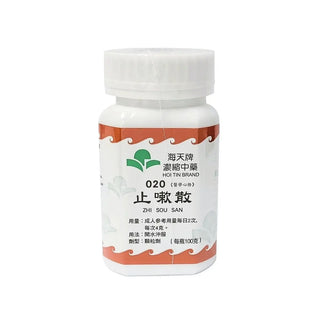
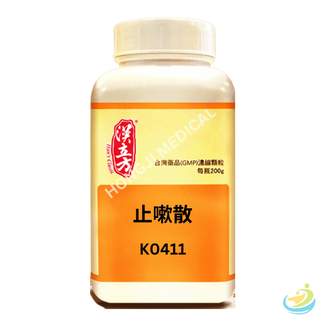
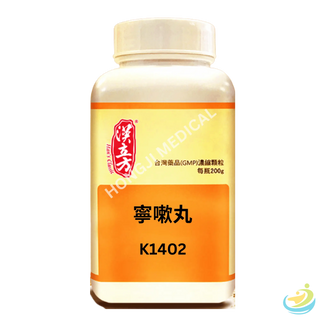
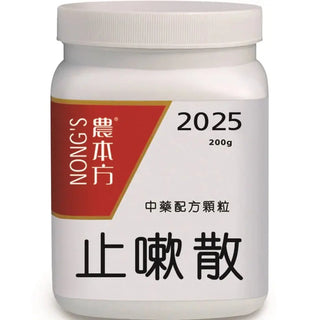
Classical Formulas Containing Bai Qian

Frequently Asked Questions

What is Bai Qian? Are Bai Wei, Qian Hu and Bai Bu the same?
Official Bai Qian (白前) is the dried rhizome and root of Cynanchum stauntonii or Cynanchum glaucescens. The pharmacopoeial name is Cynanchi Stauntonii Rhizoma et Radix. The willow-leaf type is called goose-tube swallowwort. Bai Wei is bitter-salty and cold: clears heat, cools Blood, promotes urination, frees strangury, resolves toxin and treats sores. Qian Hu is bitter-acrid and slightly cold: directs qi downward, resolves phlegm, disperses wind and clears heat. Bai Bu is sweet-bitter and slightly warm: moistens the Lung, stops cough, kills parasites and destroys lice. Write Bai Qian. Use caution in Lung-vacuity panting.
What are the TCM properties and traditional uses of Bai Qian?
According to the Chinese Pharmacopoeia, Bai Qian is acrid, bitter and slightly warm, enters the Lung channel, and acts to direct qi downward, disperse phlegm and stop cough. It is used for Lung qi obstruction, cough with copious phlegm, and chest fullness with urgent panting. Acrid-bitter and slightly warm, it suits phlegm obstruction with counterflow—not large raw doses alone in Lung-vacuity panting.
How do you choose raw versus honey-fried Bai Qian? Can Qian Hu replace it?
Raw root directs qi downward and resolves phlegm more strongly, and is relatively better in exterior cough and panting with copious phlegm; a large dose can irritate the Stomach. Honey-fried root eases that irritation, leans to moistening the Lung and directing qi downward, and is relatively better in Lung-vacuity or Lung-dryness cough. Peucedanum also disperses wind-heat; it cannot replace warming and descending cold phlegm by equal weight. Commercial swallowwort tea is not equal-weight pieces.
Read the complete guide →

Learn More About Bai Qian

Explore our in-depth article covering the traditional uses, properties, functions, and TCM context of Bai Qian.

Read the Bai Qian Guide →

Medical Disclaimer — This article is provided for educational purposes only and describes traditional Chinese medicine concepts. It is not medical advice, and it is not intended to diagnose, treat, cure or prevent any disease. Always consult a qualified practitioner before using any herb, particularly if you are pregnant, nursing, taking medication or managing a diagnosed condition.

Login

Forgot your password?

Don't have an account yet?
Create account