Fruits and seedsTonifyingOryza Sativa

Jing Mi (Non-glutinous Rice)

A practical guide to Jing Mi: what it is, how Traditional Chinese Medicine uses it, the classical formulas it appears in, and who should be careful with it.

View Herb Profile →

Last reviewed Oct 13, 2026

Quick Facts

Latin NameOryza Sativa
Chinese Name & Pinyin 粳米 · Jing Mi
Medicinal PartFruits and seeds
The itemJing Mi is the non-glutinous seed of rice. Glutinous rice is a different variety. Yi Yi Ren is a different official drug.
Nature and channelsSweet, neutral. Enters the Spleen and Stomach. Sweetness tonifies the middle. Neutral nature harmonizes Stomach qi.
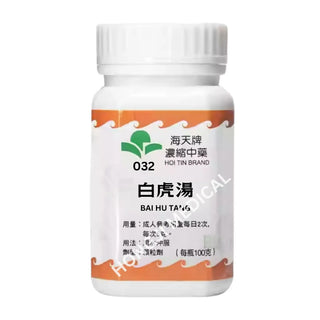
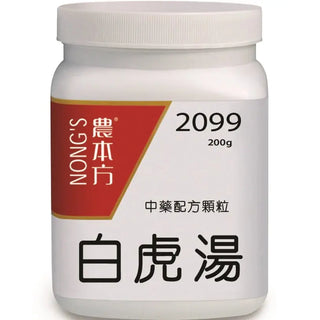
Actions (traditional)Tonifies the middle and boosts qi. Strengthens the spleen and harmonizes the stomach. Eliminates vexation and stops thirst. Used for spleen-stomach weakness, poor appetite, diarrhea, and vexing thirst. In Bai Hu Tang it is decocted with Shi Gao and Zhi Mu to protect Stomach qi.
Pattern cuesPoor appetite. Weak stomach. Vexing thirst. Mild loose stools.
In this articleJing Mi versus glutinous rice, Yi Yi Ren, and Shan Yao. A meal versus the rice in Bai Hu Tang. Why damp fullness should not be treated with rice alone. Who should not treat it as a fever drug.

What Is Jing Mi?

Jing Mi (粳米; Jīng Mǐ; English: non-glutinous rice / japonica rice) is the seed of Oryza sativa L. It is both food and a mild medicinal item. It is sweet and neutral, enters the Spleen and Stomach channels, and its core actions are to tonify the middle and boost qi, strengthen the spleen and harmonize the stomach, and eliminate vexation and stop thirst. It is not glutinous rice. Glutinous rice is sticky and warm, and more cloying when it tonifies the middle. Jing Mi is neutral. It supports the stomach without as much stickiness. In Bai Hu Tang, Jing Mi is decocted with Shi Gao and Zhi Mu to protect Stomach qi. A bowl of rice is not that fever formula. A meal portion does not convert to the rice in the decoction. Damp fullness and a thick greasy coating are a poor match for rice alone as a dampness treatment.

Food use and clinic use most often meet three situations:

  • Spleen–Stomach weakness — poor appetite, mild loose stools
  • Febrile vexing thirst — in Bai Hu Tang it protects the stomach; a practitioner sets the formula
  • Dry mouth from weak Stomach qi — food support, not a stand-in for wasting-thirst care

In decoction the usual amount is often 9–15 g. That is not the same measure as a bowl of rice. Sweet and neutral, it is not a “spleen staple medicine” to keep increasing. Damp-heat in the middle, treated only by eating more rice, generates more dampness.

When Stomach qi is weak, or blazing qi-aspect heat needs the middle protected, poor appetite and thirst are common. Jing Mi is sweet and neutral. It tonifies and harmonizes, which is why it appears in Bai Hu Tang. It builds the middle more than it moves. Focal distention and a greasy coating get more stagnant if more tonification is added.

Jing Mi is not a catch-all spleen or diarrhea food. In damp-heat accumulation, or in undiagnosed wasting-thirst, eating it alone does not replace treatment. Whether it belongs in Bai Hu Tang should be decided by a licensed Chinese medicine practitioner after pattern diagnosis.

Jing Mi Non Glutinous Rice

Jing Mi: Materia Medica Profile

Identification & Quality Standard

Oryza Sativa

Botanical Origin

The polished ripe caryopsis of Oryza sativa L. (Poaceae).

Production Regions

Produced throughout China; quality rice from Jiangsu, Zhejiang, Northeast China and Sichuan.

Quality Requirements

Superior material is full, white, fragrant, and free of yellowed or insect-damaged grains.

Macroscopic Features

Elliptical polished grains, white to translucent; hard; bland and slightly sweet.

3 Authentic Producing Areas and Quality Identification

Traditionally, the best quality comes from regions like Jiangsu, Zhejiang, and Anhui.

  • Quality Check: Premium raw Jing Mi features plump, white, semi-transparent grains. It should have a mild, clean scent and a starchy texture when chewed.
  • Common Confusions: Be careful not to confuse it with Xian Mi (Indica Rice), which has longer, thinner grains, or Nuo Mi (Glutinous Rice), which is much softer and stickier.

Traditional Properties & Historical Lineage

Nature, Flavour & Channel Tropism

Sweet; NeutralSpleenStomach

1. 2 Records in Ancient Herbal Texts

It has a rich history in classic TCM literature:

  • Shen Nong Ben Cao Jing listed it as a top-tier grain, noting its ability to boost Qi and stop diarrhea.
  • Ming Yi Bie Lu stated it warms the center, harmonizes Stomach Qi, and supports muscle growth.
  • Ben Cao Gang Mu mentioned that boiling it into porridge warms the digestive tract and harmonizes the five organs, noting that aged Jing Mi is especially good for chronic digestive weakness.

2. 3 Evolution of TCM Understanding

Throughout history, practitioners have used Jing Mi in two main ways:

  • Daily Tonic: As a soothing porridge for those with weak digestion.
  • Formula Helper: Added to strong herbal formulas to protect the stomach from harsh medicinal effects.
  • Caution: Despite its gentle nature, practitioners advise against using it alone if you have a thick, greasy tongue coating or severe "dampness" (fluid retention), as it might make the sluggishness worse.

Jing Mi Non Glutinous Rice

Core Efficacies & Traditional Applications

Traditional Functions

Fortifies the spleen and stomach, generates fluids, and harmonizes the middle. Apply to spleen-stomach deficiency, thirst, and as an adjunct to nourish the stomach in heat-clearing formulas.

1. 1 First Primary Action: Nourishing the Spleen and Stomach

The traditional core function of Jing Mi (Japonica Rice) is to tonify Spleen and Stomach Qi, improving the body's digestive and metabolic functions.

  • Common Symptoms: It is ideal for Spleen and Stomach Qi deficiency, which presents as poor appetite, bloating after meals, physical fatigue, loose stools, and a sallow complexion.
  • Common Pairings: To boost digestive strength, it is often paired with herbs like Bai Zhu (White Atractylodes) and Fu Ling (Poria). For mild digestive weakness, simply eating it as a long-term daily porridge works wonderfully.
  • Caution: If you have a heavy "dampness" condition (characterized by a thick, greasy tongue coating), you should avoid using it alone, as it may worsen fluid retention.

2. 2 Second Primary Action: Harmonizing Stomach Qi

It is excellent at harmonizing the Stomach, relieving discomfort caused by digestive imbalances, and helping the body's energy (Qi) flow smoothly.

  • Common Symptoms: Useful for rebellious Stomach Qi, presenting as nausea, vomiting, hiccups, burping, stomach fullness, mild thirst, and sluggish bowel movements.
  • Common Pairings: For nausea and vomiting, it is commonly paired with Sheng Jiang (Fresh Ginger) and Ban Xia (Pinellia Rhizome). For mild stomach upset, a simple porridge with a little fresh ginger is very soothing.
  • Caution: Avoid using it if you have severe Stomach fire (symptoms like bad breath and constipation), as it may aggravate the heat.

3. 3 Common Single Herb Pairing: The Herb Pair

A classic and highly effective pairing is Jing Mi and Ban Xia (Pinellia Rhizome).

  • Synergy: Ban Xia is a powerful herb for stopping nausea, but it is warm and drying, which can irritate a sensitive stomach. The sweet and neutral nature of Jing Mi buffers this harshness, protecting the stomach lining while helping Ban Xia effectively settle the digestive tract.
  • Note: This combination requires a professional TCM diagnosis and should not be mixed at home.

Jing Mi Non Glutinous Rice

Modern Research

Modern research offers useful context, but Traditional Chinese Medicine prescribes on whole-pattern diagnosis rather than isolated compounds.

1. 1 Main Chemical Components

Modern analysis shows that Jing Mi (Japonica Rice) contains starch, protein, fat, B vitamins, and minerals.

  • Lab Findings: Cell studies indicate some of its polysaccharides have antioxidant properties. Animal tests suggest that extracts from Chao Jing Mi might help regulate gastrointestinal movement.

2. 2 Modern Pharmacological Research Directions

Current research mostly focuses on how different processing methods (like stir-baking) change its chemical makeup and how it might positively influence gut bacteria.

3. 3 Limitations of Modern Research

  • Lab vs. Real Life: Results from isolated cells or animals don't automatically translate to human clinical success.
  • Extracts vs. Whole Food: Lab tests often use highly concentrated, isolated compounds, whereas traditional use relies on eating the whole grain.
  • Synergy: The healing power of Jing Mi (Japonica Rice) comes from all its natural components working together, not just a single active ingredient.

Jing Mi Non Glutinous Rice

Comparing Similar Herbs

1. 2 Similarities with Comparable Herbs

When comparing Jing Mi (Japonica Rice) with Nuo Mi (Glutinous Rice):

  • Both provide basic nourishment to the Spleen and Stomach.
  • Both treat poor appetite and fatigue caused by digestive weakness.
  • Both are popular in everyday dietary therapy and require proper portion control to avoid digestive burden.

2. 3 Core Differences

  • Nature: Jing Mi is neutral and sweet with no extreme temperature bias. Nuo Mi is warm and sweet, possessing a slightly more "drying" and heating nature.
  • Focus Area: Jing Mi focuses on harmonizing the stomach (great for mild nausea and bloating). Nuo Mi focuses on actively tonifying Spleen Qi (better for heavier fatigue and weakness).
  • Action Direction: Jing Mi keeps energy balanced—neither pushing it up nor pulling it down. Nuo Mi has an astringent quality, helping to "hold in" energy and prevent it from dissipating.
  • Contraindications: Jing Mi is not for heavy dampness. Nuo Mi should be avoided if you have Stomach fire, damp-heat, or severe food stagnation (indigestion).

3. 4 One-Sentence Summary

Jing Mi (Japonica Rice) is your go-to for harmonizing everyday digestive imbalances like mild nausea, while Nuo Mi (Glutinous Rice) acts as a stronger tonic for deeper Spleen Qi weakness.

Jing Mi Non Glutinous Rice

Classical Formulas Containing Jing Mi

+2 more

Formulas vs. Single Herbs

  • Synergy is Key: A formula is a balanced team. The healing power comes from how the herbs interact, so a single herb cannot simply replicate a full formula's effects.
  • Holistic Balance: The exact dosage and combination in a formula affect the entire body. Never try to mix or alter these formulas at home based on internet articles.

Diet & Daily Home Use

1. 1 Home Tea or Dietary Application

  • Japonica Rice, Ginger, and Date Porridge:
    • Ingredients: 30g raw Jing Mi, 3 slices fresh ginger, 5 pitted jujube dates.
    • Method: Rinse the rice, add the ginger and dates, and boil with water until it becomes a soft porridge. Add a little brown sugar if desired.
    • Use Case: Perfect for poor appetite, mild nausea, or a cold stomach during seasonal changes. Eat a small bowl for breakfast or dinner.
    • Caution: Avoid if you have Stomach fire (bitter mouth, yellow tongue coating). Limit to 2-3 times a week.
  • Stir-baked Japonica Rice and Tangerine Peel Tea:
    • Ingredients: 15g Chao Jing Mi (Stir-baked Japonica Rice), 3g Chen Pi (Tangerine Peel).
    • Method: Place both in a cup, pour in boiling water, cover, and steep for 10-15 minutes.
    • Use Case: Good for afternoon bloating, hiccups, and mild indigestion.
    • Caution: Avoid if you have heavy dampness. Use 1-2 times a week. Note: Make sure to buy pharmacy-grade stir-baked rice, as it differs slightly from home-roasted rice.

2. 2 Preparation Differences

  • Raw vs. Stir-baked: Raw Jing Mi is slightly cooler, making it better for thirst and mild nausea. Chao Jing Mi (stir-baked) is warmer and drier, making it better for cold-induced poor appetite and loose stools.
  • Cooking Method: It does not require special bagging or pre-boiling. Just add it directly to the pot with your other herbs.
  • Dosage Conversion: Clinical herbal dosages and daily dietary dosages are different and cannot be directly swapped.

3. 3 Dosage and Usage Cycle

  • Dosage: The standard clinical dose is 10 to 30 grams. For daily dietary use, 15 to 30 grams is gentle and safe.
  • Usage Cycle: Even gentle foods can overwork the digestive system if used constantly. Take breaks—for example, eat it for a week, then pause for 2 to 3 days.
Jing Mi Non Glutinous Rice

Contraindications & Safety Warnings

1. 1 Not Suitable For

  • Heavy Dampness: If you have a thick, greasy tongue coating or feel physically heavy, the tonifying nature of this rice can make the dampness worse.
  • Vulnerable Groups: Pregnant women, nursing mothers, children, and the elderly should use dietary therapies with care and moderation.
  • Organ Health: Those with liver or kidney abnormalities should consult a doctor, as any medicinal intake requires metabolic processing.
  • Allergies: Avoid if you have an allergy to plants in the grass family.

2. 2 Drug Interactions and Dietary Notes

  • Blood Sugar Medications: The starch content may affect the absorption timing of certain diabetes medications (like Acarbose). Adjust your intake timing accordingly.
  • Diuretics: Its potassium content could potentially impact those taking potassium-sparing diuretics.
  • Cooling Herbs: Its warm, tonifying nature might cancel out the effects of "heat-clearing" or purging TCM medications.

3. 3 Adverse Reactions and Risks

  • Digestive Upset: Eating too much—especially the stir-baked version—can cause bloating and indigestion.
  • Warning Signs: Allergic reactions are very rare, but if you experience a rash, breathing difficulties, persistent vomiting, or rapid symptom worsening, stop use immediately and consult a doctor.

Frequently Asked Questions About Jing Mi

What is Jing Mi? Are Nuo Mi, Xian Mi and Yi Yi Ren the same?
Jing Mi (粳米) is the kernel of japonica rice, Oryza sativa subsp. japonica, used as both food and medicine. Nuo Mi is the glutinous variety: sweet-warm, supplements the center, boosts qi, fortifies the Spleen and stops diarrhea, but is sticky and hard to digest. Xian Mi is indica rice: sweet-warm, warms the center and boosts qi, and is drier. Yi Yi Ren is sweet-bland and cool: promotes urination, percolates damp, fortifies the Spleen, eliminates impediment and clears heat to expel pus. The pharmacopoeial name is Coicis Semen. Write Jing Mi. Use caution in damp fullness.
What are the TCM properties and traditional uses of Jing Mi?
Zhonghua Bencao records Jing Mi as sweet and neutral, entering the Spleen, Stomach and Lung channels, and acting to supplement qi, fortify the Spleen, eliminate vexing thirst and stop diarrhea and dysentery. It is used for Spleen-Stomach qi vacuity, poor appetite, fatigue, vexation with thirst, and diarrhea or dysentery. Sweet-neutral and Stomach-protecting, it suits Spleen vacuity with vexing thirst—not damp fullness of the center, or newly harvested rice that stirs qi.
Does Jing Mi need special processing? Can glutinous rice replace it?
Use it raw in porridge or decoct it with the formula; dry-frying until scorched can fortify the Spleen and stop diarrhea. In Bai Hu Tang and Zhu Ye Shi Gao Tang it is decocted with gypsum until the rice is cooked, to protect Stomach qi. Glutinous rice is warm and sticky; it cannot replace eliminating vexation and stopping thirst by equal weight. Instant porridge is not the rice of the formula.
What is the usual dosage? Can it be eaten daily as a qi-supplement porridge?
In decoction the usual amount is 9–30 g, or it is cooked as porridge. In Bai Hu Tang-type formulas, stop when the rice is cooked and the decoction is formed. As a staple it may be eaten daily, but scorched rice is drying; except for center-cold diarrhea, long use may assist fire. Vexing thirst and diarrhea need a practitioner to name a short pairing; it does not replace dehydration assessment.
What are the contraindications? Can it be used in pregnancy?
Use caution in damp fullness of the center and with newly harvested rice that stirs qi. Scorched rice assists fire; use caution in yin-vacuity fire. In pregnancy it is generally edible as a Stomach-nourishing food; formula pairing needs a practitioner’s assessment. Reduce the amount if abdominal distention and sour belching appear. Cholera with vomiting and diarrhea approaching collapse, when even rice water cannot be taken, is an emergency.
Can Jing Mi supplement qi, fortify the Spleen, eliminate vexing thirst and stop diarrhea?
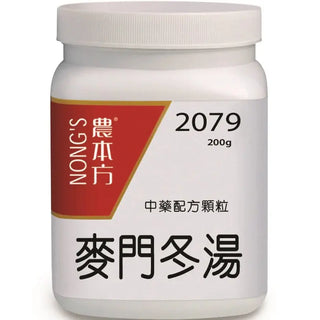
It can help Spleen-Stomach qi vacuity and protect the Stomach in febrile disease. Vigorous heat with vexing thirst joins gypsum, Anemarrhena and Licorice in Bai Hu Tang. Residual heat with counterflow appears in Zhu Ye Shi Gao Tang. Lung-Stomach fluid damage appears in Mai Men Dong Tang. It supplements qi, fortifies the Spleen, eliminates vexing thirst and stops diarrhea and dysentery—not a specific for every diabetic thirst or every diarrhea.
Can Jing Mi be eaten daily as a Stomach, antidiarrheal or fire-reducing porridge?
Spleen vacuity with poor appetite may be nourished with porridge; damp fullness only distends further as it supplements. “Rice must lower glucose and stop diarrhea” does not replace glucose and bowel assessment. Supplementing qi, fortifying the Spleen and eliminating vexing thirst should name 9–30 g inside a Bai Hu Tang-type formula.
How do you choose among Jing Mi, Nuo Mi, Shan Yao, Yi Yi Ren and Gan Cao?
Non-glutinous rice is sweet-neutral: supplements qi, fortifies the Spleen, eliminates vexing thirst and stops diarrhea—protects the Stomach without stickiness. Glutinous rice is sweet-warm: supplements the center and boosts qi, sticky; a small amount may suit vacuity-cold diarrhea. Chinese yam is sweet-neutral: supplements the Spleen, nourishes the Stomach, generates fluids, boosts the Lung, supplements the Kidney and secures essence. Coix is sweet-bland and cool: promotes urination, percolates damp, fortifies the Spleen and eliminates impediment. Licorice is sweet-neutral: supplements the Spleen, boosts qi, clears heat, resolves toxin and harmonizes the formula. Febrile Stomach protection favors Jing Mi (Bai Hu Tang); a little Nuo Mi may suit vacuity-cold diarrhea; chronic Spleen-vacuity diarrhea favors Shan Yao; heavy damp favors Yi Yi Ren; harmonizing favors Gan Cao. They may be paired; damp fullness forbids large Nuo Mi, and yin vacuity forbids scorched rice.
Which herbs is Jing Mi combined with? What are the representative formulas?
Vigorous heat with vexing thirst joins gypsum, Anemarrhena and Licorice in Bai Hu Tang. Residual heat with counterflow appears in Zhu Ye Shi Gao Tang. Lung-Stomach fluid damage appears in Mai Men Dong Tang. Write Jing Mi 9–30 g, cooked until the rice is done; do not replace it with glutinous rice by equal weight.
How do you choose and store Jing Mi?
Choose even grains, white or translucent, without a moldy odor, soft but not sticky when cooked. Moldy, moth-eaten or rancid lots are discarded. Store dry against moisture and moths. Buy japonica rice kernel; do not replace supplementing qi, fortifying the Spleen, eliminating vexing thirst and stopping diarrhea with glutinous rice or coix by equal weight.

Medical Disclaimer — This article is provided for educational purposes only and describes traditional Chinese medicine concepts. It is not medical advice, and it is not intended to diagnose, treat, cure or prevent any disease. Always consult a qualified practitioner before using any herb, particularly if you are pregnant, nursing, taking medication or managing a diagnosed condition.

More Chinese Herbs

Login

Forgot your password?

Don't have an account yet?
Create account

Jing Mi (Non-Glutinous Rice): Tonify the Middle, Benefit Qi, and Harmonize the Stomach