Roots and rhizomesInterior-warmingRadix Aconiti Lateralis Praeparata

Zhi Fu Zi (Prepared Aconite Accessory Root)

A practical guide to Zhi Fu Zi: what it is, how Traditional Chinese Medicine uses it, the classical formulas it appears in, and who should be careful with it.

View Herb Profile →

Last reviewed Oct 13, 2026

Quick Facts

Latin NameRadix Aconiti Lateralis Praeparata
Chinese Name & Pinyin 製附子 · Zhi Fu Zi
Medicinal PartRoots and rhizomes
The herbZhi Fu Zi is the processed daughter root of Aconitum carmichaelii. Raw Fu Zi, Chuan Wu, and Cao Wu are not home substitutes. Decoct it first. Incompatible with Ban Xia, Gua Lou, Bei Mu, Bai Lian, and Bai Ji.
Nature and channelsAcrid, sweet, greatly hot, toxic. Enters the Heart, Kidney, and Spleen. Acrid heat disperses cold and restores yang. Sweet heat supplements fire.
Pharmacopoeia lineRestores yang and rescues from collapse. Supplements fire and assists yang. Dispels cold and relieves pain. Used for yang collapse, icy limbs and a faint pulse, Heart-yang insufficiency, cold chest-bi pain, deficiency-cold vomiting and diarrhea, cold epigastric pain, Kidney-yang decline, impotence and cold uterus, yin-cold edema, yang-deficiency exterior patterns, and cold-damp painful obstruction.
Pattern cuesIcy limbs and faint pulse. Cold epigastric pain. Impotence and cold uterus. Yin-cold edema. Cold-damp bi.
In this articleZhi Fu Zi versus Rou Gui, Gan Jiang, and Chuan Wu. Why it is decocted first. The incompatible list. Why collapse is not a home decoction. Who must skip it.

What Is Zhi Fu Zi?

Zhi Fu Zi (制附子; Zhì Fù Zǐ; Latin: Aconiti Lateralis Radix Praeparata; English: prepared aconite accessory root) is the processed daughter root of Aconitum carmichaelii Debx. In Chinese medicine it is an interior-warming herb. It is acrid, sweet, greatly hot, and toxic, enters the Heart, Kidney, and Spleen channels, and its core actions are to restore yang and rescue from collapse, supplement fire and assist yang, and disperse cold and relieve pain. Common grades include salt Fu Zi, black slices, white slices, bland slices, and blast-fried slices. Internal use is qualified prepared pieces only. They must be decocted first, and decocted long. Raw Fu Zi, Chuan Wu, and Cao Wu are more toxic. Do not swap them in, and do not process raw aconite at home. Yang collapse is an emergency. Seek urgent care. Do not treat it with a home Si Ni Tang. Do not combine it with Ban Xia, Gua Lou, Bei Mu, Bai Lian, or Bai Ji.

It is used most often for three patterns:

  • Yang collapse — icy limbs, faint pulse; this belongs in hospital care
  • Heart–Spleen–Kidney yang deficiency — cold chest-bi pain, deficiency-cold vomiting and diarrhea, impotence, cold uterus, yin-cold edema
  • Cold-damp painful obstruction / yang-deficiency exterior pattern

The usual decoction dose is 3–15 g, decocted first. Yin deficiency with yang rising, and true heat with false cold, need a practitioner to tell apart. Avoid in pregnancy. Greatly hot and toxic, it is not a “yang slice” to raise at home. Numb lips, palpitations, or an irregular heartbeat: stop and get medical care.

When yin-cold is rampant, or yang is about to desert, icy limbs and a faint pulse are common. Zhi Fu Zi is acrid, sweet, and greatly hot. It restores, tonifies, and disperses cold, which is why it appears in Si Ni Tang and Fu Zi Li Zhong Tang. It supplements fire more than it nourishes yin. A dry red tongue, sore throat, and night sweats are injured further if more heat is added.

Zhi Fu Zi is not a catch-all yang or pain herb, and it is not something to process at home. Yin-deficiency fire, combining it with incompatible herbs such as Ban Xia or Bei Mu, or decocting the raw root, can cause severe harm. Which prepared slice, and how long to cook it, should be decided by a licensed Chinese medicine practitioner after pattern diagnosis and a check of contraindications.

Zhi Fu Zi Prepared Aconite

Zhi Fu Zi: Materia Medica Profile

Identification & Quality Standard

Radix Aconiti Lateralis Praeparata

Botanical Origin

The processed lateral root of Aconitum carmichaelii Debx. (Ranunculaceae), prepared by soaking, boiling and rinsing to reduce toxicity.

Production Regions

Primarily produced in the Chinese provinces of Sichuan (Jiangyou) and Shaanxi.

Quality Requirements

Superior medicinal material is thoroughly processed, horny on the fracture, and without a numbing aftertaste when chewed in small amount.

Macroscopic Features

Conical pieces or slices, externally brownish-black to tea-brown; fracture yellowish-white or yellowish-brown, horny and translucent; numb-spicy taste greatly reduced.

Sourcing and Quality Identification

Historically, the Sichuan province is famous for producing premium Aconite.

  • Appearance: Commercially, it is usually sold as hard, brittle longitudinal slices. They are grayish-brown with a somewhat horn-like, glossy cross-section.
  • Raw vs. Processed: The dangerous raw root is cone-shaped, brown, and has a strongly pungent smell. The processed Zhi Fu Zi has a much milder, slightly salty taste and a more uniform texture, indicating its toxicity has been safely reduced for clinical use.
  • Identification: It can be confused with other toxic roots from the same plant family, so it must always be sourced and identified by licensed professionals.

Traditional Properties & Historical Lineage

Nature, Flavour & Channel Tropism

Acrid, Sweet; Very hot; Toxic if under-processedHeartKidneySpleen

1. Historical Records

  • Shen Nong Ben Cao Jing (The Divine Farmer's Materia Medica): Mentioned the raw form for treating wind-cold, dampness, and joint pain.
  • Ming Yi Bie Lu (Miscellaneous Records of Famous Physicians): Added its use for coldness in the lower back, severe abdominal pain, and strengthening muscles and bones.
  • Ben Cao Gang Mu (Compendium of Materia Medica): Provided detailed records of the processed herb, highlighting its use for severe cold syndromes, extreme Yang deficiency (like sudden collapse or chronic diarrhea), and deep rheumatic pain.
  • De Pei Ben Cao (Materia Medica of Combinations): Noted powerful traditional pairings, such as combining it with Fu Ling (Poria) for cold-related fluid retention, or with Ren Shen (Ginseng) to rescue collapsing Yang energy.

2. Evolution of TCM Understanding

Different TCM masters emphasize different strengths of Zhi Fu Zi (Prepared Aconite Root):

  • Some focus on its profound tonifying ability, using it to rebuild a patient's core warmth and digestive fire.
  • Others utilize its strong moving and dispersing nature to blast through severe cold-dampness causing arthritis or chronic pain.
  • The Consensus: Everyone agrees it is strictly for "cold and Yang-deficient" patterns. It is strictly forbidden for anyone with a "Yin-deficient and excessive fire" (hot, dry) constitution.

Zhi Fu Zi Prepared Aconite

Core Efficacies & Traditional Applications

Traditional Functions

Restores devastated yang, warms the kidney and spleen, and disperses cold to relieve pain. Apply to yang collapse, cold limbs, hidden pulse, and cold-damp bi.

1. Primary Focus: Warming Yang and Dispersing Cold

  • Traditional Function: Zhi Fu Zi (Prepared Aconite Root) is famously used to warm the body and scatter internal cold pathogens that block the body's natural flow.
  • Target Symptoms: It is ideal for severe "Yang deficiency" and internal cold, showing up as icy hands and feet, a cold and painful lower back or knees, cold abdominal pain, and watery stools that worsen in cold weather.
  • Common Pairings: It is frequently paired with Gan Jiang (Dried Ginger) to boost its warming power, or with Bai Zhu (Atractylodes Rhizome) to strengthen the spleen and dry dampness.
  • When to Avoid: Absolutely avoid this herb if you have a "heat" pattern (symptoms like a dry mouth, dry stools, a red tongue, or a yellow tongue coating). Using it will add dangerous heat to an already hot system.

2. Secondary Focus: Supplementing Fire and Assisting Yang

  • Traditional Function: It supplements the "Mingmen Fire" (the body's core vital heat) in the lower jiao (lower body), helping to restore the normal function of your deepest energy reserves.
  • Target Symptoms: Used for severe Kidney Yang deficiency, which looks like profound fatigue, extreme aversion to cold, frequent night urination, and a "cold uterus" or reproductive weakness.
  • Common Pairings: Often paired with Rou Gui (Cinnamon Bark) to further strengthen internal fire, and Shu Di (Prepared Rehmannia Root) to gently nourish Yin, ensuring the warming is balanced.
  • When to Avoid: Do not use if you suffer from "Yin deficiency with hyperactive fire" (symptoms like night sweats, hot flashes, heat in the palms/soles, and a red tongue with little coating). It will burn up your remaining fluids.

3. Common Herb Pairings: Synergistic Duos

  • The ultimate warming duo is Zhi Fu Zi (Prepared Aconite Root) and Gan Jiang (Dried Ginger).
  • Why it works: Zhi Fu Zi excels at warming the deep Kidney Yang and driving out cold, while Gan Jiang warms the Spleen Yang (digestion) in the middle of the body. Together, they rescue the body from severe cold diarrhea and abdominal pain. Note: This is a highly potent medical combination that requires a professional TCM diagnosis.

Zhi Fu Zi Prepared Aconite

Modern Research

Modern research offers useful context, but Traditional Chinese Medicine prescribes on whole-pattern diagnosis rather than isolated compounds.

1. Key Chemical Compounds

Modern laboratory analysis shows that the primary active compounds are Aconitum alkaloids, including aconitine, mesaconitine, and hypaconitine.

  • These alkaloids are the source of both its medicinal power and its severe toxicity.
  • Animal studies show that prepared extracts can influence body temperature and activity levels in "cold syndrome" models, but these findings cannot directly replace human clinical data.

2. Modern Pharmacological Focus

Current scientific research on Zhi Fu Zi (Prepared Aconite Root) primarily looks at its potential effects on the cardiovascular system, energy metabolism, and immune function. While some lab models suggest extracts might influence blood vessel dilation, these studies are mostly in early in-vitro (test tube) or animal stages.

3. Research Limitations

It is important to view modern research on this powerful herb objectively:

  • Lab vs. Human: Results from animal or cell studies do not automatically translate to safe or effective human treatments.
  • Extracts vs. Whole Herb: The isolated chemical compounds and high-dose extracts used in modern labs are very different from the traditionally processed, boiled slices used in a TCM decoction.
  • Inconsistent Standards: Variations in how the raw herb is processed and extracted in different studies make it hard for scientists to reach unified conclusions.
  • Holistic Synergy: In TCM, the clinical effect of Zhi Fu Zi comes from the whole processed herb working together, usually balanced by other herbs in a formula (like ginger or licorice) to reduce toxicity. Judging it solely by its isolated toxic alkaloids misses the holistic picture.

Zhi Fu Zi Prepared Aconite

Comparing Similar Herbs

1. Shared Traits with Similar Herbs

Zhi Fu Zi (Prepared Aconite Root) and Rou Gui (Cinnamon Bark) share several traits:

  • Both are hot-natured herbs used to warm Yang and scatter cold.
  • Both treat severe cold syndromes like icy limbs and aching, cold joints.
  • Both require strict dosage control and should not be used casually.

2. Core Differences

  • Nature and Meridians: Zhi Fu Zi is "hot," affecting the Heart, Kidney, and Spleen. Rou Gui is "greatly hot" and also enters the Liver meridian.
  • Action Focus: Zhi Fu Zi is the heavy-hitter for rescuing collapsed Yang energy and dispersing deep-seated cold (like arthritis and Yang-deficiency edema). Rou Gui is better at warming and opening the meridians (treating cold menstrual cramps) and leading "floating fire" back to its source (relieving false heat symptoms like a flushed face over a cold body).
  • Clinical Indication: Choose Zhi Fu Zi for deep organ coldness, systemic freezing, and frequent urination. Choose Rou Gui for cold-stagnant pain (like menstrual pain) and upper-body heat caused by lower-body cold.

3. A One-Sentence Summary

Zhi Fu Zi (Prepared Aconite Root) is the ultimate herb for supplementing core fire and aggressively driving out cold, while Rou Gui (Cinnamon Bark) is the expert at warming the meridians and drawing floating Yang energy back down.

Zhi Fu Zi Prepared Aconite

Classical Formulas Containing Zhi Fu Zi

Formulas vs. Single Herbs

  • Synergy is Key: A formula is a balanced team. The healing power comes from how the herbs interact, so a single herb cannot simply replicate a full formula's effects.
  • Holistic Balance: The exact dosage and combination in a formula affect the entire body. Never try to mix or alter these formulas at home based on internet articles.

Diet & Daily Home Use

1. Home Herbal Teas and Meals

  • Mutton Soup with Prepared Aconite and Ginger:
    • Ingredients: 3g Zhi Fu Zi (Prepared Aconite Root), 5g Gan Jiang (Dried Ginger), 100g mutton, 2 slices of Sheng Jiang (Fresh Ginger).
    • Method: Blanch the mutton, then place all ingredients in a clay pot with water. Bring to a boil, then simmer on low heat for 2 full hours. Add a pinch of salt.
    • Best For: Deep winter chills, icy hands/feet, and cold lower backs due to Kidney Yang deficiency.
    • Avoid If: You have any signs of heat (dry mouth, constipation), Yin deficiency, or liver/kidney issues.
    • Frequency: Strictly limit to 1-2 times a month. Safety Warning: The herb must be properly processed, and this should only be made under the guidance of a TCM doctor.

2. Preparation Differences

  • Raw vs. Processed: The raw herb is highly toxic and never used for daily consumption. Only strictly processed Zhi Fu Zi is safe to use.
  • Brewing Rule: When making a decoction at home, Zhi Fu Zi must be pre-boiled for 30 to 60 minutes before adding any other herbs. This sustained boiling is critical to break down its toxic alkaloids.

3. Dosage and Usage Cycles

  • Dosage: Clinical doses range from 3-15g, carefully monitored by a doctor. Food therapy doses must be kept very small (under 3g).
  • Duration: It is not for continuous, long-term use. A single dietary meal is meant for occasional relief, not a daily habit.
Zhi Fu Zi Prepared Aconite

Contraindications & Safety Warnings

1. Who Should Avoid It

  • Yin Deficiency / Heat: Anyone with hot flashes, night sweats, or a red tongue without coating.
  • Vulnerable Populations: Pregnant and nursing women must avoid it. Children and the elderly can only use it under strict medical supervision.
  • Organ Dysfunction: Those with liver or kidney issues should avoid it, as impaired metabolism increases the risk of toxicity.
  • Allergies: Strictly banned for anyone allergic to the Aconitum plant family.

2. Medication Interactions and Dietary Notes

  • Drug Interactions: It can interact significantly with blood thinners, blood pressure medications, diabetes drugs, and sedatives (e.g., causing dangerous drops in blood pressure or blood sugar). Always consult a doctor before combining.
  • Timing: Separate taking this herb from Western medications by at least 2 hours.

3. Adverse Reactions and Overdose

  • Toxicity Signs: Mild to severe poisoning includes numbness of the lips and tongue, dizziness, nausea, vomiting, palpitations, and breathing difficulties.
  • Emergency Response: Zhi Fu Zi toxicity is a medical emergency. If you experience numbness, persistent vomiting, or heart/breathing abnormalities, stop immediately and seek emergency medical care. Do not try to treat it at home.

Frequently Asked Questions About Zhi Fu Zi

What is Zhi Fu Zi? Are Sheng Fu Zi, Hei Shun Pian, Bai Fu Pian and Chuan Wu the same?
Official Fu Zi is the processed daughter root of Aconitum carmichaelii. The pharmacopoeial name is Aconiti Lateralis Radix Praeparata. Zhi Fu Zi is salt-cured, rinsed and steamed or boiled to reduce toxicity; common slices are Hei Shun Pian, Bai Fu Pian, Dan Fu Pian and Pao Fu Pian. Sheng Fu Zi (raw) is highly toxic and must not be taken internally by lay users. Chuan Wu is the mother root of the same plant—also toxic and separately regulated. Write Zhi Fu Zi, Fu Pian or Dan Fu Pian; use only qualified processed slices; decoct first. It is not a kitchen spice or wellness tea.
What are the TCM properties and traditional uses of Zhi Fu Zi?
According to the Chinese Pharmacopoeia, Fu Zi is acrid, sweet and very hot; toxic, enters the Heart, Kidney and Spleen channels, and acts to restore Yang and rescue from collapse, tonify fire and assist Yang, and disperse cold to stop pain. It is used for Yang collapse with desertion, cold limbs and faint pulse, impotence and cold uterus, cold pain of the heart and abdomen, deficient-cold vomit-diarrhea, Yin-cold edema, Yang-vacuity external contraction and cold-damp impediment pain. Very hot and toxic, it suits Yin cold and Yang collapse—not Yin vacuity with flaming Yang, excess heat or pregnancy.
How do you choose Hei Shun Pian, Bai Fu Pian and Dan Fu Pian? Why decoct first?
All are processed Fu Zi slices; Dan Fu Pian is co-boiled with licorice and black soybean and has less tongue numbness. Whatever the cut, decoction must boil it first for 30–60 minutes (longer at higher doses) until the liquid has no clear tongue-numbing taste, then add the remaining herbs. Raw Fu Zi, unprocessed material and under-boiled decoction must not be self-administered.
What is the usual dosage? Can it be drunk daily as a Yang-warming tea?
The pharmacopoeial decoction dose is 3–15 g, decocted first. It is not a four-season “Fu Zi Yang tea,” and the dose must not be raised by the user. Yang collapse and cold impediment need a practitioner, starting lower and monitoring. Numbness of the mouth, tongue or limbs, palpitations or blurred vision require immediate stop and emergency care.
What are the contraindications? Can it be used in pregnancy?
Forbid in pregnancy. Forbid in Yin vacuity with Yang hyperactivity and in excess-heat patterns. Do not combine with Ban Xia, Gua Lou, Bei Mu, Bai Lian or Bai Ji (Eighteen Incompatibilities; some lists also include Tian Hua Fen). Forbid if allergic. Generally unused in lactation. The herb is toxic and must be prescribed by a qualified practitioner.
Can Zhi Fu Zi restore Yang, tonify fire and stop pain?
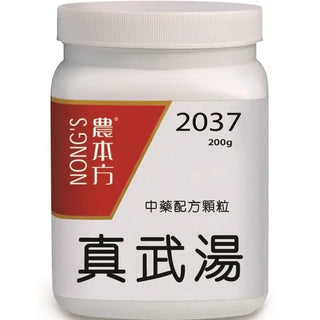
It can help Yin-cold Yang collapse and severe cold-damp pain. Yang collapse with cold reversal joins dried ginger and honey-fried licorice in Si Ni Tang. Spleen-Kidney Yang vacuity with water qi joins Poria, Atractylodes, fresh ginger and white peony in Zhen Wu Tang. Middle cold with vomit-diarrhea appears in Fu Zi Li Zhong Tang. Very hot, it restores Yang—not a specific for every aversion to cold, every joint pain or every impotence. Shock and serious arrhythmia are emergencies—do not rely on Fu Zi alone.
Can Zhi Fu Zi be drunk daily as a potency, cold-dispelling or heart-strengthening tea?
Yang vacuity with exuberant cold may enter a short practitioner formula; Yin vacuity with flaming fire only grows more injured by heat. “Fu Zi fortifies Yang and strengthens the heart” does not replace cardiologic and endocrine assessment. Restoring Yang and tonifying fire must name Zhi Fu Zi 3–15 g, decocted first, by a practitioner—do not buy raw material or raise the dose yourself.
How do you choose among Zhi Fu Zi, Gan Jiang, Rou Gui, Gui Zhi and Wu Zhu Yu?
Prepared aconite accessory root is acrid-sweet, very hot and toxic: restores Yang, rescues collapse, tonifies fire, assists Yang and disperses cold to stop pain—Heart-Kidney-Spleen, fierce, specific for Yang collapse and deep cold. Dried ginger is acrid-hot: warms the middle, disperses cold, restores Yang, unblocks the vessels and warms the Lung to transform rheum—middle burner. Cinnamon bark is acrid-sweet and very hot: tonifies fire, assists Yang, disperses cold, stops pain and warms the channels—life gate. Cinnamon twig is acrid-sweet-warm: releases the exterior, warms and unblocks the vessels and assists Yang to transform qi. Evodia is acrid-bitter-hot: disperses cold, stops pain, downbears counterflow and assists Yang to stop diarrhea. Yang collapse favors Fu Zi with Gan Jiang (Si Ni Tang); life-gate deficient cold favors Rou Gui; exterior cold favors Gui Zhi; Liver cold invading the Stomach favors Wu Zhu Yu. They may be paired; pregnancy, Yin vacuity with fire and the Eighteen Incompatibilities all forbid Fu Zi.
Which herbs is Zhi Fu Zi combined with? What are the representative formulas?
Yang collapse joins dried ginger and honey-fried licorice in Si Ni Tang. Yang-vacuity water qi appears in Zhen Wu Tang. Middle cold appears in Fu Zi Li Zhong Tang. Write Zhi Fu Zi or Dan Fu Pian 3–15 g, decoct first, and avoid Ban Xia, Gua Lou, Bei Mu, Bai Lian and Bai Ji.
How do you choose and store Zhi Fu Zi?
Buy only regulated slices: Hei Shun Pian, Bai Fu Pian or Dan Fu Pian from a traceable source. Discard raw Fu Zi and unidentified “Cao Wu Fu Zi.” Store dry. Buy pharmacopoeial processed material; decoct first until tongue numbness is not obvious; do not replace restoring Yang and tonifying fire with raw Fu Zi or an unidentified Aconitum by equal weight.

Medical Disclaimer — This article is provided for educational purposes only and describes traditional Chinese medicine concepts. It is not medical advice, and it is not intended to diagnose, treat, cure or prevent any disease. Always consult a qualified practitioner before using any herb, particularly if you are pregnant, nursing, taking medication or managing a diagnosed condition.

More Chinese Herbs

Login

Forgot your password?

Don't have an account yet?
Create account

Zhi Fu Zi (Prepared Aconite): Restore Devastated Yang, Fortify Fire, and Disperse Cold