Phlegm-Resolving Formulas

半夏白朮天麻湯 · Bàn Xià Bái Zhú Tiān Má Tāng

Ban Xia Bai Zhu Tian Ma Tang

A classical formula for dizziness and headache from wind-phlegm rising, often with Spleen damp.

View formula profile →
Last reviewed August 2026
Formula CategoryPhlegm-Resolving Formulas
Primary PatternPhlegm-Dampness
Primary FunctionDry damp, resolve phlegm, calm Liver, extinguish wind
Primary Therapeutic PrincipleTransform wind-phlegm and calm ascending Liver wind
Main HerbsPinellia Rhizome · Gastrodia Rhizome · Poria / Hoelen · Red Tangerine Peel · White Atractylodes Rhizome · Licorice Root
Classical SourceLi Dongyuan school / classical

Why This Formula?

Traditionally selected for dizziness and headache from wind-phlegm rising with Spleen damp, rather than Liver Yang rising heat, thin fluid retention, or plain phlegm-damp without wind.

Traditionally selected for dizziness and headache from wind-phlegm rising with Spleen damp, rather than Liver Yang rising heat, thin fluid retention, or plain phlegm-damp without wind.

What Is Ban Xia Bai Zhu Tian Ma Tang?

1. Classical Transmission

Ban Xia Bai Zhu Tian Ma Tang (半夏白术天麻汤), or Pinellia, Atractylodes, and Gastrodia Decoction, is a classical Qing-dynasty formula from Cheng Guopeng’s Yi Xue Xin Wu (Medical Revelations). It belongs to the category of formulas that transform Phlegm, extinguish Wind, and treat dizziness.

This formula addresses Wind-Phlegm (or Phlegm-Damp generating internal Wind) that clouds the orifices and stirs upward, a common pattern of vertigo arising from Spleen deficiency. Typical signs include dizziness or spinning vertigo, headache with a heavy sensation, chest and epigastric fullness, nausea or vomiting of phlegm, fatigue, a white greasy tongue coating, and a wiry slippery pulse.

Combining Tian Ma as the key herb to extinguish Wind and stop dizziness, Ban Xia to transform Phlegm and descend rebellious Qi, Bai Zhu and Fu Ling to strengthen the Spleen and dry or leach Dampness (cutting off the source of Phlegm), Chen Pi to regulate Qi and further resolve Phlegm, and Gan Cao with Sheng Jiang and Da Zao to harmonize the Middle, Ban Xia Bai Zhu Tian Ma Tang effectively transforms Phlegm, extinguishes Wind, and settles vertigo at both the branch and the root.

Ban Xia Bai Zhu Tian Ma Tang: Drying Dampness, Resolving Phlegm, Calming the Liver and Extinguishing Wind — Precision Care for Meniere's Disease, Primary Hypertension and Vertebrobasilar Insufficiency | HJMEDICAL

2. Dizziness and Vertigo

  • Target Symptoms: This is highly effective for patients experiencing dizziness caused by internal phlegm-dampness. These individuals often describe feeling lightheaded or like their head is wrapped tightly in a heavy towel.
  • Clinical Relief: Along with a heavy head, they might feel chest oppression, nausea, and have a thick, white, greasy tongue coating. Ban Xia Bai Zhu Tian Ma Tang efficiently clears the phlegm and calms the dizziness, with practitioners adjusting the dosage based on the individual's exact needs.

3. Headaches

  • Target Symptoms: For headaches driven by "wind-phlegm" moving upward, patients often complain of a thick, foggy sensation in their head, accompanied by nausea or actually vomiting up clear fluids and phlegm.
  • Clinical Relief: By resolving the phlegm and extinguishing the internal wind, this formula clears the head. A practitioner will often tailor the treatment depending on the exact location and nature of the headache.

4. Meniere's Disease

  • Target Symptoms: Meniere's disease is characterized by sudden, severe episodes of vertigo, ringing in the ears (tinnitus), and a feeling of fullness in the ear.
  • Clinical Relief: In TCM, these symptoms are heavily linked to phlegm-dampness and Liver wind. The specific actions of Ban Xia Bai Zhu Tian Ma Tang—clearing the blockage and settling the wind—make it very helpful for managing these uncomfortable inner ear symptoms. It is often combined with other modern or traditional therapies for the best results.
Ban Xia Bai Zhu Tian Ma Tang

5. Hyperlipidemia (High Cholesterol)

  • Target Symptoms: From a TCM perspective, high blood lipids are often viewed as a form of accumulated "phlegm-dampness," especially in patients who may carry extra weight or feel a sense of fullness in their chest and abdomen.
  • Clinical Relief: By strengthening the Spleen and improving how the body processes fluids and nutrients, this formula can help regulate lipid metabolism. Modern research supports that certain herbs in this combination help manage blood lipid levels, making it a valuable supportive therapy for cardiovascular health.

Herb Composition (Sovereign / Minister / Assistant / Envoy)

1. Chief Herbs: Ban Xia and Bai Zhu

  • Ban Xia (Pinellia): This herb is warm and acrid, primarily targeting the Spleen, Stomach, and Lung channels. It is a powerful ingredient for drying up internal dampness, resolving sticky phlegm, and stopping nausea or vomiting. In Ban Xia Bai Zhu Tian Ma Tang, it acts as the primary cleaner for clearing phlegm-dampness from the digestive system.
  • Bai Zhu (Atractylodes Rhizome): Sweet, slightly bitter, and warm, this herb is famous for strengthening the Spleen and boosting Qi. While Ban Xia clears existing phlegm, Bai Zhu improves digestion to stop new phlegm from forming. Together, they act as the "Chiefs" to tackle the root cause of dampness.

2. Deputy Herb: Tian Ma

  • Tian Ma (Gastrodia Rhizome): This herb has a neutral nature and enters the Liver channel. In Traditional Chinese Medicine (TCM), heavy phlegm can stir up internal "Liver wind," leading to symptoms in the head. Tian Ma is excellent at calming this wind, effectively relieving the dizziness and headaches associated with this condition. It perfectly assists the chief herbs in managing the primary symptoms.

3. Assistant Herbs: Fu Ling and Ju Hong

  • Fu Ling (Poria): Sweet and gentle, it helps drain excess dampness through urination while strengthening the Spleen and calming the mind. It works closely with Bai Zhu to enhance the body's fluid transformation.
  • Ju Hong (Red Tangerine Peel): Warm and acrid, it regulates the flow of Qi (energy) and resolves phlegm. It pairs with Ban Xia to boost the phlegm-clearing effects, operating on the TCM principle that "when Qi moves freely, phlegm naturally disperses."
Ban Xia Bai Zhu Tian Ma Tang

4. Envoy Herb: Gan Cao

  • Gan Cao (Licorice): Known as the great harmonizer, it ensures all the herbs in the formula work together smoothly and safely without clashing. Additionally, it gently tonifies the Spleen and boosts overall Qi, supporting the body's baseline vitality while the other herbs fight off the pathogens.

Clinical Presentation in TCM

1. Pathomechanism (How the Illness Develops)

  • The Root Cause: The core issue is a weak Spleen and Stomach. In TCM, these organs are the center of digestion and fluid management. When they are weak, fluids pool together and transform into "phlegm-dampness."
  • The Upward Disturbance: This heavy, sticky phlegm blocks the middle of the body, preventing clear, refreshing energy from reaching the head. This causes brain fog, blurred vision, and dizziness.
  • The Wind Connection: Over time, this trapped phlegm can generate heat and stir up internal "Liver wind," which spirals upward, making the headaches and dizziness much worse.

2. Actions (How the Formula Works)

  • Treating Root and Branch: The formula is designed to resolve phlegm and extinguish wind while simultaneously strengthening the Spleen.
  • The Strategy: Herbs like Ban Xia and Bai Zhu clear out the junk (phlegm-dampness), Tian Ma settles the dizziness and headaches (extinguishes wind), and the supportive herbs ensure the digestive system is strong enough to prevent the problem from coming back.
Ban Xia Bai Zhu Tian Ma Tang: Drying Dampness, Resolving Phlegm, Calming the Liver and Extinguishing Wind — Precision Care for Meniere's Disease, Primary Hypertension and Vertebrobasilar Insufficiency | HJMEDICAL

3. Indications (When It Is Used)

  • Target Symptoms: Ban Xia Bai Zhu Tian Ma Tang is specifically used for "wind-phlegm" disturbance patterns.
  • Common Signs: Patients who need this formula typically experience intense dizziness (vertigo), headaches, a heavy or suffocating feeling in the chest, nausea, vomiting, and have a thick, white, greasy coating on their tongue.
  • Clinical Context: Whether the phlegm built up from a poor diet, digestive weakness, or chronic stress, this formula is a standard choice when these dizzy, phlegm-heavy symptoms appear.

The Mechanism in Classical Theory

1. Drying Dampness and Strengthening the Spleen

  • The Two-Pronged Approach: In this formula, Ban Xia focuses on drying up existing dampness and resolving sticky phlegm, while Bai Zhu works on strengthening the Spleen to improve digestion.
  • Treating the Root: Together, they tackle the problem from two angles. Ban Xia clears out the "junk" that has already formed, and Bai Zhu ensures the digestive system is running smoothly enough to prevent new phlegm from being created. This perfectly reflects the Traditional Chinese Medicine (TCM) principle of treating both the symptoms and the root cause.

2. Calming the Liver and Extinguishing Wind

  • Settling the Storm: Tian Ma is specifically used to calm the Liver and extinguish internal "wind."
  • The Synergy: When heavy phlegm-dampness blocks the body, it can stir up this Liver wind, making dizziness and headaches much worse. By adding Tian Ma, the formula effectively settles this internal turbulence, bringing quick relief to head-related symptoms.

3. Regulating Qi and Draining Dampness

  • Moving the Energy: Ju Hong is included to regulate the flow of Qi (energy). Because phlegm moves more easily when energy flows smoothly, its inclusion makes the phlegm-clearing process much more efficient.
  • Flushing it Out: Meanwhile, Fu Ling helps drain out excess dampness through urination. It works hand-in-hand with Bai Zhu to boost the body's fluid management system, ensuring that the dampness is completely cleared out of the body.
Ban Xia Bai Zhu Tian Ma Tang

4. Harmonizing the Formula

  • The Great Peacemaker: Gan Cao acts as a harmonizer, ensuring that all the different herbs in the formula work together safely and effectively without clashing.
  • Gentle Support: At the same time, it gently boosts overall energy and supports the Spleen and Stomach, helping the primary herbs do their job while protecting the body's natural vitality.

Clinical Comparison Table

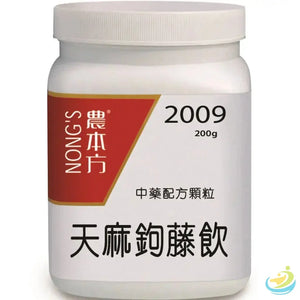
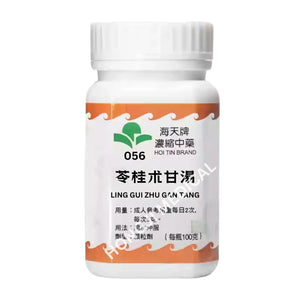
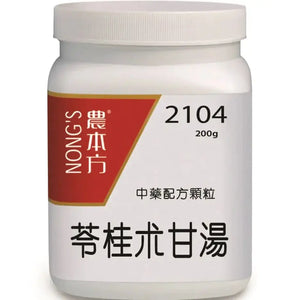
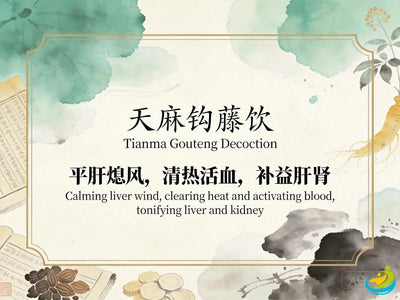
Compare Ban Xia Bai Zhu Tian Ma TangTian Ma Gou Teng YinLing Gui Zhu Gan TangEr Chen Tang
Primary Function Dry damp, resolve phlegm, calm Liver, extinguish windCalm Liver Yang, extinguish internal wind, clear heatWarm Yang, transform phlegm-fluids, strengthen SpleenDry dampness, resolve phlegm, regulate Qi, harmonize middle
Formula Category Phlegm-Resolving FormulasLiver-Wind Extinguishing FormulasDampness-Draining FormulasPhlegm-Resolving Formulas
Typical TCM Pattern Phlegm-DampnessLiver FireDampnessPhlegm-Dampness
Main Conditions Dizziness & Vertigo, Headache, NauseaHeadache, Dizziness & Vertigo, Tinnitus, Anxiety Restlessness, Poor Sleep QualityDizziness & Vertigo, Bloating, Excessive Mucus, PalpitationsPoor Appetite, Nausea
Main Herbs Pinellia Rhizome · Gastrodia Rhizome · Poria / Hoelen · Red Tangerine Peel · White Atractylodes Rhizome · Licorice RootGastrodia Rhizome · Uncaria Stem with Hooks · Abalone Shell · Gardenia Fruit · Scutellaria / Baikal Skullcap · Leonurus / Motherwort · Cyathula Root · Eucommia Bark · Taxillus / Mulberry Mistletoe · Fleeceflower Stem · Poria with Pine RootPoria / Hoelen · Cinnamon Twig · White Atractylodes Rhizome · Honey-fried LicoricePinellia Rhizome · Tangerine Peel · Poria / Hoelen · Honey-fried Licorice
Classical Source Li Dongyuan school / classicalZhong Yi Nei Ke Za Bing Zheng Zhi Xin Yi (Hu Guangci, 1958)Shang Han Lun / Jin Gui Yao Lue (Zhang Zhongjing)Tai Ping Hui Min He Ji Ju Fang (Song, 1107)

How to tell them apart

Ban Xia Bai Zhu Tian Ma Tang, Tian Ma Gou Teng Yin, Ling Gui Zhu Gan Tang and Er Chen Tang address dizziness or phlegm. Tian Ma Gou Teng Yin calms Liver Yang rising with heat; Ling Gui Zhu Gan Tang warms and transforms thin fluid; Er Chen Tang is plain phlegm-damp. Ban Xia Bai Zhu Tian Ma Tang transforms wind-phlegm and strengthens Spleen for dizziness and headache from phlegm with internal wind.

For educational reference only, based on traditional pattern differentiation — not a substitute for professional advice.

Clinical Modifications for Ban Xia Bai Zhu Tian Ma Tang

1. Pronounced Phlegm-Heat

  • The Adjustment: If a patient has significant internal phlegm-heat, practitioners may add heat-clearing and phlegm-resolving herbs like Huang Qin, Cang Zhu, Huang Bai, and Dan Nan Xing.
  • The Goal: Huang Qin clears heat and drains fire, while Dan Nan Xing resolves phlegm and calms internal "fright." Together, these additions supercharge the formula's ability to clear heat and settle disturbances caused by thick, hot phlegm.

2. Blood Stasis Obstruction

  • The Adjustment: For symptoms of blood stasis—such as a sharp, fixed headache or a purplish tongue with dark spots—herbs that activate blood circulation are added, such as Chuan Xiong, Ze Xie, and Dan Shen.
  • The Goal: Chuan Xiong moves Qi and stops pain, while Dan Shen unblocks the body's channels. This helps clear the stagnation, allowing blood and energy to flow smoothly and relieving stubborn headaches.

3. Pronounced Spleen-Stomach Weakness

  • The Adjustment: If digestive weakness is the standout symptom, Qi-tonifying herbs like Dang Shen and Huang Qi are commonly included.
  • The Goal: Dang Shen strengthens the Spleen and nourishes blood, while Huang Qi boosts overall energy and raises "Yang." This combination builds up the body's digestive core, improving natural resistance and speeding up recovery.
Ban Xia Bai Zhu Tian Ma Tang

4. Liver Yang Hyperactivity

  • The Adjustment: When a patient experiences a throbbing headache, a bitter taste in the mouth, and irritability, it points to hyperactive Liver Yang. Herbs like Gou Teng and Shi Jue Ming are added.
  • The Goal: These herbs are excellent at calming the Liver and subduing rising Yang energy, bringing quick relief to the tension and distending pain in the head.

What the Science Suggests

1. Pharmacological Research

Modern studies on Ban Xia Bai Zhu Tian Ma Tang confirm its effectiveness for dizziness, headaches, and nausea caused by "wind-phlegm." Here is how the individual ingredients are understood today:

  • Ban Xia: Acts as a cough suppressant, expectorant, and anti-emetic (stops vomiting).
  • Bai Zhu: Regulates gastrointestinal function and boosts immune response.
  • Tian Ma: Provides sedative and anticonvulsant effects while improving blood circulation in the brain.
  • Fu Ling & Ju Hong: Promote fluid balance, regulate digestion, and help clear mucus.
  • Gan Cao: Offers anti-inflammatory and anti-allergic support.

2. Clinical Efficacy Validation

Large-scale clinical trials have validated the use of this formula for conditions like persistent dizziness, headaches, and Meniere's disease. When compared to some conventional treatments in control groups, Ban Xia Bai Zhu Tian Ma Tang has been shown to relieve dizziness more rapidly and with a lower rate of symptom recurrence.

3. Dosage Form Improvement Research

To make this classic remedy more convenient for modern lifestyles, researchers are continually improving how it is taken. While traditional decoctions are still used, it is now widely available in concentrated granules, capsules, and pills. These formats maintain the formula's effectiveness while offering better stability and ease of use.

Ban Xia Bai Zhu Tian Ma Tang

4. Exploration of Mechanism of Action

Scientists are still uncovering exactly how this formula works on a cellular level. Current evidence suggests it operates through multiple pathways:

  • Regulating neurotransmitters in the brain.
  • Improving microcirculation, particularly in the inner ear (which helps explain its success with vertigo).
  • Regulating lipid metabolism, offering potential cardiovascular benefits.

Safety Considerations

1. Dietary Restrictions and Special Populations

While taking Ban Xia Bai Zhu Tian Ma Tang, avoid raw, cold, greasy, spicy, and irritating foods, which may impair digestion and worsen phlegm-dampness. Pregnant women, people with weak constitutions, and those with yin deficiency and yang hyperactivity should use the formula only with medical guidance.

2. Monitoring and Dosage

Monitor your symptoms during treatment. Seek medical attention if dizziness, headaches, or other discomfort worsens or new symptoms develop. Follow the prescribed schedule and do not change or stop the dosage without consulting a physician.

Questions About Ban Xia Bai Zhu Tian Ma Tang

Q1: What are the actions of Ban Xia Bai Zhu Tian Ma Tang?
Ban Xia Bai Zhu Tian Ma Tang has the actions of transforming Phlegm, extinguishing Wind, strengthening the Spleen, and drying Dampness. It is the representative formula for Wind-Phlegm rising to disturb the head and cause dizziness and headache.
Q2: Which modern diseases is Ban Xia Bai Zhu Tian Ma Tang suited to?
Modern TCM clinical practice commonly applies it to individuals whose pattern differentiation falls within Wind-Phlegm, including Meniere’s disease or aural vertigo, hypertension-related dizziness of Phlegm type, neurological or cervical vertigo with a heavy foggy head, and certain migraines or headaches accompanied by nausea and a greasy tongue coating.
Q3: Is Ban Xia Bai Zhu Tian Ma Tang suitable for improving dizziness, a heavy head, and nausea?
For presentations of dizziness or spinning vertigo, heavy or muzzy headache as if the head were wrapped, chest or epigastric fullness, nausea or vomiting of Phlegm, a white greasy tongue coating, and a wiry-slippery pulse — in those whose pattern differentiation confirms Wind-Phlegm rising from Spleen Dampness — TCM commonly applies Ban Xia Bai Zhu Tian Ma Tang as an adjunct. It cannot replace evaluation of inner-ear, neurological, or cardiovascular causes of vertigo.
Q4: Who should not take Ban Xia Bai Zhu Tian Ma Tang?
Those with dizziness from Yin deficiency and Yang rising, or from Qi and Blood deficiency without Phlegm, are generally not suitable. The formula is warming and drying; it can worsen empty-Heat or further deplete Yin. Caution is advised in pregnancy because of Ban Xia. Use should be assessed by a qualified TCM physician.
Q5: Why are Ban Xia and Tian Ma used together as the key pair?
Classical physicians noted that Taiyin Phlegm-jue headache cannot be treated without Ban Xia, and spinning darkness before the eyes from internal Wind cannot be treated without Tian Ma. Ban Xia dries Dampness, transforms Phlegm, and descends rebellious Qi; Tian Ma calms Liver Wind and stops dizziness. Together they treat both the Phlegm root and the Wind branch.
Q6: How does this formula differ from Tian Ma Gou Teng Yin?
Tian Ma Gou Teng Yin treats Liver Yang rising or Liver Wind with little Phlegm — often a wiry pulse, red tongue, tinnitus, and heat signs. Ban Xia Bai Zhu Tian Ma Tang treats Wind that is generated by Phlegm-Damp from a weak Spleen — heavy foggy head, nausea, greasy coating, and a wiry-slippery pulse. The presence or absence of Phlegm-Damp is the key distinction.
Q7: What are the main ingredients of Ban Xia Bai Zhu Tian Ma Tang?
The classical formula consists of Ban Xia to dry Dampness, transform Phlegm, and descend Qi; Tian Ma to extinguish Wind and stop dizziness; Bai Zhu and Fu Ling to strengthen the Spleen and leach Dampness; Chen Pi (or Ju Hong) to regulate Qi and dry Dampness; and Gan Cao, Sheng Jiang, and Da Zao to harmonize the Middle. It is essentially Er Chen Tang plus Tian Ma and extra Bai Zhu.
Q8: Is Ban Xia Bai Zhu Tian Ma Tang suitable for long-term use?
It may be used for a course of treatment while Wind-Phlegm dizziness is being resolved. Because the formula is drying, prolonged use without monitoring can injure Yin. Once vertigo, nausea, and the greasy coating improve, the formula should be modified toward Spleen-strengthening or stopped under professional guidance.
Q9: Can this formula help both the spinning dizziness and the accompanying nausea or heavy-headed feeling?
Yes. Wind-Phlegm rising clouds the clear Yang (dizziness, heavy wrapped-head sensation) and simultaneously rebels in the Stomach (nausea, chest oppression). By transforming Phlegm at its Spleen source and extinguishing the Wind it generates, the formula addresses this whole cluster rather than dizziness alone.
Q10: What lifestyle advice supports the use of Ban Xia Bai Zhu Tian Ma Tang?
Reducing greasy, sweet, dairy, and alcohol-containing foods that generate Phlegm-Damp, eating regular moderate meals, gentle movement to transform Dampness, and avoiding sudden postural changes during vertigo attacks help the formula dry Dampness and settle Wind. Sudden severe vertigo, neurological deficits, or fainting require immediate medical evaluation.

General Questions

How do I choose the right formula?
TCM formulas are traditionally selected according to individual pattern differentiation rather than by symptom alone. If you're not sure which formula fits your presentation, take our AI Assessment below for a personalized starting point, then confirm with a qualified TCM practitioner.
What are concentrated herbal granules?
Concentrated herbal granules are made by decocting raw herbs, then extracting and concentrating the resulting liquid into a fine granule or powder form. This preserves the same active compounds as a traditional decoction while making the herbs far easier to store, measure, and prepare.
How should I take these products?
Dissolve the recommended amount of granules in hot water, stir until fully dissolved, and drink while warm — following the dosage and frequency advised by your TCM practitioner or as stated on the product packaging.
Are concentrated herbal granules equivalent to traditional decoctions?
Concentrated granules are produced from the same herbs and processed to retain their active compounds, so they are traditionally regarded as a convenient alternative to decoctions rather than a different remedy. Some practitioners note subtle differences in strength or absorption between the two forms, so your TCM practitioner may adjust dosage accordingly.
Are your products authentic?
Yes. HJMEDICAL sources its concentrated granules exclusively from established, reputable manufacturers such as Nong's and Hoi Tin, both long-standing names in the TCM granules industry, with GMP compliance stated directly on their packaging.
Are HJMEDICAL products manufactured under GMP standards?
HJMEDICAL sources its concentrated granules from established, reputable manufacturers such as Nong's and Hoi Tin, both long-standing names in the TCM granules industry. GMP compliance for these products is stated directly on their packaging.
Do you ship internationally?
Yes — we ship worldwide! Every order goes out via Hong Kong Post, and your exact shipping cost and estimated delivery time for your address are calculated and shown right at checkout, so there are never any surprises. We also offer free shipping once your order reaches our free-shipping threshold, so it's easy to stock up on your favorite formulas and save.
Can I take more than one formula at the same time?
Some formulas are traditionally combined, while others overlap or counteract each other. We recommend checking with a qualified TCM practitioner before combining formulas, especially if you are already taking other medication.
Are these products suitable during pregnancy or breastfeeding?
Some TCM formulas are not suitable during pregnancy or breastfeeding. Please consult a qualified TCM practitioner or your doctor before use if you are pregnant, trying to conceive, or nursing.
Do these products replace medical treatment?
No. These products are traditional herbal supplements intended to support wellbeing according to TCM principles — they are not a replacement for professional medical diagnosis or treatment. Please consult a qualified TCM practitioner or licensed healthcare provider before starting, stopping, or combining any treatment, especially if you have a chronic condition.
Medical Disclaimer

For general TCM education only — not medical advice. Consult a qualified TCM practitioner or licensed healthcare provider before use, especially if pregnant, nursing, on medication, or managing a chronic condition.

Not sure which formula is right for you?

Take the AI Assessment

最新文章

Login

Forgot your password?

Don't have an account yet?
Create account

Ban Xia Bai Zhu Tian Ma Tang: Classic TCM Formula for Wind-Phlegm, Dizziness, Headache & Vertigo