Dampness-Draining Formulas

五皮饮 · Wǔ Pí Yǐn

Wu Pi Yin

A classical five-peel formula for skin oedema (Pi Shui) with abdominal distension and scanty urine, using peels to drain damp from the exterior and Middle without heavy tonification.

View formula profile →
Last reviewed August 2026
Formula CategoryDampness-Draining Formulas
Primary PatternDampness
Primary FunctionDrain dampness, reduce oedema, move Qi
Primary Therapeutic PrinciplePromote urination, reduce oedema and regulate Qi in the skin and Middle
Main HerbsMulberry Root Bark · Fresh Ginger Peel · Poria Peel · Tangerine Peel · Areca Peel / Betel Husk
Classical SourceHua Shi Zhong Zang Jing / Zhong Zang Jing tradition

Why This Formula?

Traditionally selected for superficial oedema with distension and scanty urine — a draining and Qi-moving approach rather than Yang-warming or strong Spleen-tonifying diuresis.

Traditionally selected for superficial oedema with distension and scanty urine — a draining and Qi-moving approach rather than Yang-warming or strong Spleen-tonifying diuresis.

What Is Wu Pi Yin?

1. A Crystallisation of Ancient Medical Wisdom

Wu Pi Yin (五皮饮), or Five-Peel Decoction, is a classical formula attributed to Hua Shi Zhong Zang Jing (Hua’s Central Treasury Classic) and later recorded in Song-dynasty texts such as the Tai Ping Hui Min He Ji Ju Fang. It belongs to the category of formulas that promote urination and drain Dampness.

This formula is designed for Pi Shui (skin water or superficial edema) caused by Spleen deficiency with Damp accumulation and Qi stagnation. Typical signs include generalized or limb edema (often pitting), abdominal distention and fullness, difficult or scanty urination, a heavy sensation in the body, and a white greasy tongue coating.

Composed entirely of plant peels—commonly Sang Bai Pi, Sheng Jiang Pi, Fu Ling Pi, Da Fu Pi, and Chen Pi—Wu Pi Yin regulates Qi, strengthens the Spleen’s transportation of fluids, promotes urination, and reduces swelling by using “peel to treat peel,” gently draining excess water from the superficial layers of the body.

Wu Pi Yin

2. Edema (General Swelling)

Wu Pi Yin is a classic choice for treating various types of edema—the medical term for swelling caused by fluid trapped in your body's tissues.

  • When it’s used: It is often applied to conditions like acute or chronic nephritis (kidney inflammation) or nephrotic syndrome, provided the cause is "water-dampness stagnation."
  • What you might feel: Heavy or swollen limbs, a bloated abdomen, and difficulty or infrequent urination.
  • Customizing the formula: Practitioners often "tweak" the recipe based on your specific needs:
    • If you have a fever or sore throat, they might add herbs to clear heat and toxins.
    • If the swelling is very severe, they might increase the dosage of the drainage herbs.
    • If you feel very weak, they might add Qi boosters (like Huang Qi) to help your body handle the treatment better.

3. Ascites (Fluid in the Abdomen)

This formula is also used to help manage Ascites, which is a more serious buildup of fluid in the abdominal cavity, often related to liver issues.

  • When it’s used: It is helpful for patients with liver cirrhosis or other liver-related complications where fluid metabolism has broken down.
  • How it helps: By promoting urination and improving energy flow, it can help reduce the physical pressure of the fluid, making it easier to breathe and reducing that uncomfortable "tight" feeling in the belly.
  • A combined approach: In these cases, Wu Pi Yin is usually part of a larger treatment plan. It might be paired with herbs that improve blood circulation or combined with modern medical advice, such as a low-sodium diet and monitoring protein levels.
Wu Pi Yin

4. Beriberi (Lower Body Swelling and Discomfort)

In Traditional Chinese Medicine, "Beriberi" refers to conditions where "dampness" sinks to the lower body, causing issues in the legs and feet.

  • What you might feel: Your legs might feel heavy, swollen, painful, or even itchy.
  • How it works: This formula helps "lift" and drain that moisture, relieving the pressure and pain in the lower limbs.
  • Adjusting for temperature:
    • If the area feels hot or looks red (Damp-Heat), herbs like Huang Bai and Cang Zhu might be added.
    • If the area feels cold or the swelling is very "soft" (Cold-Damp), warming herbs like Fu Zi or Gan Jiang are used.
  • Practical Tip: While using the formula, it’s important to keep your feet clean and dry and avoid scratching to prevent skin infections.

Herb Composition (Sovereign / Minister / Assistant / Envoy)

1. The King Herb — Fu Ling Pi

Fu Ling Pi (Poria skin) has a sweet and mild flavor and a neutral property. It targets the Lung, Spleen, and Kidney systems. It is the lead herb in this formula because of its powerful ability to promote urination and drain "dampness" (excess fluid).

  • How it works: It acts like a natural drain, opening up the body’s water passages so that excess fluids can be flushed out through the urine. Because its action is gentle, it doesn't drain your body's vital energy while it works.
  • The Metaphor: Its texture is light and porous, allowing its medicinal power to reach the skin and meridians quickly. It absorbs excess moisture trapped between the skin and muscles and helps the kidneys process fluids more efficiently.
  • The Benefit: It doesn't just treat the swelling you see; it helps prevent new fluid from building up, addressing the problem at its source.

2. The Minister Herbs — Da Fu Pi and Sang Bai Pi

Da Fu Pi (Areca peel) has a pungent flavor and a slightly warming nature. It focuses on the Spleen, Stomach, and Intestines.

  • What it does: It specializes in moving "Qi" (energy) to relieve bloating. By clearing up gas and stagnation in the digestive tract, it helps the body move water more effectively.
  • The Benefit: It supports Fu Ling Pi by ensuring that the "plumbing" of the lower body is clear, allowing water to flow downward and out.

Sang Bai Pi (Mulberry bark) is sweet and cold, targeting the Lung system.

  • What it does: It clears heat from the Lungs and helps the Lung energy "descend." In Chinese medicine, the Lungs are the "upper source" of water; when they are clear and energy flows downward, water moves correctly throughout the body.
  • The Benefit: It is especially helpful if the swelling is accompanied by a cough or shortness of breath. By regulating the Lungs, it restores the body’s natural water balance.

3. The Assistant Herbs — Sheng Jiang Pi and Chen Ju Pi

Sheng Jiang Pi (Ginger skin) is pungent and slightly warm, focusing on the Lung and Spleen.

  • What it does: It helps the Spleen and Stomach transform dampness while also dispelling mild "cold" from the body's surface.
  • The Benefit: In this formula, it acts as a balancer. It ensures that the other cooling or diuretic herbs don't upset your digestion or make your stomach feel too cold.

Chen Ju Pi (Tangerine peel) is pungent, bitter, and warm, targeting the Spleen and Lung.

  • What it does: It is famous for regulating Qi and drying up "phlegm" or heavy dampness. It treats that "stuffed" feeling in the chest or abdomen and helps prevent nausea.
  • The Benefit: It assists Da Fu Pi in moving energy. The logic here is simple: when your energy moves, the water moves. It keeps the digestive system healthy while the body detoxes excess fluids.
Wu Pi Yin

4. The Envoy (Guide) Herb

While Wu Pi Yin doesn't name a single herb as the "Envoy," Fu Ling Pi often fills this role by directing the entire formula's power toward the skin and the water passages.

  • Synergy: The beauty of this formula is how these five "peels" work together. They use the outer layers of plants to treat the outer layers of the human body (the skin and flesh).
  • The Strategy: By combining herbs that move energy (Qi) with herbs that drain water, the formula achieves a perfect balance. It treats both the symptoms (swelling) and the cause (sluggish energy and fluid metabolism), showing the true sophistication of Traditional Chinese Medicine.

Clinical Presentation in TCM

1. Underlying Cause (Pathogenesis)

The primary issue Wu Pi Yin addresses is a condition called Water-Dampness Stagnation. Essentially, this means excess fluid is getting stuck inside your body. This usually happens when the three main "plumbing" systems of the body are out of balance:

  • The Lungs: They act as the regulator for water passages. If Lung energy is blocked, water can't move downward and instead collects under the skin, causing swelling.
  • The Spleen: This is the processor. If the Spleen is weak, it can't transform fluids into energy. Instead, that moisture builds up and overflows into the tissues.
  • The Kidneys: They are the gatekeepers of water. If the Kidney "fire" (Yang) is too low, it can't evaporate or move water properly, leading to a flood of fluid in the body.
  • Lifestyle Factors: Things like a poor diet, high stress, or extreme exhaustion can throw these organs off balance, leading to fluid buildup and sluggish circulation. Wu Pi Yin works by restoring these organs so your body can manage water naturally again.

2. Key Benefits (Efficacy)

The main goal of this formula is to promote urination to reduce swelling while regulating energy (Qi) and supporting the Spleen.

  • Flushing out Fluid: Herbs like Fu Ling Pi, Sang Bai Pi, and Da Fu Pi work together to drain excess moisture out of the body through the urine.
  • Protective Support: Sheng Jiang Pi (Ginger skin) ensures the formula is gentle on your stomach, preventing the other diuretic herbs from "chilling" your digestive system.
  • Moving Energy: Chen Ju Pi (Tangerine peel) helps move stuck energy and clear out heavy dampness, which improves digestion.
  • The Big Picture: This formula doesn't just treat the swelling (the symptom); it helps fix the internal environment so your body stops producing excess dampness. It is a gentle, balanced approach that doesn't drain your body’s vital energy.
Wu Pi Yin

3. What It Treats (Indications)

Wu Pi Yin is primarily used for Pi Shui (Skin Edema), which is water retention that settles in the superficial layers of the body. You might need this formula if you experience:

  • Visible Swelling: Noticeable puffiness or swelling in your arms and legs.
  • Bloating: A feeling of fullness or tightness in the chest and abdomen.
  • Breathing Issues: Shortness of breath or a rapid, labored breathing caused by fluid pressure.
  • Urinary Issues: Difficulty urinating or not urinating enough.
  • Versatile Use: It can be used for both sudden (acute) and long-term (chronic) swelling, as well as more specific issues like ascites (fluid in the abdominal cavity) or beriberi (swelling and weakness in the legs).

Practitioners look at your overall symptoms, tongue, and pulse to ensure that your swelling is caused by "stuck water" before recommending this specific blend for the best results.

The Mechanism in Classical Theory

1. Draining Excess Fluids to Reduce Swelling

The trio of Fu Ling Pi, Sang Bai Pi, and Da Fu Pi acts as the core "drainage team" of this formula.

  • Fu Ling Pi (Poria skin) is expert at opening up the water passages, soaking up excess fluid trapped in your tissues and skin, and flushing it out.
  • Sang Bai Pi (Mulberry bark) works from the top down. By clearing heat from the Lungs, it allows the body's "upper valve" to open, helping water flow naturally downward.
  • Da Fu Pi (Areca peel) focuses on the middle of the body. It moves gas and energy through the digestive tract, ensuring that fluid doesn't get stuck in your gut and can easily be expelled.
  • The Result: By attacking the fluid buildup from three different angles, these herbs work together to quickly deflate swelling and make your body feel much lighter.

2. Boosting Digestion and Energy Flow

Simply draining water isn't enough; you also have to fix the "internal engine" that processes fluids. This is why Sheng Jiang Pi and Chen Ju Pi are so important.

  • The Spleen's Role: In Chinese medicine, your Spleen is the main processor of moisture. If it’s weak, water piles up like a clogged sink.
  • Sheng Jiang Pi (Ginger skin) acts as a protector, keeping your digestive "fire" warm so that the diuretic herbs don't slow down your metabolism.
  • Chen Ju Pi (Tangerine peel) is a master at moving Qi (energy). When your energy moves, your fluids move. It prevents that heavy, bloated feeling and keeps your digestion sharp.
  • The Result: By supporting your Spleen and keeping your energy moving, the formula ensures your body doesn't just lose water—it actually gets better at managing it in the long run.
Wu Pi Yin

3. Harmonizing the Formula’s Nature

Traditional Chinese Medicine is all about balance. Because some of the herbs that drain water are naturally "cool" in nature, they could potentially be a bit harsh on a sensitive stomach.

  • The Peacemaker: Sheng Jiang Pi is the key balancing agent here. Its slightly warm nature neutralizes the cooling effects of herbs like Fu Ling Pi and Sang Bai Pi.
  • The Synergy: This makes the entire formula very gentle. It gets the job done without harming your body’s "upright energy" (your natural vitality).
  • The Big Picture: Every part of the formula has a partner. Fu Ling Pi guides the medicine to the skin, Da Fu Pi and Chen Ju Pi handle the energy flow, and Sang Bai Pi clears the Lungs. Together, they form a perfect, organic system to restore your body’s water balance safely and effectively.

Clinical Comparison Table

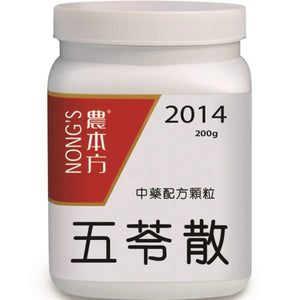
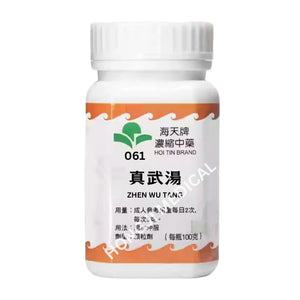
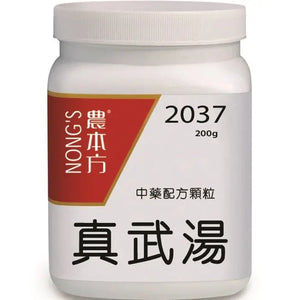
Compare Wu Pi YinWu Ling SanZhen Wu Tang
Primary Function Drain dampness, reduce oedema, move QiPromote urination, drain Dampness, warm YangWarm Yang, promote urination, transform water
Formula Category Dampness-Draining FormulasDampness-Draining FormulasYang-Tonifying Formulas
Typical TCM Pattern DampnessDampnessYang Deficiency
Main Conditions Edema, Bloating, Frequent Urination, Poor AppetiteEdema, Frequent Urination, Damp ConstitutionEdema, Abdominal Pain, Cold Limbs, Diarrhea, Palpitations
Main Herbs Mulberry Root Bark · Fresh Ginger Peel · Poria Peel · Tangerine Peel · Areca Peel / Betel HuskAlisma Rhizome · Poria / Hoelen · Polyporus · White Atractylodes Rhizome · Cinnamon TwigPrepared Aconite Accessory Root · White Atractylodes Rhizome · Poria / Hoelen · White Peony Root · Fresh Ginger
Classical Source Hua Shi Zhong Zang Jing / Zhong Zang Jing traditionShang Han Lun (Zhang Zhongjing, Eastern Han)Shang Han Lun (Zhang Zhongjing, Eastern Han)

How to tell them apart

Wu Pi Yin drains damp oedema with Qi-moving peels. Wu Ling San promotes urination and warms Yang for internal damp accumulation. Zhen Wu Tang warms Kidney Yang to transform water for yang-deficient oedema.

For educational reference only, based on traditional pattern differentiation — not a substitute for professional advice.

Clinical Modifications for Wu Pi Yin

1. For Severe Swelling

If the water retention is particularly heavy, the dosages of the core "peels"—Fu Ling Pi, Sang Bai Pi, and Da Fu Pi—can be increased to supercharge the drainage effect.

  • Adding Ze Xie: Often, Ze Xie is added to the mix. It is a powerful herb for increasing urine output and ensuring that excess fluids have a clear, fast path out of the body. Together with the original herbs, it makes the formula much more potent at deflating severe swelling.

2. When You Have Cold or Flu Symptoms

Sometimes swelling is accompanied by "external" symptoms like fever, chills, or a persistent cough. In these cases, the formula needs to help clear the surface of the body while also draining water.

  • Adding Ma Huang and Xing Ren: Ma Huang helps you "sweat out" the cold and opens up the Lungs, while Xing Ren helps settle a cough.
  • The Benefit: Since the Lungs control the water passages, clearing the Lungs helps the "upper valve" open, which actually makes it easier for the body to flush out water from the lower half as well.

3. For Intense Bloating or Energy Blockage

If you feel a lot of pressure, tightness, or a "stuck" feeling in your chest and belly, it means your Qi (energy) is heavily stagnated.

  • Adding Hou Po and Zhi Ke: These two herbs are experts at breaking up "traffic jams" in your digestive system. Hou Po clears out fullness and dampness, while Zhi Ke gets the energy moving again to relieve that bloated, heavy feeling.
  • The Benefit: When the energy flows freely, it carries the excess water along with it, making the treatment much more efficient.
Wu Pi Yin

4. For Weak Digestion (Spleen Deficiency)

If the root of your problem is a very weak digestive system (the "engine" isn't working), you need to support the body’s ability to process fluids so they don't turn into swelling in the first place.

  • Adding Bai Zhu and Shan Yao: Bai Zhu is great for drying out dampness and strengthening the Spleen, while Shan Yao (Chinese Yam) provides a gentle boost to the Lungs and the digestive tract.
  • The Benefit: By strengthening the Spleen and Stomach, these herbs help your body process and transport fluids correctly, preventing new dampness from forming. When combined with Wu Pi Yin, the formula doesn't just drain the water; it repairs the system that failed, treating both the symptoms (the swelling) and the root cause (the weak digestion).

What the Science Suggests

1. Pharmacological Insights

Modern science has taken a closer look at the chemical components of Wu Pi Yin, confirming why these "peels" are so effective:

  • Fu Ling Pi (Poria skin): Contains Poria cocos polysaccharides, which have been shown to act as a natural diuretic and immune booster. These compounds help the body produce and expel urine more efficiently while supporting your overall defenses.
  • Sang Bai Pi (Mulberry bark): Rich in flavonoids, which possess strong anti-inflammatory and diuretic properties. These help reduce internal swelling and inflammation while promoting fluid metabolism.
  • Da Fu Pi (Areca peel): Contains volatile oils that stimulate gastrointestinal movement (peristalsis). This helps the digestive system process dampness and move fluids toward the bladder for excretion.
  • Sheng Jiang Pi (Ginger skin): Packed with volatile oils and gingerols, which aid digestion and offer antibacterial benefits. These components are essential for protecting the stomach and spleen.
  • Chen Ju Pi (Tangerine peel): Contains hesperidin and other volatile oils. Hesperidin is known to regulate gastrointestinal function and stimulate digestive juices, which is crucial for transforming heavy dampness into energy.

2. Clinical Studies

Clinical research has validated the effectiveness of Wu Pi Yin in treating fluid retention and related conditions:

  • Kidney Health: Studies show that when Wu Pi Yin is used alongside Western medicine for nephrotic syndrome, it can improve overall results, reduce protein in the urine (proteinuria), and support better kidney function. It helps manage swelling more effectively than Western medicine alone and improves the patient's quality of life.
  • Liver Support: In cases of liver cirrhosis with ascites (fluid in the abdomen), using this formula in combination with other treatments has been shown to improve liver function, reduce abdominal swelling, and potentially extend survival time.
  • Wider Applications: The formula has also shown success in treating "idiopathic edema" (swelling of unknown cause) and other fluid-related disorders, proving its safety and reliability in modern clinical settings.
Wu Pi Yin

3. Advances in Preparation and Quality

With the help of modern technology, how people take Wu Pi Yin is evolving:

  • New Formats: Beyond traditional boiled teas (decoctions) and modern concentrated granules, the formula is now available in convenient capsules and tablets. These offer more precise dosing and are easier for busy, modern patients to take consistently.
  • Advanced Extraction: Scientists are now using high-tech methods like Supercritical Fluid Extraction and Microwave-Assisted Extraction. These techniques ensure that the maximum amount of active ingredients is pulled from the herbs, guaranteeing higher quality and more potent results.
  • The Benefit: These ongoing developments ensure that Wu Pi Yin remains a powerful, reliable, and accessible tool for managing health in the 21st century.

Safety Considerations

1. Dietary Restrictions

Avoid raw/cold, greasy, and spicy foods and alcohol (they weaken digestion, promote dampness, and reduce efficacy). Eat light, easily digestible meals; favor spleen‑strengthening, fluid‑draining foods (e.g., winter melon, coix seed, Chinese yam).

2. Special Populations & Side Effects

Use with caution in pregnancy—consult a physician and do not self‑medicate. Those with weak or cold constitutions should adjust dose or formula under guidance. Cooling ingredients may cause stomach pain or diarrhea; stop and seek medical advice if these occur.

Questions About Wu Pi Yin

Q1: What are the actions of Wu Pi Yin?
Wu Pi Yin has the actions of promoting urination, reducing edema, regulating Qi, and strengthening the Spleen. It is a classic mild formula composed entirely of plant peels, designed to resolve water-Damp accumulation and superficial or generalized edema.
Q2: Which modern diseases is Wu Pi Yin suited to?
Modern TCM clinical practice commonly applies it to individuals whose pattern differentiation falls within Spleen deficiency with water-Damp retention, including edema associated with acute nephritis, pregnancy-related edema, idiopathic or menopausal edema, mild peripheral edema, and supportive care for certain cases of ascites or post-operative swelling.
Q3: Is Wu Pi Yin suitable for improving generalized or facial/limb swelling with urinary difficulty?
For presentations of generalized, facial, or limb edema, sensation of heaviness, abdominal or epigastric distension, scanty urination, a white greasy or slippery tongue coating, and a moderate or slippery pulse — in those whose pattern differentiation confirms water-Damp accumulation with Spleen involvement — TCM commonly applies Wu Pi Yin as an adjunct. It cannot replace standard medical treatment.
Q4: Who should not take Wu Pi Yin?
Those with Yin deficiency and fluid depletion (no clear Dampness), severe Qi and Blood deficiency without Damp accumulation, or pure Heat patterns are generally not suitable. The formula drains fluids and may further deplete Yin if misused. Caution is advised in pregnancy and marked weakness. Use should be assessed by a qualified TCM physician.
Q5: Why is this formula composed entirely of “peels”?
Classical theory notes that edema often manifests in the skin layer (“skin water”). Using the peels of the plants allows the formula to act at the superficial level (“using peel to treat peel”), gently promoting the movement and excretion of accumulated fluids while also regulating Qi and supporting the Spleen.
Q6: Can Wu Pi Yin be used for pregnancy-related edema?
It is sometimes applied under professional supervision for mild gestational edema when the pattern is Spleen deficiency with water-Damp retention. However, pregnancy requires careful individual assessment, and the formula should only be used when clearly indicated and monitored by a qualified practitioner.
Q7: What are the main ingredients of Wu Pi Yin?
The classical formula typically consists of five peels: Sang Bai Pi (Mulberry root bark) to drain the Lungs and promote urination; Sheng Jiang Pi (Ginger peel) to disperse and move fluids; Fu Ling Pi (Poria peel) to strengthen the Spleen and leach out Dampness; Chen Pi (Tangerine peel) to regulate Qi and dry Dampness; and Da Fu Pi (Areca peel) to move Qi and reduce edema. Slight variations exist in different classical sources.
Q8: Is Wu Pi Yin suitable for long-term use?
It is generally used for a short to moderate course until edema reduces and fluid metabolism improves. Prolonged continuous draining of fluids is not ideal, especially if Yin or Qi becomes depleted. Once swelling subsides, the formula is typically stopped or modified under professional guidance.
Q9: How does Wu Pi Yin differ from stronger diuretic formulas?
Stronger formulas such as Wu Ling San more forcefully promote urination and address Bladder Qi transformation. Wu Pi Yin is milder, focuses on the skin and superficial edema, simultaneously regulates Qi, and supports the Spleen. It is better suited to mild-to-moderate “skin water” patterns rather than severe internal water accumulation.
Q10: What lifestyle advice supports the use of Wu Pi Yin?
Reducing salt intake, avoiding excessive cold or greasy foods, elevating swollen limbs when appropriate, and engaging in gentle movement to support circulation help the formula resolve water-Damp. Addressing underlying Spleen weakness through diet and lifestyle is important for lasting improvement. Professional medical evaluation remains essential for significant or persistent edema.

General Questions

How do I choose the right formula?
TCM formulas are traditionally selected according to individual pattern differentiation rather than by symptom alone. If you're not sure which formula fits your presentation, take our AI Assessment below for a personalized starting point, then confirm with a qualified TCM practitioner.
What are concentrated herbal granules?
Concentrated herbal granules are made by decocting raw herbs, then extracting and concentrating the resulting liquid into a fine granule or powder form. This preserves the same active compounds as a traditional decoction while making the herbs far easier to store, measure, and prepare.
How should I take these products?
Dissolve the recommended amount of granules in hot water, stir until fully dissolved, and drink while warm — following the dosage and frequency advised by your TCM practitioner or as stated on the product packaging.
Are concentrated herbal granules equivalent to traditional decoctions?
Concentrated granules are produced from the same herbs and processed to retain their active compounds, so they are traditionally regarded as a convenient alternative to decoctions rather than a different remedy. Some practitioners note subtle differences in strength or absorption between the two forms, so your TCM practitioner may adjust dosage accordingly.
Are your products authentic?
Yes. HJMEDICAL sources its concentrated granules exclusively from established, reputable manufacturers such as Nong's and Hoi Tin, both long-standing names in the TCM granules industry, with GMP compliance stated directly on their packaging.
Are HJMEDICAL products manufactured under GMP standards?
HJMEDICAL sources its concentrated granules from established, reputable manufacturers such as Nong's and Hoi Tin, both long-standing names in the TCM granules industry. GMP compliance for these products is stated directly on their packaging.
Do you ship internationally?
Yes — we ship worldwide! Every order goes out via Hong Kong Post, and your exact shipping cost and estimated delivery time for your address are calculated and shown right at checkout, so there are never any surprises. We also offer free shipping once your order reaches our free-shipping threshold, so it's easy to stock up on your favorite formulas and save.
Can I take more than one formula at the same time?
Some formulas are traditionally combined, while others overlap or counteract each other. We recommend checking with a qualified TCM practitioner before combining formulas, especially if you are already taking other medication.
Are these products suitable during pregnancy or breastfeeding?
Some TCM formulas are not suitable during pregnancy or breastfeeding. Please consult a qualified TCM practitioner or your doctor before use if you are pregnant, trying to conceive, or nursing.
Do these products replace medical treatment?
No. These products are traditional herbal supplements intended to support wellbeing according to TCM principles — they are not a replacement for professional medical diagnosis or treatment. Please consult a qualified TCM practitioner or licensed healthcare provider before starting, stopping, or combining any treatment, especially if you have a chronic condition.
Medical Disclaimer

For general TCM education only — not medical advice. Consult a qualified TCM practitioner or licensed healthcare provider before use, especially if pregnant, nursing, on medication, or managing a chronic condition.

Not sure which formula is right for you?

Take the AI Assessment

最新文章

Login

Forgot your password?

Don't have an account yet?
Create account

Wu Pi Yin: Classic TCM Formula for Edema, Skin Edema & Spleen Deficiency with Water Retention