Wind-Damp Dispelling Formulas

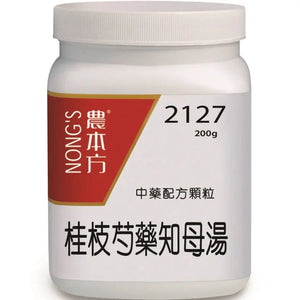
桂枝芍藥知母湯 · Guì Zhī Sháo Yào Zhī Mǔ Tāng

Gui Zhi Shao Yao Zhi Mu Tang

A classical formula for wind-cold-damp bi transforming into heat, with swollen painful joints and restricted movement.

View formula profile →
Last reviewed August 2026
Formula CategoryWind-Damp Dispelling Formulas
Primary PatternDampness
Primary FunctionDispel wind-damp, warm channels, clear heat, ease joint swelling
Primary Therapeutic PrincipleWarm and unblock channels while clearing residual heat in joints
Main HerbsCinnamon Twig · White Peony Root · Anemarrhena Rhizome · Ephedra Herb · Saposhnikovia Root · White Atractylodes Rhizome · Prepared Aconite Root · Licorice Root · Fresh Ginger
Classical SourceShang Han Lun (Zhang Zhongjing, Eastern Han)

Why This Formula?

Traditionally selected when wind-cold-damp bi has transformed into heat with joint swelling, rather than chronic deficient bi, blood-stasis bi, or pure damp swelling.

Traditionally selected when wind-cold-damp bi has transformed into heat with joint swelling, rather than chronic deficient bi, blood-stasis bi, or pure damp swelling.

What Is Gui Zhi Shao Yao Zhi Mu Tang?

1. Classic Origin

Gui Zhi Shao Yao Zhi Mu Tang (桂枝芍药知母汤), or Cinnamon Twig, Peony, and Anemarrhena Decoction, is a classical formula from Zhang Zhongjing’s Jin Gui Yao Lue (Essentials from the Golden Cabinet). It belongs to the category of formulas that dispel Wind-Damp, clear Heat, and unblock painful obstruction.

This formula addresses chronic Wind-Cold-Damp Bi that has transformed into Heat, a pattern in which lingering pathogens swell the joints while consuming Qi and Yin. Typical signs include swollen, painful joints that are warm to the touch, difficulty bending and stretching, a wasted or emaciated appearance, possible dizziness or shortness of breath, a white greasy or slightly yellow tongue coating, and a wiry rapid pulse.

Combining Gui Zhi and Ma Huang to warm the channels and dispel Wind-Cold-Damp, Fu Zi to strongly warm Yang and stop cold pain, Bai Zhu and Fang Feng to dry Dampness and expel Wind, Shao Yao and Zhi Mu to nourish Yin, clear the newly generated Heat, and moderate spasms, and Sheng Jiang with Zhi Gan Cao to harmonize the Middle, Gui Zhi Shao Yao Zhi Mu Tang simultaneously expels the lingering pathogen, clears transformative Heat, and protects the fluids that chronic Bi has begun to consume.

Gui Zhi Shao Yao Zhi Mu Tang

2. Rheumatoid Arthritis

  • Symptom manifestations: Patients often experience pain, swelling, and stiffness in multiple joints, along with limited mobility. This chronic condition can also cause systemic symptoms like fatigue and mild fevers, heavily impacting daily life.
  • Application basis: Gui Zhi Shao Yao Zhi Mu Tang effectively dispels wind and dampness, warms the channels, and clears heat while nourishing yin.
  • It directly targets the root cause of rheumatoid arthritis in TCM—blocked channels from wind-cold-damp pathogens, poor circulation, and underlying liver/kidney deficiency. For example, it offers excellent relief for patients with severe joint pain, stiffness, and signs of yin deficiency like a dry mouth and low fever.

3. Osteoarthritis

  • Symptom characteristics: This condition mainly features joint pain, swelling, and deformity that worsens with movement (like climbing stairs or squatting). It is very common in middle-aged and older adults and is tied to cartilage wear and bone degeneration.
  • Applicable analysis: If osteoarthritis pain worsens in cold weather due to wind, cold, and damp invasion, Gui Zhi Shao Yao Zhi Mu Tang is a great fit.
  • By expelling cold, removing dampness, and improving local blood flow, it relieves pain and slows down disease progression. For example, older adults suffering from knee osteoarthritis with joint stiffness and a weak lower back can see significant improvements in their mobility and overall comfort.
Gui Zhi Shao Yao Zhi Mu Tang

4. Gouty Arthritis

  • Attack symptoms: Acute gout attacks bring sudden, severe pain, redness, swelling, and heat to a specific joint (often the big toe), usually striking at night or early in the morning.
  • Application idea: This formula regulates qi and blood while clearing wind and dampness. During an acute gout flare-up triggered by external cold and dampness (showing signs like chills and joint pain), it can be used alongside standard treatments.
  • Its specific ability to clear heat and nourish yin helps soothe the red, hot, swollen joints without aggravating the condition with overly warming herbs. For example, it can be a valuable add-on to cool down an acute gout attack while gently clearing out the external pathogens causing the blockage.

Herb Composition (Sovereign / Minister / Assistant / Envoy)

1. King Herb - Gui Zhi (Cinnamon Twig)

  • Nature, flavor, and meridian: Pungent, sweet, and warm. It targets the heart, lung, and bladder meridians.
  • Efficacy and function: It induces sweating to release exterior pathogens, warms and unblocks the meridians, and assists yang qi. In Gui Zhi Shao Yao Zhi Mu Tang, it acts as the pioneer, dispelling wind, cold, and dampness from the muscles and joints. It effectively relieves joint pain and aversion to cold caused by external pathogens invading the body's surface.
  • Dosage characteristics: Usually around three liang (a traditional measurement), adjusted based on the severity of the symptoms.

2. Minister Herb - Shao Yao (Peony Root)

  • Nature, flavor, and meridian: Bitter, sour, and slightly cold. It targets the liver and spleen meridians.
  • Efficacy and function: Nourishes blood, regulates menstruation, astringes yin, and relieves pain by softening tendons. In this formula, it nourishes blood and relieves muscle spasms and contractures. It also balances the warm nature of Gui Zhi, preventing the formula from becoming too drying and damaging the body's yin fluids.
  • Dosage characteristics: Usually two liang, working together with Gui Zhi to balance qi and blood and relieve pain.

3. Assistant Herb - Zhi Mu (Anemarrhena Rhizome)

  • Nature, flavor, and meridian: Bitter, sweet, and cold. It targets the lung, stomach, and kidney meridians.
  • Efficacy and function: Clears heat, purges fire, nourishes yin, and moistens dryness. It balances the warm, dispersing effects of Gui Zhi and Ma Huang, preventing them from causing excessive dryness. It is particularly helpful if the patient develops signs of internal heat (like a low fever or dry mouth) from chronic joint pain.
  • Dosage characteristics: Usually four liang. Its cold nature keeps the warming herbs in check, ensuring a synergistic and balanced formula.

4. Assistant Herb - Ma Huang (Ephedra)

  • Nature, flavor, and meridian: Pungent, slightly bitter, and warm. It targets the lung and bladder meridians.
  • Efficacy and function: Induces sweating, disperses lung qi, and reduces swelling. It assists Gui Zhi in opening the pores to sweat out wind, cold, and damp pathogens. This provides quick relief for early-stage joint pain accompanied by chills and a lack of sweating.
  • Dosage characteristics: Usually two liang, enhancing the formula's ability to dispel cold from the exterior.

5. Assistant Herb - Bai Zhu (White Atractylodes Rhizome)

  • Nature, flavor, and meridian: Bitter, sweet, and warm. It targets the spleen and stomach meridians.
  • Efficacy and function: Strengthens the spleen, replenishes qi, and dries dampness. Since a weak digestive system can lead to internal fluid buildup, Bai Zhu boosts the spleen to drain excess moisture, relieving symptoms like heavy limbs and swollen joints caused by dampness.
  • Dosage characteristics: Usually two liang, focusing on strengthening digestion to assist the other herbs in removing dampness.

6. Assistant Herb - Fang Feng (Saposhnikovia Root)

  • Nature, flavor, and meridian: Pungent, sweet, and slightly warm. It targets the bladder, liver, and spleen meridians.
  • Efficacy and function: Dispels wind, releases the exterior, and stops pain and spasms. It deeply targets wind and dampness in the joints, making it highly effective for wandering joint pain and occasional muscle twitching or spasms.
  • Dosage characteristics: Usually four liang, acting as a strong wind-and-dampness dispeller.
Gui Zhi Shao Yao Zhi Mu Tang

7. Guide Herb - Gan Cao (Licorice Root)

  • Nature, flavor, and meridian: Sweet and neutral. It targets the heart, lung, spleen, and stomach meridians.
  • Efficacy and function: Invigorates the spleen, clears heat, and harmonizes all the other herbs in the formula. It softens the harsh properties of strong herbs like Ma Huang and Gui Zhi, protecting the body's healthy qi while improving digestion for better herb absorption.
  • Dosage characteristics: Usually two liang, ensuring a gentle, coordinated, and balanced formula.

Clinical Presentation in TCM

1. Analysis of Pathogenesis

  • Gui Zhi Shao Yao Zhi Mu Tang primarily targets conditions where wind, cold, and damp pathogens obstruct the body's channels and collaterals. This blockage restricts the flow of qi and blood, leading to joint pain, stiffness, and difficulty moving.
  • If the condition persists over a long period, these pathogens can drain the body's foundation, causing a deficiency in the liver and kidney. This leads to poorly nourished bones and tendons, which can cause further complications like lower back soreness, dizziness, and ringing in the ears (tinnitus).

2. Efficacy

  • Expels wind and dampness: Herbs like Gui Zhi, Ma Huang, and Fang Feng push out the invading cold and dampness, successfully relieving joint swelling and pain.
  • Warms and unblocks the meridians: Gui Zhi promotes healthy qi and blood circulation, clearing the blockages that cause physical discomfort.
  • Nourishes yin and clears heat: Zhi Mu prevents the warming herbs from drying out the body's fluids and cools any internal heat that may arise from prolonged, chronic pain.
  • Regulates qi and blood: Shao Yao softens the tendons and works synergistically with the other ingredients to restore smooth blood flow and alleviate pain.
Gui Zhi Shao Yao Zhi Mu Tang

3. Treatment

  • This formula is primarily used for arthralgia syndrome (Bi syndrome) characterized by severe pain in multiple limb joints, severe swelling (sometimes described as feeling like the feet might fall off), joint deformity, and limited mobility.
  • It is particularly effective when these joint issues are accompanied by systemic symptoms such as general emaciation, dizziness, shortness of breath, and nausea.
  • By addressing both the surface-level pathogens (wind, cold, and dampness) and the internal balance (qi, blood, liver, and kidney health), Gui Zhi Shao Yao Zhi Mu Tang provides a comprehensive approach to managing chronic joint conditions.

The Mechanism in Classical Theory

1. Eliminate Wind-Cold-Dampness

  • When Gui Zhi (Cinnamon Twig), Ma Huang (Ephedra), and Fang Feng (Saposhnikovia Root) are combined, they strongly enhance the body's ability to expel wind, dispel cold, and remove dampness.
  • Gui Zhi warms and unblocks the channels, Ma Huang opens the pores to induce sweating, and Fang Feng drives out wind and overcomes dampness. Working together on the body's surface, they quickly clear these external pathogens.
  • Meanwhile, Bai Zhu (White Atractylodes Rhizome) strengthens the spleen to clear internal dampness, leaving the excess moisture nowhere to hide.
  • For example: If someone is invaded by wind, cold, and dampness, showing symptoms like chills, lack of sweating, joint pain, and heavy limbs, this herbal combination can quickly drive out the external pathogens and relieve the surface symptoms.

2. Harmonize Qi and Blood

  • Gui Zhi (Cinnamon Twig) warms and unblocks the blood vessels, while Shao Yao (Peony Root) nourishes the blood and harmonizes nutrient qi.
  • This warming and nourishing duo works perfectly together to regulate qi and blood. When qi and blood flow smoothly, the meridians are well-nourished, and joint pain naturally eases.
  • Gan Cao (Licorice Root) acts as a mediator, softening the effects of the other herbs so they act synergistically without being too harsh on the body.
  • For example: In chronic joint pain (Bi syndrome), poor circulation can lead to stiffness and a sallow complexion. Combining these herbs effectively improves blood flow, bringing back a healthy glow and reducing pain.

3. Balance Yin and Yang

  • Zhi Mu (Anemarrhena Rhizome) clears heat and nourishes yin. This is crucial because it keeps the warming nature of herbs like Gui Zhi (Cinnamon Twig) and Ma Huang (Ephedra) in check, preventing them from becoming too dry and damaging the body's delicate yin fluids.
  • It also addresses signs of internal heat caused by yin deficiency, a common issue in long-term joint pain, bringing the formula back to a healthy yin-yang balance.
  • For example: If a patient develops a dry mouth or a low-grade fever during treatment due to overly warm herbs, Zhi Mu steps in to correct the imbalance and keep the healing process on track.
Gui Zhi Shao Yao Zhi Mu Tang

4. Nourish Liver and Kidney

  • Even though this formula doesn't contain herbs that directly tonify the liver and kidneys, its ability to dispel pathogens and regulate circulation naturally leads to well-nourished meridians and abundant qi and blood.
  • When the liver and kidneys are indirectly nourished by this healthy blood flow, the muscles and bones grow stronger, which stops the condition from worsening.
  • For example: For patients with long-term joint pain who develop signs of liver and kidney weakness—like a sore lower back, weak knees, or dizziness—clearing the wind and dampness with this formula helps the body naturally restore its foundation and promotes long-term recovery.

Clinical Comparison Table

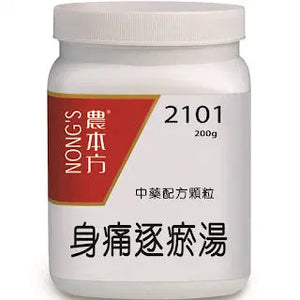
Compare Gui Zhi Shao Yao Zhi Mu TangDu Huo Ji Sheng TangShen Tong Zhu Yu TangYi Yi Ren Tang
Primary Function Dispel wind-damp, warm channels, clear heat, ease joint swellingDispel wind-damp, stop bi pain, tonify Liver and Kidney, nourish Qi and bloodInvigorate Blood, move Qi, dispel wind-damp, stop painDispel wind-damp, resolve swelling, ease bi pain
Formula Category Wind-Damp Dispelling FormulasWind-Damp Dispelling FormulasBlood-Invigorating FormulasWind-Damp Dispelling Formulas
Typical TCM Pattern DampnessDampnessBlood StasisDampness
Main Conditions Joint Discomfort, Cold LimbsLow Back Pain, Joint Discomfort, Numbness in LimbsJoint Discomfort, Muscular Stiffness, Low Back Pain, Numbness in Limbs, Neck PainJoint Discomfort, Muscular Stiffness, Edema
Main Herbs Cinnamon Twig · White Peony Root · Anemarrhena Rhizome · Ephedra Herb · Saposhnikovia Root · White Atractylodes Rhizome · Prepared Aconite Root · Licorice Root · Fresh GingerPubescent Angelica Root · Taxillus / Mulberry Mistletoe · Eucommia Bark · Achyranthes Root · Asarum / Wild Ginger · Large-Leaf Gentian Root · Poria / Hoelen · Cinnamon Bark · Saposhnikovia Root · Chuanxiong Rhizome · Ginseng Root · Licorice Root · Chinese Angelica Root · White Peony Root · Prepared Rehmannia RootLarge-Leaf Gentian Root · Chuanxiong Rhizome · Peach Kernel · Safflower · Licorice Root · Notopterygium Root · Myrrh · Chinese Angelica Root · Flying Squirrel Feces · Cyperus Rhizome · Achyranthes Root · EarthwormCoix Seed / Job's Tears · Atractylodes Rhizome · Notopterygium Root · Pubescent Angelica Root · Saposhnikovia Root · Ephedra Herb · Cinnamon Twig · Chinese Angelica Root · Chuanxiong Rhizome · Licorice Root
Classical Source Shang Han Lun (Zhang Zhongjing, Eastern Han)Classical TCM formularyYi Lin Gai Cuo (Wang Qingren, Qing dynasty, 1830)Classical TCM formulary

How to tell them apart

Gui Zhi Shao Yao Zhi Mu Tang, Du Huo Ji Sheng Tang, Shen Tong Zhu Yu Tang and Yi Yi Ren Tang treat bi syndrome. Du Huo Ji Sheng Tang tonifies for chronic deficient bi; Shen Tong Zhu Yu Tang invigorates blood for stasis bi; Yi Yi Ren Tang drains damp swelling. Gui Zhi Shao Yao Zhi Mu Tang warms channels while clearing heat for wind-cold-damp bi transforming into heat with swollen painful joints.

For educational reference only, based on traditional pattern differentiation — not a substitute for professional advice.

Clinical Modifications for Gui Zhi Shao Yao Zhi Mu Tang

In clinical practice, a TCM practitioner will customize Gui Zhi Shao Yao Zhi Mu Tang based on a patient's specific symptoms. Here are some common modifications:

1. Severe Pain

  • If a patient is experiencing severe, unbearable joint pain, practitioners may add Zhi Fu Zi (Prepared Aconite Root) and Zhi Chuan Wu (Prepared Sichuan Aconite Root).
  • These warm-natured herbs have a powerful ability to expel deep cold and provide strong pain relief.
  • Safety Note: Because these herbs can be toxic if used improperly, they require strict traditional processing and precise dosing. They should only be used strictly under a qualified doctor's supervision.

2. Obvious Joint Swelling

  • For pronounced joint swelling, Yi Yi Ren (Coix Seed) and Fang Ji (Stephania Root) are often added to the formula.
  • Swollen joints are typically caused by trapped dampness and poor fluid metabolism. These herbs excel at clearing heat, promoting healthy urination, and draining excess fluid, which significantly reduces swelling and improves joint mobility.

3. Severe Yin Deficiency

  • If the patient shows clear signs of yin deficiency and internal heat—such as a dry mouth and throat, afternoon flushing (tidal fever), or night sweats—Sheng Di Huang (Rehmannia Root) and Xuan Shen (Figwort Root) can be included.
  • These additions help to nourish yin fluids, cool the blood, and clear internal fire, ensuring the body's yin and yang remain in a healthy balance.
Gui Zhi Shao Yao Zhi Mu Tang

4. Qi and Blood Deficiency

  • Chronic pain can drain the body. If a patient is fatigued, has a pale complexion, suffers from dizziness, or feels weakness in their limbs, it points to a deficiency in qi and blood.
  • To address this, practitioners add Huang Qi (Astragalus Root) to boost qi and energy, and Dang Gui (Angelica Root) to nourish and invigorate the blood. Together, they restore the body's foundational strength.

What the Science Suggests

1. Pharmacological Action Research

  • Anti-inflammatory effects: Modern studies reveal that active compounds in this formula, such as cinnamaldehyde from Gui Zhi (Cinnamon Twig) and paeoniflorin from Shao Yao (Peony Root), can effectively block the release of inflammatory markers. This helps reduce inflammation and calm flare-ups in conditions like rheumatoid arthritis and osteoarthritis.
  • Immune regulation: The formula acts as a natural immune balancer. Herbs like Bai Zhu (White Atractylodes Rhizome) and Gan Cao (Licorice Root) help strengthen the body's natural defenses, while Zhi Mu (Anemarrhena Rhizome) helps regulate immune cell activity, preventing the immune system from overreacting.
  • Pain relief: Herbs such as Ma Huang (Ephedra) and Gui Zhi (Cinnamon Twig) have been shown to offer mild analgesic effects. They appear to help by regulating nerve signaling and inhibiting pain mediators, bringing much-needed relief to sore joints.

2. Clinical Efficacy Observation

  • Rheumatoid Arthritis (RA): Clinical trials show that combining Gui Zhi Shao Yao Zhi Mu Tang with standard Western treatments can significantly reduce joint pain and swelling. It also helps lower inflammatory markers in the blood. Importantly, using this herbal formula alongside conventional medicine often reduces the side effects associated with long-term Western medication use.
  • Osteoarthritis: Observations confirm that this formula helps improve joint function and ease pain in osteoarthritis patients. By increasing joint range of motion, it can actively delay the progression of the disease and improve daily life.
  • Gouty Arthritis: As an add-on therapy during acute gout attacks, this formula helps soothe red, hot, and swollen joints. Studies suggest it can shorten the duration of an attack, lower the frequency of flare-ups, and even assist in reducing blood uric acid levels.
Gui Zhi Shao Yao Zhi Mu Tang

3. Dosage Form Improvement Research

  • While traditional boiling methods are still popular, modern technology has allowed Gui Zhi Shao Yao Zhi Mu Tang to evolve.
  • Today, patients can access this formula in highly concentrated granules and convenient capsules, which are much easier to store and take daily, greatly improving patient compliance.
  • There are even advanced liquid formulations developed for fast action in severe cases. However, researchers continuously emphasize that all modern forms require strict quality control and safety testing to guarantee they are just as safe and effective as the traditional tea.

Safety Considerations

1. Drug Safety and Constitutional Considerations

Ephedra should be used strictly according to the prescribed dosage, as excessive amounts may cause palpitations, insomnia, or high blood pressure. Prepared aconite products are highly toxic and must be properly processed and prescribed; misuse may cause mouth or tongue numbness, dizziness, palpitations, nausea, vomiting, or life-threatening poisoning.

Patients with yin deficiency should use warming herbs such as cinnamon twig and ephedra cautiously, while those with yang deficiency should still be monitored when taking cold-natured ingredients.

2. Dietary Restrictions

Avoid raw, cold, greasy, spicy, and irritating foods, including ice cream, cold drinks, fried foods, fatty meats, chili peppers, Sichuan pepper, and ginger. These foods may impair spleen-stomach function, hinder medicine absorption, or worsen internal heat and arthralgia symptoms.

Questions About Gui Zhi Shao Yao Zhi Mu Tang

Q1: What are the actions of Gui Zhi Shao Yao Zhi Mu Tang?
Gui Zhi Shao Yao Zhi Mu Tang has the actions of dispelling Wind-Damp, warming the channels, clearing Heat, and unblocking Bi. From Jin Gui Yao Lue, it treats lingering Wind-Cold-Damp Bi that has already transformed into Heat in the joints.
Q2: Which modern diseases is Gui Zhi Shao Yao Zhi Mu Tang suited to?
Modern TCM clinical practice commonly applies it to individuals whose pattern differentiation falls within recurrent Bi with mixed Cold and Heat, including rheumatoid or other inflammatory joint pain of this pattern, swollen painful knees and feet that are hot yet still averse to cold, and lingering Wind-Damp Bi after the joints have become inflamed.
Q3: Is Gui Zhi Shao Yao Zhi Mu Tang suitable for swollen painful joints that feel hot but still dislike cold?
For presentations of swollen painful joints (especially the lower limbs), a sensation of Heat in the joints with possible emaciation, short breath or a desire to vomit, dizziness, a white coating, and a wiry pulse — in those whose pattern differentiation confirms Wind-Cold-Damp Bi transforming into Heat — TCM commonly applies this formula as an adjunct. Progressive joint destruction needs rheumatologic care.
Q4: Who should not take Gui Zhi Shao Yao Zhi Mu Tang?
Those with pure Hot Bi that needs only clearing, Yin-deficiency empty Fire, or who cannot tolerate Fu Zi and Ma Huang are generally not suitable. The formula both warms and clears. Use should be assessed by a qualified TCM physician after inflammatory arthritis has been medically evaluated.
Q5: Why combine warming herbs with Zhi Mu and Shao Yao?
The original Wind-Cold-Damp has not fully left, so Ma Huang, Gui Zhi, Fang Feng, and Fu Zi still need to warm, vent, and unblock the channels. After many days the constraint has generated Heat and consumed fluids in the joints, so Zhi Mu clears that Heat and protects Yin, and Shao Yao eases spasm and preserves Yin. Bai Zhu and Gan Cao support the Middle. Warming only would aggravate the Heat; clearing only would leave the residual Cold-Damp locked in.
Q6: How does this formula differ from Du Huo Ji Sheng Tang or Bai Hu Jia Gui Zhi Tang?
Du Huo Ji Sheng Tang tonifies Liver-Kidney and Qi-Blood for chronic Cold-damp deficiency Bi without prominent joint Heat. Bai Hu Jia Gui Zhi Tang treats more blazing Heat Bi with high fever and sweating. Gui Zhi Shao Yao Zhi Mu Tang is the mixed picture: recurrent swollen joints, Heat already present, but Wind-Cold-Damp and a depleted body still there.
Q7: What are the main ingredients of Gui Zhi Shao Yao Zhi Mu Tang?
The Jin Gui Yao Lue formula consists of Gui Zhi, Ma Huang, Fang Feng, and Fu Zi to warm the channels and dispel Wind-Cold-Damp; Shao Yao to nourish Yin and ease spasm; Zhi Mu to clear the Heat that has formed in the joints; Bai Zhu to support the Spleen and dry Dampness; and Sheng Jiang and Gan Cao to harmonize.
Q8: Is Gui Zhi Shao Yao Zhi Mu Tang suitable for long-term use?
No. It is a course-of-treatment formula for active mixed Bi. Fu Zi and Ma Huang should not be taken indefinitely. Once swelling and Heat recede, treatment often shifts toward a milder supporting or Blood-nourishing strategy under supervision.
Q9: Can this formula help joints that are swollen and hot yet the person still feels cold and depleted?
Yes. That mixed presentation is why Zhang Zhongjing wrote the formula. Long-standing Wind-Cold-Damp occupies the joints and generates local Heat, while Zheng Qi is already worn. Warming the channels, venting residual Cold-Damp, and clearing the new Heat together match this picture better than a purely hot or purely cold Bi formula.
Q10: What lifestyle advice supports the use of Gui Zhi Shao Yao Zhi Mu Tang?
Keeping the joints warm without overheating them, using gentle movement, avoiding damp living conditions, and completing recommended rheumatology tests all support correct use. A single rapidly swelling red-hot joint with fever is a medical emergency first.

General Questions

How do I choose the right formula?
TCM formulas are traditionally selected according to individual pattern differentiation rather than by symptom alone. If you're not sure which formula fits your presentation, take our AI Assessment below for a personalized starting point, then confirm with a qualified TCM practitioner.
What are concentrated herbal granules?
Concentrated herbal granules are made by decocting raw herbs, then extracting and concentrating the resulting liquid into a fine granule or powder form. This preserves the same active compounds as a traditional decoction while making the herbs far easier to store, measure, and prepare.
How should I take these products?
Dissolve the recommended amount of granules in hot water, stir until fully dissolved, and drink while warm — following the dosage and frequency advised by your TCM practitioner or as stated on the product packaging.
Are concentrated herbal granules equivalent to traditional decoctions?
Concentrated granules are produced from the same herbs and processed to retain their active compounds, so they are traditionally regarded as a convenient alternative to decoctions rather than a different remedy. Some practitioners note subtle differences in strength or absorption between the two forms, so your TCM practitioner may adjust dosage accordingly.
Are your products authentic?
Yes. HJMEDICAL sources its concentrated granules exclusively from established, reputable manufacturers such as Nong's and Hoi Tin, both long-standing names in the TCM granules industry, with GMP compliance stated directly on their packaging.
Are HJMEDICAL products manufactured under GMP standards?
HJMEDICAL sources its concentrated granules from established, reputable manufacturers such as Nong's and Hoi Tin, both long-standing names in the TCM granules industry. GMP compliance for these products is stated directly on their packaging.
Do you ship internationally?
Yes — we ship worldwide! Every order goes out via Hong Kong Post, and your exact shipping cost and estimated delivery time for your address are calculated and shown right at checkout, so there are never any surprises. We also offer free shipping once your order reaches our free-shipping threshold, so it's easy to stock up on your favorite formulas and save.
Can I take more than one formula at the same time?
Some formulas are traditionally combined, while others overlap or counteract each other. We recommend checking with a qualified TCM practitioner before combining formulas, especially if you are already taking other medication.
Are these products suitable during pregnancy or breastfeeding?
Some TCM formulas are not suitable during pregnancy or breastfeeding. Please consult a qualified TCM practitioner or your doctor before use if you are pregnant, trying to conceive, or nursing.
Do these products replace medical treatment?
No. These products are traditional herbal supplements intended to support wellbeing according to TCM principles — they are not a replacement for professional medical diagnosis or treatment. Please consult a qualified TCM practitioner or licensed healthcare provider before starting, stopping, or combining any treatment, especially if you have a chronic condition.
Medical Disclaimer

For general TCM education only — not medical advice. Consult a qualified TCM practitioner or licensed healthcare provider before use, especially if pregnant, nursing, on medication, or managing a chronic condition.

Not sure which formula is right for you?

Take the AI Assessment

最新文章

Login

Forgot your password?

Don't have an account yet?
Create account

Gui Zhi Shao Yao Zhi Mu Tang: Classic TCM Formula for Recurrent Bi Syndrome, Swollen Joints & Heat