Qi-Tonifying Formulas

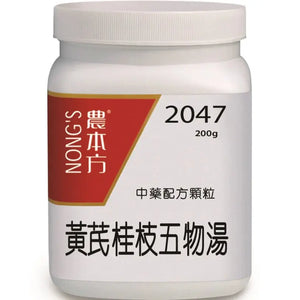
黄芪桂枝五物汤 · Huáng Qí Guì Zhī Wǔ Wù Tāng

Huang Qi Gui Zhi Wu Wu Tang

Classical formula for Blood Bi (Xue Bi) syndrome caused by Qi deficiency allowing Wind-Cold to lodge in the vessels, leading to numbness and loss of sensation in the extremities.

View formula profile →
Last reviewed August 2026
Formula CategoryQi-Tonifying Formulas
Primary PatternQi Deficiency
Primary FunctionTonify Qi, warm channels, relieve numbness
Primary Therapeutic PrincipleTonify Qi, warm the channels, harmonize Ying and Wei, and unblock Blood Bi
Main HerbsAstragalus Root · Cinnamon Twig · White Peony Root · Fresh Ginger · Jujube / Chinese Date
Classical SourceJin Gui Yao Lue (Zhang Zhongjing, Eastern Han)

Why This Formula?

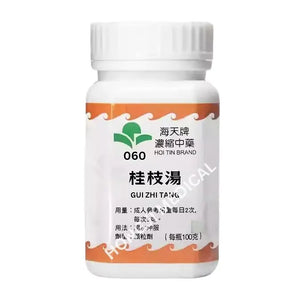
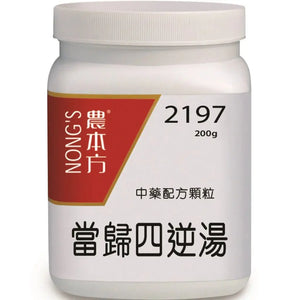
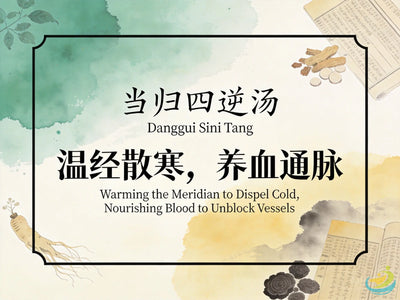
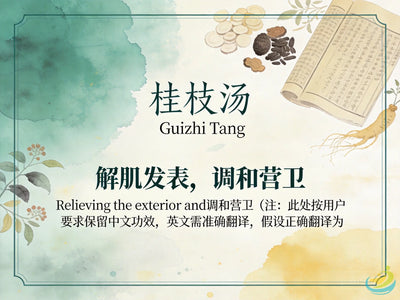
Traditionally selected when numbness of the limbs arises from Qi deficiency with Blood failing to nourish the channels, leading with Huang Qi — unlike Dang Gui Si Ni Tang, where cold extremities and Blood deficiency predominate, or Gui Zhi Tang, its exterior-releasing parent formula.

Traditionally selected when numbness of the limbs arises from Qi deficiency with Blood failing to nourish the channels, leading with Huang Qi — unlike Dang Gui Si Ni Tang, where cold extremities and Blood deficiency predominate, or Gui Zhi Tang, its exterior-releasing parent formula.

What Is Huang Qi Gui Zhi Wu Wu Tang?

1. Classical Source

Huang Qi Gui Zhi Wu Wu Tang (黃芪桂枝五物汤 Astragalus and Cinnamon Twig Five-Substance Decoction) is a classical Traditional Chinese Medicine formula traditionally used to support circulation, relieve numbness, and address patterns of Qi deficiency with impaired blood flow.

Huang Qi Gui Zhi Wu Wu Tang originates from the Jin Gui Yao Lue (Essential Prescriptions of the Golden Cabinet) by the Eastern Han physician Zhang Zhongjing. The Jin Gui Yao Lue systematically elaborated methods of pattern differentiation and treatment for a wide range of diseases and the application of their formulas — providing an important theoretical foundation and practical prescriptions for TCM clinical practice.

Huang Qi Gui Zhi Wu Wu Tang

2. Post-stroke Sequelae

Huang Qi Gui Zhi Wu Wu Tang offers a wide range of clinical applications, particularly in conditions stemming from qi-blood deficiency complicated by external wind invasion. Its ability to tonify, harmonize, and unblock makes it suitable for diverse presentations. 

For limb numbness, impaired movement, and insensitive skin and flesh following a stroke. The formula tonifies qi and nourishes blood, dispels wind, and unblocks channels, improving symptoms and promoting recovery of limb function.

3. Cervical Spondylosis

For neck pain and upper-limb numbness where TCM identifies qi-blood deficiency with wind pathogen obstructing the channels. It tonifies qi and nourishes blood, unblocking channels to relieve pain and numbness.

3. Raynaud's Disease

Addresses pallor, cyanosis, and flushing of fingers/toes with numbness and pain, typically linked to qi-blood insufficiency and cold pathogen. The formula warms yang, tonifies qi, nourishes blood, and unblocks vessels, improving local circulation.

3. Scleroderma

For hardened, atrophied skin with limb/joint pain and restricted movement, related to qi-blood stasis and obstructed channels. It tonifies qi and nourishes blood, activates blood, and resolves stasis, offering some benefit for improving the condition.

3. Postpartum Body Pain

For women with depleted qi and blood after childbirth who contract wind pathogen, leading to limb and joint pain/numbness. It tonifies qi and nourishes blood, dispels wind, and relieves pain, aiding recovery.

Huang Qi Gui Zhi Wu Wu Tang HJMEDICAL

4. Dysmenorrhoea

For menstrual pain caused by qi-blood insufficiency with cold congealing and blood stasis. It warms channels, scatters cold, tonifies qi and nourishes blood, and resolves stasis to relieve pain.

Herb Composition (Sovereign / Minister / Assistant / Envoy)

1. Huangqi: Sovereign

Greatly tonifies spleen and stomach qi, fortifying wei qi to consolidate the exterior and resist pathogens. Enhances overall qi-blood nourishment.

2. Guizhi (Cinnamon Twig): Deputy

Warms and unblocks channels, promoting qi and blood circulation. Assists Huangqi in driving qi-blood to nourish skin and flesh, dispelling wind pathogen.

3. Shaoyao (Peony Root): Adjuvant

Nourishes blood and harmonizes ying qi. Softens the liver to relieve pain, complementing Huangqi's qi-tonifying action for comprehensive qi-blood nourishment.

4. Shengjiang (Fresh Ginger): Adjuvant

Releases the exterior and disperses wind pathogen, warming the stomach to enhance transportation. Aids Guizhi and boosts the efficacy of other herbs.

Huang Qi Gui Zhi Wu Wu Tang HJMEDICAL

5. Dazao (Jujube): Envoy

Tonifies middle qi, nourishes blood, and calms the mind. Moderates the properties of other herbs, ensuring a balanced and gentle formula.

Clinical Presentation in TCM

1. Pathomechanism

This foundational formula effectively addresses complex patterns of qi-blood deficiency combined with external wind invasion, restoring bodily harmony and circulation to alleviate discomfort.

The formula targets insufficiency of ying-wei qi and blood, which compromises the body's protective surface. This deficiency allows wind pathogen to easily invade, leading to impaired qi-blood circulation and various symptoms.

2. Actions (astragalus and cinnamon twig)

It profoundly tonifies qi, warms the channels, harmonizes blood, and unblocks bi-obstruction. Through a synergistic blend of herbs, it restores harmony between ying and wei qi, promotes free flow of qi and blood, and expels wind pathogen.

3. Indications

Primarily used for blood bi-obstruction (血痹) patterns, characterized by numbness of skin and flesh, limb/joint pain, or sweating with aversion to wind. These symptoms arise from qi-blood insufficiency combined with wind pathogen invasion.

Huang Qi Gui Zhi Wu Wu Tang

4. How to Identify If Huang Qi Gui Zhi Wu Wu Tang Fits Your Symptoms

Huang Qi Gui Zhi Wu Wu Tang (黄芪桂枝五物汤, Astragalus and Cinnamon Twig Five-Substance Decoction) is a classic formula that tonifies Qi, warms the channels, harmonizes Ying and Wei, and unblocks blood bi-obstruction. It is primarily indicated for Blood Bi syndrome caused by Qi and Blood deficiency with mild wind-cold invasion, leading to poor nourishment and circulation in the extremities. Use this self-check as a practical guide—not a substitute for professional TCM diagnosis.

Step 1: Check Your Tongue

Look in the mirror under good natural light:

  • Tongue body: Pale, possibly slightly swollen or with a dull/darkish hue.
  • Tongue coating: Thin white coating. → A red tongue with yellow coating usually points away from this Qi-Blood deficiency pattern.

Step 2: Evaluate Your Temperature Preference

  • Extremities (hands and feet) feel cold or cooler than the rest of the body.
  • Symptoms of numbness or discomfort often worsen with cold or wind exposure and improve with warmth.
  • May experience mild spontaneous sweating or aversion to wind due to exterior Qi deficiency.
  • Overall tendency toward feeling easily fatigued and sensitive to cold drafts.

Step 3: Match the Core Symptoms

Look for a cluster of these classic signs (the more that match, the stronger the fit):

  • Numbness, tingling, or reduced sensation in the limbs, skin, or extremities (often described as “body numbness resembling wind bi”).
  • Mild aching, heaviness, or discomfort in the limbs or joints without severe sharp pain.
  • Cold hands and feet, or poor peripheral circulation (e.g., pale or bluish fingers/toes in cold).
  • Fatigue, soft or weak muscles, pale complexion.
  • Symptoms that feel better with warmth and movement that gently improves circulation.

Step 4: Notice Supporting Signs

  • Pulse that is faint, thin, or slightly tight (especially weaker at the superficial positions and slightly tight at the deeper/chi position).
  • History of Qi deficiency, easy sweating, or lingering effects after illness, childbirth, or prolonged weakness.
  • In modern contexts often linked to patterns seen in peripheral neuropathy, post-stroke numbness, Raynaud’s-like symptoms, or cervical issues with arm numbness—when the underlying pattern is Qi-Blood deficiency with channel obstruction.
  • Mild edema or a soft, somewhat puffy body constitution in some cases.

Practical tip: Keep a simple 3–5 day symptom diary noting tongue appearance (photo if helpful), locations and quality of numbness/tingling, temperature sensitivity of the limbs, fatigue levels, and response to cold or warmth. Bring it to a qualified TCM practitioner for confirmation, pulse diagnosis, and personalized advice (including dosage form and possible modifications such as adding blood-invigorating herbs if stasis is more pronounced).

The Mechanism in Classical Theory

1. Tonifying Qi & Blood, Unblocking Channels

Huangqi initiates qi tonification, forming the base for nourishing both qi and blood. Guizhi warms and unblocks channels, facilitating qi and blood circulation, ensuring their mutual promotion. Shaoyao nourishes blood and harmonizes ying qi, complementing Huangqi for comprehensive qi-blood support. Shengjiang and Dazao further assist these core actions, ensuring sufficient qi and blood, and unimpeded flow through the channels and collaterals.

Huang Qi Gui Zhi Wu Wu Tang HJMEDICAL

2. Harmonizing Ying and Wei Qi

Guizhi (acrid, warm) disperses wind and warms the defensive yang, while Shaoyao (sour, cool) astringes yin and harmonizes the nutritive qi. This opposing yet complementary pairing effectively balances ying and wei. Shengjiang enhances Guizhi's exterior-releasing action, and Dazao strengthens Shaoyao's blood-nourishing effect, reinforcing the harmony of ying and wei to consolidate the body's surface and repel external wind pathogens.

Clinical Comparison Table

Compare Huang Qi Gui Zhi Wu Wu TangGui Zhi TangDang Gui Si Ni TangSi Ni Tang
Primary Function Tonify Qi, warm channels, relieve numbnessRelease exterior Wind-Cold (deficiency type), harmonize Ying-WeiWarm channels, nourish Blood, disperse ColdRestore Yang, rescue from collapse
Formula Category Qi-Tonifying FormulasExterior-Releasing FormulasBlood-Tonifying FormulasYang-Tonifying Formulas
Typical TCM Pattern Qi DeficiencyWind-ColdBlood DeficiencyYang Deficiency
Main Conditions Cold Limbs, Numbness in Limbs, Joint DiscomfortSpontaneous Sweating, Fever, Cold Limbs, Nasal CongestionCold Limbs, Joint Discomfort, Low Back PainCold Limbs, Abdominal Pain, Stomach Discomfort, Fatigue & Low Energy, General Lethargy
Main Herbs Astragalus Root · Cinnamon Twig · White Peony Root · Fresh Ginger · Jujube / Chinese DateCinnamon Twig · White Peony Root · Fresh Ginger · Jujube / Chinese Date · Honey-fried LicoriceChinese Angelica Root · Cinnamon Twig · White Peony Root · Asarum / Wild Ginger · Tetrapanax Pith · Jujube / Chinese Date · Honey-fried LicoricePrepared Aconite Accessory Root · Dried Ginger · Honey-fried Licorice
Classical Source Jin Gui Yao Lue (Zhang Zhongjing, Eastern Han)Shang Han Lun (Zhang Zhongjing, Eastern Han)Shang Han Lun (Zhang Zhongjing, Eastern Han)Shang Han Lun (Zhang Zhongjing, Eastern Han)

How to tell them apart

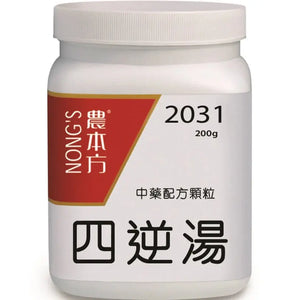
Huang Qi Gui Zhi Wu Wu Tang addresses numbness from Qi deficiency. Dang Gui Si Ni Tang is preferred when cold extremities and Blood deficiency predominate. Gui Zhi Tang is the exterior-releasing parent formula. Si Ni Tang addresses deeper Yang collapse.

For educational reference only, based on traditional pattern differentiation — not a substitute for professional advice.

Clinical Modifications for Huang Qi Gui Zhi Wu Wu Tang

1. Pronounced Qi Deficiency

Increase the dose of Huangqi to reinforce qi-tonifying force. Huangqi greatly tonifies the qi of the spleen and stomach, ensuring a continuous source of qi-blood generation for optimal nourishment.

2. Pronounced Blood Deficiency

Increase the doses of Shaoyao and Dazao to reinforce blood-nourishing and ying-harmonizing actions, effectively improving the blood deficiency condition.

3. Predominant Wind Pathogen

Add wind-dispelling and channel-unblocking herbs like Fangfeng (Saposhnikovia Root) and Qianghuo (Notopterygium Root) to alleviate severe limb pain and numbness.

Huang Qi Gui Zhi Wu Wu Tang

4. Cold Pathogen Congealing & Stagnating

Add warm-acrid cold-scattering herbs like Xixin (Asarum) and additional Guizhi to warm channels, scatter cold, and relieve pain exacerbated by cold.

What the Science Suggests

1. Immune Regulation & Blood Circulation

In Traditional Chinese Medicine and Chinese herbal medicine, Huang Qi Gui Zhi Wu Wu Tang—also known as the Astragalus and Cinnamon Five Herb Combination, Five Ingredients Decoction with Astragalus and Cinnamon, Five-Substance Decoction, or Huang Qi Wu Wu Tang—is a classic warming, channel-opening formula from the warming herbs tradition. It combines astragalus and cinnamon twig (Huang Qi and Gui Zhi) with Bai Shao, Sheng Jiang, and Da Zao to address deficient qi and blood, qi-blood deficiency, and blood deficiency, particularly when qi and blood fail to reach out to the limbs and extremities due to wind invasion in the channels.

This results in bi syndrome, blood bi syndrome, blood bi numbness syndrome, or wind-damp-heat bi. In modern clinical settings, following stroke assessment, the formula supports recovery in diabetic neuropathy as well as symptoms such as facial droop and speech difficulty.

Prescribed by a qualified Chinese herbalist registered with the RCHM, it is typically prepared as bespoke herbal formulas using pharmaceutical-grade granules and can be accessed via online consultations, although it is generally avoided in cases of yin deficiency or heat patterns.

Modern research suggests Huang Qi Gui Zhi Wu Wu Tang can modulate immunity (e.g., Astragalus polysaccharides enhance immune function; Guizhi and Shengjiang influence immune cell activity) and improve blood circulation by dilating vessels, reducing blood viscosity, and enhancing microcirculation—beneficial for disorders of impaired qi‑blood flow such as Raynaud’s disease and post‑stroke sequelae.

Huang Qi Gui Zhi Wu Wu Tang HJMEDICAL

2. Anti‑Inflammatory and Antioxidant Actions

The formula exhibits anti‑inflammatory and antioxidant effects, inhibiting inflammatory mediators and scavenging free radicals to reduce inflammation and protect cells from oxidative damage, supporting its potential in prevention and adjunctive treatment of multiple diseases.

Safety Considerations

1. Dietary Restrictions

While taking Huang Qi Gui Zhi Wu Wu Tang, avoid raw/cold, greasy, and acrid/spicy foods (e.g., ice cream, cold drinks, fried foods, chili). Raw/cold foods damage spleen‑stomach yang and impair absorption; greasy foods are hard to digest; acrid/spicy foods generate heat that may conflict with the formula’s warm nature and disturb yin‑yang balance.

2. Special Populations

Use with caution in pregnancy—take only under physician guidance. Do not use if there is yin deficiency with hyperactive yang or internal excess heat, as the formula’s warm properties may worsen internal heat and the condition.

Questions About Huang Qi Gui Zhi Wu Wu Tang

Q1: What are the actions of Huang Qi Gui Zhi Wu Wu Tang?
Huang Qi Gui Zhi Wu Wu Tang has the actions of tonifying qi and warming the channels, harmonising ying and unblocking bi-obstruction, and promoting peripheral circulation. It is primarily used for symptoms caused by qi-blood insufficiency combined with channel bi-obstruction, including numbness of the hands and feet, reduced sensation, tingling pain, and limb discomfort.
Q2: Which modern diseases is Huang Qi Gui Zhi Wu Wu Tang suited to?
Modern TCM clinical practice commonly applies it to individuals whose pattern differentiation falls within qi deficiency with blood bi-obstruction, including Diabetic Peripheral Neuropathy, Chemotherapy-Induced Peripheral Neuropathy (CIPN), peripheral sensory abnormalities, and some microcirculation disorders.
Q3: Can Huang Qi Gui Zhi Wu Wu Tang improve hand and foot numbness?
For persistent numbness of the hands and feet, tingling sensation, reduced sensation, cold extremities, and related presentations — in those attributable to qi-blood insufficiency, ying-wei disharmony, and obstructed channels — TCM commonly applies Huang Qi Gui Zhi Wu Wu Tang following pattern differentiation as an adjunct management approach.
Q4: Who should not take Huang Qi Gui Zhi Wu Wu Tang?
Those with reckless movement of blood-heat, yin deficiency with exuberant fire, acute infectious fever, and excess-heat patterns are generally not suitable. Use should be assessed by a qualified TCM physician based on individual constitution, disease course, and pattern differentiation.

General Questions

How do I choose the right formula?
TCM formulas are traditionally selected according to individual pattern differentiation rather than by symptom alone. If you're not sure which formula fits your presentation, take our AI Assessment below for a personalized starting point, then confirm with a qualified TCM practitioner.
What are concentrated herbal granules?
Concentrated herbal granules are made by decocting raw herbs, then extracting and concentrating the resulting liquid into a fine granule or powder form. This preserves the same active compounds as a traditional decoction while making the herbs far easier to store, measure, and prepare.
How should I take these products?
Dissolve the recommended amount of granules in hot water, stir until fully dissolved, and drink while warm — following the dosage and frequency advised by your TCM practitioner or as stated on the product packaging.
Are concentrated herbal granules equivalent to traditional decoctions?
Concentrated granules are produced from the same herbs and processed to retain their active compounds, so they are traditionally regarded as a convenient alternative to decoctions rather than a different remedy. Some practitioners note subtle differences in strength or absorption between the two forms, so your TCM practitioner may adjust dosage accordingly.
Are your products authentic?
Yes. HJMEDICAL sources its concentrated granules exclusively from established, reputable manufacturers such as Nong's and Hoi Tin, both long-standing names in the TCM granules industry, with GMP compliance stated directly on their packaging.
Are HJMEDICAL products manufactured under GMP standards?
HJMEDICAL sources its concentrated granules from established, reputable manufacturers such as Nong's and Hoi Tin, both long-standing names in the TCM granules industry. GMP compliance for these products is stated directly on their packaging.
Do you ship internationally?
Yes — we ship worldwide! Every order goes out via Hong Kong Post, and your exact shipping cost and estimated delivery time for your address are calculated and shown right at checkout, so there are never any surprises. We also offer free shipping once your order reaches our free-shipping threshold, so it's easy to stock up on your favorite formulas and save.
Can I take more than one formula at the same time?
Some formulas are traditionally combined, while others overlap or counteract each other. We recommend checking with a qualified TCM practitioner before combining formulas, especially if you are already taking other medication.
Are these products suitable during pregnancy or breastfeeding?
Some TCM formulas are not suitable during pregnancy or breastfeeding. Please consult a qualified TCM practitioner or your doctor before use if you are pregnant, trying to conceive, or nursing.
Do these products replace medical treatment?
No. These products are traditional herbal supplements intended to support wellbeing according to TCM principles — they are not a replacement for professional medical diagnosis or treatment. Please consult a qualified TCM practitioner or licensed healthcare provider before starting, stopping, or combining any treatment, especially if you have a chronic condition.
Medical Disclaimer

For general TCM education only — not medical advice. Consult a qualified TCM practitioner or licensed healthcare provider before use, especially if pregnant, nursing, on medication, or managing a chronic condition.

Not sure which formula is right for you?

Take the AI Assessment

最新文章

Login

Forgot your password?

Don't have an account yet?
Create account

Huang Qi Gui Zhi Wu Wu Tang: TCM Formula for Numbness and Circulation Support