Blood-Invigorating Formulas

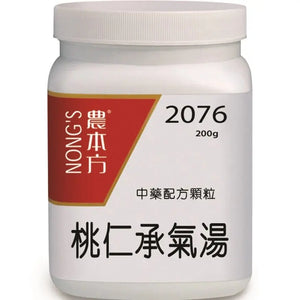
桃核承气汤 · Táo Hé Chéng Qì Tāng

Tao He Cheng Qi Tang

Shang Han Lun formula for Blood stasis and Heat binding in the Lower Jiao (classically 'Heat in the Bladder'), presenting with lower abdominal pain, tension, night fever and possible manic symptoms or hard stools.

View formula profile →
Last reviewed July 2026
Formula CategoryBlood-Invigorating Formulas
Primary PatternBlood Stasis
Primary FunctionInvigorate Blood, clear Heat, purge accumulation
Primary Therapeutic PrincipleBreak up Blood stasis, clear Heat and purge accumulation from the Lower Jiao
Main HerbsPeach Kernel · Rhubarb Root and Rhizome · Cinnamon Twig · Mirabilite / Glauber's Salt · Honey-fried Licorice
Classical SourceShang Han Lun (Zhang Zhongjing, Eastern Han)

Why This Formula?

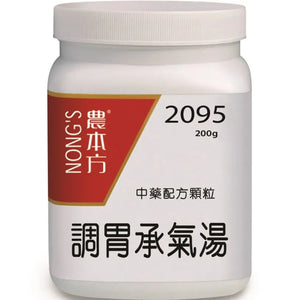
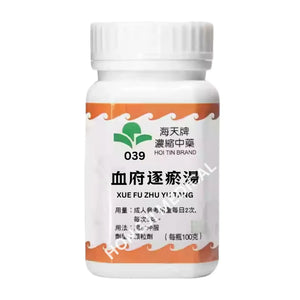
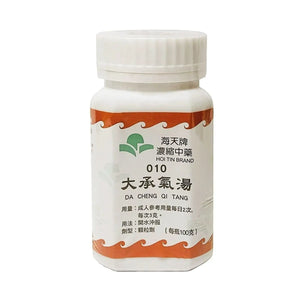
Traditionally selected when Blood stasis and Heat accumulate together in the lower abdomen, requiring both invigoration and purgation — unlike Xue Fu Zhu Yu Tang, which targets the chest and upper body, or Da Cheng Qi Tang, which purges Yang Ming excess Heat without primary Blood stasis.

Traditionally selected when Blood stasis and Heat accumulate together in the lower abdomen, requiring both invigoration and purgation — unlike Xue Fu Zhu Yu Tang, which targets the chest and upper body, or Da Cheng Qi Tang, which purges Yang Ming excess Heat without primary Blood stasis.

What Is Tao He Cheng Qi Tang?

1. Classical Literature (from Shang Han Lun)

Tao Ren Cheng Qi Tang (桃仁承气汤 Peach Kernel Order-Restoring Decoction) is a classical Traditional Chinese Medicine formula traditionally used to invigorate blood circulation, clear heat, and address patterns of blood stasis with excess accumulation in the lower abdomen. Tao Ren Cheng Qi Tang originates from the Shang Han Lun (Treatise on Cold Damage) by the renowned Eastern Han physician Zhang Zhongjing. 

Tao Ren Cheng Qi Tang: Activating Blood, Expelling Stasis and Draining Heat | HJMEDICAL

2. Gynaecological Conditions (lower abdomen)

Tao Ren Cheng Qi Tang, while primarily known for lower burner blood stasis, demonstrates versatility in treating a range of conditions when applied with pattern differentiation and appropriate modifications.

For dysmenorrhoea and amenorrhoea caused by blood stasis obstructing the uterus, presenting with lower abdominal pain with resistance to pressure, a purple-dark tongue, or petechiae and ecchymosis, modified Tao Ren Cheng Qi Tang activates blood, resolves stasis, unblocks channels, and relieves pain to regulate the menstrual cycle effectively.

3. Male Urogenital Conditions

For chronic prostatitis and seminal vesiculitis caused by blood stasis obstructing the lower burner, presenting with heaviness, distending perineal pain, and dribbling, incomplete urination, this formula serves as a base for pattern-differentiated treatment, activating blood, resolving stasis, clearing heat, and promoting urination.

Tao He Cheng Qi Tang

4. Psychiatric and Neurological Conditions

For certain psychiatric and neurological conditions like schizophrenia and mania, where internal blood stasis obstructs with clouded consciousness and manic agitation, alongside lower abdominal pain and dry stools, Tao Ren Cheng Qi Tang can be part of a comprehensive approach, including psychological counselling, to improve psychiatric symptoms.

Herb Composition (Sovereign / Minister / Assistant / Envoy)

1. Chief Herb: Taoren (Peach Kernel)

Taoren (Peach Kernel) activates blood and expels stasis. Rich in oils, it moistens and directs stagnant blood downward, essential for resolving acute lower abdominal pain from blood accumulation.

2. Deputy Herb: Dahuang (Rhubarb Root)

Dahuang (Rhubarb Root) purges accumulation, clears heat, and expels stasis. By promoting defecation, it powerfully drives stasis-heat out through the intestinal tract, reinforcing Taoren's action.

3. Adjuvant Herb: Mangxiao (Mirabilite)

Mangxiao (Mirabilite) reinforces Dahuang's purgative force, softening hardness and moistening dryness to facilitate stool expulsion. It also aids in clearing lower-burner stasis-heat, assisting the chief and deputy herbs.

4. Adjuvant Herb: Guizhi (Cinnamon Twig)

Guizhi (Cinnamon Twig) warms and unblocks blood vessels, promoting circulation and reinforcing blood-activating actions. It also prevents colder herbs from damaging yang qi, harmonizing the formula's properties.

Tao He Cheng Qi Tang

5. Envoy Herb: Zhigancao (Honey-Fried Licorice)

Zhigancao (Honey-Fried Licorice) moderates the formula's harsh properties, tonifies qi, and harmonizes the middle. It ensures the formula attacks the pathogen without excessively weakening vital qi, acting as the crucial envoy.

Clinical Presentation in TCM

1. Pathomechanism: Heat & Stasis Binding

This formula targets heat and stasis binding together in the lower burner. This often stems from an unresolved Taiyang disease, where heat moves inward and combines with blood. The resulting impaired qi-blood circulation in the lower burner leads to symptoms like urgent binding and pain in the lower abdomen.

2. Therapeutic Actions: Breaking & Draining

Its primary actions are breaking blood and expelling stasis, alongside draining heat and promoting defecation. By combining blood-activating stasis-resolving with purgative heat-clearing methods, it effectively eliminates lower burner stasis-heat and restores proper qi-blood circulation, thereby alleviating related conditions.

Tao Ren Cheng Qi Tang: Activating Blood, Expelling Stasis and Draining Heat | HJMEDICAL

3. Clinical Indications: Lower Burner Accumulation

Tao Ren Cheng Qi Tang primarily treats the lower-burner blood accumulation pattern. Manifestations include urgent binding in the lower abdomen or body, spontaneous urination, mental disorientation (as if manic), agitation, delirious speech in severe cases, and fever intensifying at night. It also addresses blood stasis amenorrhea, dysmenorrhea, and presents with a sunken, replete, and choppy pulse.

The Mechanism in Classical Theory

1. Stasis-Expelling & Heat-Draining Combination

Taoren and Dahuang work synergistically to activate blood, resolve stasis, purge, and expel stagnant blood from the lower burner. Mangxiao augments Dahuang's purgative and heat-clearing effects, while Guizhi warms channels and unblocks blood vessels, facilitating the dispersal of stasis and the clearing of heat pathogen.

2. Harmonising Drug Properties

Zhigancao plays a crucial envoy role by harmonizing the potent actions of the other herbs. It moderates the harsh properties of the blood-activating and purgative ingredients, while also tonifying qi and harmonizing the middle burner, thus preventing excessive attack from inadvertently damaging the body's vital qi.

Tao Ren Cheng Qi Tang: Activating Blood, Expelling Stasis and Draining Heat | HJMEDICAL

3. Simultaneous Treatment of Qi and Blood

The formula exemplifies the principle of concurrently treating both qi and blood. Taoren and Guizhi address the blood aspect by activating blood and resolving stasis, while Dahuang and Mangxiao tackle the qi aspect by purging and clearing heat. This comprehensive approach ensures the restoration of free flow to both qi and blood in the lower burner, effectively resolving stasis-heat.

Clinical Comparison Table

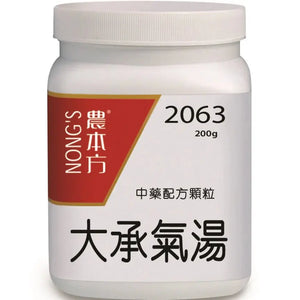
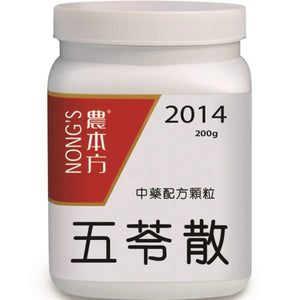
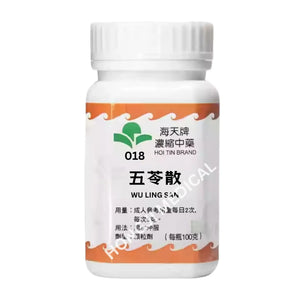
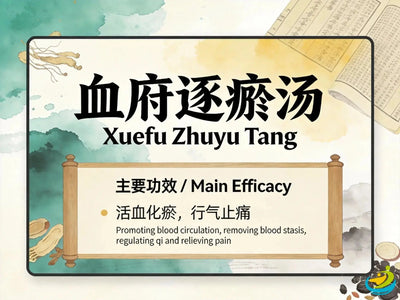
Compare Tao He Cheng Qi TangXue Fu Zhu Yu TangDa Cheng Qi TangWu Ling San
Primary Function Invigorate Blood, clear Heat, purge accumulationInvigorate Blood, dispel stasis, move QiStrongly purge Heat accumulation and constipationPromote urination, drain Dampness, warm Yang
Formula Category Blood-Invigorating FormulasBlood-Invigorating FormulasPurgative FormulasDampness-Draining Formulas
Typical TCM Pattern Blood StasisBlood StasisStomach HeatDampness
Main Conditions Irregular Menstruation, DysmenorrheaChest Tightness, Headache, Hypochondriac Distension, Emotional Depression, Anxiety RestlessnessConstipation, Bloating, Abdominal Pain, Fever, Anxiety RestlessnessEdema, Frequent Urination, Damp Constitution
Main Herbs Peach Kernel · Rhubarb Root and Rhizome · Cinnamon Twig · Mirabilite / Glauber's Salt · Honey-fried LicoricePeach Kernel · Safflower · Chinese Angelica Root · Raw Rehmannia Root · Chuanxiong Rhizome · Red Peony Root · Achyranthes Root · Bupleurum Root · Platycodon Root · Bitter Orange · Licorice RootRhubarb Root and Rhizome · Mirabilite / Glauber's Salt · Magnolia Bark · Immature Bitter OrangeAlisma Rhizome · Poria / Hoelen · Polyporus · White Atractylodes Rhizome · Cinnamon Twig
Classical Source Shang Han Lun (Zhang Zhongjing, Eastern Han)Yi Lin Gai Cuo (Corrections of Errors in Medical Classics, Wang Qingren, Qing dynasty)Shang Han Lun (Zhang Zhongjing, Eastern Han)Shang Han Lun (Zhang Zhongjing, Eastern Han)

How to tell them apart

Tao He Cheng Qi Tang targets Blood stasis with Heat in the lower abdomen and involves purgation. Xue Fu Zhu Yu Tang addresses Blood stasis in the chest/upper body. Da Cheng Qi Tang is pure Yang Ming excess Heat accumulation without primary Blood stasis. Wu Ling San focuses on water retention rather than Blood.

For educational reference only, based on traditional pattern differentiation — not a substitute for professional advice.

Clinical Modifications for Tao He Cheng Qi Tang

1. Pronounced Blood Stasis

Herbs with stronger blood-activating and stasis-resolving properties — such as Sanleng (Sparganium Rhizome), Ezhu (Zedoary Rhizome), and Shuizhi (Leech) — may be added to reinforce the stasis-expelling effect.

2. Pronounced Heat Pathogen

Heat-clearing and fire-draining herbs such as Huanglian (Coptis) and Huangqin (Scutellaria) may be added to strengthen the heat-clearing action.

3. Concurrent Qi Stagnation

Qi-regulating herbs such as Chaihu (Bupleurum) and Zhike (Bitter Orange Shell) may be added to move qi and activate blood — allowing qi and blood to circulate more freely.

Tao Ren Cheng Qi Tang: Activating Blood, Expelling Stasis and Draining Heat | HJMEDICAL

4. Deficiency of Vital Qi

Qi-tonifying herbs such as Dangshen (Codonopsis) and Huangqi (Astragalus) may be appropriately added to support vital qi and expel pathogens, preventing excessive attacking from damaging vital qi.

What the Science Suggests

1. Pharmacological Research on Tao He Cheng Qi Tang

Tao He Cheng Qi Tang (Peach Pit Decoction to Order the Qi), also known as Peach Pit Decoction, is a classic formula in Traditional Chinese Medicine that combines stasis-breaking herbs with heat-purging medicinals to treat blood stagnation in the lower jiao.

It effectively unblocks the bowels, purges heat, and relieves heat accumulation and abdominal fullness caused by blood stasis combined with heat. Key ingredients include Tao Ren (peach kernel), Da Huang (rhubarb), Gui Zhi (cinnamon twig), Mang Xiao (mirabilite), and Shen (licorice). This formula is a modification of Tiao Wei Cheng Qi Tang that adds strong blood-moving actions. Its bitter and salty properties focus on the lower jiao, making it especially suitable for acute conditions involving lower abdominal pain, retained lochia, or blood stasis with heat.

Modern research shows Tao He Cheng Qi Tang’s constituents (e.g., Taoren, Dahuang, Guizhi, Mangxiao, Zhigancao) have anticoagulant, microcirculation‑improving, anti‑inflammatory, antibacterial, pro‑motility, vasodilatory, purgative, immune‑modulating, and anti‑tumor actions, providing a pharmacological basis for its effects on blood stasis, inflammation, and bowel function.

Tao He Cheng Qi Tang

2. Clinical Evidence & Applications

Clinical studies report benefits in cerebrovascular conditions (acute intracerebral hemorrhage, cerebral infarction) by improving neurological deficits, promoting hematoma absorption, and reducing edema, and in gynecological disorders (chronic pelvic inflammatory disease, endometriosis) by relieving pain and improving pelvic circulation and endocrine regulation; ongoing research explores broader applications across psychiatric, neurological, and urological fields.

Safety Considerations

1. Pregnancy & Weak Constitution

Tao Ren Cheng Qi Tang is absolutely contraindicated in pregnancy due to strong blood‑activating, stasis‑resolving effects that may disturb the fetus or cause miscarriage. Use caution in patients with weak constitution—vigorous herbs may be poorly tolerated, causing dizziness, fatigue, nausea, or vomiting; if necessary, adjust dose under physician guidance and monitor closely.

2. Treatment Duration and Monitoring

Closely monitor the condition during use and stop promptly when symptoms resolve. Avoid prolonged or excessive use—over‑purgation and aggressive stasis removal can damage vital qi and cause adverse effects.

Questions About Tao He Cheng Qi Tang

Q1: What are the actions of Tao Ren Cheng Qi Tang?
Tao Ren Cheng Qi Tang has the actions of activating blood and expelling stasis, draining heat and unblocking the bowels, and dispersing masses to relieve pain. It is primarily used for lower abdominal pain, irregular menstruation, constipation, and agitation caused by stasis-heat binding together.
Q2: Which modern diseases is Tao Ren Cheng Qi Tang suited to?
Modern TCM clinical practice commonly applies it to individuals whose pattern differentiation falls within stasis-heat binding together and internal blood stasis obstruction, including acute pelvic inflammatory disease, endometriosis, dysmenorrhoea, and pelvic congestion syndrome.
Q3: Is Tao Ren Cheng Qi Tang suitable for patients with endometriosis?
For endometriosis patients with pronounced menstrual abdominal pain, dark menstrual blood with clots, resistance to pressure in the lower abdomen, constipation, and accompanying heat signs — TCM commonly applies Tao Ren Cheng Qi Tang following pattern differentiation as an adjunct management approach to improve blood stasis obstruction and pain symptoms.
Q4: Who should not take Tao Ren Cheng Qi Tang?
Pregnant women, those with excessive menstrual flow, haemorrhagic conditions, spleen-stomach weakness, and patients without stasis-heat manifestations are generally not suitable for Tao Ren Cheng Qi Tang. Use should be assessed by a qualified TCM physician based on individual constitution and pattern differentiation.

General Questions

How do I choose the right formula?
TCM formulas are traditionally selected according to individual pattern differentiation rather than by symptom alone. If you're not sure which formula fits your presentation, take our AI Assessment below for a personalized starting point, then confirm with a qualified TCM practitioner.
What are concentrated herbal granules?
Concentrated herbal granules are made by decocting raw herbs, then extracting and concentrating the resulting liquid into a fine granule or powder form. This preserves the same active compounds as a traditional decoction while making the herbs far easier to store, measure, and prepare.
How should I take these products?
Dissolve the recommended amount of granules in hot water, stir until fully dissolved, and drink while warm — following the dosage and frequency advised by your TCM practitioner or as stated on the product packaging.
Are concentrated herbal granules equivalent to traditional decoctions?
Concentrated granules are produced from the same herbs and processed to retain their active compounds, so they are traditionally regarded as a convenient alternative to decoctions rather than a different remedy. Some practitioners note subtle differences in strength or absorption between the two forms, so your TCM practitioner may adjust dosage accordingly.
Are your products authentic?
Yes. HJMEDICAL sources its concentrated granules exclusively from established, reputable manufacturers such as Nong's and Hoi Tin, both long-standing names in the TCM granules industry, with GMP compliance stated directly on their packaging.
Are HJMEDICAL products manufactured under GMP standards?
HJMEDICAL sources its concentrated granules from established, reputable manufacturers such as Nong's and Hoi Tin, both long-standing names in the TCM granules industry. GMP compliance for these products is stated directly on their packaging.
Do you ship internationally?
Yes — we ship worldwide! Every order goes out via Hong Kong Post, and your exact shipping cost and estimated delivery time for your address are calculated and shown right at checkout, so there are never any surprises. We also offer free shipping once your order reaches our free-shipping threshold, so it's easy to stock up on your favorite formulas and save.
Can I take more than one formula at the same time?
Some formulas are traditionally combined, while others overlap or counteract each other. We recommend checking with a qualified TCM practitioner before combining formulas, especially if you are already taking other medication.
Are these products suitable during pregnancy or breastfeeding?
Some TCM formulas are not suitable during pregnancy or breastfeeding. Please consult a qualified TCM practitioner or your doctor before use if you are pregnant, trying to conceive, or nursing.
Do these products replace medical treatment?
No. These products are traditional herbal supplements intended to support wellbeing according to TCM principles — they are not a replacement for professional medical diagnosis or treatment. Please consult a qualified TCM practitioner or licensed healthcare provider before starting, stopping, or combining any treatment, especially if you have a chronic condition.
Medical Disclaimer

For general TCM education only — not medical advice. Consult a qualified TCM practitioner or licensed healthcare provider before use, especially if pregnant, nursing, on medication, or managing a chronic condition.

Not sure which formula is right for you?

Take the AI Assessment

最新文章

Login

Forgot your password?

Don't have an account yet?
Create account

Tao He Cheng Qi Tang: TCM Formula for Blood Stasis and Heat Accumulation