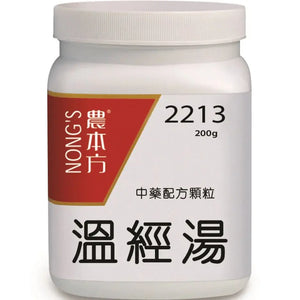
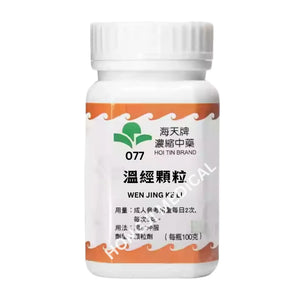
Blood-Tonifying Formulas

温经汤 · Wēn Jīng Tāng

Wen Jing Tang

Classic gynecological formula for deficiency Cold in the Chong and Ren vessels with Blood deficiency and stagnation, leading to irregular menstruation, dysmenorrhea and cold in the lower abdomen.

View formula profile →
Last reviewed August 2026
Formula CategoryBlood-Tonifying Formulas
Primary PatternBlood Deficiency
Primary FunctionWarm channels, nourish Blood, regulate menses
Primary Therapeutic PrincipleWarm the channels, dispel Cold, nourish Blood and regulate menstruation
Main HerbsEvodia Fruit · Cinnamon Twig · Chinese Angelica Root · Chuanxiong Rhizome · White Peony Root · Donkey-hide Gelatin · Ophiopogon Tuber · Moutan Bark / Tree Peony Bark · Ginseng Root · Fresh Ginger · Pinellia Rhizome · Licorice Root
Classical SourceJin Gui Yao Lue (Zhang Zhongjing, Eastern Han)

Why This Formula?

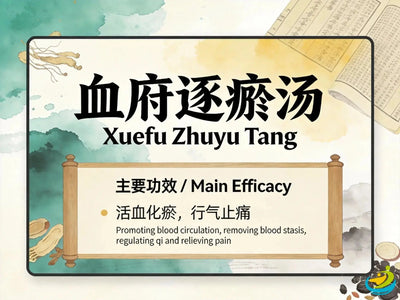
Traditionally selected when Cold has settled in the Chong and Ren vessels alongside Blood deficiency, producing irregular or painful menses with dry lips and palms — more chronic and gynaecologically focused than Dang Gui Si Ni Tang, and warming where Xue Fu Zhu Yu Tang addresses stasis with Heat.

Traditionally selected when Cold has settled in the Chong and Ren vessels alongside Blood deficiency, producing irregular or painful menses with dry lips and palms — more chronic and gynaecologically focused than Dang Gui Si Ni Tang, and warming where Xue Fu Zhu Yu Tang addresses stasis with Heat.

What Is Wen Jing Tang?

1. The Classic Source

Wen Jing Tang, also known as Warm the Menses Decoction, is a classical formula from Zhang Zhongjing’s Jin Gui Yao Lue (Essential Prescriptions of the Golden Cabinet). Designed to warm the channels, disperse cold, nourish blood, and gently dispel blood stasis, it is one of the most important prescriptions for gynecological patterns of deficiency cold.

This formula is primarily used for irregular menstruation, cold pain in the lower abdomen, spotting between periods, infertility, and accompanying symptoms such as evening low-grade fever and dry lips. It remains a foundational remedy in Traditional Chinese Medicine for treating Chong and Ren deficiency cold combined with blood stasis.

Wen Jing Tang

2. Fixing Irregular Menstruation

Wen Jing Tang is a versatile formula for many types of cycle issues:

  • Late Periods: If your period is consistently late, light, and dark with clots—and your lower belly feels cold and painful—this formula helps by "thawing" the blood and getting your cycle back on schedule.
  • Unpredictable Cycles: For periods that come at random times (sometimes early, sometimes late) while you feel constantly chilled, the formula balances your internal energy (Qi) and blood to create a regular rhythm.
  • Light Flow: If your period is very light, watery, and pale, and you often feel dizzy or pale-faced, Wen Jing Tang nourishes your blood and warms your system to ensure your flow is healthy and full.

3. Relieving Menstrual Cramps (Dysmenorrhea)

This formula is incredibly effective for pain caused by "internal ice." If you experience intense, cold cramping before or during your period that feels much better with a heating pad, Wen Jing Tang is for you. It works by melting away the cold and clearing out the dark, "stuck" blood clots that cause pain. By opening up the circulation in your pelvic area, it allows blood to flow smoothly and stops the cramping naturally.

4. Restarting Stopped Periods (Amenorrhea)

When your period has stopped for months due to deep cold and blockages, Wen Jing Tang acts as a "jump-start" for your reproductive system. Patients who need this often have a pale or blueish complexion, feel very cold, and experience a dull, cold pain in the lower belly. The formula warms the channels and clears out the old stasis, encouraging the body to start its natural cycle again.

Wen Jing Tang

5. Supporting Fertility

In Chinese medicine, a "cold uterus" is a common reason for difficulty conceiving. Wen Jing Tang warms the reproductive environment and clears out blockages, making it more welcoming for a pregnancy. For women who have been trying for a long time and have symptoms like irregular cycles, painful periods, and cold hands or feet, this formula helps balance hormones and strengthen reproductive health to increase the chances of a successful pregnancy.

Herb Composition (Sovereign / Minister / Assistant / Envoy)

1. The Chief Herbs — Wu Zhu Yu and Gui Zhi

  • Wu Zhu Yu (Evodia Fruit) is a powerful warming herb. It targets the "lower burner" (the lower abdomen and pelvic area) to drive out deep internal cold and stop pain.
  • Gui Zhi (Cinnamon Twig) warms and unblocks the channels, ensuring that blood and energy (Qi) flow smoothly.

Together, they act as the "Sovereigns" of the formula, working to warm the uterus, melt away internal "ice," and restore healthy circulation.

2. The Deputy Herbs — Dang Gui, Chuan Xiong, and Shao Yao

  • Dang Gui (Angelica Root) is the most famous gynecological herb. It both builds new blood and keeps it moving, ensuring the body stays nourished without becoming stagnant.
  • Chuan Xiong (Ligusticum) is a specialist at moving blood. It can travel high and low in the body to clear out blockages and ensure the menstrual cycle remains regular.
  • Shao Yao (Peony Root) nourishes the blood and calms the liver, which helps ease cramping and pain.

As "Ministers," these three herbs support the Chiefs by rebuilding the blood supply and clearing out any "stuck" blood that causes pain.

3. The Assistant Herbs — E Jiao, Mai Dong, Ren Shen, and Gan Cao

  • E Jiao (Donkey-Hide Gelatin) is a rich tonic that replenishes blood and fluids.
  • Mai Dong (Ophiopogon) provides gentle moisture to the lungs and stomach. Together with E Jiao, it ensures the formula is moistening and doesn't become too "drying" from the warming herbs.
  • Ren Shen (Ginseng) boosts overall energy (Qi) and strengthens the spleen. This ensures the body has the fuel it needs to produce new blood.
  • Gan Cao (Licorice) harmonizes the entire formula, making sure all the herbs work together as a perfect team.
Wen Jing Tang

4. The Envoy Herbs — Ban Xia and Sheng Jiang

  • Ban Xia (Pinellia) helps settle the stomach and prevents the richer, "sticky" herbs (like E Jiao) from causing bloating or nausea.
  • Sheng Jiang (Fresh Ginger) warms the stomach and supports the chiefs in driving out cold.

As "Envoys," they guide the formula to the right places and ensure the patient's digestion stays comfortable while they recover.

Clinical Presentation in TCM

1. How the Problem Starts (Pathomechanism)

The issues treated by Wen Jing Tang are rooted in a combination of Deficiency-Cold in the Chong and Ren channels and Blood Stasis.

In Chinese medicine, women's health depends on the healthy flow and abundance of blood. If your body is naturally "cold" or if you are exposed to cold during menstruation or after childbirth, that cold can sneak into your system.

  • The "Deep Freeze": Cold causes blood to shrink and clump (like water turning to ice). This "stuck" blood (Blood Stasis) blocks the channels.
  • The Leakage: Because the channels are blocked, new, healthy blood cannot follow its normal path, leading to irregular cycles or constant spotting. As the ancient texts put it, when the "gate of the uterus" is blocked by cold, the menstrual flow inevitably becomes disordered.

2. Actions: What the Formula Does

Wen Jing Tang works by Warming the Channels to Disperse Cold and Nourishing the Blood to Remove Stasis.

  • Warming & Unlocking: Wu Zhu Yu and Gui Zhi act as the primary heaters to melt away the internal cold.
  • Building & Clearing: Dang Gui, Chuan Xiong, and Bai Shao rebuild the blood supply while breaking up old, "stuck" blood.
  • Feeding & Moistening: E Jiao, Mai Dong, Ren Shen, and Gan Cao provide the raw materials to create new blood and keep the body's fluids balanced.
  • Settling the Core: Ban Xia and Sheng Jiang ensure your digestion stays strong so you can absorb the medicine.

Together, they drive out the cold, clear the blockages, and nourish the body's reproductive system.

Wen Jing Tang

3. When to Use It (Indications)

This formula is the go-to for Chong and Ren channel Deficiency-Cold with Blood Stasis. You might need it if you experience:

  • Menstrual Issues: Constant spotting or bleeding that won't stop, periods that are always early or late (or even happen twice a month), or periods that have stopped entirely.
  • The "Evening Heat": A unique symptom where you feel a mild fever in the evening, have "hot" palms and soles, and experience very dry lips and mouth.
  • Fertility Support: It is also used for women who have been trying to conceive for a long time without success.
  • Modern Applications: Today, it is commonly used for functional uterine bleeding, menstrual cramps (dysmenorrhea), absence of periods (amenorrhea), and infertility when the root cause is a "cold and depleted" constitution.

The Mechanism in Classical Theory

1. Combining Warmth with Flow: A Double-Action Approach

Wen Jing Tang uses Wu Zhu Yu and Gui Zhi as its leaders. These herbs are intensely warm and pungent, acting like a powerful heater to melt away the "ice" (cold) in your channels. Once the cold is cleared, the blood can naturally start moving again.

To support this, the formula adds Dang Gui, Chuan Xiong, and Bai Shao. These herbs work as a team: they refill the body's blood supply while simultaneously breaking up old, stagnant blood. This ensures that the formula isn't just "pushing" energy, but is actually providing the nourishment your body needs without causing new blockages. When the cold is gone and the blood is moving, your internal harmony is restored.

2. Nourishing the "Blood Sea" While Regulating Energy

In Chinese medicine, the Chong and Ren channels are known as the "Sea of Blood." For these channels to function correctly, they need plenty of high-quality blood and energy (Qi).

The formula includes E Jiao, Mai Dong, Ren Shen, and Gan Cao to deeply nourish the blood and strengthen the Spleen (the body's energy factory). By building up these reserves while also using blood-moving herbs, the formula ensures the "Blood Sea" stays full and flows smoothly. When your blood and energy are in balance, your menstrual cycle naturally regulates itself.

Wen Jing Tang

3. Settling the Stomach to Support the Core

When deep cold blocks the body, it often causes "rebellious" energy to move upward, leading to symptoms like nausea. Ban Xia and Sheng Jiang are added to settle this upward-moving energy and warm the stomach.

These two herbs help "clear the path" by moving energy back down and settling your digestion. This allows your body to better process the other nourishing herbs in the formula. By keeping your "middle" (the stomach) warm and stable, they assist the Chief herbs in driving out cold and ensuring the entire treatment is effective and comfortable for your system.

Clinical Comparison Table

Compare Wen Jing TangDang Gui Si Ni TangSi Ni SanXue Fu Zhu Yu Tang
Primary Function Warm channels, nourish Blood, regulate mensesWarm channels, nourish Blood, disperse ColdCourse Liver Qi, resolve constraint, harmonizeInvigorate Blood, dispel stasis, move Qi
Formula Category Blood-Tonifying FormulasBlood-Tonifying FormulasHarmonising FormulasBlood-Invigorating Formulas
Typical TCM Pattern Blood DeficiencyBlood DeficiencyQi StagnationBlood Stasis
Main Conditions Irregular Menstruation, Dysmenorrhea, Cold Limbs, Abdominal PainCold Limbs, Joint Discomfort, Low Back PainCold Limbs, Hypochondriac Distension, Bloating, Emotional Depression, Chest TightnessChest Tightness, Headache, Hypochondriac Distension, Emotional Depression, Anxiety Restlessness
Main Herbs Evodia Fruit · Cinnamon Twig · Chinese Angelica Root · Chuanxiong Rhizome · White Peony Root · Donkey-hide Gelatin · Ophiopogon Tuber · Moutan Bark / Tree Peony Bark · Ginseng Root · Fresh Ginger · Pinellia Rhizome · Licorice RootChinese Angelica Root · Cinnamon Twig · White Peony Root · Asarum / Wild Ginger · Tetrapanax Pith · Jujube / Chinese Date · Honey-fried LicoriceBupleurum Root · Immature Bitter Orange · White Peony Root · Honey-fried LicoricePeach Kernel · Safflower · Chinese Angelica Root · Raw Rehmannia Root · Chuanxiong Rhizome · Red Peony Root · Achyranthes Root · Bupleurum Root · Platycodon Root · Bitter Orange · Licorice Root
Classical Source Jin Gui Yao Lue (Zhang Zhongjing, Eastern Han)Shang Han Lun (Zhang Zhongjing, Eastern Han)Shang Han Lun (Zhang Zhongjing, Eastern Han)Yi Lin Gai Cuo (Corrections of Errors in Medical Classics, Wang Qingren, Qing dynasty)

How to tell them apart

Wen Jing Tang is the primary formula for cold in the Chong-Ren with Blood deficiency. Dang Gui Si Ni Tang focuses more on cold extremities from Blood deficiency. Si Ni San addresses Liver constraint. Tao He Cheng Qi Tang and Xue Fu Zhu Yu Tang address Blood stasis with heat rather than cold.

For educational reference only, based on traditional pattern differentiation — not a substitute for professional advice.

Clinical Modifications for Wen Jing Tang

1. When the Cold is Extra Intense

If the "internal freeze" is severe, we turn up the heat by increasing the doses of Wu Zhu Yu (Evodia Fruit) and Gui Zhi (Cinnamon Twig). As the leaders of the formula, these two herbs are responsible for warming the liver and kidneys and driving out deep-seated cold. Upping their dosage helps melt away persistent "ice" in the channels and more effectively relieves symptoms like intense cold pain in the lower belly.

2. When the Blockage (Blood Stasis) is Heavy

If the "stuck" blood is the main issue—marked by sharp pain and many dark clots—we add stronger "movers" like San Leng (Bur-reed Rhizome), E Zhu (Zedoary Rhizome), and Tao Ren (Peach Kernel). San Leng and E Zhu are powerful herbs that break up hard stagnation and stop pain, while Tao Ren helps flush out old blood. Adding these ensures the channels are cleared out, which is especially helpful for stubborn cases of irregular periods or stopped cycles.

3. When You Are Especially Depleted (Severe Blood Deficiency)

If you feel very weak, look pale, and experience dizziness or heart palpitations, it means your blood levels are very low. In this case, we increase the amounts of Dang Gui (Angelica Root) and Bai Shao (Peony Root) and add Shu Di Huang (Processed Rehmannia). Shu Di Huang is a rich tonic that deeply nourishes the body’s "essence" and blood. This extra boost refills your internal "Blood Sea" more quickly and helps the warming herbs work better.

Wen Jing Tang

4. When Stress and Bloating are Factors (Qi Stagnation)

If you also feel bloated in the chest and sides, or if your period feels "stuck" due to stress, we add Xiang Fu (Cyperus Rhizome) and Wu Yao (Lindera Root). Xiang Fu is excellent at smoothing out liver energy and regulating the cycle, while Wu Yao warms the kidneys and eases pain. Since "moving energy moves the blood," these herbs help the entire formula flow better and relieve the pressure and discomfort caused by stagnation.

What the Science Suggests

1. Balancing Your Hormones (Endocrine System)

Wen Jing Tang is a classic formula known for its ability to "warm the womb" and nourish the blood. Modern science shows that it actually talks to the body’s control center—the hypothalamus-pituitary-ovarian axis. By regulating this system, the formula helps balance essential hormones like estrogen and progesterone. This is one of the main reasons it is so effective at fixing irregular cycles and restarting periods that have stopped; it essentially helps the body’s hormonal "clock" get back on schedule.

2. Improving Blood "Thickness" and Flow (Hemorheology)

Research has found that Wen Jing Tang is excellent at improving how your blood moves through your vessels. It helps lower blood "stickiness" (viscosity) and prevents blood cells from clumping together too much. By making the blood flow more easily, it clears out old, stagnant blood (Blood Stasis) and ensures fresh, oxygen-rich blood reaches your reproductive organs. This improved circulation is key to stopping the sharp pains and dark clotting often found in gynecological issues.

3. Natural Pain and Inflammation Relief

Studies show that Wen Jing Tang has measurable anti-inflammatory and pain-killing effects. It works by blocking the chemicals in the body that cause inflammation and by relaxing the muscles of the uterus. In lab tests, it has been shown to reduce the intensity of uterine spasms, which explains why it provides such great relief for menstrual cramps. This makes it a powerful, natural alternative for managing pain without just masking the symptoms.

Wen Jing Tang

4. Proven Success in the Clinic

In real-world medical practice, Wen Jing Tang has a very high success rate for treating irregular periods, painful cramps, and fertility challenges. Compared to many other treatments, it stands out because it treats the root cause—the "cold" and "weak" state of the body—rather than just the symptoms. Furthermore, clinical evaluations show that the formula is very safe with very few side effects, providing a reliable foundation for women's health that has been trusted for nearly two thousand years.

Safety Considerations

1. Usage Tips

Because Wen Jing Tang contains many warming and "drying" herbs, taking it for too long or in too high a dose can sometimes dry out your body's fluids. Keep an eye out for signs like a dry mouth, dry throat, or a very red tongue. Also, since it contains Ban Xia, which must be handled carefully, you should stick to the prescribed dose and not try to "extra-dose" yourself.

2. Diet Rules

While taking this formula, avoid "antagonist" foods:

  • No Raw or Cold Food: Ice water, salads, and raw fruit will fight against the warming herbs.
  • No Greasy Food: Heavy, fried foods are hard on your digestion and can block the herbs from being absorbed.
  • No Spicy Food: While the herbs are warm, extreme spices (like hot chili) can cause "false heat" and mess with the formula's balance. Stick to warm, nourishing meals like ginger-chicken soup, yam porridge, or red date tea to help the medicine work.

3. Who Should Avoid It?

  • Pregnant Women: You must not take this formula. Many of the herbs move the blood and warm the channels strongly, which can cause the uterus to contract and potentially lead to a miscarriage.
  • Heavy Bleeding: If your menstrual flow is already extremely heavy, use this with caution. Because it moves the blood, it could potentially increase the flow further. Always talk to a professional if you have heavy periods before starting this formula.

Questions About Wen Jing Tang

Q1: What are the actions of Wen Jing Tang?
Wen Jing Tang has the actions of warming the channels and dispersing Cold, nourishing Blood and dispelling stasis. It is primarily used for deficiency-cold of the Chong and Ren vessels combined with Blood stasis, leading to irregular menstruation and lower abdominal cold pain.
Q2: Which modern diseases is Wen Jing Tang suited to?
Modern TCM clinical practice commonly applies it to individuals whose pattern differentiation falls within Chong-Ren deficiency-cold with Blood stasis, including dysfunctional uterine bleeding, cold-type dysmenorrhea, infertility related to uterine cold, and chronic pelvic inflammatory conditions.
Q3: Is Wen Jing Tang suitable for improving irregular periods and cold abdominal pain?
For presentations of irregular menstruation (early, late, spotting, or amenorrhea), lower abdominal cold pain or fullness, dark menstrual blood with clots, evening feverishness, dry lips, and a thin choppy pulse — in those whose pattern differentiation confirms Chong-Ren deficiency-cold with Blood stasis — TCM commonly applies Wen Jing Tang as an adjunct. It cannot replace standard medical treatment.
Q4: Who should not take Wen Jing Tang?
Those with excess Heat patterns, pure Heat without Cold or stasis, or who are pregnant are generally not suitable. Use should be assessed by a qualified TCM physician based on individual constitution and pattern differentiation.
Q5: Can Wen Jing Tang help with infertility?
Yes, when infertility is linked to cold in the uterus (Chong-Ren deficiency-cold) with Blood stasis. The formula warms the channels, nourishes Blood, and dispels stasis to support a more favorable uterine environment. Professional evaluation of the underlying pattern is essential.
Q6: Why does Wen Jing Tang sometimes address evening feverishness or dry lips?
In chronic Blood stasis and deficiency-cold patterns, prolonged Blood depletion can generate secondary deficiency Heat or dryness. The formula includes herbs such as Mu Dan Pi, Mai Men Dong, and E Jiao to clear mild deficiency Heat and nourish Yin and Blood while primarily warming and moving.
Q7: Is Wen Jing Tang suitable for long-term use?
It is often used over several menstrual cycles under professional supervision for chronic Chong-Ren deficiency-cold with stasis. Regular reassessment is recommended to adjust the formula according to the patient’s response and changing condition.
Q8: What dietary advice is recommended while taking Wen Jing Tang?
Patients are generally advised to avoid raw, cold, and excessively greasy foods that may worsen internal Cold or impair Blood circulation. Warm, nourishing meals support the formula’s warming and Blood-nourishing actions.
Q9: What are the main ingredients of Wen Jing Tang?
The classical formula includes Wu Zhu Yu and Gui Zhi to warm the channels and disperse Cold, Dang Gui, Chuan Xiong, and Mu Dan Pi to nourish and move Blood, E Jiao, Bai Shao, and Mai Men Dong to nourish Blood and Yin, plus Ren Shen, Ban Xia, Sheng Jiang, and Gan Cao to support Qi and harmonize the formula.
Q10: How does Wen Jing Tang differ from simple Blood-nourishing formulas?
Unlike pure Blood tonics, Wen Jing Tang simultaneously warms Cold, dispels stasis, and nourishes Blood. It is specifically designed for the complex pattern of deficiency-cold in the Chong and Ren with residual Blood stasis, rather than pure Blood deficiency alone.

General Questions

How do I choose the right formula?
TCM formulas are traditionally selected according to individual pattern differentiation rather than by symptom alone. If you're not sure which formula fits your presentation, take our AI Assessment below for a personalized starting point, then confirm with a qualified TCM practitioner.
What are concentrated herbal granules?
Concentrated herbal granules are made by decocting raw herbs, then extracting and concentrating the resulting liquid into a fine granule or powder form. This preserves the same active compounds as a traditional decoction while making the herbs far easier to store, measure, and prepare.
How should I take these products?
Dissolve the recommended amount of granules in hot water, stir until fully dissolved, and drink while warm — following the dosage and frequency advised by your TCM practitioner or as stated on the product packaging.
Are concentrated herbal granules equivalent to traditional decoctions?
Concentrated granules are produced from the same herbs and processed to retain their active compounds, so they are traditionally regarded as a convenient alternative to decoctions rather than a different remedy. Some practitioners note subtle differences in strength or absorption between the two forms, so your TCM practitioner may adjust dosage accordingly.
Are your products authentic?
Yes. HJMEDICAL sources its concentrated granules exclusively from established, reputable manufacturers such as Nong's and Hoi Tin, both long-standing names in the TCM granules industry, with GMP compliance stated directly on their packaging.
Are HJMEDICAL products manufactured under GMP standards?
HJMEDICAL sources its concentrated granules from established, reputable manufacturers such as Nong's and Hoi Tin, both long-standing names in the TCM granules industry. GMP compliance for these products is stated directly on their packaging.
Do you ship internationally?
Yes — we ship worldwide! Every order goes out via Hong Kong Post, and your exact shipping cost and estimated delivery time for your address are calculated and shown right at checkout, so there are never any surprises. We also offer free shipping once your order reaches our free-shipping threshold, so it's easy to stock up on your favorite formulas and save.
Can I take more than one formula at the same time?
Some formulas are traditionally combined, while others overlap or counteract each other. We recommend checking with a qualified TCM practitioner before combining formulas, especially if you are already taking other medication.
Are these products suitable during pregnancy or breastfeeding?
Some TCM formulas are not suitable during pregnancy or breastfeeding. Please consult a qualified TCM practitioner or your doctor before use if you are pregnant, trying to conceive, or nursing.
Do these products replace medical treatment?
No. These products are traditional herbal supplements intended to support wellbeing according to TCM principles — they are not a replacement for professional medical diagnosis or treatment. Please consult a qualified TCM practitioner or licensed healthcare provider before starting, stopping, or combining any treatment, especially if you have a chronic condition.
Medical Disclaimer

For general TCM education only — not medical advice. Consult a qualified TCM practitioner or licensed healthcare provider before use, especially if pregnant, nursing, on medication, or managing a chronic condition.

Not sure which formula is right for you?

Take the AI Assessment

最新文章

Login

Forgot your password?

Don't have an account yet?
Create account

Wen Jing Tang: Classic TCM Formula for Cold in the Uterus, Irregular Menses & Pain