Yin-Tonifying Formulas

增液汤 · Zēng Yè Tāng

Zeng Ye Tang

A Wen Bing formula for constipation from fluid deficiency after heat disease, when the Intestines lack moisture rather than when there is excess heat accumulation requiring purge.

View formula profile →
Last reviewed August 2026
Formula CategoryYin-Tonifying Formulas
Primary PatternYin Deficiency
Primary FunctionEnrich Yin, generate fluids, moisten the Intestines
Primary Therapeutic PrincipleIncrease body fluids to moisten dry Intestines and relieve constipation
Main HerbsScrophularia Root · Ophiopogon Tuber · Raw Rehmannia Root
Classical SourceWen Bing Tiao Bian (Wu Jutong, 1798)

Why This Formula?

Traditionally selected for dry constipation after heat when fluids are depleted — moistening rather than purging, and more Intestine-focused than general Lung-Stomach Yin tonics.

Traditionally selected for dry constipation after heat when fluids are depleted — moistening rather than purging, and more Intestine-focused than general Lung-Stomach Yin tonics.

What Is Zeng Ye Tang?

1. Origins

Zeng Ye Tang (增液汤), or Increase the Fluids Decoction, is a classical Qing-dynasty formula from Wu Ju-tong’s Wen Bing Tiao Bian (Systematic Differentiation of Warm Diseases). It belongs to the category of formulas that enrich Yin and moisten Dryness.

This simple yet effective formula addresses Yin and fluid deficiency leading to intestinal Dryness and constipation, often following Warm Disease or Heat that has depleted body fluids. Typical signs include dry, hard stools that are difficult to pass, thirst, dry mouth and throat, a red dry tongue with scant or no coating, and a thin rapid or weak pulse.

Combining a larger dose of Xuan Shen to nourish Yin, clear residual Heat, and moisten Dryness, with Sheng Di Huang and Mai Dong to generate fluids and nourish Stomach and Lung Yin, Zeng Ye Tang works by the principle of “increasing water to float the boat,” replenishing depleted fluids so that the bowels can move naturally without harsh purgation.

Zeng Ye Tang

2. Late Stage of Warm Disease

  • Context: Often seen during the recovery phase of illnesses like late-stage influenza or pneumonia, where the pathogenic heat has consumed bodily fluids.
  • Symptoms: The high fever has subsided, but the patient still experiences a lingering low-grade fever, dry mouth, thirst, and dry stools.
  • Application: Used to nourish Yin and increase fluids to clear residual heat and fully resolve lingering symptoms.

3. Acute Febrile Disease with Yin Injury

  • Context: Serves as a vital auxiliary treatment during acute infectious diseases where continuous high fever rapidly depletes Yin fluids.
  • Symptoms: Severe thirst, restlessness, and dry, hard stools.
  • Application: Timely supplementation of Yin fluids helps protect the body and prevents the disease from progressing to a more severe state.

4. Yin Deficiency Constipation

  • Context: Highly suitable for individuals with a chronic Yin-deficient constitution, or those suffering from fluid insufficiency due to old age, general weakness, or postpartum depletion.
  • Symptoms: Constipation accompanied by systemic Yin deficiency signs such as dry mouth, thirst, dizziness, and a feverish sensation in the palms and soles.
  • Application: Provides a gentle, root-cause solution to chronic constipation by moisturizing the intestines rather than relying on harsh purgatives.
Zeng Ye Tang

5. Dry Skin Conditions

  • Context: Addresses dermatological issues that stem from internal fluid depletion, where the skin loses its natural nourishment.
  • Symptoms: Chronic dry and itchy skin, especially when accompanied by internal signs of Yin deficiency like a dry mouth and a red tongue with a scanty coating.
  • Application: Conditions the body internally; by systemically nourishing Yin and increasing fluids, it indirectly hydrates and improves the overall condition of the skin.

Herb Composition (Sovereign / Minister / Assistant / Envoy)

The strength of Zeng Ye Tang (Increase the Fluids Decoction) lies in its highly focused combination of three powerful Yin-nourishing herbs:

1. The Sovereign (King): Xuan Shen (Scrophularia Root)

As the primary herb, it is used in a heavy dosage for its potent ability to nourish Yin and reduce fire.

  • Properties: Sweet, bitter, salty, and slightly cold; enters the Lung, Stomach, and Kidney meridians.
  • The Action: It clears heat, cools the blood, nourishes Yin, reduces fire, detoxifies, and dissipates nodules.
  • The Benefit: It powerfully nourishes Kidney Yin ("strengthening water to control fire") and effectively relieves symptoms of deficiency heat caused by fluid injury, such as low-grade fever, dry mouth, and bone-steaming. It also addresses potential heat-toxin accumulation.

2. The Deputy (Minister): Mai Dong (Ophiopogon Root)

This herb perfectly complements the Sovereign by broadening the scope of fluid generation to the upper and middle body.

  • Properties: Sweet, slightly bitter, and slightly cold; enters the Heart, Lung, and Stomach meridians.
  • The Action: It nourishes Yin, moistens the Lungs, generates fluids to relieve thirst, and clears the Heart to relieve restlessness.
  • The Benefit: It specifically targets Lung and Stomach Yin deficiency, rapidly relieving severe thirst and dry mouth. This ensures the formula comprehensively nourishes the body's Yin across multiple organ systems.

3. The Assistant: Sheng Di Huang (Rehmannia Root)

It serves a dual purpose: reinforcing fluid production while protecting the bloodstream from extreme heat.

  • Properties: Sweet, bitter, and cold; enters the Heart, Liver, and Kidney meridians.
  • The Action: It clears heat, cools the blood, nourishes Yin, and generates fluids.
  • The Benefit: It significantly enhances the formula's overall heat-clearing and Yin-nourishing power. Crucially, its blood-cooling properties help prevent or treat bleeding tendencies caused by severe pathogenic heat forcing blood out of the vessels.
Zeng Ye Tang

4. The Envoy (Guide)

While there is no single designated Envoy herb in this specific formula, the prescription functions perfectly as a unified whole.

  • Synergy at Work: The three herbs (Xuan Shen, Mai Dong, and Sheng Di Huang) cooperate seamlessly. They directly reach the areas of fluid depletion, jointly clearing heat, nourishing Yin, moistening dryness, and ultimately achieving the formula's primary goal: relieving constipation by increasing bodily fluids. Each herb plays an essential, indispensable role.

Clinical Presentation in TCM

1. Pathogenesis

  • Core Issue: Occurs during the late stage of warm febrile diseases, where pathogenic heat intensely burns and consumes the body's fluids, leading to severe fluid depletion.
  • Organ Impact: Heat pathogens typically injure Kidney Yin (the root of all bodily fluids) first, leading to depleted kidney water. Simultaneously, it damages Lung and Stomach Yin, causing lung dryness and insufficient stomach fluids.
  • Consequence: This widespread depletion leaves the organs and meridians without proper nourishment, triggering a cascade of dryness-related symptoms.

2. Actions (Efficacy)

  • Primary Actions: Nourishes Yin, generates fluids, moistens dryness, and unblocks the bowels.
  • Mechanism: By powerfully tonifying the Yin of the Kidney, Lung, and Stomach, the formula replenishes the body's depleted fluid reservoirs.
  • The Benefit: Once the Yin fluids are sufficient, the intestines are naturally moistened, allowing for smooth defecation. It also fundamentally relieves other signs of fluid deficiency, such as dry skin, dry mouth, and intense thirst.
Zeng Ye Tang

3. Indications

  • Primary Target: Yangming warm disease characterized by constipation due to fluid depletion (where heat pathogens invade the Yangming meridian, drying out intestinal fluids).
  • Key Symptoms: Severe constipation, thirst, a dry and red tongue, and a pulse that is either thready and rapid, or deep and weak.
  • Secondary Applications: Highly effective in the late stages of various febrile diseases where residual heat lingers and Yin fluids are already damaged, presenting as low-grade fever, dry mouth, and dry, hard stools.

The Mechanism in Classical Theory

1. Comprehensive Yin Nourishment

  • Synergistic Action: The three main herbs (Xuan Shen, Mai Dong, and Sheng Di Huang) work in perfect harmony to replenish the body's Yin fluid comprehensively.
  • Targeted Restoration: Xuan Shen anchors the formula by nourishing Kidney Yin and reducing fire. Mai Dong targets the upper and middle body (Lung and Stomach Yin) to generate fluids and quench thirst, while Sheng Di Huang cools the blood and supports whole-body Yin generation.

2. Moistening Dryness and Unblocking Bowels

  • Root-Cause Treatment: Rather than forcing bowel movements with harsh, stimulating laxatives, the formula restores normal intestinal function by physically replenishing internal moisture.
  • Intestinal Lubrication: By resolving the underlying Yin fluid deficiency, it naturally softens hard stools and moistens the dry intestinal tract, leading to smooth, unobstructed bowel movements.
Zeng Ye Tang

3. Compatibility Features ("Increasing Water to Float the Boat")

  • Unique Strategy: The core philosophy of this formula is encapsulated in the famous traditional Chinese medicine idiom: "increasing water to facilitate the passage of the boat." It treats constipation by restoring the "water" (fluids) needed to move the "boat" (stool).
  • Supplementation as Promotion: It cleverly uses tonifying herbs (supplementation) to achieve a laxative effect (promotion), embodying the concept of promoting elimination through nourishment.
  • Protecting Righteous Qi: Because it does not use aggressive purgatives, it avoids further damaging the body's healthy Qi. This makes it the ideal, gentle solution for weakened patients suffering from Yin deficiency in the late stages of warm febrile diseases.

Clinical Comparison Table

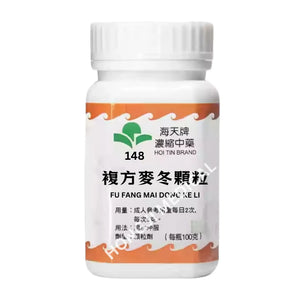
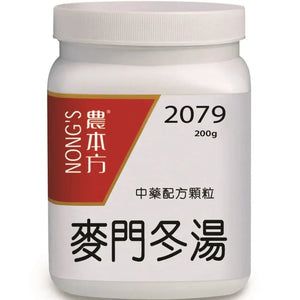
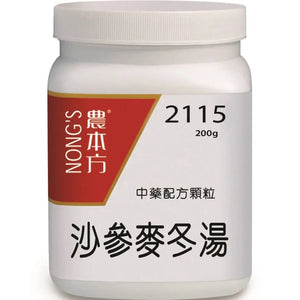
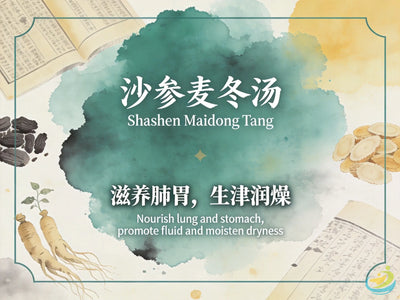
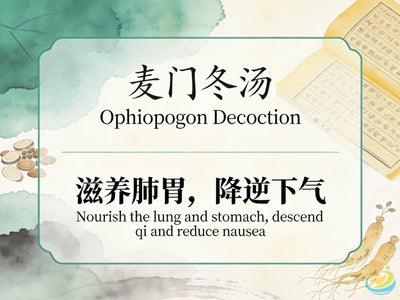
Compare Zeng Ye TangMai Men Dong TangSha Shen Mai Dong TangYu Nv Jian
Primary Function Enrich Yin, generate fluids, moisten the IntestinesNourish Lung-Stomach Yin, descend rebellious QiNourish Lung-Stomach Yin, generate fluidsClear Stomach heat, nourish Yin
Formula Category Yin-Tonifying FormulasYin-Tonifying FormulasYin-Tonifying FormulasHeat-Clearing Formulas
Typical TCM Pattern Yin DeficiencyYin DeficiencyYin DeficiencyStomach Heat
Main Conditions Constipation, Dry Mouth & Throat, Dry CoughDry Cough, Dry Mouth & Throat, Nausea, Poor AppetiteDry Cough, Yin Deficiency Constitution, Dry Mouth & ThroatDry Mouth & Throat, Headache, Constipation
Main Herbs Scrophularia Root · Ophiopogon Tuber · Raw Rehmannia RootOphiopogon Tuber · Pinellia Rhizome · Ginseng Root · Licorice Root · Non-glutinous Rice · Jujube / Chinese DateGlehnia Root · Ophiopogon Tuber · Fragrant Solomonseal Rhizome · Mulberry Leaf · Trichosanthes Root · White Hyacinth Bean · Licorice RootGypsum · Prepared Rehmannia Root · Ophiopogon Tuber · Anemarrhena Rhizome · Achyranthes Root
Classical Source Wen Bing Tiao Bian (Wu Jutong, 1798)Jin Gui Yao Lue (Zhang Zhongjing, Eastern Han)Wen Bing Tiao Bian (Wu Jutong, Qing dynasty)Jing Yue Quan Shu (Zhang Jingyue, Ming dynasty)

How to tell them apart

Zeng Ye Tang moistens the Intestines for fluid-deficiency constipation. Mai Men Dong Tang and Sha Shen Mai Dong Tang nourish Lung-Stomach Yin with more cough focus. Yu Nv Jian clears Stomach heat and nourishes Yin for toothache and gingival heat.

For educational reference only, based on traditional pattern differentiation — not a substitute for professional advice.

Clinical Modifications for Zeng Ye Tang

Depending on the specific presentation of symptoms, Zeng Ye Tang can be modified by adding or subtracting specific herbs to target concurrent conditions:

1. With Qi Deficiency

  • Modifications: Add Qi-tonifying herbs like Ginseng (Ren Shen) and Astragalus Root (Huang Qi).
  • Rationale: In the late stages of a febrile disease or with chronic Yin deficiency, the body's healthy Qi may also be damaged, leading to shortness of breath and fatigue. These additions greatly tonify primordial Qi, enhancing the body's disease resistance.
  • Result: Tonifies both Qi and Yin simultaneously, accelerating recovery.

2. With Blood Deficiency

  • Modifications: Add blood-nourishing herbs like Angelica Sinensis (Dang Gui) and prepared Rehmannia Glutinosa (Shu Di Huang).
  • Rationale: Prolonged Yin fluid depletion often leads to blood deficiency, presenting as a pale complexion, dizziness, blurred vision, palpitations, and insomnia.
  • Result: Works synergistically with the base formula to nourish both Yin and Blood, restoring sufficiency to both.

3. With Lung Heat

  • Modifications: Add heat-clearing, lung-moistening, and cough-relieving herbs like Fritillaria Cirrhosa (Chuan Bei Mu) and Anemarrhena Asphodeloides (Zhi Mu).
  • Rationale: Late-stage febrile diseases with Lung Yin deficiency easily trigger Lung heat and coughing.
  • Result: Strengthens the formula's ability to clear heat, moisten the lungs, reduce phlegm, and relieve thoracic symptoms.
Zeng Ye Tang

4. Difficult Defecation with Severe Dry Stool

  • Modifications: Cautiously add light dosages of purgative herbs like Rhubarb (Da Huang) and Mirabilite (Mang Xiao).
  • Rationale: If nourishing Yin and increasing fluids with the base formula is insufficient to pass stools, it indicates severe intestinal dryness and obstruction.
  • Result: Gently enhances the purgative power. The dosage must remain small to avoid excessive purging, which could further damage the body's healthy Qi.

What the Science Suggests

Modern scientific studies and clinical trials have provided deeper insights into the mechanisms and efficacy of Zeng Ye Tang:

1. Effects on Intestinal Function

  • Regulating Intestinal Flora: By nourishing Yin and increasing fluids, the decoction hydrates the intestinal environment, which provides ideal living conditions for beneficial intestinal flora.
  • Enhancing Peristalsis: It positively affects intestinal motility by strengthening the propulsive movements of the gut, naturally and effectively improving constipation symptoms without harsh stimulation.

2. Regulation of Immune Function

  • Immune Restoration: Research indicates it helps restore normal immune function.
  • Broad Action: It enhances the body's non-specific immunity and exerts a regulatory effect on both humoral and cellular immune responses.

3. Chemical Composition Research

Modern chemical analysis has identified the key active components in the formula's herbs that synergistically drive its pharmacological effects:

  • Scrophularia Root (Xuan Shen): Contains compounds like harpagide and harpagoside, which demonstrate anti-inflammatory, antibacterial, and antioxidant properties.
  • Ophiopogon Root (Mai Dong): Contains ophiopogon polysaccharides and ophiopogonin, known for their immune-regulating and antioxidant effects.
  • Rehmannia Root (Sheng Di Huang): Rich in catalpol and rehmanniosides, which actively nourish Yin, tonify blood, and boost immunity.
Zeng Ye Tang

4. Verification of Clinical Efficacy

  • Proven Symptom Relief: Extensive clinical studies confirm its effectiveness in treating late-stage febrile diseases and Yin-deficiency constipation, successfully resolving symptoms like dry mouth and dry stools.
  • Chronic Disease Management: It has shown strong therapeutic results and a high safety profile when treating Yin-fluid deficiency resulting from various long-term, chronic diseases, ultimately improving patients' overall quality of life. 

Safety Considerations

1. Use & Dietary Restrictions

Zeng Ye Tang is relatively cold and nourishes yin—avoid spicy, greasy, and other irritating foods while taking it. Such foods generate internal heat and can impair spleen–stomach function, which hinders yin nourishment and recovery. Prefer a light diet and include yin‑moistening foods (e.g., lily, tremella, pear) as appropriate.

2. Special Populations & Contraindications

Use with caution in patients with spleen–stomach yang deficiency, as the decoction’s cold nature may further weaken yang and worsen symptoms (cold epigastric pain, diarrhea). It is contraindicated in yang‑deficiency constipation because nourishing yin can further deplete yang and aggravate the condition. Pregnant and lactating women should use it only under physician guidance; children’s doses should be adjusted by a doctor. If symptoms worsen or new problems arise, seek medical advice promptly.

Questions About Zeng Ye Tang

Q1: What are the actions of Zeng Ye Tang?
Zeng Ye Tang has the actions of nourishing Yin, generating fluids, moistening the Intestines, and unblocking the bowels. It embodies the classical principle of “increasing the water to float the boat” (增水行舟), replenishing deficient fluids so that dry stool can move naturally without harsh purgation.
Q2: Which modern diseases is Zeng Ye Tang suited to?
Modern TCM clinical practice commonly applies it to individuals whose pattern differentiation falls within Yin and fluid deficiency with intestinal dryness, including constipation following febrile illness or in the elderly, chronic dry throat or pharyngitis, recurrent oral dryness or ulcers of Yin-deficient type, and supportive care in certain Yin-deficient presentations such as dry mouth syndromes.
Q3: Is Zeng Ye Tang suitable for improving dry, hard constipation with thirst and a dry red tongue?
For presentations of dry, difficult-to-pass stools, thirst or dry mouth and throat, a dry red tongue, and a thin rapid or deep forceless pulse — especially after a Warm-febrile disease has consumed fluids, and without marked abdominal fullness or severe pain — TCM commonly applies Zeng Ye Tang as an adjunct. It cannot replace standard medical treatment.
Q4: Who should not take Zeng Ye Tang?
Those with Spleen-Stomach deficiency Cold, Dampness accumulation, Yang-deficiency constipation, or excess Heat-bind constipation with abdominal distension, fullness, and pain are generally not suitable. The formula is cool, rich, and moistening; it can burden a weak Spleen or is insufficient for true excess accumulation (which requires Cheng Qi-type formulas). Use should be assessed by a qualified TCM physician.
Q5: What does “increase the water to float the boat” mean?
When fluids are severely depleted, the stool becomes dry and stuck, like a boat grounded in a dry riverbed. Rather than forcing a harsh purge, Zeng Ye Tang replenishes Yin and fluids so that the “water level” rises and the stool can move naturally. This is the gentle moistening strategy of Wu Jutong’s *Wen Bing Tiao Bian*.
Q6: Can Zeng Ye Tang be used if the bowels still do not move after fluids are replenished?
If pure fluid replenishment is not enough, the classical next step is to add Da Huang and Mang Xiao, forming Zeng Ye Cheng Qi Tang, which combines moistening with mild purgation. This modification is used when residual Heat accumulation accompanies the fluid deficiency, still under professional guidance.
Q7: What are the main ingredients of Zeng Ye Tang?
The classical three-herb formula consists of a large dose of Xuan Shen (Scrophularia) to nourish Yin, clear Heat, and moisten dryness; Mai Dong (Ophiopogon) to nourish Lung and Stomach Yin and generate fluids; and Sheng Di Huang (Raw Rehmannia) to clear Heat, cool Blood, and further enrich Yin and fluids. Together they increase fluids to moisten the Intestines.
Q8: Is Zeng Ye Tang suitable for long-term use?
It may be used for a course of treatment while fluid deficiency and dry constipation are being addressed. Because the herbs are rich and cool, prolonged use in someone with weak digestion can burden the Spleen. Once bowel movements normalize and dryness improves, the formula is typically reduced or adjusted under professional guidance.
Q9: How does Zeng Ye Tang differ from strong purgative formulas such as Da Cheng Qi Tang?
Da Cheng Qi Tang strongly purges excess Heat and accumulation in Yangming bowel excess (constipation with abdominal fullness, pain, and a forceful pulse). Zeng Ye Tang is for deficiency of fluids without significant excess accumulation; it moistens rather than forcefully drains. Using a strong purgative when fluids are already depleted can further injure Yin.
Q10: What lifestyle advice supports the use of Zeng Ye Tang?
Adequate hydration, consuming moistening foods (such as pears, honey in moderation, or other Yin-supporting items appropriate to the individual), avoiding excessive drying or spicy foods, and gentle activity help support fluid replenishment and bowel movement. Professional evaluation remains important for persistent constipation or underlying conditions.

General Questions

How do I choose the right formula?
TCM formulas are traditionally selected according to individual pattern differentiation rather than by symptom alone. If you're not sure which formula fits your presentation, take our AI Assessment below for a personalized starting point, then confirm with a qualified TCM practitioner.
What are concentrated herbal granules?
Concentrated herbal granules are made by decocting raw herbs, then extracting and concentrating the resulting liquid into a fine granule or powder form. This preserves the same active compounds as a traditional decoction while making the herbs far easier to store, measure, and prepare.
How should I take these products?
Dissolve the recommended amount of granules in hot water, stir until fully dissolved, and drink while warm — following the dosage and frequency advised by your TCM practitioner or as stated on the product packaging.
Are concentrated herbal granules equivalent to traditional decoctions?
Concentrated granules are produced from the same herbs and processed to retain their active compounds, so they are traditionally regarded as a convenient alternative to decoctions rather than a different remedy. Some practitioners note subtle differences in strength or absorption between the two forms, so your TCM practitioner may adjust dosage accordingly.
Are your products authentic?
Yes. HJMEDICAL sources its concentrated granules exclusively from established, reputable manufacturers such as Nong's and Hoi Tin, both long-standing names in the TCM granules industry, with GMP compliance stated directly on their packaging.
Are HJMEDICAL products manufactured under GMP standards?
HJMEDICAL sources its concentrated granules from established, reputable manufacturers such as Nong's and Hoi Tin, both long-standing names in the TCM granules industry. GMP compliance for these products is stated directly on their packaging.
Do you ship internationally?
Yes — we ship worldwide! Every order goes out via Hong Kong Post, and your exact shipping cost and estimated delivery time for your address are calculated and shown right at checkout, so there are never any surprises. We also offer free shipping once your order reaches our free-shipping threshold, so it's easy to stock up on your favorite formulas and save.
Can I take more than one formula at the same time?
Some formulas are traditionally combined, while others overlap or counteract each other. We recommend checking with a qualified TCM practitioner before combining formulas, especially if you are already taking other medication.
Are these products suitable during pregnancy or breastfeeding?
Some TCM formulas are not suitable during pregnancy or breastfeeding. Please consult a qualified TCM practitioner or your doctor before use if you are pregnant, trying to conceive, or nursing.
Do these products replace medical treatment?
No. These products are traditional herbal supplements intended to support wellbeing according to TCM principles — they are not a replacement for professional medical diagnosis or treatment. Please consult a qualified TCM practitioner or licensed healthcare provider before starting, stopping, or combining any treatment, especially if you have a chronic condition.
Medical Disclaimer

For general TCM education only — not medical advice. Consult a qualified TCM practitioner or licensed healthcare provider before use, especially if pregnant, nursing, on medication, or managing a chronic condition.

Not sure which formula is right for you?

Take the AI Assessment

最新文章

Login

Forgot your password?

Don't have an account yet?
Create account

Zeng Ye Tang: Increasing Body Fluids to Relieve Intestinal Dryness and Severe Constipation