Qi-Tonifying Formulas

炙甘草湯 · Zhì Gān Cǎo Tāng

Zhi Gan Cao Tang

A classical formula for irregular or intermittent pulse from Qi-blood and Yin deficiency with heart palpitations.

View formula profile →
Last reviewed August 2026
Formula CategoryQi-Tonifying Formulas
Primary PatternQi Deficiency
Primary FunctionTonify Qi and blood, nourish Yin, restore pulse
Primary Therapeutic PrincipleTonify Qi-blood and nourish Yin to restore irregular pulse
Main HerbsHoney-fried Licorice · Ginseng Root · Cinnamon Twig · Fresh Ginger · Donkey-hide Gelatin · Ophiopogon Tuber · Hemp Seed · Raw Rehmannia Root · Jujube / Chinese Date
Classical SourceShang Han Lun (Zhang Zhongjing, Eastern Han)

Why This Formula?

Traditionally selected for irregular or intermittent pulse with palpitations from Qi-blood and Yin deficiency, rather than pure Qi-Yin fluid deficiency or Heart Yin-blood deficiency insomnia alone.

Traditionally selected for irregular or intermittent pulse with palpitations from Qi-blood and Yin deficiency, rather than pure Qi-Yin fluid deficiency or Heart Yin-blood deficiency insomnia alone.

What Is Zhi Gan Cao Tang?

1. Classical Source

Zhi Gan Cao Tang (炙甘草汤), or Prepared Licorice Decoction, is a classical formula from Zhang Zhongjing’s Shang Han Lun (Treatise on Cold Damage). Also known as Fu Mai Tang (Restore the Pulse Decoction), it belongs to the category of formulas that tonify Qi and Blood, nourish Yin, and restore a bound or intermittent pulse.

This formula addresses deficiency of Heart Qi and Blood with insufficient Yin and Yang, so the pulse cannot be bound together and the spirit has no residence. Typical signs include palpitations, a bound or regularly intermittent pulse, shortness of breath, dry mouth, insomnia or restlessness, a pale or dry thin tongue, and fatigue.

Combining a large dose of Zhi Gan Cao as the chief herb to tonify Qi, nourish the Heart, and moderate spasms, Sheng Di Huang, Mai Men Dong, E Jiao, and Huo Ma Ren to nourish Yin and Blood and moisten dryness, Ren Shen and Da Zao to strongly tonify Qi, and Gui Zhi with Sheng Jiang to warm Yang and unblock the pulse, Zhi Gan Cao Tang replenishes both Yin and Yang of the Heart and is the classical prescription for restoring an irregular deficient pulse.

Zhi Gan Cao Tang: Nourishing Yin, Nourishing Blood, Boosting Qi and Restoring the Pulse — Precision Care for Cardiac Arrhythmia, Viral Myocarditis and Neurasthenia Crises | HJMEDICAL

2. Cardiovascular Conditions

  • Coronary Artery Disease: Zhi Gan Cao Tang helps relieve symptoms like chest tightness, angina, and palpitations. Modern studies suggest it can increase coronary blood flow, reduce the heart's oxygen demand, and protect cardiac cells.
  • Cardiac Arrhythmia: Whether dealing with premature beats, atrial fibrillation, or a slow heart rate, this formula helps. It corrects irregular rhythms by restoring the heart's natural yin-yang balance and calming the nervous system.

3. Viral Myocarditis

  • Often caused by a viral infection, this condition leads to heart inflammation, fatigue, and chest tightness.
  • By boosting qi and clearing heat, Zhi Gan Cao Tang helps reduce the inflammatory response in the heart muscle. It promotes the repair of cardiac cells, helping patients recover faster with fewer complications.
Zhi Gan Cao Tang

4. Chronic Deficiency-Taxation Disorders

  • Lung Wilting (Chronic Consumptive Lung Disease): For patients exhausted by chronic coughs, shortness of breath, and dry throat, this formula moistens the lungs and generates fluids to soothe the respiratory tract.
  • General Taxation Disorder (Chronic Fatigue & Weakness): For severe burnout and weakness caused by long-term illness, the formula restores the body's baseline energy. It effectively relieves chronic fatigue, insomnia, weight loss, and palpitations by deeply nourishing the body's core reserves.

Herb Composition (Sovereign / Minister / Assistant / Envoy)

1. Chief Herb: Zhi Gan Cao

  • Zhi Gan Cao (Honey-Fried Licorice Root) is sweet and neutral, entering the Heart, Lung, Spleen, and Stomach meridians.
  • It is used in the largest dose in Zhi Gan Cao Tang (Honey-Fried Licorice Decoction).
  • Core Role: It tonifies the middle, boosts qi, strengthens the spleen, and harmonizes the stomach. It is highly effective at nourishing heart yin and heart qi, making it the key herb for treating heart palpitations and an irregular (knotted-intermittent) pulse.
  • It also harmonizes the other herbs in the formula, giving the entire decoction a gentle and coordinated effect.

2. Deputy Herb: Sheng Di Huang

  • Sheng Di Huang (Raw Rehmannia Root) is sweet, bitter, and cold, entering the Heart, Liver, and Kidney meridians.
  • Used in the second-largest dose, it excels at clearing heat, cooling the blood, and generating bodily fluids.
  • Core Role: It strongly nourishes heart yin and heart blood, providing the physical nourishment the heart needs to function smoothly. Furthermore, its cooling nature prevents the warming herbs in the formula from causing excess heat and damaging the body's natural fluids.

3. Assistant Herbs: Ren Shen, Gui Zhi, E Jiao, Mai Dong, and Ma Ren

  • Ren Shen (Ginseng): Slightly warm and sweet. It greatly tonifies original qi and strengthens cardiac function, working synergistically with the chief herb to relieve palpitations and irregular pulses.
  • Gui Zhi (Cassia Twig): Warm and acrid. It warms and unblocks heart yang, helping to push blood circulation forward. Combined with yin-nourishing herbs, it creates a balanced effect of tonifying both yin and yang.
  • E Jiao (Donkey-Hide Gelatin): Neutral and sweet. It is well-known for tonifying blood and nourishing yin. Its rich texture moistens dryness in the lungs and replenishes the blood needed to steady the heart.
  • Mai Dong (Ophiopogon Tuber): Slightly cold. It nourishes heart yin and clears heat, relieving the restlessness and anxiety associated with yin deficiency.
  • Ma Ren (Hemp Seed): Neutral and sweet. Its primary role here is to moisten the intestines and prevent constipation, which often happens when the body lacks sufficient yin and blood.
Zhi Gan Cao Tang: Nourishing Yin, Nourishing Blood, Boosting Qi and Restoring the Pulse — Precision Care for Cardiac Arrhythmia, Viral Myocarditis and Neurasthenia Crises | HJMEDICAL

4. Envoy Herbs: Sheng Jiang and Da Zao

  • Sheng Jiang (Fresh Ginger): Slightly warm. It warms the stomach and promotes healthy digestion, ensuring that the rich, heavy herbs in this formula are easily absorbed and transported throughout the body.
  • Da Zao (Jujube / Chinese Date): Warm and sweet. It tonifies the spleen, nourishes blood, and calms the spirit. It also makes the decoction taste gentler and easier to drink.

Clinical Presentation in TCM

1. Pathomechanism (How it Works)

  • Zhi Gan Cao Tang is specifically designed for a combined deficiency of heart yin and heart yang.
  • When the body is worn down by external pathogens, internal stress, or overexertion, it lacks the qi (energy) and blood needed to support the heart.
  • Yin Deficiency: Without enough physical nourishment (yin/blood), the heart becomes restless, causing palpitations, anxiety, and insomnia.
  • Yang Deficiency: Without enough driving energy (yang), the heart's pumping action weakens, leading to poor circulation and a knotted, intermittent pulse.
  • Additionally, a weak spleen and stomach (the body's digestive center) often worsens the problem, as they cannot produce enough new qi and blood to supply the heart.

2. Actions

  • Nourishes Yin and Blood: It replenishes the essential fluids and blood the heart needs to stay calm and functional.
  • Boosts Qi and Warms Yang: It strengthens the heart's energy and driving force to improve blood vessel circulation.
  • Harmonizes Digestion: By supporting the spleen and stomach, it helps the body naturally generate more qi and blood, treating the root cause of the deficiency.
  • Overall Result: It effectively restores a healthy pulse and calms palpitations.
Zhi Gan Cao Tang: Nourishing Yin, Nourishing Blood, Boosting Qi and Restoring the Pulse — Precision Care for Cardiac Arrhythmia, Viral Myocarditis and Neurasthenia Crises | HJMEDICAL

3. Indications

  • Primary Use: The classic pattern of deficient yin-blood and yang-qi. Symptoms include an irregular (knotted-intermittent) pulse, heart palpitations, shortness of breath, unexplained weight loss, and a shiny or dry, thin tongue.
  • Respiratory Support: It is also used for chronic consumptive lung conditions (lung wilting) caused by qi and yin injury. Symptoms include chronic cough, shortness of breath, night sweats, dry mouth, and dry stools.
  • Modern Applications: Today, clinical practitioners often use Zhi Gan Cao Tang to assist in managing coronary artery disease, cardiac arrhythmias, viral myocarditis, and other cardiovascular issues linked to chronic deficiency.

The Mechanism in Classical Theory

1. Combining Yin-Blood Nourishment with Qi-Tonification and Yang-Warming

  • Zhi Gan Cao Tang (Honey-Fried Licorice Decoction) uses generous amounts of yin and blood-nourishing herbs like Sheng Di Huang (Raw Rehmannia Root), E Jiao (Donkey-Hide Gelatin), Mai Dong (Ophiopogon Tuber), and Ma Ren (Hemp Seed). These provide deep physical nourishment to the heart.
  • At the same time, it incorporates qi-boosting and yang-warming herbs like Ren Shen (Ginseng) and Gui Zhi (Cassia Twig) to strengthen cardiac function and warm the heart.
  • This smart combination tonifies both yin and yang, correcting the underlying deficiency and restoring smooth blood circulation to steady an irregular pulse.

2. Regulating the Spleen and Stomach to Support Qi-Blood Generation

  • The formula uses herbs like Zhi Gan Cao (Honey-Fried Licorice Root), Ren Shen (Ginseng), Da Zao (Jujube), and Sheng Jiang (Fresh Ginger) to harmonize the digestive system (spleen and stomach).
  • In TCM, digestion is the source of new qi and blood. By improving the body's ability to absorb nutrients, the formula ensures a steady supply of fresh blood to nourish the heart.
  • A stronger digestive system also boosts the body's overall immunity and resistance to disease.
Zhi Gan Cao Tang

3. Synergistic Herb Combinations Enhancing Efficacy

  • The herbs in Zhi Gan Cao Tang are designed to work as a team. For instance:
    • Zhi Gan Cao and Gui Zhi work together to warm and unblock heart yang.
    • Sheng Di Huang paired with E Jiao strongly amplifies the blood-nourishing effects.
    • Ren Shen, Mai Dong, and Da Zao perfectly complement each other to boost qi and protect body fluids.
  • These carefully paired combinations give the formula a highly coordinated, powerful healing effect.

Clinical Comparison Table

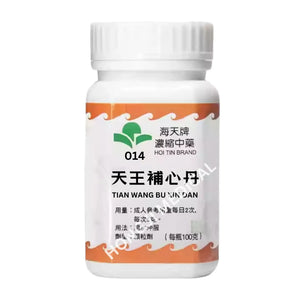
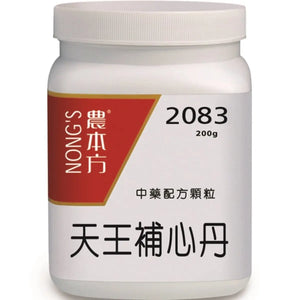
Compare Zhi Gan Cao TangSheng Mai SanTian Wang Bu Xin Dan
Primary Function Tonify Qi and blood, nourish Yin, restore pulseTonify Qi, generate fluids, astringe YinNourish Yin and Blood, tonify the Heart, calm the spirit
Formula Category Qi-Tonifying FormulasQi-Tonifying FormulasCalm the Shen Formulas
Typical TCM Pattern Qi DeficiencyQi DeficiencyYin Deficiency
Main Conditions Palpitations, Fatigue & Low Energy, InsomniaFatigue & Low Energy, Spontaneous Sweating, Dry Mouth & Throat, PalpitationsInsomnia, Anxiety Restlessness, Palpitations, Dry Mouth & Throat, Night Sweats
Main Herbs Honey-fried Licorice · Ginseng Root · Cinnamon Twig · Fresh Ginger · Donkey-hide Gelatin · Ophiopogon Tuber · Hemp Seed · Raw Rehmannia Root · Jujube / Chinese DateGinseng Root · Ophiopogon Tuber · Schisandra FruitRaw Rehmannia Root · Ginseng Root · Scrophularia Root · Salvia Root · Poria / Hoelen · Schisandra Fruit · Polygala Root · Platycodon Root · Chinese Angelica Root · Asparagus Root · Ophiopogon Tuber · Biota Seed · Sour Jujube Seed
Classical Source Shang Han Lun (Zhang Zhongjing, Eastern Han)Nei Wai Shang Bian Huo Lun (Li Dongyuan) / Yi Xue Qi YuanShe Sheng Mi Pou (Ming dynasty) / classical Heart-Yin tonic tradition

How to tell them apart

Zhi Gan Cao Tang, Sheng Mai San and Tian Wang Bu Xin Dan all support the Heart. Sheng Mai San generates fluids and astringes Qi for Qi-Yin deficiency; Tian Wang Bu Xin Dan nourishes Heart Yin and blood for insomnia with Yin deficiency. Zhi Gan Cao Tang tonifies Qi and blood and restores the pulse for irregular or intermittent pulse with palpitations from Qi-blood and Yin deficiency.

For educational reference only, based on traditional pattern differentiation — not a substitute for professional advice.

Clinical Modifications for Zhi Gan Cao Tang

In clinical practice, a TCM practitioner will often customize the formula to match a patient’s specific symptoms. Here are a few common adjustments:

1. For Predominant Yang Deficiency

  • If a patient feels excessively cold and lacks driving energy, practitioners might increase the doses of Gui Zhi (Cassia Twig) and Ren Shen (Ginseng) to boost warmth and qi.
  • They may also add Fu Zi (Prepared Aconite Root), a powerful warming herb, to deeply warm the body, stimulate the metabolism, and correct a slow or weak pulse.

2. For Predominant Yin Deficiency

  • If a patient has signs of severe dryness, such as a dry throat, night sweats, or a red tongue, the doses of Sheng Di Huang (Raw Rehmannia Root), Mai Dong (Ophiopogon Tuber), E Jiao (Donkey-Hide Gelatin), and Ma Ren (Hemp Seed) are increased.
  • Herbs like Bai He (Lily Bulb) and Yu Zhu (Solomon's Seal) can also be added to specifically moisten the lungs and soothe respiratory dryness.

3. For Concurrent Blood Stasis

  • If the patient experiences chest pain or has poor circulation (often indicated by a purplish tongue), blood-moving herbs like Dan Shen (Salvia Root), Chuan Xiong (Sichuan Lovage Rhizome), and Chi Shao (Red Peony Root) are included.
  • By clearing out stagnant blood, these herbs make way for fresh, oxygenated blood to properly nourish the heart.
Zhi Gan Cao Tang

4. For Concurrent Phlegm-Dampness

  • For patients with a feeling of heaviness, chest tightness, or excessive mucus, herbs like Ban Xia (Pinellia Rhizome), Chen Pi (Tangerine Peel), and Fu Ling (Poria) are added.
  • These ingredients help dry up dampness and dissolve phlegm, ensuring that the body's energy and blood can circulate without blockage.

What the Science Suggests

Zhi Gan Cao Tang (Fumai Tang, "Pulse-Restoring Decoction") originates from the Shang Han Lun and is the classic formula for treating palpitations and knotted-intermittent pulse (knotted pulse, intermittent pulse, yin pulse, irregular pulse), with the actions of boosting qi and nourishing yin, warming heart yang, and unblocking yang to restore the pulse.

In the formula, yin herbs such as (honey-fried) Gancao are paired with yang herbs such as Guizhi; Xiebai is commonly added clinically, and patients take it decocted with water or rice wine, suited to coronary artery disease, viral myocarditis, and other conditions of heart-yang weakness, heart-qi insufficiency, and yin-blood insufficiency. In recent years, with the continuous advancement of modern medical technology, research into Zhi Gan Cao Tang has also seen many new developments.

1. Pharmacological Research

  • Heart Rhythm & Protection: Modern studies show that Zhi Gan Cao Tang (Honey-Fried Licorice Decoction) helps regulate the electrical activity and ion channels in cardiac cells. This makes it highly effective at correcting arrhythmias and stabilizing the heartbeat. It also strengthens heart contractions and protects the heart muscle from damage.
  • Immune System Support: The formula acts as a natural immune modulator. It helps boost white blood cell activity, strengthening the body's natural defenses and overall resilience.
  • Nervous System & Sleep: Certain compounds in the formula, such as glycyrrhizin found in Zhi Gan Cao (Honey-Fried Licorice Root), have a mild calming effect. This helps reduce anxiety, relax the nervous system, and improve sleep quality.

2. Clinical Research Applications

  • Advanced Cardiovascular Care: Beyond treating general palpitations, research indicates that using this formula alongside conventional medical treatments can significantly improve heart function and quality of life for patients dealing with heart failure.
  • Chronic Fatigue Syndrome: TCM links chronic fatigue to a burned-out heart and digestive system. By deeply nourishing the body's core energy reserves, this formula helps relieve severe exhaustion, weakness, and insomnia.
  • Diabetic Nerve Health: It is also being studied for diabetic peripheral neuropathy, showing promise in reducing pain and numbness by improving local blood circulation and supporting healthy nerve function.
Zhi Gan Cao Tang

3. Formulation Improvement Research

  • To keep up with modern lifestyles, Zhi Gan Cao Tang has evolved far beyond the traditional method of boiling raw herbs for hours.
  • Today, advanced pharmaceutical technology has made it available in concentrated granules, convenient capsules, and tablets.
  • These modern formats are highly portable, easy to dose accurately, and highly stable. They ensure that the active plant compounds are easily absorbed by the body, providing maximum therapeutic benefits with minimal preparation time.

Safety Considerations

1. Constitution and Digestive Precautions

Patients with a deficiency-cold constitution should use Zhi Gan Cao Tang cautiously, as its yin-nourishing, cold-natured ingredients may worsen abdominal pain or diarrhea. Those with weak spleen-stomach function may experience bloating or indigestion because of the formula’s rich, cloying herbs; spleen-regulating ingredients should be added only under medical supervision.

2. Dietary and Pregnancy Precautions

Avoid cold, raw, greasy, spicy, and other irritating foods during treatment. Maintain a light, nutritious diet with easily digestible foods such as porridge, noodles, and vegetables. Pregnant women should consult a physician and use the formula only after carefully weighing potential benefits and risks.

Questions About Zhi Gan Cao Tang

Q1: What are the actions of Zhi Gan Cao Tang?
Zhi Gan Cao Tang (also called Fu Mai Tang) has the actions of tonifying Qi and Blood, nourishing Yin, restoring the pulse, and stopping palpitations. It is the Shang Han Lun formula for a bound or intermittent pulse with Heart palpitations from consumption of Qi, Blood, and Yin.
Q2: Which modern conditions is Zhi Gan Cao Tang suited to?
Modern TCM clinical practice commonly applies it to individuals whose pattern differentiation falls within Qi-Blood-Yin deficiency of the Heart, including palpitations with an irregular or intermittent pulse of deficiency type, some arrhythmia presentations after medical evaluation, and dry Lung-atrophy cough of Qi-Yin deficiency type from Jin Gui Yao Lue.
Q3: Is Zhi Gan Cao Tang suitable for improving palpitations and an irregular pulse?
For presentations of palpitations, a bound or intermittent pulse, shortness of breath, dry mouth, constipation or dry stool, a pale or thin dry tongue, and weakness — in those whose pattern differentiation confirms Heart Qi-Blood-Yin deficiency — TCM commonly applies Zhi Gan Cao Tang as an adjunct. Any new irregular pulse requires cardiac evaluation first.
Q4: Who should not take Zhi Gan Cao Tang?
Those with Phlegm-Damp palpitations, Heat excess, or Spleen deficiency with loose stools that cannot tolerate E Jiao and Sheng Di Huang are generally not suitable. The formula is rich and moistening. Use should be assessed by a qualified TCM physician after the heart rhythm has been medically assessed.
Q5: Why is Zhi Gan Cao the chief herb, and why add wine?
A large dose of Zhi Gan Cao tonifies Qi, nourishes the Heart, and “restores the pulse.” Ren Shen and Da Zao assist Qi. Sheng Di Huang, Mai Dong, E Jiao, and Huo Ma Ren nourish Yin and Blood and moisten dryness. Gui Zhi and Sheng Jiang warm and unblock the pulse so the enriched Blood can circulate. Wine helps the rich herbs move rather than stagnate. Tonifying without unblocking leaves a sticky pulse; warming without nourishing leaves the pulse empty.
Q6: How does Zhi Gan Cao Tang differ from Sheng Mai San or Gui Pi Tang?
Sheng Mai San tonifies Lung-Heart Qi and Yin after sweat or summer-Heat injury and does not restore a bound pulse as specifically. Gui Pi Tang tonifies Spleen Qi and Heart Blood for forgetfulness and insomnia from overthinking. Zhi Gan Cao Tang is chosen when palpitations and an irregular or intermittent pulse from Qi-Blood-Yin consumption are the core signs.
Q7: What are the main ingredients of Zhi Gan Cao Tang?
The classical formula consists of a large dose of Zhi Gan Cao to tonify Qi and restore the pulse; Ren Shen and Da Zao to tonify Qi; Sheng Di Huang, Mai Dong, E Jiao, and Huo Ma Ren to nourish Yin and Blood and moisten dryness; and Gui Zhi and Sheng Jiang to warm and unblock the vessels. It is often decocted with a little wine. E Jiao is dissolved into the strained decoction.
Q8: Is Zhi Gan Cao Tang suitable for long-term use?
It may be used for a course of treatment in chronic deficiency palpitations under professional and cardiac supervision. Because it is rich and contains licorice, fluid retention, rising blood pressure, or loose stools mean the formula should be modified. It is not a casual daily heart tonic.
Q9: Can this formula help both the palpitations and the dry cough of Lung atrophy?
Yes. Shang Han Lun uses it for bound-pulse palpitations; Jin Gui Yao Lue also uses it for xu lao Lung atrophy with dry cough and frothy saliva from Qi-Yin deficiency. The same enrichment of Qi, Blood, and Yin can support both when Phlegm-Heat cough has been excluded. Cardiac causes of palpitations still need medical care.
Q10: What lifestyle advice supports the use of Zhi Gan Cao Tang?
Resting the Heart-Spirit, avoiding overstrain and severe sweating, eating easily digested moistening foods, and completing recommended heart tests all support the formula. Chest pain, fainting, or a newly irregular pulse is a medical emergency first, not a self-prescribed decoction.

General Questions

How do I choose the right formula?
TCM formulas are traditionally selected according to individual pattern differentiation rather than by symptom alone. If you're not sure which formula fits your presentation, take our AI Assessment below for a personalized starting point, then confirm with a qualified TCM practitioner.
What are concentrated herbal granules?
Concentrated herbal granules are made by decocting raw herbs, then extracting and concentrating the resulting liquid into a fine granule or powder form. This preserves the same active compounds as a traditional decoction while making the herbs far easier to store, measure, and prepare.
How should I take these products?
Dissolve the recommended amount of granules in hot water, stir until fully dissolved, and drink while warm — following the dosage and frequency advised by your TCM practitioner or as stated on the product packaging.
Are concentrated herbal granules equivalent to traditional decoctions?
Concentrated granules are produced from the same herbs and processed to retain their active compounds, so they are traditionally regarded as a convenient alternative to decoctions rather than a different remedy. Some practitioners note subtle differences in strength or absorption between the two forms, so your TCM practitioner may adjust dosage accordingly.
Are your products authentic?
Yes. HJMEDICAL sources its concentrated granules exclusively from established, reputable manufacturers such as Nong's and Hoi Tin, both long-standing names in the TCM granules industry, with GMP compliance stated directly on their packaging.
Are HJMEDICAL products manufactured under GMP standards?
HJMEDICAL sources its concentrated granules from established, reputable manufacturers such as Nong's and Hoi Tin, both long-standing names in the TCM granules industry. GMP compliance for these products is stated directly on their packaging.
Do you ship internationally?
Yes — we ship worldwide! Every order goes out via Hong Kong Post, and your exact shipping cost and estimated delivery time for your address are calculated and shown right at checkout, so there are never any surprises. We also offer free shipping once your order reaches our free-shipping threshold, so it's easy to stock up on your favorite formulas and save.
Can I take more than one formula at the same time?
Some formulas are traditionally combined, while others overlap or counteract each other. We recommend checking with a qualified TCM practitioner before combining formulas, especially if you are already taking other medication.
Are these products suitable during pregnancy or breastfeeding?
Some TCM formulas are not suitable during pregnancy or breastfeeding. Please consult a qualified TCM practitioner or your doctor before use if you are pregnant, trying to conceive, or nursing.
Do these products replace medical treatment?
No. These products are traditional herbal supplements intended to support wellbeing according to TCM principles — they are not a replacement for professional medical diagnosis or treatment. Please consult a qualified TCM practitioner or licensed healthcare provider before starting, stopping, or combining any treatment, especially if you have a chronic condition.
Medical Disclaimer

For general TCM education only — not medical advice. Consult a qualified TCM practitioner or licensed healthcare provider before use, especially if pregnant, nursing, on medication, or managing a chronic condition.

Not sure which formula is right for you?

Take the AI Assessment

最新文章

Login

Forgot your password?

Don't have an account yet?
Create account

Zhi Gan Cao Tang: Classic TCM Formula for Heart Qi & Blood Deficiency, Palpitations & Irregular Pulse