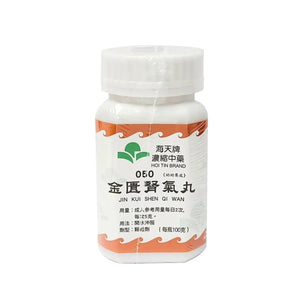
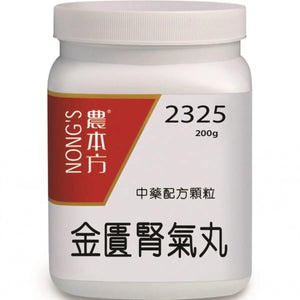
Yang-Tonifying Formulas

济生肾气丸 · Jì Shēng Shèn Qì Wán

Ji Sheng Shen Qi Wan

A classical modification of Jin Gui Shen Qi Wan with Niu Xi and Che Qian Zi for Kidney Yang deficiency oedema with heavy urinary difficulty and lumbar pain.

View formula profile →
Last reviewed August 2026
Formula CategoryYang-Tonifying Formulas
Primary PatternKidney Yang Deficiency
Primary FunctionWarm Kidney Yang, promote urination, reduce oedema
Primary Therapeutic PrincipleWarm Yang, transform Qi and promote urination for oedema
Main HerbsPrepared Rehmannia Root · Chinese Yam · Cornus Fruit · Poria / Hoelen · Moutan Bark / Tree Peony Bark · Alisma Rhizome · Cinnamon Twig · Prepared Aconite Root · Achyranthes Root · Plantago Seed
Classical SourceJi Sheng Fang (Yan Yonghe, Song dynasty)

Why This Formula?

Traditionally selected when Kidney Yang deficiency presents with clear oedema and urinary difficulty — more diuretic than Jin Gui Shen Qi Wan, still warming rather than pure draining.

Traditionally selected when Kidney Yang deficiency presents with clear oedema and urinary difficulty — more diuretic than Jin Gui Shen Qi Wan, still warming rather than pure draining.

What Is Ji Sheng Shen Qi Wan?

1. Origins and Background

Ji Sheng Shen Qi Wan, or Life-Saving Kidney Qi Pill, is a classical Song-dynasty formula from Yan Yong-he’s Ji Sheng Fang (Formulas to Aid the Living). It belongs to the category of formulas that warm Kidney Yang and promote the transformation of water.

This formula is a modification of Jin Gui Shen Qi Wan, created by adding Niu Xi and Che Qian Zi to strengthen the downward-draining and fluid-resolving actions. It specifically addresses Kidney Yang deficiency with significant water retention and impaired Qi transformation. Typical signs include edema (especially of the lower limbs), scanty or difficult urination, lower back soreness and heaviness, aversion to cold, cold extremities, fatigue, a pale swollen tongue with white slippery coating, and a deep weak pulse.

 Combining Zhi Fu Zi and Rou Gui to warm and tonify Kidney Yang and Ming Men Fire, the Liu Wei Di Huang Wan core (Shu Di Huang, Shan Zhu Yu, Shan Yao, Fu Ling, Ze Xie, Mu Dan Pi) to nourish Yin and support fluid metabolism, and Niu Xi with Che Qian Zi to guide water downward and promote urination, Ji Sheng Shen Qi Wan effectively warms the Kidney, transforms Qi, and resolves edema.

Ji Sheng Shen Qi Wan

2. Chronic Nephritis

For individuals dealing with chronic nephritis, Ji Sheng Shen Qi Wan is an excellent treatment choice when the root issue is Kidney Yang deficiency combined with an internal build-up of water and dampness.

  • Typical Symptoms: Patients often experience a sore and weak lower back and knees, a constant fear of cold with chilly limbs, visible swelling (edema), and difficulty urinating.
  • How it Helps: By warmly tonifying the Kidneys and boosting "Qi transformation," it acts as a natural diuretic. This helps reduce swelling, improve overall kidney function, and provide noticeable relief from edema.

3. Renal Insufficiency

For patients managing renal insufficiency, Ji Sheng Shen Qi Wan can serve as a highly effective supportive or adjuvant therapy, particularly when signs point to weak Kidney Yang and stubborn fluid retention.

  • Therapeutic Focus: It actively works to restore the delicate balance of Yin and Yang within the Kidneys.
  • Key Benefits: By promoting healthy water metabolism, it helps ease the cascade of uncomfortable symptoms associated with poor kidney function.
Ji Sheng Shen Qi Wan

4. Cardiac Edema

When dealing with swelling caused by heart failure (cardiac edema), Ji Sheng Shen Qi Wan can be effectively integrated with Western medical treatments, provided the patient shows underlying signs of Kidney Yang deficiency.

  • Key Indicators: This formula is indicated when edema is accompanied by symptoms like heart palpitations, shortness of breath, and a severe aversion to the cold.
  • Synergistic Effect: By warming the Kidneys and boosting Yang energy, it naturally promotes urination to flush out excess fluid. This significantly reduces swelling and, crucially, lightens the workload on the heart.

Herb Composition (Sovereign / Minister / Assistant / Envoy)

1. Chief Herbs

  • Shu Di Huang (Prepared Rehmannia Root): Sweet and slightly warm, this herb enters the Liver and Kidney meridians. It powerfully nourishes Yin, tonifies the blood, and replenishes your body's deep essence and marrow. It acts as the core foundational herb for building up Kidney Yin in this formula.
  • Shan Zhu Yu (Asiatic Cornelian Cherry Fruit): Sour, astringent, and slightly warm. It tonifies the Liver and Kidneys while acting as an astringent to secure your body's energy. It perfectly assists Shu Di Huang by enhancing the nourishment while preventing the formula from becoming overly heavy or greasy to digest.
  • Shan Yao (Chinese Yam): Sweet and neutral, targeting the Spleen, Lung, and Kidneys. It works to invigorate the Spleen and Stomach (your digestive fire) to promote fluid production and stop seminal emission. By boosting your digestion, it ensures your body can properly process and absorb the rich, nourishing properties of the other chief herbs.

2. Deputy Herbs

  • Fu Ling (Poria): Sweet, bland, and neutral. It gently drains dampness through urination, strengthens the Spleen, and calms the mind. By boosting digestion, it prevents excess water weight or dampness from forming in the first place.
  • Ze Xie (Alisma): Sweet, bland, and cold. It goes directly to the Kidneys and Bladder to drain dampness in the lower body and clear out built-up heat. Combined with Fu Ling, it acts as a drainage system to prevent the heavy, nourishing herbs from causing bloating or fluid retention.
  • Mu Dan Pi (Moutan Cortex): Bitter, pungent, and slightly cold. It clears heat, cools the blood, and gently promotes blood circulation. It keeps the energy moving and prevents the tonifying herbs from causing internal stagnation.
  • Rou Gui (Cinnamon Bark): Pungent, sweet, and intensely hot. It strongly warms Kidney Yang, dispels deep cold, relieves pain, and warms the meridians. It sparks the Kidney Qi and safely guides any "floating" heat back down to its source in the lower body.
  • Fu Zi (Prepared Aconite): Pungent, sweet, and extremely hot. This is a powerful, vital herb for warming the interior and restoring Yang energy. It warms Heart Yang above, Spleen Yang in the middle, and Kidney Yang below. Paired with Rou Gui, it provides a massive boost to Kidney Yang.

3. Assistant Herbs

  • Niu Xi (Achyranthes Root): Bitter, sweet, sour, and neutral. It invigorates the blood, strongly strengthens the bones and muscles, and promotes urination. Importantly, it acts as a downward guide, pulling the effects of the entire formula straight into the lower body (the Kidneys and legs).
  • Che Qian Zi (Plantain Seed): Sweet and cold. It clears heat and strongly promotes urination to drain dampness. It helps separate the clear fluids from the turbid waste. When paired with Fu Ling, it significantly boosts the formula's ability to eliminate excess water through urination.
Ji Sheng Shen Qi Wan

4. Envoy Herbs

  • Harmonization: The guiding principle of this specific combination is to harmonize all the herbs, ensuring the heavy tonics and the strong warming herbs work together without clashing. The result is a coordinated, gentle, yet highly effective formula that warms the Kidneys, stimulates fluid metabolism (Qi transformation), and powerfully reduces swelling through urination.

Clinical Presentation in TCM

1. Pathogenesis

The conditions treated by Ji Sheng Shen Qi Wan generally stem from insufficient Kidney Yang and a breakdown in your body's "Qi transformation" (its ability to properly process and move fluids).

  • Water Retention: In Traditional Chinese Medicine, the Kidneys govern water. When Kidney Yang is weak, it lacks the "fire" and energy needed to drive healthy fluid metabolism. This causes water and dampness to pool up inside the body, eventually overflowing into the skin and causing edema (visible swelling).
  • Urinary Dysfunction: Because of this weak Kidney Yang, the bladder loses its natural ability to open and close smoothly, which leads to difficult urination and poor fluid control.

2. Efficacy

The primary action of this formula is to warm the Kidneys and stimulate Qi transformation, which powerfully helps to resolve edema and promote healthy urination.

  • Restoring Function: It actively warms and tonifies the Kidney's Yang energy, essentially rebooting the Kidney's ability to manage your body's water system.
  • Clearing Dampness: By restoring this vital function, it effectively flushes out the trapped, pathogenic "water-dampness" through your urine.
Ji Sheng Shen Qi Wan

3. Indications

Ji Sheng Shen Qi Wan is the go-to treatment for a specific set of symptoms driven by Kidney Yang deficiency and internal fluid retention:

  • Key TCM Symptoms: It treats edema (swelling) linked to Kidney weakness, a heavy and sore feeling in the lower back and knees, difficulty urinating, and even wheezing or coughing caused by fluid backing up into the lungs (known as phlegm-fluid dyspnea).
  • Modern Clinical Applications: Today, practitioners frequently use it to help manage modern medical conditions like chronic nephritis (kidney inflammation), renal insufficiency, and cardiogenic edema (swelling related to heart issues), provided these conditions match the TCM pattern of deficient Kidney Yang combined with accumulated water and dampness.

The Mechanism in Classical Theory

1. Combining Tonifying Kidney Yang and Nourishing Kidney Yin

  • Building the Foundation: Herbs like Shu Di Huang (Prepared Rehmannia), Shan Zhu Yu (Asiatic Cornelian Cherry), and Shan Yao (Chinese Yam) work together to nourish Kidney Yin and replenish vital essence and marrow. This creates a solid foundation for the body's health.
  • Warming the Yang: On the flip side, Rou Gui (Cinnamon Bark) and Fu Zi (Aconite) are intensely warm and pungent. They specifically target and boost Kidney Yang energy.
  • The Yin-Yang Balance: By tonifying both Yin and Yang, this formula captures a famous TCM philosophy: "To truly strengthen the Yang, one must seek it from the Yin, and to truly strengthen the Yin, one must seek it from the Yang." This ensures a deep, harmonious balance within the Kidneys.

2. Synergistically Promoting Diuresis and Warming Yang for Qi Transformation

  • Flushing out Dampness: Herbs like Fu Ling (Poria), Ze Xie (Alisma), and Che Qian Zi (Plantain Seed) act as natural diuretics. They help the body filter out harmful "water-dampness" so it can be easily excreted through urination.
  • Rebooting Fluid Metabolism: At the same time, Rou Gui and Fu Zi warm the Kidneys to promote "Qi transformation." This essentially reboots the bladder's function and strengthens the body's overall ability to metabolize fluids.
  • Tackling Root and Symptom: By combining these fluid-draining and Yang-warming effects, the formula treats both the surface symptoms and the root cause. It clears out the excess water while restoring the healthy Yang energy needed to keep things running normally.
Ji Sheng Shen Qi Wan

3. Guiding Fire Downward and Balancing Reinforcement with Reduction

  • Anchoring the Energy: Niu Xi (Achyranthes) is used to draw "fire" and blood downward, which prevents weak, deficient Yang energy from floating up to the upper body.
  • Cooling and Harmonizing: Mu Dan Pi (Moutan) is included to clear heat and cool the blood. This helps keep the intensely warming and drying nature of the other herbs safely in check.
  • The Perfect Blend: The entire formula is a masterclass in balance. It blends "reduction within reinforcement" (clearing out the bad while building up the good). This ensures that tonifying the body doesn't cause things to get stuck or stagnant, and clearing out the dampness doesn't accidentally damage your healthy, vital Qi.

Clinical Comparison Table

Compare Ji Sheng Shen Qi WanJin Gui Shen Qi WanYou Gui WanZhen Wu Tang
Primary Function Warm Kidney Yang, promote urination, reduce oedemaWarm and tonify Kidney YangWarm and tonify Kidney Yang, fill essence and marrowWarm Yang, promote urination, transform water
Formula Category Yang-Tonifying FormulasYang-Tonifying FormulasYang-Tonifying FormulasYang-Tonifying Formulas
Typical TCM Pattern Kidney Yang DeficiencyKidney Yang DeficiencyKidney Yang DeficiencyYang Deficiency
Main Conditions Edema, Frequent Urination, Frequent Nocturia, Low Back Pain, Cold LimbsFrequent Nocturia, Edema, Cold Limbs, Low Libido, Fatigue & Low Energy, Frequent UrinationCold Limbs, Fatigue & Low Energy, Low Libido, Frequent Nocturia, Low Back PainEdema, Abdominal Pain, Cold Limbs, Diarrhea, Palpitations
Main Herbs Prepared Rehmannia Root · Chinese Yam · Cornus Fruit · Poria / Hoelen · Moutan Bark / Tree Peony Bark · Alisma Rhizome · Cinnamon Twig · Prepared Aconite Root · Achyranthes Root · Plantago SeedPrepared Rehmannia Root · Cornus Fruit · Chinese Yam · Poria / Hoelen · Moutan Bark / Tree Peony Bark · Alisma Rhizome · Cinnamon Twig · Prepared Aconite RootPrepared Rehmannia Root · Chinese Yam · Cornus Fruit · Goji Berry / Lycium Fruit · Cuscuta Seed · Eucommia Bark · Chinese Angelica Root · Cinnamon Bark · Prepared Aconite Root · Deer Antler GluePrepared Aconite Accessory Root · White Atractylodes Rhizome · Poria / Hoelen · White Peony Root · Fresh Ginger
Classical Source Ji Sheng Fang (Yan Yonghe, Song dynasty)Jin Gui Yao Lue (Zhang Zhongjing, Eastern Han)Jing Yue Quan Shu (Zhang Jingyue, Ming dynasty)Shang Han Lun (Zhang Zhongjing, Eastern Han)

How to tell them apart

Ji Sheng Shen Qi Wan warms Yang and drains water for oedema. Jin Gui Shen Qi Wan is the base Yang tonic with milder diuresis. You Gui Wan pure-tonifies without draining. Zhen Wu Tang warms Yang and transforms water with a different herb structure.

For educational reference only, based on traditional pattern differentiation — not a substitute for professional advice.

Clinical Modifications for Ji Sheng Shen Qi Wan

1. For More Severe Edema

If you are dealing with significant water retention, the formula can be customized to boost its fluid-draining power:

  • Zhu Ling (Polyporus) and Da Fu Pi (Areca Peel) are often added to supercharge the formula's ability to promote urination and reduce swelling.
  • Zhu Ling is highly valued for its strong diuretic effects, while Da Fu Pi helps get your Qi moving and drains excess fluids. Together, they allow your body to flush out stubborn water-dampness much faster.

2. For Noticeable Weakness and Soreness in the Lower Back and Knees

When the Kidney deficiency heavily impacts your physical strength, specific herbs are added for musculoskeletal support:

  • Du Zhong (Eucommia Bark) and Xu Duan (Teasel Root) are excellent additions to further nourish the Liver and Kidneys and strengthen your bones and sinews.
  • Both of these herbs are famous for their ability to fortify the lower body, providing highly effective relief if you are struggling with a persistent, deep ache or weakness in your waist and knees.
Ji Sheng Shen Qi Wan

3. For Severe Coughing and Wheezing

If fluid retention has backed up into the Lungs (causing phlegm-fluid dyspnea), the formula needs to address the respiratory symptoms directly:

  • Su Zi (Perilla Seed) and Ting Li Zi (Lepidium Seed) can be included to direct Qi downward and relieve wheezing or shortness of breath.
  • Su Zi is great at lowering rebellious Qi and clearing out phlegm, while Ting Li Zi powerfully drains the Lungs to calm asthma and acts as an extra diuretic to reduce swelling. This combination works exceptionally well to quiet aggressive coughing and wheezing fits.

What the Science Suggests

1. Research on Pharmacological Effects

Modern studies show that Ji Sheng Shen Qi Wan does an excellent job of regulating kidney function, improving how your body processes fluids, and boosting your overall immune system.

  • Kidney Protection: Its ability to protect the kidneys is likely tied to specific mechanisms, such as regulating renal cell apoptosis (programmed cell death) and improving blood circulation directly within the kidneys.

2. Expansion of Clinical Applications

Beyond its traditional uses, doctors are now applying Ji Sheng Shen Qi Wan in modern clinical settings to tackle other tough conditions:

  • Diabetic Nephropathy: Research indicates that the formula can noticeably improve kidney function in patients dealing with diabetes-related kidney disease.
  • Osteoporosis: Studies have also shown that it has a positive effect on increasing bone density, offering extra support for patients struggling with bone loss.
Ji Sheng Shen Qi Wan

3. Research on Dosage Form Improvement

Thanks to advancements in modern pharmaceutical technology, the way we produce and consume Ji Sheng Shen Qi Wan is constantly evolving:

  • New Formulations: While you can still find the traditional pills and modern concentrated granules, new formats like easy-to-swallow capsules and tablets have been successfully developed.
  • Better Experience: These updates help meet the needs of different patients, making the medicine much more stable and incredibly convenient to take on a daily basis.

Safety Considerations

1. Dietary and Constitutional Precautions

While taking Jisheng Shenqi Pills, avoid raw and cold foods such as cold drinks and sashimi, as they may damage spleen-stomach yang qi, impair medicine absorption, and hinder water-dampness transformation.

Those with yin deficiency and excessive fire should use this formula cautiously, since its warming and tonifying nature may aggravate symptoms such as dry mouth, dry throat, and vexing heat in the five centers.

2. Pregnancy and Special-Use Guidance

Pregnant women should use Jisheng Shenqi Pills with caution and only under medical guidance. Although the formula mainly contains commonly used Chinese medicinals, medication during pregnancy requires careful supervision to avoid potential adverse effects on the fetus.

Questions About Ji Sheng Shen Qi Wan

Q1: What are the actions of Ji Sheng Shen Qi Wan?
Ji Sheng Shen Qi Wan has the actions of warming and tonifying Kidney Yang, promoting Qi transformation of water, and reducing edema. It is primarily used for patterns of Kidney Yang deficiency with water retention, presenting as lower-limb edema, scanty urination, cold and aching lower back and knees, cold extremities, and fatigue.
Q2: Which modern conditions is Ji Sheng Shen Qi Wan commonly applied to?
In modern TCM clinical practice it is frequently used for patients whose pattern differentiation matches Kidney Yang deficiency with water overflowing, including chronic nephritis, nephrotic syndrome, congestive heart failure with edema, and chronic kidney disease with Yang-deficient edema.
Q3: Is Ji Sheng Shen Qi Wan suitable for treating edema and difficult urination?
For presentations of pitting edema in the lower limbs, scanty or difficult urination, cold-sore lower back and knees, cold extremities, and fatigue — when pattern differentiation confirms Kidney Yang deficiency with water retention — TCM commonly employs Ji Sheng Shen Qi Wan as an adjunct. It cannot replace standard medical treatment.
Q4: Who should not take Ji Sheng Shen Qi Wan?
Those with Yin deficiency with vigorous fire, excess Heat or Damp-Heat patterns, acute exterior invasion, damaged body fluids, or pregnancy are generally not suitable. Use must be assessed by a qualified TCM physician according to individual constitution and pattern differentiation.
Q5: How does Ji Sheng Shen Qi Wan differ from Jin Gui Shen Qi Wan?
Ji Sheng Shen Qi Wan is a modification of Jin Gui Shen Qi Wan with the addition of Niu Xi (Cyathula) and Che Qian Zi (Plantago seed). This strengthens the formula’s ability to promote urination and drain water downward, making it more suitable for cases with pronounced edema and urinary difficulty.
Q6: Can Ji Sheng Shen Qi Wan be used for chronic cough or wheezing?
When chronic cough or wheezing is caused by Kidney Yang deficiency failing to grasp Qi, with accompanying cold extremities, lumbar weakness, and water retention, the formula may be considered as an adjunct. It is not appropriate for Heat-type or exterior-pattern cough and wheezing.
Q7: What are the common side effects of Ji Sheng Shen Qi Wan?
Mild gastrointestinal discomfort such as nausea may occur in a small number of patients and usually resolves with dose reduction. Because the formula contains processed Fu Zi, prolonged high-dose use should be avoided and professional supervision is required.
Q8: Can Ji Sheng Shen Qi Wan be taken long-term?
Long-term continuous use is generally not recommended without practitioner supervision due to the presence of Fu Zi. Treatment duration and dosage should be adjusted according to the patient’s response and pattern changes under the guidance of a qualified TCM physician.
Q9: Is Ji Sheng Shen Qi Wan suitable during pregnancy?
Pregnancy is a contraindication because the formula contains Fu Zi, Niu Xi, and Mu Dan Pi, all of which carry potential risks during pregnancy. It should not be used by pregnant women.
Q10: Does Ji Sheng Shen Qi Wan require pattern differentiation before use?
Yes. Ji Sheng Shen Qi Wan is indicated only for the specific pattern of Kidney Yang deficiency with water retention. Self-medication without proper TCM pattern differentiation may lead to inappropriate use and is not recommended. Consultation with a qualified TCM practitioner is essential.

General Questions

How do I choose the right formula?
TCM formulas are traditionally selected according to individual pattern differentiation rather than by symptom alone. If you're not sure which formula fits your presentation, take our AI Assessment below for a personalized starting point, then confirm with a qualified TCM practitioner.
What are concentrated herbal granules?
Concentrated herbal granules are made by decocting raw herbs, then extracting and concentrating the resulting liquid into a fine granule or powder form. This preserves the same active compounds as a traditional decoction while making the herbs far easier to store, measure, and prepare.
How should I take these products?
Dissolve the recommended amount of granules in hot water, stir until fully dissolved, and drink while warm — following the dosage and frequency advised by your TCM practitioner or as stated on the product packaging.
Are concentrated herbal granules equivalent to traditional decoctions?
Concentrated granules are produced from the same herbs and processed to retain their active compounds, so they are traditionally regarded as a convenient alternative to decoctions rather than a different remedy. Some practitioners note subtle differences in strength or absorption between the two forms, so your TCM practitioner may adjust dosage accordingly.
Are your products authentic?
Yes. HJMEDICAL sources its concentrated granules exclusively from established, reputable manufacturers such as Nong's and Hoi Tin, both long-standing names in the TCM granules industry, with GMP compliance stated directly on their packaging.
Are HJMEDICAL products manufactured under GMP standards?
HJMEDICAL sources its concentrated granules from established, reputable manufacturers such as Nong's and Hoi Tin, both long-standing names in the TCM granules industry. GMP compliance for these products is stated directly on their packaging.
Do you ship internationally?
Yes — we ship worldwide! Every order goes out via Hong Kong Post, and your exact shipping cost and estimated delivery time for your address are calculated and shown right at checkout, so there are never any surprises. We also offer free shipping once your order reaches our free-shipping threshold, so it's easy to stock up on your favorite formulas and save.
Can I take more than one formula at the same time?
Some formulas are traditionally combined, while others overlap or counteract each other. We recommend checking with a qualified TCM practitioner before combining formulas, especially if you are already taking other medication.
Are these products suitable during pregnancy or breastfeeding?
Some TCM formulas are not suitable during pregnancy or breastfeeding. Please consult a qualified TCM practitioner or your doctor before use if you are pregnant, trying to conceive, or nursing.
Do these products replace medical treatment?
No. These products are traditional herbal supplements intended to support wellbeing according to TCM principles — they are not a replacement for professional medical diagnosis or treatment. Please consult a qualified TCM practitioner or licensed healthcare provider before starting, stopping, or combining any treatment, especially if you have a chronic condition.
Medical Disclaimer

For general TCM education only — not medical advice. Consult a qualified TCM practitioner or licensed healthcare provider before use, especially if pregnant, nursing, on medication, or managing a chronic condition.

Not sure which formula is right for you?

Take the AI Assessment

最新文章

Login

Forgot your password?

Don't have an account yet?
Create account

Ji Sheng Shen Qi Wan: Classic TCM Formula for Kidney Yang Deficiency with Edema & Water Retention