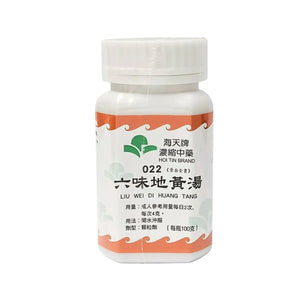
Jin Kui Shen Qi Wan: Classic TCM Formula for Kidney Yang Deficiency

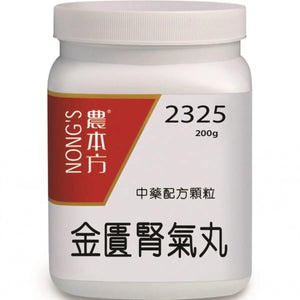
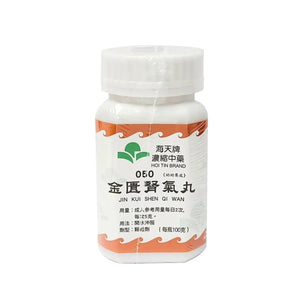
Jin Kui Shen Qi Wan (金匮肾气丸), known in English as Kidney Qi Pill from the Golden Cabinet, is one of the most important classical formulas in Traditional Chinese Medicine for warming and tonifying Kidney Yang. Created by Zhang Zhong-jing, this formula is based on Liu Wei Di Huang Wan with the addition of Fu Zi and Gui Zhi to powerfully warm Yang. It is particularly indicated for Kidney Yang deficiency presenting with lower back pain and weakness, cold limbs (especially below the knees), frequent urination (especially nocturia), edema in the lower body, fatigue, and a pale swollen tongue. In modern clinical practice, Jin Kui Shen Qi Wan is widely used for chronic Kidney Yang deficiency, age-related decline, and conditions involving coldness and fluid retention due to insufficient Kidney Yang. By nourishing Yin as the foundation while strongly warming Yang, it restores the Kidney’s ability to warm, transform, and contain fluids.

Jingui Shenqi Wan: Generating Qi Through Gentle Fire, Warmly Tonifying Kidney Yang — Precise Conditioning for Primary Hypertension, Chronic Glomerulonephritis, and Eye Fatigue | HJMEDICAL

I. Origins and History

1. The Origin of Jingui Shenqi Wan

Jingui Shenqi Wan originates from the *Jin Gui Yao Lue* (Essential Prescriptions of the Golden Cabinet), written by the Eastern Han physician Zhang Zhongjing, under its original name Bawei Shenqi Wan (Eight-Ingredient Kidney Qi Pill). It is one of the classical formulas in Chinese medicine, carrying a thousand years of clinical practice experience and accumulated wisdom. Zhang Zhongjing deeply recognised the importance of yin-yang balance in the body even at that time, and Bawei Shenqi Wan was created precisely on the basis of this concept, aiming to regulate the body's yin and yang through herb combination, thereby treating disease and restoring health.

2. Historical Development

As time passed, Jingui Shenqi Wan continued to develop and evolve in later generations. Physicians throughout history conducted in-depth research and refinement of it in clinical application, gradually enriching the formula's scope of application and efficacy. Its herb composition and dosage were adjusted somewhat across different periods, to suit different conditions and constitutional characteristics. For example, later physicians, based on clinical practice, made modifications to the original formula's herbs, making it better suited to clinical needs, allowing it to continually play an important role in Chinese medicine clinical practice and become a commonly used formula for treating a variety of diseases.

Jingui Shenqi Wan: Generating Qi Through Gentle Fire, Warmly Tonifying Kidney Yang — Precise Conditioning for Primary Hypertension, Chronic Glomerulonephritis, and Eye Fatigue | HJMEDICAL

II. Herb Composition (Sovereign, Minister, Assistant, Envoy)

1. Chief Herb — Dihuang

Dihuang (Rehmannia Root) is the chief herb in Jingui Shenqi Wan, with the action of nourishing yin, tonifying the kidney, nourishing blood, and filling essence. Dihuang is divided into raw Dihuang and prepared Dihuang (Shudihuang); Jingui Shenqi Wan uses Shudihuang. After processing, Shudihuang's nature shifts from cold to warm, and its function shifts from clearing heat and cooling the blood to nourishing yin and tonifying blood, further strengthening its action of nourishing liver-kidney yin-blood. It can greatly tonify true yin, providing the kidney with abundant yin fluid nourishment, allowing kidney yin to become full, thereby laying the foundation for the formula's action of nourishing yin and tonifying the kidney.

2. Deputy Herbs — Shanyao and Shanzhuyu

Shanyao (Chinese Yam) strengthens the spleen, benefits the stomach, nourishes the kidney, and boosts essence, able to both tonify spleen qi and nourish kidney qi, playing the role of fortifying the postnatal to nourish the congenital. Shanzhuyu (Cornus Fruit) is sour and astringent in flavour, slightly warm in nature, and enters the liver and kidney channels, with the actions of tonifying and boosting the liver and kidney, and astringing and consolidating. Together with Shanyao, it assists Shudihuang, strengthening the power to nourish kidney yin, while also preventing Shudi from being too cloying, allowing it to tonify without stagnation, and better exerting the action of nourishing yin and tonifying the kidney.

3. Assistant Herbs — Fuling, Zexie, and Mudanpi

Fuling (Poria) promotes urination, drains dampness, strengthens the spleen, and calms the heart; Zexie (Alisma Rhizome) promotes urination to drain kidney turbidity; Mudanpi (Tree Peony Bark) clears heat, cools the blood, activates blood, and resolves stasis. These three herbs play a moderating role in the formula. On the one hand, they leach and drain damp turbidity from the lower burner, preventing tonifying herbs such as Shudi from being too cloying and generating dampness pathogens; on the other hand, Mudanpi's action of clearing heat and cooling the blood prevents the various herbs' warming tonification from becoming excessive and transforming into heat, allowing the whole formula to contain purgation within tonification, tonifying without stagnation, and achieving a balanced state of yin and yang.

4. Envoy Herbs — Guizhi and Fuzi

Guizhi (Cinnamon Twig) is acrid and sweet in flavour, warm in nature, able to warm and unblock the channels and assist yang to transform qi; Fuzi (Aconite) is acrid and hot, able to assist heart yang above, warm spleen yang in the middle, and tonify kidney yang below, making it an essential herb for restoring yang and rescuing from collapse. Guizhi and Fuzi serve as envoy herbs in Jingui Shenqi Wan, playing the key role of warmly tonifying kidney yang. They can rouse kidney qi, allowing yang qi within the kidney to be invigorated, working together with the yin-nourishing herbs to achieve the effect of seeking yang within yin, tonifying both yin and yang together, thereby achieving the goal of treating the pattern of kidney-yang deficiency.

Jingui Shenqi Wan: Generating Qi Through Gentle Fire, Warmly Tonifying Kidney Yang — Precise Conditioning for Primary Hypertension, Chronic Glomerulonephritis, and Eye Fatigue | HJMEDICAL

III. Pathomechanism, Actions, and Indications of Jingui Shenqi Wan

1. Pathomechanism

The pathomechanism targeted by Jingui Shenqi Wan is mainly combined kidney yin-yang deficiency. The kidney is the root of congenital constitution, internally storing original yin and original yang. If congenital endowment is insufficient, or postnatal nourishment is poor, or prolonged illness leads to bodily weakness, kidney yin-yang deficiency can result. When kidney yin is deficient, it cannot nourish the organs; when kidney yang is deficient, it cannot warm the body, giving rise to a series of symptoms such as soreness and weakness of the lower back and knees, aversion to cold with cold limbs, dizziness and tinnitus, and frequent urination.

2. Actions

Jingui Shenqi Wan has the actions of warmly tonifying kidney yang, and transforming qi to move water. Through the combination of herbs in the formula, yin-nourishing herbs and yang-tonifying herbs are used together, achieving the effect of seeking yang within yin, seeking yin within yang, and tonifying both yin and yang. Warmly tonifying kidney yang can strengthen the kidney's yang qi, improving various symptoms caused by kidney-yang deficiency; transforming qi to move water helps regulate water-fluid metabolism, allowing excess water within the body to be expelled, relieving symptoms such as oedema.

3. Indications

Jingui Shenqi Wan mainly treats the pattern of kidney-yang insufficiency. Common symptoms include soreness and weakness of the lower back and knees, aversion to cold with cold limbs, urgency and tension in the lower abdomen, inhibited or frequent urination, a pale, swollen tongue, and a deep, thin pulse. In addition, it also provides good therapeutic effect for oedema, wasting-thirst disease, and beriberi caused by kidney-yang deficiency. For example, kidney-yang insufficiency with inhibited qi transformation and internal water-fluid accumulation can lead to oedema; kidney-yang deficiency unable to vaporise fluids to rise and nourish can give rise to wasting-thirst; and kidney-yang deficiency with cold-dampness pouring downward can give rise to beriberi.

Jingui Shenqi Wan: Generating Qi Through Gentle Fire, Warmly Tonifying Kidney Yang — Precise Conditioning for Primary Hypertension, Chronic Glomerulonephritis, and Eye Fatigue | HJMEDICAL

IV. Formula Analysis of Jingui Shenqi Wan

1. The Ingenuity of Tonifying Both Yin and Yang

Jingui Shenqi Wan is built on the foundation of yin-nourishing herbs such as Shudihuang, Shanyao, and Shanzhuyu, greatly tonifying kidney yin, allowing kidney yin to become sufficient. At the same time, it is combined with yang-warming herbs such as Guizhi and Fuzi, warmly tonifying kidney yang. This combination of tonifying both yin and yang embodies the Chinese medicine theory that "one who excels at tonifying yang must seek yang within yin, so that yang, aided by yin, generates and transforms without limit; one who excels at tonifying yin must seek yin within yang, so that yin, raised by yang, has an inexhaustible source." Through the mutually rooted, mutually functional relationship between yin and yang, the two nourish each other, achieving a state of yin-yang balance and thereby better exerting the action of tonifying the kidney.

2. The Method of Combining Tonification with Purgation

In the formula, the three herbs Fuling, Zexie, and Mudanpi not only leach and drain damp turbidity from the lower burner and clear heat and cool the blood, but also prevent the stagnation of tonifying herbs. While Shudi, Shanyao, Shanzhuyu, and other yin-yang tonifying herbs provide nourishment, the draining action of Fuling, Zexie, and Mudanpi allows tonification without stagnation, avoiding the effect of cloying substances on spleen-stomach transportation and transformation function, ensuring the formula's balance between tonification and purgation, and allowing the herbs to better exert their therapeutic action.

3. Regulation of Qi-Transformation Function

Guizhi and Fuzi warmly tonify kidney yang, helping to restore the kidney's qi-transformation function. When the kidney's qi-transformation function is normal, water-fluid metabolism can be regulated, and urine can be normally formed and excreted. Jingui Shenqi Wan, by warmly tonifying kidney yang, promotes the kidney's qi-transformation action, allowing excess water within the body to be smoothly expelled, thereby achieving the action of transforming qi to move water, relieving symptoms such as oedema and inhibited urination caused by kidney-yang deficiency.

Jingui Shenqi Wan: Generating Qi Through Gentle Fire, Warmly Tonifying Kidney Yang — Precise Conditioning for Primary Hypertension, Chronic Glomerulonephritis, and Eye Fatigue | HJMEDICAL

V. Comparison with Related Formulas

1. Comparison with Liuwei Dihuang Wan

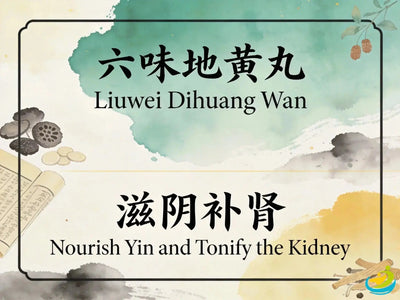
Liuwei Dihuang Wan is a classical formula for nourishing kidney yin, composed of six herbs — Shudihuang, Shanzhuyu, Shanyao, Zexie, Fuling, and Mudanpi — emphasising the nourishment of kidney yin. Jingui Shenqi Wan, building on Liuwei Dihuang Wan, adds Guizhi and Fuzi, adding the action of warmly tonifying kidney yang, transforming it from simple kidney-yin nourishment into tonifying both yin and yang. Therefore, Liuwei Dihuang Wan is suited to conditions predominated by kidney-yin insufficiency, such as soreness and weakness of the lower back and knees, dizziness and tinnitus, and night sweats with seminal emission; Jingui Shenqi Wan is more suited to combined kidney yin-yang deficiency, particularly conditions where kidney-yang deficiency is relatively pronounced, such as aversion to cold with cold limbs and frequent urination.

2. Comparison with Yougui Wan

Yougui Wan is also a formula for warmly tonifying kidney yang, composed of Shudihuang, Shanyao, Shanzhuyu, Gouqizi (Goji Berry), Tusizi (wine-processed Dodder Seed), Lujiaojiao (Deer Antler Gelatin), Duzhong (salt-fried Eucommia Bark), Rougui (Cinnamon Bark), Danggui (Angelica Root), and prepared Fuzi. Compared with Jingui Shenqi Wan, Yougui Wan has a stronger kidney-yang tonifying action, and places greater emphasis on filling essence and blood. Jingui Shenqi Wan, while warmly tonifying kidney yang, also attends to nourishing kidney yin and regulating water-fluid metabolism, with a comparatively more gentle herb composition. Yougui Wan is suited to conditions of extreme kidney-yang insufficiency with essence-blood deficiency, such as impotence with seminal emission, aversion to cold with cold limbs, frequent, clear urination, and fatigue with lack of vigour; Jingui Shenqi Wan is suited to patients with kidney-yang insufficiency accompanied by a degree of kidney-yin deficiency and disordered water-fluid metabolism.

Jin Kui Shen Qi Wan: Classic TCM Formula for Kidney Yang Deficiency

Jingui Shenqi Wan: Generating Qi Through Gentle Fire, Warmly Tonifying Kidney Yang — Precise Conditioning for Primary Hypertension, Chronic Glomerulonephritis, and Eye Fatigue | HJMEDICAL

VI. Clinical Applications

1. Internal Medicine Disorders

Chronic nephritis: Jingui Shenqi Wan can be used for the kidney-yang insufficiency type of chronic nephritis. Patients commonly present with symptoms such as soreness and weakness of the lower back and knees, aversion to cold with cold limbs, a pale complexion, and inhibited urination or increased nighttime urination. By warmly tonifying kidney yang and regulating the kidney's qi-transformation function, it helps improve kidney function, reduce proteinuria, and relieve symptoms such as oedema.

Diabetes: For diabetic patients presenting with symptoms of kidney-yang insufficiency, such as aversion to cold, frequent and profuse urination, and soreness and weakness of the lower back and knees, Jingui Shenqi Wan may serve as an adjunctive treatment. It can warmly tonify kidney yang, regulate the body's yin-yang balance, and provide certain benefit for improving symptoms and enhancing quality of life in diabetic patients.

2. Male Reproductive Disorders

Impotence: Kidney-yang insufficiency is one of the common causes of impotence. Jingui Shenqi Wan, by warmly tonifying kidney yang and strengthening sexual function, can be used to treat impotence caused by kidney-yang deficiency. After taking it, patients' kidney yang is tonified, sexual function gradually recovers, and erectile function improves.
Premature ejaculation: For patients with premature ejaculation accompanied by manifestations of kidney-yang insufficiency, such as soreness and weakness of the lower back and knees, aversion to cold with cold limbs, and fatigue with lack of vigour, Jingui Shenqi Wan may also be applied. Its action of warmly tonifying kidney yang helps improve male sexual function, prolong the duration of intercourse, and improve symptoms of premature ejaculation.

3. Gynaecological Disorders

Infertility from uterine cold: Kidney-yang insufficiency in women, with deficiency-cold of the uterus, can lead to infertility from uterine cold. Jingui Shenqi Wan warmly tonifies kidney yang and warms the uterus to disperse cold, improving the uterus's deficiency-cold environment and creating favourable conditions for conception. For women with infertility from uterine cold, rational use of Jingui Shenqi Wan on the basis of pattern differentiation and treatment can increase the chance of conception.

Irregular menstruation: For patients with irregular menstruation presenting with symptoms of kidney-yang insufficiency, such as a delayed menstrual cycle, scanty flow, pale colour, and thin consistency, accompanied by aversion to cold with cold limbs and soreness and weakness of the lower back and knees, Jingui Shenqi Wan can warmly tonify kidney yang and regulate the chong and ren channels, helping to improve symptoms of irregular menstruation.

Jingui Shenqi Wan: Generating Qi Through Gentle Fire, Warmly Tonifying Kidney Yang — Precise Conditioning for Primary Hypertension, Chronic Glomerulonephritis, and Eye Fatigue | HJMEDICAL

VII. Clinical Modifications

1. Pronounced Oedema

If oedema symptoms are relatively severe, Cheqianzi (Plantago Seed) and Niuxi (Achyranthes Root) may be added to strengthen the action of promoting urination and reducing oedema. Cheqianzi promotes urination, unblocks painful urinary dribbling, drains dampness, and stops diarrhoea, able to increase urine output and promote the resolution of oedema; Niuxi expels stasis, unblocks the menses, tonifies the liver and kidney, strengthens the sinews and bones, and directs blood downward; combined with Cheqianzi, it strengthens the diuretic power, allowing oedema to resolve more quickly.

2. Cough and Wheezing

For patients with concurrent cough and wheezing symptoms, Wuweizi (Schisandra Fruit) and Gejie (Gecko) may be added. Wuweizi astringes and consolidates, boosts qi, generates fluids, tonifies the kidney, and calms the heart, able to stop coughing and calm wheezing; Gejie tonifies the lung and benefits the kidney, receiving qi to calm wheezing, able to strengthen lung-kidney function and relieve cough and wheezing symptoms. Adding these two herbs to Jingui Shenqi Wan can better treat cough and wheezing caused by kidney-yang deficiency.
3. Concurrent Blood Stasis

If the patient presents with concurrent blood-stasis symptoms, such as a dark purple tongue body with petechiae and stasis spots, blood-activating, stasis-resolving herbs such as Danshen (Salvia Root), Taoren (Peach Kernel), and Honghua (Safflower) may be added. Danshen activates blood, dispels stasis, unblocks the channels, relieves pain, clears the heart, and relieves vexation; Taoren activates blood, dispels stasis, and moistens the intestines to unblock bowel movements; Honghua activates blood, unblocks the menses, disperses stasis, and relieves pain. These herbs can improve blood circulation and eliminate blood stasis, allowing Jingui Shenqi Wan to treat blood stasis alongside the pattern of kidney-yang deficiency.

Jingui Shenqi Wan: Generating Qi Through Gentle Fire, Warmly Tonifying Kidney Yang — Precise Conditioning for Primary Hypertension, Chronic Glomerulonephritis, and Eye Fatigue | HJMEDICAL

VIII. Dosage and Preparation (Traditional Method and Modern Concentrated Granules)

1. Traditional Method

The traditional method for taking Jingui Shenqi Wan is oral administration: water-honey pills, 6g per dose; small honey pills, 9g per dose; large honey pills, 1 pill per dose — twice daily, generally taken with warm boiled water. This method of administration follows the traditional Chinese herbal formula's medication standard, allowing the herbs to continuously exert their action within the body through a set dosage and frequency, gradually regulating the body's yin-yang balance.

2. Modern Concentrated Granules

The modern concentrated granule form of Jingui Shenqi Wan is more convenient to take. Its dosage generally follows the product instructions or a physician's advice, dissolved in water according to a set proportion. The concentrated granule form is produced from the traditional herbs through extraction, concentration, and other processing methods, preserving the herbs' active constituents, making it convenient for patients to take and carry. Compared with the traditional pill form, the concentrated granules are absorbed more quickly and may have more pronounced efficacy, though the specific dosage and effect should still be determined according to individual differences and the condition.

Jingui Shenqi Wan: Generating Qi Through Gentle Fire, Warmly Tonifying Kidney Yang — Precise Conditioning for Primary Hypertension, Chronic Glomerulonephritis, and Eye Fatigue | HJMEDICAL

IX. Precautions and Contraindications

1. Dietary Precautions

While taking Jingui Shenqi Wan, raw, cold, greasy, and spicy irritating foods should be avoided. Raw and cold foods readily damage spleen-stomach yang qi, affecting the herbs' absorption and efficacy; greasy foods are difficult to digest and may increase the burden on the spleen and stomach; spicy foods readily foster fire and generate heat, running counter to the warming, tonifying nature of Jingui Shenqi Wan, and being unfavourable for recovery from the condition.

2. Special Populations

Use Jingui Shenqi Wan with caution in pregnancy. Since a pregnant woman's body is in a special physiological state, medication requires caution; certain herbs in Jingui Shenqi Wan may affect the fetus, and pregnant women should therefore use it under a physician's guidance. In addition, it is not suitable for patients with fever from a common cold, since during a cold the body's righteous qi is engaged in resisting the pathogen at the exterior, and taking a warming, tonifying preparation at this time may cause the pathogen to linger and not resolve, worsening the condition.

3. Drug Interactions

When taking Jingui Shenqi Wan, care should be taken to avoid concurrent use with other medications, to prevent drug interactions. If other medications are being taken, this should be done under a physician's guidance, informing the physician of the names and dosages of medications currently being taken, so the physician can assess the risk of drug interaction.

Jingui Shenqi Wan: Generating Qi Through Gentle Fire, Warmly Tonifying Kidney Yang — Precise Conditioning for Primary Hypertension, Chronic Glomerulonephritis, and Eye Fatigue | HJMEDICAL

X. Modern Research

1. Pharmacological Research

The patent medicine Jingui Shenqi Wan is a commonly used preparation for treating kidney-deficiency oedema, suited to oedema and inhibited urination caused by kidney-yang debility with internal water-damp accumulation. While taking it, raw and cold foods and sexual activity should be avoided, so as not to damage kidney qi and affect efficacy.

Modern research shows that Jingui Shenqi Wan has a variety of pharmacological actions. It can regulate the body's endocrine system, enhance adrenal cortex function, and strengthen the body's stress-response capacity. At the same time, it also has a certain regulatory effect on the immune system, able to strengthen the body's immunity and enhance disease resistance. In addition, Jingui Shenqi Wan also has actions such as improving blood circulation and lowering blood lipids and blood glucose, having a positive effect on the cardiovascular and metabolic systems.

2. Clinical Research Applications

In clinical research, Jingui Shenqi Wan has been widely applied and verified in treating a variety of diseases. Besides the chronic nephritis, diabetes, male reproductive disorders, and gynaecological disorders mentioned above, it also has a certain therapeutic effect for certain neurological and urinary system disorders. For example, for insomnia and tinnitus caused by kidney-yang deficiency, Jingui Shenqi Wan can also improve symptoms by regulating the body's yin-yang balance. Clinical research continues to explore the optimal application scheme and efficacy of Jingui Shenqi Wan, providing further evidence for its application in modern medicine.

3. Research on Dosage Form Improvement

With the development of modern technology, the dosage forms of Jingui Shenqi Wan continue to be improved. Besides the traditional pill and modern concentrated granule forms, high-tech dosage forms such as capsules have also emerged. These new dosage forms, while ensuring the herbs' efficacy, further improve the stability of the medicine and the convenience of administration, better meeting the needs of modern patients. At the same time, research into quality control and standardisation of Jingui Shenqi Wan continues to deepen, to ensure the reliability and safety of its clinical efficacy.

As a classical Chinese medicine formula, Jingui Shenqi Wan, having been transmitted for a thousand years, plays an important role in clinical application. Through in-depth understanding of its origins, composition, pathomechanism, actions, and applications, we can better understand and apply this formula, safeguarding the health of countless patients. As modern medicine continues to develop, research into Jingui Shenqi Wan also continues to deepen, and it is believed that it will demonstrate even greater advantages and value in the medical field of the future.

💡 Jingui Shenqi Wan — Frequently Asked Questions & Medication Safety (FAQ)

Q1: What are the core actions and mechanism of Jingui Shenqi Wan?

Jingui Shenqi Wan is precisely combined from eight classical herbs — Gandihuang (Dried Rehmannia Root), Shanzhuyu, Shanyao, Fuling, Zexie, Mudanpi, Rougui (or Guizhi), and prepared Fuzi (also commonly known clinically as "Bawei Dihuang Wan" or "Fugui Dihuang Wan") — with the core actions of warmly tonifying kidney yang, and transforming qi to promote urination. Chinese medicine holds that "yang qi governs the entire body, and kidney yang is the root of all yang." When the fire of the gate of vitality declines, the body's overall qi-transformation instinct becomes paralysed, and the body presents with a deficient, depleted state of cold, overflowing water-dampness, or disordered blood pressure. The essence of this formula's combination fully embodies the *Jin Gui* Sage Zhang Zhongjing's supreme conditioning wisdom of "one who excels at tonifying yang must seek yang within yin, so that yang, aided by yin, generates and transforms without limit" and "generating qi through gentle fire": the whole formula is built on a large dose of the yin-nourishing, blood-tonifying Liuwei Dihuang Wan (Dihuang, Shanzhuyu, and Shanyao as the three tonifying herbs; Fuling, Zexie, and Mudanpi as the three purging herbs), deeply filling essence and blood to construct a substantial material foundation; the most ingenious touch is that the formula combines only an extremely small amount of Rougui and prepared Fuzi (intensely acrid, hot herbs) — like lighting a faint yet enduring spark deep within a massive iceberg — using the principle of "generating qi through gentle fire" to transform a large mass of static yin essence into rolling warm yang, opening and unblocking the hundred vessels. HJMEDICAL notes that this formula is by no means a vulgar preparation of indiscriminate warming dryness or blind virility-boosting, but rather restores the fire of the gate of vitality in the lower burner and the kidney's water-governing qi-transformation function at the root, through the perfect path of mutual assistance between yin and yang.

Q2: What conditions is Jingui Shenqi Wan mainly used for in modern medicine?

Modern clinical practice and pharmacological research in renal pathology and reproductive endocrinology show that this formula is widely applied in treating primary hypertension, chronic glomerulonephritis (renal oedema), early-stage diabetic retinopathy (eye fatigue), benign prostatic hyperplasia (lower urinary tract symptoms), erectile dysfunction (impotence), reduced sexual function, premature ovarian failure, osteoporosis, chronic lumbar muscle strain, perimenopausal syndrome (kidney-yang deficiency type), and early-stage senile cataracts. When patients — particularly those with prolonged weak constitution, long-term severe aversion to cold, or those entering middle or old age — present with typical manifestations of "kidney-yang insufficiency, decline of the fire of the gate of vitality, and failure of qi transformation," such as prolonged bilateral lower-limb oedema that pits on pressure, year-round extreme aversion to cold and wind, cold hands and feet that cannot be warmed even under heavy blankets, aching, cold pain in the lower back and knees as if fractured, extremely frequent nighttime urination (multiple times a night with profuse, clear urine) or short, difficult urination, frequent dryness and blurred, double vision in both eyes, accompanied by dizziness and tinnitus resembling cicada chirping, mental fatigue and lack of vigour, a pale red tongue, a swollen tongue body with tooth marks, and a white, slippery or thick, greasy tongue coating, long-term rational use of this formula can significantly regulate hormone levels along the hypothalamic-pituitary-adrenal cortex (HPA) axis, promote glomerular microcirculatory blood filling rate, inhibit bone mineral loss and increase bone density, and bidirectionally help stabilise systemic peripheral microvascular tone. Consultation with HJMEDICAL or a qualified physician for pattern-based diagnosis is recommended.

Q3: What are the strict pattern-based contraindications for taking Jingui Shenqi Wan?

This formula contains acrid, hot, drying herbs such as Rougui and prepared Fuzi, as well as rich, oily, sweet, moist herbs such as Dihuang and Shanyao, and can very readily damage yin, stir fire, and hinder spleen-stomach transportation and transformation instinct; its clinical medication safety threshold is extremely high. It is absolutely contraindicated in yin deficiency with fire effulgence and liver-kidney yin deficiency (presenting with dizziness and distending pain, dry mouth and throat, dry, burning eyes, a flushed complexion, heat in the palms and soles, severe night sweats, and a red tongue with scanty coating and no notable aversion to cold), acute gynaecological and urinary tract inflammation caused by damp-heat pouring downward (thick, foul-smelling yellow discharge, unbearable vulval itching, frequent, urgent, burning, painful urination resembling the Simiao San pattern), and constipation from externally contracted excess heat. Careless misuse will cause the body's yin fluid to become thoroughly depleted, triggering an instantaneous outburst of fire-heat pathogens, and may even worsen vascular congestion leading to bleeding. In addition, the highest-level medication safety warning: because the formula's principal herb, prepared Fuzi, is an intensely toxic substance that must undergo rigorous, scientific processing, and its nature is intensely hot, downward-moving, and penetrating, warming yang and breaking blood, it can very readily produce intense stimulation of the uterus leading to serious consequences; pregnant women, breastfeeding women, infants and young children, and women with heavy menstrual bleeding must strictly avoid use, to prevent fetal restlessness, miscarriage, premature birth, or triggering severe uterine bleeding. During treatment, smoking, alcohol, spicy foods, raw and cold foods (cold drinks, chilled fruit), hard foods, and all rich, greasy, sticky, hard-to-digest foods should be strictly avoided. Those uncertain of their own constitution should seek professional assessment at an HJMEDICAL partner medical institution.

⚠️ This content is for reference only and does not provide medical advice. Consult a healthcare professional for any health concerns.

Login

Forgot your password?

Don't have an account yet?
Create account

Jin Kui Shen Qi Wan: Classic TCM Formula for Kidney Yang Deficiency