Phlegm-Resolving Formulas

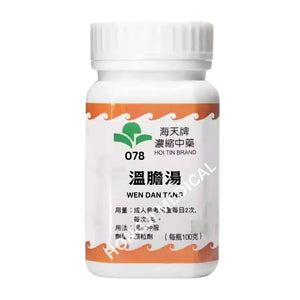
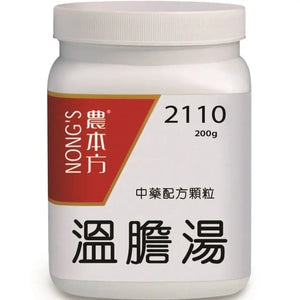
溫膽湯 · Wēn Dǎn Tāng

Wen Dan Tang

A classical formula for Gallbladder-Stomach disharmony with phlegm-heat, insomnia, timidity and nausea.

View formula profile →
Last reviewed August 2026
Formula CategoryPhlegm-Resolving Formulas
Primary PatternPhlegm-Dampness
Primary FunctionRegulate Qi, resolve phlegm, clear Gallbladder, harmonize Stomach
Primary Therapeutic PrincipleHarmonize Gallbladder and Stomach and transform phlegm-heat
Main HerbsPinellia Rhizome · Bamboo Shavings · Immature Bitter Orange · Tangerine Peel · Poria / Hoelen · Licorice Root
Classical SourceClassical TCM formulary

Why This Formula?

Traditionally selected for Gallbladder-Stomach disharmony with phlegm-heat — insomnia, timidity and nausea — rather than plain phlegm-damp, plum-pit Qi, or pure blood-deficiency insomnia.

Traditionally selected for Gallbladder-Stomach disharmony with phlegm-heat — insomnia, timidity and nausea — rather than plain phlegm-damp, plum-pit Qi, or pure blood-deficiency insomnia.

What Is Wen Dan Tang?

1. Origin Legend

Wen Dan Tang (温胆汤), or Warm the Gallbladder Decoction, is a classical formula whose commonly used version was refined in the Song-Yuan period from earlier records in Bei Ji Qian Jin Yao Fang and Chen Wuze’s San Yin Ji Yi Bing Zheng Fang Lun. It belongs to the category of formulas that regulate Qi, transform Phlegm, and clear Gallbladder-Stomach disharmony.

Despite its name, this formula does not primarily warm the Gallbladder; it addresses Phlegm-Heat disturbing the Gallbladder and Stomach, often with restless spirit. Typical signs include insomnia or dream-disturbed sleep, irritability, a bitter taste in the mouth, nausea or vomiting of phlegmy fluid, dizziness, chest and epigastric fullness, a greasy yellow tongue coating, and a wiry slippery pulse.

Combining Ban Xia to transform Phlegm and descend rebellious Qi, Zhu Ru to clear Gallbladder Heat and stop nausea, Zhi Shi and Chen Pi to move Qi and break up Phlegm accumulation, Fu Ling to strengthen the Spleen and leach Dampness, and Gan Cao with Sheng Jiang and Da Zao to harmonize the Middle, Wen Dan Tang effectively regulates Qi, transforms Phlegm-Heat, calms the spirit, and restores harmony between the Gallbladder and Stomach.

Wen Dan Tang

2. Insomnia

  • Target Profile: Insomnia is one of the most common modern uses for Wen Dan Tang. It is especially effective for patients who struggle to fall asleep, suffer from vivid dreams, and experience restlessness, a bitter taste in the mouth, and a yellow, greasy tongue coating.
  • Clinical Evidence: By clearing heat and calming the mind, modified versions of this formula have been shown in clinical studies to help prolong sleep duration, increase deep sleep, and significantly improve overall sleep quality.

3. Anxiety Disorder

  • Target Profile: Patients with anxiety often present with restlessness, insomnia, chest tightness, and a bitter taste in the mouth. In TCM, this perfectly matches the pattern of "phlegm-heat" disturbing the gallbladder and stomach.
  • Therapeutic Approach: By regulating Qi and resolving phlegm, Wen Dan Tang helps balance both the physical body and the emotional state. Clinical observations note that combining this formula with standard psychotherapy can significantly relieve anxiety symptoms and improve a patient's quality of life.

4. Vertigo

  • Target Profile: Vertigo and dizziness often occur when "phlegm-turbidity" blocks clear, rising energy from reaching the head.
  • Therapeutic Approach: By eliminating the heavy phlegm and allowing the "clear Yang" energy to rise, Wen Dan Tang effectively relieves dizziness. It is frequently modified to treat conditions like Meniere's disease, helping to improve inner ear circulation, reduce fluid buildup, and alleviate associated ringing in the ears (tinnitus) and nausea.
Wen Dan Tang

5. Digestive Diseases

  • Target Profile: This formula is highly applicable for digestive issues like gastritis, gastric ulcers, and general indigestion characterized by upper stomach discomfort, nausea, vomiting, and a bitter taste.
  • Therapeutic Approach: By smoothing out the relationship between the gallbladder and stomach, Wen Dan Tang relieves abdominal distress. Clinical practice shows it helps promote healthy gastrointestinal motility and regulates the secretion of digestive juices, aiding in overall digestive recovery.

Herb Composition (Sovereign / Minister / Assistant / Envoy)

1. Chief Herb - Ban Xia

  • Core Role: Ban Xia acts as the chief (or monarch) herb in Wen Dan Tang. It has a warm, pungent nature and primarily targets the spleen, stomach, and lung meridians.
  • Main Actions: It is highly effective at drying dampness and resolving stubborn phlegm. It also helps to "descend adverse qi"—meaning it stops energy from rebelling upward, which directly relieves nausea and vomiting.
  • Synergy in the Formula: By addressing the root phlegm issue caused by a disharmony between the gallbladder and stomach, Ban Xia clears the internal disturbance of phlegm-heat. Its descending nature is perfect for settling an upset stomach and breaking down internal stagnation.

2. Deputy Herb - Zhu Ru

  • Core Role: Zhu Ru serves as the deputy (or minister) herb. It is sweet and slightly cold, targeting the lung, stomach, and gallbladder.
  • Main Actions: It clears heat, resolves phlegm, relieves restlessness, and stops vomiting.
  • Balancing Effect: When combined with the warm Ban Xia, the cooling nature of Zhu Ru creates a balanced dynamic. Together, they are highly effective at clearing stubborn phlegm-heat without being too harsh. It specifically targets symptoms like restlessness and a bitter taste in the mouth, while assisting the chief herb in settling the stomach.

3. Assistant Herbs - Zhi Shi, Chen Pi, Fu Ling

  • Zhi Shi: This slightly cold herb breaks up stagnant Qi (energy) and relieves abdominal bloating. It works alongside the chief and deputy herbs to boost phlegm resolution and keep digestion moving smoothly.
  • Chen Pi: Warm and pungent, this herb regulates Qi and strengthens the spleen. By boosting the digestive system's core functions, it prevents the body from creating more phlegm in the first place.
  • Fu Ling: Neutral and mild, it promotes urination to gently drain dampness, strengthens the spleen, and uniquely calms the mind. This helps relieve the anxiety, palpitations, or restlessness caused by internal heat.
  • Combined Support: Together, these three herbs comprehensively support the main ingredients, ensuring the formula addresses both the uncomfortable symptoms and the root causes of the imbalance.
Wen Dan Tang

4. Envoy Herb - Gan Cao

  • Core Role: Gan Cao is a sweet, neutral herb that acts as the formula's harmonizer (envoy).
  • Main Actions: It blends the contrasting warm and cold properties of the other herbs, making the formula gentler on the digestive tract and easier to tolerate.
  • Nutritional Support: It also gently boosts Qi and strengthens the spleen, which helps the body better absorb and utilize the entire herbal mixture.

Clinical Presentation in TCM

1. Pathogenesis

  • The Core Issue: Wen Dan Tang targets a condition known in Traditional Chinese Medicine as "disharmony between the gallbladder and stomach" paired with "internal disturbance of phlegm-heat."
  • How It Develops: In TCM theory, the gallbladder influences decision-making and emotional balance. When chronic mental stress, poor dietary habits, or emotional turmoil disrupt the digestive system, the body generates thick "phlegm-dampness." When this mixes with trapped internal heat, it creates "phlegm-heat."
  • The Physical Impact: This phlegm-heat can rise and agitate the mind (causing insomnia and anxiety) or reverse the stomach's natural downward energy (causing nausea and retching). It also leads to a bitter taste in the mouth and general feelings of tension.

2. Effects

  • Main Action: The primary goal of Wen Dan Tang is to regulate Qi, resolve phlegm, clear the gallbladder, and harmonize the stomach.
  • How It Works: Herbs like Ban Xia and Chen Pi manage the phlegm and energy flow, while Zhu Ru clears the trapped heat. By smoothing out the gallbladder's energy and encouraging the stomach's energy to move downward properly, the formula flushes out the problematic phlegm-heat and restores internal peace.
Wen Dan Tang

3. Indications

  • Common Symptoms: Patients who benefit from this formula typically experience restlessness, insomnia, anxiety, a bitter taste in the mouth, nausea, vomiting, dizziness, palpitations, and a feeling of heaviness or chest oppression. A practitioner might also observe a greasy, slightly yellow tongue coating and a taut, slippery pulse.
  • Modern Applications: Today, Wen Dan Tang is frequently used in integrative settings to help manage symptoms related to insomnia, anxiety disorders, mild depression, vertigo, gastritis, gastric ulcers, and Meniere's disease. For instance, patients who struggle with sleep—such as difficulty falling asleep, frequent waking, or vivid dreams accompanied by a bitter taste in the mouth—often see significant improvements in their sleep quality after using this formula.

The Mechanism in Classical Theory

1. Resolving Phlegm and Regulating Qi

  • The Synergy: Ban Xia dries dampness and resolves phlegm, Zhi Shi breaks up stagnant Qi, and Chen Pi regulates Qi flow. Together, this trio effectively tackles both phlegm accumulation and energy blockages.
  • Breaking the Cycle: In Traditional Chinese Medicine (TCM), phlegm is a sticky, stubborn pathogen that easily blocks the body's natural energy (Qi) flow. Conversely, when Qi is stuck, fluids stagnate and create even more phlegm. By moving the Qi and resolving the phlegm simultaneously, this formula breaks that vicious cycle.
  • Heat Clearing: Zhu Ru is added to clear heat and resolve phlegm. It works hand-in-hand with Ban Xia to powerfully eliminate the deep-seated "phlegm-heat" from the body.

2. Clearing the Gallbladder and Harmonizing the Stomach

  • Balancing the Fire: In TCM theory, the gallbladder is responsible for decision-making and houses the body's "ministerial fire." If the gallbladder's energy becomes restless, this fire flares up. Zhu Ru cools this gallbladder heat, while Zhi Shi promotes smooth energy flow to calm the fire.
  • Restoring Digestion: At the same time, Ban Xia and Chen Pi help the stomach energy move downward (its natural healthy direction), preventing nausea. Gan Cao gently harmonizes the spleen and stomach.
  • The Result: By synchronizing the functions of the gallbladder and stomach, the body's overall energy mechanism runs smoothly, alleviating a wide range of digestive and emotional symptoms.
Wen Dan Tang

3. Calming the Mind and Settling the Spirit

  • Direct Support: When phlegm-heat rises and disturbs the mind, it leads to restlessness and insomnia. Fu Ling is specifically included to strengthen the spleen and directly tranquilize the mind.
  • Holistic Relief: Beyond just Fu Ling, the entire Wen Dan Tang formula improves the body's internal environment. By clearing out the irritating heat and heavy phlegm, it indirectly soothes the nervous system, offering natural relief for mental tension, anxiety, and restlessness.

Clinical Comparison Table

Compare Wen Dan TangEr Chen TangBan Xia Hou Po TangSuan Zao Ren Tang
Primary Function Regulate Qi, resolve phlegm, clear Gallbladder, harmonize StomachDry dampness, resolve phlegm, regulate Qi, harmonize middleMove Qi, resolve phlegm, dissipate clumpsNourish Blood, calm the spirit, clear heat
Formula Category Phlegm-Resolving FormulasPhlegm-Resolving FormulasQi-Regulating FormulasCalm the Shen Formulas
Typical TCM Pattern Phlegm-DampnessPhlegm-DampnessQi StagnationBlood Deficiency
Main Conditions Insomnia, Anxiety Restlessness, Nausea, Dizziness & VertigoPoor Appetite, NauseaChest Tightness, Emotional Depression, Sore ThroatInsomnia, Anxiety Restlessness, Dry Mouth & Throat, Night Sweats
Main Herbs Pinellia Rhizome · Bamboo Shavings · Immature Bitter Orange · Tangerine Peel · Poria / Hoelen · Licorice RootPinellia Rhizome · Tangerine Peel · Poria / Hoelen · Honey-fried LicoricePinellia Rhizome · Magnolia Bark · Poria / Hoelen · Fresh Ginger · Perilla LeafSour Jujube Seed · Poria / Hoelen · Anemarrhena Rhizome · Chuanxiong Rhizome · Licorice Root
Classical Source Classical TCM formularyTai Ping Hui Min He Ji Ju Fang (Song, 1107)Shang Han Lun (Zhang Zhongjing, Eastern Han)Jin Gui Yao Lue (Zhang Zhongjing, Eastern Han)

How to tell them apart

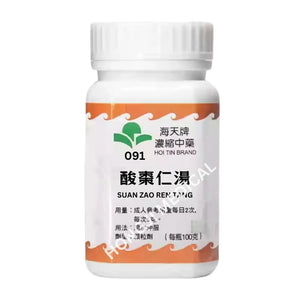
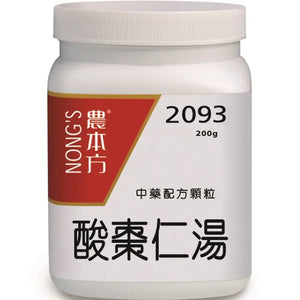
Wen Dan Tang, Er Chen Tang, Ban Xia Hou Po Tang and Suan Zao Ren Tang can involve phlegm or sleep. Er Chen Tang is the plain phlegm-damp base; Ban Xia Hou Po Tang is plum-pit Qi; Suan Zao Ren Tang nourishes blood to calm spirit for Yin-blood deficiency insomnia. Wen Dan Tang harmonizes Gallbladder and Stomach and transforms phlegm-heat for insomnia with timidity and nausea.

For educational reference only, based on traditional pattern differentiation — not a substitute for professional advice.

Clinical Modifications for Wen Dan Tang

1. Severe Phlegm-Heat (Huang Lian Wen Dan Tang)

  • The Adjustment: If the patient's phlegm-heat is particularly intense, practitioners may add Huang Lian and Huang Qin.
  • The Goal: These bitter and cooling herbs are excellent for clearing heat and purging "fire." This modification is highly effective for patients who experience severe restlessness, a very bitter taste in their mouth, and have a thick, yellow, and greasy coating on their tongue.

2. Obvious Qi Stagnation

  • The Adjustment: When stagnant energy (Qi) is the primary issue, herbs like Xiang Fu and Yu Jin can be introduced.
  • The Goal: Xiang Fu soothes the liver and regulates Qi (often helping with menstrual discomfort), while Yu Jin promotes healthy blood circulation and relieves emotional depression. Together, they are ideal for patients experiencing a tight, distended feeling in the chest or ribs alongside a depressed mood.

3. Severe Insomnia

  • The Adjustment: For patients whose primary struggle is sleep, calming herbs such as Suan Zao Ren and Yuan Zhi are added.
  • The Goal: Suan Zao Ren nourishes the heart and liver to soothe the nervous system, and Yuan Zhi helps clear phlegm while calming the mind. This combination gently supports the body's ability to fall asleep naturally and improves overall sleep quality.
Wen Dan Tang

4. Weak Spleen and Stomach

  • The Adjustment: If a patient has a weak digestive system, strengthening herbs like Dang Shen and Bai Zhu are included.
  • The Goal: These herbs boost Qi, strengthen the spleen, and help the body process fluids properly. This not only prevents the body from creating more "dampness" or phlegm but also improves the gut's ability to absorb the herbal formula effectively.

What the Science Suggests

1. Pharmacological Findings

Modern studies have shed light on how Wen Dan Tang and its key ingredients (like Ban Xia, Zhu Ru, and Zhi Shi) interact with the body:

  • Immunity and Inflammation: The formula shows potential anti-inflammatory and antiviral properties, helping to support the body's natural immune defenses.
  • Digestive Health: It is known to promote healthy gastrointestinal motility and encourage the normal secretion of digestive juices, relieving common stomach complaints.
  • Nervous System Support: Research indicates that it has a regulating effect on the nervous system, offering a gentle, natural way to relieve anxiety, soothe depressive moods, and encourage better sleep.

2. Clinical Research Applications

Beyond its classic uses for insomnia, anxiety, and digestion, modern clinical trials are exploring broader applications for Wen Dan Tang:

  • Cardiovascular Health: Early studies suggest it may help regulate blood lipids (fats in the blood) and improve blood flow, offering supportive care for cardiovascular wellness.
  • Respiratory Support: It has shown promise in managing chronic respiratory conditions, such as chronic bronchitis, by helping to loosen phlegm and soothe coughs.

3. Dosage Form Innovations

To make this classic remedy more accessible for modern lifestyles, pharmaceutical researchers have developed various convenient formats:

  • Modern Options: While traditional boiled decoctions are still used, patients can now access concentrated granules, capsules, and tablets.
  • The Benefit: These updated formats offer improved stability and make it much easier for people with busy schedules to maintain a consistent herbal regimen without sacrificing quality.
Wen Dan Tang

4. Mechanism of Action Research

Scientists are continuously investigating exactly how Wen Dan Tang works at a systemic level. Current research focuses on its ability to act as a multi-system regulator:

  • Brain-Body Connection: It is believed to help balance neurotransmitters in the brain, which explains its positive impact on mood and sleep.
  • Gut Microbiome: Studies suggest it may help balance the gut microbiota and strengthen the intestinal barrier, reinforcing the modern understanding of the gut-brain axis. As research continues, the precise scientific mechanisms behind this ancient formula will become even clearer.

Safety Considerations

1. Dietary Restrictions and Constitution

While taking Wendan Decoction, avoid spicy, greasy, and stimulating foods, such as chili, fried foods, and strong tea, as they may worsen phlegm-heat symptoms. People with a deficiency-cold constitution should use it cautiously because its cooling nature may aggravate abdominal pain, diarrhea, chills, or cold limbs. Any dosage or formula adjustments should be made under medical supervision.

2. Pregnancy and Drug Interactions

Pregnant women should use Wendan Decoction only after careful medical evaluation and under a doctor’s guidance. Inform your doctor about all other medications, since potential interactions—such as with certain antibiotics or sedative-hypnotics—may reduce effectiveness or increase adverse effects.

Questions About Wen Dan Tang

Q1: What are the actions of Wen Dan Tang?
Wen Dan Tang has the actions of regulating Qi, transforming Phlegm, clearing Gallbladder Heat, and harmonizing the Stomach. It is the representative formula for Phlegm-Heat disturbing the Gallbladder and Stomach and agitating the Spirit.
Q2: Which modern diseases is Wen Dan Tang suited to?
Modern TCM clinical practice commonly applies it to individuals whose pattern differentiation falls within Phlegm-Heat harassing the Gallbladder and Heart-Spirit, including insomnia with restlessness, anxiety or palpitations of Phlegm-Heat type, dizziness or vertigo, chronic gastritis or nausea with a greasy coating, and certain neurosis or menopausal presentations with bitter taste and a wiry-slippery pulse.
Q3: Is Wen Dan Tang suitable for improving insomnia, irritability, and a sensation of phlegm or fullness?
For presentations of restless sleep or vivid dreams, irritability, palpitations, nausea or bitter taste, chest or epigastric fullness, a yellow greasy tongue coating, and a wiry or slippery pulse — in those whose pattern differentiation confirms Phlegm-Heat disturbing the Gallbladder and Spirit — TCM commonly applies Wen Dan Tang as an adjunct. It cannot replace standard evaluation of insomnia, anxiety, or gastrointestinal disease.
Q4: Who should not take Wen Dan Tang?
Those with insomnia or palpitations from Blood or Yin deficiency without Phlegm, Stomach Cold with clear watery vomit, or dry Phlegm from Yin deficiency are generally not suitable. The formula is drying and Qi-moving; it can further damage Yin fluids. Use should be assessed by a qualified TCM physician.
Q5: Why is a formula that clears Phlegm-Heat named “Warm the Gallbladder”?
The Gallbladder is said to become timid and disharmonious when Phlegm-Heat harasses it. By transforming Phlegm, regulating Qi, and clearing the Heat that disturbs the Gallbladder and Stomach, the formula restores the Gallbladder’s orderly, “warm” and decisive function. The name describes the therapeutic goal, not a strongly warming nature.
Q6: How does Wen Dan Tang differ from Er Chen Tang?
Er Chen Tang is the foundational formula for Damp-Phlegm without much Heat (white easy-to-expectorate phlegm). Wen Dan Tang is built on an Er Chen Tang structure but adds Zhu Ru and Zhi Shi to clear Phlegm-Heat, descend rebellious Qi, and specifically treat Gallbladder-Stomach disharmony with Spirit disturbance. It is chosen when there is irritability, bitter taste, yellow greasy coating, and restless sleep.
Q7: What are the main ingredients of Wen Dan Tang?
The classical formula consists of Ban Xia to transform Phlegm and descend rebellious Qi; Zhu Ru to clear Phlegm-Heat and stop nausea; Zhi Shi to break Qi stagnation and dissipate focal distention; Chen Pi to regulate Qi and dry Dampness; Fu Ling to strengthen the Spleen and leach Dampness; and Gan Cao, Sheng Jiang, and Da Zao to harmonize the Middle.
Q8: Is Wen Dan Tang suitable for long-term use?
It is generally used for a course of treatment while Phlegm-Heat is being resolved. Because it is drying and descending, prolonged use without monitoring can injure Yin or Spleen Qi. Once sleep, irritability, and the greasy coating improve, the formula should be modified or discontinued under professional guidance.
Q9: Can Wen Dan Tang address both digestive nausea and emotional restlessness at the same time?
Yes. The same Phlegm-Heat that rebels in the Stomach (nausea, bitter taste, epigastric fullness) also steams upward to disturb the Gallbladder and Heart-Spirit (insomnia, palpitations, timidity, irritability). Harmonizing the Gallbladder and Stomach while transforming Phlegm therefore helps both the digestive and the emotional-Spirit presentations of this pattern.
Q10: What lifestyle advice supports the use of Wen Dan Tang?
Reducing greasy, sweet, and alcohol-containing foods that generate Phlegm-Heat, keeping regular sleep hours, managing emotional stress, and eating lighter evening meals help the formula transform Phlegm and calm the Spirit. Persistent insomnia, palpitations, or severe anxiety should be properly evaluated.

General Questions

How do I choose the right formula?
TCM formulas are traditionally selected according to individual pattern differentiation rather than by symptom alone. If you're not sure which formula fits your presentation, take our AI Assessment below for a personalized starting point, then confirm with a qualified TCM practitioner.
What are concentrated herbal granules?
Concentrated herbal granules are made by decocting raw herbs, then extracting and concentrating the resulting liquid into a fine granule or powder form. This preserves the same active compounds as a traditional decoction while making the herbs far easier to store, measure, and prepare.
How should I take these products?
Dissolve the recommended amount of granules in hot water, stir until fully dissolved, and drink while warm — following the dosage and frequency advised by your TCM practitioner or as stated on the product packaging.
Are concentrated herbal granules equivalent to traditional decoctions?
Concentrated granules are produced from the same herbs and processed to retain their active compounds, so they are traditionally regarded as a convenient alternative to decoctions rather than a different remedy. Some practitioners note subtle differences in strength or absorption between the two forms, so your TCM practitioner may adjust dosage accordingly.
Are your products authentic?
Yes. HJMEDICAL sources its concentrated granules exclusively from established, reputable manufacturers such as Nong's and Hoi Tin, both long-standing names in the TCM granules industry, with GMP compliance stated directly on their packaging.
Are HJMEDICAL products manufactured under GMP standards?
HJMEDICAL sources its concentrated granules from established, reputable manufacturers such as Nong's and Hoi Tin, both long-standing names in the TCM granules industry. GMP compliance for these products is stated directly on their packaging.
Do you ship internationally?
Yes — we ship worldwide! Every order goes out via Hong Kong Post, and your exact shipping cost and estimated delivery time for your address are calculated and shown right at checkout, so there are never any surprises. We also offer free shipping once your order reaches our free-shipping threshold, so it's easy to stock up on your favorite formulas and save.
Can I take more than one formula at the same time?
Some formulas are traditionally combined, while others overlap or counteract each other. We recommend checking with a qualified TCM practitioner before combining formulas, especially if you are already taking other medication.
Are these products suitable during pregnancy or breastfeeding?
Some TCM formulas are not suitable during pregnancy or breastfeeding. Please consult a qualified TCM practitioner or your doctor before use if you are pregnant, trying to conceive, or nursing.
Do these products replace medical treatment?
No. These products are traditional herbal supplements intended to support wellbeing according to TCM principles — they are not a replacement for professional medical diagnosis or treatment. Please consult a qualified TCM practitioner or licensed healthcare provider before starting, stopping, or combining any treatment, especially if you have a chronic condition.
Medical Disclaimer

For general TCM education only — not medical advice. Consult a qualified TCM practitioner or licensed healthcare provider before use, especially if pregnant, nursing, on medication, or managing a chronic condition.

Not sure which formula is right for you?

Take the AI Assessment

最新文章

Login

Forgot your password?

Don't have an account yet?
Create account

Wen Dan Tang: Classic TCM Formula for Phlegm-Heat, Insomnia, Palpitations & Gallbladder Disharmony