Qi-Tonifying Formulas

益氣聰明湯 · Yì Qì Cōng Míng Tāng

Yi Qi Cong Ming Tang

A classical formula for Qi deficiency with declining hearing and vision, tinnitus and dizziness.

View formula profile →
Last reviewed September 2026
Formula CategoryQi-Tonifying Formulas
Primary PatternQi Deficiency
Primary FunctionTonify Qi, raise Yang, improve vision and hearing
Primary Therapeutic PrincipleTonify middle Qi and raise clear Yang to the sensory orifices
Main HerbsAstragalus Root · Ginseng Root · Cimicifuga Rhizome · Kudzu Root · Vitex Fruit · White Peony Root · Phellodendron Bark · Licorice Root
Classical SourceLi Dongyuan school / classical

Why This Formula?

Traditionally selected for declining hearing and vision from middle Qi deficiency and clear Yang failing to rise, rather than prolapse patterns, Kidney Yin tinnitus, or general Qi-blood deficiency.

Traditionally selected for declining hearing and vision from middle Qi deficiency and clear Yang failing to rise, rather than prolapse patterns, Kidney Yin tinnitus, or general Qi-blood deficiency.

What Is Yi Qi Cong Ming Tang?

1. Ancient Classics Inheritance

Yi Qi Cong Ming Tang (益气聪明汤), or Augment Qi and Increase Acuity Decoction, is a classical Jin-Yuan formula from Li Dongyuan’s Dong Yuan Shi Xiao Fang (Dongyuan’s Tried and Effective Formulas). It belongs to the category of formulas that tonify Spleen-Stomach Qi, raise clear Yang, and benefit the ears and eyes.

This formula addresses Spleen and Stomach Qi deficiency in which clear Yang fails to ascend to the sensory orifices. Typical signs include tinnitus, hearing loss, blurred or dim vision, fatigue, poor appetite, a pale tongue, and a weak pulse—often worse with overwork.

Combining Huang Qi and Ren Shen to strongly tonify Qi and raise Yang, Sheng Ma and Ge Gen to lift clear Yang to the head, Man Jing Zi to benefit the eyes and clear Wind from the orifices, Bai Shao to nourish Blood and soften the Liver, a small amount of Huang Bai to drain residual deficient Fire from the Lower Burner so it does not flare to the ears and eyes, and Gan Cao to harmonize the Middle, Yi Qi Cong Ming Tang restores acuity by sending the clear upward, and is distinct from Yin-nourishing ear-and-eye formulas such as Qi Ju Di Huang Wan or Zuo Ci Wan.

Yi Qi Cong Ming Tang

2. Common Conditions Addressed

In modern clinical practice, practitioners often use Yi Qi Cong Ming Tang as a complementary approach for several common issues:

  • Anemia-Related Symptoms: For individuals experiencing dizziness, chronic fatigue, and a pale complexion due to a lack of Qi and blood, this formula is used to boost overall energy levels and encourage upward circulation.
  • Neck Stiffness and Dizziness: For conditions like cervical spine strain that cause dizziness or upper limb numbness, the formula helps regulate the flow of Qi and blood, lifting the "clear" energy to relieve head and neck discomfort.
Yi Qi Cong Ming Tang

3. Suitable Target Populations

This formula is especially well-suited for individuals with specific health profiles and constitutional traits:

  • People with Weak Digestion: Those who suffer from Spleen and Stomach Qi deficiency, often manifesting as a pale or sallow complexion, shortness of breath, chronic fatigue, poor appetite, bloating, or loose stools.
  • Aging Adults: Middle-aged and elderly individuals experiencing age-related dizziness, tinnitus (ringing in the ears), or hearing decline linked to diminished Qi, blood, and organ energy.
  • Overworked Professionals: Individuals engaged in intense mental labor or those suffering from chronic burnout. Overwork can deplete the body's energy, preventing nourishing Qi from properly reaching the brain and sensory organs.

Herb Composition (Sovereign / Minister / Assistant / Envoy)

1. King Herbs: Huang Qi and Ren Shen

  • Huang Qi (Astragalus Root): Sweet in taste and slightly warm, it primarily targets the Spleen and Lung meridians. It is famous for boosting Qi, raising Yang energy, stopping excessive sweating, and generating fluids. In Yi Qi Cong Ming Tang (Qi-Boosting and Senses-Clearing Decoction), it acts as the primary King herb to powerfully tonify the Spleen and Stomach. This provides the body with the core energy needed to produce fresh blood and support overall organ function.
  • Ren Shen (Ginseng Root): Sweet, slightly bitter, and slightly warm. It is a powerful herb for restoring vital energy (Yuan Qi) and calming the mind. Working alongside Huang Qi, it strengthens the Qi-boosting effect, ensuring that the body's organs have the energy they need to overcome weakness and fatigue.

2. Minister Herbs: Ge Gen and Man Jing Zi

  • Ge Gen (Kudzu Root): Sweet, acrid, and cool. It helps relieve muscle tension and generates fluids. In this formula, Ge Gen plays a crucial role in directing the "Clear Yang" energy of the Spleen and Stomach upward to the head. This nourishes the eyes and ears, helping to relieve dizziness and mental fogginess.
  • Man Jing Zi (Vitex Fruit): Acrid, bitter, and slightly cold. It is excellent for dispersing wind-heat and clearing the head and eyes. It assists Ge Gen in removing external wind-heat pathogens from the face and head, leaving the senses feeling refreshed.

3. Assistant Herbs: Bai Shao and Huang Bo

  • Bai Shao (White Peony Root): Bitter, sour, and slightly cold. It nourishes the blood and softens the Liver. Its main job here is to prevent the warm, Qi-boosting King herbs from becoming too drying. By protecting the body's Yin fluids, it maintains a healthy balance between Yin and Yang.
  • Huang Bo (Amur Cork Tree Bark): Bitter and cold. It clears heat and dries dampness. It is included to prevent internal heat from building up due to the warming nature of the tonic herbs. This ensures the formula remains perfectly balanced—nourishing without being overly hot.
Yi Qi Cong Ming Tang

4. Courier Herb: Zhi Gan Cao

  • Zhi Gan Cao (Honey-Fried Licorice Root): Sweet and neutral. As the Courier herb, it harmonizes all the different ingredients, ensuring they work together smoothly without clashing. It also gently supports the Spleen and Stomach, which improves the body's ability to absorb and utilize the entire formula.

Clinical Presentation in TCM

1. Pathogenesis Analysis

This formula is designed for a specific pattern in traditional Chinese medicine: Spleen and Stomach Qi Deficiency combined with a failure of "Clear Yang" energy to rise. Since the Spleen and Stomach are considered the body's energy factories, their weakness leads to a lack of Qi and blood. When there isn't enough energy to push clear nourishment up to the head, the brain, eyes, and ears become undernourished. This results in symptoms like dizziness, tinnitus (ringing in the ears), and blurred vision. Additionally, if wind-heat pathogens invade the upper body, these symptoms can become even worse.

2. Efficacy

Yi Qi Cong Ming Tang translates roughly to the "Qi-Boosting and Senses-Clearing Decoction." Its primary actions are to boost Qi, raise Yang energy, improve hearing and vision, and clear wind-heat. By strengthening the digestive system's energy output, it pushes nourishing energy back up to the head, literally making the eyes and ears "smart" or clear again.

Yi Qi Cong Ming Tang

3. Clinical Indications

In traditional practice, this formula is used to address headaches, dizziness, ringing in the ears, hearing loss, and blurry vision caused by weakened Qi and poor upward energy flow. Clinically, practitioners often use it as a supportive approach for modern issues linked to poor circulation or energy deficiency, such as:

  • Dizziness associated with low blood pressure, anemia, or cervical spine stiffness.
  • Ear-related issues like nerve-related tinnitus or age-related hearing decline.
  • Eye fatigue and vision blurriness tied to systemic fatigue or poor blood flow to the upper body.

The Mechanism in Classical Theory

1. Core Focus: Boosting Qi and Raising Yang

The heart of Yi Qi Cong Ming Tang lies in its use of Huang Qi (Astragalus Root) and Ren Shen (Ginseng Root). These herbs powerfully tonify the Spleen and Stomach. In traditional theory, a strong digestive system produces abundant Qi (energy) and blood to nourish the entire body. Furthermore, lifting this energy ensures that "Clear Yang" reaches the head, effectively nourishing the eyes and ears to maintain sharp and clear senses.

2. Clearing Pathogens from the Head and Eyes

Herbs like Ge Gen (Kudzu Root) and Man Jing Zi (Vitex Fruit) naturally travel upward to the head. They are excellent at dispersing external wind-heat and clearing the sensory organs. By removing these irritating pathogens, they help relieve dizziness and ringing in the ears, working in perfect synergy with the Qi-boosting herbs.

Yi Qi Cong Ming Tang

3. Harmonizing the Formula to Prevent Imbalance

To keep the formula safe and balanced, it includes herbs that counteract potential side effects:

  • Bai Shao (White Peony Root) nourishes the blood and protects the body's Yin fluids, preventing the warm tonic herbs from becoming too drying.
  • Huang Bo (Amur Cork Tree Bark) clears heat, ensuring the warming tonics don't generate unwanted internal heat.
  • Zhi Gan Cao (Honey-Fried Licorice Root) acts as a peacemaker, harmonizing all the ingredients while gently supporting digestion so the body can easily absorb the formula.

Clinical Comparison Table

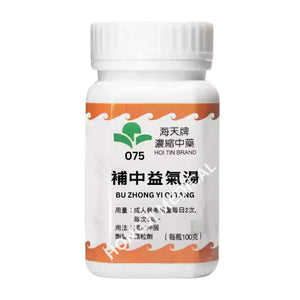
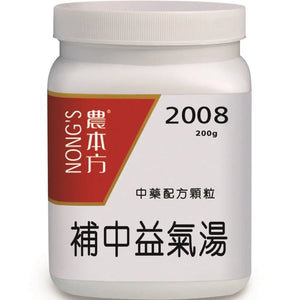
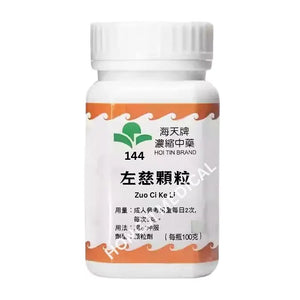
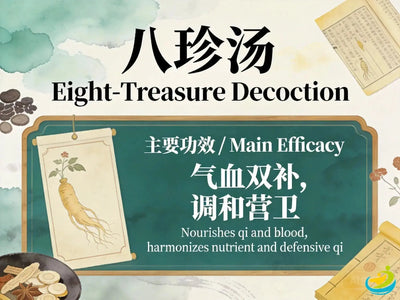
Compare Yi Qi Cong Ming TangBu Zhong Yi Qi TangZuo Ci WanBa Zhen Tang
Primary Function Tonify Qi, raise Yang, improve vision and hearingTonify Middle Qi, raise Yang, lift the sunkenEnrich Kidney Yin, calm Liver, improve vision and hearingTonify Qi and Blood
Formula Category Qi-Tonifying FormulasQi-Tonifying FormulasYin-Tonifying FormulasQi-Tonifying Formulas
Typical TCM Pattern Qi DeficiencySpleen Qi DeficiencyKidney Yin DeficiencyQi Deficiency
Main Conditions Tinnitus, Dizziness & VertigoFatigue & Low Energy, Spontaneous Sweating, Poor Appetite, Diarrhea, General Lethargy, Susceptible to Colds, Spleen Qi DeficiencyDizziness & Vertigo, TinnitusFatigue & Low Energy, Poor Appetite, Irregular Menstruation, Dull Complexion, General Lethargy, Blood Deficiency Constitution, Qi Deficiency Constitution
Main Herbs Astragalus Root · Ginseng Root · Cimicifuga Rhizome · Kudzu Root · Vitex Fruit · White Peony Root · Phellodendron Bark · Licorice RootAstragalus Root · Ginseng Root · White Atractylodes Rhizome · Chinese Angelica Root · Tangerine Peel · Cimicifuga Rhizome · Bupleurum Root · Honey-fried LicoricePrepared Rehmannia Root · Cornus Fruit · Chinese Yam · Poria / Hoelen · Moutan Bark / Tree Peony Bark · Alisma Rhizome · Goji Berry / Lycium Fruit · Chrysanthemum Flower · MagnetiteGinseng Root · White Atractylodes Rhizome · Poria / Hoelen · Honey-fried Licorice · Prepared Rehmannia Root · Chinese Angelica Root · White Peony Root · Chuanxiong Rhizome
Classical Source Li Dongyuan school / classicalPi Wei Lun / Nei Wai Shang Bian Huo Lun (Li Dongyuan, Jin dynasty, ~1247–1249)Classical TCM formularyZheng Ti Lei Yao (Xue Ji, Ming dynasty) / derived from Si Jun Zi Tang + Si Wu Tang

How to tell them apart

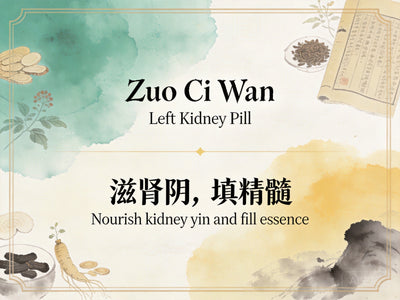
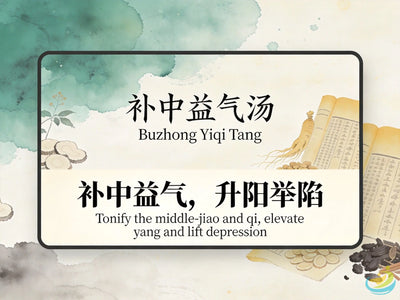
Yi Qi Cong Ming Tang, Bu Zhong Yi Qi Tang, Zuo Ci Wan and Ba Zhen Tang tonify Qi or nourish for sensory decline. Bu Zhong Yi Qi Tang raises sunken Qi; Zuo Ci Wan nourishes Kidney Yin for tinnitus; Ba Zhen Tang tonifies Qi and blood. Yi Qi Cong Ming Tang tonifies Qi and raises clear Yang to the sensory orifices for declining hearing and vision from Qi deficiency.

For educational reference only, based on traditional pattern differentiation — not a substitute for professional advice.

Clinical Modifications for Yi Qi Cong Ming Tang

1. Adjustments for Specific Symptoms

Practitioners often customize the formula to address a patient's primary complaints:

  • For severe headaches: Add Chuan Xiong (Szechuan Lovage Root) and Bai Zhi (Angelica Root) to enhance pain relief.
  • For heavy tinnitus or hearing loss: Add Ci Shi (Magnetite) and Shi Chang Pu (Sweetflag Rhizome) to help open the sensory pathways and improve hearing.
  • For noticeable vision decline: Add Gou Qi Zi (Goji Berry) and Ju Hua (Chrysanthemum Flower) to nourish the liver and brighten the eyes.
  • For insomnia and frequent dreams: Add Suan Zao Ren (Sour Jujube Seed) and Yuan Zhi (Polygala Root) to nourish the heart and calm the mind.
Yi Qi Cong Ming Tang

2. Adjustments Based on Body Constitution

The formula can also be tailored to fit individual body types:

  • For a cold constitution: Reduce the amount of Huang Bo (Amur Cork Tree Bark), or add warming herbs like Gan Jiang (Dried Ginger) and Xi Xin (Asarum) to dispel cold and warm the Yang energy.
  • For a hot constitution: Increase the dosage of Huang Bo, or add heat-clearing herbs like Huang Qin (Baical Skullcap) and Huang Lian (Coptis Root) to drain excess internal fire.
  • For heavy phlegm-dampness: Add Ban Xia (Pinellia), Chen Pi (Tangerine Peel), and Fu Ling (Poria Mushroom) to help dry dampness and break down phlegm.

What the Science Suggests

1. Pharmacological Studies

Modern research has explored the mechanisms behind the herbs used in this formula, showing how they work together:

  • Immune Support: Huang Qi (Astragalus Root) and Ren Shen (Ginseng Root) are shown to regulate and boost the immune system. Huang Qi enhances the activity of macrophages (cells that clear out debris and pathogens), while Ren Shen helps balance the body's overall resistance to illness.
  • Circulation Improvement: Ge Gen (Kudzu Root) helps dilate blood vessels and improve cerebral blood flow, which plays a key role in relieving dizziness and brain fog.
  • Anti-inflammatory & Pain Relief: Man Jing Zi (Vitex Fruit) offers anti-inflammatory and analgesic effects, helping to reduce pain and swelling in the head and facial regions.
  • Nervous System Regulation: Bai Shao (White Peony Root) helps regulate the nervous system to improve sleep quality, while Huang Bo provides additional antibacterial and anti-inflammatory benefits.
Yi Qi Cong Ming Tang

2. Clinical Efficacy Validation

Recent clinical studies have validated the traditional uses of Yi Qi Cong Ming Tang (Qi-Boosting and Senses-Clearing Decoction):

  • Sensory Decline: When used to treat dizziness, tinnitus (ringing in the ears), and hearing loss, studies show that this formula significantly improves symptoms and boosts the patient's quality of life. For example, older adults with age-related hearing loss often report better hearing and less severe tinnitus after treatment.
  • Cervical Spondylosis (Neck Issues): For patients experiencing dizziness caused by cervical spine problems, combining this herbal formula with physical therapy has been shown to effectively reduce dizziness and shorten the overall recovery time.

Safety Considerations

1. Dietary Restrictions and Special Populations

While taking Yiqi Congming Decoction, avoid spicy, greasy, raw, and cold foods, as well as smoking and alcohol. Maintain a light, nutritious diet with easily digestible foods such as porridge, noodles, vegetables, and fruit. Pregnant or breastfeeding women and children should consult a physician before use; children require age- and weight-appropriate dosage adjustments.

2. Monitoring and Treatment Adjustments

Seek medical attention if symptoms worsen or new symptoms develop. Do not increase, reduce, or continue the medication without professional advice. Follow the prescribed dosage and schedule, and do not stop treatment arbitrarily.

Questions About Yi Qi Cong Ming Tang

Q1: What are the actions of Yi Qi Cong Ming Tang?
Yi Qi Cong Ming Tang has the actions of tonifying Qi, raising clear Yang, and sharpening hearing and vision. Li Dongyuan designed it so that when Middle Qi is too weak to lift clear Yang to the orifices, the ears and eyes can become “intelligent” again.
Q2: Which modern conditions is Yi Qi Cong Ming Tang suited to?
Modern TCM clinical practice commonly applies it to individuals whose pattern differentiation falls within Middle Qi deficiency with clear Yang failing to rise, including gradual tinnitus or hearing decline worse with fatigue, blurred vision of Qi-deficiency type, and dull sensory orifices after overwork — after ENT and eye examination.
Q3: Is Yi Qi Cong Ming Tang suitable for improving tired, dim hearing and vision?
For presentations of muffled hearing or low tinnitus, blurred vision, fatigue, poor appetite, a pale tongue, and a weak pulse — in those whose pattern differentiation confirms Qi deficiency rather than Liver-Yang rising or Phlegm-Fire — TCM commonly applies this formula as an adjunct. Sudden vision or hearing loss is an emergency.
Q4: Who should not take Yi Qi Cong Ming Tang?
Those with Liver-Yang rising headache and red eyes, Phlegm-Fire tinnitus, or Yin-deficiency empty Fire without Qi deficiency are generally not suitable. Raising herbs can worsen upward excess. Use should be assessed by a qualified TCM physician.
Q5: Why raise Yang to treat the ears and eyes?
The five zang receive Qi from the Spleen-Stomach in order to reach the nine orifices. When Middle Qi sinks from overwork or irregular eating, clear Yang cannot arrive and the orifices dim. Huang Qi, Ren Shen, and Gan Cao tonify Middle Qi. Sheng Ma and Ge Gen raise clear Yang. Man Jing Zi benefits the head orifices. Bai Shao and a small wine-fried Huang Bai nourish Yin and restrain any Heat that lifting might stir. Tonifying without raising leaves the orifices still empty.
Q6: How does Yi Qi Cong Ming Tang differ from Bu Zhong Yi Qi Tang or Qi Ju Di Huang Wan?
Bu Zhong Yi Qi Tang more broadly treats sinking Middle Qi with fatigue, fever of deficiency type, or prolapse. Qi Ju Di Huang Wan nourishes Liver-Kidney Yin for dry deficient eyes. Yi Qi Cong Ming Tang is the orifice-focused raising formula: tinnitus, deafness, and dim vision from Qi not reaching the head, not from Yin-Essence decline or Liver-Yang hyperactivity.
Q7: What are the main ingredients of Yi Qi Cong Ming Tang?
The Dong Yuan Shi Xiao Fang formula consists of Huang Qi, Ren Shen, and Zhi Gan Cao to tonify Middle Qi; Sheng Ma and Ge Gen to raise clear Yang; Man Jing Zi to benefit the head orifices; Bai Shao to nourish Blood and restrain Liver; and a small amount of Huang Bai (often wine-fried) to clear residual Heat. Huang Bai is reduced or omitted if the Spleen is very weak.
Q8: Is Yi Qi Cong Ming Tang suitable for long-term use?
It may be used for a course of treatment in chronic Qi-deficiency sensory dullness under professional and ENT/eye supervision. If Heat, headache, or rising blood pressure appears, the raising herbs should be reduced. It will not restore hearing or vision lost to irreversible structural disease.
Q9: Can this formula help both dim vision and fatigue-related tinnitus of the same pattern?
Yes. The eyes are the orifice of the Liver and the ears of the Kidney, but both depend on Spleen-Stomach Qi to deliver clear Yang upward. When that Qi sinks, vision and hearing dull together and worsen with tiredness. Tonifying and raising Middle Qi can support both complaints of one pattern.
Q10: What lifestyle advice supports the use of Yi Qi Cong Ming Tang?
Eating regular cooked meals, avoiding overwork that sinks Qi, protecting the eyes from strain, and completing recommended hearing and vision tests all support correct use. Sudden one-sided deafness or sudden vision loss is an emergency, not a reason to self-start this decoction.

General Questions

How do I choose the right formula?
TCM formulas are traditionally selected according to individual pattern differentiation rather than by symptom alone. If you're not sure which formula fits your presentation, take our AI Assessment below for a personalized starting point, then confirm with a qualified TCM practitioner.
What are concentrated herbal granules?
Concentrated herbal granules are made by decocting raw herbs, then extracting and concentrating the resulting liquid into a fine granule or powder form. This preserves the same active compounds as a traditional decoction while making the herbs far easier to store, measure, and prepare.
How should I take these products?
Dissolve the recommended amount of granules in hot water, stir until fully dissolved, and drink while warm — following the dosage and frequency advised by your TCM practitioner or as stated on the product packaging.
Are concentrated herbal granules equivalent to traditional decoctions?
Concentrated granules are produced from the same herbs and processed to retain their active compounds, so they are traditionally regarded as a convenient alternative to decoctions rather than a different remedy. Some practitioners note subtle differences in strength or absorption between the two forms, so your TCM practitioner may adjust dosage accordingly.
Are your products authentic?
Yes. HJMEDICAL sources its concentrated granules exclusively from established, reputable manufacturers such as Nong's and Hoi Tin, both long-standing names in the TCM granules industry, with GMP compliance stated directly on their packaging.
Are HJMEDICAL products manufactured under GMP standards?
HJMEDICAL sources its concentrated granules from established, reputable manufacturers such as Nong's and Hoi Tin, both long-standing names in the TCM granules industry. GMP compliance for these products is stated directly on their packaging.
Do you ship internationally?
Yes — we ship worldwide! Every order goes out via Hong Kong Post, and your exact shipping cost and estimated delivery time for your address are calculated and shown right at checkout, so there are never any surprises. We also offer free shipping once your order reaches our free-shipping threshold, so it's easy to stock up on your favorite formulas and save.
Can I take more than one formula at the same time?
Some formulas are traditionally combined, while others overlap or counteract each other. We recommend checking with a qualified TCM practitioner before combining formulas, especially if you are already taking other medication.
Are these products suitable during pregnancy or breastfeeding?
Some TCM formulas are not suitable during pregnancy or breastfeeding. Please consult a qualified TCM practitioner or your doctor before use if you are pregnant, trying to conceive, or nursing.
Do these products replace medical treatment?
No. These products are traditional herbal supplements intended to support wellbeing according to TCM principles — they are not a replacement for professional medical diagnosis or treatment. Please consult a qualified TCM practitioner or licensed healthcare provider before starting, stopping, or combining any treatment, especially if you have a chronic condition.
Medical Disclaimer

For general TCM education only — not medical advice. Consult a qualified TCM practitioner or licensed healthcare provider before use, especially if pregnant, nursing, on medication, or managing a chronic condition.

Not sure which formula is right for you?

Take the AI Assessment

最新文章

Login

Forgot your password?

Don't have an account yet?
Create account

Yi Qi Cong Ming Tang: Classic TCM Formula for Qi Deficiency, Tinnitus, Hearing Loss & Blurred Vision