
补中益气汤 · Bǔ Zhōng Yì Qì Tāng
Bu Zhong Yi Qi Tang
A classical Qi-tonifying formula created by Li Dongyuan that builds upon Si Jun Zi Tang by adding Huang Qi, Dang Gui, Chen Pi, Sheng Ma and Chai Hu. It addresses Spleen and Stomach Qi deficiency with sinking of Middle Qi, presenting with fatigue, spontaneous sweating, shortness of breath, poor appetite, chronic diarrhoea and organ prolapse.
View formula profile →Why This Formula?
Traditionally selected when Spleen Qi deficiency presents with clear sinking signs — bearing-down sensation, prolapse, chronic diarrhoea or profound fatigue with spontaneous sweating — combining strong Qi tonification with the unique ascending action of Sheng Ma and Chai Hu. It differs from pure tonics such as Si Jun Zi Tang by its lifting strategy, and from broader dual tonics such as Shi Quan Da Bu Tang by remaining focused on Middle Qi rather than simultaneous Blood nourishment and Yang warming.
Traditionally selected when Spleen Qi deficiency presents with clear sinking signs — bearing-down sensation, prolapse, chronic diarrhoea or profound fatigue with spontaneous sweating — combining strong Qi tonification with the unique ascending action of Sheng Ma and Chai Hu. It differs from pure tonics such as Si Jun Zi Tang by its lifting strategy, and from broader dual tonics such as Shi Quan Da Bu Tang by remaining focused on Middle Qi rather than simultaneous Blood nourishment and Yang warming.
Overview
What Is Bu Zhong Yi Qi Tang?
1. The Origin Story
Bu Zhong Yi Qi Tang, also known as Tonify the Middle and Augment the Qi Decoction, is a classical formula created by Li Dongyuan of the Jin-Yuan period and recorded in his work Pi Wei Lun (Treatise on the Spleen and Stomach). Designed to tonify the middle burner, benefit qi, and raise sunken yang, it is the representative prescription for spleen qi deficiency with qi sinking.
This formula is primarily used for symptoms such as fatigue, weak limbs, poor appetite, shortness of breath, low-grade fever due to qi deficiency, chronic diarrhea, and prolapse of the rectum or uterus. It remains one of the most important remedies in Traditional Chinese Medicine for treating middle qi deficiency and sinking.

2. Digestive System Issues
For people dealing with a lack of appetite, indigestion, bloating, or loose stools caused by a weak digestive system, Bu Zhong Yi Qi Tang is a fantastic regulator. It strengthens the "processing power" of the Spleen and Stomach, helping your body absorb nutrients better and easing gut discomfort. Doctors often prescribe it for chronic gastritis or general gastrointestinal dysfunction, provided the root cause is "Qi deficiency."
3. Gynecological Health
This formula is a classic choice for issues like uterine prolapse or heavy, abnormal menstrual bleeding (flooding and spotting) caused by "sinking energy." By lifting the body's internal pressure, it helps return the uterus to its proper position and stabilizes bleeding. It is also used for new mothers who struggle with lingering postpartum discharge or excessive sweating due to exhaustion after childbirth.
4. Men’s Health
In andrology, Bu Zhong Yi Qi Tang is sometimes used for conditions like varicoceles (swollen veins in the scrotum) or chronic prostatitis, especially when these are linked to "sinking energy." It can also help with sexual dysfunction or premature ejaculation if the patient shows signs of being "burned out" or having a weak digestive system. The goal is to rebuild the body's core energy to restore normal function.

5. Other Health Conditions
Because it’s such a powerful energy booster, this formula is used for many other symptoms caused by "Qi deficiency," such as:
- Dizziness and Tinnitus: When you feel lightheaded because not enough energy is reaching your head.
- Chronic Fatigue: For that "wiped out" feeling after long periods of overwork.
- Low Immunity: If you catch colds easily or have spontaneous cold sweats. By rebuilding your constitution, it helps boost your immune system and significantly improves your overall quality of life.
How It Works
Herb Composition (Sovereign / Minister / Assistant / Envoy)
1. The "Emperor" Herb — Huang Qi (Astragalus)
- Nature and Target: Huang Qi has a sweet taste and a slightly warm nature. It targets the Spleen and Lung pathways.
- What it does: This is the star of the show and is used in the highest dose. It’s like a massive battery recharge for your digestive system. Its special "superpower" is lifting sunken energy (Yang Qi). Think of it as the engine that drives the whole body’s energy upward and outward.
2. The "Minister" Herbs — Ren Shen, Zhi Gan Cao, and Bai Zhu
-
Ren Shen (Ginseng)
- What it does: A legendary herb for boosting "Source Qi." It works with Huang Qi to maximize the energy-building effect, helping with extreme fatigue and weakness.
-
Zhi Gan Cao (Honey-fried Licorice)
- What it does: It supports the Spleen and helps the other herbs work together smoothly. It keeps the formula balanced and "peaceful."
-
Bai Zhu (Atractylodes)
- What it does: This herb is great at "drying" internal dampness. It strengthens the gut to make sure you’re actually absorbing nutrients from your food, preventing that heavy, sluggish feeling.
3. The "Adjuvant" Herbs — Dang Gui and Chen Pi
-
Dang Gui (Angelica Root)
- What it does: While the other herbs focus on energy (Qi), Dang Gui focuses on the blood. It ensures that as you build up your energy, your blood is also nourished. It also keeps the formula from being too "drying."
-
Chen Pi (Tangerine Peel)
- What it does: When you take a lot of energy-boosting herbs, they can sometimes make you feel bloated. Chen Pi acts like a traffic cop, moving the energy along so it doesn't get stuck, while also helping clear out phlegm.

4. The "Messenger" Herbs — Sheng Ma and Chai Hu
-
Sheng Ma (Cimicifuga)
- What it does: This herb has a very specific job: it’s an "elevator." It helps push the energy up to the head and upper body.
-
Chai Hu (Bupleurum)
- What it does: Like Sheng Ma, Chai Hu helps lift the energy and clears out any "stuck" emotions or stress (Liver Qi stagnation). Together, these two herbs make sure the energy provided by Huang Qi and Ren Shen goes exactly where it needs to—upward—to prevent organ prolapse.
Symptoms Traditionally Associated
Clinical Presentation in TCM
1. The Root Cause (Pathogenesis)
The main issue Bu Zhong Yi Qi Tang addresses is "Spleen and Stomach Qi Deficiency" combined with "Central Qi Sinking."
In Chinese medicine, the Spleen and Stomach are the foundation of your health—they are the "factory" that creates energy (Qi) and blood from the food you eat. If this factory is weak:
- Your whole body loses its fuel source, leading to total exhaustion.
- The body loses its "holding power." Normally, Qi acts like an invisible force that keeps your organs in place. When this energy "sinks," your organs can literally start to sag or drop (this is called prolapse). This also leads to things like chronic diarrhea, dizziness, and spontaneous sweating.
2. What it Does (Efficacy)
The main goals of this formula are to "Tonify the Middle" (recharge the digestive system) and "Lift the Sunken Yang" (raise the body's energy levels).
By giving the Spleen and Stomach a major boost, the formula helps your body start producing plenty of energy again. Then, with the help of "elevator" herbs like Sheng Ma and Chai Hu, it pushes that fresh energy upward. This restores your organs to their proper positions and makes sure your brain and upper body get the circulation they need.

3. What it Treats (Indications)
This formula is the primary choice for several conditions caused by weak digestive energy:
- General Exhaustion: For people who have a poor appetite, feel weak in their arms and legs, have no desire to talk, look pale, or have frequent loose stools.
- Organ Prolapse: It is widely used for a prolapsed rectum (hemorrhoids caused by weakness), uterine prolapse, or gastroptosis (a sagging stomach). It’s also used for chronic diarrhea or heavy, lingering menstrual bleeding that won't stop because the body lacks the "holding energy."
- Qi-Deficiency Fever: This is a unique condition where you feel hot or have a low-grade fever, but it's actually caused by exhaustion. You’ll feel sweaty and thirsty for warm drinks, but your pulse is weak and you feel completely wiped out. This formula treats the fever by rebuilding your energy.
Formula Analysis
The Mechanism in Classical Theory
1. Building the Foundation: Strengthening the Spleen and Boosting Energy
The combination of Huang Qi, Ren Shen, Bai Zhu, and Zhi Gan Cao is the powerhouse of this formula.
- Huang Qi is the lead herb for boosting energy (Qi) in the Spleen and Lungs.
- Ren Shen adds an extra layer of strength to that energy boost.
- Bai Zhu focuses on drying out internal dampness so the digestive system can move more efficiently.
- Zhi Gan Cao helps harmonize all these potent herbs while giving the Spleen a gentle nudge. Together, they ensure your digestive "engine" has enough fuel to run properly.
2. The Internal Elevator: Lifting the Sunken Energy
This is where the formula gets its famous "lifting" effect. While Huang Qi builds the energy, it needs a little help to push that energy upward. That’s where Sheng Ma and Chai Hu come in. They work like pulleys to help Huang Qi lift the "sunken" energy back to where it belongs. This is the key mechanism that helps pull sagging organs (like a prolapsed uterus or rectum) back into their natural, healthy positions.
3. Nourishing the Blood and Balancing the System
Dang Gui plays a very important balancing role here. In Chinese medicine, energy (Qi) and blood are like partners—they rely on each other. By adding Dang Gui to nourish the blood, the formula ensures that as your energy increases, your blood supply is also being supported. This also prevents the energy-boosting herbs from being too "drying," leading to a more complete and balanced recovery for the whole body.

4. Keeping Things Moving: Regulating Energy and Clearing the Middle
Sometimes, when you take a lot of energy-boosting (tonifying) herbs, they can feel a bit "heavy" and cause bloating. Chen Pi (Tangerine Peel) is added to act as a traffic controller. It keeps the energy moving so it doesn't get stuck in your stomach, preventing that bloated or full feeling. It also helps clear out any lingering "dampness" or phlegm, ensuring that the Spleen and Stomach can do their jobs without any interference.
How This Formula Compares
Clinical Comparison Table
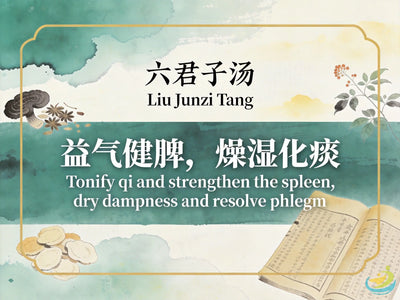
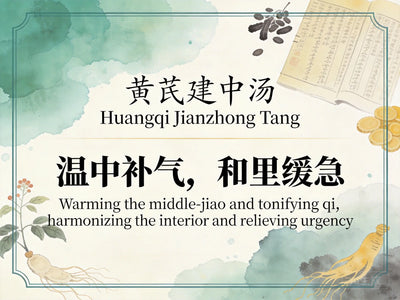
| Compare | Bu Zhong Yi Qi Tang | Si Jun Zi Tang | Liu Jun Zi Tang | Shi Quan Da Bu Tang | Huang Qi Jian Zhong Tang |
|---|---|---|---|---|---|
| Primary Function | Tonify Middle Qi, raise Yang, lift the sunken | Tonify Spleen Qi | Tonify Spleen Qi, resolve phlegm-damp | Tonify Qi and Blood, warm Yang | Warm Middle, strongly tonify Qi, relieve pain |
| Formula Category | Qi-Tonifying Formulas | Qi-Tonifying Formulas | Qi-Tonifying Formulas | Qi-Tonifying Formulas | Yang-Tonifying Formulas |
| Typical TCM Pattern | Spleen Qi Deficiency | Spleen Qi Deficiency | Spleen Qi Deficiency | Qi Deficiency | Yang Deficiency |
| Main Conditions | Fatigue & Low Energy, Spontaneous Sweating, Poor Appetite, Diarrhea, General Lethargy, Susceptible to Colds, Spleen Qi Deficiency | Poor Appetite, Diarrhea, Spleen Qi Deficiency, Mental Fog | Poor Appetite, Bloating, Stomach Discomfort, Diarrhea, Spleen Qi Deficiency, Excessive Mucus | Fatigue & Low Energy, Poor Appetite, Spontaneous Sweating, Cold Limbs | Abdominal Pain, Fatigue & Low Energy, Spontaneous Sweating, Poor Appetite, Lung Qi Deficiency |
| Main Herbs | Astragalus Root · Ginseng Root · White Atractylodes Rhizome · Chinese Angelica Root · Tangerine Peel · Cimicifuga Rhizome · Bupleurum Root · Honey-fried Licorice | Ginseng Root · White Atractylodes Rhizome · Poria / Hoelen · Honey-fried Licorice | Ginseng Root · White Atractylodes Rhizome · Poria / Hoelen · Tangerine Peel · Pinellia Rhizome · Honey-fried Licorice | Ginseng Root · White Atractylodes Rhizome · Poria / Hoelen · Honey-fried Licorice · Prepared Rehmannia Root · Chinese Angelica Root · White Peony Root · Chuanxiong Rhizome · Astragalus Root · Cinnamon Bark | Astragalus Root · Maltose / Barley Malt Sugar · Cinnamon Twig · White Peony Root · Fresh Ginger · Jujube / Chinese Date · Honey-fried Licorice |
| Classical Source | Pi Wei Lun / Nei Wai Shang Bian Huo Lun (Li Dongyuan, Jin dynasty, ~1247–1249) | Tai Ping Hui Min He Ji Ju Fang (Formulary of the Pharmacy Service for Benefiting the People, Song dynasty, 1107) | Yi Xue Zheng Zhuan (or derived from Si Jun Zi Tang + Chen Pi + Ban Xia) | Tai Ping Hui Min He Ji Ju Fang (Song dynasty) | Jin Gui Yao Lue (Zhang Zhongjing, Eastern Han) |
How to tell them apart
Bu Zhong Yi Qi Tang is the representative formula for Spleen Qi deficiency with sinking of Middle Qi. Si Jun Zi Tang is the pure tonifying base without the lifting action. Liu Jun Zi Tang adds phlegm-resolving capacity. Shi Quan Da Bu Tang is a stronger dual Qi-Blood tonic with warming, while Huang Qi Jian Zhong Tang emphasises Middle warming and pain relief rather than raising the sunken.
Clinical Modifications
Clinical Modifications for Bu Zhong Yi Qi Tang
To make the formula work better for your specific body, practitioners often adjust the ingredients. Here is how Bu Zhong Yi Qi Tang is typically modified:
1. If You Have "Stuck" Energy (Qi Stagnation)
If you feel bloated, have chest tightness, or feel "stuck" alongside your fatigue, doctors might add Mu Xiang (Aucklandia Root) and Sha Ren (Amomum Fruit).
- Mu Xiang helps move energy and relieve pain, especially in the gut.
- Sha Ren is great for "waking up" the appetite and moving gas. These two ensure that while you are boosting your energy, it doesn't get bottlenecked in your stomach and cause bloating.
2. If You Are Also Blood Deficient
If you have signs of blood deficiency—like looking very pale, having dry skin, or feeling dizzy—practitioners add Shu Di Huang (Prepared Rehmannia) and Bai Shao (White Peony Root).
- Shu Di Huang is a heavy hitter for building blood and nourishing the body's core essence.
- Bai Shao helps soothe the liver and preserve the body's fluids. Adding these creates a "double boost" for both your energy (Qi) and your blood.
3. If You Are Feeling Very Cold (Yang Deficiency)
If your energy is so low that you’ve become sensitive to cold and have icy hands and feet, doctors will add "warming" herbs like Fu Zi (Aconite) and Gan Jiang (Dried Ginger).
- Fu Zi is like a blast of internal heat that reignites your body's fire.
- Gan Jiang warms the digestive center and helps improve circulation. This turns the formula into a powerful tool for those who feel physically "frozen" by their exhaustion.

4. If You Have "Damp-Heat"
If you have signs of inflammation or "Damp-Heat"—such as a bitter taste in your mouth, a greasy yellow coating on your tongue, or skin breakouts—practitioners add Huang Lian (Coptis) and Huang Bai (Phellodendron).
- These two herbs are famous for "clearing heat" and "drying dampness." They act like a detox, clearing out internal irritation and toxins so the energy-boosting herbs can do their job without making the "heat" symptoms worse.
Modern Research
What the Science Suggests
1. Pharmacological Research
Bu Zhong Yi Qi Tang is mainly used to treat "Spleen Qi deficiency and sinking"—essentially when the body’s energy is too low to support its organs and functions. The "lead" herb in this formula is Huang Qi, which works to boost energy, protect the body’s surface, and lift "sunken" energy. This follows the traditional principle that energy (Qi) directs the blood.
-
Versatile Uses: With small adjustments, this formula is used to treat:
- Heavy menstrual periods or instability during pregnancy.
- Low blood pressure and chronic muscle weakness.
- Cloudy urine (chyluria), drooping eyelids, or even "lazy eye" (paralytic strabismus).
- Usage Tip: It now comes in convenient forms like oral liquids. However, people with "internal heat" (like frequent night sweats or high fevers) should use it with caution.
Modern scientific studies show:
- Immune Support: It strengthens the body’s immune system (both cellular and humoral), making it easier to fight off viruses and bacteria.
- Better Digestion: It helps the gut move properly, increases digestive juices, and improves how you absorb nutrients from food.
- Anti-Fatigue & Anti-Aging: it helps the body manage stress better and can even slow down the cell aging process.
2. Clinical Efficacy
In clinical practice, many studies have proven that Bu Zhong Yi Qi Tang is highly effective for conditions related to "internal sagging" and digestive weakness:
- Target Conditions: It is widely used for chronic atrophic gastritis, stomach sagging (gastroptosis), and uterine prolapse.
- Stomach Healing: Research shows it can actually help repair the stomach lining and improve the overall health of the digestive tract.
- Better Quality of Life: Patients usually see a significant improvement in their daily symptoms and overall well-being.

3. Mechanism of Action
Scientists are still exploring exactly how this formula works, but current research highlights a few key areas:
- The Big Connection: It likely works by balancing the "nerve-endocrine-immune" network. This means it helps your brain, hormones, and immune system "talk" to each other better to handle stress.
- Hormone Balance: By influencing the endocrine system, it helps keep hormone levels steady.
- Gut Health: It may also help balance your gut microbiome (the healthy bacteria in your stomach), creating a better internal environment for your body to heal.
As research continues, we are gaining a much deeper understanding of how this ancient formula provides a scientific foundation for modern medicine.
Safety
Safety Considerations
1. Diet Restrictions
While taking Bu Zhong Yi Qi Tang, you should avoid eating raw, cold, greasy, or spicy foods.
- Why? Raw and cold foods can damage the Spleen's "fire" (Yang), greasy foods are too hard to digest and burden the stomach, and spicy foods can create internal heat that interferes with the herbs, potentially making your condition worse.
2. Special Groups
- Pregnant Women: Use with extreme caution. Although the herbs are generally mild, the "lifting" herbs like Sheng Ma and Chai Hu could potentially affect the pregnancy.
- Elderly and Frail: Should be careful and use under guidance.
- Yin Deficiency: If you have "Heat" symptoms like a red tongue, night sweats, or a dry throat (Yin deficiency with fire), you should be very careful, as the warming nature of the formula might increase your internal heat. Always consult a doctor first.
3. Monitoring Changes
If your symptoms get worse or you notice new, unusual symptoms while taking the formula, stop immediately and see a doctor. It’s important to follow your practitioner's instructions exactly—don't change the dose or stop the treatment early on your own to ensure the medicine actually has a chance to work.
Available Products
Where to Get It
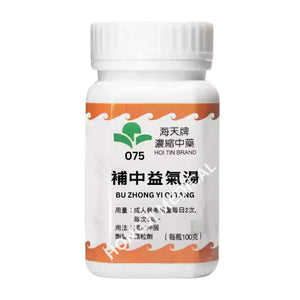 HJMEDICAL
Hoi Tin Bu Zhong Yi Qi Tang (Tonify the Middle Qi) 5:1 Concentrated Granules
$26.32
HJMEDICAL
Hoi Tin Bu Zhong Yi Qi Tang (Tonify the Middle Qi) 5:1 Concentrated Granules
$26.32
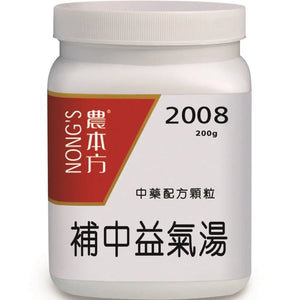 HJMEDICAL
Nong's Bu Zhong Yi Qi Tang (Tonify the Middle) 5:1 Concentrated Granules
$56.60
HJMEDICAL
Nong's Bu Zhong Yi Qi Tang (Tonify the Middle) 5:1 Concentrated Granules
$56.60
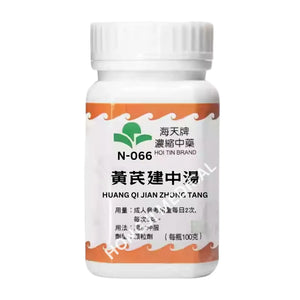 HJMEDICAL
Hoi Tin Huang Qi Jian Zhong Tang (Astragalus Middle-Fortifying) 5:1 Concentrated Granules
$30.50
HJMEDICAL
Hoi Tin Huang Qi Jian Zhong Tang (Astragalus Middle-Fortifying) 5:1 Concentrated Granules
$30.50
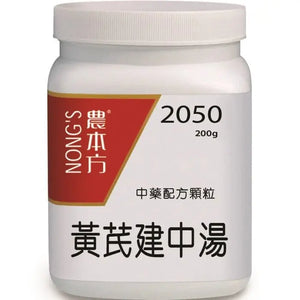 HJMEDICAL
Nong's Huang Qi Jian Zhong Tang (Astragalus Decoction to Fortify the Middle) 5:1 Concentrated Granules
$35.20
HJMEDICAL
Nong's Huang Qi Jian Zhong Tang (Astragalus Decoction to Fortify the Middle) 5:1 Concentrated Granules
$35.20

FAQ
Questions About Bu Zhong Yi Qi Tang
Q1: What are the actions of Bu Zhong Yi Qi Tang?
Q2: Which modern diseases is Bu Zhong Yi Qi Tang suited to?
Q3: Is Bu Zhong Yi Qi Tang suitable for improving fatigue and a bearing-down sensation?
Q4: Who should not take Bu Zhong Yi Qi Tang?
Q5: How does Bu Zhong Yi Qi Tang address Qi-deficiency fever?
Q6: Can Bu Zhong Yi Qi Tang help with organ prolapse?
Q7: Is Bu Zhong Yi Qi Tang suitable for long-term use?
Q8: What dietary advice is recommended while taking Bu Zhong Yi Qi Tang?
Q9: What are the main ingredients of Bu Zhong Yi Qi Tang?
Q10: How does Bu Zhong Yi Qi Tang differ from simple Qi tonics?
FAQ
General Questions
How do I choose the right formula?
What are concentrated herbal granules?
How should I take these products?
Are concentrated herbal granules equivalent to traditional decoctions?
Are your products authentic?
Are HJMEDICAL products manufactured under GMP standards?
Do you ship internationally?
Can I take more than one formula at the same time?
Are these products suitable during pregnancy or breastfeeding?
Do these products replace medical treatment?
Medical Disclaimer
For general TCM education only — not medical advice. Consult a qualified TCM practitioner or licensed healthcare provider before use, especially if pregnant, nursing, on medication, or managing a chronic condition.
Not sure which formula is right for you?
Take the AI Assessment最新文章
-

Yang He Tang: Classic TCM Formula for Yin-Type Sores, Cold Abscesses & Deficiency Cold
Yang He Tang: Classic TCM Formula for Yin-Type Sores, Cold Abscesses & Deficiency Cold

-
Yang He Tang: Classic TCM Formula for Yin-Type Sores, Cold Abscesses & Deficiency Cold
Yang He Tang: Classic TCM Formula for Yin-Type Sores, Cold Abscesses & Deficiency Cold -

Juan Bi Tang: Classic TCM Formula for Wind-Damp Bi Syndrome, Joint Pain & Numbness
Juan Bi Tang: Classic TCM Formula for Wind-Damp Bi Syndrome, Joint Pain & Numbness -

Shi Xiao San: Classic TCM Formula for Blood Stasis, Menstrual Pain & Fixed Abdominal Pain
Shi Xiao San: Classic TCM Formula for Blood Stasis, Menstrual Pain & Fixed Abdominal Pain -

Zhi Bai Di Huang Wan: Classic TCM Formula for Yin Deficiency with Fire, Night Sweats & Hot Flashes
Zhi Bai Di Huang Wan: Classic TCM Formula for Yin Deficiency with Fire, Night Sweats & Hot Flashes -

Fang Ji Huang Qi Tang: Classic TCM Formula for Edema, Sweating & Wind-Damp
Fang Ji Huang Qi Tang: Classic TCM Formula for Edema, Sweating & Wind-Damp


