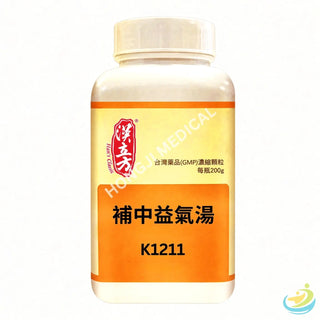
1. Main Use One: Tonifying Qi and Raising Yang
What it is: The first core use of Zhi Huang Qi is to tonify the middle qi and lift the worn-down organs' energy.
When it was used: Traditionally for spleen-lung qi deficiency — easy fatigue, a low, faint voice, sweating at slight activity, or a sense of internal sagging such as a drooping stomach, a feeling of prolapse, or long-lasting diarrhea.
Common partners: Often paired with qi-tonifying or yang-raising herbs — with Ren Shen or Bai Zhu to strengthen the qi effect, and with Sheng Ma or Chai Hu to raise the sunken qi.
Who should not self-use: People with an unresolved exterior condition — an oncoming cold with chills or fever — should avoid it on their own, since it may "lock the invader in" and worsen the cold.
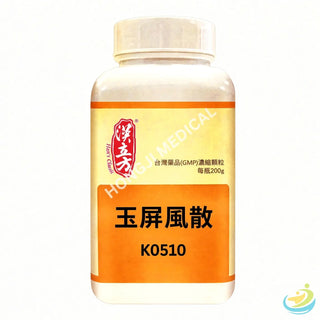
2. Main Use Two: Firming the Qi and the Surface Defenses
What it is: The second core use focuses on firming the body's surface "barrier" and reducing abnormal sweating.
When it was used: Traditionally for qi-deficiency spontaneous sweating — sweating during the day without activity — along with catching colds easily, feeling chilled at a light breeze, and a stuffy nose.
Common partners: Often paired with astringent herbs and qi supporters — with Fang Feng and Bai Zhu to both tonify qi and firm the surface, limiting excess sweating.
Who should not self-use: People with yin-deficiency night sweats — sweating while asleep that stops on waking — should avoid it on their own, since its warm nature may worsen the yin-deficiency dryness.
3. A Classic Pairing: Zhi Huang Qi and Bai Zhu
The most common pairing is Zhi Huang Qi with Bai Zhu. Zhi Huang Qi is good at tonifying the middle qi and firming the surface against sweating; Bai Zhu is good at strengthening the spleen, tonifying qi, and draining dampness. Together they strengthen the spleen-lung effect and firm the barrier, reducing abnormal sweating — a fit for spleen-lung qi deficiency with fatigue, spontaneous sweating, and frequent colds.
Like most pairings, this should be matched to the person, not copied from a list. For example, someone with marked damp-heat may need a different pairing.