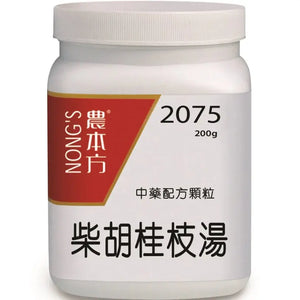
Harmonising Formulas

柴胡桂枝湯 · Chái Hú Guì Zhī Tāng

Chai Hu Gui Zhi Tang

A classical formula for concurrent Taiyang and Shaoyang patterns with fever, chills and joint pain.

View formula profile →
Last reviewed September 2026
Formula CategoryHarmonising Formulas
Primary PatternShaoyang Syndrome
Primary FunctionHarmonize Shaoyang, release exterior, ease joint pain
Primary Therapeutic PrincipleCombine Xiao Chai Hu and Gui Zhi methods for Taiyang-Shaoyang overlap
Main HerbsBupleurum Root · Cinnamon Twig · Scutellaria / Baikal Skullcap · Ginseng Root · Pinellia Rhizome · White Peony Root · Licorice Root · Fresh Ginger · Jujube / Chinese Date
Classical SourceShang Han Lun (Zhang Zhongjing, Eastern Han)

Why This Formula?

Traditionally selected for concurrent Taiyang and Shaoyang patterns with joint pain, rather than pure Shaoyang, pure exterior deficiency, or Shaoyang with fluid retention.

Traditionally selected for concurrent Taiyang and Shaoyang patterns with joint pain, rather than pure Shaoyang, pure exterior deficiency, or Shaoyang with fluid retention.

What Is Chai Hu Gui Zhi Tang?

1. Ancient Classics Inheritance

Chai Hu Gui Zhi Tang (柴胡桂枝汤), or Bupleurum and Cinnamon Twig Decoction, is a classical formula from Zhang Zhongjing’s Shang Han Lun (Treatise on Cold Damage). It belongs to the category of formulas that simultaneously release the Taiyang exterior and harmonize Shaoyang.

This formula addresses a concurrent Taiyang and Shaoyang pattern, in which the exterior has not fully resolved while the pathogen is already entering Shaoyang. Typical signs include fever and chills, joint pain or body aches, mild nausea, a bitter taste or dry throat, epigastric fullness, a thin white tongue coating, and a floating wiry pulse.

Combining a reduced Xiao Chai Hu Tang core—Chai Hu, Huang Qin, Ban Xia, and Ren Shen—to harmonize Shaoyang and pivot the pathogen outward, with a reduced Gui Zhi Tang core—Gui Zhi, Bai Shao, Sheng Jiang, Da Zao, and Gan Cao—to release the muscle layer and harmonize Ying and Wei, Chai Hu Gui Zhi Tang treats both layers at once and is especially useful when a lingering exterior combines with Shaoyang discomfort rather than a pure half-exterior, half-interior presentation.

Chai Hu Gui Zhi Tang

2. External Illnesses

Practitioners frequently utilize this formula for common respiratory illnesses when the symptoms show a mix of surface-level and deeper-level discomfort.

  • Common Colds: This formula is considered highly appropriate for colds where a patient experiences a mix of fever with mild chills, headaches, body aches, a stuffy nose, or a sore throat, but also complains of chest tightness, rib-side discomfort, or nausea.
    • Traditional Case Example: A patient named Li caught a cold and experienced a mild fever, chills, and full-body aches, alongside a feeling of bloating in the chest and an urge to vomit. After taking Chai Hu Gui Zhi Tang under a practitioner's guidance, the fever and body aches subsided, and the nausea and chest discomfort were noticeably relieved.
  • Influenza (Flu): During flu season, if a patient presents with a similar overlapping pattern of symptoms, this formula can be a supportive option. When a flu virus disrupts the body's energy pathways, causing both surface and interior symptoms, the formula helps regulate Qi (energy) and blood circulation, potentially supporting the immune system and easing the duration of the illness.
    • Traditional Case Example: A patient named Zhang suffered from a high fever, chills, severe joint pain, a bitter taste in the mouth, a dry throat, and nausea due to the flu. Following the use of Chai Hu Gui Zhi Tang, the body temperature gradually normalized, and the accompanying digestive and muscular symptoms were successfully managed.
Chai Hu Gui Zhi Tang

3. Miscellaneous Internal Conditions

  • Liver Qi Stagnation Combined with External Colds In clinical practice, patients who already experience "Liver Qi stagnation" (often linked to stress or emotional tension) and then catch a chill (external wind-cold) may present a specific set of symptoms. 

    • They often feel a tight, bloated sensation in the chest and ribs, experience moodiness or frequent sighing, and also have a fever with chills. Chai Hu Gui Zhi Tang (Bupleurum and Cinnamon Twig Decoction) helps by soothing the liver and relieving emotional stagnation while simultaneously clearing the surface-level cold.
  • Limb and Joint Pain due to Poor Circulation This formula can also be applied for patients experiencing limb and joint pain or stiffness caused by poor circulation of Qi (vital energy) and blood, especially when it is accompanied by mild external symptoms like chills or a fever.

    • By harmonizing the Qi and blood and relaxing the muscles on the body's surface, the formula improves local circulation and helps reduce pain.

Herb Composition (Sovereign / Minister / Assistant / Envoy)

1. King Herbs: Chai Hu and Gui Zhi

In Traditional Chinese Medicine (TCM), the "King" herbs dictate the primary direction of the formula Chai Hu Gui Zhi Tang (Bupleurum and Cinnamon Twig Decoction).

  • Chai Hu (Bupleurum Root): This herb specifically targets the "Shao Yang" layer, which is considered a half-exterior, half-interior zone in the body. When an external pathogen (like a cold virus) gets trapped here, it causes alternating chills and fevers, along with a feeling of tightness in the chest. Chai Hu acts as a mediator, adjusting the body's energy flow, soothing the liver, and gently pushing the trapped sickness out.
  • Gui Zhi (Cinnamon Twig): This warming herb focuses on the body's surface (the exterior). It helps open the pores to release mild sweat, warming the energy channels. Most importantly, when paired with other herbs, it balances the "Ying" (nutritive) and "Wei" (defensive) levels of the body, which is crucial when a patient has a fever, chills, or is sweating unevenly.

2. Minister Herbs: Huang Qin and Shao Yao

The "Minister" herbs assist and amplify the effects of the King herbs.

  • Huang Qin (Baical Skullcap Root): This cooling herb partners perfectly with Chai Hu. While Chai Hu disperses the sickness, Huang Qin steps in to clear out any internal heat or inflammation that the trapped sickness has caused. Together, they create a balanced push-and-pull effect to fully resolve issues in the Shao Yang layer.
  • Shao Yao (Peony Root): This herb is the perfect partner for Gui Zhi. While Gui Zhi pushes outward, Shao Yao pulls inward to nourish the blood and retain healthy fluids. It also has a wonderful ability to relax muscle tension, making it highly effective for relieving the body aches, stiffness, and joint pain that often accompany a cold or flu.

3. Assistant Herbs: Ban Xia and Sheng Jiang

These herbs manage specific uncomfortable symptoms and support the digestive system.

  • Ban Xia (Pinellia Rhizome): This herb is excellent for drying up excess mucus and settling the stomach. In cases where the illness causes mild nausea or a feeling of something being "stuck" in the chest, Ban Xia directs the rebellious energy downward to stop the urge to vomit.
  • Sheng Jiang (Fresh Ginger): A familiar kitchen staple, ginger warms the stomach and boosts the anti-nausea effects of Ban Xia. It also gently assists Chai Hu and Gui Zhi in pushing the cold outward to the surface of the body.
Chai Hu Gui Zhi Tang

4. Courier Herbs: Da Zao and Gan Cao

The "Courier" herbs harmonize the entire blend and protect the body's core energy.

  • Da Zao (Jujube / Chinese Date): These sweet dates nourish the blood and gently boost energy in the digestive system (Spleen and Stomach). They also act as a buffer, softening the harshness of the stronger herbs so the formula doesn't upset the stomach.
  • Gan Cao (Licorice Root): Known as the great harmonizer in TCM, Gan Cao blends the actions of all the different herbs together smoothly. It also provides a gentle boost to the body's overall Qi (vital energy), making the formula safe and stable for the patient to process.

Clinical Presentation in TCM

1. Pathogenesis Analysis

The logic behind Chai Hu Gui Zhi Tang is designed for a very specific scenario: a "Tai Yang and Shao Yang concurrent pattern."

  • The Double Threat: Normally, an illness affects one layer of the body at a time. However, sometimes a pathogen attacks the body's outer defense layer (Tai Yang, causing fever, chills, and body aches) and simultaneously slips into the deeper, half-interior layer (Shao Yang, causing chest fullness, nausea, and alternating temperatures).
  • The Solution: Because the sickness is stuck in two places at once, simply sweating it out won't work, and merely harmonizing the interior isn't enough. The body needs a dual-action approach.

2. Efficacy

Based on the dual-threat pathogenesis, the core efficacy of this formula is to harmonize the Shao Yang while releasing the exterior.

  • How it works: Chai Hu and Huang Qin handle the deeper, trapped heat and discomfort, while Gui Zhi and Shao Yao relax the muscles and push the surface chill out through mild sweating. Meanwhile, the supportive herbs ensure the stomach remains calm and the body's energy stays balanced.
Chai Hu Gui Zhi Tang

3. Clinical Indications

Practitioners utilize this formula for both acute illnesses and chronic imbalances.

  • External Illnesses (Colds and Flus): It is highly effective for patients who have caught a chill and exhibit a mix of symptoms: a mild fever with slight chills, noticeable aching in the joints and limbs, a feeling of bloating or fullness just below the ribs, and mild nausea.
  • Miscellaneous Internal Conditions: Beyond colds, TCM doctors often use this formula for patients dealing with Liver Qi stagnation (feeling stressed, moody, or physically tight in the chest) combined with poor circulation. If a patient has chronic joint pain or stiffness that worsens with a slight chill or stress, the formula's ability to relax muscles, warm the channels, and soothe the liver makes it a versatile therapeutic option.

The Mechanism in Classical Theory

1. Combining Shao Yang Harmonization with Exterior Release

In this formula, Chai Hu (Bupleurum Root) and Gui Zhi (Cinnamon Twig) act as the leading "King" herbs, each taking on a crucial role to address a dual-layered illness.

  • Tackling the Deeper Layer: Chai Hu excels at dispersing pathogens trapped in the "Shao Yang" (the half-exterior, half-interior layer of the body). It is assisted by Huang Qin (Baical Skullcap Root), which clears out the associated internal heat. Together, they effectively harmonize this deeper energetic layer.
  • Releasing the Surface: Gui Zhi works on the body's surface to release muscle tension and promote mild sweating. It is paired with Shao Yao (Peony Root), which helps balance the body's defensive and nutritive energies while relieving spasms and pain.
  • The Combined Effect: By using these strategies together, the formula targets the root mechanism of a combined "Tai Yang and Shao Yang" pattern, allowing the body to simultaneously clear the surface chill and the deeper trapped heat.

2. Harmonizing the Spleen and Stomach

When an external illness attacks the body, it often disrupts the digestive system (the Spleen and Stomach in TCM), leading to nausea or vomiting.

  • Settling the Stomach: Ban Xia (Pinellia Rhizome) and Sheng Jiang (Fresh Ginger) are used to direct rebellious energy downward, effectively easing nausea and stopping vomiting.
  • Boosting Core Energy: Da Zao (Jujube) and Gan Cao (Licorice Root) gently nourish the body's central energy and harmonize digestion.
  • Why it Matters: A well-functioning digestive system is essential for the body to properly absorb the healing properties of the herbs, providing a strong foundation for recovery.
Chai Hu Gui Zhi Tang

3. Synergistic Action for Comprehensive Care

The true strength of Chai Hu Gui Zhi Tang (Bupleurum and Cinnamon Twig Decoction) lies in how these herbs work together as a cohesive team. Chai Hu and Huang Qin balance the deeper layers; Gui Zhi and Shao Yao manage the surface; Ban Xia and Sheng Jiang settle the stomach; and Da Zao and Gan Cao protect the core. Every single herb plays an indispensable role, creating an organic, unified approach that addresses all angles of this complex illness pattern.

Clinical Comparison Table

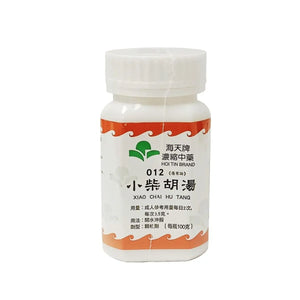
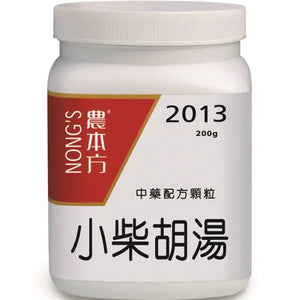
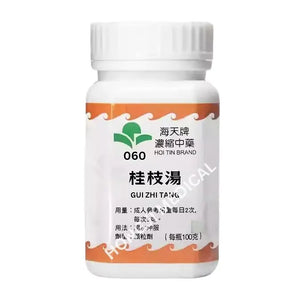
Compare Chai Hu Gui Zhi TangXiao Chai Hu TangGui Zhi TangChai Hu Gui Zhi Gan Jiang Tang
Primary Function Harmonize Shaoyang, release exterior, ease joint painHarmonise Shaoyang, release the pivotRelease exterior Wind-Cold (deficiency type), harmonize Ying-WeiHarmonise Shaoyang, warm and transform fluids
Formula Category Harmonising FormulasHarmonising FormulasExterior-Releasing FormulasHarmonising Formulas
Typical TCM Pattern Shaoyang SyndromeQi StagnationWind-ColdQi Stagnation
Main Conditions Fever, Joint Discomfort, NauseaFever, Chest Tightness, Nausea, Poor Appetite, Bitter Taste in MouthSpontaneous Sweating, Fever, Cold Limbs, Nasal CongestionFever, Chest Tightness, Dry Mouth & Throat, Abdominal Pain
Main Herbs Bupleurum Root · Cinnamon Twig · Scutellaria / Baikal Skullcap · Ginseng Root · Pinellia Rhizome · White Peony Root · Licorice Root · Fresh Ginger · Jujube / Chinese DateBupleurum Root · Scutellaria / Baikal Skullcap · Pinellia Rhizome · Ginseng Root · Fresh Ginger · Jujube / Chinese Date · Honey-fried LicoriceCinnamon Twig · White Peony Root · Fresh Ginger · Jujube / Chinese Date · Honey-fried LicoriceBupleurum Root · Cinnamon Twig · Dried Ginger · Trichosanthes Root · Scutellaria / Baikal Skullcap · Oyster Shell · Honey-fried Licorice
Classical Source Shang Han Lun (Zhang Zhongjing, Eastern Han)Shang Han Lun (Zhang Zhongjing, Eastern Han)Shang Han Lun (Zhang Zhongjing, Eastern Han)Shang Han Lun (Zhang Zhongjing, Eastern Han)

How to tell them apart

Chai Hu Gui Zhi Tang, Xiao Chai Hu Tang, Gui Zhi Tang and Chai Hu Gui Zhi Gan Jiang Tang harmonize or release exterior. Xiao Chai Hu Tang is pure Shaoyang; Gui Zhi Tang is exterior deficiency; Chai Hu Gui Zhi Gan Jiang Tang treats Shaoyang with fluid and cold. Chai Hu Gui Zhi Tang combines half Xiao Chai Hu and half Gui Zhi methods for concurrent Taiyang and Shaoyang with fever, chills and joint pain.

For educational reference only, based on traditional pattern differentiation — not a substitute for professional advice.

Clinical Modifications for Chai Hu Gui Zhi Tang

1. Symptom-Based Adjustments

Depending on the specific symptoms a patient presents, practitioners often adjust the traditional Chai Hu Gui Zhi Tang (Bupleurum and Cinnamon Twig Decoction) to better target the condition:

  • Severe Fever: If fever is the most prominent symptom, the dosage of Chai Hu (Bupleurum Root) and Huang Qin (Baical Skullcap Root) can be increased (typically to about 15 grams each). This enhances the formula's ability to clear internal heat and harmonize the body.
  • Prominent Chills: When chills are the main complaint, the amount of Gui Zhi (Cinnamon Twig) is often increased (to around 12 grams). This boosts the warming effect and helps open the meridians to dispel cold from the body's surface.
  • Severe Headache: For intense headaches, herbs like Chuan Xiong (Szechuan Lovage Rhizome) and Bai Zhi (Angelica Root) are added (about 10 grams each). These herbs are well-known in traditional practice for improving blood circulation, dispelling wind, and providing targeted pain relief.
  • Frequent Vomiting: If the patient is experiencing frequent nausea or vomiting, the dosages of Ban Xia (Pinellia Tuber) and Sheng Jiang (Fresh Ginger) are increased. These ingredients work together to settle the stomach and stop upward-rebellious Qi.
Chai Hu Gui Zhi Tang

2. Constitution-Based Adjustments

The formula is also tailored to the patient's general health and physical constitution:

  • Weak Constitution: For individuals who are frail or easily fatigued, Qi-boosting herbs like Dang Shen (Codonopsis Root) or Tai Zi Shen (Prince Ginseng) are often added. These help strengthen the body's natural resistance, making it easier to fight off the illness.
  • Strong Constitution: For physically robust patients with acute or severe symptoms, the amounts of nourishing herbs like Da Zao (Jujube) and Gan Cao (Licorice Root) may be reduced. This prevents the formula from being too "heavy" or cloying, allowing it to focus entirely on clearing the illness.

What the Science Suggests

1. Pharmacological Research

Modern scientific studies have begun to shed light on the mechanisms behind Chai Hu Gui Zhi Tang:

  • Anti-inflammatory Effects: Research indicates that ingredients like Chai Hu and Huang Qin contain active compounds (such as saikosaponins) that can inhibit the release of inflammatory mediators. In animal models, the formula has been shown to reduce tissue swelling, cellular inflammation, and pain.
  • Immune Regulation: The formula appears to help balance the immune system. It supports cellular immunity (promoting immune cell growth) while keeping humoral immunity in check. Polysaccharides found in Da Zao and Gan Cao are thought to activate immune cells, which is why the formula is sometimes used to help manage recurrent respiratory infections by improving overall immune resilience.
  • Antipyretic and Analgesic Effects (Fever and Pain Relief): Studies show that herbs like Gui Zhi and Chai Hu can influence the body's temperature-regulating centers to help bring down fevers. Additionally, the formula helps block the transmission of pain signals in the peripheral nervous system, providing a noticeable soothing effect.
Chai Hu Gui Zhi Tang

2. Clinical Applications and Evaluation

In contemporary clinical settings, the use of Chai Hu Gui Zhi Tang has expanded beyond traditional colds and flu:

  • Broader Applications: It is increasingly used in gastroenterology for functional dyspepsia and irritable bowel syndrome (IBS) to help regulate gut motility and relieve bloating and abdominal pain. In neurology, it is used as a complementary approach for managing migraines and tension headaches, likely due to its ability to improve brain blood circulation and regulate nerve function.
  • Efficacy and Safety: Clinical observations suggest that the formula is generally well-tolerated with a favorable safety profile compared to certain conventional medications. For example, in studies involving migraine patients, those using this traditional formula experienced a similar reduction in headache severity as those on standard treatments, but often noted a significant decrease in the frequency of attacks and fewer side effects.

Safety Considerations

1. Dietary Restrictions and Special Populations

While taking Chaihu Guizhi Decoction, avoid raw or cold, greasy, spicy, and stimulating foods, as well as alcohol, which may burden digestion, affect drug absorption, or cause interactions. Pregnant women should use it only under medical supervision. Children require age- and constitution-adjusted doses; their condition should be monitored closely, and treatment should be stopped if discomfort occurs.

2. Monitoring Condition Changes

Seek medical attention if symptoms worsen, new symptoms develop, or fever persists or progresses to high fever or altered consciousness. If there is no noticeable improvement after the prescribed course, return for medical evaluation so the diagnosis and treatment plan can be reassessed.

Questions About Chai Hu Gui Zhi Tang

Q1: What are the actions of Chai Hu Gui Zhi Tang?
Chai Hu Gui Zhi Tang has the actions of harmonizing Shaoyang and releasing the Taiyang exterior. It is essentially half Xiao Chai Hu Tang and half Gui Zhi Tang, used when Taiyang and Shaoyang are both affected.
Q2: Which modern conditions is Chai Hu Gui Zhi Tang suited to?
Modern TCM clinical practice commonly applies it to individuals whose pattern differentiation falls within combined Taiyang–Shaoyang, including a lingering cold with alternating chills and fever plus body or joint aches, some post-viral fatigue of this pattern, and Shang Han–type abdominal discomfort with residual exterior signs after medical causes have been assessed.
Q3: Is Chai Hu Gui Zhi Tang suitable for a cold that has both surface aches and Shaoyang signs?
For presentations of mild fever and chills, joint or limb pain, bitter taste or dry throat, chest fullness, possible nausea, a thin white coating, and a wiry or floating pulse — in those whose pattern differentiation confirms Taiyang plus Shaoyang — TCM commonly applies this formula as an adjunct. High fever or an acute abdomen needs medical evaluation.
Q4: Who should not take Chai Hu Gui Zhi Tang?
Those with a simple Yangming interior Excess, Liver-Yang rising headache, or Yin-deficiency empty Heat without an exterior–pivot pattern are generally not suitable. Use should be assessed by a qualified TCM physician.
Q5: Why combine Xiao Chai Hu Tang with Gui Zhi Tang?
The pathogen has left a full Taiyang but has not fully entered Shaoyang alone. Gui Zhi and Bai Shao release the muscle layer and harmonize Ying and Wei so the remaining exterior and joint aches can resolve. Chai Hu and Huang Qin harmonize the pivot and clear Shaoyang Heat. Ren Shen, Ban Xia, Sheng Jiang, Da Zao, and Gan Cao support the Middle and descend rebellion. Releasing only Taiyang misses the pivot; harmonizing only Shaoyang leaves the surface and channels occupied.
Q6: How does Chai Hu Gui Zhi Tang differ from Xiao Chai Hu Tang or Gui Zhi Tang?
Xiao Chai Hu Tang is the main Shaoyang formula when alternating chills and fever, bitter taste, and chest fullness dominate and the Taiyang exterior has largely gone. Gui Zhi Tang releases a Taiyang deficiency exterior with Ying–Wei disharmony and no Shaoyang pivot signs. Chai Hu Gui Zhi Tang is chosen when both layers are present at once, often with limb or joint pain.
Q7: What are the main ingredients of Chai Hu Gui Zhi Tang?
The Shang Han Lun formula consists of reduced-dose Chai Hu, Huang Qin, Ren Shen, and Ban Xia from Xiao Chai Hu Tang, plus Gui Zhi and Bai Shao from Gui Zhi Tang, with Sheng Jiang, Da Zao, and Gan Cao to harmonize. It is literally “half and half” of the two parent formulas.
Q8: Is Chai Hu Gui Zhi Tang suitable for long-term use?
It may be used for a short course while the combined exterior–pivot pattern is active. Once the chills, aches, and bitter fullness settle, the formula should be stopped or rebuilt. It is not a standing daily “harmony tonic.”
Q9: Can this formula help both the lingering body aches and the bitter, chest-full Shaoyang signs?
Yes. That pairing is the reason Zhang Zhongjing combined the two formulas. Taiyang still occupies the surface and channels (aches, mild chills); Shaoyang already occupies the pivot (bitter taste, chest fullness, alternating sensations). Harmonizing both layers together matches this mid-stage cold.
Q10: What lifestyle advice supports the use of Chai Hu Gui Zhi Tang?
Resting, keeping warm without forcing a heavy sweat, eating simple warm food, and seeking care for high fever, severe abdominal pain, or jaundice all support correct use. This formula treats a TCM combined-channel pattern; it is not a substitute for evaluating serious infection or gallbladder disease.

General Questions

How do I choose the right formula?
TCM formulas are traditionally selected according to individual pattern differentiation rather than by symptom alone. If you're not sure which formula fits your presentation, take our AI Assessment below for a personalized starting point, then confirm with a qualified TCM practitioner.
What are concentrated herbal granules?
Concentrated herbal granules are made by decocting raw herbs, then extracting and concentrating the resulting liquid into a fine granule or powder form. This preserves the same active compounds as a traditional decoction while making the herbs far easier to store, measure, and prepare.
How should I take these products?
Dissolve the recommended amount of granules in hot water, stir until fully dissolved, and drink while warm — following the dosage and frequency advised by your TCM practitioner or as stated on the product packaging.
Are concentrated herbal granules equivalent to traditional decoctions?
Concentrated granules are produced from the same herbs and processed to retain their active compounds, so they are traditionally regarded as a convenient alternative to decoctions rather than a different remedy. Some practitioners note subtle differences in strength or absorption between the two forms, so your TCM practitioner may adjust dosage accordingly.
Are your products authentic?
Yes. HJMEDICAL sources its concentrated granules exclusively from established, reputable manufacturers such as Nong's and Hoi Tin, both long-standing names in the TCM granules industry, with GMP compliance stated directly on their packaging.
Are HJMEDICAL products manufactured under GMP standards?
HJMEDICAL sources its concentrated granules from established, reputable manufacturers such as Nong's and Hoi Tin, both long-standing names in the TCM granules industry. GMP compliance for these products is stated directly on their packaging.
Do you ship internationally?
Yes — we ship worldwide! Every order goes out via Hong Kong Post, and your exact shipping cost and estimated delivery time for your address are calculated and shown right at checkout, so there are never any surprises. We also offer free shipping once your order reaches our free-shipping threshold, so it's easy to stock up on your favorite formulas and save.
Can I take more than one formula at the same time?
Some formulas are traditionally combined, while others overlap or counteract each other. We recommend checking with a qualified TCM practitioner before combining formulas, especially if you are already taking other medication.
Are these products suitable during pregnancy or breastfeeding?
Some TCM formulas are not suitable during pregnancy or breastfeeding. Please consult a qualified TCM practitioner or your doctor before use if you are pregnant, trying to conceive, or nursing.
Do these products replace medical treatment?
No. These products are traditional herbal supplements intended to support wellbeing according to TCM principles — they are not a replacement for professional medical diagnosis or treatment. Please consult a qualified TCM practitioner or licensed healthcare provider before starting, stopping, or combining any treatment, especially if you have a chronic condition.
Medical Disclaimer

For general TCM education only — not medical advice. Consult a qualified TCM practitioner or licensed healthcare provider before use, especially if pregnant, nursing, on medication, or managing a chronic condition.

Not sure which formula is right for you?

Take the AI Assessment

最新文章

Login

Forgot your password?

Don't have an account yet?
Create account

Chai Hu Gui Zhi Tang: Classic TCM Formula for Combined Taiyang & Shaoyang Disorder