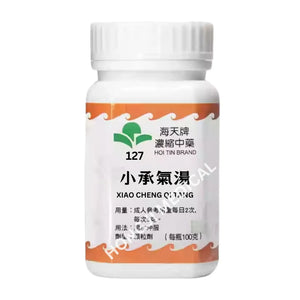
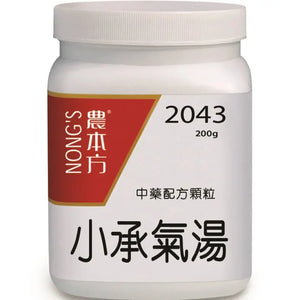
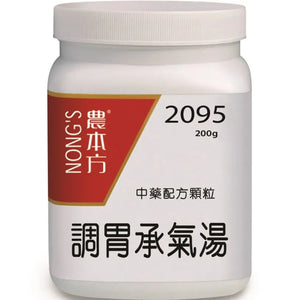
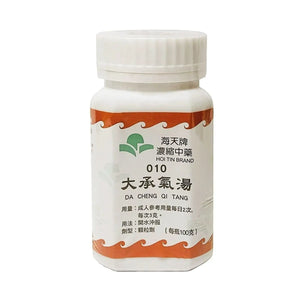
Purgative Formulas

小承气汤 · Xiǎo Chéng Qì Tāng

Xiao Cheng Qi Tang

A milder purgative formula for Yang Ming excess with constipation, abdominal fullness and mild tidal fever. It uses Da Huang, Hou Po and Zhi Shi without the intense moistening and softening of Mang Xiao found in Da Cheng Qi Tang.

View formula profile →
Last reviewed August 2026
Formula CategoryPurgative Formulas
Primary PatternStomach Heat
Primary FunctionMildly purge Heat accumulation
Primary Therapeutic PrincipleMildly purge Heat accumulation, move Qi and relieve fullness
Main HerbsRhubarb Root and Rhizome · Magnolia Bark · Immature Bitter Orange
Classical SourceShang Han Lun (Zhang Zhongjing, Eastern Han)

Why This Formula?

Traditionally selected for moderate Yang Ming bowel excess with fullness and constipation but without the extreme hardness and dryness that calls for Da Cheng Qi Tang — a gentler, Qi-moving purgative.

Traditionally selected for moderate Yang Ming bowel excess with fullness and constipation but without the extreme hardness and dryness that calls for Da Cheng Qi Tang — a gentler, Qi-moving purgative.

What Is Xiao Cheng Qi Tang?

1. Classical Record

Xiao Cheng Qi Tang, also known as Minor Order the Qi Decoction, is a classical formula from Zhang Zhongjing’s Shang Han Lun (Treatise on Cold Damage). As the milder member of the Cheng Qi Tang family, it is designed to gently purge heat accumulation from the intestines while relieving focal distention and fullness.

This formula is primarily used for mild Yangming bowel excess patterns, addressing symptoms such as tidal fever, abdominal distention and fullness, hard stools or constipation, and a yellow tongue coating. It remains an important foundational prescription in Traditional Chinese Medicine for clearing moderate internal heat accumulation without the stronger purging action of Da Cheng Qi Tang.

Xiao Cheng Qi Tang

2. Digestive Disorders

Xiao Cheng Qi Tang (小承气汤, Minor Order the Qi Decoction) is a classic formula that mildly purges heat accumulation, moves Qi, and relieves fullness in the intestines. Widely used for functional dyspepsia with epigastric distention, poor appetite, and dry stools when the pattern is mild Yangming bowel excess. It gently purges clumped heat and moves qi, promoting peristalsis and improving digestion. Effective for mild heat-bind constipation by eliminating dry-heat accumulations.

3. Neurologic Conditions

For agitation or delirium due to gastrointestinal heat accumulation disturbing the spirit, when accompanied by dry stools and abdominal distention consistent with yangming excess, Xiao Cheng Qi Tang may be used to purge intestinal heat and thereby alleviate restlessness and delirium.

Xiao Cheng Qi Tang

4. Other Conditions

Beneficial for postoperative slow return of bowel function, promoting peristalsis and restoring GI health. In infectious diseases with Yangming bowel excess (high fever, dry stools), it serves as adjunct therapy to purge clumped heat and control disease progression.

Herb Composition (Sovereign / Minister / Assistant / Envoy)

1. Monarch (Jun) — Da Huang

Da Huang is bitter and cold, powerfully draining clumped heat. It flushes out gastrointestinal accumulations and promotes renewal. In Xiao Cheng Qi Tang it purges the bowels, clears dry‑heat stagnation from the intestines, provides an outlet for the pathogen, and relieves yangming fu‑excess symptoms.

2. Minister (Chen) — Hou Po

Hou Po, bitter, acrid, warm, moves qi and relieves distention. It descends qi to reduce fullness and assists Da Huang to strengthen purgation, alleviating abdominal bloating. Together—one purging, one moving qi—they restore free flow and promote downward conduction of fu qi.

3. Assistant (Zuo) — Zhi Shi

Zhi Shi, bitter, acrid, slightly sour, warm, breaks up qi stagnation, reduces accumulation, and resolves phlegm‑focal distention. In the formula it primarily disperses qi and accumulations, enhances intestinal peristalsis, and promotes expulsion of waste. Synergizing with Hou Po, it reinforces qi‑moving and obstruction‑relieving actions, aiding Da Huang’s heat‑purgation.

Xiao Cheng Qi Tang

4. Envoy (Shi) — Gan Cao

Gan Cao, sweet and neutral, harmonizes the formula, moderating the harshness of Da Huang, Hou Po, and Zhi Shi so the effect unfolds without injuring the upright. It also benefits qi and the middle, protecting spleen–stomach from excessive damage by strong purgatives.

Clinical Presentation in TCM

1. Pathogenesis

Xiao Cheng Qi Tang targets the mild yangming bowel excess pattern. After an external cold pathogen transforms into internal heat in the yangming, heat dries fluids and binds with intestinal residues, forming dry stool and obstructing bowel qi. This presentation is milder than the full Cheng Qi pattern, not yet reaching hard, rock‑like impaction.

2. Functions

The formula gently purges clumped heat and relieves fullness and focal distention. By draining heat accumulation and clearing dry, retained matter from the intestines, it restores downward movement of bowel qi, relieving abdominal distention and constipation while dispersing epigastric oppression.

3. Indications

Indicated for mild yangming fu excess with signs such as dry, difficult stools, abdominal distention and fullness, abdominal pain aggravated by pressure, delirious speech with tidal fever, yellow‑dry tongue coat, and slippery‑rapid pulse. It may also be used at the early stage of dysentery with abdominal distention and tenesmus when the presentation is excess without qi deficiency.

Xiao Cheng Qi Tang

4. How to Identify If Xiao Cheng Qi Tang Fits Your Symptoms

It is indicated primarily for mild Yangming fu-organ excess (Heat accumulation with Qi stagnation in the Stomach and Intestines, milder than Da Cheng Qi Tang). Use this self-check as a practical guide—not a substitute for professional TCM diagnosis.

Step 1: Check Your Tongue

Look in the mirror under good natural light:

  • Tongue body: Often red or reddish.
  • Tongue coating: Yellow, dry, dirty-looking, or thick yellow coating (may appear “old” or slightly greasy). → A pale tongue with white moist coating usually points away from this heat-accumulation pattern.

Step 2: Evaluate Your Temperature Preference

  • Prefer or crave cool drinks; may feel internal heat or restlessness.
  • Afternoon tidal fever (fever that rises in the late afternoon/evening) or mild fever without strong aversion to cold.
  • Sweating may occur, but the main issue is interior Heat rather than exterior cold or deficiency.

Step 3: Match the Core Symptoms

Look for a cluster of these classic signs (the more that match, the stronger the fit):

  • Constipation with hard or dry stools, or difficulty passing stools.
  • Abdominal fullness, distension, or mild-to-moderate abdominal pain (may not intensify markedly with pressure).
  • Focal distention or a sense of blockage in the epigastrium or abdomen.
  • Possible irritability, mild restlessness, or (in stronger cases) slight delirium/talkativeness.
  • Early-stage dysentery-like symptoms with tenesmus (feeling of incomplete evacuation) and abdominal distension/pain.

Step 4: Notice Supporting Signs

  • Slippery and rapid (or slippery and forceful) pulse.
  • Dry mouth or thirst.
  • History of heat-type constipation, food stagnation transforming into Heat, or post-illness residual Heat in the intestines.
  • In some cases: mild tidal fever, foul-smelling stools, or abdominal discomfort that improves after bowel movement.

Practical tip: Keep a simple 3–5 day symptom diary noting tongue appearance (photo if helpful), stool quality and frequency, abdominal sensations (fullness vs. severe pain), temperature patterns, and any fever timing. Bring it to a qualified TCM practitioner for confirmation, pulse diagnosis, and personalized advice (including dosage and whether a stronger formula such as Da Cheng Qi Tang is more appropriate).

The Mechanism in Classical Theory

1. Da Huang: purging clumped heat

Bitter, cold, and descending, Da Huang reaches the lower burner to scour out intestinal heat accumulation—the principal purgative action—rapidly expelling dry, retained matter to relieve yangming bowel excess.

2. Hou Po: moving qi and reducing distention

Bitter‑warm and damp‑drying, Hou Po descends qi to relieve fullness, smooths gastrointestinal qi dynamics, facilitates expulsion of residues, and eases distention‑pain from impaired bowel qi movement.

3. Zhi Shi: breaking qi stagnation and resolving accumulation

Bitter‑acrid, slightly cold, Zhi Shi forcefully disperses qi stagnation, resolves accumulations and phlegm‑focal distention, drives qi downward, and, with Hou Po, enhances obstruction‑relieving actions while assisting elimination of residues and epigastric oppression.

Xiao Cheng Qi Tang

4. Gan Cao: harmonizing the formula

Sweet‑neutral Gan Cao moderates the harshness of Da Huang, Hou Po, and Zhi Shi so effects unfold without over‑purgation or injury to upright qi. It also benefits the middle to protect spleen–stomach during treatment.

Clinical Comparison Table

Compare Xiao Cheng Qi TangDa Cheng Qi TangTiao Wei Cheng Qi TangTao He Cheng Qi Tang
Primary Function Mildly purge Heat accumulationStrongly purge Heat accumulation and constipationMildly purge heat accumulation, harmonise the StomachInvigorate Blood, clear Heat, purge accumulation
Formula Category Purgative FormulasPurgative FormulasPurgative FormulasBlood-Invigorating Formulas
Typical TCM Pattern Stomach HeatStomach HeatStomach HeatBlood Stasis
Main Conditions Constipation, Bloating, Abdominal Pain, Fever, Anxiety RestlessnessConstipation, Bloating, Abdominal Pain, Fever, Anxiety RestlessnessConstipation, Abdominal Pain, Fever, Dry Mouth & ThroatBlood Stasis Constitution, Irregular Menstruation, Dysmenorrhea
Main Herbs Rhubarb Root and Rhizome · Magnolia Bark · Immature Bitter OrangeRhubarb Root and Rhizome · Mirabilite / Glauber's Salt · Magnolia Bark · Immature Bitter OrangeRhubarb Root and Rhizome · Mirabilite / Glauber's Salt · Honey-fried LicoricePeach Kernel · Rhubarb Root and Rhizome · Cinnamon Twig · Mirabilite / Glauber's Salt · Honey-fried Licorice
Classical Source Shang Han Lun (Zhang Zhongjing, Eastern Han)Shang Han Lun (Zhang Zhongjing, Eastern Han)Shang Han Lun (Zhang Zhongjing, Eastern Han)Shang Han Lun (Zhang Zhongjing, Eastern Han)

How to tell them apart

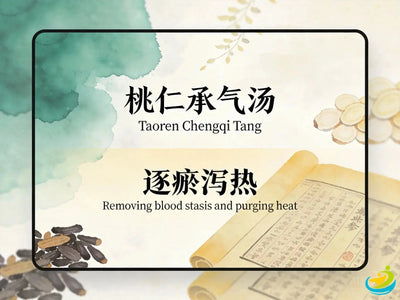
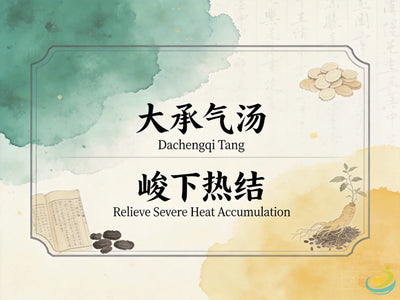
Xiao Cheng Qi Tang is the milder purgative for moderate Yang Ming excess. Da Cheng Qi Tang is the strongest, adding Mang Xiao for severe hardness and dryness. Tiao Wei Cheng Qi Tang is even milder, focusing on harmonising the Stomach. Tao He Cheng Qi Tang combines purgation with Blood-stasis breaking.

For educational reference only, based on traditional pattern differentiation — not a substitute for professional advice.

Clinical Modifications for Xiao Cheng Qi Tang

1. With marked qi stagnation

If qi stagnation is prominent with severe epigastric/abdominal distention, add Mu Xiang and Bing Lang to move qi and relieve obstruction, enhancing relief of distention.

2. With exuberant heat

If high fever, thirst, and sweating are evident, add Shi Gao and Zhi Mu to clear heat and drain fire, strengthening heat‑clearing for yangming bowel excess with pronounced heat.

Xiao Cheng Qi Tang

3. With yin deficiency

If yin‑deficiency signs appear (dry mouth and throat, red tongue with scant coat), add Sheng Di and Mai Dong to nourish yin and moisten dryness, preventing excessive purgation from injuring yin.

What the Science Suggests

1. Effects on Gastrointestinal Function

Modern studies show Xiao Cheng Qi Tang promotes GI peristalsis, increasing contraction amplitude and frequency of GI smooth muscle. Mechanisms may involve regulating GI hormone secretion and improving intestinal microcirculation. By enhancing motility, it improves digestion and relieves distention and constipation.

2. Modulation of the Gut Microbiota

Research indicates the formula can modulate gut flora—raising beneficial bacteria (e.g., Bifidobacterium), reducing harmful species, and maintaining microecological balance. By rebalancing the microbiota, it may enhance immunity and help prevent or treat certain intestinal disorders.

Xiao Cheng Qi Tang

3. Other Research Areas

Beyond GI effects and microbiota, studies suggest potential roles in oncology (inhibiting tumor cell growth, inducing apoptosis) and possible benefits in neurological and cardiovascular conditions. The underlying mechanisms remain under active investigation.

Safety Considerations

1. Stop when the effect is achieved

Use Xiao Cheng Qi Tang only until improvement; do not overdose. Overuse may cause excessive diarrhea and damage upright qi. Discontinue once stools pass smoothly and distention eases.

2. Use with caution in pregnancy

Caution in pregnancy due to purgative action that may disturb the fetus. If a pregnant patient presents with yangming excess, use only under medical supervision after risk–benefit assessment.

3. Contraindicated in cold‑deficiency constipation

Do not use for cold‑deficiency constipation (yang deficiency with internal cold and weak intestinal propulsion). Such cases require warming methods; the bitter‑cold purgative nature of Xiao Cheng Qi Tang may further injure yang and worsen the condition.

Questions About Xiao Cheng Qi Tang

Q1: What are the actions of Xiao Cheng Qi Tang?
Xiao Cheng Qi Tang has the actions of mildly purging Heat accumulation, moving Qi, and relieving abdominal fullness and distension. It is primarily used for mild Yang Ming fu excess patterns with constipation, abdominal bloating, and Heat signs without severe dryness of the stool.
Q2: Which modern diseases is Xiao Cheng Qi Tang suited to?
Modern TCM clinical practice commonly applies it to individuals whose pattern differentiation falls within mild Yang Ming Heat accumulation, including constipation with abdominal fullness, postoperative intestinal sluggishness, early-stage dysentery with tenesmus, and supportive care in selected acute abdominal conditions with Heat signs.
Q3: Is Xiao Cheng Qi Tang suitable for improving constipation and abdominal bloating?
For presentations of constipation with abdominal fullness and distension, mild tidal fever, yellow tongue coating, and a slippery rapid pulse — in those whose pattern differentiation confirms mild Yang Ming fu excess — TCM commonly applies Xiao Cheng Qi Tang as an adjunct. It cannot replace standard medical treatment.
Q4: Who should not take Xiao Cheng Qi Tang?
Pregnant women, individuals with Spleen-Stomach deficiency-cold, Qi or Blood deficiency, Yin deficiency with dryness, or those with severe mechanical bowel obstruction are generally not suitable. Use should be assessed by a qualified TCM physician based on individual constitution and pattern differentiation.
Q5: How does Xiao Cheng Qi Tang differ from Da Cheng Qi Tang?
Xiao Cheng Qi Tang is a milder purgative formula that emphasizes relieving fullness and Qi stagnation (pi and man) with less focus on severe dryness (zao). Da Cheng Qi Tang is stronger, includes Mang Xiao, and is used for more severe Yang Ming excess with marked dryness and hardness of stool. Pattern severity determines the choice.
Q6: Can Xiao Cheng Qi Tang be used for early-stage dysentery?
Yes, when early-stage dysentery presents with abdominal distension, tenesmus, and Heat signs matching mild Yang Ming accumulation. It helps move stagnant Qi and clear mild Heat. Professional diagnosis is essential to distinguish it from other dysentery patterns.
Q7: How long should Xiao Cheng Qi Tang be taken?
It is typically used short-term. Classical guidance emphasizes stopping once bowel movements are restored and symptoms ease (“zhong bing ji zhi” — stop when the effect is achieved). Prolonged use is not recommended as it may deplete Zheng Qi.
Q8: Is Xiao Cheng Qi Tang suitable for elderly or weak patients?
Generally it is used with caution or modified in elderly, weak, or chronically deficient patients because even mild purgation can further consume Qi and fluids. A qualified TCM physician may combine it with tonifying herbs or choose a gentler approach when necessary.
Q9: What are the main ingredients of Xiao Cheng Qi Tang?
The classical formula consists of three herbs: Da Huang (Rhubarb) to purge Heat and move the bowels, Hou Po (Magnolia bark) to move Qi and relieve fullness, and Zhi Shi (Immature bitter orange) to break up Qi stagnation and reduce distension.
Q10: When should Xiao Cheng Qi Tang be stopped?
Once bowel movements resume and abdominal fullness decreases, the formula should be discontinued. Continuing after the desired effect risks damaging healthy Qi. Any signs of excessive diarrhea, weakness, or worsening symptoms require immediate medical attention and professional reassessment.

General Questions

How do I choose the right formula?
TCM formulas are traditionally selected according to individual pattern differentiation rather than by symptom alone. If you're not sure which formula fits your presentation, take our AI Assessment below for a personalized starting point, then confirm with a qualified TCM practitioner.
What are concentrated herbal granules?
Concentrated herbal granules are made by decocting raw herbs, then extracting and concentrating the resulting liquid into a fine granule or powder form. This preserves the same active compounds as a traditional decoction while making the herbs far easier to store, measure, and prepare.
How should I take these products?
Dissolve the recommended amount of granules in hot water, stir until fully dissolved, and drink while warm — following the dosage and frequency advised by your TCM practitioner or as stated on the product packaging.
Are concentrated herbal granules equivalent to traditional decoctions?
Concentrated granules are produced from the same herbs and processed to retain their active compounds, so they are traditionally regarded as a convenient alternative to decoctions rather than a different remedy. Some practitioners note subtle differences in strength or absorption between the two forms, so your TCM practitioner may adjust dosage accordingly.
Are your products authentic?
Yes. HJMEDICAL sources its concentrated granules exclusively from established, reputable manufacturers such as Nong's and Hoi Tin, both long-standing names in the TCM granules industry, with GMP compliance stated directly on their packaging.
Are HJMEDICAL products manufactured under GMP standards?
HJMEDICAL sources its concentrated granules from established, reputable manufacturers such as Nong's and Hoi Tin, both long-standing names in the TCM granules industry. GMP compliance for these products is stated directly on their packaging.
Do you ship internationally?
Yes — we ship worldwide! Every order goes out via Hong Kong Post, and your exact shipping cost and estimated delivery time for your address are calculated and shown right at checkout, so there are never any surprises. We also offer free shipping once your order reaches our free-shipping threshold, so it's easy to stock up on your favorite formulas and save.
Can I take more than one formula at the same time?
Some formulas are traditionally combined, while others overlap or counteract each other. We recommend checking with a qualified TCM practitioner before combining formulas, especially if you are already taking other medication.
Are these products suitable during pregnancy or breastfeeding?
Some TCM formulas are not suitable during pregnancy or breastfeeding. Please consult a qualified TCM practitioner or your doctor before use if you are pregnant, trying to conceive, or nursing.
Do these products replace medical treatment?
No. These products are traditional herbal supplements intended to support wellbeing according to TCM principles — they are not a replacement for professional medical diagnosis or treatment. Please consult a qualified TCM practitioner or licensed healthcare provider before starting, stopping, or combining any treatment, especially if you have a chronic condition.
Medical Disclaimer

For general TCM education only — not medical advice. Consult a qualified TCM practitioner or licensed healthcare provider before use, especially if pregnant, nursing, on medication, or managing a chronic condition.

Not sure which formula is right for you?

Take the AI Assessment

最新文章

Login

Forgot your password?

Don't have an account yet?
Create account

Xiao Cheng Qi Tang: Classic TCM Formula for Mild Constipation & Abdominal Fullness