
归脾汤 · Guī Pí Tāng
Gui Pi Tang
A classical formula for Spleen Qi and Heart Blood deficiency from overthinking, with insomnia, palpitations, fatigue, poor appetite and possible spotting or pale menstruation.
View formula profile →Why This Formula?
Traditionally selected when overthinking has damaged Spleen and Heart — insomnia and fatigue with digestive weakness — rather than pure Middle-raising or general dual tonification.
Traditionally selected when overthinking has damaged Spleen and Heart — insomnia and fatigue with digestive weakness — rather than pure Middle-raising or general dual tonification.
Overview
What Is Gui Pi Tang?
1. Records & Background
Gui Pi Tang (归脾汤), or Restore the Spleen Decoction, is a classical formula first recorded in Yan Yong-he’s Ji Sheng Fang and later refined in the Ming dynasty. It belongs to the category of formulas that tonify Qi and Blood while strengthening the Spleen and nourishing the Heart.
This formula addresses Heart and Spleen Qi and Blood deficiency, commonly arising from excessive worry or overthinking that depletes both the Spleen’s generative function and the Heart’s ability to house the spirit. Typical signs include fatigue and weakness, poor appetite, palpitations, insomnia or dream-disturbed sleep, forgetfulness, anxiety, pale complexion, and in some cases easy bruising or abnormal bleeding due to the Spleen’s failure to hold Blood.
Combining Ren Shen and Huang Qi to tonify Qi, Bai Zhu and Fu Ling to strengthen the Spleen, Long Yan Rou and Suan Zao Ren to nourish Heart Blood and calm the spirit, Dang Gui to further enrich Blood, Yuan Zhi to promote Heart-Kidney communication, and a small amount of Mu Xiang to regulate Qi and prevent stagnation, Gui Pi Tang effectively restores the Spleen, nourishes the Heart, and settles the mind.

2. Cardiovascular System Diseases
- For patients dealing with conditions like coronary heart disease or arrhythmias, this formula is highly beneficial if their underlying pattern is a Heart and Spleen deficiency.
- Symptom Relief: Gui Pi Tang effectively improves uncomfortable symptoms such as palpitations, chest tightness, and shortness of breath.
- By boosting Qi, building blood, strengthening the Spleen, and nourishing the Heart, it enhances overall cardiac function and helps regulate the smooth flow of energy and blood to the heart.
3. Neurological System Diseases
- When conditions like neurasthenia (nervous exhaustion) and insomnia are rooted in a Heart and Spleen deficiency, Gui Pi Tang offers an excellent regulatory effect.
- Mental Clarity and Rest: It deeply nourishes the mind and spirit, which helps to significantly improve sleep quality. It is also highly effective at relieving associated symptoms like dizziness, chronic fatigue, and memory loss caused by this burnout.
4. Hematological System Diseases
- This formula is widely used for blood-related issues, such as thrombocytopenic purpura (easy bruising/bleeding) or iron-deficiency anemia, particularly when these are caused by the Spleen's inability to keep blood within the vessels.
- Restoring Balance: Gui Pi Tang works by strengthening Spleen Qi to control bleeding while simultaneously nourishing the body to create fresh blood, helping the hematological system recover its normal function.

5. Digestive System Diseases
- Patients suffering from chronic gastritis or peptic ulcers can benefit greatly if they exhibit signs of Heart and Spleen deficiency.
- Digestive Support: If you are experiencing symptoms like a dull, lingering stomach ache, poor appetite, and severe exhaustion, Gui Pi Tang steps in to regulate the Spleen and Stomach. It promotes better digestion and nutrient absorption, which in turn boosts the body's overall immunity and aids in a faster recovery.
How It Works
Herb Composition (Sovereign / Minister / Assistant / Envoy)
1. Chief Herbs: Bai Zhu, Fu Shen, and Huang Qi
- Bai Zhu: This herb is warm, sweet, and bitter, targeting the Spleen and Stomach meridians. It is a crucial herb for strengthening the Spleen and boosting Qi, as well as drying dampness. By improving your digestive system's ability to process and absorb nutrients, it lays down a solid foundation for your body to create new Qi and blood.
- Fu Shen: Neutral and sweet, this herb works on the Heart and Spleen. Its main job is to calm the mind and soothe the spirit, assisting the other Chief herbs in relieving the restlessness caused by a deficiency in both the Heart and Spleen.
- Huang Qi: Slightly warm and sweet, this powerful herb enters the Spleen and Lung meridians. It is famous for its strong ability to boost Qi and lift your body's energy. It can secure your body's exterior (to stop sweating), reduce swelling, and promote healing. In the Gui Pi Tang formula, it plays a critical role by deeply tonifying the Spleen and Stomach Qi, which drives the continuous production and circulation of blood.
2. Deputy Herbs: Long Yan Rou, Suan Zao Ren, and Ren Shen
- Long Yan Rou: Warm and sweet, this herb provides deep nourishment to the Heart and Spleen. It acts to build blood and powerfully calm the nervous system.
- Suan Zao Ren: This sweet and sour herb targets the Heart, Liver, and Gallbladder. It excels at nourishing the Heart and Liver to calm the spirit, generate fluids, and stop excessive sweating. When teamed up with herbs like Ren Shen and Long Yan Rou, it is highly effective at treating insomnia and palpitations rooted in a Heart and Spleen deficiency.
- Ren Shen: Slightly warm, sweet, and slightly bitter, this famous herb strongly replenishes your body's foundational "primal Qi." It boosts the Spleen and Lungs, generates fluids, and sharpens the mind, significantly enhancing the overall tonifying power of the entire formula.
3. Assistant Herbs: Mu Xiang and Zhi Gan Cao
- Mu Xiang: Warm, acrid, and bitter, this herb is an excellent digestive aid. Because this formula is packed with rich, heavy tonics, Mu Xiang is added to keep Qi moving smoothly and prevent bloating. It ensures the medicine is "tonifying without stagnating," allowing your Qi and blood to flow without blockage.
- Zhi Gan Cao: This neutral, sweet herb (honey-fried licorice) harmonizes the Spleen and Stomach while boosting Qi. It acts as a peacemaker, blending all the different ingredients together harmoniously while amplifying their overall tonifying effects.

4. Envoy Herb: Dang Gui
- Dang Gui: Warm, sweet, and acrid, this herb targets the Liver, Heart, and Spleen meridians. It is a master at both tonifying and invigorating the blood. In this formula, it ensures that your newly generated Qi and blood are not just abundant, but also circulating smoothly. It acts as a guide, directing the medicinal effects exactly where they need to go, while providing extra nourishment to the Heart and Spleen.
Symptoms Traditionally Associated
Clinical Presentation in TCM
1. Pathomechanism
- The core issue that Gui Pi Tang targets is a deficiency of both the Heart and Spleen. This often happens due to chronic overthinking, extreme stress, or poor eating habits that exhaust the digestive system.
- Because of this burnout, the body fails to produce enough fresh Qi and blood, leaving the Heart starved of nourishment.
- Spleen Weakness: When Spleen Qi is weak and digestion is sluggish, it leads to symptoms like a poor appetite, abdominal bloating, and loose stools.
- Heart Blood Deficiency: When the Heart lacks sufficient blood, the mind becomes unsettled, triggering anxious symptoms like palpitations, insomnia, and vivid, exhausting dreams.
2. Efficacy
- Gui Pi Tang is highly effective at boosting Qi, building blood, strengthening the Spleen, and nourishing the Heart.
- It works by deeply tonifying the Spleen and Stomach's energy, which kickstarts your body's natural ability to produce abundant Qi and blood.
- At the same time, it actively soothes and feeds the mind. By ensuring the Heart is well-nourished and energy levels are restored, it effectively resolves the complex web of symptoms caused by this dual deficiency.

3. Clinical Indications
- This formula is the go-to treatment for Heart and Spleen deficiency syndrome.
- Common Physical and Mental Signs: It is used when a patient experiences severe palpitations, forgetfulness, insomnia, night sweats, feelings of "empty heat," poor appetite, chronic fatigue, a sallow or pale complexion, a pale tongue with a thin white coating, and a thin, weak pulse.
- Bleeding Disorders (Spleen Failing to Control Blood): It is also widely used for conditions where weak Spleen Qi can no longer hold blood within the vessels. This manifests as blood in the stool, easy bruising under the skin, or gynecological issues like heavy uterine bleeding, early periods, or excessive, pale menstrual flow.
Formula Analysis
The Mechanism in Classical Theory
1. Tonifying Both Qi and Blood
- Powering Up Qi: Herbs like Huang Qi, Ren Shen, Bai Zhu, and Zhi Gan Cao strongly boost the Qi (energy) of the Spleen and Lungs. This creates a strong foundation, acting as the source for your body to generate new energy and blood.
- Building Blood: At the same time, Long Yan Rou and Dang Gui step in to actively nourish and rebuild your blood supply.
- The Synergy: By working together, they provide a powerful dual boost to both Qi and blood, ensuring that your Heart and Spleen get exactly what they need to maintain normal physiological functions and relieve the uncomfortable symptoms caused by deficiency.
2. Treating the Heart and Spleen Together
- Calming the Mind: Herbs like Fu Shen and Suan Zao Ren are included specifically to calm the spirit and soothe a Heart that has been starved of nourishment.
- Supporting Digestion: Meanwhile, herbs like Bai Zhu and Mu Xiang work on regulating the Spleen and Stomach. By strengthening digestion, they help the body naturally produce more Qi and blood.
- The Mind-Body Connection: In TCM, the Heart governs the mind and spirit, while the Spleen controls digestion and nutrient absorption. By treating both simultaneously, this formula ensures that your energy flows harmoniously, leaving you mentally vibrant and physically energized.

3. Tonifying Without Causing Stagnation
- Keeping Things Moving: Tonifying (nourishing) herbs can sometimes be heavy, rich, or cloying, which might slow down your digestion. The addition of Mu Xiang is a strategic move because it promotes the smooth flow of Qi.
- Preventing Bloating: It prevents the rich, nourishing herbs from causing bloating or stagnation in the stomach. This ensures that the Spleen's digestive function remains strong, allowing the newly generated Qi and blood to be produced and circulated smoothly throughout the body.
How This Formula Compares
Clinical Comparison Table
| Compare | Gui Pi Tang | Bu Zhong Yi Qi Tang | Ba Zhen Tang | Ren Shen Yang Rong Tang |
|---|---|---|---|---|
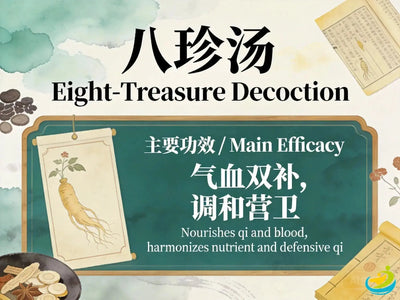
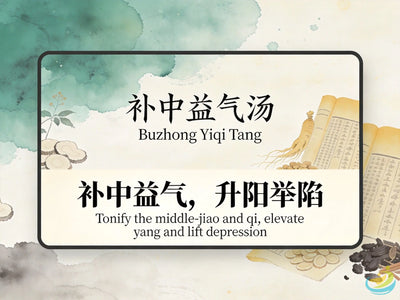
| Primary Function | Tonify Qi and Blood, strengthen Spleen, nourish the Heart | Tonify Middle Qi, raise Yang, lift the sunken | Tonify Qi and Blood | Tonify Qi and Blood, nourish the Heart, calm the spirit |
| Formula Category | Qi-Tonifying Formulas | Qi-Tonifying Formulas | Qi-Tonifying Formulas | Qi-Tonifying Formulas |
| Typical TCM Pattern | Qi Deficiency | Spleen Qi Deficiency | Qi Deficiency | Qi Deficiency |
| Main Conditions | Insomnia, Fatigue & Low Energy, Poor Appetite, Anxiety Restlessness, Irregular Menstruation | Fatigue & Low Energy, Spontaneous Sweating, Poor Appetite, Diarrhea, General Lethargy, Susceptible to Colds, Spleen Qi Deficiency | Fatigue & Low Energy, Poor Appetite, Irregular Menstruation, Dull Complexion, General Lethargy, Blood Deficiency Constitution, Qi Deficiency Constitution | Fatigue & Low Energy, Poor Appetite, Insomnia, Anxiety Restlessness, Dull Complexion |
| Main Herbs | Ginseng Root · Astragalus Root · White Atractylodes Rhizome · Poria / Hoelen · Sour Jujube Seed · Longan Aril · Aucklandia / Costus Root · Chinese Angelica Root · Polygala Root · Honey-fried Licorice | Astragalus Root · Ginseng Root · White Atractylodes Rhizome · Chinese Angelica Root · Tangerine Peel · Cimicifuga Rhizome · Bupleurum Root · Honey-fried Licorice | Ginseng Root · White Atractylodes Rhizome · Poria / Hoelen · Honey-fried Licorice · Prepared Rehmannia Root · Chinese Angelica Root · White Peony Root · Chuanxiong Rhizome | Ginseng Root · White Atractylodes Rhizome · Astragalus Root · Chinese Angelica Root · White Peony Root · Prepared Rehmannia Root · Tangerine Peel · Poria / Hoelen · Schisandra Fruit · Polygala Root · Honey-fried Licorice · Cinnamon Bark |
| Classical Source | Ji Sheng Fang (Yan Yonghe, Song dynasty) | Pi Wei Lun / Nei Wai Shang Bian Huo Lun (Li Dongyuan, Jin dynasty, ~1247–1249) | Zheng Ti Lei Yao (Xue Ji, Ming dynasty) / derived from Si Jun Zi Tang + Si Wu Tang | Tai Ping Hui Min He Ji Ju Fang (Song dynasty) |
How to tell them apart
Gui Pi Tang tonifies Spleen-Heart for overthinking deficiency. Bu Zhong Yi Qi Tang raises Middle Qi. Ba Zhen Tang is a general dual tonic. Ren Shen Yang Rong Tang more broadly tonifies and calms.
Clinical Modifications
Clinical Modifications for Gui Pi Tang
1. For Severe Palpitations
- If your palpitations are intense, we can add Long Gu and Mu Li.
- These herbs provide a "heavy" anchoring effect that strongly calms the spirit and settles a racing heart, offering excellent relief for more severe symptoms.
2. For Severe Insomnia
- For patients struggling to get a good night's rest, we add Ye Jiao Teng and He Huan Pi.
- These ingredients greatly enhance the formula's ability to nourish the Heart and relax the mind, helping you fall asleep faster and improving your overall sleep quality.
3. For Severe Blood Deficiency
- If signs of blood deficiency are especially prominent (such as extreme paleness, dizziness, or numbness), we can increase the dosage of Dang Gui and add Shu Di Huang.
- This gives the formula an extra power boost to rapidly build and nourish your blood supply.
4. For Spleen Deficiency with Loose Stools
- When Spleen weakness mainly shows up as poor digestion and loose stools, we rely heavily on a larger dose of Bai Zhu, and add herbs like Shan Yao and Yi Yi Ren.
- These are fantastic for strengthening the Spleen's digestive power and effectively stopping diarrhea.

5. For Concurrent Yin Deficiency
- If you also show signs of Yin deficiency (like a dry mouth, night sweats, or a feeling of internal heat), we mix in Yin-nourishing herbs such as Mai Dong, Yu Zhu, and Sheng Di.
- This ensures that the warming and tonifying nature of the base formula doesn't overheat your system or dry you out.
Modern Research
What the Science Suggests
1. Pharmacological Effects
Modern research has uncovered some fascinating ways that Gui Pi Tang works within the body:
- Immune System Boost: It helps regulate immune function, giving your body's natural resistance and overall immunity a significant upgrade.
- Cardiovascular Health: It improves cardiovascular performance by reducing the heart's oxygen consumption and increasing blood flow through the coronary arteries.
- Nervous System & Mental Health: It actively regulates the release of neurotransmitters, which explains why it's so effective at improving sleep quality and your overall mental state.
- Digestive Support: It has a highly positive impact on your gut by promoting healthy gastrointestinal motility and boosting your body's ability to digest and absorb nutrients.

2. Clinical Efficacy Validation
Extensive clinical studies have strongly backed up the traditional uses of Gui Pi Tang, showing it to be a highly safe and reliable option:
- Proven Symptom Relief: It is highly effective for treating diseases related to Heart and Spleen deficiency. It shows remarkable results in clearing up classic symptoms like palpitations, insomnia, poor appetite, and a pale or sallow complexion.
- Chronic Disease Management: It has shown a clear therapeutic edge when treating tricky modern conditions like chronic fatigue syndrome and functional dyspepsia (chronic indigestion).
- Future Potential: As modern medical research continues to dive deeper into this formula, its applications are only expected to grow, offering broad and exciting prospects for its use in everyday modern healthcare.
Safety
Safety Considerations
1. Dietary and Lifestyle Precautions
While taking Gui Pi Tang, keep a light diet and avoid spicy, greasy, raw, cold, or irritating foods, as they may impair spleen-stomach transformation and transportation. Maintain emotional calm, avoid excessive worry and fatigue, and ensure adequate sleep to support the formula’s therapeutic effect.
2. Contraindications and Allergy Warning
Gui Pi Tang is contraindicated in patients with excess or heat patterns, such as phlegm-dampness, blood stasis, fever, bitter taste in the mouth, or dry throat, as it may worsen the condition. Do not use this formula if allergic to any of its ingredients.
Available Products
Where to Get It
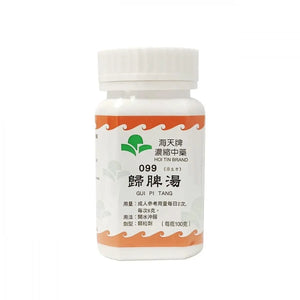 HJMEDICAL
Hoi Tin Gui Pi Tang (Restore the Spleen Decoction) 5:1 Concentrated Granules
$31.89
HJMEDICAL
Hoi Tin Gui Pi Tang (Restore the Spleen Decoction) 5:1 Concentrated Granules
$31.89
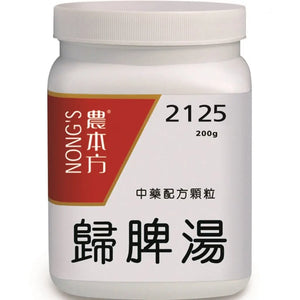 HJMEDICAL
Nong's Gui Pi Tang (Restore the Spleen Decoction) 5:1 Concentrated Granules
$59.81
HJMEDICAL
Nong's Gui Pi Tang (Restore the Spleen Decoction) 5:1 Concentrated Granules
$59.81
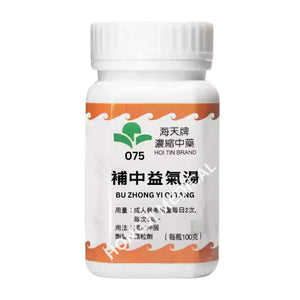 HJMEDICAL
Hoi Tin Bu Zhong Yi Qi Tang (Tonify the Middle Qi) 5:1 Concentrated Granules
$26.32
HJMEDICAL
Hoi Tin Bu Zhong Yi Qi Tang (Tonify the Middle Qi) 5:1 Concentrated Granules
$26.32
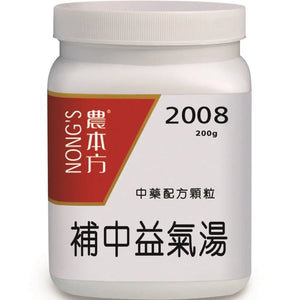 HJMEDICAL
Nong's Bu Zhong Yi Qi Tang (Tonify the Middle) 5:1 Concentrated Granules
$56.60
HJMEDICAL
Nong's Bu Zhong Yi Qi Tang (Tonify the Middle) 5:1 Concentrated Granules
$56.60
 HJMEDICAL
Hoi Tin Ba Zhen Tang (Eight Treasures Decoction) 5:1 Concentrated Granules
$22.15
HJMEDICAL
Hoi Tin Ba Zhen Tang (Eight Treasures Decoction) 5:1 Concentrated Granules
$22.15
 HJMEDICAL
Nong's Ba Zhen Tang (Eight Treasures Decoction) 5:1 Concentrated Granules
$51.25
HJMEDICAL
Nong's Ba Zhen Tang (Eight Treasures Decoction) 5:1 Concentrated Granules
$51.25

FAQ
Questions About Gui Pi Tang
Q1: What are the actions of Gui Pi Tang?
Q2: Which modern diseases is Gui Pi Tang suited to?
Q3: Is Gui Pi Tang suitable for improving fatigue, poor appetite, palpitations, insomnia, and forgetfulness from overthinking?
Q4: Who should not take Gui Pi Tang?
Q5: Why does this formula address both the Spleen and the Heart?
Q6: Can Gui Pi Tang help with bleeding caused by Spleen Qi deficiency (Spleen not controlling Blood)?
Q7: What are the main ingredients of Gui Pi Tang?
Q8: Is Gui Pi Tang suitable for long-term use?
Q9: How does Gui Pi Tang differ from pure Qi tonics or pure Blood tonics?
Q10: What lifestyle advice supports the use of Gui Pi Tang?
FAQ
General Questions
How do I choose the right formula?
What are concentrated herbal granules?
How should I take these products?
Are concentrated herbal granules equivalent to traditional decoctions?
Are your products authentic?
Are HJMEDICAL products manufactured under GMP standards?
Do you ship internationally?
Can I take more than one formula at the same time?
Are these products suitable during pregnancy or breastfeeding?
Do these products replace medical treatment?
Medical Disclaimer
For general TCM education only — not medical advice. Consult a qualified TCM practitioner or licensed healthcare provider before use, especially if pregnant, nursing, on medication, or managing a chronic condition.
Not sure which formula is right for you?
Take the AI Assessment最新文章
-

Yang He Tang: Classic TCM Formula for Yin-Type Sores, Cold Abscesses & Deficiency Cold
Yang He Tang: Classic TCM Formula for Yin-Type Sores, Cold Abscesses & Deficiency Cold

-
Yang He Tang: Classic TCM Formula for Yin-Type Sores, Cold Abscesses & Deficiency Cold
Yang He Tang: Classic TCM Formula for Yin-Type Sores, Cold Abscesses & Deficiency Cold -

Juan Bi Tang: Classic TCM Formula for Wind-Damp Bi Syndrome, Joint Pain & Numbness
Juan Bi Tang: Classic TCM Formula for Wind-Damp Bi Syndrome, Joint Pain & Numbness -

Shi Xiao San: Classic TCM Formula for Blood Stasis, Menstrual Pain & Fixed Abdominal Pain
Shi Xiao San: Classic TCM Formula for Blood Stasis, Menstrual Pain & Fixed Abdominal Pain -

Zhi Bai Di Huang Wan: Classic TCM Formula for Yin Deficiency with Fire, Night Sweats & Hot Flashes
Zhi Bai Di Huang Wan: Classic TCM Formula for Yin Deficiency with Fire, Night Sweats & Hot Flashes -

Fang Ji Huang Qi Tang: Classic TCM Formula for Edema, Sweating & Wind-Damp
Fang Ji Huang Qi Tang: Classic TCM Formula for Edema, Sweating & Wind-Damp


