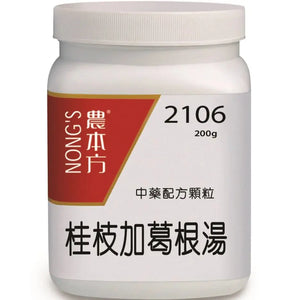
Guizhi Jia Gegen Tang

I. Origins and History
1. Classical Literature
Guizhi Jia Gegen Tang originates from the Shang Han Lun (Treatise on Cold Damage), composed by Zhang Zhongjing — the Sage of Medicine — of the Eastern Han dynasty. The Shang Han Lun is one of the classical works of Chinese medicine; it systematically expounds the principles of pattern identification and treatment for externally contracted diseases and miscellaneous conditions, and has exerted a profound influence on later TCM clinical practice and theoretical development. Guizhi Jia Gegen Tang, as one of its important formulas, has provided invaluable experience for later generations in the treatment of externally contracted diseases and related conditions.
2. Historical Development
Since the Shang Han Lun was published, physicians of every dynasty have placed great importance on Guizhi Jia Gegen Tang and continued to research and apply it in depth. In the course of its transmission, the dosages, processing methods, and other aspects of the formula may have varied owing to the background of the times, regional differences, and individual physicians' experience; but the basic composition and core actions of the formula have always remained stable. It has fulfilled an important clinical role across every historical period, helping countless patients overcome illness, and has become a shining gem in the treasury of TCM formulas.

II. Herb Composition (Sovereign, Minister, Assistant, Envoy)
1. Chief Herb: Guizhi
- Flavour, Nature, and Channel Tropism
Guizhi (Cinnamon Twig) is acrid and sweet in flavour, warm in nature, and enters the Heart, Lung, and Bladder channels.
- Actions
It has the actions of inducing sweat and releasing the muscles, warming and unblocking the channels and vessels, and assisting yang and transforming qi. It can disperse wind-cold pathogenic factors from the exterior, unblock the qi of the channels and collaterals at the skin and muscles, and enable wind-cold pathogens to be resolved from the exterior. At the same time, it can warm and unblock heart yang, promote blood circulation, and has a good regulatory effect on conditions such as heart yang insufficiency and impeded blood flow. For example, in certain symptoms such as chest pain and palpitations caused by congestion of cold pathogen, Guizhi can often fulfil an important therapeutic role.
- Role in the Formula
Guizhi serves as chief herb in Guizhi Jia Gegen Tang, leading all herbs to release the muscles and effuse the exterior, dispersing wind-cold pathogenic factors from the exterior, and is the key herb through which the formula fulfils its exterior-releasing and cold-scattering actions.
2. Deputy Herb: Shaoyao
- Flavour, Nature, and Channel Tropism
Shaoyao (Peony Root) is bitter and sour in flavour, mildly cold in nature, and enters the Liver and Spleen channels.
- Actions
It nourishes blood and regulates menstruation, constrains yin and stops sweating, softens the liver and relieves pain, and calms and subdues liver yang. It can nourish blood and harmonise ying; combined with Guizhi, it harmonises ying and wei so that they are in accord. At the same time, it can relieve sinew and vessel spasm and pain, and has a certain soothing effect on limb pain that may occur in the course of externally contracted disease. For example, in patients with externally contracted wind-cold who also present with limb soreness, Shaoyao can work synergistically with Guizhi and other herbs to achieve a better therapeutic outcome.
- Role in the Formula
Shaoyao serves as deputy herb, assisting Guizhi in harmonising ying and wei, enhancing the formula's overall efficacy, and simultaneously addressing sinew and vessel discomfort that may arise in externally contracted disease.
3. Adjuvant Herbs: Shengjiang and Dazao
- Shengjiang (Fresh Ginger)
- Flavour, Nature, and Channel Tropism
Shengjiang is acrid in flavour, mildly warm in nature, and enters the Lung, Spleen, and Stomach channels.
- Actions
It has the actions of releasing the exterior and scattering cold, warming the middle and stopping vomiting, and transforming phlegm and relieving cough. It can reinforce Guizhi's force of releasing the exterior and scattering cold, while also warming the stomach to stop vomiting and preventing the herbs from damaging the stomach. When taking exterior-releasing herbs, Shengjiang can facilitate the dispersal of medicinal force, enabling external pathogens to be expelled more readily. For example, in the early stage of wind-cold cold, drinking a bowl of ginger broth can fulfil a good exterior-releasing and cold-scattering function.
- Role in the Formula
Shengjiang serves as adjuvant herb, assisting Guizhi in releasing the exterior; it can also moderate the cold nature of the other herbs, protecting the spleen and stomach function so that the formula can release the exterior without damaging the upright qi.
- Dazao (Jujube)
- Flavour, Nature, and Channel Tropism
Dazao is sweet in flavour, warm in nature, and enters the Spleen, Stomach, and Heart channels.
- Actions
It has the actions of tonifying the middle and augmenting qi, nourishing blood, and calming the spirit. It can tonify and supplement the spleen and stomach, nourish qi and blood; combined with Shaoyao, it strengthens the actions of nourishing blood and harmonising ying, and can also moderate medicinal potency so that the entire formula becomes more harmonious. For example, in patients with a weaker constitution taking exterior-releasing formulas, Dazao can fulfil the role of supporting the upright qi, helping patients recover more effectively.
- Role in the Formula
Dazao assists Shaoyao in nourishing blood, moderates the forceful nature of all herbs in the formula, enables the formula to expel pathogens without damaging the upright qi, and fulfils the role of harmonising the medicinal nature and protecting the upright qi.
4. Envoy Herb: Gancao
- Flavour, Nature, and Channel Tropism
Gancao (Licorice Root) is sweet in flavour, neutral in nature, and enters the Heart, Lung, Spleen, and Stomach channels.
- Actions
It has the actions of tonifying the spleen and augmenting qi, moistening the lungs and relieving cough, clearing heat and resolving toxin, and harmonising all herbs. It can tonify the spleen and harmonise the stomach, coordinate the interactions among the herbs in the formula, and enable them to better express their synergistic actions. At the same time, Gancao can moderate the toxicity and forceful nature of the herbs and protect the upright qi. For example, in formulas with a more intense medicinal nature, Gancao can fulfil the role of harmonising the medicinal nature and reducing the adverse effects of the herbs.
- Role in the Formula
Gancao serves as envoy herb, harmonising all herbs and coordinating the relationships among the chief, deputy, and adjuvant herbs, enabling the entire formula to function as an organic whole and collectively fulfil the actions of releasing the exterior, harmonising ying and wei, and other therapeutic effects.

III. Pathomechanism, Actions, and Indications
1. Pathomechanism (Wind-Cold Binding the Exterior with Inhibited Channel Qi)
- Wind-Cold Binding the Exterior
When the body's defensive exterior function is weakened, wind-cold pathogens invade the skin and muscles, causing wei qi to be depressed and ying qi to become sluggish, giving rise to symptoms such as aversion to cold, fever, and sweating. At this point, qi and blood circulation in the channels and collaterals of the skin and muscles is impaired, requiring timely exterior release and cold scattering to restore normal flow of qi and blood.
- Inhibited Channel Qi
Wind-cold pathogens invade the Taiyang channel at the exterior, and when Taiyang channel qi becomes inhibited, the symptom of stiff and tense neck and upper back (xiang bei qiang ji ji) may appear. The Taiyang channel runs through the head and neck and back; when channel qi is impeded, local muscle spasm, pain, and stiffness result. This state of inhibited channel qi not only affects local qi and blood circulation but is also interrelated with the overall pathomechanism of the externally contracted disease.
2. Actions of Guizhi Jia Gegen Tang
- Releasing Muscles and Releasing the Exterior
Through the action of herbs such as Guizhi, wind-cold pathogens at the skin and muscles are dispersed and scattered, qi and blood at the skin and muscles are made to flow freely, and symptoms such as aversion to cold and fever are relieved.
- Harmonising Ying and Wei
Herbs such as Shaoyao, Dazao, and Gancao work in concert to harmonise ying qi and wei qi, restoring the disharmonious state of ying and wei to normal, thereby improving symptoms such as spontaneous sweating and aversion to wind.
- Raising Fluids and Relaxing the Sinews
Gegen (Kudzu Root) can raise and effuse the clear yang qi of the spleen and stomach, distributing fluids upward to nourish and moisten the sinews and vessels, relieving the symptom of stiff and tense neck and upper back, relaxing channel qi, and restoring normal circulation of qi and blood in the channels.
3. Indications
- Exterior Deficiency Pattern of Externally Contracted Wind-Cold
Symptoms include fever, aversion to wind, sweating, and headache. As wei qi is deficient and the skin and muscles are not consolidated, wind-cold pathogens readily invade the skin and muscles, causing disharmony of ying and wei with the manifestations described above. Guizhi Jia Gegen Tang, through its actions of releasing the muscles and releasing the exterior and harmonising ying and wei, can effectively treat this type of exterior deficiency pattern of externally contracted wind-cold.
- Taiyang Disease with Stiff, Tense Neck and Upper Back (Xiang Bei Qiang Ji Ji)
This presents as tension, stiffness, and pain in the neck and nape muscles with impaired rotation. It is caused by wind-cold pathogens invading the Taiyang channel so that channel qi is impeded and the sinews and vessels lose their nourishment. Gegen in Guizhi Jia Gegen Tang can raise fluids and relax the sinews, relieving the symptom of stiff and tense neck and upper back; it produces good therapeutic results for this particular presentation caused by Taiyang disease.

IV. Formula Analysis
1. Synergy Between Releasing the Exterior and Scattering Cold, and Harmonising Ying and Wei
- Guizhi releases the muscles and releases the exterior, dispersing and scattering wind-cold pathogens and opening the blockage at the skin and muscles so that the pathogenic qi has a route of egress. Shaoyao nourishes blood and constrains yin; combined with Guizhi — one dispersing and one constraining — they harmonise ying and wei. When ying and wei are in harmony, qi and blood flow freely, which helps to resist external pathogens and at the same time relieves various symptoms caused by ying-wei disharmony, such as fever, sweating, and aversion to wind. Shengjiang assists Guizhi's force of releasing the exterior and scattering cold; Dazao combined with Shaoyao nourishes blood and harmonises ying; Gancao harmonises all herbs — together they promote the expression of the actions of releasing the exterior, scattering cold, and harmonising ying and wei.
2. Mechanism of Gegen's Action of Raising Fluids and Relaxing the Sinews
Gegen (Kudzu Root) is sweet, acrid, and cool in flavour and nature, and enters the Spleen and Stomach channels. It can raise and effuse the clear yang qi of the spleen and stomach, transporting the fluids generated by the spleen and stomach's transformation and transportation upward to the head, nape, and back to nourish and moisten the sinews and vessels. When wind-cold invades the Taiyang channel causing inhibited channel qi and stiff, tense neck and upper back, Gegen's action of raising fluids and relaxing the sinews can effectively relieve local muscle tension and pain and restore normal movement of channel qi. Working synergistically with herbs such as Guizhi, it jointly adjusts the state of qi and blood and channels in the body during the course of externally contracted disease, achieving the therapeutic purpose.

V. Comparison with Related Formulas
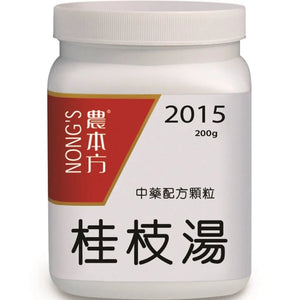
1. Comparison with Guizhi Tang
- Similarities
Guizhi Jia Gegen Tang and Guizhi Tang both originate from the Shang Han Lun, both have the actions of releasing the muscles and releasing the exterior and harmonising ying and wei, and both can be used to treat exterior deficiency patterns of externally contracted wind-cold. The two formulas share similarities in herb composition, both containing Guizhi, Shaoyao, Shengjiang, Dazao, and Gancao.
- Differences
Guizhi Jia Gegen Tang adds Gegen to Guizhi Tang. Guizhi Tang primarily targets the general presentations of exterior deficiency patterns of externally contracted wind-cold, such as fever, aversion to wind, and sweating. Guizhi Jia Gegen Tang, by contrast, focuses more on treating exterior deficiency patterns of externally contracted wind-cold with the additional symptom of stiff and tense neck and upper back. The addition of Gegen strengthens the formula's action of raising fluids and relaxing the sinews, enabling the formula to better relieve local symptoms caused by inhibited Taiyang channel qi while simultaneously treating the externally contracted disease.
2. Comparison with Mahuang Tang
- Similarities
Both can be used to treat externally contracted wind-cold patterns.
- Differences
Mahuang Tang treats an exterior excess pattern of externally contracted wind-cold, presenting as aversion to cold, fever, absence of sweating, headache, and body pain; its pathomechanism is wind-cold binding the exterior with wei yang being depressed and ying yin stagnating, and treatment focuses primarily on inducing sweat to release the exterior and diffusing the lungs to calm wheezing, with the principal herbs being Mahuang, Guizhi, Xingren, and Gancao — Mahuang's sweat-inducing force being relatively strong. Guizhi Jia Gegen Tang, by contrast, treats an exterior deficiency pattern of externally contracted wind-cold, with presentations of sweating and aversion to wind; its pathomechanism is wind-cold binding the exterior with disharmony of ying and wei and inhibited channel qi, and treatment focuses primarily on releasing the muscles and releasing the exterior, harmonising ying and wei, and raising fluids and relaxing the sinews — its sweat-inducing force being relatively weaker — and it includes ying-wei-harmonising herbs such as Shaoyao and Dazao, with the addition of Gegen to relieve stiff and tense neck and upper back.

VI. Clinical Applications
1. Common Cold
- Clinical Presentation
Guizhi Jia Gegen Tang is more suitable for patients with wind-cold cold who also present with mild fever, aversion to wind, sweating, and headache, along with neck discomfort and stiffness. These patients tend to have a weaker constitution with insecure wei qi, making them prone to invasion by wind-cold pathogens and presenting with the typical symptoms described above.
- Therapeutic Rationale
Through the formula's actions of releasing the muscles and releasing the exterior, harmonising ying and wei, and raising fluids and relaxing the sinews, wind-cold pathogens at the skin and muscles are dispersed and scattered, the disharmonious state of ying and wei is adjusted, neck and nape muscle discomfort is relieved, and relief of cold symptoms and recovery of the body are promoted.
2. Cervical Spondylosis
- Clinical Presentation
For cervical spondylosis patients presenting with neck and nape pain and stiffness, restricted movement, and accompanying symptoms of aversion to cold and fear of wind, where TCM pattern differentiation identifies wind-cold invading the Taiyang channel with inhibited channel qi, Guizhi Jia Gegen Tang may be considered. Some patients may also have accompanying symptoms such as dizziness and upper limb numbness, which are related to impeded channel qi and obstructed qi and blood circulation.
- Therapeutic Rationale
Gegen in the formula can raise fluids and relax the sinews, relieving neck and nape muscle tension and pain; herbs such as Guizhi can disperse and scatter wind-cold, harmonise ying and wei, and improve local qi and blood circulation, thereby reducing cervical spondylosis symptoms and achieving the therapeutic purpose.

VII. Clinical Modifications
1. For Concurrent Cough
If the patient also presents with cough symptoms, herbs such as Xingren (Apricot Kernel) and Jiegeng (Platycodon Root) may be added. Xingren can descend qi, relieve cough, and calm wheezing; Jiegeng can diffuse the lungs and benefit the throat, dispel phlegm, and relieve cough. Their combined action strengthens the cough-relieving and phlegm-transforming effect, enabling the formula to better relieve cough symptoms while treating the externally contracted disease.
2. For Concurrent Spleen-Stomach Weakness
If the patient has spleen-stomach weakness with relatively poor transforming and transporting function, herbs such as Baizhu (Atractylodes Rhizome) and Fuling (Poria) may be added. Baizhu can strengthen the spleen and augment qi, dry dampness, and promote urination; Fuling can promote urination and drain dampness, strengthen the spleen, and calm the heart. Their addition helps to enhance spleen and stomach function, promote digestion and absorption, enable the patient to better restore upright qi during the illness, and also facilitates the absorption and expression of the herbs.

VIII. Dosage and Preparation
1. Traditional Method
This guide introduces the classical decoction and administration procedure for Guizhi Jia Gegen Tang — a celebrated formula for Taiyang channel exterior patterns from the Shang Han Lun. Through the heavier use of Gegen to release the muscles and raise fluids to relax the sinews, combined with Guizhi Tang to harmonise ying and wei, and observing the standard strong-to-gentle heat transition together with the distinctive "cover with blanket to promote sweating" method, the formula achieves its full effect of releasing the muscles, releasing the exterior, descending qi, and engendering fluids.
- Gegen (Kudzu Root): 4 liang in classical measure (approx. 12g; chief herb; releases the muscles and releases the exterior, raises fluids and relaxes the sinews)
- Guizhi (Cinnamon Twig): 3 liang (approx. 9g; chief herb; warms yang and transforms qi, scatters cold and releases the exterior)
- Shaoyao (Peony Root): 3 liang (approx. 9g; deputy herb; constrains yin and harmonises ying, softens sinews and relieves pain)
- Shengjiang (Fresh Ginger) 3 liang: 3 liang (approx. 9g; adjuvant herb; sliced; acrid dispersing to assist Guizhi in inducing sweat)
- Dazao (Jujube) 12 pieces: 12 pieces (adjuvant herb; split open; sweet and moistening to tonify the spleen, harmonises ying and wei)
- Zhigancao (Honey-Fried Licorice Root): 2 liang (approx. 6g; envoy herb; honey-fried; harmonises all herbs and relaxes the middle to relieve urgency)
- Water: 7 sheng in classical measure (approx. 1400 ml; for modern decoction, add an appropriate amount of water)
2. Modern Concentrated Granules
- Herb Dosages
Guizhi 9g, Shaoyao 9g, Gancao 6g, Shengjiang 9g, Dazao 12 pieces (equivalent to Dazao extract), Gegen 12g. Modern concentrated granules are prepared by extracting and concentrating traditional Chinese herbs through various pharmaceutical processes, making them more convenient to take.
- Method of Administration
Generally dissolved in hot boiled water before drinking; specific dosage and frequency may follow the traditional method but should be in accordance with the physician's instructions. Modern concentrated granules retain the active constituents of the Chinese herbs and are convenient to store and carry, making them well suited to modern fast-paced lifestyles.

IX. Precautions and Contraindications
1. Precautions
- During the Course of Medication
After taking the medicine, care should be taken to keep warm and avoid further exposure to wind-cold, so as not to impair the therapeutic effect. At the same time, the diet should be light and easily digestible; raw and cold, oily, and pungent stimulating foods should be avoided, as these may damage the spleen and stomach and affect the absorption and transformation of the herbs.
- Monitoring the Response
The patient's response after taking the medicine should be closely monitored, including sweating status and changes in symptoms. If excessive sweating or other uncomfortable symptoms occur, the physician should be informed promptly so that the treatment plan can be adjusted.
2. Contraindications
- Contraindicated in Externally Contracted Wind-Heat Patterns
Guizhi Jia Gegen Tang is suited to exterior deficiency patterns of externally contracted wind-cold. For patients with externally contracted wind-heat patterns, presenting with fever, mild aversion to wind-cold, sweating, thirst, and sore throat, this formula should not be used. Its medicinal nature tends toward warm; use in such cases may aggravate wind-heat symptoms and be detrimental to recovery.
- Use with Caution in Those with Yin Deficiency and Yang Hyperactivity
The formula contains warm and hot herbs such as Guizhi. Those with a yin-deficient and yang-hyperactive constitution — who habitually present with symptoms such as dizziness, vertigo, tinnitus, vexation and irritability, insomnia, a red tongue with scant coating, and a fine, rapid pulse — should use Guizhi Jia Gegen Tang with caution, to prevent warm and hot herbs from damaging yin and aggravating the symptoms of yin deficiency and yang hyperactivity.

X. Modern Research
1. Pharmacological Research
- Effects on the Immune System
Guizhi Jia Gegen Tang (桂枝加葛根汤) originates from the Shang Han Lun; it primarily treats Taiyang disease with stiff, tense neck and upper back (xiang bei qiang ji ji), and has the actions of inducing sweat and releasing the exterior, activating blood, and relaxing the sinews. It is suited to patterns presenting with faint sweating, sweating to the contrary, or persistent moistening sweat. The formula is composed of Zhigancao, Baishao, and Gegen 4 liang among others; it is commonly compared with Guizhi Tang and Gegen Tang, and is applied clinically for Taiyang disease wind-cold exterior patterns with concurrent inhibition of the channels.
Modern research has found that Guizhi Jia Gegen Tang may have an immunomodulatory action on the body. It can enhance the body's immune function, improve the body's resistance to external pathogens, promote the proliferation and activity of lymphocytes, and enhance macrophage phagocytic function. This helps to explain how the formula, in the course of treating externally contracted disease, assists patients in restoring health through regulation of the immune system.
- Effects on the Cardiovascular System
Herbs such as Guizhi in the formula have a certain vasodilating action and can improve blood circulation. Research indicates that Guizhi Jia Gegen Tang may have a positive effect on the cardiovascular system, reducing vascular resistance, increasing coronary blood flow, and improving myocardial blood supply. This may have a certain therapeutic and regulatory effect on cardiovascular functional abnormalities such as palpitations that may arise as a result of externally contracted disease.
2. New Clinical Research Findings
- Exploring Applications in Other Diseases
In recent years, some clinical studies have attempted to apply Guizhi Jia Gegen Tang to diseases other than common cold and cervical spondylosis. For example, in certain neurological conditions, for nerve dysfunction caused by invasion of wind-cold, Guizhi Jia Gegen Tang may improve nerve conduction and muscle function through its actions of releasing the muscles and relaxing the sinews, achieving a certain degree of clinical efficacy. In some rheumatic diseases as well, for patients with wind-cold-damp impediment type conditions, the formula has also shown potential for relieving joint pain and improving joint mobility, opening new directions for the clinical application of the formula.
Guizhi Jia Gegen Tang — Frequently Asked Questions
Q1: What are the actions of Guizhi Jia Gegen Tang?
Guizhi Jia Gegen Tang has the actions of releasing the muscles and releasing the exterior, relaxing the sinews and unblocking the channels, and engendering fluids to relieve urgency. It is commonly used for wind-cold exterior patterns accompanied by stiff and painful neck and nape, headache, aversion to wind, and body soreness.
Q2: Which modern diseases is Guizhi Jia Gegen Tang applicable to?
In modern TCM clinical practice, it is commonly used for individuals with common cold, cervical myofascial pain syndrome, tension headache, and acute cervical muscle strain that fall within the TCM pattern of wind-cold attacking the exterior with spasm and urgency of the channels.
Q3: Is Guizhi Jia Gegen Tang suitable for people with a cold accompanied by neck stiffness?
For those presenting in the early stage of a cold with posterior neck stiffness, shoulder and back tightness, headache, aversion to wind, and mild fever who conform to the wind-cold binding the exterior pattern, TCM practitioners commonly apply Guizhi Jia Gegen Tang based on pattern differentiation; however, it cannot replace standard diagnosis and treatment of infectious disease.
Q4: Who should not take Guizhi Jia Gegen Tang?
Patients with wind-heat cold, high fever with vexing thirst, yin deficiency with effulgent fire, and heat damaging fluids are generally not suitable candidates for Guizhi Jia Gegen Tang. It should be used only after a qualified TCM physician has conducted a pattern-differentiation assessment based on the individual's constitution and pattern characteristics.
Guizhi Jia Gegen Tang — Frequently Asked Questions
Q1: What are the actions of Guizhi Jia Gegen Tang?
Guizhi Jia Gegen Tang has the actions of releasing the muscles and releasing the exterior, relaxing the sinews and unblocking the channels, and engendering fluids to relieve urgency. It is commonly used for wind-cold exterior patterns accompanied by stiff and painful neck and nape, headache, aversion to wind, and body soreness.
Q2: Which modern diseases is Guizhi Jia Gegen Tang applicable to?
In modern TCM clinical practice, it is commonly used for individuals with common cold, cervical myofascial pain syndrome, tension headache, and acute cervical muscle strain that fall within the TCM pattern of wind-cold attacking the exterior with spasm and urgency of the channels.
Q3: Is Guizhi Jia Gegen Tang suitable for people with a cold accompanied by neck stiffness?
For those presenting in the early stage of a cold with posterior neck stiffness, shoulder and back tightness, headache, aversion to wind, and mild fever who conform to the wind-cold binding the exterior pattern, TCM practitioners commonly apply Guizhi Jia Gegen Tang based on pattern differentiation; however, it cannot replace standard diagnosis and treatment of infectious disease.
Q4: Who should not take Guizhi Jia Gegen Tang?
Patients with wind-heat cold, high fever with vexing thirst, yin deficiency with effulgent fire, and heat damaging fluids are generally not suitable candidates for Guizhi Jia Gegen Tang. It should be used only after a qualified TCM physician has conducted a pattern-differentiation assessment based on the individual's constitution and pattern characteristics.
⚠️ This content is for reference only and does not provide medical advice. Consult a healthcare professional for any health concerns.