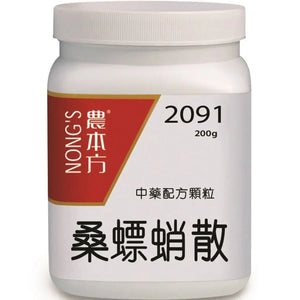
Sang Piao Xiao San: Traditional Chinese Formula for Urinary Health and Kidney Qi Support

I. Origins and History

1. Classical Literature

Sang Piao Xiao San (桑螵蛸散) is a classical Traditional Chinese Medicine formula traditionally used to support urinary function, stabilize essence, and address patterns of Kidney Qi deficiency with frequent urination.

Sang Piao Xiao San originates from the Song dynasty *Bencao Yanyi* (Amplified Materia Medica) and is one of the classical named formulas in TCM formulary. Since antiquity, conditions such as seminal emission, spermatorrhoea, and frequent urination have attracted considerable attention in terms of both understanding and treatment. Sang Piao Xiao San was created precisely to address these common yet troublesome health problems.

2. Historical Development and Transmission

Since its creation, Sang Piao Xiao San has been continuously applied and transmitted through the clinical practice of physicians across successive generations. Over time, practitioners further explored and refined its herb composition, dosage ratios, and applicable conditions, allowing it to play an increasingly important role in the treatment of related disorders in andrological and gynaecological practice. It has become one of the commonly used formulas in TCM clinical management of such conditions.

Sang Piao Xiao San: Tonifying the Kidneys, Securing Essence and Calming the Spirit | HJMEDICAL

II. Herb Composition (Sovereign, Minister, Assistant, Envoy)

1. Sovereign Herb: Sangpiaoxiao (Mantis Egg-case)

Sangpiaoxiao is sweet and salty in flavour, neutral in nature, and enters the Liver and Kidney channels. It secures essence and reduces urination, and tonifies the kidneys and assists yang. In Sang Piao Xiao San, it is the core herb, playing a key role in addressing the principal symptoms of seminal emission, spermatorrhoea, and frequent urination. It effectively astringes and secures the lower burner, producing the effect of consolidating essence and stopping involuntary loss.

2. Minister Herbs: Yuanzhi (Polygala Root), Changpu (Acorus Rhizome)

Yuanzhi is acrid and bitter in flavour, warm in nature, and enters the Heart, Kidney, and Lung channels. It calms the spirit and sharpens the intellect, and facilitates communication between the heart and kidneys. Changpu is acrid and bitter in flavour, warm in nature, and enters the Heart and Stomach channels. It opens the orifices and dispels phlegm, and arouses the spirit and sharpens the intellect. These two herbs assist Sangpiaoxiao by reinforcing the actions of facilitating heart-kidney communication and calming and stabilising the spirit, producing a synergistic therapeutic effect for symptoms such as seminal emission and spermatorrhoea caused by non-interaction of the heart and kidneys.

3. Assistant Herbs: Longgu (Dragon Bone), Guijia (Tortoise Plastron)

Longgu is sweet and astringent in flavour, neutral in nature, and enters the Heart, Liver, and Kidney channels. It settles fright and calms the spirit, calms the liver and anchors yang, and astringes and consolidates. Guijia is salty and sweet in flavour, cold in nature, and enters the Liver, Kidney, and Heart channels. It nourishes yin and anchors yang, benefits the kidneys and strengthens the bones, and nourishes blood and supplements the heart. Paired with Sangpiaoxiao, they reinforce the astringing and consolidating action; additionally, Guijia's yin-nourishing action prevents yin from being damaged by excessive essence-consolidation.

4. Envoy Herbs: Renshen (Ginseng), Fushen (Poria with Pine Root)

Renshen is sweet and slightly bitter in flavour, slightly warm in nature, and enters the Spleen, Lung, Heart, and Kidney channels. It greatly tonifies primordial qi, restores the pulse and prevents collapse, tonifies the spleen and benefits the lungs, engenders fluids and nourishes blood, and calms the spirit and sharpens the intellect. Fushen is sweet and bland in flavour, neutral in nature, and enters the Heart and Spleen channels. It quiets the heart and calms the spirit. As envoy herbs, Renshen greatly tonifies qi and blood to support the upright, while Fushen quiets the heart and calms the spirit; together they guide all the herbs directly to the site of disease, allowing the formula as a whole to exert its therapeutic effect more fully.

Sang Piao Xiao San: Tonifying the Kidneys, Securing Essence and Calming the Spirit | HJMEDICAL

III. Pathomechanism, Actions, and Indications

1. Pathomechanism

The pathomechanism targeted by Sang Piao Xiao San is primarily non-interaction of the heart and kidneys. The heart governs the spirit-mind; the kidneys govern storage and containment. When, for various reasons, the yin-yang balance between the heart and kidneys is disrupted and water and fire fail to nourish each other, the spirit-mind becomes unsettled and the kidneys lose their containing function. Factors such as excessive fatigue, emotional disturbance, and constitutional weakness from prolonged illness can all trigger non-interaction of the heart and kidneys, giving rise to seminal emission, spermatorrhoea, frequent urination, and related symptoms.

2. Actions

Sang Piao Xiao San regulates and tonifies the heart and kidneys, and astringes essence to stop involuntary loss. By facilitating communication between the heart and kidneys, the spirit-mind is settled and kidney qi is consolidated, thereby achieving the effect of astringing and consolidating, and treating conditions such as seminal emission and spermatorrhoea.

3. Indications

The primary indications are seminal emission and spermatorrhoea arising from non-interaction of the heart and kidneys. Symptoms include frequent seminal emission or uncontrollable spermatorrhoea, mental and physical fatigue, a pallid and lustreless complexion, palpitations and insomnia, poor memory and profuse dreaming, and frequent urination with a clear and copious stream. The formula also produces good results for frequent urination and enuresis caused by non-interaction of the heart and kidneys.

Sang Piao Xiao San: Tonifying the Kidneys, Securing Essence and Calming the Spirit | HJMEDICAL

IV. Formula Analysis

1. The Ingenuity of Heart-Kidney Communication

In this formula, Sangpiaoxiao tonifies the kidneys and consolidates essence as the sovereign herb, directly addressing the pathomechanism of the kidneys losing their containing function. Yuanzhi and Changpu facilitate communication between the heart and kidneys as minister herbs; when the heart and kidneys interact harmoniously, the spirit is settled and the will is stabilised, helping to improve seminal emission, spermatorrhoea, and related symptoms. Longgu and Guijia reinforce the astringing and consolidating action, and together with Renshen and Fushen act as assistant and envoy herbs to tonify qi and blood, support the upright and calm the spirit, and guide all the herbs to act synergistically — allowing heart and kidneys to communicate and the essence gate to be consolidated.

2. Synergistic Herb Interactions

The sovereign, minister, assistant, and envoy herbs work in mutual coordination to form an integrated whole. The essence-consolidating action of Sangpiaoxiao acts synergistically with the astringing and consolidating effects of Longgu and Guijia, reinforcing the therapeutic effect on seminal emission and spermatorrhoea. The heart-kidney-communicating action of Yuanzhi and Changpu acts synergistically with the spirit-calming effect of Fushen, improving the symptoms of spirit-mind unsettlement. Renshen's action of greatly tonifying primordial qi provides support for the whole formula's upright-supporting function, allowing the body's upright qi to recover during the treatment of disease and favouring recovery.

Sang Piao Xiao San: Tonifying the Kidneys, Securing Essence and Calming the Spirit | HJMEDICAL

V. Comparison with Related Formulas

1. Jinsuo Gujing Wan

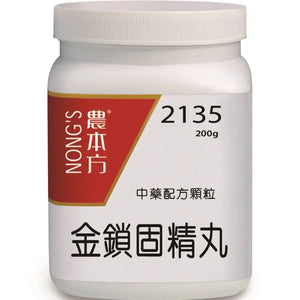
Jinsuo Gujing Wan focuses primarily on consolidating and astringing essence, and is composed of Shayuanzi (Complanate Astragalus Seed), Qianshi (Euryale Seed), Lianxu (Lotus Stamen), Longgu (Dragon Bone), Muli (Oyster Shell), and Lianzi (Lotus Seed). Compared with Sang Piao Xiao San, it emphasises straightforward essence-consolidation, and its regulatory action on heart-kidney non-interaction is relatively limited. Sang Piao Xiao San not only consolidates essence but also places greater emphasis on facilitating heart-kidney communication, making it more comprehensive for treating conditions such as seminal emission arising from heart-kidney non-interaction.

2. Sangjisheng San

Sangjisheng San primarily tonifies the liver and kidneys and benefits the blood vessels, and is used to treat conditions of liver-kidney insufficiency and blood vessel deficiency. Its composition includes Sangjisheng (Taxillus Stem), Danggui (Angelica Root), Chuanxiong (Ligusticum Rhizome), Duhuo (Pubescent Angelica Root), Xuduan (Teasel Root), Duzhong Ye (Eucommia Leaf), Xiangfu (Nutgrass Rhizome), Fushen (Poria with Pine Root), Renshen (Ginseng), and Gancao (Licorice Root). Its pathomechanism, actions, and indications differ considerably from those of Sang Piao Xiao San: Sang Piao Xiao San primarily targets seminal emission and related conditions arising from heart-kidney non-interaction, while Sangjisheng San focuses on conditions related to liver-kidney insufficiency.

Sang Piao Xiao San: Tonifying the Kidneys, Securing Essence and Calming the Spirit | HJMEDICAL

VI. Clinical Applications

1. Andrological Conditions

In andrological clinical practice, Sang Piao Xiao San is one of the commonly used formulas for patients with frequent seminal emission or spermatorrhoea accompanied by heart-kidney non-interaction symptoms such as mental fatigue, palpitations, and insomnia. By regulating and tonifying the heart and kidneys, and astringing essence to stop involuntary loss, it effectively improves patients' symptoms and enhances quality of life.

2. Gynaecological Conditions

In gynaecological practice, Sang Piao Xiao San also has applications for symptoms such as frequent urination and enuresis caused by heart-kidney non-interaction. For example, when postpartum women or perimenopausal women present with such symptoms, Sang Piao Xiao San may be applied through pattern differentiation according to the specific clinical situation.

3. Other Conditions

In addition, where patients present with insomnia, poor memory, and related symptoms caused by heart-kidney non-interaction, accompanied by seminal emission, spermatorrhoea, or frequent urination, Sang Piao Xiao San may also be considered. By restoring the balance between the heart and kidneys, the formula achieves the aim of improving multiple symptoms simultaneously.

Sang Piao Xiao San: Tonifying the Kidneys, Securing Essence and Calming the Spirit | HJMEDICAL

VII. Clinical Modifications

1. Pronounced Yin Deficiency

Where the patient's yin deficiency symptoms are more prominent, yin-nourishing and kidney-supplementing herbs such as Shudihuang (Processed Rehmannia Root) and Shanzhuyu (Cornus Fruit) may be added. Shudihuang nourishes yin and nourishes blood, and replenishes essence and fills the marrow; Shanzhuyu tonifies the liver and kidneys, and astringes to secure against prolapse. Together they reinforce the formula's yin-nourishing and kidney-supplementing action, preventing yin from being damaged by excessive essence-consolidation.

2. Exuberant Heart Fire

For patients with exuberant heart fire presenting with worsened vexation and insomnia, heart-clearing and fire-draining herbs such as Huanglian (Coptis Rhizome) and Lianzi Xin (Lotus Plumule) may be added. Huanglian clears heat and dries dampness, drains fire and resolves toxins; Lianzi Xin clears the heart and calms the spirit — together they drain and clear heart fire, allowing heart-kidney communication to proceed more smoothly.

3. Marked Qi Deficiency

Where the patient's qi deficiency is evident, the dosage of Renshen may be increased, or Huangqi (Astragalus Root) may be added to reinforce the qi-tonifying action. Huangqi tonifies qi and raises yang, secures the exterior and stops sweating, promotes urination and reduces oedema, engenders fluids and nourishes blood, moves stagnation and unblocks painful obstruction, supports toxin expulsion and drains pus, and promotes the healing of sores — working together with Renshen in Sang Piao Xiao San to further reinforce the qi-tonifying and upright-supporting action.

Sang Piao Xiao San: Tonifying the Kidneys, Securing Essence and Calming the Spirit | HJMEDICAL

VIII. Dosage and Preparation

1. Traditional Decoction Method

Traditional Classical Decoction Method for Sang Piao Xiao San

This outlines the traditional decoction and administration process for Sang Piao Xiao San, the classical astringing and regulating formula recorded in the Song dynasty *Bencao Yanyi* (Amplified Materia Medica). Through strict classical processing of mineral and animal-derived substances such as Longgu, Guijia, and Sangpiaoxiao, followed by prolonged gentle simmering, the formula achieves the remarkable effect of regulating and tonifying the heart and kidneys, and astringing essence to stop involuntary loss.

【Prescription Composition and Preparation Materials】
  • Sangpiaoxiao (Mantis Egg-case): 30g (sovereign herb — classically prepared by butter-frying; tonifies the kidneys and assists yang, secures essence and reduces urination)
  • Longgu (Dragon Bone): 30g (adjuvant herb — classically calcined; astringes essence and stops involuntary loss, settles fright and calms the spirit)
  • Guijia (Tortoise Plastron): 30g (adjuvant herb — classically prepared by butter-frying; nourishes yin and anchors yang, tonifies the heart and kidneys)
  • Renshen (Ginseng) and Fushen (Poria with Pine Root): 30g each (envoy herbs — greatly tonifies primordial qi, quiets the heart and calms the spirit)
  • Danggui (Angelica Root): 30g (adjuvant herb — nourishing and harmonising the blood)
  • Yuanzhi (Polygala Root): 30g (minister herb — classically requires removing the woody core; facilitates heart-kidney communication, calms the spirit and transforms phlegm)
  • Shichangpu (Stone Acorus Rhizome): 30g (minister herb — resolves dampness and opens the orifices, sharpens hearing and brightens the eyes)
  • Water: as needed (for soaking and classical slow decoction)
Step 1: Classical Processing and Extended Cold-Water Soaking Process each herb according to classical methods: **Yuanzhi must have its woody core removed (去心)** to prevent vexation; **Longgu must be calcined**; **Guijia and Sangpiaoxiao must be prepared by butter-frying (酥炙)** to facilitate the release of active constituents. Once all herbs are weighed and ready, place them in a ceramic decocting pot and add a sufficient quantity of cold water, then **soak in cold water in the pot for 30–40 minutes**, allowing both the mineral-shell and animal-derived substances to absorb water thoroughly.
Step 2: Bringing to a Boil on High Heat, Then Simmering on Low Heat Once soaking is complete, apply heat. **First bring the liquid rapidly to a boil on high heat.** When the liquid in the pot reaches a rolling boil, **immediately reduce to low heat and simmer gently for 30–40 minutes**. Since the formula contains hard shell-and-mineral substances such as Longgu and Guijia, a prolonged gentle simmer at just-simmering temperature is required to allow the astringing and spirit-calming medicinal action to be released steadily.
Step 3: Straining the Dregs and Measuring the Decoction Once the decoction time is complete, immediately remove from heat and, while still hot, strain thoroughly through fine gauze cloth, **removing the herb dregs from the bottom**. Pour the strained clear liquid into a clean receiving vessel and measure carefully, ensuring a high-quality, clear decoction free of mineral fragments and of consistent concentration.
Step 4: Taking in Warm Divided Doses for Astringing and Regulation **Divide the strained medicinal liquid equally and take warm in two doses.** The traditional method is typically **one decoction per day, taken once in the morning and once in the evening** (or on an empty stomach as directed by the practitioner). Through the regular warming nourishment of the medicinal action, the formula fully exerts its targeted regulatory effects of facilitating heart-kidney communication, supplementing the heart and calming the spirit, and securing essence to reduce urination.

2. Modern Concentrated Granules

A concentrated granule form is also now available, which is considerably more convenient to take. Patients need only dissolve the granules in hot water according to the dosage stated in the product instructions. This dosage form preserves the therapeutic effect of the traditional formula while simplifying the decoction process, making it well-suited to the pace of modern life. When using concentrated granules, however, the TCM principles of pattern differentiation and treatment must still be followed, with the correct dosage selected according to the condition.

Sang Piao Xiao San: Tonifying the Kidneys, Securing Essence and Calming the Spirit | HJMEDICAL

IX. Precautions and Contraindications

1. Dietary Restrictions

During the course of taking Sang Piao Xiao San, spicy, greasy, and irritating foods — such as chillies and deep-fried foods — should be avoided. These foods may aggravate damp-heat in the body and impair the formula's therapeutic effect. Alcohol should also be avoided, as it is stimulating to the body and unfavourable to recovery.

2. Emotional Regulation

During the course of treatment, patients should maintain a relaxed and positive state of mind and avoid excessive emotional reactions. Adverse emotional states such as excessive anxiety, tension, and depression may further aggravate the symptoms of heart-kidney non-interaction and impair the formula's therapeutic action. Patients should learn to relieve stress through appropriate means, such as listening to music, walking, or talking with friends.

3. Special Populations

Sang Piao Xiao San should be used with caution in pregnant women, as the herbs in the formula may have some effect on the foetus. Additionally, those with spleen-stomach weakness and poor digestion should exercise caution when using the formula; the dosage may be adjusted appropriately, or spleen-strengthening and stomach-harmonising herbs may be added, according to the specific situation, to prevent damage to spleen-stomach function.

Sang Piao Xiao San: Tonifying the Kidneys, Securing Essence and Calming the Spirit | HJMEDICAL

X. Modern Research

1. Pharmacological Research

Sang Piao Xiao San is recorded in the *Yifang Jijie* (Collected Explanations of Medical Formulas) and is primarily indicated for frequent urination, disorientation of the spirit-mind, and related conditions arising from heart-kidney non-interaction; it is also applicable to diabetic patients. These patients typically present with a pale tongue with white coating and a thin, weak pulse. The herbs in the formula — including Sangpiaoxiao — possess the actions of astringing and stopping involuntary loss, and tonifying and supplementing the heart and kidneys, producing good results for the relevant symptoms.

Modern research has demonstrated that the herbs in Sang Piao Xiao San possess a range of pharmacological actions. Sangpiaoxiao contains proteins, fats, carbohydrates, and trace elements including calcium, phosphorus, and iron; its extracts may have regulatory effects on the nervous system, helping to improve neural function and thus exerting a degree of therapeutic action on seminal emission, spermatorrhoea, and related conditions. Yuanzhi has sedative and anticonvulsant effects, and can regulate the balance of excitation and inhibition in the cerebral cortex, improving the unsettled spirit-mind caused by heart-kidney non-interaction. Longgu and Guijia contain various minerals and amino acids, possessing certain sedative, spirit-calming, and astringing actions. Renshen can regulate the body's immune function, strengthen resistance, and has a positive effect on improving overall condition.

2. Clinical Efficacy Validation

In modern clinical research, observation of large numbers of patients treated with Sang Piao Xiao San for seminal emission, spermatorrhoea, and related conditions has demonstrated that the formula produces good clinical results. It can markedly reduce the frequency of seminal emission and spermatorrhoea, and improve accompanying symptoms such as mental and physical fatigue and palpitations with insomnia. Compared with certain Western medical treatments, Sang Piao Xiao San has relatively fewer side effects and is capable of regulating the body holistically, improving patients' quality of life.

3. Research on Dosage Form Development

As modern technology has advanced, research into new dosage forms for Sang Piao Xiao San has continued. In addition to the concentrated granules mentioned above, some studies have explored formulating it as capsules, pills, and other new dosage forms. These new forms maintain the therapeutic efficacy of the formula while further improving its stability and ease of administration, providing more options for clinical use.

Sang Piao Xiao San — Frequently Asked Questions

Q1: What are the actions of Sang Piao Xiao San?

Sang Piao Xiao San tonifies the kidneys and astringes, reduces urination and stops involuntary loss, and calms the spirit and sharpens the intellect. It is primarily indicated for frequent urination, enuresis, urinary incontinence, poor memory, and unsettled spirit-mind caused by kidney qi insufficiency.

Q2: Which modern conditions is Sang Piao Xiao San indicated for?

In modern TCM clinical practice, it is commonly used for individuals whose pattern differentiation falls within the categories of dual heart-kidney deficiency and insecure kidney qi — including neurogenic urinary frequency, stress urinary incontinence, childhood enuresis, and overactive bladder.

Q3: Is Sang Piao Xiao San suitable for patients with frequent urination?

For patients presenting with heart-kidney insufficiency signs — including frequent urination, increased nocturia, urgent need to urinate, enuresis, and accompanying decline in memory and profuse dreaming with insomnia — TCM practitioners commonly apply Sang Piao Xiao San through pattern differentiation as an adjunct regulating formula to improve bladder control capacity and related symptoms.

Q4: Who should not take Sang Piao Xiao San?

Sang Piao Xiao San is generally not suitable for those with damp-heat pouring downward, acute urinary tract infection, painful and difficult urination, or excess heat patterns. Use should be preceded by a pattern differentiation assessment by a qualified TCM practitioner according to the patient's constitution and pattern presentation.

⚠️ This content is for reference only and does not provide medical advice. Consult a healthcare professional for any health concerns.

Login

Forgot your password?

Don't have an account yet?
Create account

Sang Piao Xiao San: Traditional Chinese Formula for Urinary Health and Kidney Qi Support