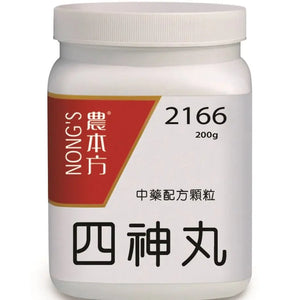
Sishen Wan

Sishen Wan: Warming the Kidneys, Tonifying the Spleen, Astringing the Intestines and Stopping Diarrhoea | HJMEDICAL

I. Origins and History

1. Background and Origins

Sishen Wan, as a classical formula in Chinese medicine, has a long and far-reaching history. Its emergence is closely tied to the understanding and therapeutic needs of ancient physicians dealing with conditions such as diarrhoea and fifth-watch diarrhoea (dawn diarrhoea). In ancient times, people were plagued by digestive disorders including spleen-stomach deficiency-cold and intestinal dysfunction; physicians continuously explored effective treatments, and Sishen Wan gradually took shape within this context.

2. Historical Development

The formula can be traced as far back as the Jisheng Fang (Formulas for Aid of the Living) by Yan Yonghe of the Song dynasty, where the original formula was named "Wuweizi San" (Schisandra Powder), used primarily to treat diarrhoea caused by kidney yang insufficiency. Later, in the Zhengzhi Zhunsheng (Standards of Patterns and Treatments) by Wang Kentang of the Ming dynasty, the formula was further refined and renamed "Sishen Wan," and has been used under this name ever since. Over time, physicians of successive generations continued to practise and summarise their experience with this formula, making its clinical application increasingly mature and widespread.

Sishen Wan: Warming the Kidneys, Tonifying the Spleen, Astringing the Intestines and Stopping Diarrhoea | HJMEDICAL

II. Herb Composition (Sovereign, Minister, Assistant, Envoy)

1. Chief Herb — Buguzhi (Psoralea Fruit)

Buguzhi is acrid and bitter in flavour and warm in nature, entering the Kidney and Spleen channels. It has the actions of tonifying the kidneys and assisting yang, consolidating essence and reducing urination, and warming the spleen to stop diarrhoea. In Sishen Wan, Buguzhi serves as the chief herb, targeting the key pathomechanism of kidney yang insufficiency. Its warm-hot nature fortifies kidney yang, enabling the kidney qi to warm and nurture the body, thereby improving the condition of spleen-stomach deficiency-cold and impaired transformation and transport, addressing the diarrhoea at its root.

2. Deputy Herb — Roudoukou (Nutmeg)

Roudoukou is acrid in flavour and warm in nature, entering the Spleen, Stomach, and Large Intestine channels. It has the actions of warming the middle and moving qi, and astringing the intestines to stop diarrhoea. It assists Buguzhi in reinforcing the spleen-warming and diarrhoea-stopping potency; its qi-moving action simultaneously helps to improve impeded intestinal qi movement and promotes digestion and absorption. Working synergistically with Buguzhi, the two jointly address the primary pathomechanism of diarrhoea.

3. Assistant Herb — Wuweizi (Schisandra Fruit)

Wuweizi is sour and sweet in flavour and warm in nature, entering the Lung, Heart, and Kidney channels. It has the actions of astringing and consolidating, boosting qi and generating fluids, and supplementing the kidneys and calming the heart. In Sishen Wan, Wuweizi primarily provides the astringing and consolidating action, preventing the loss of fluids caused by diarrhoea. Combined with Buguzhi and Roudoukou, it enhances the diarrhoea-stopping effect and also helps to regulate the body's overall function.

4. Envoy Herb — Wuzhuyu (Evodia Fruit)

Wuzhuyu is acrid and bitter in flavour, hot in nature, and slightly toxic, entering the Liver, Spleen, Stomach, and Kidney channels. It has the actions of dispersing cold to relieve pain, directing counterflow downward to stop vomiting, and assisting yang to stop diarrhoea. Serving as the envoy herb, it guides all the herbs directly to the site of disease on one hand, and on the other, its warm-hot nature reinforces Buguzhi's kidney-warming and spleen-tonifying action, promoting the exertion of the medicinal force and more effectively treating fifth-watch diarrhoea and similar conditions.

Sishen Wan: Warming the Kidneys, Tonifying the Spleen, Astringing the Intestines and Stopping Diarrhoea | HJMEDICAL

III. Pathomechanism, Actions, and Indications

1. Pathomechanism

The pathomechanism targeted by Sishen Wan is primarily kidney yang insufficiency with decline of the mingmen fire, causing the fire to fail in warming the earth — leading to failure of the spleen to transport and transform, the intestines losing their ability to consolidate, and the consequent onset of diarrhoea. Kidney yang is the root of all yang qi in the body; when kidney yang is depleted, the warming function weakens, leaving the spleen and stomach deficiency-cold. Transformation and transport become impaired, food and water fail to be transformed, and the dregs cannot be consolidated — giving rise to diarrhoea.

2. Actions

Sishen Wan has the actions of warming the kidneys and tonifying the spleen, and astringing and consolidating the intestines to stop diarrhoea. By warming and supplementing kidney yang, the kidney qi warms and nourishes the spleen and stomach, strengthening their transforming and transporting function; simultaneously, the intestines are astricted and consolidated to prevent diarrhoea, achieving the goal of treating both root and manifestation.

3. Indications

Sishen Wan is primarily indicated for fifth-watch diarrhoea (dawn diarrhoea), poor appetite, failure to digest food, or chronic unremitting diarrhoea, abdominal pain relieved by warmth, soreness of the lumbar region, and cold limbs. Fifth-watch diarrhoea is its characteristic presentation: pain around the navel and abdomen typically arises before dawn, bowel rumbling is immediately followed by diarrhoea, and relief comes after defecation. Its onset is closely associated with kidney yang insufficiency and interior exuberance of yin cold, and Sishen Wan produces excellent therapeutic results for this class of conditions.

Sishen Wan: Warming the Kidneys, Tonifying the Spleen, Astringing the Intestines and Stopping Diarrhoea | HJMEDICAL

IV. Formula Analysis

1. Warming the Kidneys and Tonifying the Spleen

Buguzhi warms and supplements kidney yang and is the foremost herb for warming the kidneys; Roudoukou warms the middle and moves qi, warming the spleen and stopping diarrhoea. The two paired together warm the kidneys and tonify the spleen, fundamentally improving the condition of kidney yang insufficiency and failure of spleen transport and transformation, laying the foundation for treating diarrhoea.

2. Astringing the Intestines and Stopping Diarrhoea

Wuweizi is sour and astringent in nature and astricts the intestines to stop diarrhoea; Wuzhuyu, being hot in nature, assists yang to stop diarrhoea. Acting synergistically with Buguzhi and Roudoukou, the two reinforce the intestine-astringing and consolidating function, reducing the frequency of diarrhoea and relieving its symptoms.

3. Synergistic Herb Action

The four herbs are combined in mutual support: Buguzhi and Roudoukou warm the kidneys and tonify the spleen; Wuweizi and Wuzhuyu astringently consolidate the intestines and stop diarrhoea. Together they exert the formula's combined actions of warming the kidneys, tonifying the spleen, astringing and consolidating the intestines, and stopping diarrhoea — making the formula well-ordered in its principal and supporting elements, with a rigorous combination that effectively treats the pathomechanism of diarrhoea.

Sishen Wan: Warming the Kidneys, Tonifying the Spleen, Astringing the Intestines and Stopping Diarrhoea | HJMEDICAL

V. Comparison with Related Formulas

1. Comparison with Zhenren Yangzang Tang

Zhenren Yangzang Tang focuses on warming and supplementing the spleen and kidneys and astricting the intestines to prevent prolapse, indicated primarily for chronic diarrhoea and dysentery with spleen-kidney deficiency-cold. The formula heavily uses Yingsuke (Opium Poppy Husk) as the chief herb to astringently consolidate the intestines and stop diarrhoea, combined with Roudoukou (Nutmeg) and Hezi (Chebula Fruit) to reinforce the intestine-astringing and diarrhoea-stopping effect, whilst Renshen (Ginseng), Baizhu (Atractylodes Rhizome), and Rougui (Cinnamon Bark) warm and supplement the spleen and kidneys. Compared with Sishen Wan, Zhenren Yangzang Tang has a stronger intestine-astringing potency and is more suitable for chronic diarrhoea and dysentery with uncontrollable slippage; Sishen Wan, by contrast, focuses primarily on warming the kidneys and tonifying the spleen, being more specifically indicated for fifth-watch diarrhoea and kidney yang insufficiency patterns.

2. Comparison with Shen Ling Baizhu San

Shen Ling Baizhu San has the primary actions of boosting qi and strengthening the spleen, and percolating dampness to stop diarrhoea, indicated for spleen deficiency with excessive dampness. The formula is centred on spleen-strengthening and qi-boosting herbs such as Renshen (Ginseng), Baizhu (Atractylodes Rhizome), and Fuling (Poria), combined with spleen-supplementing and dampness-draining medicinals such as Shanyao (Dioscorea Rhizome), Lianzi (Lotus Seed), and Baibiandou (White Hyacinth Bean). Unlike Sishen Wan, Shen Ling Baizhu San focuses on spleen deficiency with excessive dampness and uses spleen-strengthening and dampness-percolating methods to stop diarrhoea; Sishen Wan targets diarrhoea caused by kidney yang insufficiency and spleen-kidney yang deficiency, with warming the kidneys and tonifying the spleen as its primary treatment method.

Sishen Wan: Warming the Kidneys, Tonifying the Spleen, Astringing the Intestines and Stopping Diarrhoea | HJMEDICAL

VI. Clinical Applications

1. Fifth-Watch Diarrhoea (Dawn Diarrhoea)

Fifth-watch diarrhoea is the most characteristic indication for Sishen Wan. Patients typically develop abdominal pain and bowel rumbling before dawn, followed immediately by diarrhoea and subsequent relief. These patients often have accompanying symptoms of kidney yang insufficiency such as aversion to cold, cold limbs, soreness and weakness of the lumbar region and knees, and pallor. Sishen Wan can effectively warm and supplement kidney yang, astringently consolidate the intestines to stop diarrhoea, and improve the symptoms of fifth-watch diarrhoea.

2. Chronic Diarrhoea

For patients with chronic diarrhoea whose pattern is identified as spleen-kidney yang deficiency, Sishen Wan may also be applied. These patients have a prolonged course of diarrhoea, loose stools, and accompanying symptoms such as cold pain in the abdomen relieved by warmth and pressure, and fatigue. Sishen Wan regulates intestinal function and relieves chronic diarrhoea by warming the kidneys and tonifying the spleen.

3. Indigestion

Some patients with indigestion experience poor appetite, abdominal distension after eating, and diarrhoea due to spleen-stomach deficiency-cold and weakened transforming and transporting function. Sishen Wan warms the kidneys and tonifies the spleen, helping to strengthen the spleen and stomach's transforming and transporting function and improve symptoms of indigestion.

Sishen Wan: Warming the Kidneys, Tonifying the Spleen, Astringing the Intestines and Stopping Diarrhoea | HJMEDICAL

VII. Clinical Modifications

1. Pronounced Kidney Yang Depletion

When kidney yang depletion symptoms are more pronounced, Fuzi (Aconite) and Rougui (Cinnamon Bark) may be added to reinforce the kidney yang-warming and supplementing potency, making the kidney yang more vigorous and better able to warm and nourish the spleen and stomach.

2. Pronounced Spleen Deficiency Diarrhoea

When spleen deficiency and diarrhoea symptoms are prominent, spleen-strengthening and qi-boosting herbs such as Huangqi (Astragalus Root), Dangshen (Codonopsis Root), and Baizhu (Atractylodes Rhizome) may be added to reinforce the spleen-strengthening and diarrhoea-stopping effect, treating both root and manifestation.

3. Concurrent Cold-Dampness

When signs of cold-dampness are also present — such as a white greasy tongue coating and a sensation of heaviness in the limbs — dampness-drying and spleen-moving herbs such as Cangzhu (Cangzhu Rhizome), Houpo (Magnolia Bark), and Fuling (Poria) may be added to transform the cold-dampness pathogen.

Sishen Wan: Warming the Kidneys, Tonifying the Spleen, Astringing the Intestines and Stopping Diarrhoea | HJMEDICAL

VIII. Dosage and Preparation

1. Traditional Method

Traditional Water-Decoction Concentration Pill-Making Method for Sishen Wan

An introduction to the classical water-decoction concentration pill-making process for the spleen-warming and kidney-tonifying formula "Sishen Wan." Through rigorous preparation of the sovereign, minister, assistant, and envoy herbs, a double extraction, slow-fire reduction to paste, and the incorporation of refined honey for pill formation, the classical formula is transformed into a solid pill form suitable for home use and storage.

【Pill Formula and Preparation Materials】
  • Buguzhi (Psoralea Fruit): 9–12 g (chief herb; clean and remove impurities, crush, and lightly fry until fragrant to aid dispersion)
  • Roudoukou (Nutmeg): 6–9 g (deputy herb; crush or grind to a fine powder)
  • Wuweizi (Schisandra Fruit): 6–9 g (assistant herb; hand-sort and remove impurities)
  • Wuzhuyu (Evodia Fruit): 3–6 g (envoy herb, slightly toxic; remove impurities and lightly fry to activate the warming nature)
  • Refined honey or granulated sugar: appropriate amount (binder; if using sugar, first simmer into a syrup)
  • Anti-adhesion fine powder: small amount (optional; e.g. food-grade pure starch)
  • Water: appropriate amount (approximately 8–10 times the total volume of the herbs)
Step 1: Herb Soaking and Initial High-Flame Boil Place the prepared Buguzhi, Roudoukou, Wuweizi, and Wuzhuyu in their measured quantities into a clay or stainless steel pot, and add 8 to 10 times the volume of the herbs in clean water. Allow to rest and soak for 30 minutes to facilitate the release of active constituents. Then bring to the heat source and first use a high flame (wuhuǒ) to rapidly bring the water to the boil.
Step 2: Low-Flame Second Decoction and Combining the Liquids Once the initial decoction reaches the boil, immediately switch to a low flame (wénhuǒ) and simmer slowly for 30–40 minutes, then strain off the first decoction liquid. Add clean water to the pot again (approximately half to an equal amount of the first decoction) and decoct a second time over a low flame for 20–30 minutes. Strain off all herb dregs, then combine both batches of strained decoction liquid.
Step 3: Slow-Fire Reduction to Paste and Forming Pills with Honey Return the combined decoction liquid to the pot and stir continuously over the lowest possible flame to slowly concentrate, taking great care to prevent scorching. Once the water has evaporated and the liquid has been concentrated to 1/8 to 1/10 of its original volume, reaching a thick, viscous paste-like consistency, remove from the heat. Spread and cool to approximately 60°C, then gradually add an appropriate amount of refined honey or sugar syrup in portions, kneading as you add, until the paste forms a cohesive mass with good adhesion.
Step 4: Rolling Pills and Drying to Prevent Adhesion Take portions of the honey paste and rapidly roll between the palms into small pills 6–9 mm in diameter. Arrange them neatly on a clean tray and allow to air-dry until no longer sticky to the touch; a small amount of starch may be dusted on the surface to prevent adhesion. Then place in a cool, dry location for natural air drying, or use an oven for low-temperature drying (must not exceed 60°C).
Step 5: Airtight Storage and Use as Directed Once the pills have dried thoroughly, store in a sealed, light-protected, moisture-proof dry container. When taking this product, strictly follow medical advice regarding timing and dosage to fully realise the therapeutic effects of warming and supplementing the spleen and kidneys and astringing the intestines to stop diarrhoea; never adjust the dosage on your own initiative.

2. Modern Concentrated Granules

Modern concentrated granules are more convenient to take; the dosage is adjusted according to the concentration of the product and the severity of the condition. The granules are generally dissolved in an appropriate amount of hot water and taken orally; the specific dosage should follow medical advice. Compared with the traditional pill form, concentrated granules are easy to carry and take, are absorbed more quickly, and better meet the demands of modern fast-paced lifestyles.

Sishen Wan: Warming the Kidneys, Tonifying the Spleen, Astringing the Intestines and Stopping Diarrhoea | HJMEDICAL

IX. Precautions and Contraindications

1. Dietary Restrictions

During the course of taking the formula, raw and cold foods, greasy or fatty foods, and spicy or pungent foods should be avoided to prevent adding burden to the spleen and stomach and compromising the therapeutic efficacy of the herbs. Foods such as ice cream, fried foods, and chilli peppers should be avoided as far as possible.

2. Constitutional Contraindications

Sishen Wan should not be used for damp-heat diarrhoea. Damp-heat diarrhoea typically manifests as abdominal pain, urgent diarrhoea, a burning sensation at the anus, and yellow-brown foul-smelling stools. Sishen Wan has a warm-tonifying nature and is not appropriate for these excess or heat patterns.

3. Special Populations

Pregnant women should use Sishen Wan with caution. Since the formula contains slightly toxic herbs such as Wuzhuyu (Evodia Fruit), which may have adverse effects on the fetus, pregnant women who need to use the formula should do so under medical supervision with careful monitoring.

Sishen Wan: Warming the Kidneys, Tonifying the Spleen, Astringing the Intestines and Stopping Diarrhoea | HJMEDICAL

X. Modern Research

1. Pharmacological Research

Sishen Wan is a commonly used formula for warming the kidneys and strengthening the spleen, and astringing the intestines to stop diarrhoea. In clinical practice, Shengjiang (Fresh Ginger) and Dazao (Jujube) are often added to warm the middle and disperse cold and harmonise all the herbs, making the formula suitable for spleen-kidney deficiency-cold type diarrhoea.

Modern research has demonstrated that Sishen Wan has the actions of regulating the intestinal flora, enhancing intestinal immunity, and improving intestinal function. Constituents such as psoralen found in Buguzhi have antibacterial and anti-inflammatory properties that can inhibit the growth and proliferation of harmful intestinal bacteria; Roudoukou promotes gastrointestinal peristalsis and enhances digestive function; Wuweizi has antioxidant and immune-regulating actions that help to maintain intestinal microecological balance; constituents such as evodiamine found in Wuzhuyu exert certain regulatory effects on the gastrointestinal tract.

2. Clinical Efficacy Verification

Multiple clinical studies have confirmed the efficacy of Sishen Wan in treating fifth-watch diarrhoea, chronic diarrhoea, and related conditions. Through observation and comparison of large numbers of patients, Sishen Wan has been found to significantly improve patients' diarrhoea symptoms and quality of life. Its safety has also received some degree of verification, with relatively few adverse reactions.

3. Dosage Form Improvement Research

With the development of modern science and technology, research into dosage form improvement for Sishen Wan has been ongoing. In addition to the traditional pill form and modern concentrated granules, new dosage forms such as capsules and tablets have been developed; these new forms maintain the formula's therapeutic efficacy while further improving the convenience and stability of administration, offering patients more options.

Sishen Wan — Frequently Asked Questions

Q1: What are the therapeutic actions of Sishen Wan?

Sishen Wan has the actions of warming the kidneys and tonifying the spleen, astringing the intestines to stop diarrhoea, and consolidating the large intestine. It is primarily used for fifth-watch diarrhoea, chronic unremitting diarrhoea and dysentery, abdominal pain with intestinal rumbling, and poor appetite with fatigue caused by spleen-kidney yang deficiency.

Q2: What modern conditions is Sishen Wan used for?

In modern TCM clinical practice, it is commonly used for diarrhoea-predominant irritable bowel syndrome (IBS-D), chronic diarrhoea, inflammatory bowel disease in remission, and functional bowel disorders, among individuals whose presentation corresponds to the pattern of spleen-kidney yang deficiency.

Q3: Is Sishen Wan suitable for those who regularly experience morning diarrhoea?

For those who chronically experience diarrhoea in the early hours before dawn, cold sensitivity in the abdomen, intestinal rumbling with abdominal pain, relief after defecation, and cold hands and feet — presentations consistent with spleen-kidney yang deficiency — TCM practitioners commonly apply Sishen Wan through pattern differentiation for adjunctive treatment. Infectious enteritis and organic intestinal disease should simultaneously be ruled out.

Q4: Who should not take Sishen Wan?

Those with damp-heat diarrhoea, acute infectious diarrhoea, excess heat with food stagnation, or a pattern that does not correspond to spleen-kidney yang deficiency should generally not self-administer Sishen Wan. Assessment should be made by a qualified TCM practitioner based on the individual's constitution and pattern differentiation findings.

⚠️ This content is for reference only and does not provide medical advice. Consult a healthcare professional for any health concerns.

Login

Forgot your password?

Don't have an account yet?
Create account

Sishen Wan