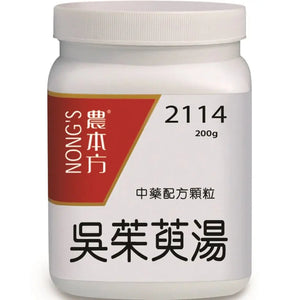
Wuzhuyu Tang

Wuzhuyu Tang: Warming the Middle, Directing Counterflow Downward and Scattering Cold | HJMEDICAL

I. Origins and History

1. Classical Literature

Wuzhuyu Tang originates from the Shang Han Lun (Treatise on Cold Damage), composed by Zhang Zhongjing of the Eastern Han dynasty — a classical work of profound and far-reaching influence on TCM clinical practice. In the Shang Han Lun, Wuzhuyu Tang is used to treat multiple conditions, laying the foundation for later physicians to apply this formula. Through observation and synthesis of a large number of clinical cases, Zhang Zhongjing identified the remarkable efficacy of Wuzhuyu Tang for certain specific patterns and committed it to writing for transmission to later generations.

2. Historical Development and Transmission

Over the course of time, Wuzhuyu Tang has been continuously applied and developed in the clinical practice of physicians throughout every dynasty. Physicians of successive generations, drawing on their own clinical experience, further elaborated and expanded upon the formula. Changes occurred in areas such as herb combination, dosage adjustment, and the scope of applicable conditions. Many physicians, building on the inheritance of Zhang Zhongjing's academic thought and integrating the clinical realities of their own era, continuously enriched and refined the application of Wuzhuyu Tang, ensuring it has always held an important place in TCM clinical practice. The formula has not only been widely applied domestically but has also spread to neighbouring countries such as Japan and South Korea, exerting a positive influence on the development of medicine across the East Asian region.

Wuzhuyu Tang: Warming the Middle, Directing Counterflow Downward and Scattering Cold | HJMEDICAL

II. Herb Composition (Sovereign, Minister, Assistant, Envoy)

1. Chief Herb: Wuzhuyu

Wuzhuyu (Evodia Fruit) is acrid and bitter in flavour, hot in nature, and mildly toxic. It enters the Liver, Spleen, Stomach, and Kidney channels. Its primary actions are scattering cold and relieving pain, directing counterflow downward to stop vomiting, and assisting yang to stop diarrhoea. Wuzhuyu's hot nature enables it to warm and disperse cold pathogens in the Liver channel; it is a key herb for treating various conditions of Liver channel cold. In Wuzhuyu Tang, it addresses the exuberant cold pathogen at the core of the pathomechanism, fulfilling the critical role of warming the liver and stomach, scattering cold, and directing counterflow downward, and therefore serves as chief herb.

2. Deputy Herb: Renshen

Renshen (Ginseng) is sweet and mildly bitter in flavour, mildly warm in nature, and enters the Spleen, Lung, Heart, and Kidney channels. It greatly tonifies the source qi, restores the pulse and prevents collapse, tonifies the spleen and benefits the lungs, engenders fluids and nourishes blood, and calms the spirit and enhances the intellect. In Wuzhuyu Tang, Renshen on one hand tonifies the spleen and stomach qi, strengthening the transforming and transporting function of the spleen and stomach to support the root of postnatal qi; on the other hand, combined with the other herbs, it reinforces the power of warming yang and scattering cold, jointly addressing the deficiency-cold pattern and fulfilling the therapeutic role of deputy herb.

3. Adjuvant Herb: Shengjiang

Shengjiang (Fresh Ginger) is acrid in flavour, mildly warm in nature, and enters the Lung, Spleen, and Stomach channels. It releases the exterior and scatters cold, warms the middle and stops vomiting, transforms phlegm and relieves cough, and resolves fish and crab toxicity. In this formula, Shengjiang warms the stomach and scatters cold, directs counterflow downward, and stops vomiting, assisting Wuzhuyu in reinforcing the actions of scattering cold and stopping vomiting; at the same time it can moderate the toxicity of Wuzhuyu, and therefore serves as adjuvant herb.

4. Envoy Herb: Dazao

Dazao (Jujube) is sweet in flavour, warm in nature, and enters the Spleen, Stomach, and Heart channels. It tonifies the middle and augments qi, nourishes blood, and calms the spirit. In this formula, Dazao harmonises all herbs, working in concert with the other herbs so that the medicinal nature becomes more harmonious; at the same time it tonifies the spleen and stomach, and therefore serves as envoy herb.

Wuzhuyu Tang: Warming the Middle, Directing Counterflow Downward and Scattering Cold | HJMEDICAL

III. Pathomechanism, Actions, and Indications

1. Pathomechanism

The primary pathomechanism addressed by Wuzhuyu Tang is middle-burner deficiency-cold with turbid yin counterflowing upward. Due to spleen-stomach yang deficiency with failure of transformation and transportation, cold pathogens are generated internally; cold pathogens follow the channels to disturb upward, impairing the stomach's harmonising and descending function, thereby giving rise to symptoms such as vomiting and nausea. At the same time, cold pathogens in the Liver channel counterflowing upward can cause headache and vertex pain. In addition, spleen-stomach deficiency-cold, with inability to decompose and ripen food and drink, can also give rise to abdominal pain and diarrhoea.

2. Actions

Wuzhuyu Tang has the actions of warming the middle and tonifying deficiency, and directing counterflow downward to stop vomiting. By warming and dispersing the cold pathogens in the middle burner and Liver channel, and tonifying the spleen and stomach qi, it corrects middle-burner deficiency-cold so that turbid yin no longer counterflows upward, thereby achieving the purpose of treating the disease.

3. Indications

- Yangming cold vomiting

Presentations include a desire to vomit after eating grain, possibly with concurrent epigastric pain, acid regurgitation with a noisy stomach, a pale tongue with a white, slippery coating, and a sunken, wiry, tight pulse. This arises from deficiency-cold in the Yangming stomach organ with counterflow of stomach qi upward. Wuzhuyu Tang as the principal treatment warms the stomach and scatters cold, directing counterflow downward and stopping vomiting to effectively relieve these symptoms.

- Shaoyin vomiting and diarrhoea

Symptoms include cold reversal of the hands and feet and extreme vexing agitation. Shaoyin disease is mostly characterised by debilitation of heart-kidney yang qi with exuberant internal yin-cold. Wuzhuyu Tang can warm the kidneys and heat the spleen, restore yang and rescue from counterflow, to treat the pattern of Shaoyin vomiting and diarrhoea.

- Jueyin headache

Principal symptoms include dry retching with expectoration of foamy saliva, headache, severe vertex pain, possibly accompanied by aversion to cold with cold limbs, a white tongue coating, and a sunken, wiry pulse. Cold pathogens in the Liver channel follow the channel to disturb the head upward, producing Jueyin headache. Wuzhuyu Tang can warm the liver and scatter cold, relieve pain, and direct counterflow downward; it is a commonly used formula for treating Jueyin headache.

Wuzhuyu Tang: Warming the Middle, Directing Counterflow Downward and Scattering Cold | HJMEDICAL

IV. Formula Analysis

1. Warming the Liver and Stomach to Scatter Cold

Wuzhuyu's hot nature and entry into the Liver channel enable it to warm and disperse cold pathogens in the Liver channel, so that qi and blood in the Liver channel flow freely. At the same time, it also warms the spleen and stomach, driving out cold pathogens from the middle burner and restoring the normal transforming and transporting function of the spleen and stomach. When cold pathogens receive warmth they disperse; when yang qi is restored it moves — thereby eliminating the cold pathogen factor that underlies the disease.

2. Harmonising the Stomach and Directing Counterflow Downward to Stop Vomiting

Stomach qi flows in harmony when it descends; in middle-burner deficiency-cold, counterflow of stomach qi upward produces vomiting. Both Wuzhuyu and Shengjiang possess the action of directing counterflow downward and stopping vomiting; their synergistic action enhances the effect of harmonising the stomach and directing counterflow downward. Renshen and Dazao tonify the spleen and stomach qi so that stomach qi becomes sufficient, facilitating the harmonious descent of stomach qi and thereby relieving vomiting symptoms.

3. Tonifying the Spleen and Stomach

The spleen and stomach are the root of postnatal qi; middle-burner deficiency-cold readily leads to weakness of spleen and stomach function. Renshen greatly tonifies the source qi and strengthens the spleen and benefits the stomach; Dazao tonifies the middle, augments qi, nourishes blood, and calms the spirit. Working in combination, the two herbs strengthen the transforming and transporting function of the spleen and stomach, replenishing their deficiency so that spleen and stomach function is restored to normal, providing the body with sufficient nourishment and promoting recovery from disease.

Wuzhuyu Tang: Warming the Middle, Directing Counterflow Downward and Scattering Cold | HJMEDICAL

V. Comparison with Related Formulas

1. Comparison with Lizhong Wan

- Similarities

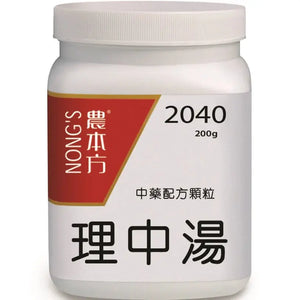
Lizhong Wan and Wuzhuyu Tang can both be used to treat middle-burner deficiency-cold patterns. Lizhong Wan uses Ganjiang (Dry Ginger) as its chief herb and focuses primarily on warming the middle and scattering cold, strengthening the spleen and drying dampness, mainly treating abdominal pain, diarrhoea, vomiting, and other symptoms caused by spleen-stomach deficiency-cold. Wuzhuyu Tang uses Wuzhuyu as its chief herb and leans more toward warming the liver and stomach, directing counterflow downward, and stopping vomiting; it is more suited to conditions of middle-burner deficiency-cold with cold pathogens in the Liver channel counterflowing upward.

- Differences

Lizhong Wan focuses on the foundational regulation of spleen-stomach deficiency-cold, with a relatively mild medicinal potency. Wuzhuyu Tang addresses the more complex pathomechanism of middle-burner deficiency-cold combined with counterflow of Liver channel cold pathogens upward; its medicinal potency is stronger, and it is particularly prominent in treating headache, vomiting, and other symptoms of Liver channel cold pathogens disturbing upward.

2. Comparison with Xiao Jianzhong Tang

- Similarities

Xiao Jianzhong Tang and Wuzhuyu Tang both have a certain action of warming the middle and tonifying deficiency. Xiao Jianzhong Tang uses Yitang (Maltose) as its chief herb and focuses primarily on warming the middle and tonifying deficiency, harmonising the interior and relieving urgency; it is mainly used to treat cramping abdominal pain and other symptoms caused by middle-burner deficiency-cold with disharmony of the liver and spleen.

- Differences

Wuzhuyu Tang places greater emphasis on warming and dispersing Liver channel cold pathogens and directing counterflow downward to stop vomiting, and is suited to conditions of middle-burner deficiency-cold combined with counterflow of Liver channel cold pathogens upward. Xiao Jianzhong Tang focuses more on harmonising the liver and spleen and relieving urgency to stop pain; it is more effective for middle-burner deficiency-cold patterns where abdominal pain is the principal symptom, and its interior-warming force is relatively weaker.

Wuzhuyu Tang: Warming the Middle, Directing Counterflow Downward and Scattering Cold | HJMEDICAL

VI. Clinical Applications

1. Digestive System Disorders

- Chronic Gastritis

In spleen-stomach deficiency-cold type chronic gastritis, patients commonly present with cold epigastric pain that is relieved by warmth, nausea and vomiting, a bland taste with absence of thirst, and other symptoms. Wuzhuyu Tang can warm the stomach and scatter cold, harmonise the stomach, and direct counterflow downward to improve gastric symptoms. Clinical research indicates that applying Wuzhuyu Tang with modifications to treat spleen-stomach deficiency-cold type chronic gastritis can effectively relieve epigastric pain, nausea, and vomiting, and improve patients' quality of life.

- Peptic Ulcer

Peptic ulcer falls within the TCM category of "epigastric pain"; where pattern differentiation identifies a middle-burner deficiency-cold pattern, Wuzhuyu Tang can fulfil the actions of warming the middle, tonifying deficiency, harmonising the stomach, and relieving pain. Patients commonly present with dull epigastric pain that prefers warmth and pressure, regurgitation of clear water, and fatigue and listlessness. Clinical practice has found that Wuzhuyu Tang combined with Western medication for treating peptic ulcer can promote ulcer healing and reduce recurrence rates.

2. Neurological Disorders

- Migraine

In migraine attributed to the pattern of Liver channel cold pathogens disturbing upward, headache is centred primarily at the vertex and may be accompanied by nausea and vomiting, aversion to cold, and cold limbs. Wuzhuyu Tang can warm the liver and scatter cold, unblock the channels, and relieve pain, producing good therapeutic results for migraine. Clinical observation has found that applying Wuzhuyu Tang to treat Liver channel cold disturbing upward type migraine can markedly reduce headache severity and improve patients' quality of life.

- Dizziness and Vertigo

In dizziness and vertigo caused by middle-burner deficiency-cold with failure of clear yang to ascend, patients commonly present with dizziness, nausea and vomiting, a pale complexion, and cold limbs. Wuzhuyu Tang can warm the middle, tonify deficiency, raise the clear, and descend the turbid to relieve dizziness symptoms. Clinical research shows that Wuzhuyu Tang with modifications has a certain therapeutic effect on middle-burner deficiency-cold type dizziness and vertigo.

3. Gynaecological and Obstetric Disorders

- Morning Sickness / Hyperemesis Gravidarum (Spleen-Stomach Deficiency-Cold Pattern)

Where nausea, vomiting, and loss of appetite appear in early pregnancy and pattern differentiation identifies spleen-stomach deficiency-cold, Wuzhuyu Tang can warm the stomach to stop vomiting, strengthen the spleen, and calm the foetus. Clinical application has found that Wuzhuyu Tang can effectively relieve the symptoms of morning sickness and hyperemesis gravidarum without adverse effects on the foetus.

- Dysmenorrhoea (Cold Stagnation with Blood Stasis Pattern)

Patients with cold stagnation and blood stasis type dysmenorrhoea commonly present with cold pain in the lower abdomen before or during menstruation that is relieved by warmth, aversion to cold, and cold limbs. Wuzhuyu Tang can warm the channels and scatter cold, resolve stasis, and relieve pain, producing good therapeutic results for this type of dysmenorrhoea. Clinical research has shown that combining Wuzhuyu Tang with moxibustion to treat cold stagnation and blood stasis type dysmenorrhoea can significantly reduce the severity of pain.

Wuzhuyu Tang: Warming the Middle, Directing Counterflow Downward and Scattering Cold | HJMEDICAL

VII. Clinical Modifications

1. For Severe Vomiting

Banxia (Pinellia) and Chenpi (Dried Tangerine Peel) may be added to strengthen the action of directing counterflow downward and stopping vomiting. Banxia dries dampness and transforms phlegm, and directs counterflow downward to stop vomiting; Chenpi regulates qi and strengthens the spleen, and dries dampness and transforms phlegm. Combined with Wuzhuyu Tang, the two herbs can better relieve vomiting symptoms.

2. For Severe Headache

Chuanxiong (Sichuan Lovage Root) and Gaoben (Chinese Lovage Root) may be added to dispel wind and relieve pain. Chuanxiong is acrid, warm, aromatic, and penetrating; it can ascend to the head and eyes and is a key herb for treating headache. Gaoben is acrid, warm, aromatic, and drying; it readily reaches the vertex to disperse wind-cold in the Taiyang channel. Added to Wuzhuyu Tang, the two herbs can enhance the analgesic effect and are particularly suited to vertex headache.

3. For Severe Deficiency-Cold

Fuzi (Aconite) and Rougui (Cinnamon Bark) may be added to strengthen the yang-warming force. Fuzi restores yang and rescues from counterflow, supplements fire and assists yang, and scatters cold and relieves pain; Rougui supplements fire and assists yang, scatters cold and relieves pain, and warms and unblocks the channels and vessels. For those with more severe middle-burner deficiency-cold or Liver channel cold pathogen, adding Fuzi and Rougui can further enhance the actions of warming yang and scattering cold.

4. For Epigastric Fullness and Distension

Houpo (Magnolia Bark) and Zhishi (Immature Bitter Orange) may be added to move qi and relieve distension. Houpo dries dampness, disperses phlegm, descends qi, and eliminates fullness; Zhishi breaks qi, disperses accumulation, transforms phlegm, and eliminates stuffiness. Together the two herbs can effectively relieve epigastric fullness and distension, allowing the qi dynamic to flow freely.

Wuzhuyu Tang: Warming the Middle, Directing Counterflow Downward and Scattering Cold | HJMEDICAL

VIII. Dosage and Preparation

1. Traditional Method

Traditional Shang Han Lun Decoction and Administration Guide for Wuzhuyu Tang

This guide introduces the classical decoction procedure for Wuzhuyu Tang — a classical interior-warming formula from the Shang Han Lun. Through the heavy use of Shengjiang and Dazao combined with the yang-warming and counterflow-directing action of Wuzhuyu and the qi-tonifying and spleen-strengthening action of Renshen, and following the classical principles of heat-switching and divided-dose administration, the formula achieves its full effect of warming the middle, tonifying deficiency, directing counterflow downward, and stopping vomiting.

【Prescription Composition and Preparation Materials】
  • Wuzhuyu (Evodia Fruit): 3 liang in classical measure (approx. 9g; chief herb; warms the stomach and liver, descends qi and directs counterflow downward)
  • Renshen (Ginseng): 3 liang (approx. 9g; deputy herb; augments qi and strengthens the spleen, greatly tonifies the source qi)
  • Shengjiang (Fresh Ginger): 6 liang (approx. 18g; sliced; adjuvant herb — used in larger quantity to warm the stomach and stop vomiting)
  • Dazao (Jujube): 12 pieces (adjuvant/envoy herb; split open; cultivates earth to generate metal, harmonises all herbs)
  • Water: an appropriate amount (for soaking the herbs and classical decoction)
Step 1: Combine the Interior-Warming Herbs and Soak in Cold Water Carefully weigh out quality Wuzhuyu and Renshen, slice the Shengjiang into thick pieces, and split open the Dazao by hand to allow the medicinal qi to disperse outward. Place all herbs neatly into a clay decocting pot and pour in an appropriate amount of water. **Soak in cold water in the pot for approximately 30 minutes** so that the dried herb pieces absorb sufficient water and soften in texture.
Step 2: Bring to a Boil over Strong Heat then Simmer Slowly over Gentle Heat After soaking is complete, formally apply heat. **First bring the water rapidly to a boil over high heat (strong fire)**. Once the decoction inside the pot is rolling vigorously, immediately **reduce to low heat (gentle fire) and simmer slowly**, allowing the bold, intense nature of Wuzhuyu to fully blend with the sweet-warm qi of Renshen, Shengjiang, and Dazao; continue simmering quietly until the medicinal liquid is rich and concentrated, then remove from heat.
Step 3: Strain While Hot and Filter the Decoction Carefully Remove from heat immediately upon completion of decoction and while still hot thoroughly strain to **remove the dregs at the bottom**. Pour the filtered, pure medicinal liquid into a clean receptacle. Although this traditional decoction method involves painstaking steps, it extracts the active constituents to the greatest possible degree and ensures the concentration of the decoction is pure and authentic.
Step 4: Administer Warm in Divided Doses to Direct Counterflow Downward and Stop Vomiting Take the obtained pure decoction **warm in multiple divided doses**. Following the principles of the Shang Han Lun, it should not be taken cold all at once or drunk down rapidly; it should be administered gradually in fixed amounts at fixed times as directed by the physician. Through the uninterrupted regulatory effect of the medicine, the formula's targeted therapeutic actions of warming the middle, tonifying deficiency, directing counterflow downward, and stopping vomiting are given full expression.

2. Modern Concentrated Granules

With advances in modern pharmaceutical technology, Wuzhuyu Tang is also available in a modern concentrated granule formulation. Modern concentrated granules are prepared by extracting and concentrating traditional Chinese herbs through various processes into a granule form that is convenient to take. Generally, the granules are dissolved in water as directed by the package insert dosage. Compared with the traditional decoction, modern concentrated granules retain the active constituents of the herbs, are convenient to carry and store, and are better suited to modern fast-paced lifestyles. However, when using them, the physician's recommendations should still be followed and the dosage adjusted based on the condition.

Wuzhuyu Tang: Warming the Middle, Directing Counterflow Downward and Scattering Cold | HJMEDICAL

IX. Precautions and Contraindications

1. Herb Dosage

Wuzhuyu is mildly toxic; when using it, the prescribed dosage must be strictly observed and it must not be taken in excess. Excessive intake may cause toxic reactions such as nausea, vomiting, abdominal pain, and diarrhoea. When preparing the formula, herbs must be weighed accurately to ensure medication safety.

2. Suitable Patient Population

Wuzhuyu Tang is warm and hot in nature and is suited to patients with deficiency-cold patterns. It is not appropriate for patients with excess heat patterns such as blazing stomach fire or damp-heat in the Liver channel. Using it in such cases would assist fire and generate heat, aggravating the condition. In clinical application, pattern differentiation must be accurate to avoid incorrect treatment.

3. Dietary Restrictions

During the course of taking Wuzhuyu Tang, consumption of raw and cold, oily, and pungent stimulating foods should be avoided. These foods may damage spleen and stomach yang qi, impair the efficacy of the herbs, and may even aggravate the condition. At the same time, dietary regularity should be maintained to preserve the normal transforming and transporting function of the spleen and stomach.

4. Special Circumstances

Wuzhuyu Tang should be used with caution in pregnant women. Although Wuzhuyu Tang has a certain therapeutic effect in treating gynaecological and obstetric conditions such as morning sickness and hyperemesis gravidarum, due to the particular nature of its constituent herbs, pregnant women should exercise caution when using it and weigh the benefits and risks under the guidance of a physician before deciding whether to use it.

Wuzhuyu Tang: Warming the Middle, Directing Counterflow Downward and Scattering Cold | HJMEDICAL

X. Modern Research

1. Pharmacological Research

Wuzhuyu Tang, as a formula name, primarily treats the Wuzhuyu Tang pattern; it has the actions of warming the middle and expelling cold, and directing counterflow downward and stopping vomiting. Key pattern-differentiation indicators include acid regurgitation, headache, a desire to vomit after eating grain, epigastric pain, and a sunken, wiry or slow pulse. The formula is suited to vomiting from yin cold and liver yang hyperactivity and related patterns. Dangshen and other herbs are commonly added to the formula; it is taken as a water decoction and produces good therapeutic results for the relevant patterns.

- Effects on the Digestive System

Modern research has demonstrated that Wuzhuyu Tang can regulate gastrointestinal motility, promote gastrointestinal peristalsis, and enhance digestive function. It can also inhibit gastric acid secretion and has a certain protective effect on the gastric mucosa, relieving gastric inflammation. In addition, Wuzhuyu Tang has a certain inhibitory effect on Helicobacter pylori, which may help in treating gastric diseases associated with Helicobacter pylori infection.

- Effects on the Nervous System

Wuzhuyu Tang possesses a certain analgesic action; the mechanism of this action may be related to regulating neurotransmitters and inhibiting pain signal transmission. For neurological conditions such as migraine, the analgesic effect of Wuzhuyu Tang may be achieved through improving local blood circulation and reducing nerve oedema.

- Effects on the Cardiovascular System

Research has found that Wuzhuyu Tang can dilate blood vessels and lower blood pressure, and has a certain regulatory effect on the cardiovascular system. It may achieve its protective effect on the cardiovascular system by influencing the contractile function of vascular smooth muscle and improving vascular endothelial function.

2. Clinical Research Findings

- Applications in Digestive System Diseases

Multiple clinical studies have confirmed that Wuzhuyu Tang demonstrates significant efficacy in treating digestive system diseases such as chronic gastritis, peptic ulcer, and functional dyspepsia. Comparative studies have found that Wuzhuyu Tang combined with Western medication, compared with Western medication alone, can improve cure rates, reduce recurrence rates, and is associated with fewer adverse reactions.

- Applications in Neurological Diseases

Clinical observation indicates that Wuzhuyu Tang produces good therapeutic results for neurological conditions such as migraine and dizziness and vertigo. In the treatment of migraine, Wuzhuyu Tang can markedly reduce headache severity, shorten the duration of headache episodes, and improve patients' quality of life. For patients with dizziness and vertigo, Wuzhuyu Tang can improve dizziness symptoms and enhance patients' sense of balance.

- Applications in Gynaecological and Obstetric Diseases

In the treatment of gynaecological and obstetric conditions such as morning sickness and hyperemesis gravidarum, and dysmenorrhoea, Wuzhuyu Tang has also demonstrated good clinical outcomes. Research has found that Wuzhuyu Tang can effectively relieve the symptoms of morning sickness and hyperemesis gravidarum, reduce the frequency of vomiting, and improve the nutritional intake of pregnant women. For dysmenorrhoea patients, Wuzhuyu Tang can significantly reduce the severity of pain and improve menstrual discomfort symptoms.

3. Future Research Directions

- In-depth Research into Mechanisms of Action

Although a certain understanding of the pharmacological actions of Wuzhuyu Tang has been achieved at present, further in-depth research into its mechanisms of action is still needed. For example, in neurological diseases, the specific neural pathways and molecular mechanisms of its analgesic action remain unclear; advanced experimental techniques and methods are required for in-depth investigation to provide a more solid theoretical basis for clinical application.

- Developing New Formulations and New Applications

With the advance of modern science and technology, exploration into the development of new formulations of Wuzhuyu Tang — such as targeted preparations and sustained-release preparations — should be pursued to improve drug efficacy and patient compliance. At the same time, the potential applications of Wuzhuyu Tang should be further explored, such as its role in the prevention of certain diseases, in order to open new fields for its clinical application.

- Conducting Multi-centre Large-scale Clinical Research

In order to assess the clinical efficacy and safety of Wuzhuyu Tang more comprehensively and accurately, multi-centre, large-scale clinical research should be conducted. Through large-scale clinical observation and the collection of more data, the therapeutic effects of Wuzhuyu Tang across different diseases can be further verified, providing more reliable grounds for its clinical promotion and application.

Wuzhuyu Tang — Frequently Asked Questions

Q1: What are the actions of Wuzhuyu Tang?

Wuzhuyu Tang has the actions of warming the middle and scattering cold, directing counterflow downward and stopping vomiting, and calming the liver and relieving pain. It is primarily used for vomiting, acid regurgitation, headache, and cold reversal of the four limbs caused by deficiency-cold in the stomach.

Q2: Which modern diseases is Wuzhuyu Tang applicable to?

In modern TCM clinical practice, it is commonly used for individuals with migraine, gastro-oesophageal reflux disease (GERD), chronic gastritis, and functional vomiting that fall within the TCM pattern of liver-stomach deficiency-cold with turbid yin counterflowing upward.

Q3: Is Wuzhuyu Tang effective for gastro-oesophageal reflux?

For patients with deficiency-cold type gastro-oesophageal reflux presenting with acid regurgitation, heartburn, morning nausea, worsening with cold, and cold epigastric pain, TCM practitioners commonly apply Wuzhuyu Tang based on pattern differentiation as adjunctive treatment to help improve symptoms of stomach qi counterflowing upward.

Q4: Who should not take Wuzhuyu Tang?

Patients with yin deficiency and effulgent fire, blazing stomach heat, pronounced bitter and dry mouth, and vomiting from excess heat are generally not suitable candidates for Wuzhuyu Tang. It should be used only after a qualified TCM physician has conducted a pattern-differentiation assessment based on the individual's constitution and syndrome.


⚠️ This content is for reference only and does not provide medical advice. Consult a healthcare professional for any health concerns.

Login

Forgot your password?

Don't have an account yet?
Create account

Wuzhuyu Tang