Zhi Shi Dao Zhi Wan: Classic TCM Formula for Food Stagnation with Heat
Zhi Shi Dao Zhi Wan (枳实导滞丸), known in English as Immature Bitter Orange and Rhubarb Pill to Guide Out Stagnation, is a classical TCM formula for guiding out food stagnation with Heat in the Stomach and Intestines. It is particularly indicated for acute food stagnation with Heat signs such as abdominal pain, constipation or diarrhea with foul-smelling stools, nausea, vomiting, and fever. In modern clinical practice, Zhi Shi Dao Zhi Wan is widely used for acute indigestion, food poisoning, or gastroenteritis with Heat and stagnation. By powerfully breaking up food stagnation, clearing the Heat generated by stagnation, and promoting bowel movements to expel accumulated material, it provides fast relief for acute food stagnation with Heat signs.

I. Origins and History
1. A Crystallisation of Ancient Medical Wisdom
Zhi Shi Dao Zhi Wan originates from the *Neiwaishang Bianhuo Lun* (Discrimination on the Damage of Internal and External Diseases), written by Li Dongyuan, a renowned physician of the Jin-Yuan dynasties. Li Dongyuan was the founder of the Spleen-Stomach doctrine in Chinese medicine, and he placed great emphasis on the pivotal role of the spleen and stomach in overall health, regarding them as the root of postnatal constitution and the source of qi and blood production. Zhi Shi Dao Zhi Wan is a classical formula he created based on his in-depth study of spleen-stomach transportation and transformation function and its related disorders.
2. Historical Transmission and Development
Since its creation in the Jin-Yuan period, Zhi Shi Dao Zhi Wan has withstood centuries of clinical practice and has been widely applied by physicians of successive generations in treating a variety of digestive system disorders. As TCM theory has continued to be enriched and clinical experience has accumulated, the formula's dosages and combination methods have also been further refined and optimised, making it a shining pearl in the treasury of Chinese medicine formulas.

II. Herb Composition (Sovereign, Minister, Assistant, Envoy)
1. Chief Herb: Zhishi (Immature Bitter Orange)
Zhishi breaks up qi, disperses accumulation, and resolves phlegm to relieve fullness. It moves qi and guides out stagnation, eliminating stagnant qi in the stomach and intestines, making it the key herb of the formula. Zhishi excels at breaking qi downward, and has a good therapeutic effect on distension, pain, and difficult bowel movements caused by qi stagnation in the stomach and intestines. It is bitter, acrid and sour in flavour, slightly cold in nature, and enters the spleen, stomach, and large intestine channels. Its action is relatively strong, rapidly propelling the movement of qi in the stomach and intestines so that accumulation can be dispersed.
2. Deputy Herb: Dahuang (Rhubarb Root)
Dahuang is an excellent herb for clearing heat and draining fire, cooling the blood and resolving toxicity, and dispelling stasis to unblock the menses. In Zhi Shi Dao Zhi Wan, Dahuang mainly serves to purge and attack accumulation, sweeping away excess heat and stagnation in the stomach and intestines and promoting renewal by eliminating the old. Combined with Zhishi, it strengthens the power to move qi, guide out stagnation, and purge accumulation, allowing stomach and intestinal stagnation to be expelled quickly from the body. Dahuang is bitter, cold, and heavy in its descending action, moving without lingering and reaching directly to the lower burner; it has a marked therapeutic effect on abdominal pain, constipation, and a yellow greasy tongue coating caused by damp-heat accumulation in the stomach and intestines.
3. Assistant Herbs: Huanglian and Huangqin
Huanglian and Huangqin are both herbs for clearing heat and drying dampness. Huanglian clears heat, dries dampness, drains fire, and resolves toxicity, and is especially skilled at clearing damp-heat from the middle burner; Huangqin clears heat, dries dampness, drains fire, and resolves toxicity, with a tendency toward clearing damp-heat from the upper burner and large intestine. Combined with Dahuang, the two strengthen the action of clearing heat and drying dampness, helping to eliminate damp-heat pathogens from the stomach and intestines, and providing good therapeutic effects for diarrhoea and dysentery caused by damp-heat accumulation. At the same time, the bitter-cold nature of Huanglian and Huangqin restrains the fierce, potent nature of Dahuang and Zhishi, so that the whole formula purges without damaging the body's righteous qi.
4. Envoy Herb: Shenqu (Medicated Leaven)
Shenqu has the effect of promoting digestion and harmonising the stomach. It disperses food accumulation, strengthens the spleen, and opens the appetite, aiding in the digestion of food stagnation. Within the formula, it serves to harmonise the actions of the other herbs, ensuring that the whole formula, while eliminating stomach and intestinal accumulation, also attends to the spleen and stomach's transportation and transformation function, preventing excessive purgation from damaging spleen-stomach qi. Shenqu is sweet and acrid in flavour, warm in nature, and enters the spleen and stomach channels; its digestive action is mild and gentle, making it suitable for long-term use to regulate spleen-stomach digestive function.

III. Pathomechanism, Actions, and Indications
1. Pathomechanism Analysis
The pathomechanism targeted by Zhi Shi Dao Zhi Wan is primarily damp-heat food accumulation obstructing the stomach and intestines internally. Due to unregulated eating habits and excessive consumption of rich, greasy, spicy, or raw and cold foods, the spleen and stomach's transportation and transformation function becomes disordered, causing food to accumulate in the stomach and intestines. This accumulation stagnates and transforms into heat, forming a damp-heat pathogen. Damp-heat and food accumulation bind together and obstruct the qi mechanism of the stomach and intestines, giving rise to a series of symptoms such as distension and pain in the epigastrium and abdomen, diarrhoea or constipation, and a yellow greasy tongue coating.
2. Actions
This formula has the actions of dispersing food accumulation, guiding out stagnation, clearing heat, and resolving dampness. Through Zhishi, Dahuang, and other herbs that move qi, guide out stagnation, and purge accumulation, together with Shenqu's digestive and stomach-harmonising action, and Huanglian and Huangqin's heat-clearing and dampness-drying action, the formula works synergistically to eliminate accumulation and damp-heat pathogens from the stomach and intestines and restore normal stomach-intestinal function.
3. Indications
Zhi Shi Dao Zhi Wan is mainly used to treat distension and pain in the epigastrium and abdomen, loss of appetite, constipation, and tenesmus with dysentery caused by damp-heat food accumulation. It is commonly used clinically to treat digestive disorders, gastroenteritis, and dysentery, and has good therapeutic effects for improving gastrointestinal dysfunction and relieving abdominal pain and diarrhoea.

IV. Formula Analysis
1. Combined Use of Qi-Moving and Purgative Actions
Zhishi breaks qi and disperses accumulation, while Dahuang purges and attacks accumulation; combined, one descends and the other purges, working synergistically to rapidly eliminate stagnant qi in the stomach and intestines, unblock the bowels, and allow the fu-organ qi to descend. This combined use of qi-moving and purgative methods directly addresses the root cause of distension and difficult bowel movements arising from the pathomechanism of stomach-intestinal accumulation.
2. Combination of Heat-Clearing and Dampness-Drying
Huanglian and Huangqin clear heat and dry dampness, and combined with Dahuang's purgative and heat-clearing action, they strengthen the power to clear heat and resolve dampness. For damp-heat accumulation in the stomach and intestines, this combination not only eliminates damp-heat pathogens from the intestinal tract but also prevents further binding of damp-heat, thereby relieving diarrhoea and dysentery caused by damp-heat and restoring freshness to the stomach and intestines.
3. Attending to Both Digestion and Spleen-Strengthening
Shenqu promotes digestion and harmonises the stomach, and while eliminating food accumulation, it also strengthens the spleen and opens the appetite, promoting the spleen-stomach's transportation and transformation function. Working together with Zhishi, Dahuang, and the other herbs, it ensures that the whole formula, in the process of attacking and expelling accumulation, does not excessively damage spleen-stomach righteous qi — embodying the TCM treatment principle of "combining attack with supplementation."

V. Comparison with Related Formulas
1. Comparison with Baohe Wan
Baohe Wan's main action is to promote digestion and harmonise the stomach, focusing on the treatment of food stagnation, with symptoms mainly presenting as epigastric distension, belching of rotten odours and acid regurgitation, and loss of appetite. Its ingredients are mostly digestive and accumulation-dispersing herbs, such as Shanzha (Hawthorn Fruit), Shenqu, Banxia, and Fuling, and its action is relatively mild. Zhi Shi Dao Zhi Wan, on the other hand, not only aids digestion but also clears heat, resolves dampness, and moves qi to guide out stagnation, making it more suitable for distension, pain, and constipation caused by damp-heat food accumulation obstructing the stomach and intestines, with a comparatively stronger action.
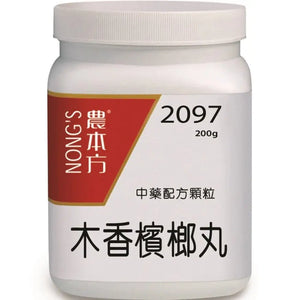
2. Comparison with Muxiang Binlang Wan
Muxiang Binlang Wan has the actions of moving qi to guide out stagnation and attacking accumulation to drain heat, mainly treating internal accumulation and stagnation with dampness transforming into heat, presenting as epigastric fullness and distending pain, red-and-white dysentery, and tenesmus. This formula has a stronger action for moving qi and attacking accumulation, and contains qi-moving and stagnation-breaking herbs such as Qingpi (Unripe Tangerine Peel), Xiangfu (Cyperus Rhizome), and Ezhu (Zedoary Rhizome). Zhi Shi Dao Zhi Wan is somewhat weaker in moving qi and guiding out stagnation, but its power to clear heat and resolve dampness is more pronounced, placing greater emphasis on the pathomechanism of damp-heat food accumulation.

VI. Clinical Applications
1. Indigestion
Zhi Shi Dao Zhi Wan can be used to treat indigestion caused by unregulated eating habits, presenting as epigastric distension, loss of appetite, belching of rotten odours, and acid regurgitation. In the formula, Zhishi and Dahuang move qi, guide out stagnation, and purge accumulation, while Shenqu promotes digestion and harmonises the stomach, effectively eliminating food accumulation from the stomach and intestines and promoting the restoration of digestive function.
2. Gastroenteritis
For gastroenteritis caused by damp-heat binding in the stomach and intestines, presenting with abdominal pain, diarrhoea, sticky and unsmooth stools, and a yellow greasy tongue coating, Zhi Shi Dao Zhi Wan has a good therapeutic effect. Its actions of clearing heat, resolving dampness, and moving qi to guide out stagnation can relieve gastrointestinal inflammation and reduce abdominal pain and diarrhoea, promoting the restoration of gastrointestinal function.
3. Dysentery
In the early stage of dysentery, if it presents as damp-heat dysentery with symptoms such as abdominal pain, tenesmus, red-and-white discharge, burning sensation at the anus, and a yellow greasy tongue coating, Zhi Shi Dao Zhi Wan can be used as a commonly applied formula. In the formula, Dahuang, Huanglian, and Huangqin clear heat, dry dampness, drain fire, and resolve toxicity, while Zhishi moves qi and guides out stagnation, effectively eliminating damp-heat pathogens from the intestinal tract and relieving symptoms of dysentery.

VII. Clinical Modifications for Zhi Shi Dao Zhi Wan
1. With Pronounced Qi Stagnation
If a patient's qi stagnation symptoms are relatively pronounced, Muxiang (Costus Root) and Houpo (Magnolia Bark) may be added to strengthen the qi-moving action. Muxiang moves qi and relieves pain, while Houpo dries dampness, resolves phlegm, and descends qi to relieve fullness; combined with Zhishi, the two work synergistically to strengthen the effect of moving qi and guiding out stagnation, more effectively relieving distension and pain caused by qi stagnation.
2. With Concurrent Spleen Deficiency
If a patient has concurrent spleen deficiency symptoms, Baizhu (Atractylodes Rhizome) and Dangshen (Codonopsis Root) may be added to strengthen the spleen and tonify qi. Baizhu strengthens the spleen and dries dampness, while Dangshen tonifies the middle and boosts qi; combined with Shenqu in the formula, they strengthen the action of fortifying the spleen and opening the appetite, preventing excessive purgation from damaging spleen-stomach righteous qi, so that the whole formula combines attack with supplementation, making it more suitable for conditions with a mixture of deficiency and excess.
3. With Pronounced Damp-Heat
If damp-heat symptoms are relatively severe, Huashi (Talcum) and Cheqianzi (Plantago Seed) may be added to clear heat and drain dampness. Huashi clears heat, relieves summerheat, and promotes urination to unblock painful urinary dribbling, while Cheqianzi clears heat, promotes urination, and drains dampness to unblock painful urinary dribbling; combined, the two strengthen the action of clearing heat and resolving dampness, allowing damp-heat pathogens in the intestinal tract to be expelled more quickly, relieving symptoms such as diarrhoea and short, reddish urination.

VIII. Dosage and Preparation (Traditional Method and Modern Concentrated Granules)
1. Traditional Method
The traditional form is a pill taken orally. The usual dosage is 6–9 grams per dose, twice daily. Zhi Shi Dao Zhi Wan pills should be taken with warm boiled water, ideally around half an hour before or after meals, to allow the herbs to take effect more effectively. The traditional pill-making process is relatively complex and preserves the active constituents and properties of the herbs well, though it is comparatively less convenient to take.
2. Modern Concentrated Granules
Modern concentrated granules are a new dosage form produced from the traditional formula through extraction, concentration, and other processing methods. The usual dose is one sachet, taken with boiled water, twice daily. Modern concentrated granules are convenient to take, easy to store, and dissolve and absorb quickly, allowing the herbal effect to take hold rapidly. However, some volatile constituents may be lost during processing, though overall efficacy is comparable to the traditional pill form.

IX. Precautions and Adverse Reactions
1. Caution for Those with a Weak Constitution
Zhi Shi Dao Zhi Wan has a relatively strong action with purgative and qi-moving effects; those with a weak constitution or spleen-stomach deficiency-cold may experience damage to their righteous qi after taking it, potentially leading to worsened abdominal pain and diarrhoea as adverse reactions, and should therefore use it with caution.
2. Contraindicated in Pregnancy
Dahuang and other herbs in the formula have a purgative action that may adversely affect the fetus; pregnant women who take this formula risk miscarriage or premature birth, and it is therefore absolutely contraindicated during pregnancy.
3. Dietary Precautions
During treatment, a light diet should be maintained, avoiding spicy, greasy, raw, and cold irritating foods, so as not to increase the burden on the stomach and intestines or affect the herbs' efficacy. Regular eating habits should also be maintained, avoiding overeating.

X. Modern Research
1. Pharmacological Research
Zhi Shi Dao Zhi Wan is a prescription medicine, and its composition includes Zhishi (stir-fried), Huanglian (ginger-juice processed), Baizhu (stir-fried), Liushenqu (stir-fried), and other herbs. It has the actions of dispersing accumulation, guiding out stagnation, and clearing damp-heat, and is indicated for epigastric distension and pain, loss of appetite, constipation, and tenesmus with dysentery caused by food accumulation and internal damp-heat obstruction. The medicine appears light brown to dark brown, and the dosage is 6–9 grams per dose, twice daily, taken as a decoction or with boiled water. Precautions include contraindication in cases of deficiency-cold dysentery, and adverse reactions have been reported; use should be guided by a physician.
Modern research shows that Zhi Shi Dao Zhi Wan has effects on regulating gastrointestinal motility, promoting the secretion of digestive fluids, and providing anti-inflammatory and antibacterial actions. The active constituents in Zhishi can stimulate gastrointestinal smooth muscle and enhance gastrointestinal peristalsis, promoting gastric and intestinal emptying; Dahuang stimulates the intestinal nerve plexus and increases propulsive intestinal peristalsis; Huanglian and Huangqin have antibacterial and anti-inflammatory actions, inhibiting the growth and proliferation of pathogenic bacteria in the intestinal tract and reducing intestinal inflammatory responses.
2. Expansion of Clinical Applications
With modern medicine's deepening research into digestive system disorders, the clinical application of Zhi Shi Dao Zhi Wan has also seen new developments. Beyond its traditional use for indigestion, gastroenteritis, and dysentery, it has also been trialled in the treatment of functional dyspepsia, irritable bowel syndrome, and other gastrointestinal functional disorders, achieving certain clinical benefits. Some studies have also found that combining Zhi Shi Dao Zhi Wan with other treatment methods, such as Western medicine or acupuncture, produces better therapeutic results for certain digestive system disorders, providing more options for clinical treatment.
Zhi Shi Dao Zhi Wan — Frequently Asked Questions
What are the main actions of Zhi Shi Dao Zhi Wan?
Zhi Shi Dao Zhi Wan disperses accumulation, guides out stagnation, clears heat, resolves dampness, and moves qi to unblock the bowels, and is commonly used for gastrointestinal discomfort caused by food accumulation and internal damp-heat obstruction.
What is it commonly used for in modern practice?
It is commonly used to support functional constipation, bloating, indigestion, food-accumulation abdominal pain, difficulty with bowel movements, gastrointestinal stagnation, and intestinal damp-heat conditions.
Is Zhi Shi Dao Zhi Wan suitable for long-term use?
Long-term continuous use is generally not recommended. This formula leans toward attacking and guiding out stagnation, and is suited to the stage of pronounced accumulation; long-term use should be assessed by a qualified TCM practitioner.
Who should avoid taking it?
Those with spleen-stomach deficiency-cold, chronic diarrhoea, qi-deficiency constipation, and pregnant women should use it with caution. If persistent abdominal pain, blood in the stool, or severe constipation occurs, medical attention should be sought promptly.
⚠️ This content is for reference only and does not provide medical advice. Consult a healthcare professional for any health concerns.