Tinnitus: A TCM Perspective on Patterns and Traditional Approaches

Explore how Traditional Chinese Medicine traditionally understands tinnitus through different patterns, associated symptoms, and classical formulas.

Explore the Tinnitus Condition Profile →

Last reviewed Sep 16, 2026

Quick Facts

Health Topic Head & Facial Care
Chinese Name 耳鳴
Synonyms Ringing in the ears·Ear ringing·Buzzing ears·Noise in the ears·Ear noise
Description Ringing, buzzing, or other sounds perceived in the ears.
Related TCM Patterns Liver Fire·Qi Deficiency·Kidney Yin Deficiency
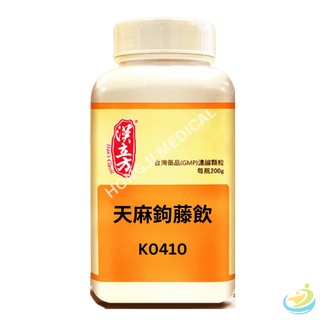
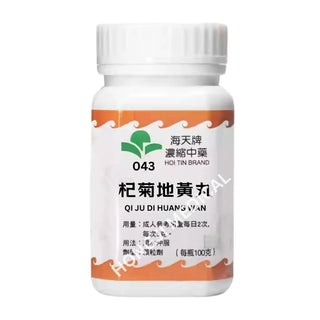
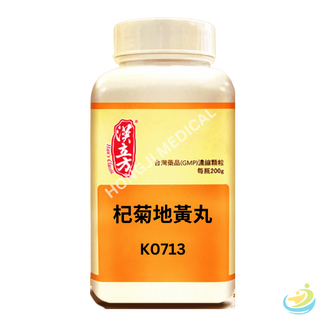
Related Classical Formulas Tian Ma Gou Teng Yin·Qi Ju Di Huang Wan·Liu Wei Di Huang Wan·Zuo Ci Wan
+4 more Yi Qi Cong Ming Tang·Gou Teng San·Zi Shen Ming Mu Tang·Tong Qiao Huo Xue Tang

What Is Tinnitus?

Tinnitus is a ringing, buzzing, hissing, or pulsing sound in one ear or both—noticed more in quiet rooms, at night, or after fatigue—sometimes with hearing drop, dizziness, or ear fullness.

Western medicine may look at noise injury, wax, middle-ear pressure, inner-ear aging, medication, or, less often, a vascular or nerve cause. In Traditional Chinese Medicine, the ear is the orifice of the Kidney, yet Liver Fire and Phlegm can also rush upward and shake that orifice.

TCM does not treat every inner sound the same way. The same ringing may come from:

  • Kidney essence or yin deficiency — low, lingering tone; worse at night; sore low back
  • Liver Fire / Liver yang rising — sudden loud ringing; irritability; temple ache
  • Phlegm-fire — thick buzzing; heavy head; bitter taste; greasy coating
  • Qi and Blood deficiency — weak sound after overwork; pallor; poor sleep
  • Wind-heat — acute ringing with a blocked ear or sore throat
  • Blood stasis — long one-sided ringing; fixed head pain; dark tongue

Care starts with syndrome differentiation, then lower listening volume, regular sleep, less alcohol and late caffeine, and not probing the ear canal.

Seek urgent medical review the same day if ringing starts with a sudden hearing drop, or is one-sided and pulsatile, or comes with vertigo, facial weakness, ear discharge and fever, or a recent head injury.

Tinnitus

When to See a Doctor

While traditional approaches offer valuable perspectives, certain symptoms call for prompt medical evaluation. Please consult a qualified healthcare professional if any of the following apply.

1. Signals of Underlying Diseases

It is crucial to remember that tinnitus can sometimes mask severe, life-threatening conditions.

  • Acoustic Neuroma (Tumors): If your tinnitus is accompanied by progressive hearing loss, facial numbness, severe dizziness, or intractable headaches, it could signal a benign tumor on the hearing nerve.
  • Cardiovascular Issues: Sudden, pulsating tinnitus can be the first warning sign of high blood pressure, arteriosclerosis, or other vascular diseases. Red Flag: If you experience sudden hearing loss, projectile vomiting, severe neurological symptoms, or asymmetrical ringing (in only one ear), seek immediate Western medical imaging and evaluation.

2. Differentiating This Condition from Others

Properly identifying the nature of your tinnitus is essential to avoid dangerous self-medication.

  • Continuous vs. Intermittent: Continuous ringing with hearing loss often points to structural ear damage (requiring an ENT specialist). Intermittent ringing that flares up during stressful times is usually related to TCM emotional imbalances.
  • Pulsating vs. Humming: A ringing that beats in time with your heart is a vascular red flag. A low, cicada-like hum is usually Kidney deficiency.
  • The Danger of Blind Treatment: Taking random medications without understanding your specific pattern is harmful. For example, using antibiotics for a ringing ear caused by Kidney deficiency will not only fail to cure the tinnitus but can destroy your gut flora and worsen your systemic energy imbalance. Always consult a professional for an accurate diagnosis.

Traditional Chinese Medicine educational content on HJMEDICAL should not be used to delay appropriate medical evaluation.

Traditional Framework

Tinnitus in Traditional Chinese Medicine: Core Understanding and Root Causes

1. The Western Medical View of Tinnitus

In Western medicine, tinnitus is considered a symptom rather than a standalone disease. It is often traced back to localized issues or systemic conditions.

  • Ear Conditions: Inflammation (like otitis media), earwax blockage, or inner ear structural issues like Meniere's disease.
  • Systemic Issues: Cardiovascular problems (high blood pressure), endocrine disorders (thyroid issues), or neurological factors.
  • External Triggers: Prolonged noise exposure or medication side effects. Western medicine relies on hearing tests and imaging to pinpoint these direct causes.

2. The TCM View of Tinnitus: A State of Imbalance

Traditional Chinese Medicine (TCM) takes a holistic approach. It views tinnitus as a warning sign that the body's internal organs are dysfunctional and that Qi, Blood, Yin, and Yang are out of balance.

In TCM, the body is an interconnected network. For example:

  • The Kidneys "open" to the ears; if Kidney essence is depleted, the ears lose their nourishment.
  • The Liver regulates the smooth flow of energy; if Liver Qi is stagnant, it blocks circulation to the head.
  • The Heart and Spleen produce and circulate blood; if they are weak, the ears simply do not receive enough energy to function properly.
Tinnitus

3. Three Major Root Causes of Tinnitus

Invasion of External Pathogens

In TCM, external environmental factors—known as "pathogens"—can invade the body and block the meridians leading to the ears.

  • Wind and Cold: Often striking during seasonal changes, cold forces blood vessels to constrict, blocking Qi flow and causing ringing.
  • Wind and Heat: Heat pathogens can flare upward, irritating and damaging the ear's delicate networks.
  • Dampness: When external dampness burdens the digestive system, it creates a "turbid" energy that rises to the head, clogging the ears.

Internal Organ Dysfunction

Internal wear and tear is a primary culprit for chronic tinnitus.

  • Kidney Weakness: Overwork, chronic illness, or natural aging depletes the "Kidney essence," which is the foundational fuel for ear health.
  • Liver Stagnation: When the Liver fails to properly distribute energy, the ears are starved of blood and oxygen.
  • Spleen/Heart Deficiency: A poor diet, irregular eating habits, or excessive mental strain weakens the Spleen (the digestive hub), meaning the body cannot produce enough fresh Blood and Qi to send up to the ears.

Emotional Factors

Your emotional state plays a massive role in ear health. Chronic stress, anxiety, depression, or anger directly impacts the Liver. When emotions are bottled up, Liver Qi stagnates and eventually turns into "fire." This internal fire shoots upward, disturbing the head and ears. Furthermore, severe stress disrupts your overall energy flow, creating a vicious cycle where the tinnitus itself causes more anxiety, making the ringing even louder.

Pattern Differentiation

Common TCM Patterns Associated With Tinnitus

TCM traditionally considers this presentation in relation to the underlying pattern rather than treating every case the same way.

Pattern Typical Features Classical Formula
Liver Fire肝火證
  • Irritability, a bitter taste in the mouth, redness of the eyes or face, and distending headache or rib-side discomfort.
  • Sleep may be restless with vivid dreams, and the person often prefers cool drinks.
  • Constipation or dark urine can appear when heat is stronger.
  • Tongue red with a yellow coating; pulse wiry and rapid.
Tian Ma Gou Teng Yin
Qi Deficiency氣虛證
  • Easy fatigue, shortness of breath on mild effort, a soft or low voice, and spontaneous sweating with light activity.
  • The complexion is often pale, and recovery after exertion is slow.
  • There may be a tendency to catch external pathogens more easily.
  • Tongue pale with a thin white coating; pulse weak or empty.
Huang Qi Gui Zhi Wu Wu Tang
Kidney Yin Deficiency腎陰虛證
  • Soreness and weakness of the lower back and knees, tinnitus or dizziness, night sweats, warm palms and soles, and dry mouth or throat that is worse at night.
  • Sleep may be light, and the person often prefers cool drinks.
  • The frame may be thinner.
  • Tongue red with little coating; pulse thin and rapid.
Qi Ju Di Huang Wan

Why Can One Condition Have Different TCM Patterns?

Primary Presentation Tinnitus (耳鳴)
Kidney Yin DeficiencyQi Ju Di Huang Wan

Pattern differentiation is the foundation of TCM. The same presentation can correspond to different patterns, and the traditionally associated formula differs accordingly.

Treatment Principle

Root and Branch: How TCM Approaches Tinnitus

In Traditional Chinese Medicine, effective treatment involves a dual approach: "treating the branch" (the immediate symptoms) and "treating the root" (the underlying organ imbalance).

1. Treating the Branch (Immediate Symptom Relief)

The goal here is to quickly alleviate the ringing and discomfort.

  • For Wind-Heat invasion, formulas like Yin Qiao San (Honeysuckle and Forsythia Powder) are used to quickly clear the heat and relieve headaches or nasal congestion.
  • For Liver Fire, strong cooling formulas like Long Dan Xie Gan Tang (Gentian Liver-Draining Decoction) rapidly lower the internal fire, easing loud ringing and dizziness. This improves the patient's daily quality of life while the deeper work begins.

2. Treating the Root (Balancing the Organs)

To ensure the tinnitus doesn't return, TCM focuses on restoring systemic balance over time.

  • If the root cause is Kidney essence depletion, long-term tonics like Liu Wei Di Huang Wan (Six-Ingredient Pill with Rehmannia) or Zuo Gui Wan (Restore the Left Pill) are used to deeply nourish the body.
  • If the root cause is Spleen weakness, formulas like Bu Zhong Yi Qi Tang (Tonify the Middle and Augment the Qi Decoction) rebuild digestive strength to ensure a steady supply of energy and blood reaches the ears.
Tinnitus

3. Common Herbs and Classic Formulas

Herbs for Nourishing Kidney Essence

These herbs are the foundation for treating chronic, low-pitched tinnitus caused by aging or exhaustion.

  • Shu Di Huang (Prepared Rehmannia Root): A deeply nourishing herb that builds blood and replenishes Kidney essence.
  • Shan Zhu Yu (Asiatic Cornelian Cherry Fruit): Helps to secure the Kidney energy, preventing further depletion.
  • Gou Qi Zi (Goji Berry): A gentle, daily tonic that nourishes both Liver and Kidney health to brighten the senses. These are often combined into the famous daily tonic, Liu Wei Di Huang Wan (Six-Ingredient Pill with Rehmannia).

Herbs for Clearing Liver Fire

When stress and anger cause loud, pulsing ear ringing, these bitter and cold herbs act like a fire extinguisher.

  • Long Dan Cao (Gentian Root): Powerfully drains intense heat from the Liver and Gallbladder.
  • Huang Qin (Baical Skullcap Root): Clears heat and dries up inflammatory dampness.
  • Zhi Zi (Cape Jasmine Fruit): Cools the blood and relieves irritability, commonly used in Long Dan Xie Gan Tang (Gentian Liver-Draining Decoction).

Herbs for Clearing Phlegm

Used when the ears feel full, heavy, and sound like a machine.

  • Ban Xia (Pinellia Tuber): The premier TCM herb for drying dampness and dissolving stubborn phlegm.
  • Tian Nan Xing (Arisaema Root) and Zhe Bei Mu (Thunberg Fritillary Bulb): Work together to break down congested nodules and clear heat from the upper body. These are key players in formulas like Qing Qi Hua Tan Wan (Clear the Qi and Transform Phlegm Pill).
Tinnitus

4. Classical Herbs and Formulas for Tinnitus

Historic herbal combinations recorded in the classical medical texts.

Tian Ma Gou Teng Yin

天麻鉤藤飲 (Tiān Má Gōu Téng Yǐn)

A modern classic formula (1958) designed to calm hyperactive Liver Yang and extinguish internal Wind. Widely used for headache, dizziness, tinnitus and insomnia associated with rising Liver Yang, often on a background of Liver-Kidney deficiency.

View Formula ProfileRead Complete Guide →

Qi Ju Di Huang Wan

杞菊地黃丸 (Qǐ Jú Dì Huáng Wán)

A Yin-tonifying formula based on Liu Wei Di Huang Wan with the addition of Gou Qi Zi and Ju Hua. It nourishes Liver and Kidney Yin, particularly for dizziness, dry eyes, blurred vision and tinnitus due to Yin deficiency.

View Formula ProfileRead Complete Guide →

Liu Wei Di Huang Wan

六味地黃丸 (Liù Wèi Dì Huáng Wán)

The foundational Yin-tonifying formula for Kidney Yin deficiency. It nourishes the Kidney while gently draining residual dampness and empty heat, addressing dizziness, tinnitus, night sweats, lumbar soreness and a red tongue with scant coating.

View Formula ProfileRead Complete Guide →

Show 2 more classical formulas

Daily Support

Home Support Care for Tinnitus

1. Acupressure for Daily Care

To help manage tinnitus at home, you can gently massage specific acupoints. Apply moderate pressure until you feel a mild, dull ache, holding each point for 1 to 2 minutes, 2 to 3 times a day.

  • Local Ear Points: Massaging points directly around the ear helps improve local blood and Qi circulation. Key points include Er Men (in front of the ear notch), Ting Gong (in front of the tragus), and Ting Hui (just below Ting Gong).
  • Tai Xi & Yong Quan: For tinnitus caused by Kidney deficiency, massage Tai Xi (between the inner ankle and Achilles tendon) and Yong Quan (on the sole of the foot) to deeply nourish Kidney essence and draw excess fire downward.
  • Tai Chong & Xing Jian: If your tinnitus is driven by Liver fire (stress and anger), massaging these two points on the top of your foot (between the first and second toes) can help clear Liver fire and calm the nervous system.
Tinnitus

2. Food as Medicine (Dietary Therapy)

Recipes for Different Patterns

  • Wind-Heat Invasion: Try Mint Porridge. Boil 60g of rice into a porridge, add 15g of fresh mint in the last 2-3 minutes of cooking. Mint is excellent for clearing wind and heat, making it perfect for sudden tinnitus or ear fullness after catching a cold.
  • Liver Fire Flaring Up: Drink Chrysanthemum and Cassia Seed Porridge or tea. Boiling chrysanthemum and cassia seeds helps cool the body, clearing the intense Liver fire that causes loud, pulsating ear ringing and irritability.
  • Phlegm-Fire Accumulation: Make a Chen Pi (Tangerine Peel) and Winter Melon Soup. Simmering 6g of Chen Pi with 200g of winter melon helps dissolve stubborn phlegm and clear damp-heat, easing the heavy, machine-like humming in the ears.
  • Kidney Essence Deficiency: Eat Black Bean and Walnut Porridge. Simmering black beans, walnuts, and rice creates a gentle, long-term daily tonic that nourishes the Kidneys and supports chronic, low-pitched tinnitus.
  • Spleen and Stomach Weakness: Try Fu Ling (Poria Mushroom), Shan Yao (Chinese Yam), and Millet Porridge. Boiling 15g of Fu Ling and 20g of Shan Yao with millet strengthens the digestive system, ensuring your body produces enough energy to nourish the ears.

General Dietary Guidelines

To ensure your dietary therapy works, you must avoid foods that trigger your specific imbalance:

  • Avoid Spicy and Greasy Foods: If you have Liver fire or Phlegm-fire, strictly avoid chili, alcohol, coffee, and fried foods, as these generate internal heat and make the ringing louder.
  • Limit Sweets and Cold/Raw Foods: If you have a weak Spleen or phlegm, heavy sweets and icy drinks will further damage your digestion and create more ear-clogging dampness.
  • Reduce Salt: A high-salt diet can restrict blood flow and worsen pulsating tinnitus.
  • Do Not Blindly Take Tonics: Only those with true Kidney depletion should take tonics. Using warming herbs like ginseng when you actually have Liver fire will severely worsen your symptoms.
Tinnitus

Prevention

Preventive Care for Tinnitus

For simple, daily maintenance, herbal teas are highly effective. You can drink chrysanthemum and mint tea for lingering cold symptoms, cassia seed and goji berry tea for stress-induced Liver fire, or Chen Pi (Tangerine Peel) and malt tea to manage phlegm. For chronic exhaustion, a simple mulberry and goji berry tea can gently nourish the Kidneys over time.

However, herbal teas and diet must be paired with lifestyle adjustments. Managing your emotional stress is critical for preventing Liver fire, while avoiding overwork and getting to bed before 11:00 PM protects your Kidney essence. Remember, dietary therapy takes time; if your tinnitus suddenly worsens, is accompanied by a sudden drop in hearing, or causes severe dizziness, seek professional medical attention immediately rather than relying solely on home care.

Frequently Asked Questions About Tinnitus

How does Traditional Chinese Medicine understand tinnitus?
In TCM, the ear is the orifice of the Kidney, and the Gallbladder and Sanjiao channels also travel around the ear. Tinnitus (耳鸣) may arise from Kidney Essence failing to nourish the ear, or from Liver Fire, Phlegm-Fire or Wind rising to disturb the clear orifice. Deficiency patterns tend to produce a low, empty ringing; excess patterns often produce a loud, rushing sound.
What are the common TCM patterns of tinnitus?
Frequent patterns include Kidney deficiency (low ringing, worse with fatigue, low-back weakness), Liver Fire or Liver Yang rising (sudden loud ringing with headache or irritability), Phlegm-Fire (ringing with heavy head and sticky mouth), and Qi and Blood deficiency. Accurate pattern differentiation determines the treatment approach.
How does TCM regulate tinnitus?
The main principles are to tonify Kidney Essence, clear Liver Fire, resolve Phlegm or nourish Qi and Blood according to the pattern. Formulas such as modifications of Er Long Zuo Ci Wan, Long Dan Xie Gan Tang or Qi Ju Di Huang Wan may be considered. Reducing noise exposure and improving sleep are also important. Internal treatment should be guided by a qualified TCM practitioner.
What dietary advice does TCM give for tinnitus?
For Fire or Phlegm patterns, reduce alcohol, spicy, fried and very greasy foods. For Kidney-deficiency patterns, prefer regular, warm, nourishing meals and avoid excessive raw-cold food. Limit excess caffeine if it aggravates ringing. Specific choices should match the individual’s pattern under professional guidance.
What daily lifestyle measures help with tinnitus?
Protect hearing from loud noise, keep regular sleep, and manage emotional tension. Avoid digging the ears. Gentle exercise and relaxation can reduce the perception of ringing. Do not use unprescribed ear drops or cotton buds deep in the canal.
Can acupuncture help tinnitus?
Yes, as a supportive method. Acupuncture can regulate the Kidney, soothe the Liver and improve local circulation around the ear. Points near the ear together with Tai Xi (KI3), Tai Chong (LR3) or others may be selected according to the pattern. Treatment should be performed under professional supervision.
How long does TCM regulation for tinnitus usually take?
Recent excess-type ringing may ease within 2–4 weeks. Chronic Kidney-deficiency tinnitus often requires several weeks to a few months and may only lessen rather than disappear completely. Duration depends on the pattern, noise exposure and sleep quality.
Who should be cautious with TCM treatments for tinnitus?
People with sudden hearing loss, one-sided tinnitus, dizziness, or those taking ototoxic medications require careful assessment. Strong Fire-draining or Blood-moving herbs should not be used indiscriminately. Always consult a qualified TCM practitioner.
When should one seek further medical evaluation for tinnitus?
Seek prompt evaluation for sudden hearing loss, one-sided persistent tinnitus, tinnitus with vertigo, neurological symptoms, or pulsatile ringing that follows the heartbeat. TCM regulation is complementary and cannot replace necessary ENT or neurological diagnosis.
Does treatment of tinnitus require professional pattern differentiation?
Yes. Effective TCM regulation depends on accurate pattern differentiation (Kidney deficiency versus Liver Fire or Phlegm-Fire). Using only tonifying methods when Fire is rising, or only draining methods in deficiency, may worsen ringing. Self-diagnosis and self-medication are not recommended. Consultation with a qualified TCM practitioner is essential.

Related Conditions

Explore the Complete Tinnitus Condition Profile

Go deeper into the associated patterns, the classical formulas traditionally linked to each of them, and the products available.

Explore the Tinnitus Condition Profile →

Medical Disclaimer — Traditional Chinese Medicine educational content on HJMEDICAL should not be used to delay appropriate medical evaluation. This article is provided for educational purposes only and describes traditional Chinese medicine concepts. It is not medical advice, and it is not intended to diagnose, treat, cure or prevent any disease. Always consult a qualified healthcare professional before starting any herbal formula, particularly if you are pregnant, nursing, taking medication or managing a diagnosed condition.

More Conditions & Care

Login

Forgot your password?

Don't have an account yet?
Create account

Tinnitus: Syndrome Differentiation and Daily Care