Quick Facts
| Latin Name | Amomi Fructus Rotundus |
|---|
| Chinese Name & Pinyin | 白豆蔻 · Bai Dou Kou |
|---|
| Medicinal Part | Fruits and seeds |
|---|
| Efficacy Category | Dampness-transforming |
|---|
| Botanical Origin | The dried ripe fruit of Amomum kravanh Pierre ex Gagnep. or Amomum compactum Soland. ex Maton (Zingiberaceae). |
|---|
| Nature & Flavour | Acrid; Warm |
|---|
| Channels Entered | Lung, Spleen, Stomach |
|---|
What Is Bai Dou Kou?
Bai Dou Kou (Round Cardamom) is a medicinal herb of Traditional Chinese Medicine.
Imported from Thailand, Indonesia and Cambodia; also cultivated in Yunnan and Hainan.
Nature & Flavour: Acrid; Warm
Channels Entered: Lung, Spleen, Stomach
Bai Dou Kou: Materia Medica Profile
Identification & Quality Standard
Amomi Fructus Rotundus
Botanical Origin
The dried ripe fruit of Amomum kravanh Pierre ex Gagnep. or Amomum compactum Soland. ex Maton (Zingiberaceae).
Production Regions
Imported from Thailand, Indonesia and Cambodia; also cultivated in Yunnan and Hainan.
Quality Requirements
Superior medicinal material is large, whitish, intensely aromatic, and full of seeds.
Macroscopic Features
Subglobose fruit, 1.2~1.8cm diameter, whitish to yellowish-white, three-valved; seeds dark brown, intensely aromatic.
Traditional TCM Properties
Acrid; WarmLungSpleenStomach
Traditional Functions
Transforms dampness, moves qi, warms the middle, and checks vomiting. Apply to damp obstruction of the middle jiao, epigastric distension, and vomiting.
How Bai Dou Kou Is Used in TCM
In the Chinese materia medica, Bai Dou Kou is classified among the Dampness-transforming herbs. It appears in 2 classical formulas in our library.
Formulas containing Bai Dou Kou are traditionally used for:
FeverPoor AppetiteDamp-Heat ConstitutionChest Tightness
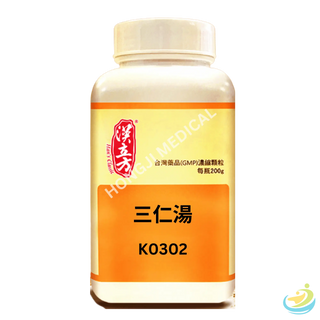
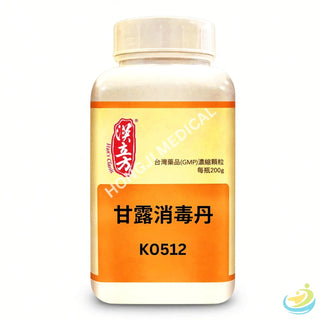
Classical Formulas Containing Bai Dou Kou
Frequently Asked Questions
What is Bai Dou Kou? Are Sha Ren, Cao Dou Kou and Rou Dou Kou the same?
Official Bai Dou Kou (白豆蔻) is the dried ripe fruit of Amomum kravanh or Amomum compactum. The pharmacopoeial name is Amomi Fructus Rotundus. Sha Ren is acrid-warm: transforms dampness, opens the Stomach, warms the Spleen, stops diarrhea, regulates qi and calms the fetus. Cao Dou Kou is an alpinia: acrid-warm, dries dampness, moves qi, warms the middle and stops vomiting, and is more drying. Rou Dou Kou is nutmeg seed: acrid-warm, warms the middle, moves qi, astringes the intestines and stops diarrhea. Write Bai Dou Kou. Use caution in yin vacuity with blood dryness.
What are the TCM properties and traditional uses of Bai Dou Kou?
According to the Chinese Pharmacopoeia, Bai Dou Kou is acrid and warm, enters the Lung, Spleen and Stomach channels, and acts to transform dampness, move qi, warm the middle, stop vomiting, open the Stomach and disperse food. It is used for damp-turbidity obstructing the middle, no desire to eat, the start of damp-warmth, chest oppression without hunger, cold-damp counterflow vomiting, chest and abdominal distending pain, and undigested food. Acrid-warm and aromatic, it suits cold-damp qi stagnation—not yin vacuity with blood dryness or Stomach-heat vomiting.
How is Bai Dou Kou decocted? Can Sha Ren replace it?
Crush it and add it near the end; do not decoct it long, or the volatile oil is lost. Villous amomum leans to warming the Spleen, stopping diarrhea, regulating qi and calming the fetus; it cannot replace transforming dampness and stopping vomiting by equal weight. Commercial cardamom tea is not equal-weight pieces.
Learn More About Bai Dou Kou
Explore our in-depth article covering the traditional uses, properties, functions, and TCM context of Bai Dou Kou.
Read the Bai Dou Kou Guide →
Medical Disclaimer — This article is provided for educational purposes only and describes traditional Chinese medicine concepts. It is not medical advice, and it is not intended to diagnose, treat, cure or prevent any disease. Always consult a qualified practitioner before using any herb, particularly if you are pregnant, nursing, taking medication or managing a diagnosed condition.